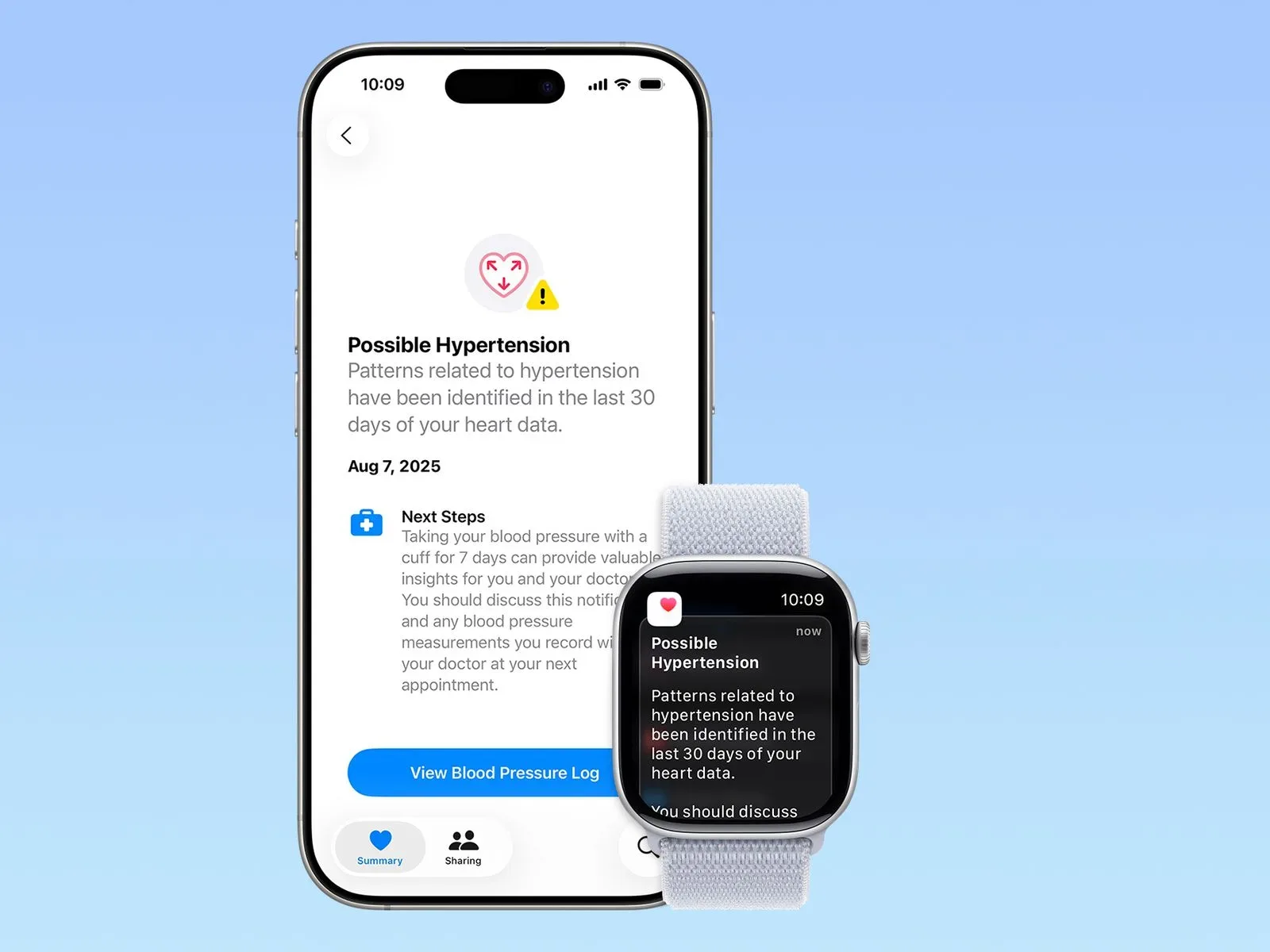
Buying newer hardware usually means adding features, not watching one disappear from the menu like a secret unlock that has been patched out. Yet some Apple Watch owners could encounter precisely that awkward transition if they replace a current model with an Apple Watch Series 12 or Apple Watch Ultra 4.
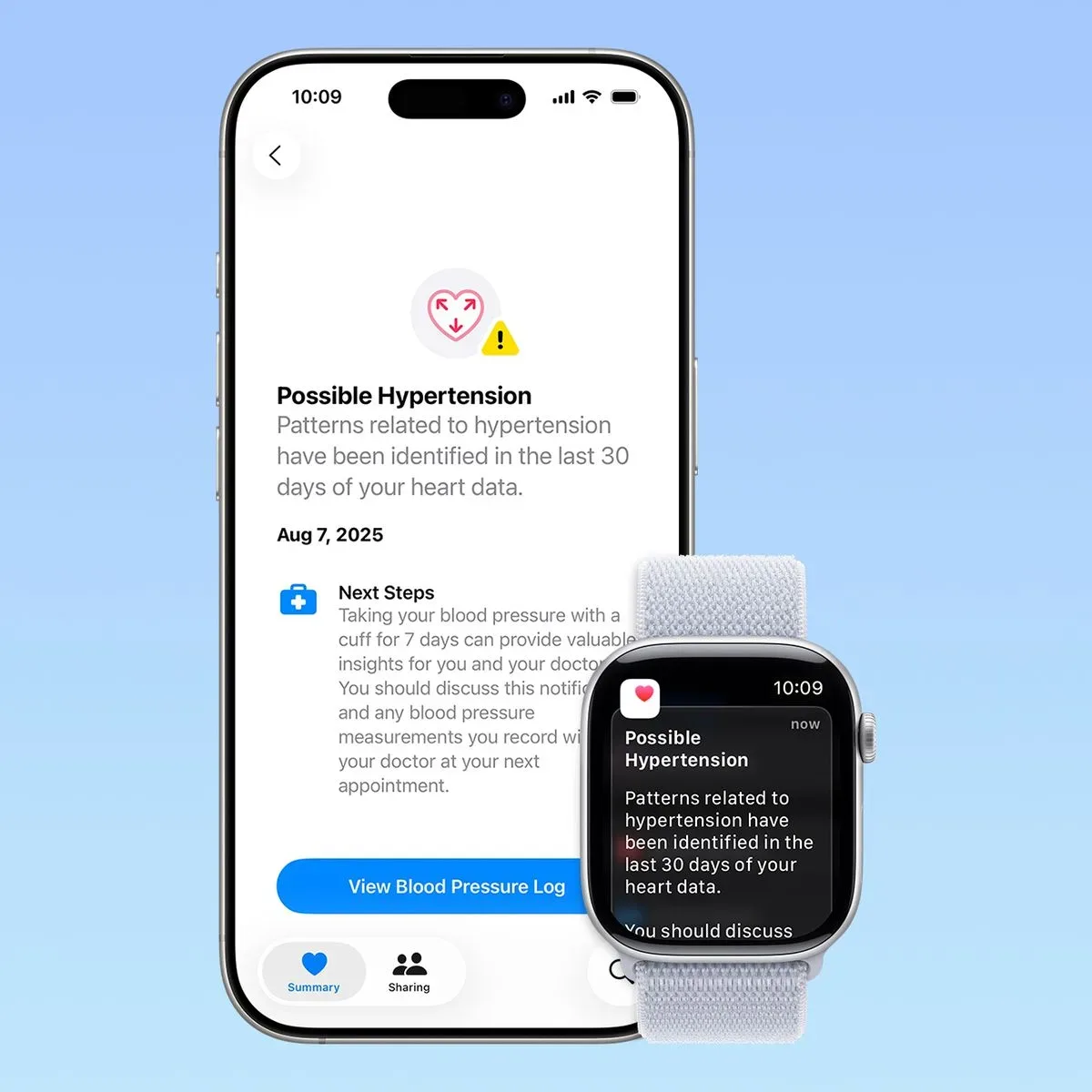
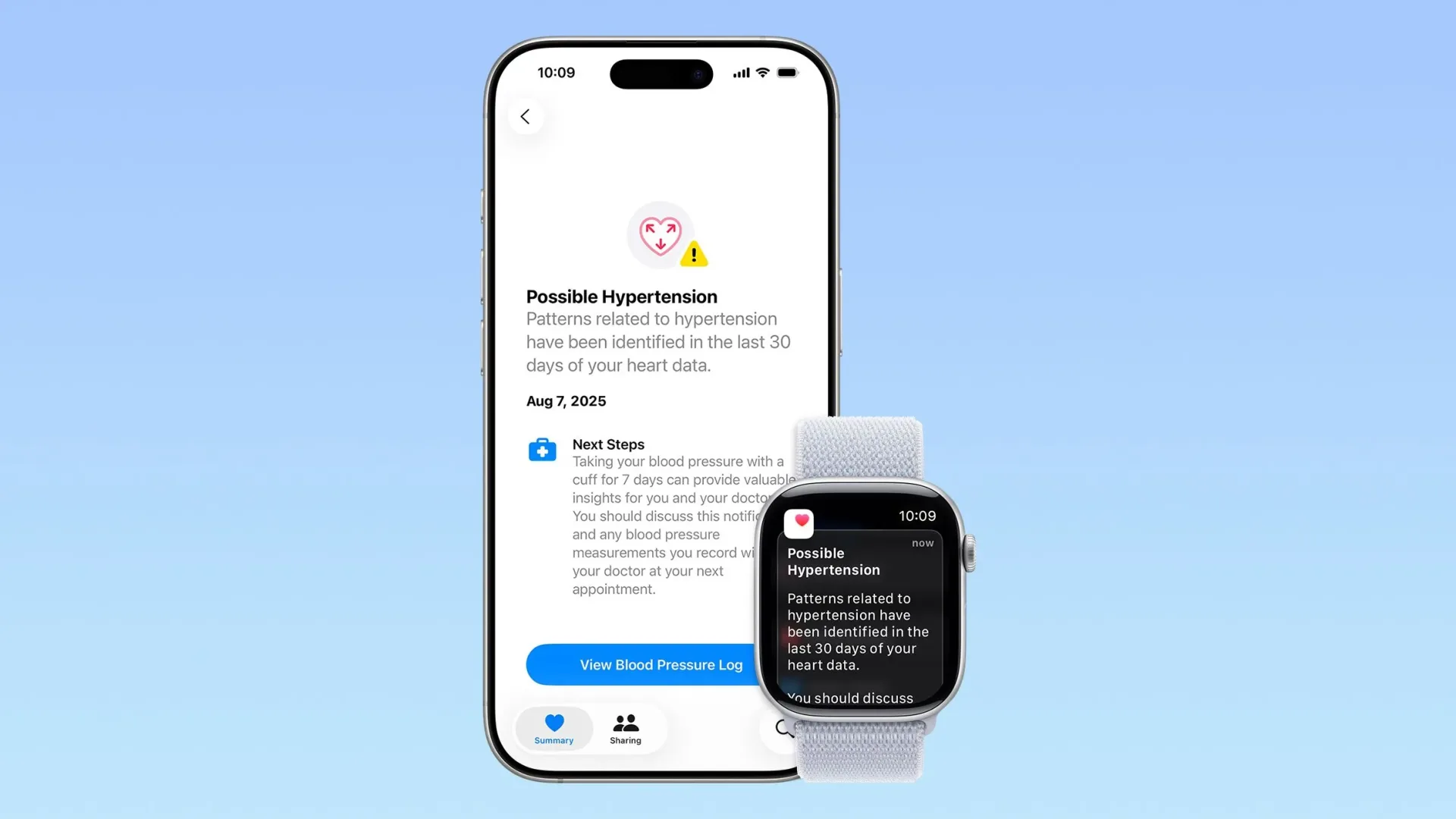
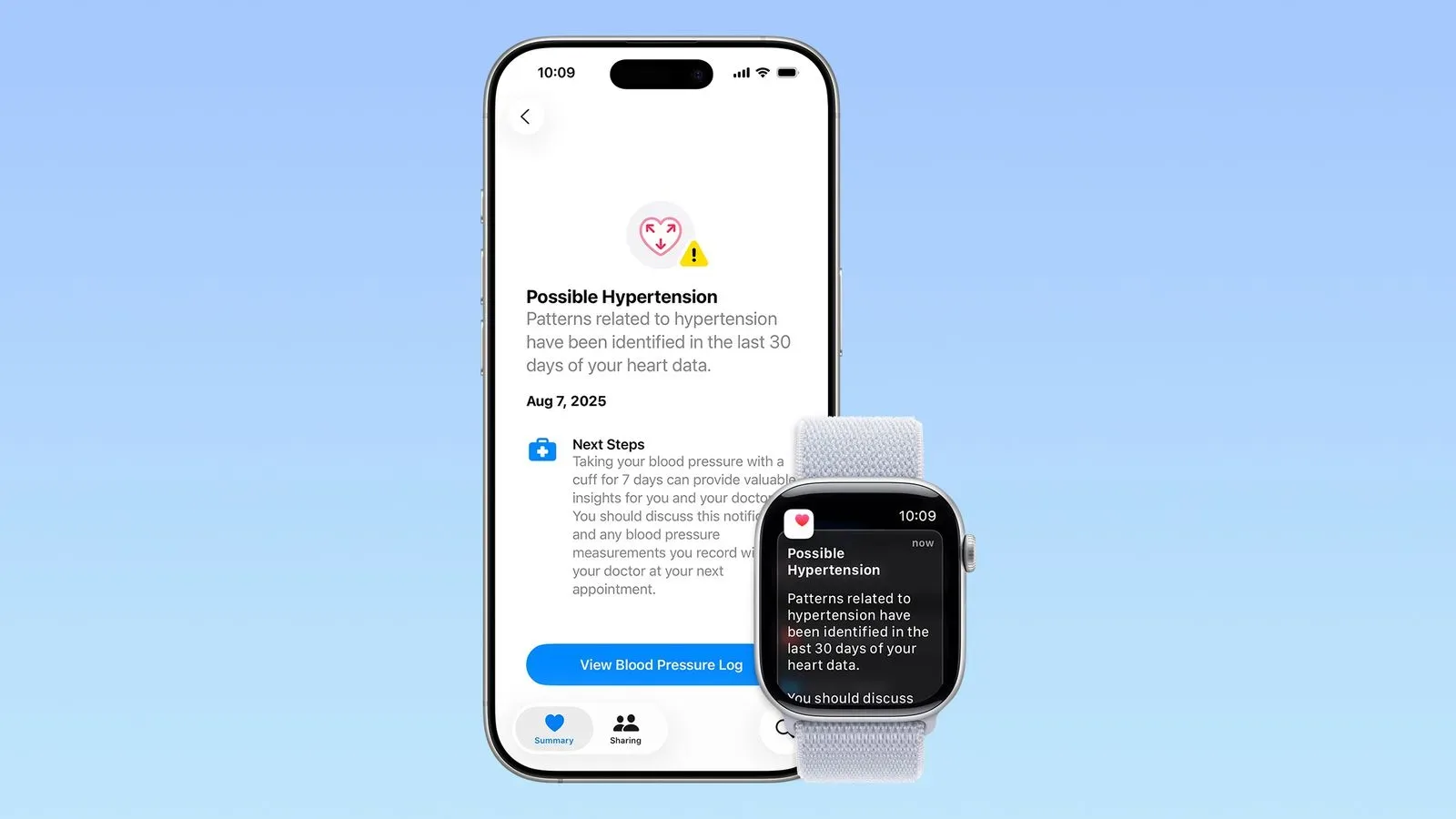
Apple indicates that hypertension notifications may not be available at launch for the new watches in certain markets because extra regulatory clearances remain in progress. The limitation applies to 33 countries and regions. That means a person who can receive those notifications on an eligible older Apple Watch today could temporarily lose that capability after moving to a Series 12 or Ultra 4, depending on where they live.
It is an important distinction for anyone weighing an upgrade primarily around health features. The watches themselves are not described as lacking the relevant sensing hardware. Instead, the issue appears tied to approval of the newly revised devices in particular jurisdictions. Regulatory status, rather than a simple software switch, is the obstacle.
Which regions are affected?
The notice covers 33 countries and regions, with examples including Canada, Australia, India, Brazil, Singapore, Japan, Taiwan, South Africa, South Korea, and the United Arab Emirates. Apple provides the complete territory list through its feature-availability material.
Conversely, places that do not carry the relevant note are expected to retain access to hypertension notifications as normal. The United States, the United Kingdom, and every European Union country fall into that group.
That split makes the situation especially worth checking before trading in an existing watch. Two buyers can purchase the same Series 12 or Ultra 4 and receive a substantially different health-feature lineup based solely on their region. For a feature as personal as a blood-pressure-related alert, that can matter more than another cosmetic finish, case dimension, or a few added hardware specifications.
Hypertension notifications may be unavailable on Apple Watch Series 12 or Apple Watch Ultra 4 in some regions while additional clearances are still being completed.
The wording also leaves room for change. “May not be available” and “clearances are in process” describe a temporary regulatory condition, not necessarily a permanent removal. Still, there is no stated completion date here, so prospective purchasers should treat availability at launch as uncertain in the listed territories rather than assume an immediate post-launch update will restore the option.
Why a newer watch can need fresh approval
Series 12 and Ultra 4 introduce a revamped sensor arrangement and a new Health Sensing System. Even when a new device offers continuity with an older health feature, changes to the components or the way measurements are gathered can trigger a need for separate evaluation. Medical-adjacent notifications are not handled like a new watch face or an extra emoji keyboard; local regulators can require clearance for the specific hardware involved.
Apple’s changes are centered on both electrical and optical heart sensing. The company says the new watches have updated heart sensors intended to collect more frequent and more accurate information. That broader effort to improve measurement quality is potentially valuable, but it also helps explain why the compliance path may differ from the one completed for previous Apple Watch models.
In plain language: an upgrade can be technically more capable and still be temporarily less feature-complete in a particular country. It is a frustrating bit of consumer electronics logic, but health features sit at the meeting point of hardware engineering, software design, and regional oversight. The result is a rollout screen that is less “press Start to continue” and more “waiting for approval from the final boss.”
What changed in the Health Sensing System?
Apple has detailed several sensor and measurement changes on the Series 12 and Ultra 4. The updates aim to improve skin contact, light capture, and the rate at which the watches build a picture of heart-related activity.
- ECG readings: The electrodes cover a larger area, designed to make better contact with the skin when an ECG is taken.
- Optical sensing: Redesigned photodiodes are arranged in a ring, a configuration intended to gather light more efficiently.
- Heart-rate tracking: Larger and more power-efficient green LEDs enable heart-rate measurement every five seconds throughout the day.
- Heart rate variability: HRV is measured as frequently as every five minutes.
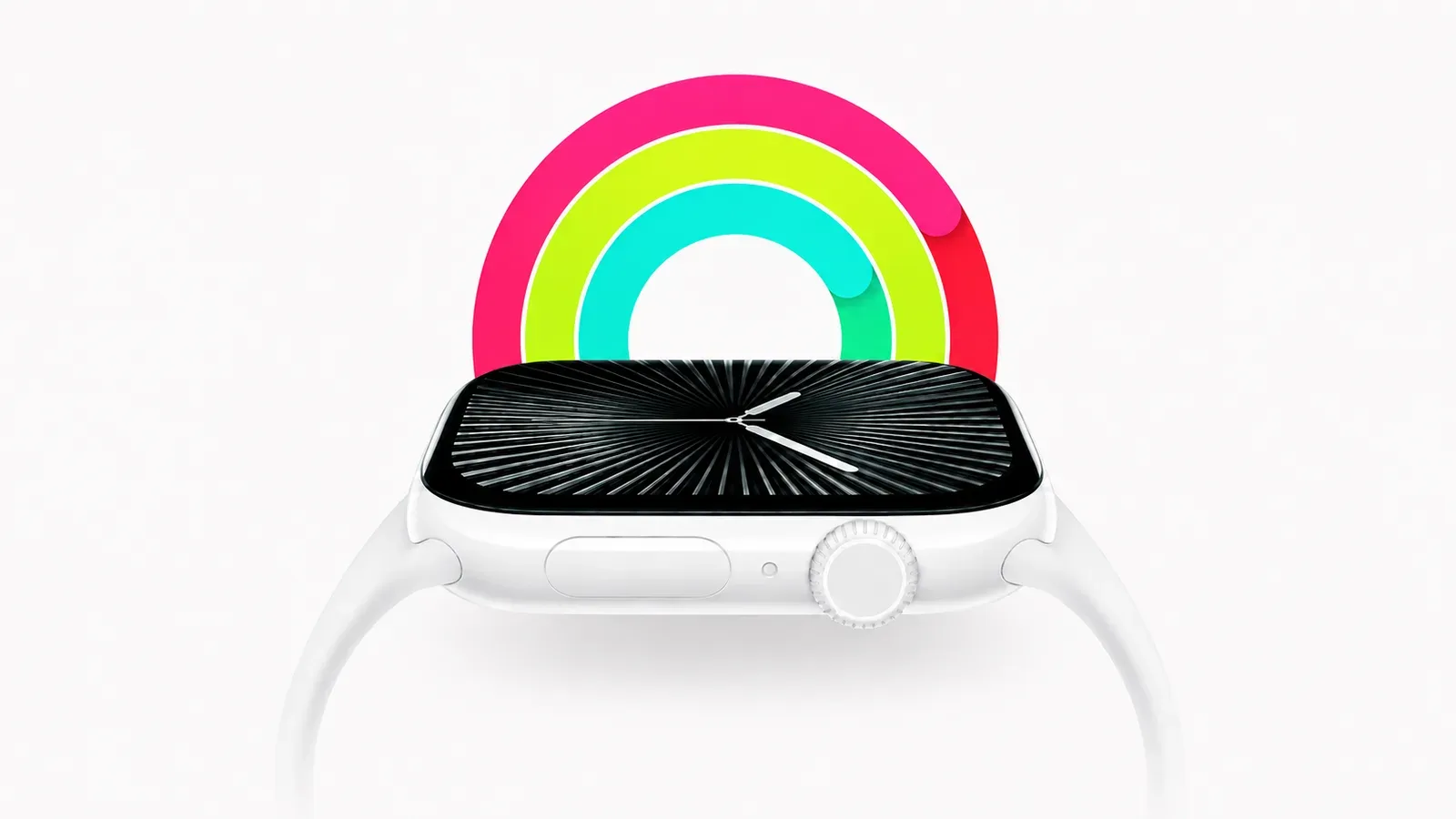
Five-second all-day heart-rate measurement is among the headline changes. More frequent readings can provide more data about fitness and physiological condition, while the updated Heart Rate app offers real-time heart-rate information. Apple also says the Exercise and Move Activity rings benefit from improved accuracy.
For people who use their watch as a background companion during a commute, workout, workday, or an extended session with an old favorite, these refinements are designed to make the data stream more continuous. Readers in a retro-racing mood can also see how software preservation projects chase performance gains in this update on OutRun: Amiga Edition’s 40th-anniversary performance push. The Apple Watch change is, of course, a different kind of speed story: more frequent physiological measurements rather than a faster frame rate.
What this does—and does not—mean for current owners
The key detail is that the availability warning concerns the new Series 12 and Ultra 4 hardware in the affected markets. Existing users who currently receive hypertension notifications do not automatically lose them merely because a newer watch has arrived. The possible loss occurs when an owner upgrades to one of these new models before the additional approvals have been granted in their region.
That creates an unusual upgrade checklist. Rather than asking only whether the new sensors, design, battery expectations, or software additions justify changing devices, an eligible owner in an affected region should account for the possibility of a temporary health-feature regression. Anyone who values the notifications should confirm the regional feature status at the point they plan to buy, rather than relying on the availability of the feature on their current watch.
It is also important not to overstate what hypertension notifications are. The information provided concerns a notification feature and its availability; it does not establish a diagnosis, substitute for clinical care, or imply that every wearer will receive an alert. A smartwatch notification should be understood within the device’s stated purpose and the advice of qualified health professionals, particularly where blood pressure is concerned.
A sensible pre-upgrade checklist
- Check your exact country or region. Broad product pages can hide regional differences, and the warning applies to a defined list of 33 markets.
- Identify whether hypertension notifications are active on your present watch. If it is a feature you use or value, it deserves more weight in the upgrade decision.
- Do not assume prior availability transfers to new hardware. The clearance status is tied to Series 12 and Ultra 4 in the affected locations.
- Separate confirmed facts from timing assumptions. Additional clearance is in progress, but no specific date for availability has been provided.
- Consider the full trade-off. The new Health Sensing System brings revised ECG electrodes, redesigned photodiodes, continuous five-second heart-rate checks, more frequent HRV readings, and claimed activity-tracking improvements—but these do not erase the temporary notification caveat where it applies.
For buyers in the United States, United Kingdom, and EU countries, the regional footnote does not apply, so hypertension notifications are expected to continue normally. For buyers in Canada, Australia, India, Brazil, Singapore, Japan, Taiwan, South Africa, South Korea, the UAE, and the other affected markets, the more cautious reading is appropriate: the new watches may gain substantial sensing improvements while waiting on approval to offer one notification feature that an older model already supports.
That is not the most glamorous upgrade story, but it is the useful one. A new sensor suite can be a meaningful advance, and more frequent heart metrics may appeal to many users. Before making the jump, though, shoppers in affected regions should make sure the new watch’s health-tool roster matches the one they are leaving behind.