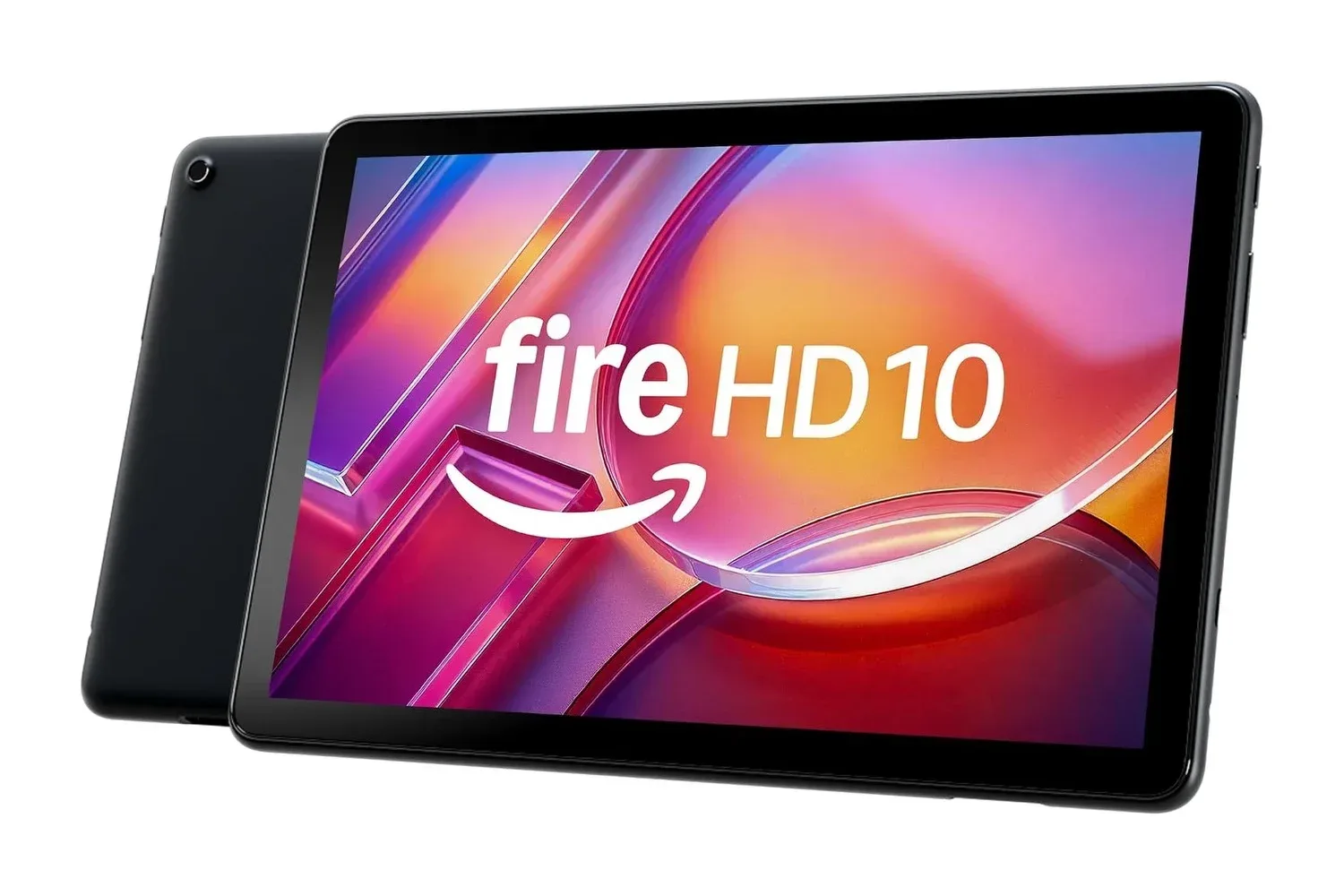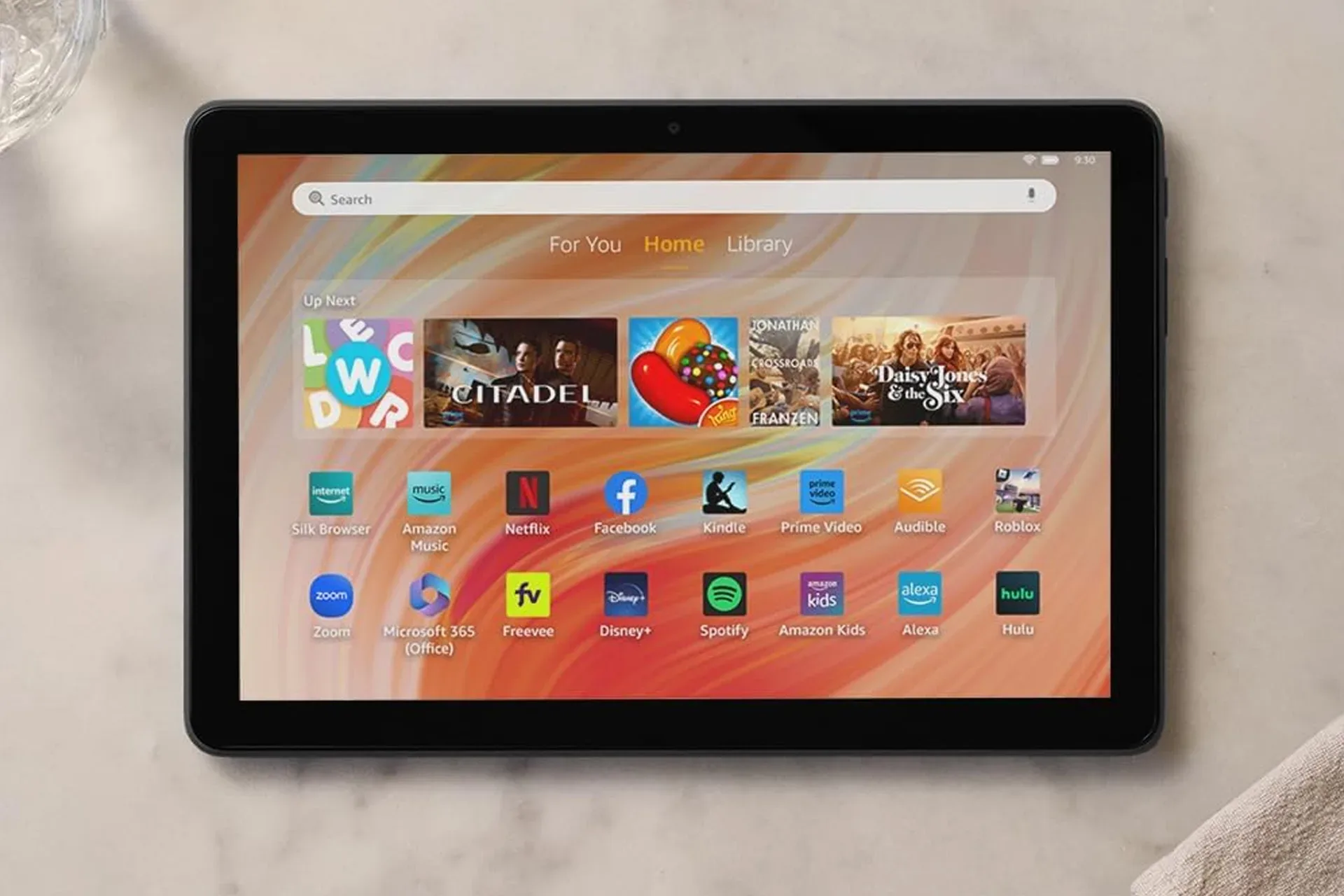
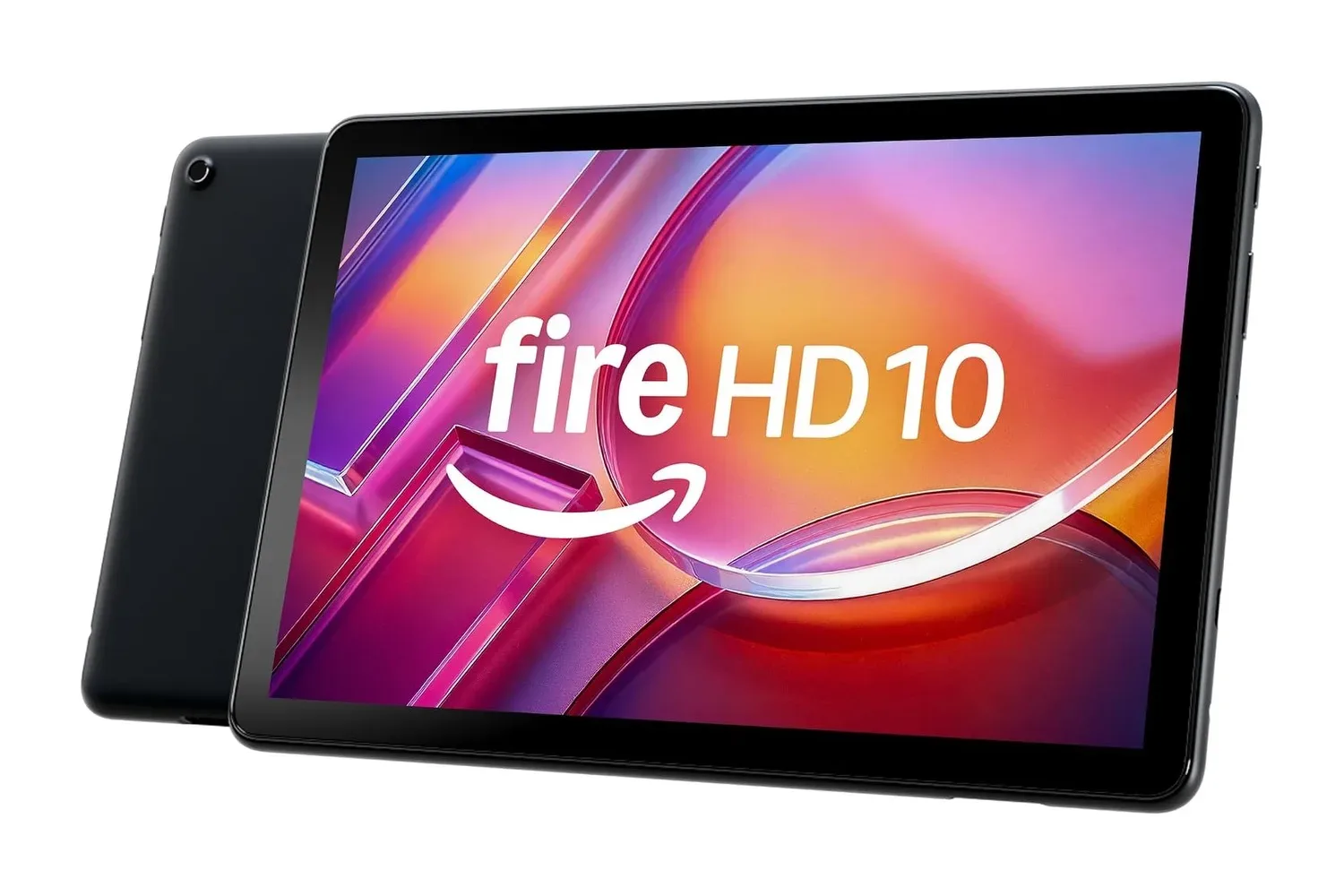
Amazon’s Fire HD 10 tablet is listed at $73 for the black, 32GB configuration, down from a stated regular price of $155. That is a 53% reduction, putting a 10.1-inch Full HD tablet with 4GB of RAM, an octa-core processor and microSD expansion into a notably lower-cost bracket.
The listed deal is specifically for the black model. Lilac and Ocean are described as unavailable, so shoppers should not assume the same price or availability applies to those colors. Free shipping is stated to be available to both Prime and non-Prime customers.
For a gaming-and-entertainment audience, the important part is less the headline percentage than the shape of the device: a relatively large screen, basic multitasking headroom, expandable storage and a price that leaves little room for premium-tablet expectations. It looks best suited to streaming, ebooks, video calls, web use, office basics and lighter game use rather than as a substitute for a dedicated console or a high-end portable gaming PC.
What is included in the listed configuration
- Display: 10.1-inch Full HD screen.
- Memory: 4GB of RAM.
- Built-in storage: 32GB.
- Processor: Octa-core chip, described as offering about 25% faster performance than the previous generation.
- Expansion: microSD card support.
- Finish on offer: Black.
- Family features: Amazon Kids support; a Kids+ subscription is described as providing access to age-appropriate books, apps, games, videos, songs and Audible books.
The tablet is also described as lightweight, compact enough for bags and fitted with strengthened glass. Those points matter for a shared household device, where it may be passed between readers, streamers and younger users rather than staying on a desk all day.
The price calculation is straightforward, but the variant matters
A drop from $155 to $73 is a $82 difference. Dividing that difference by the stated $155 regular price yields roughly 52.9%, which rounds to the advertised 53% discount.
That calculation should not obscure the configuration details. This is the 32GB, 4GB-RAM version, and the offer is tied to black. Storage capacity, color and memory configuration can all affect a listing’s price, so comparing a different Fire tablet—or even a different color variant—against this figure may produce a misleading result.
The $73 figure is described as the lowest seen since this model launched, but deal pricing and inventory can change. The supplied listing information also says the two alternate colors are unavailable. In practical terms, anyone considering it should verify the model, color, price, shipping terms and stock status at checkout rather than treating any promotional listing as a permanent baseline.
Why 4GB of RAM matters for everyday tablet use
RAM, short for random-access memory, is the short-term working space used while apps are open. It is separate from the 32GB of storage used to keep apps, downloads and files when they are not actively running.
With 4GB of RAM, the Fire HD 10 is positioned for ordinary tablet multitasking: opening an app, moving to another, checking a browser page or returning to a stream. The claim of smoother app launches and switching is consistent with the role RAM plays, although real responsiveness will still depend on the apps being used and whatever is happening in the background.
An octa-core processor has eight processing cores. That label alone does not establish performance against every other tablet, because core design, software and power limits also influence results. What can be said from the supplied details is that this Fire HD 10 is rated at about 25% faster than its preceding generation. It is a generational comparison, not a universal claim that it will outperform every competing device.
For casual games, streaming and reading, the combination of an octa-core processor and 4GB of RAM gives the tablet a sensible functional target. Buyers expecting demanding 3D games, intensive creative work or desktop-class multitasking should be careful not to read “faster than the prior version” as a promise of premium-level performance.
A 10.1-inch Full HD panel is the central entertainment feature
The Fire HD 10’s 10.1-inch display is likely its most immediately useful feature for media. A screen of that size provides substantially more room than a phone for subtitles, video-call windows, digital comics, ebooks, browser pages and on-screen controls in games.
Full HD generally refers to a 1,920-by-1,080-pixel resolution. Resolution describes how many individual picture elements are available to draw text and images. More pixels do not automatically determine every part of display quality, but Full HD is a meaningful specification for a tablet aimed at everyday video and reading.
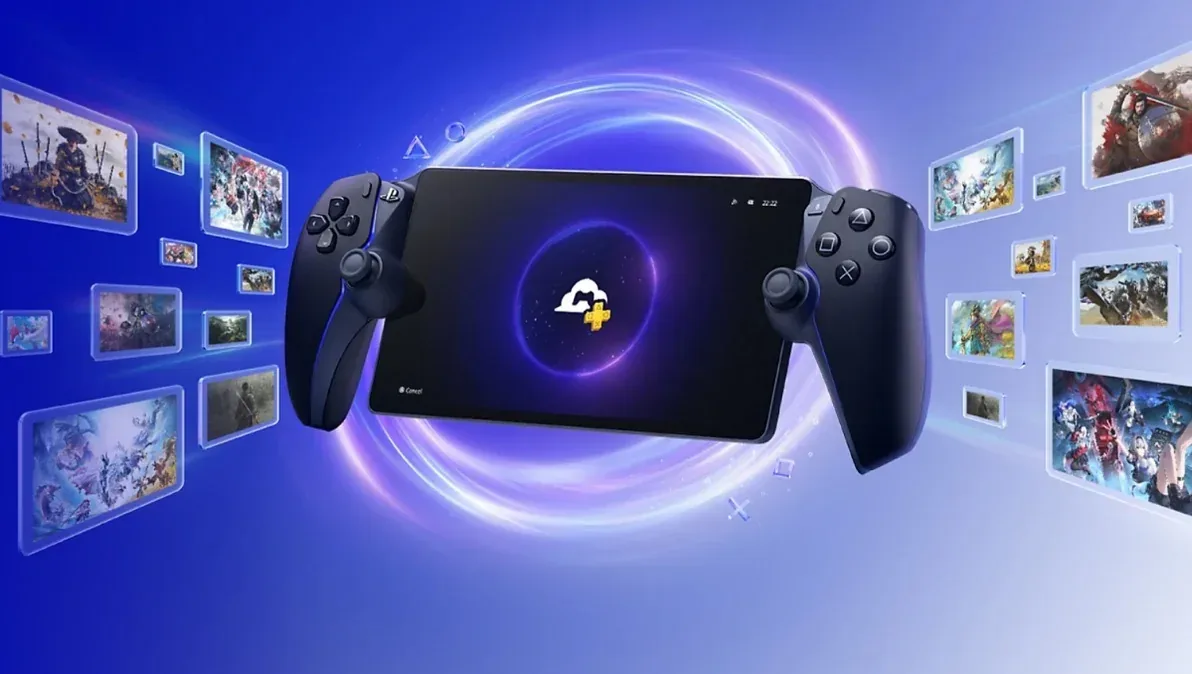
That larger canvas also makes the Fire HD 10 potentially useful as a companion device during gaming rather than solely as a game machine: it can handle guides, chat, video or browsing away from a main screen. Readers looking for more hardware news can also see the PlayStation Portal storage report, which highlights why capacity remains a practical concern across portable devices.
32GB can work, but microSD support is a key consideration
The built-in 32GB capacity is enough to establish a basic app library and retain some downloads, but storage can become constrained as apps, games, offline video and personal files accumulate. The supplied information does not state how much of the advertised capacity is available after the operating system and preinstalled software, so it is safer not to assume the entire 32GB will be free for the buyer’s content.
That is where microSD expansion becomes important. A microSD card is a small removable storage card. Support for one gives owners an option to add capacity later rather than being permanently limited to the internal storage figure.
Expansion does not mean every possible item necessarily behaves exactly like internal storage; software can impose rules about where particular apps or data may be placed. Still, the presence of microSD support is valuable for a budget tablet because it offers a route to accommodate a growing media library without changing the device itself.
For buyers thinking ahead, it makes sense to separate two questions: how much space is needed on day one, and how much flexibility is needed over time. Someone using the tablet mainly for reading and a small number of apps may find 32GB manageable. Someone planning to download substantial media, install many games or share the tablet across a family should pay closer attention to expansion options and storage management.
Family use and the Kids+ distinction
The Fire HD 10 includes Amazon Kids, and the information provided says a Kids+ subscription opens access to thousands of age-appropriate books, popular apps and games, videos, songs and Audible books. That makes the device relevant to families looking for one screen that can cover reading, entertainment and child-focused content.
It is important to distinguish the tablet’s included Amazon Kids feature from the separate Kids+ subscription mentioned in the listing. The supplied details say what a subscription provides, but do not establish that a subscription is included with this $73 offer, its duration or its terms. Buyers should confirm those details before assuming ongoing content access is part of the purchase.
The strengthened-glass claim and lightweight design complement that family-oriented angle. They do not make any tablet indestructible, but they are practical considerations for a device intended to travel in a backpack or be handled by younger users.
Who this deal appears to suit
At the stated $73 price, the Fire HD 10 appears most compelling for someone who wants a broad-purpose screen at a low entry cost. Its cited strengths are clear: a 10.1-inch Full HD display, 4GB of RAM, a newer-generation performance uplift, 32GB of built-in storage and microSD expansion.
It is a particularly understandable fit for people whose priorities are straightforward: watching shows, reading books, joining video calls, managing basic work tasks, browsing and playing lighter games. It may also make sense as a household tablet where a large screen and kid-oriented content options are more important than maximizing raw computing power.
Conversely, the specifications supplied here leave several things unspecified, including battery life, cameras, wireless standards, detailed display behavior, operating-system limitations and performance in specific games. Those omissions are not proof of a weakness, but they are reasons to avoid filling in the blanks with assumptions. The tablet’s value case rests on its listed price and basic feature set, not on unverified premium capabilities.
The clearest buying checklist is therefore short: make sure the black 32GB/4GB model is the one in the cart, verify that the $73 price remains in place, decide whether 32GB plus a possible microSD card fits the intended use, and check the current Kids+ terms if family content is part of the plan. With those points covered, the discount presents a simple option for low-cost tablet entertainment and everyday use.
Shop the products
Check current price, model and availability at the retailer.