A bedside clock is usually the most single-minded gadget in the room: it tells the time, wakes someone up, and occasionally becomes the subject of a very personal argument about whether five more minutes is a reasonable life choice. The Amazon Echo Time is positioned as something broader. During Black Friday, the smart clock is listed at $100, down from a stated usual price of $200.
The size of that reduction is the immediate appeal, particularly because the Echo Time is described as a new addition to Amazon’s smart-home range. But the product’s case is not simply that it can put a large digital time display near the bed. Its listed functions combine familiar alarm-clock duties with customizable clock faces, gradual audio at bedtime and wake-up, music playback, voice-assistant-style questions, and controls for other connected home devices.
That puts the Echo Time in a specific corner of home technology: the device is intended to make routine transitions—going to sleep, waking up, and getting ready—feel a little less abrupt. Whether that is worth room on a nightstand depends less on the novelty of a changing clock face and more on how many of those connected features a household will actually use.
What the $100 deal changes
A reduction from $200 to $100 is a 50% discount. For a newly introduced smart-home product, that is a substantial difference between paying for an idea and taking a chance on whether the idea fits into a daily routine.
The Echo Time’s value proposition is strongest when its tasks overlap. Someone who only wants a dependable display of the time and a loud alarm may not need speaker playback, smart-home controls, or a selection of clock faces. Conversely, a person who already listens to music around bedtime, uses connected devices, and wants an alarm routine that does more than erupt at a fixed time could see the clock as a more focused alternative to placing a general smart speaker beside the bed.
At $100, the relevant question becomes practical: is it useful enough in the bedroom to replace, or supplement, items already there? A clock, an alarm, a speaker, and a control point for a thermostat can be consolidated into one product. That consolidation is the feature, not merely an extra-long list on a store page.
Buyers should still verify the active listing, the final price, and whether the connected devices they want to control are supported before ordering. A smart-home routine only feels seamless when the products involved work together as expected.
More than an alarm: the Echo Time’s described features
The baseline functions are exactly what its name suggests. Echo Time can show the time and set alarms. The more distinctive part is the flexibility built around those basics.
Customizable clock faces
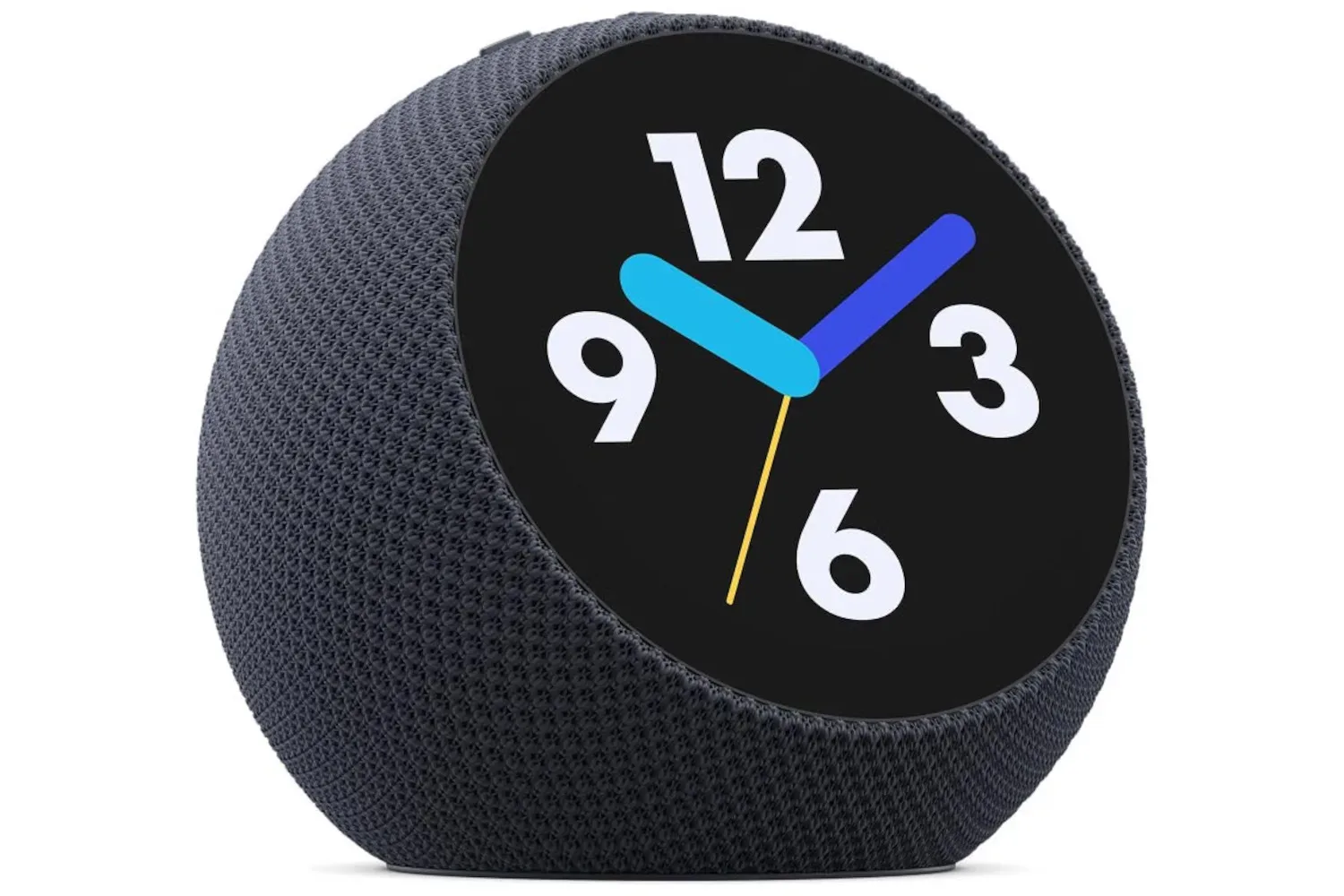
A clock face is the visual layout used to present the time. On a conventional bedside clock, that layout is fixed: the digits, color, and general appearance stay the same until the device is replaced. Echo Time is described as allowing clock-face changes whenever the owner wants.
That will be a small quality-of-life feature for some people and a meaningful one for others. A clock is typically seen every morning and every evening, so even a simple ability to alter its appearance can help it fit with a room or prevent the display from feeling static. It does not alter what a clock does, but it changes how personalized the appliance can be.
Gradual audio for mornings and nights
The device is also described as gradually playing music or other audio to wake a user more gently, with a similar role at night for winding down. The important word here is gradually. Rather than treating an alarm solely as an interruption, this approach uses sound as part of a transition into or out of rest.
There is no need to treat that as a universal solution. Some users need a more forceful alarm, while others will appreciate a less sudden start to the day. Still, the feature makes sense for a bedside device because it centers the clock on a time of day when people are least interested in operating a complicated menu.
Music playback also gives the Echo Time a role outside scheduled alarms. It can provide listening while someone gets ready for the day or settles in for the evening. The device is described as having impressive sound quality, which matters because audio is not presented as an incidental notification function; it is one of the main reasons to consider the product over an ordinary clock.
Thermostat and smart-home control
The Echo Time can also control smart-home devices through voice commands. The example given is a smart thermostat: a user could have the room warmed for waking up. That makes the clock a potential starting point for a morning routine rather than a device that merely signals when the routine should begin.
A smart thermostat is a connected thermostat that can be controlled digitally. In the Echo Time’s proposed use, the benefit is convenience. Instead of getting out of bed and adjusting heating manually, the connected clock can be used to issue that instruction as part of waking up.
The same logic applies to other smart-home devices mentioned in broader terms. Asking a nearby device to control connected equipment can be more convenient than reaching for a phone, particularly when hands are full or someone is half-awake. That convenience, however, is tied to an existing smart-home setup. Buyers with no connected devices may still value the alarm, display and speaker elements, but they will not be drawing on the entire pitch.
Who the Echo Time seems built for
The Echo Time appears most suited to people who want their bedside device to do several jobs without demanding separate hardware for each one. Its listed features are coherent rather than random: time display, alarms, sleep-oriented sound, morning music, answers to questions, and connected-home commands all fit a bedroom or morning-preparation setting.
- Existing smart-home users may get the most from voice control and thermostat integration.
- Music listeners may appreciate a bedside clock that also works as a speaker, especially for getting ready or unwinding.
- Routine-focused users may find gradual wake-up audio and bedtime playback more useful than a standard alarm alone.
- People who value display customization have the option to switch clock faces rather than live with one fixed look.
It is less clearly aimed at someone who wants a deliberately simple, disconnected alarm clock. That is not a criticism of the Echo Time; it is a reminder that “smart” features are valuable only when they solve a real friction point. If changing the temperature from bed, asking quick questions, or playing music is not part of someone’s normal routine, the lower price alone should not turn unused functions into necessities.
Why the bedside placement matters
Smart speakers are often placed in kitchens, living rooms, or offices, where they are used for broad household requests and entertainment. A smart clock has a narrower, more personal purpose. It sits where the day begins and ends.
That placement gives the Echo Time a clearer identity than a device that tries to be everywhere at once. The clock face provides the persistent information people expect at a glance. Alarms add immediate utility. Audio and connected-home controls then build outward from that central use instead of asking owners to imagine an entirely new behavior.
There is also an appealing degree of optionality in that arrangement. A person can use it as a clock on one day, a speaker the next, and a smart-home controller when needed. The hardware need not perform every role at every moment to justify its place in the room. The point is that its core job remains obvious.
How this fits a Black Friday tech purchase
Black Friday tech shopping can easily tilt toward upgrades that are exciting but narrow: a device for one game, one room, or one hobby. The Echo Time is pitched as practical technology—less a spectacle than a utility item designed to be used repeatedly.
That does not make it an automatic purchase. A discounted product is only a good deal when it matches the buyer’s setup. But the $100 price reported for Echo Time reframes a device normally listed at $200, especially for someone already invested in connected-home controls or looking to bring music and alarms into one bedside product.
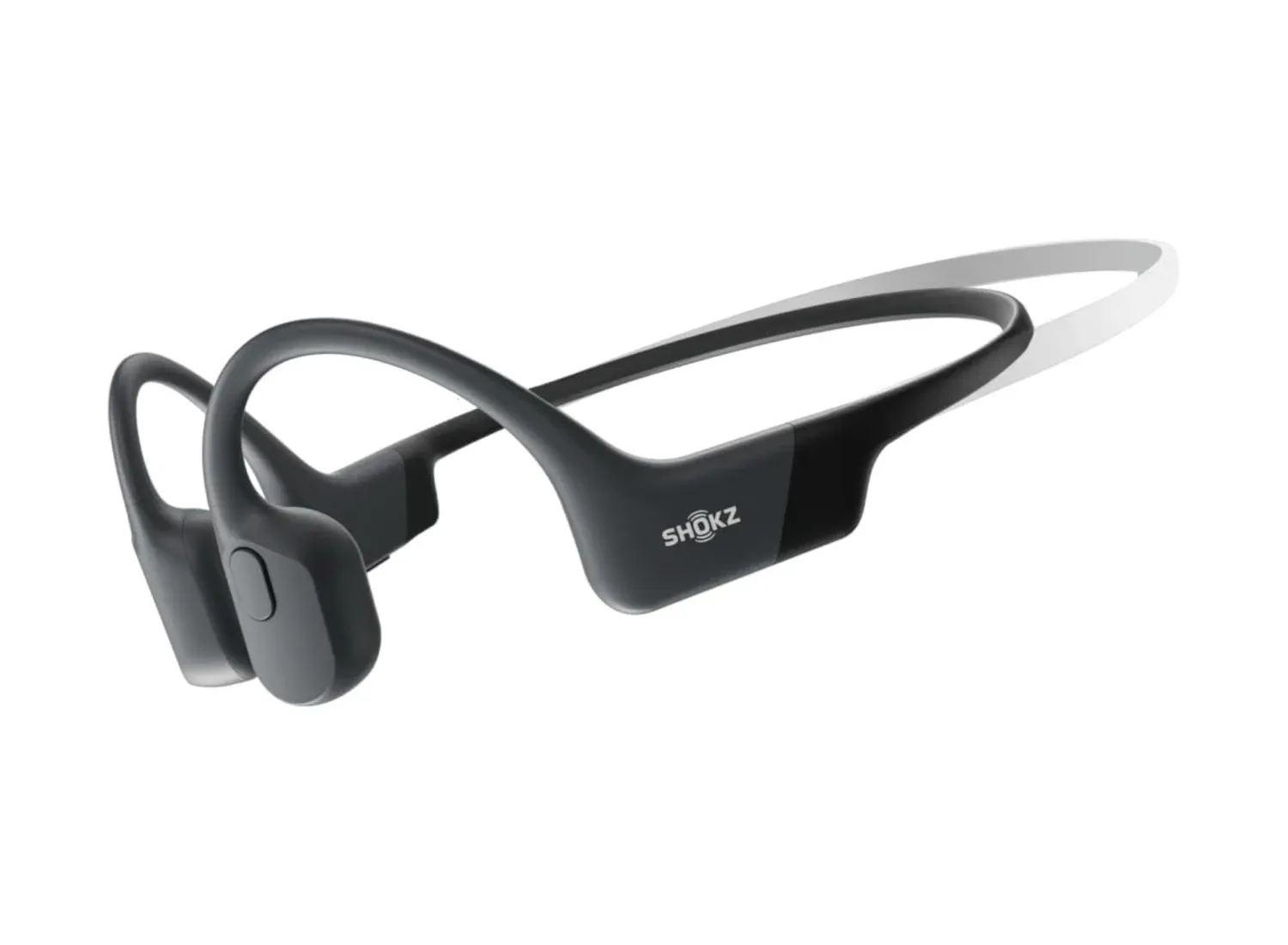
Anyone comparing Black Friday hardware may also be weighing other everyday listening purchases, such as the Shokz OpenRun Pro 2’s Black Friday price drop. The distinction is simple: headphones make sense for personal listening away from a room, while Echo Time is intended to make the room itself more responsive.
For the right household, that is the attraction of a smart clock. It does not need to reinvent timekeeping. It needs to make the minutes around sleep, waking, music and home controls easier to manage. At half its stated regular price, the Echo Time’s appeal is that it may do so without asking buyers to pay a premium merely for the privilege of knowing what time it is.
Shop the products
Check current price, model and availability at the retailer.