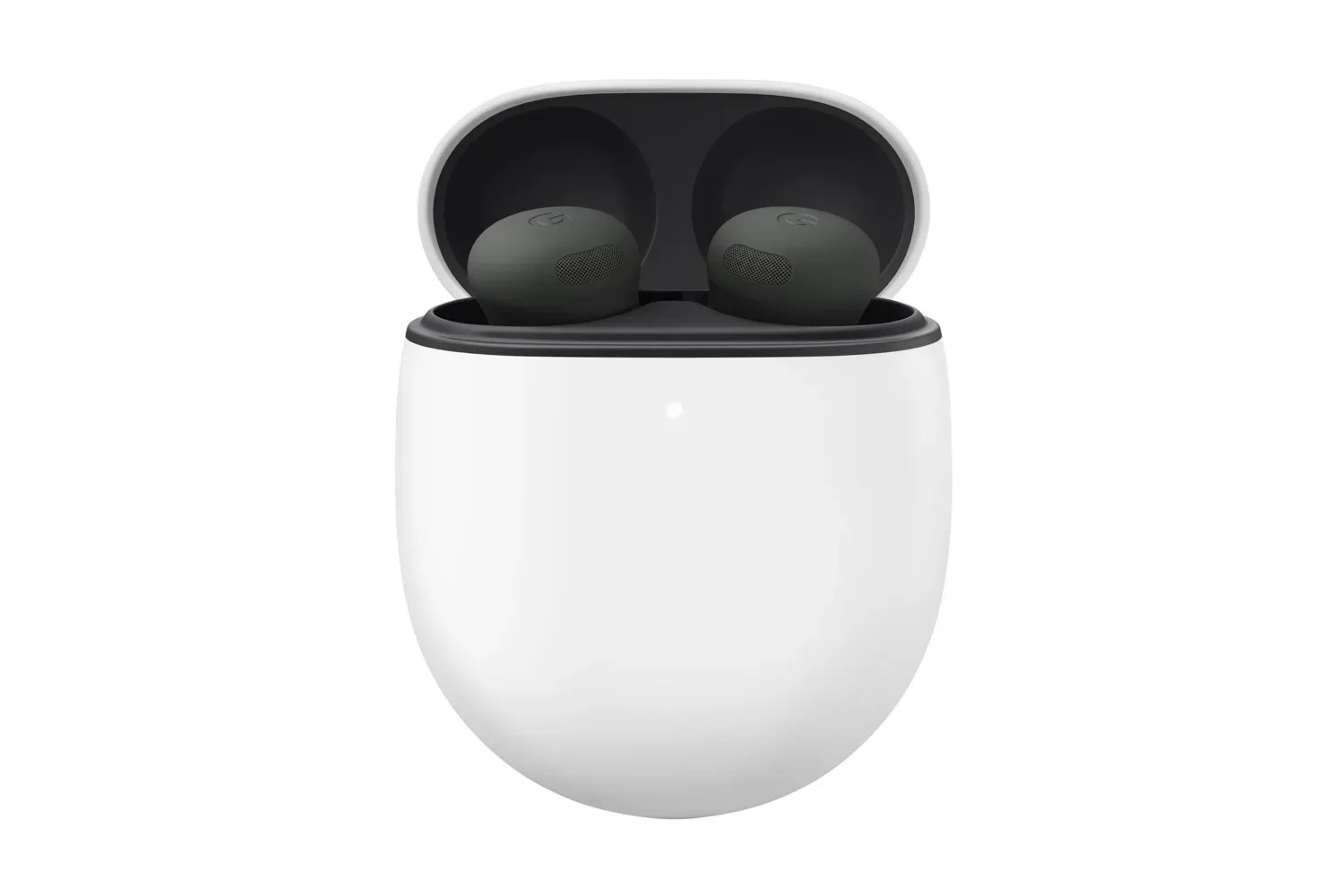
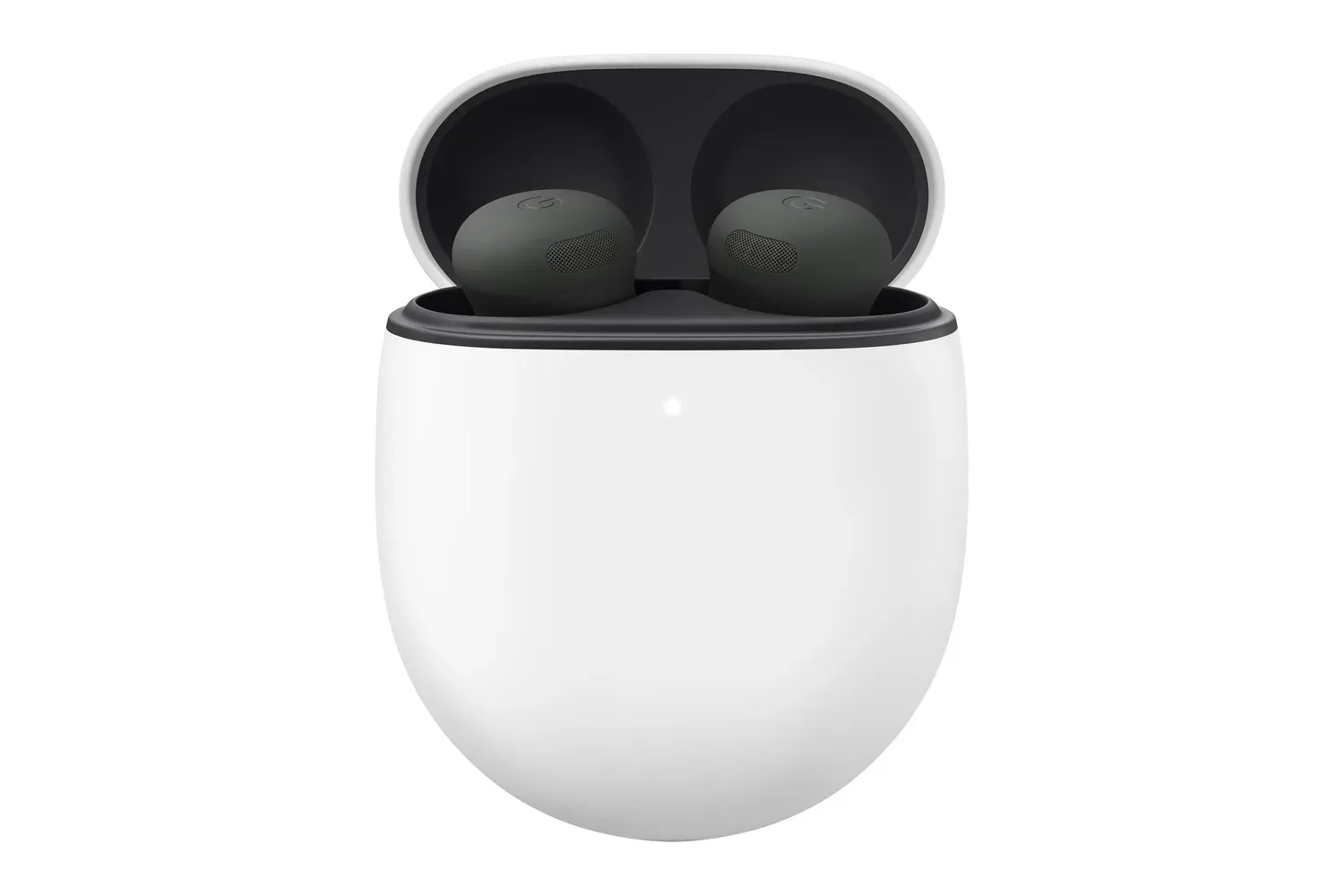
The Google Pixel Buds Pro 2 are discounted on Amazon for Black Friday, bringing the Hazel colorway down to $167 from a stated regular price of $229. That is a $62 reduction, or roughly 27%. The Peony and Porcelain versions are also discounted, though they are listed slightly higher at $169.
For anyone looking for premium wireless earbuds during the sale period, the meaningful question is not just whether $167 is lower than the usual price. It is whether the Pixel Buds Pro 2’s particular mix of noise control, fit options, battery life and water resistance suits the way they will actually be used. On the supplied specifications, their strongest arguments are active noise cancellation, a twist-to-lock fit option and up to 30 hours of total battery life when the charging case is included.
Standard delivery is listed as free. As with many limited-time retail promotions, shoppers should verify the final price, color selection, delivery terms and stock on the product page before ordering.
What the Black Friday price changes
A $62 cut matters more on a $229 product than a small percentage badge might suggest. At $167, the Hazel Pixel Buds Pro 2 move below the product’s full price while retaining the same advertised core hardware and features. The $2 difference for Peony and Porcelain is minor, so buyers who care about color are not facing a substantial premium within this particular deal.
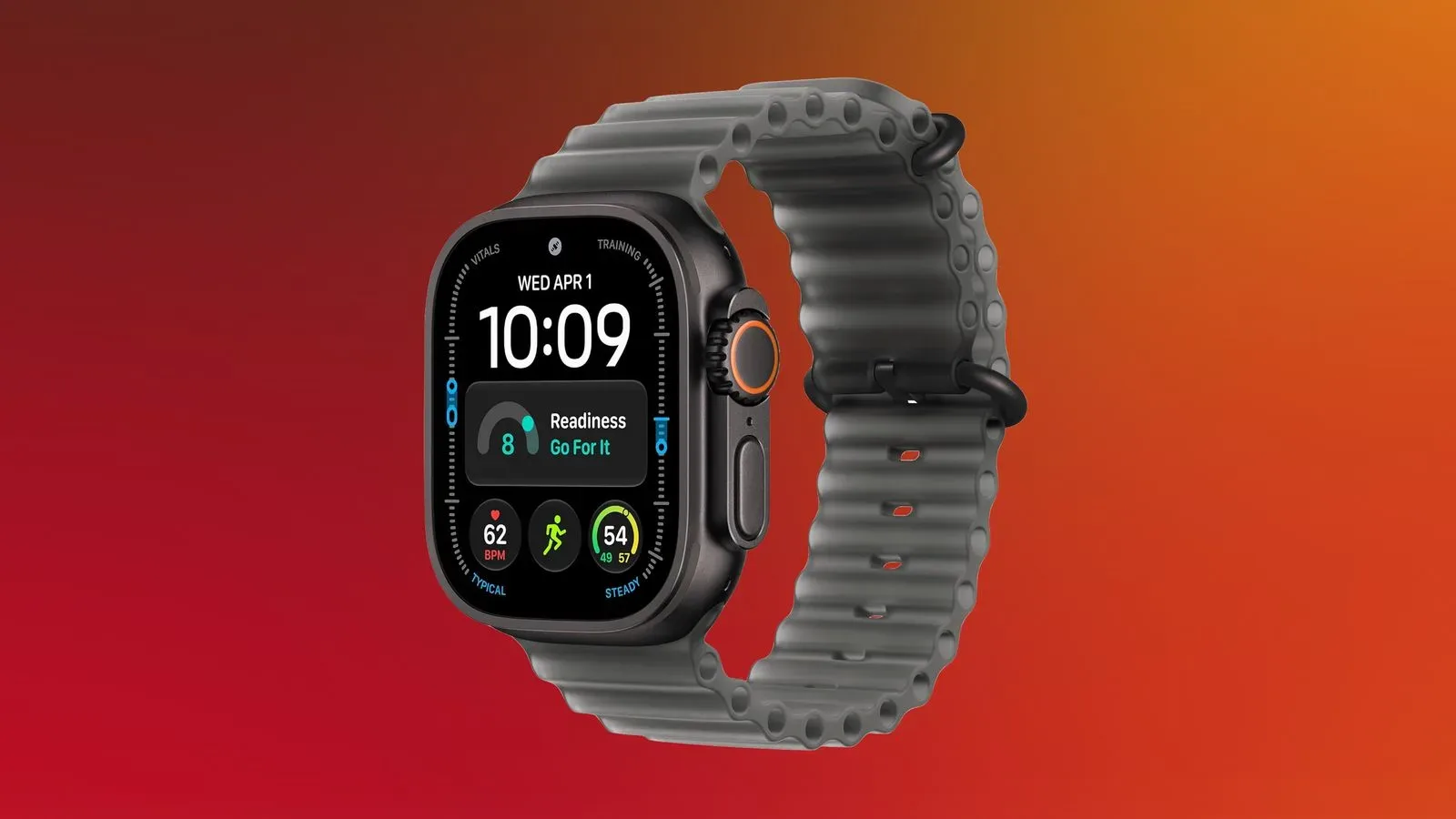
The promotion also lands alongside other Black Friday wearable discounts, including an Apple Watch Ultra 4 price cut. They are very different products, but the overlap is useful for people deciding whether their sale budget is better spent on a personal-audio upgrade, a wearable, or neither. The sensible comparison is not between the devices themselves; it is between the everyday annoyance each purchase would solve.
For the Pixel Buds Pro 2, that annoyance could be external noise on a commute, earbuds that loosen during movement, or frequent charging. The information provided supports those use cases more clearly than it supports broad claims about every kind of listener. A discounted price is attractive, but it does not change personal requirements such as preferred earbud shape, desired controls, device compatibility or how much isolation someone is comfortable using around traffic and other hazards.
Silent Seal 2.0 and the role of active noise cancellation
Google’s headline feature is Silent Seal 2.0, its active noise cancellation system. The claim is that it can cancel up to twice as much noise as the previous model. “Up to” is important language: it describes a best-case ceiling rather than a promise that every sound, in every setting, will be reduced by exactly the same amount.
Active noise cancellation, often shortened to ANC, uses microphones and processing to identify surrounding sound and produce an opposing signal intended to reduce what reaches the listener. It is different from passive isolation, which is simply the physical barrier created by an ear tip and a solid seal in the ear. In practical terms, both the electronics and the physical fit matter. An earbud that is comfortable but poorly sealed may not give the same isolation as one that sits securely.
Related coverage includes Google Pixel Buds Pro 2 drop to $167 at Amazon for Black Friday.
This is where the Pixel Buds Pro 2’s two fit positions are relevant. They can be worn normally, or twisted slightly to create a more locked-in position when additional stability is wanted. The second position is presented as particularly useful for running and workouts, when repeated motion can gradually dislodge earbuds. It may also help maintain a consistent ear seal, which is relevant to both passive isolation and an ANC system’s effectiveness.
Noise cancellation is not a reason to stop paying attention to the environment. It can make listening more immersive in noisy places, but users should use appropriate awareness around roads, crossings, public transport announcements and any situation where outside sound is a safety cue.
Transparency mode is for moments when outside sound matters
The Pixel Buds Pro 2 can switch to Transparency when they detect that the wearer is speaking, pausing music in the process. Transparency is effectively the opposite of isolation in intent: the earbuds use their microphones to feed external sound through, allowing a brief conversation without removing an earbud.
That automatic behavior could be convenient for quick interactions, since it avoids reaching for a control or taking the buds out. It also illustrates that the product is designed around changing contexts rather than treating silence as the only premium feature. The useful balance is simple: stronger isolation when concentration is the goal, and access to surrounding audio when engagement with other people is necessary.
Audio hardware: drivers, chip and high-frequency chamber
Google attributes the Pixel Buds Pro 2’s sound to the Tensor A1 chip, 11mm drivers and a new high-frequency chamber. Each term refers to a different part of the audio chain.
- 11mm drivers: Drivers are the components that convert electrical signals into sound. Google describes these as large drivers and says they are tuned for substantial bass.
- Tensor A1 chip: This is the onboard chip named in the product’s audio feature set. It is part of the processing foundation for the earbuds’ sound and noise-management functions.
- High-frequency chamber: This is an acoustic design element Google says contributes to smoother treble, meaning the upper range of audible sound.
The advertised result is a presentation with smooth treble and strong bass, positioned for music, podcasts and phone calls. Bass refers to the lower frequencies that give kick drums, bass lines and many effects their weight. Treble refers to higher frequencies, which can influence clarity in details such as vocals, cymbals and speech consonants. Neither a bass-forward sound nor a brighter treble balance is automatically better; preference, fit and source material all play a role.
For players who use wireless earbuds between sessions, the most grounded takeaway is flexibility rather than a claim that these replace a dedicated headset. The supplied details identify them as suitable for audio playback and calls, with a portable case and noise-management modes. They do not establish game-specific performance metrics, platform behavior or microphone results in multiplayer, so those should not be assumed from the deal alone.
Comfort and stability are central to the pitch
The Pixel Buds Pro 2 are described as lightweight and intended for extended wear. Comfort is subjective, but the design offers a tangible choice that not every earbud makes equally prominent: a standard insertion for everyday listening, then a slight twist for a steadier hold.
That distinction matters because a secure fit is not only for exercise. A bud that shifts during a call or while moving through a busy day can affect comfort, sound consistency and noise isolation. Conversely, the tightest position may not be everyone’s preferred position for long stretches. The practical approach is to use the regular fit when it is stable enough, reserving the twist-to-lock placement for movement or whenever extra security is needed.
The product is rated IPX4 for water resistance. In plain language, the information provided says it is meant to handle sweat and a little rain. The “X” means no dust-protection rating is specified by that code, while the 4 indicates protection against water splashes. This is useful for workouts and an unexpected drizzle, but it should not be mistaken for a promise of waterproofing or a reason to deliberately submerge the earbuds.
Battery claim: up to 30 hours with the case
Google lists up to 30 hours of battery life when the charging case is counted. That wording means the total is not necessarily the amount available from one uninterrupted charge of the earbuds themselves; the case supplies additional recharges between listening sessions.
Battery estimates are typically best treated as an upper limit rather than a guarantee for every routine. Features such as noise cancellation, volume choices and call time can influence real-world endurance, but no further battery breakdown is provided here. Still, the stated 30-hour total points toward a product intended to reduce the need for constant top-ups across several days of lighter use or a more intensive period away from a charger.
For potential buyers, the more useful question is whether the case fits their habits. Someone who consistently returns earbuds to the case between uses is more likely to benefit from the total battery figure than someone who leaves them out on a desk or in a pocket.
Who should consider the $167 Pixel Buds Pro 2 deal?
The sale is most compelling for shoppers who specifically value a combination of ANC, a stable workout-oriented fit option, automatic speech-aware Transparency behavior and sweat-resistant construction. The lower Hazel price makes that package more affordable than its $229 regular price, while Peony and Porcelain remain very close at $169.
It is less useful to treat the discount as an automatic recommendation for every listener. Buyers should still consider whether they like in-ear designs, whether the available colors matter, and whether the listed features align with their actual day-to-day use. The deal provides a clear saving; it does not eliminate the need for that fit-and-needs check.
For shoppers already set on the Pixel Buds Pro 2, however, this is a straightforward price drop: Hazel is listed at $167, $62 below the stated $229 regular price, and the other two discounted colors cost $2 more. Free standard shipping further reduces the checkout friction, subject to the retailer’s current terms.
Shop the products
Check current price, model and availability at the retailer.