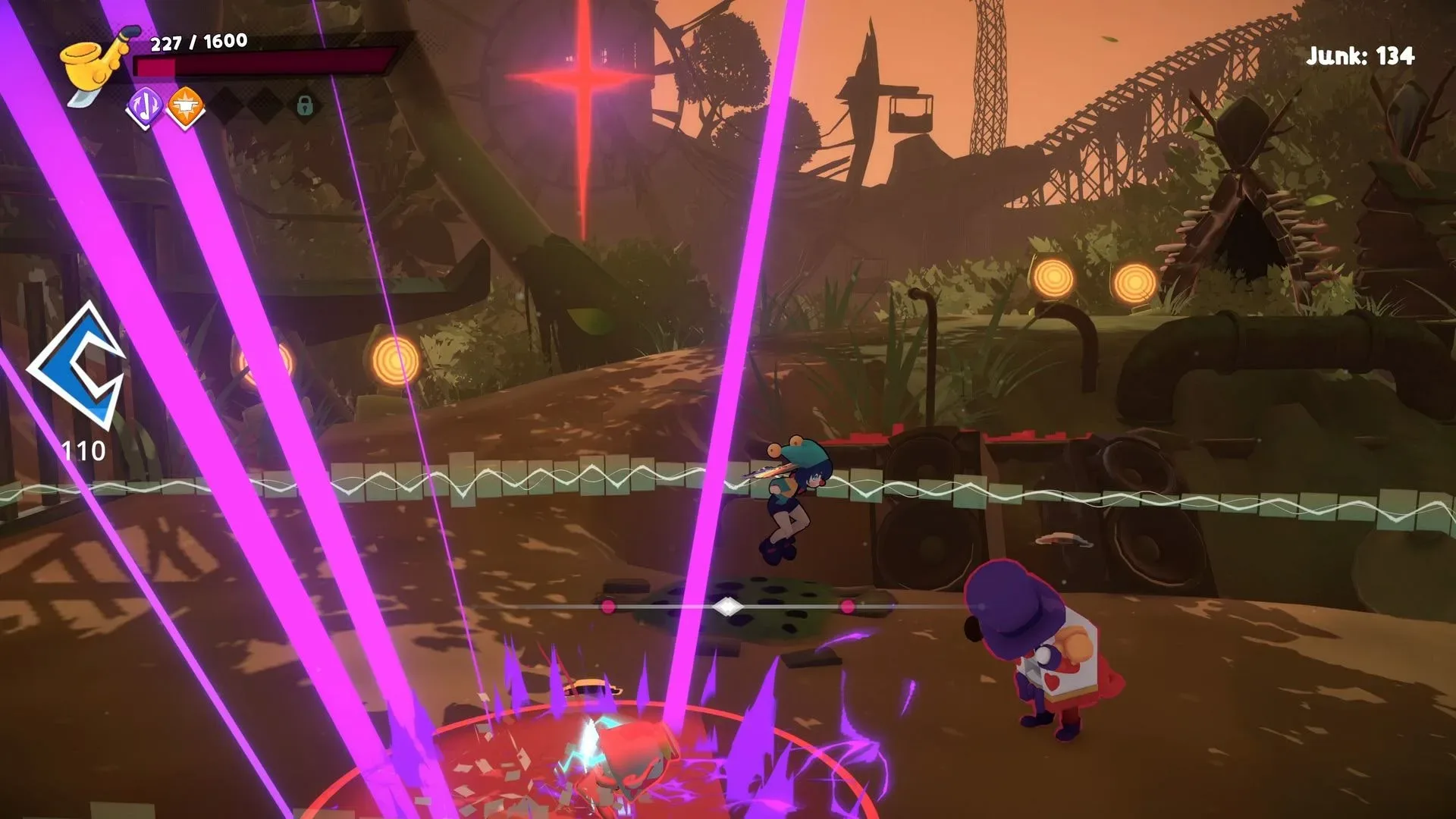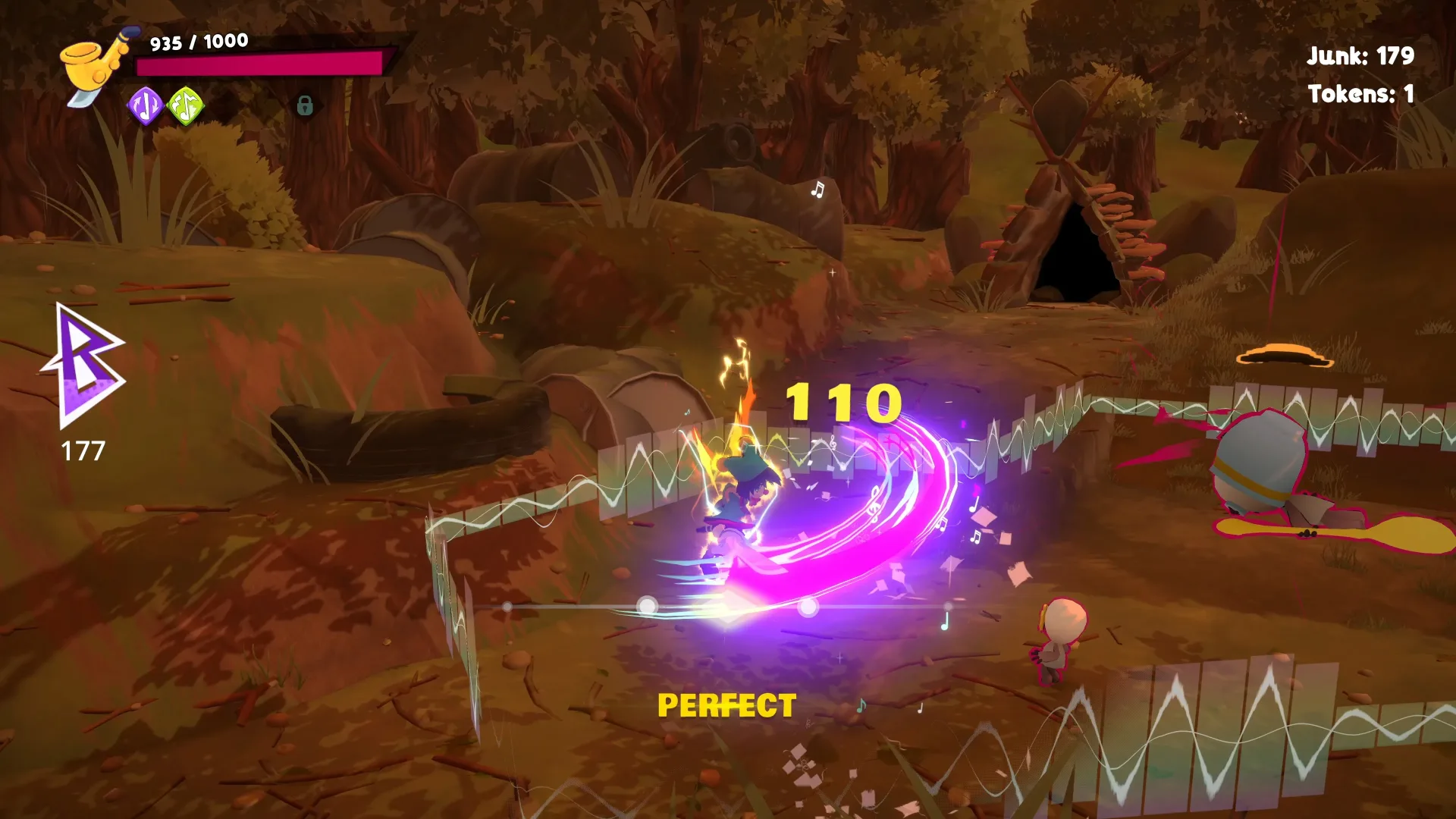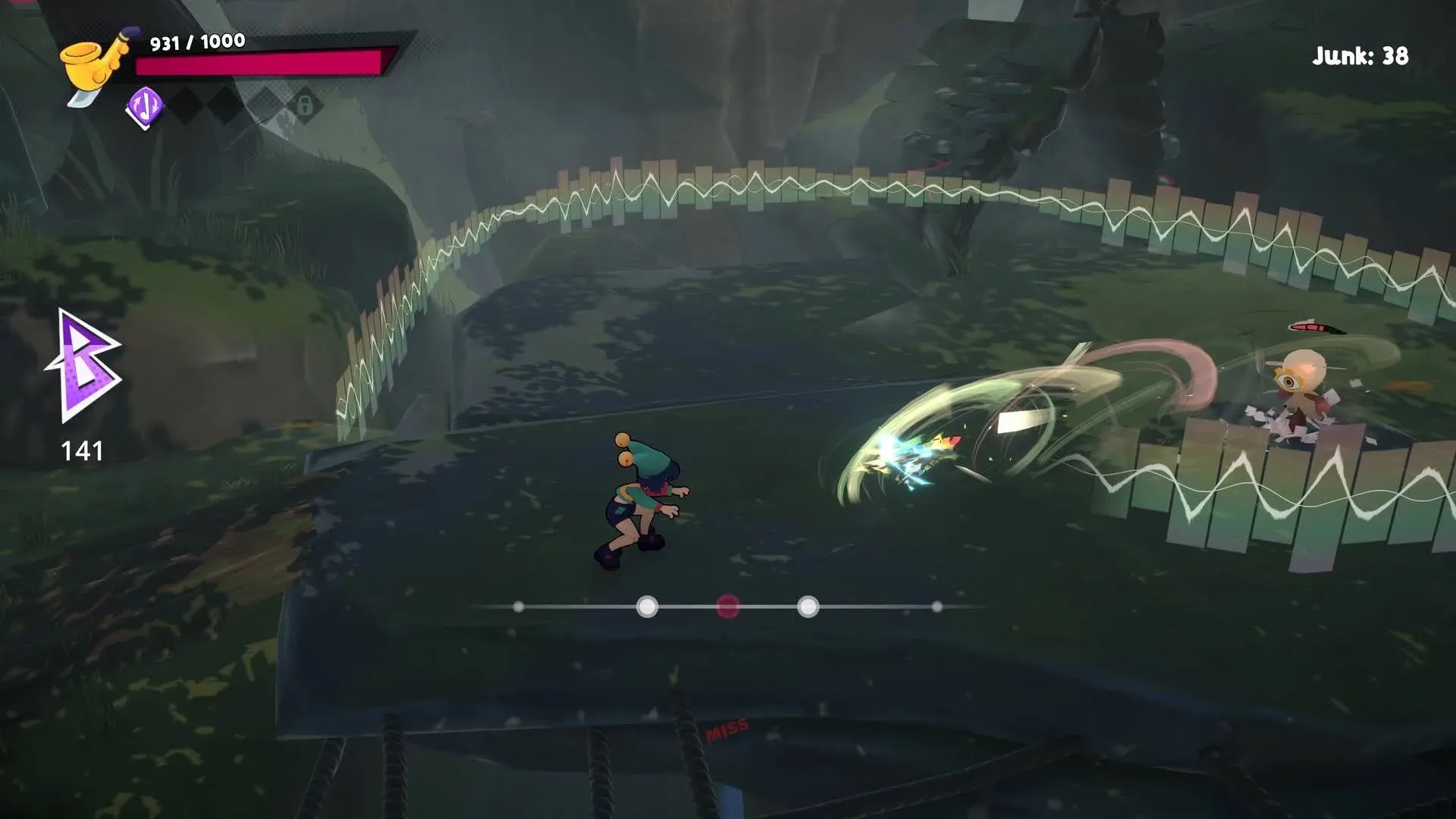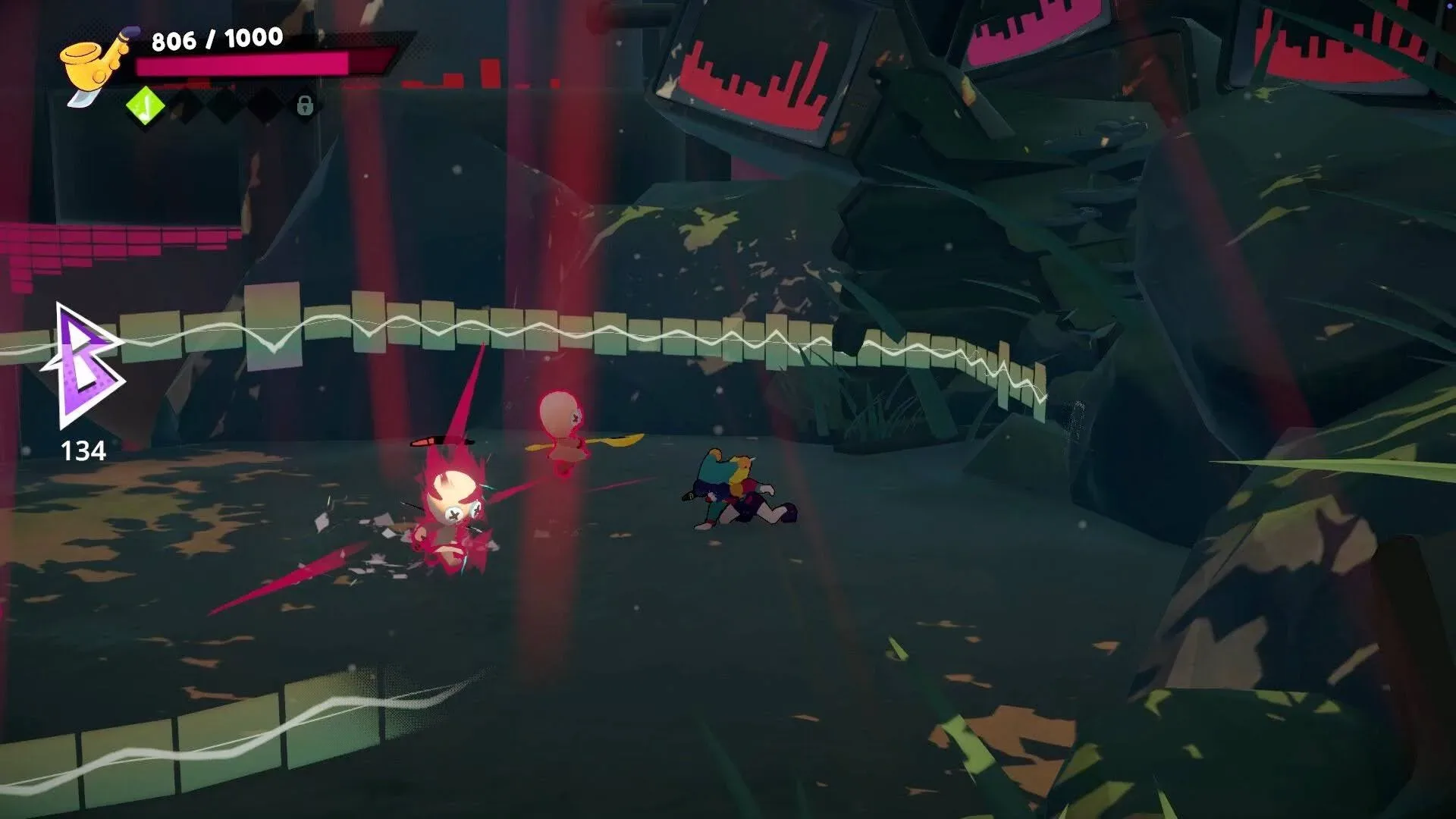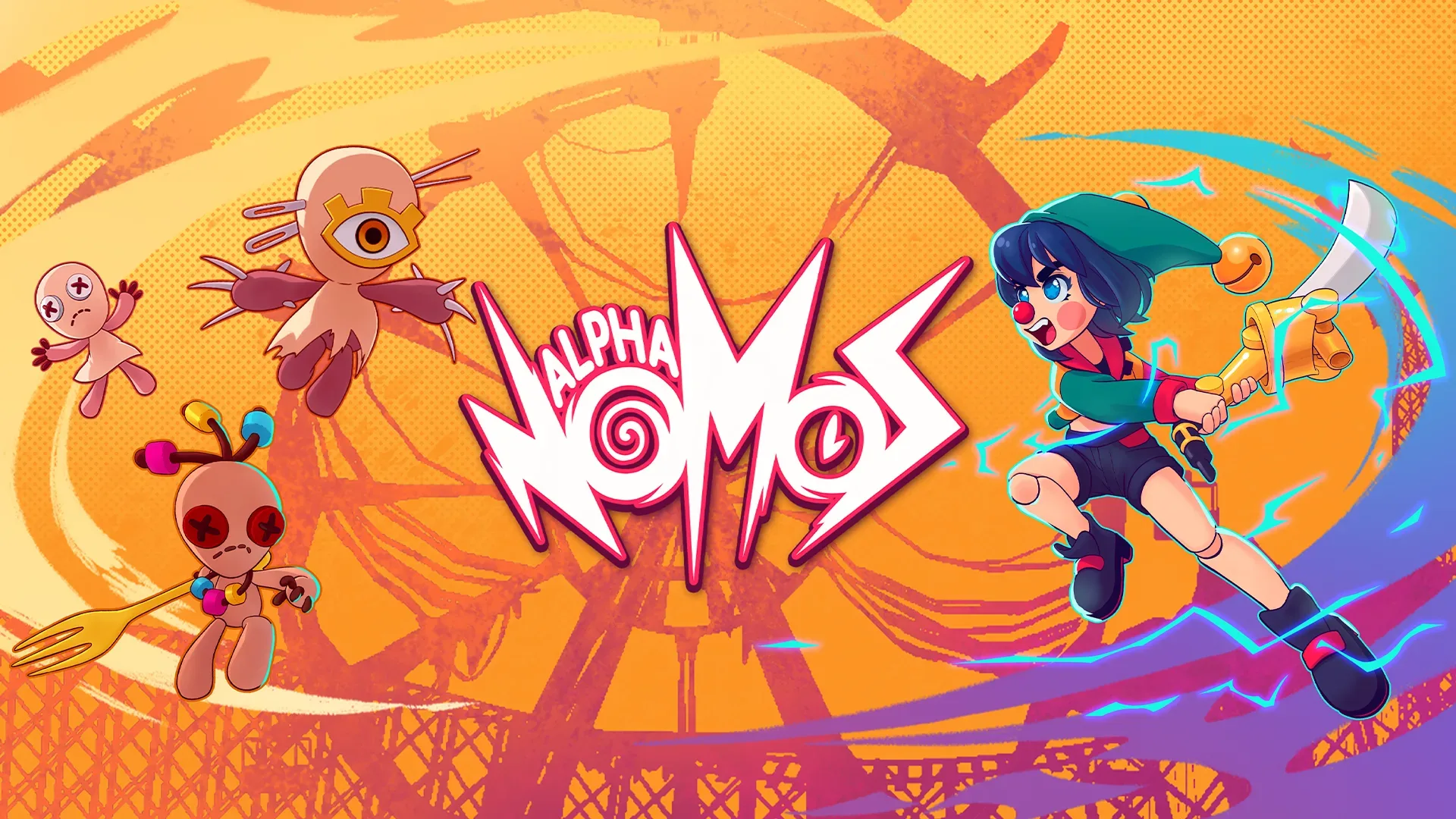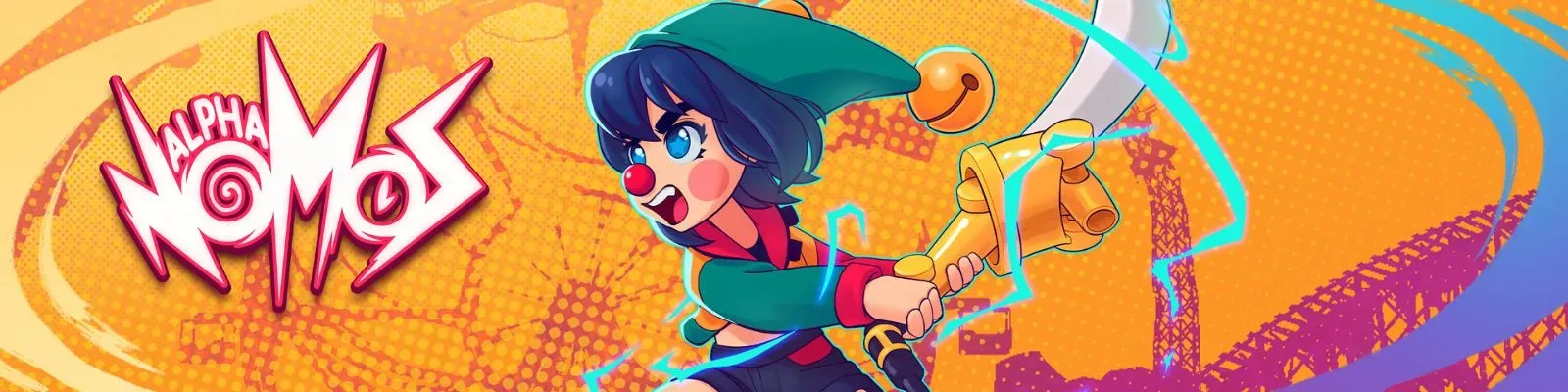
Alpha Nomos, the rhythm-action roguelite from independent developer RibCage Games, is now available for PC through Steam, PlayStation 5 and Xbox Series X|S. The game places music not merely around the action but inside its combat model: its player character, Cello, battles corrupted puppets with weapons based on instruments, while accurate timing affects both fighting performance and the soundtrack itself.
The launch price is $17.99. Steam has a 10% launch discount for the game’s first seven days on the store. Its arrival on Steam also adds another cross-platform release to the large and growing PC marketplace; Steam recently set a record for concurrent users.
A roguelite where the sound changes with the build
Alpha Nomos sends Cello through abandoned cities and a twisted circus populated by hostile, corrupted puppets. Its most immediately distinctive idea is the use of instrument-inspired weaponry. The weapons were recorded live in the studio, meaning the sounds accompanying attacks are performances by real musicians rather than a purely synthetic effect layer.
One confirmed example is the Xyloblades, a pair of swords tied to xylophone sounds. That framing matters because it links the weapon’s visual identity, its combat role and its audio response. Rather than treating music as an unrelated backing track, the game is built to make the player’s attacks part of the arrangement heard during a run.
RibCage Games describes Alpha Nomos as a rhythm-action roguelite. Rhythm-action generally refers to games in which timing and musical pulse are essential to play, while roguelite signals a run-based structure with progression that carries beyond an individual attempt. In Alpha Nomos, the supplied details point to both halves of that equation: runs are altered by powerups, while Cello can visit Maestro’s move shop between runs to expand the available arsenal.
The game’s approach to timing is particularly important. Alpha Nomos does not use input quantization. In music production, quantization can move notes toward a defined rhythmic grid. Applied to a game, a similar system could potentially make a button press sound as if it happened precisely on the beat even when it was slightly early or late. Alpha Nomos instead registers each input at the moment it is pressed.
That means the player is not simply selecting attacks while the game automatically tidies their timing. Being on beat is intended to be a learned skill, and the timing of those hits shapes the audio as well as the combat performance. It is a design decision that puts the responsibility—and expressive potential—directly in the player’s hands.
Why no input quantization is a meaningful distinction
For players, an unquantized input system should make rhythm feel less like a cosmetic score check and more like a physical part of every exchange. A precisely timed button press is not retroactively polished into place. Conversely, a rushed or delayed action remains rushed or delayed in the game’s sound and play.
Related coverage includes Alpha Nomos Launches on PC, PS5 and Xbox Series X|S With Rhythm-Driven Roguelite Combat.
There is a trade-off in that design. It can make timing more demanding than systems designed to smooth out inputs, particularly for players moving from action games that prioritize rapid button sequences over musical accuracy. But Alpha Nomos includes a timing offset, a calibration setting that lets users tune the beat to their own setup.
Timing offset is a practical accessibility and usability consideration in rhythm games. Audio and display equipment can introduce small delays, and the perceived relationship between a visual beat cue, a sound and a controller press may vary from one setup to another. A calibration option gives players a way to align the beat as they experience it, rather than asking every display, speaker arrangement and platform setup to behave identically.
Importantly, calibration does not appear to change the game’s core philosophy. It helps a player establish an accurate reference point for their hardware; it does not turn on-beat input into an automatic correction system. Alpha Nomos is still positioning player timing as a central skill.
Reverb, Flanger and Delay are combat powerups—and audio tools
Each run can be changed through audible powerups named after familiar audio effects: Reverb, Flanger and Delay. The effects can be stacked, changing both how Cello fights and how a run sounds. That is a compact but potentially consequential idea for a roguelite, where power choices normally alter damage, mobility, survivability or attack patterns without necessarily reshaping the game’s musical character.
Here is what those terms mean in straightforward audio language:
- Reverb creates a sense of sound reflecting around a space, making an attack feel more spacious or resonant.
- Delay repeats a sound after a brief interval, creating an echo-like effect.
- Flanger blends a signal with a slightly delayed version of itself whose timing shifts, producing a sweeping, moving texture.
Alpha Nomos uses those names for upgrades, but the key detail is that they have gameplay consequences as well as audible ones. The exact mechanical behavior of individual powerups has not been detailed, so it would be premature to assume precisely how an effect changes an attack. What is clear is that players’ build decisions have a second, immediately perceptible layer: the run develops its own sound alongside its combat identity.
That coupling could make build experimentation easier to read in the moment. Instead of an upgrade being visible only in menu text or numerical output, a player can hear that their accumulated choices have transformed the texture of the performance. It also creates a more direct reason to pay attention to the music after the first few encounters. The soundtrack is not fixed scenery; it responds to the tools being stacked.
Between-run progression and the move shop
When a run ends, players can go to Maestro’s move shop to broaden Cello’s arsenal. The available information does not specify which moves can be purchased or how that system is priced or unlocked, but its role is clear: it is a persistent progression layer placed between individual attempts.
That distinction is useful for players assessing the game’s structure. Run-altering effects such as Reverb, Flanger and Delay change the immediate attempt. The move shop provides a route to increase the selection of available combat options over time. Together, those systems suggest that Alpha Nomos wants repeated runs to vary for two reasons: a player’s temporary powerup combination changes, and the broader pool of moves can grow through play.
For a game built around rhythm, expanding an arsenal could also mean expanding the player’s personal vocabulary of timing. Different moves may require different habits, attack rhythms or opportunities, although the specifics have not been announced. The confirmed point is simply that the shop is intended to enlarge Cello’s move set between runs.
A music-first combat pitch
“We always felt rhythm games could go further, so we made the beat the reason you fight instead of something playing in the background. Every weapon you hear was played by a real musician and every hit lands exactly when you press it. Today the full show is finally open and we can't wait to hear what players make of it,” said Itamar Berner, CEO at RibCage Games.
That statement neatly defines the game’s ambition. Alpha Nomos is not only using music for style, nor is it simply asking players to hit a prompt in time with a song. Its stated goal is to make the beat the logic behind combat, with weapons played live and inputs reflected exactly when they occur.
There is an interesting player-facing implication to that commitment. A successful run is likely intended to feel performed, not just completed. If the player finds the beat, chooses a particular set of sound-changing upgrades and deploys the moves in their growing arsenal effectively, the fight’s audio should document those choices. A less disciplined rhythm will likewise be part of what is heard.
RibCage Games has also released a launch trailer alongside the game. Alpha Nomos is available now on Steam, PS5 and Xbox Series X|S, with the Steam launch promotion running for its first week.