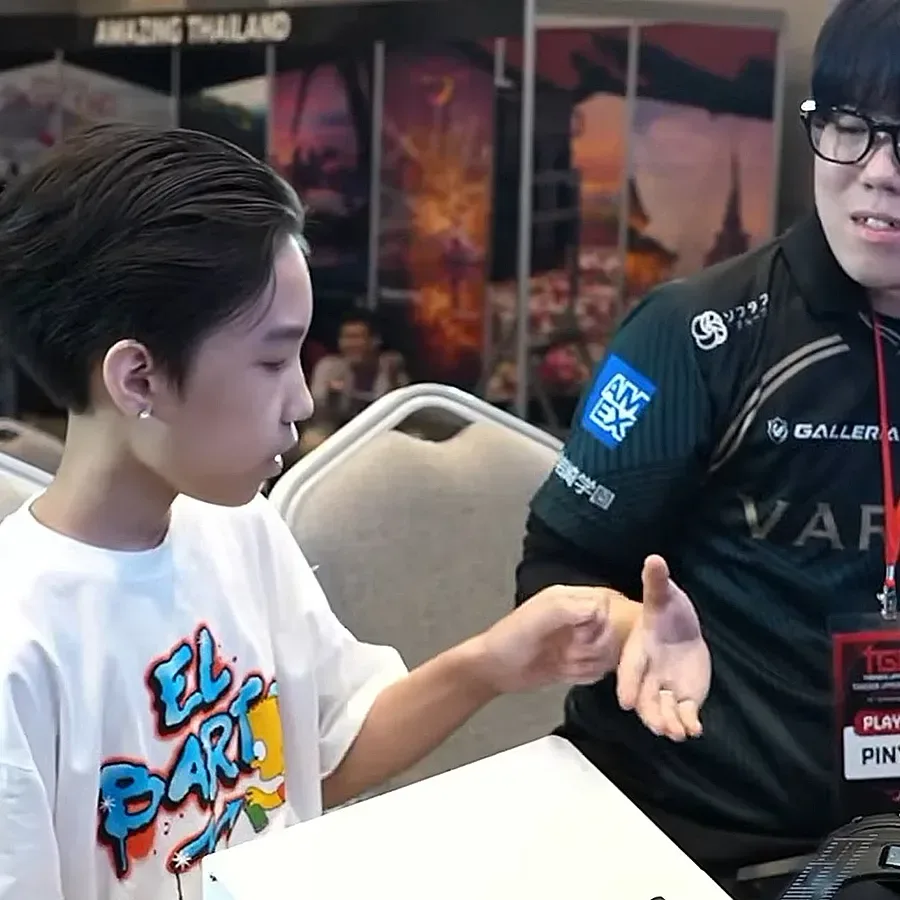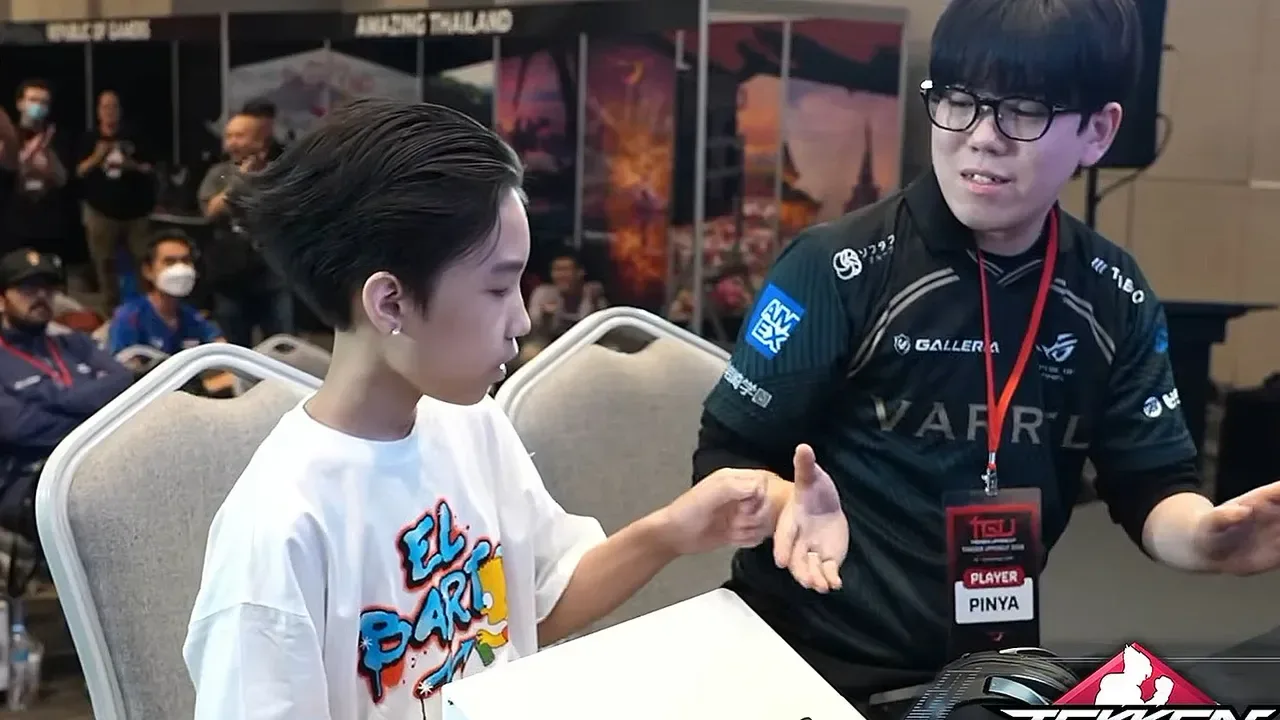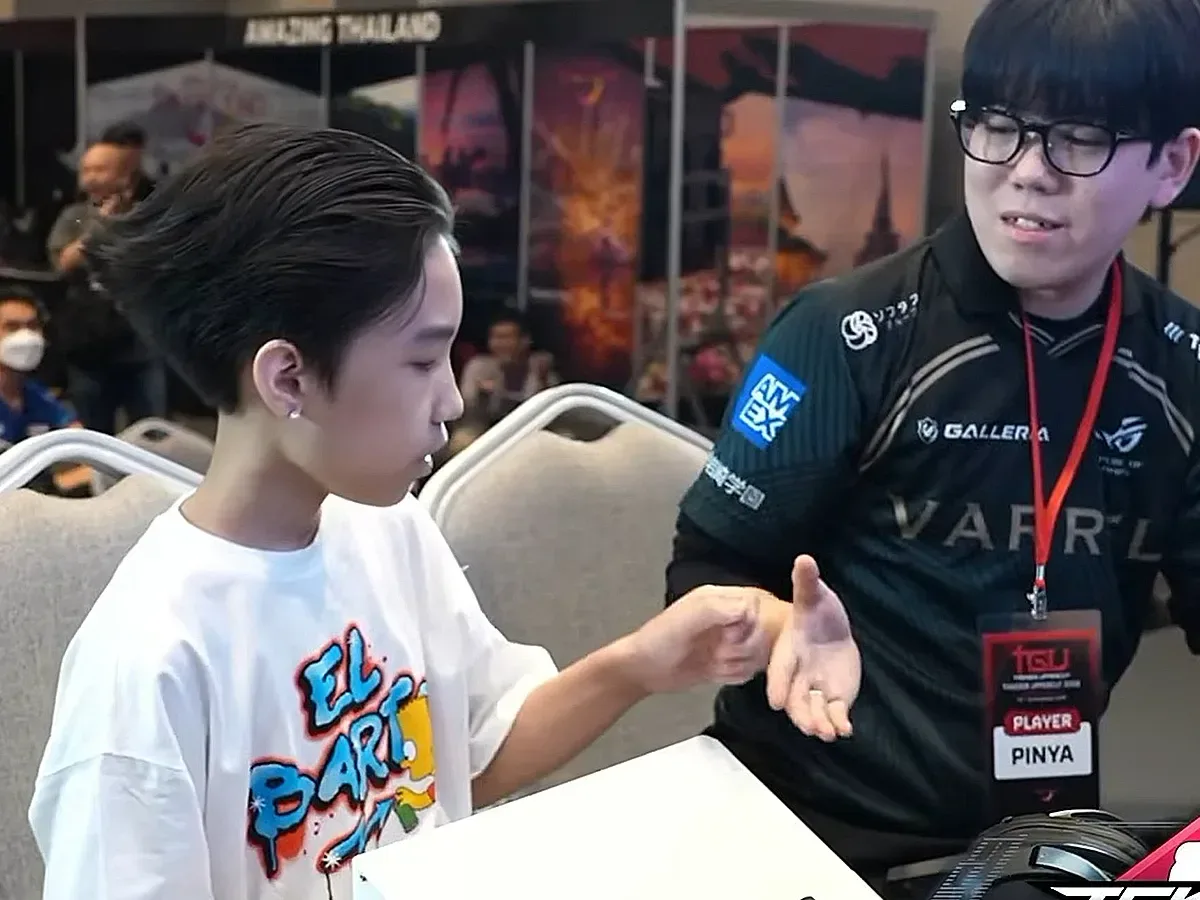
A teenage Tekken competitor from the Philippines has delivered one of Thaiger Uppercut’s most memorable results: 13-year-old Martinski defeated established Japanese player Pinya 2-0, sending the veteran into the losers’ bracket in the process.
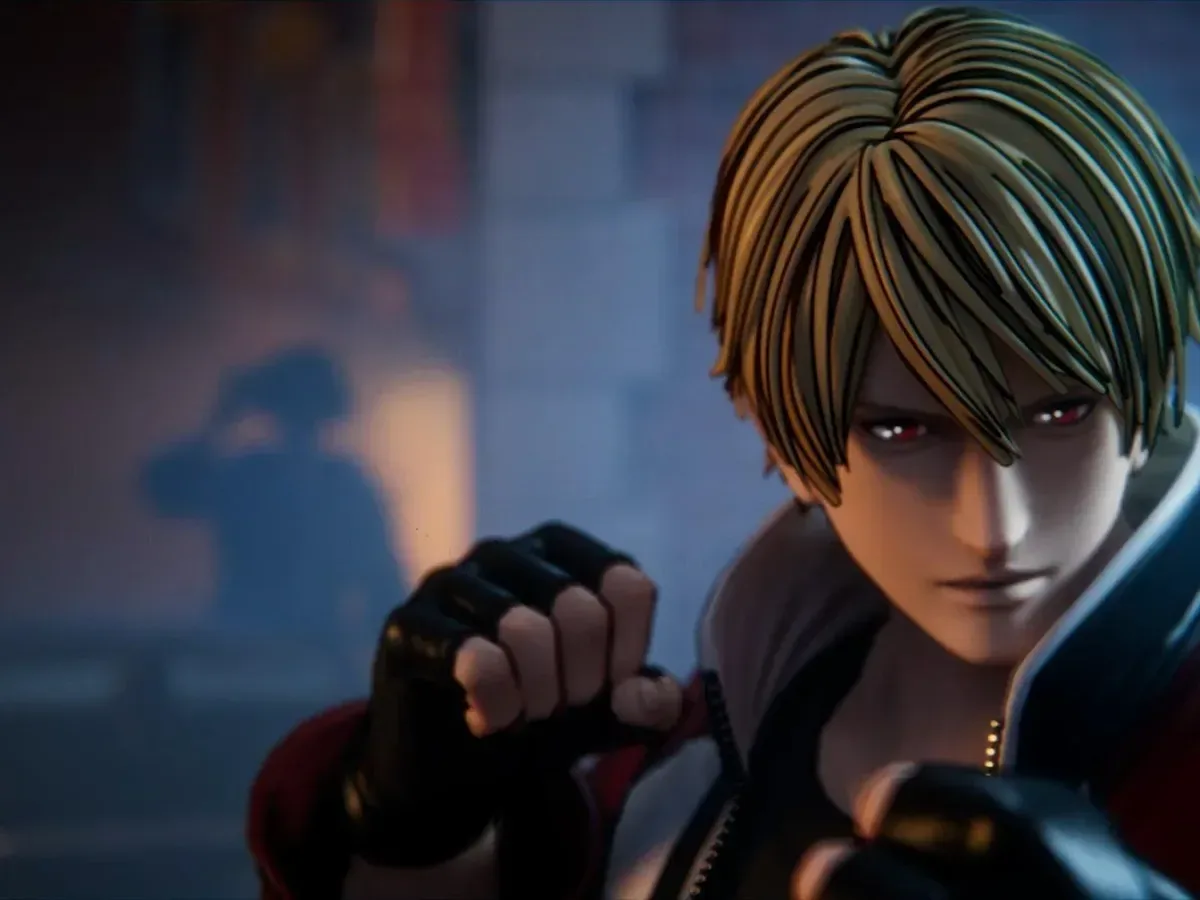
The upset was striking enough on its own. Martinski’s unmistakably Kazuya Mishima-inspired hairstyle gave the moment an extra dose of fighting-game theater, too. Kazuya is the long-running Tekken series’ former protagonist and later antagonist, making the resemblance an especially fitting visual for a young player taking down a seasoned opponent.
A clean 2-0 over a proven competitor
Thaiger Uppercut, often shortened to TGU, is a major fighting-game tournament held in Thailand each fall. It attracts players from multiple games and regions, creating the kind of bracket where a little-known name can suddenly face a highly accomplished contender.
That is what happened when Martinski met Pinya. Pinya has competed at a top level dating back to the Tekken 7 era, so the 2-0 scoreline matters beyond the novelty of a young participant making a splash. In a double-elimination bracket, being sent to losers does not remove a player from the event immediately. It does, however, eliminate the safety net: another match loss ends their run. Martinski’s victory therefore changed the shape of Pinya’s path through the tournament while proving that the teenager could convert a difficult matchup into a decisive result.
“Upset” can sometimes sound like a vague label in esports coverage. Here, it means a player without the same established reputation defeating someone with a longer record at the highest competitive level. It does not mean Martinski stumbled into a result by accident. A 2-0 win is a two-set sweep, and it is a concrete outcome in a bracket built around direct competition.
Top 48, then 25th from 187 entrants
Martinski’s tournament did not end with that single standout win. He reached the Top 48 and ultimately placed 25th in a field of 187 players. The final standing gives the performance useful context: the Pinya match was part of a run that carried well into a large Tekken bracket, rather than a one-match headline followed by an immediate exit.
Finishing 25th is still outside the final eight and outside the podium positions, but it remains a meaningful placement in a field this size—particularly for a 13-year-old competing among experienced tournament regulars. It is also a useful reminder that tournament success is not limited to who lifts the trophy. Reaching a late stage, taking a major win and gaining experience against deep opposition can be consequential milestones for an emerging player.
Martinski said he was proud of the run and grateful for the opportunity, emphasizing that every tournament offers something to learn. That response is notably measured after a viral moment. Competitive fighting games demand adaptation from match to match, and a strong result can offer feedback as valuable as attention: which decisions held up under pressure, which opponents created problems, and what needs to improve for the next bracket.
Related coverage includes 13-Year-Old Tekken Player Martinski Turns Heads After Upsetting Veteran Pro at Thaiger Uppercut.
The team event added another strong result
Martinski also entered TGU’s 3v3 teams competition as part of Martinski’s Magic Light Team. The squad finished ninth out of 24 teams.
Team brackets and solo brackets are different tests. The basic goal remains winning matches, but a team format also means preparation and performance are shared across multiple players. Ninth in a 24-team event is another solid showing, and it indicates Martinski’s weekend involved more than one successful appearance on the tournament floor.
The name “Magic Light” is itself a playful Tekken reference. In fighting-game language, players often use abbreviated labels for recurring moves or attack properties. The supplied results do not identify the team’s strategy or character choices, so it would be a mistake to read more into the name than a likely nod to Tekken culture. Still, it suits a player whose Kazuya-style hair helped turn a bracket result into a widely shared scene.
Why the result is resonating
Fighting games can make a single result instantly legible. Unlike a season-long league table, a bracket upset has an immediate storyline: one player wins, another is forced down the losers’ side, and viewers can see the stakes in real time. That format has long made tournaments fertile ground for breakout performances.
Martinski’s age intensifies the attention, but the achievement should not be reduced to age alone. He beat a recognized professional competitor, made Top 48 and finished 25th from 187 entrants. Those are the competitive facts worth carrying forward after the initial surprise fades.
The Kazuya look helps because Tekken has a distinct visual identity and Kazuya is one of its central figures. A competitor who resembles a key character while producing a high-profile win is naturally going to stand out in clips and social posts. Yet the style is the hook, not the substance. The substance is that Martinski won the set and assembled a respectable overall tournament finish.
A wider youth movement across fighting games
Martinski’s result also arrives amid several prominent performances from young players in Tekken 8 and Street Fighter 6. These examples do not prove that age alone predicts success, nor do they erase the work of long-established veterans. They do show that young competitors are increasingly capable of breaking into high-level brackets and placing against experienced opposition.
In Tekken 8, 16-year-old Neia reached Top 24 at Evo France. During that run, Neia defeated established professionals Hakim “Skywalker” Touré and Jonathan “Tibetano” Medina. Like Martinski’s result, that performance matters because it combined a notable age with victories over players already known to the scene.
Street Fighter 6 has supplied equally visible examples. Seventeen-year-old Chilean competitor Blaz helped 2Game win the Street Fighter League Americas Finals. Blaz had already built tournament experience from age 15 and took second place at Capcom Cup 11 a few months after turning 16.
Another Chilean player, Craime, made Top 8 at Evo Las Vegas at age 15 after beginning tournament competition at 13. Craime also won the Esports World Cup in Street Fighter 6 earlier in the year. The combination of high placements, major-event success and regional representation has made these young players difficult for the rest of the field to overlook.
There is an important distinction between a trend and a guarantee. The available results support the idea that more young players are landing attention-grabbing finishes in major fighting games. They do not tell us why any individual player succeeds, how long a competitive peak will last, or whether the same pattern will occur in every region and title. The safer conclusion is simple: youth is no longer a reason to dismiss a player when a Tekken 8 or Street Fighter 6 bracket begins.
What comes next for Martinski
One tournament cannot decide a career. It can, however, create a new level of interest around a competitor, and Martinski now has a result that peers and spectators will remember. The next challenge is familiar to every breakout player: turn one excellent weekend into sustained development, stronger placements and continued comfort against elite opposition.
For viewers, the practical lesson is to look beyond only the final podium. Brackets often reveal future threats before they win their first major title. A 13-year-old reaching Top 48, finishing 25th in a 187-player Tekken field, placing ninth in teams and eliminating a respected pro 2-0 is exactly the kind of performance worth tracking.
And for the broader gaming audience, it is another example of why competitive games continue to create compelling stories without needing elaborate scripts. One sharp player, one demanding bracket and one delightfully on-theme haircut were enough to make Thaiger Uppercut’s Tekken event considerably more memorable. For more on the hardware side of gaming coverage, see our look at why the Pixel 11 Pro XL is positioned as Google’s Galaxy S26+ gaming rival.