Shopping by lineup position is usually a handy shortcut: a “Plus” phone should face a “Pro” phone, and the middle model in one flagship family should make sense against the middle model in another. The Galaxy S26+ and Google’s Pixel 11 range make that shortcut unusually unreliable.
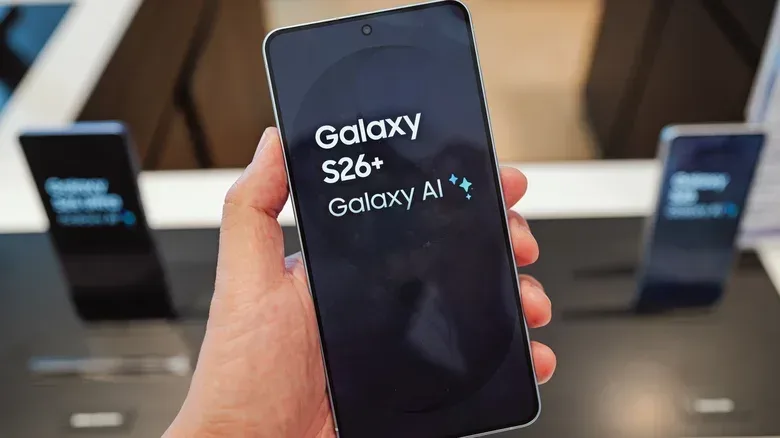
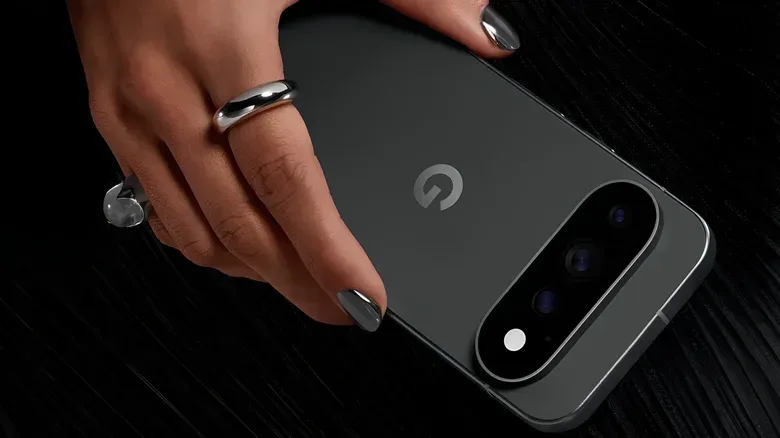
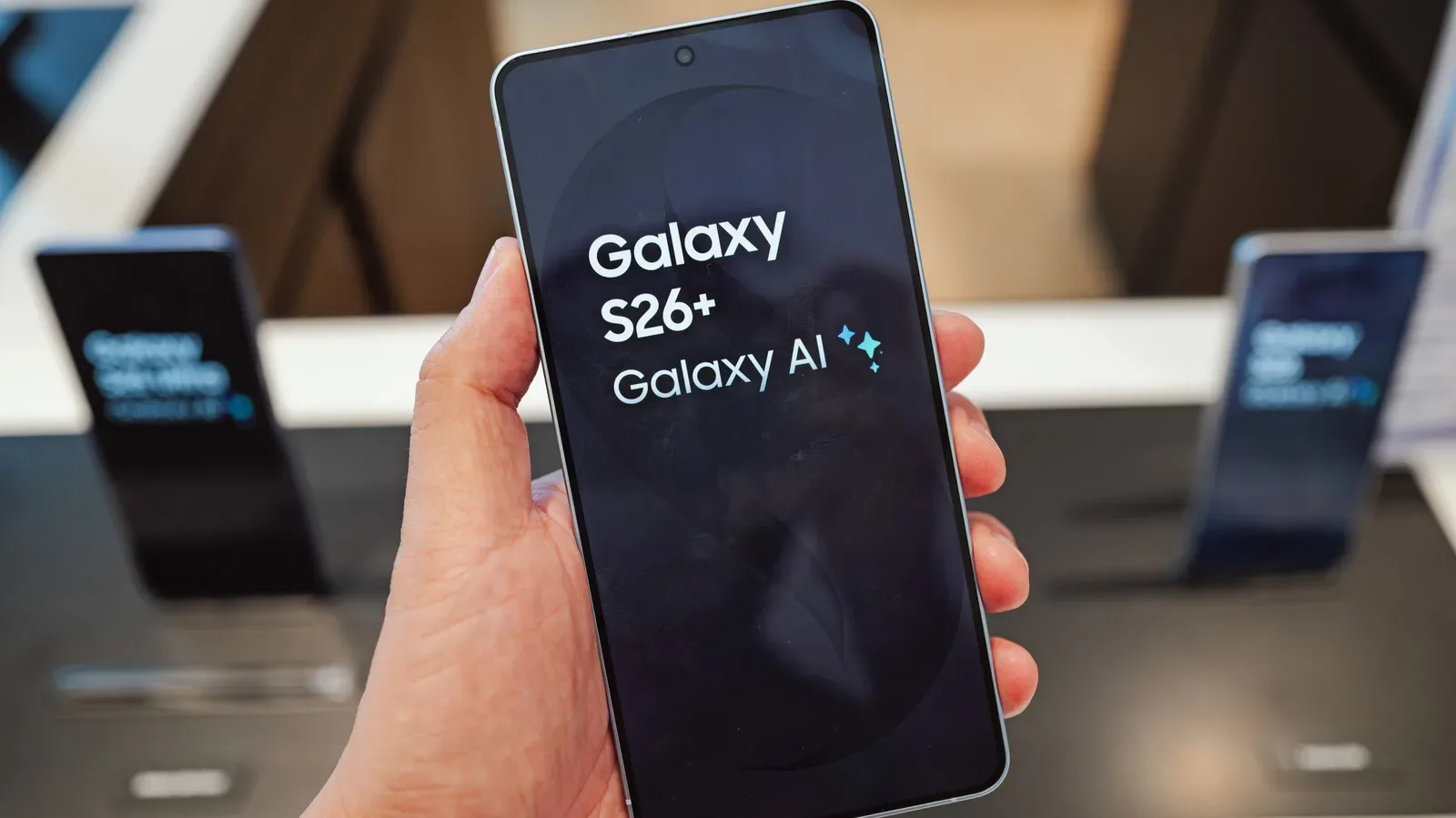
Samsung’s Galaxy S26+ is the company’s middle flagship, but its 6.7-inch screen places it much closer in physical scale to Google’s largest model, the Pixel 11 Pro XL. The regular Pixel 11 Pro is the more obvious nameplate match, yet it is a substantially smaller handset with a 6.3-inch display. For players choosing a premium Android phone partly for games, streaming, clips and long sessions away from a PC or console, that distinction is more meaningful than the branding suggests.
There are really two comparisons here. The Pixel 11 Pro is the lower-priced, compact alternative that keeps several high-end strengths. The Pixel 11 Pro XL is the size-and-camera counterpart, albeit one that costs more and weighs considerably more. Samsung, meanwhile, makes its strongest argument through raw performance: the Galaxy S26+ is better suited to workloads that stress a phone’s processor and graphics hardware.
The size comparison changes the matchup
The Galaxy S26+ has a 6.7-inch display, only 0.2 inches smaller than the Galaxy S26 Ultra. That is a large canvas for games with busy interfaces, on-screen controls, video playback and editing timelines. Google’s Pixel 11 Pro is not trying to occupy that same ergonomic niche. Its 6.3-inch screen matches the base Galaxy S26, making it the better fit for someone who explicitly prefers a more compact flagship.
The Pixel 11 Pro XL, by contrast, has a 6.8-inch panel. It is only marginally larger than the Galaxy S26+, so these are the models to compare for buyers who want a broadly similar screen footprint. A tenth of an inch does not settle the buying decision on its own, but the two phones belong to the same large-phone conversation in a way the 6.3-inch Pixel does not.
That matters for gaming in straightforward ways. A larger display can leave more room around touch controls and make fine UI elements easier to read. It can also make long-form video, streams and captured gameplay easier to view. The trade-off is portability, and large displays do not tell the entire comfort story. Weight can matter just as much once a session lasts beyond a few minutes.
Samsung has the more convincing performance case
The biggest practical divider is the silicon inside the phones. The Pixel 11 line uses Google’s Tensor G6, described as being designed primarily around AI workloads. The Galaxy S26 family uses Qualcomm’s Snapdragon Elite Gen 5 in relevant markets, while its international variant uses Samsung’s Exynos 2600. Both Galaxy S26 chip options are presented as delivering substantially greater processing and graphics performance than Tensor G6.
A system-on-a-chip, often shortened to SoC, is the central package containing key phone components, including the CPU for general computation and the GPU for graphics. Raw SoC performance becomes especially relevant when a game is rendering complex scenes, when a device is exporting edited video, or when several demanding processes run at once. It is not simply a benchmark-number concern; it can affect how much performance headroom a device has during intensive work.
On that measure, the Galaxy S26+ is the safer pick. It has the stated advantage for gaming, video editing and other resource-heavy applications. That does not make the Pixel 11 Pro unsuitable for normal use. Tensor G6 is said to handle ordinary tasks and multitasking well. The more precise conclusion is that the Pixel is positioned as capable for everyday phone use, while Samsung offers more reserve for the situations where graphics and compute power are the main priority.
For a buyer whose phone will frequently be used for demanding mobile games, Samsung’s performance lead is difficult to overlook. That is particularly true for anyone treating the handset as a portable complement to their wider gaming habits rather than solely as a camera-first device. Gaming remains a major cultural and commercial event space, as seen in the scale of discussion around GTA 6’s expected impact on the creator economy, and powerful pocket hardware has a role in everything around that activity, from playing to watching and sharing. Still, prospective owners should not infer unlisted gaming features or performance figures from the available information: the supported comparison is simply that Galaxy S26+ hardware has the stronger raw-performance position.
Pixel 11 Pro: the compact value alternative
At $1,099, the Pixel 11 Pro is $100 below the Galaxy S26+ MSRP of $1,199. It also brings a brighter display and a more capable camera setup than Samsung’s Plus model. Those strengths make it a credible alternative for someone who does not need Samsung’s larger screen or its edge in demanding applications.
The word brighter here is important as a display-quality distinction, but it should not be mistaken for an all-purpose declaration that one phone is better in every visual scenario. Likewise, a more capable camera configuration does not erase the Galaxy’s processing advantage. These products prioritize different strengths, so a useful decision begins with the buyer’s most frequent task rather than a simple list of wins.
Choose the Pixel 11 Pro’s approach if a compact 6.3-inch flagship is a benefit, $100 in MSRP savings matters, and a brighter screen and stronger camera capability carry more weight than maximum gaming and editing performance. It is the model for someone looking at the Galaxy S26+ and deciding that a smaller device would actually be preferable.
It is less persuasive for someone who specifically wants the Galaxy S26+ form factor. Calling both phones “middle” models hides a notable difference in the amount of screen available. The Pixel 11 Pro lines up dimensionally with the base Galaxy S26, not the Plus.
Pixel 11 Pro XL is the size-and-camera answer
For the Galaxy S26+ shopper who wants a nearly equal-sized Pixel, the Pixel 11 Pro XL is the closest fit. Its 6.8-inch display sits just above Samsung’s 6.7 inches. Google also has a clear paper advantage in the listed camera hardware: a 50MP main camera, 48MP ultrawide and 48MP telephoto with 5x optical zoom.
The Galaxy S26+ has a 50MP main camera, a 12MP ultrawide and a 10MP telephoto camera with 3x optical zoom. Samsung reserves its best optical sensors for the Galaxy S26 Ultra, leaving the Plus model with a more modest secondary-camera specification than Google’s biggest Pixel.
Optical zoom refers to magnification achieved through lens optics rather than purely digital enlargement. In this comparison, the stated 5x telephoto capability of the Pixel 11 Pro XL exceeds the Galaxy S26+’s 3x telephoto reach. Megapixel counts describe image resolution, however, and should not be treated as a universal measurement of final image quality without additional evidence on processing, sensor behavior and other variables. The available specifications support a hardware advantage for the Pixel Pro XL’s ultrawide and telephoto cameras; they do not establish every possible camera outcome.
The Pro XL does not undercut Samsung on price. Its $1,299 price tag is $100 above the Galaxy S26+ MSRP. The Galaxy line has also been available longer, making a Galaxy S26+ discount more likely. That means the real retail gap may favor Samsung further, though the amount and availability of any discount are not specified.
Weight is the Pro XL’s important compromise
The Pixel 11 Pro XL weighs 226 grams, or roughly 8 ounces. The Galaxy S26+ weighs 190 grams, about 6.7 ounces. That is a 36-gram difference—a tangible amount for devices held in one or both hands for reading, recording, streaming or playing.
A heavier phone can feel solid, but it can also become tiring through extended use. This does not automatically make the Galaxy S26+ more comfortable for every owner: preferences, grip and the way someone uses a phone all differ. It does establish that screen-size parity does not mean parity in hand. Anyone choosing between these two large models should view the 36-gram gap as a major practical trade-off rather than a footnote.
Which Pixel makes sense against the Galaxy S26+?
- Pixel 11 Pro: The sensible choice for a shopper who wants a smaller 6.3-inch phone, a $1,099 MSRP, a brighter display and stronger camera capability, while accepting lower performance headroom for intensive games and editing.
- Pixel 11 Pro XL: Google’s closest Galaxy S26+ equivalent by display size, with a 6.8-inch screen and more ambitious listed ultrawide and telephoto hardware. It costs $1,299 and carries a meaningful weight penalty.
- Galaxy S26+: The more compelling option when gaming, video editing and raw processing and graphics performance are central. Its 6.7-inch screen remains large while its 190-gram weight is well below the Pixel 11 Pro XL’s 226 grams.
The cleanest answer, then, is not a single Pixel for all Galaxy S26+ buyers. The Pixel 11 Pro XL is Google’s nearest physical and camera-focused counterpart. The Pixel 11 Pro is the cheaper, smaller alternative. Samsung’s Galaxy S26+ retains the clearest performance advantage, which is the factor most likely to matter when a flagship phone is expected to carry serious gaming and content-creation duties.