OnePlus’ flagship phone lineup has been a useful pressure valve in Android’s premium tier: a choice for people who wanted high-end specifications without automatically defaulting to Samsung or Google. That equation changes with the OnePlus 16. The handset debuted in China and is not set for a global launch, leaving buyers in the US and Europe to look elsewhere. India may receive it later, but that does not solve the immediate regional gap.
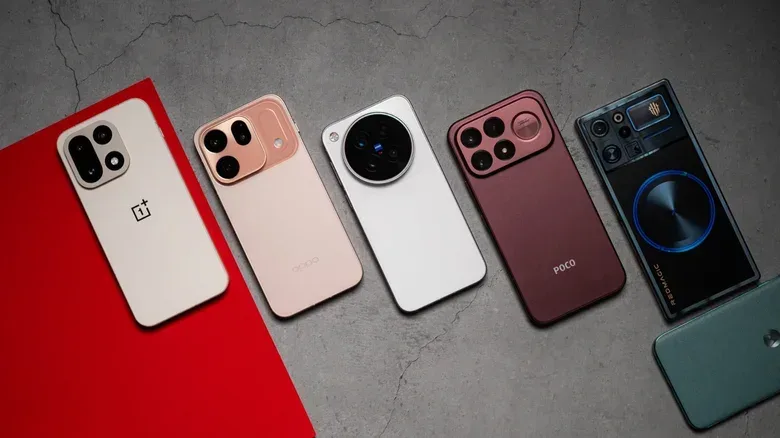
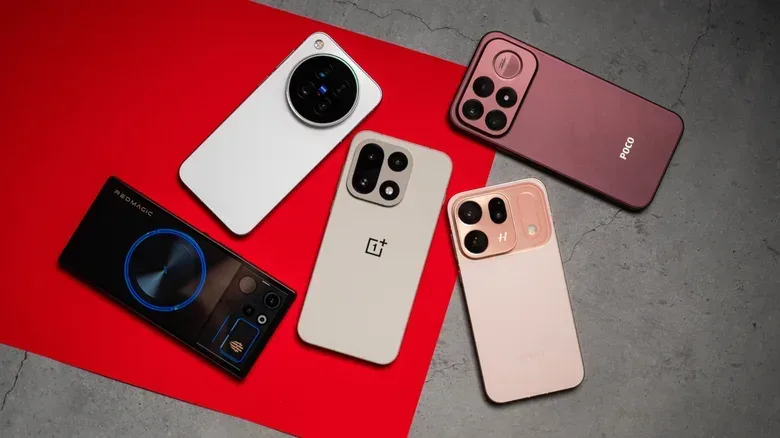
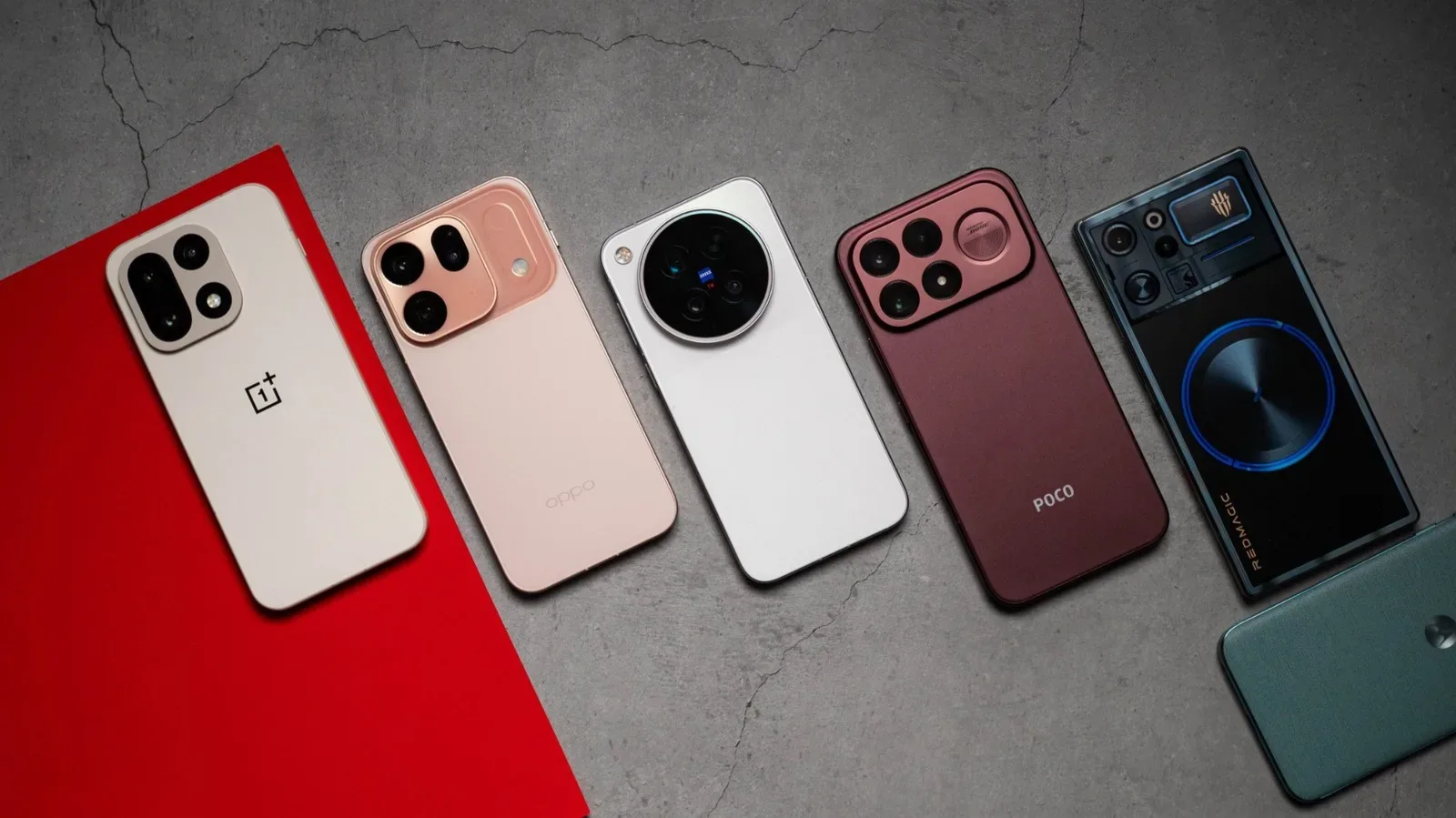
There is no single replacement because “similar to OnePlus” means different things to different buyers. It can mean a fast, customizable-feeling Android interface, strong camera hardware, a large battery, flagship processing power, or simply a comparatively aggressive price. The alternatives now span several distinct philosophies: Motorola is pursuing a no-compromise US flagship, Oppo offers the most familiar software route in Europe, Vivo emphasizes camera tuning, Poco targets value, and Redmagic puts gaming performance and display speed ahead of photographic polish.
Here is what separates those options, and what the headline specifications actually mean for a buyer deciding where to move after OnePlus.
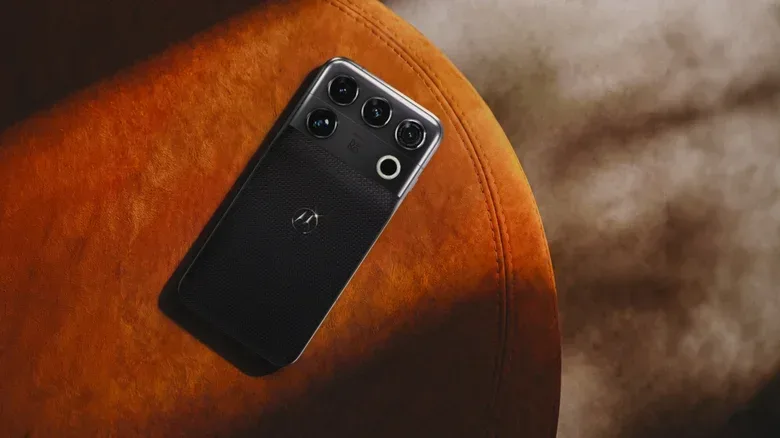
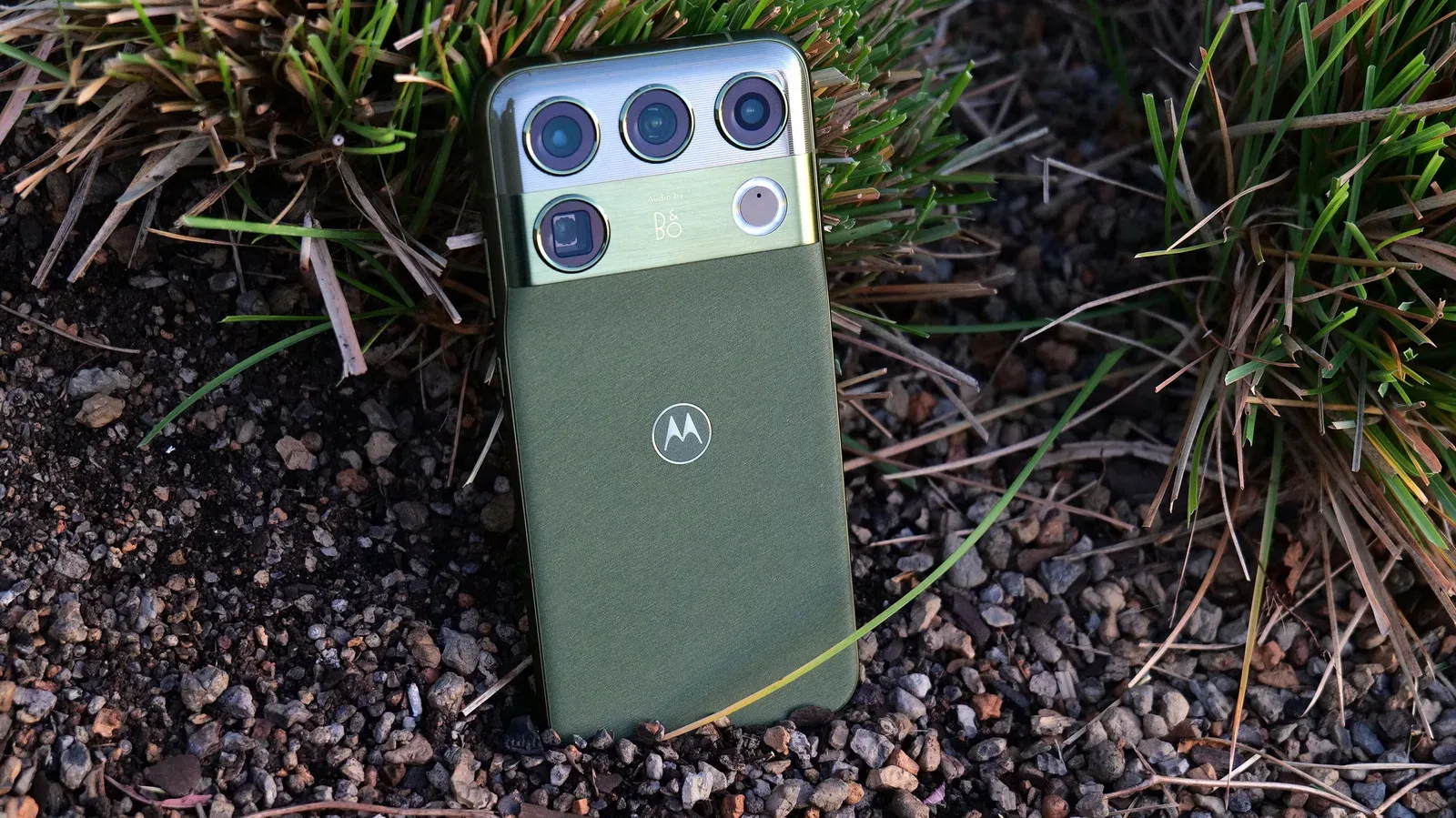
For US buyers, Motorola’s Signature 27 is the closest full-scale flagship option
The Motorola Signature 27 is positioned as the most direct US-market answer for someone who wants an Android flagship that does not make obvious hardware compromises. It is available to pre-order in the US and is due in stores on November 26. Its $1,599 price is also central to the story: it replaces the OnePlus-shaped hole in terms of ambition, not affordability. That puts it alongside ultra-premium competitors rather than the value-driven identity OnePlus historically cultivated.
Its camera setup is unusually aggressive on paper. The main camera uses a 50MP Sony LYTIA L910 sensor, joined by a 200MP telephoto camera with 3x optical zoom and an AI-assisted 100x zoom mode, plus a 50MP ultrawide. Motorola has also included an event-based vision sensor, or EVS, intended to help when photographing fast-moving subjects. An EVS is a sensor designed to detect changes in a scene over time rather than capturing imagery in the same conventional manner as a standard camera sensor. The practical promise here is better motion handling, though it should be regarded as a manufacturer feature claim rather than a guarantee of better photos in every situation.
Performance hardware is similarly maximalist: Qualcomm’s 2nm Snapdragon 8 Elite Extreme Gen 6, 12GB of RAM, and 512GB of UFS 4.1 storage. UFS is the phone’s internal flash-storage standard; faster storage can help with launching applications, moving large files, and recording or processing demanding media. The handset also lists both IP68 and IP69 dust- and water-resistance ratings. Those are useful durability indicators, but they do not make a phone invulnerable, and owners should still follow the maker’s care guidance.
The 7,000mAh battery is claimed to be the largest in a phone sold in the US, with an expectation of up to two days between charges. Battery capacity, measured in milliamp-hours, is a useful starting point but not a direct measure of runtime. Screen brightness, mobile signal conditions, games, cameras, software behavior, and charging habits all affect real endurance. Still, a capacity this large clearly makes longevity one of the Signature 27’s defining selling points.
Its display uses tandem OLED technology, which stacks two OLED layers. The goal is higher brightness, and Motorola says this panel is among the brightest currently available. Brightness can matter outdoors, while watching HDR video, and in games with dark scenes where highlights need to remain visible. The phone also supports Wi-Fi 8 compatibility and Bang & Olufsen-tuned sound.
Related coverage includes Best OnePlus 16 Alternatives for US and European Buyers.
Software may be the Signature 27’s strongest long-term argument. It ships with Android 17 and is promised seven software updates. It includes features described as Rambler, Create My Widget, Sign-to-Text, and Gemini capabilities for multistep tasks. It is also compatible with GrapheneOS, a privacy-focused operating system. That compatibility is particularly notable for buyers who want a powerful mainstream device but prefer a different software approach from Motorola’s own Android interface.
Oppo Find X10 offers the most familiar path for former OnePlus users in Europe
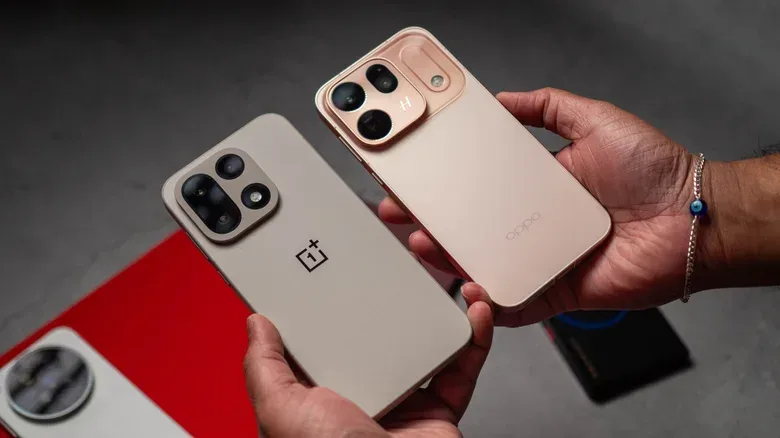
For Europe, the Oppo Find X10 is the clearest continuation of the recent OnePlus experience. OnePlus and Oppo have shared components and manufacturing, and the relationship shows most plainly in software. Oppo calls its version ColorOS; OnePlus uses OxygenOS. There are visual differences, but the two platforms are described as functionally very close. That matters more than a logo for anyone whose habits are built around recent OnePlus phones.
The Find X10 costs €1,199, listed as $1,342, and uses MediaTek’s Dimensity 9600M rather than Qualcomm hardware. It is also slightly smaller than the OnePlus 16. The specification difference does not automatically make it a lesser choice: buyers who value a familiar interface, premium hardware, and camera versatility may find the continuity more meaningful than the chip brand.
ColorOS and recent OxygenOS builds differ from the older version of OxygenOS that earned OnePlus an enthusiast following for its clean presentation and customization options. The two current interfaces include translucent styling associated with Apple’s Liquid Glass design direction, especially in the notification shade and lock screen. That look is subjective. It may feel modern and visually layered to one user, while another may prefer flatter, more utilitarian menus.
Oppo’s camera credentials are a major part of the Find X10 pitch. It has Hasselblad tuning and a new imaging engine intended to produce more natural-looking colors, alongside improved video recording. Camera tuning refers to the image-processing choices a phone applies after capture: color balance, contrast, sharpening, noise reduction, skin tones, and the treatment of highlights and shadows. It is why two phones can produce markedly different photographs even when their raw camera specifications appear similar.
The Find X10 also carries a 7,150mAh silicon battery. The “silicon” designation refers to battery chemistry that uses silicon-related materials to increase energy density. In plain terms, the aim is to fit more capacity into a manageable device size. Buyers who need Oppo’s best camera proposition can look at the Find X10 Pro Max, though its 12GB/512GB version is listed at €1,699, or $1,902. That is a substantial step up, so the standard Find X10 is likely the more relevant option for shoppers specifically replacing a OnePlus flagship.
Vivo X500 Pro favors smaller dimensions and a different camera character
The Vivo X500 Pro takes a different route: a smaller 6.36-inch AMOLED display, a 2nm MediaTek Dimensity 9600 Pro chipset, a 5,300mAh battery, and cameras with Zeiss tuning. At €1,399 ($1,566) for 12GB of RAM and 256GB of storage, it is not a value-first alternative. It is a premium choice for someone who values a more compact handset and a particular photographic output.
The supplied comparison favors Vivo’s camera tuning over Oppo’s. That is an aesthetic distinction rather than an absolute ranking. “Better” cameras can mean greater naturalism, more flattering color, stronger detail, or video that is easier to share without editing. Shoppers who are deciding between these two should therefore focus less on branding and more on what kind of images they prefer.
Vivo’s Android 17-based OriginOS 7 has a feature-rich, current-looking interface, but it also uses translucent, Liquid Glass-like elements. As with Oppo, that visual language is worth considering before purchase because it affects every notification, settings screen, and lock-screen interaction. The X500 Pro’s appeal is straightforward: faster hardware, a smaller display, and a camera approach that may be more compelling for photo-focused users willing to pay for it.
Poco F9 Ultra and Redmagic 12 Pro split the value-and-gaming decision
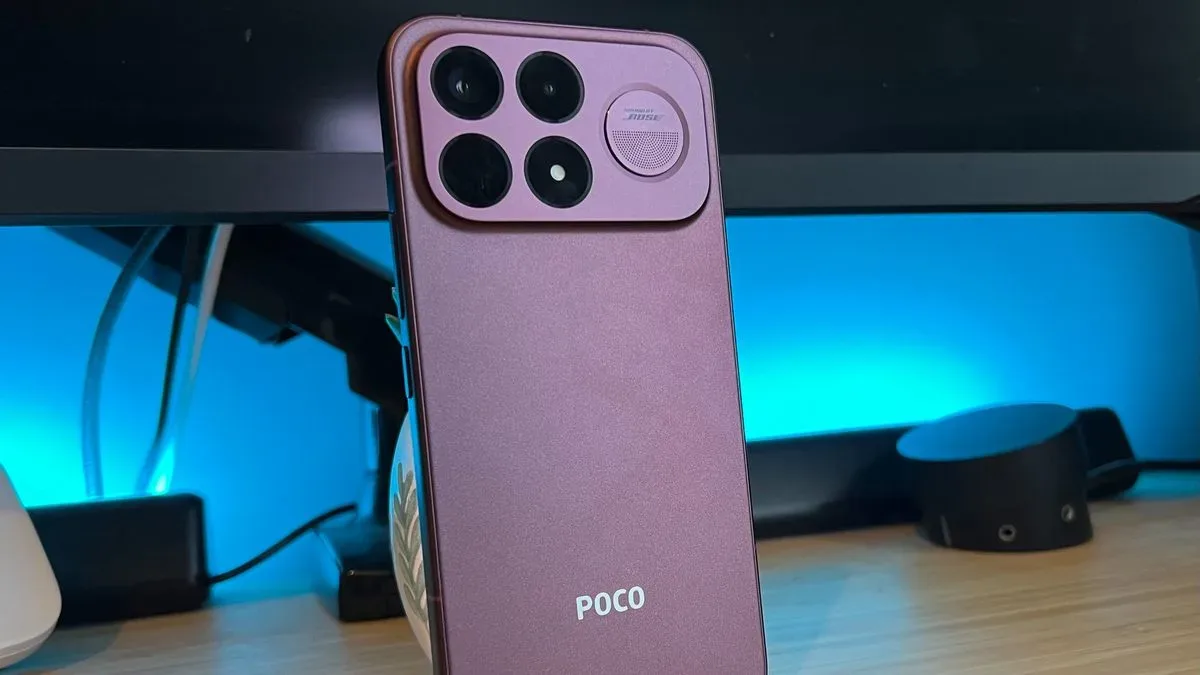
The Poco F9 Ultra is for buyers who miss OnePlus’ old value-flagship angle more than they miss having the newest processor. Its 16GB/512GB configuration is listed at £769 ($1,030). It does not use the latest hardware, but it pairs improved cameras with an enormous 8,040mAh battery, fast charging, and Bose-tuned audio. It is described as having camera results comparable to the OnePlus 15.
That combination suggests a practical proposition: accept a less current chipset in exchange for high memory and storage, long potential battery life, fast charging, and stronger sound. It may be the sensible choice for someone who spends more time watching media, commuting, and playing occasional games than benchmarking a processor. Audio tuning cannot replace good headphones or speakers, but it is relevant on a phone intended to be an everyday entertainment device.
The Redmagic 12 Pro is the most explicitly gaming-oriented alternative. It starts at $899 for 12GB/256GB, making it notably less expensive than Motorola’s, Oppo’s, and Vivo’s premium options. It combines Qualcomm’s latest silicon with an 8,400mAh battery, a 6.85-inch OLED display capable of up to a 185Hz refresh rate, and an under-display front camera that allows for an uninterrupted screen.
Refresh rate is how many times a display can update each second. A 185Hz panel can theoretically show motion more frequently than a conventional 60Hz screen. In games, that can contribute to a smoother-looking experience where the game itself supports high frame rates; it does not automatically mean every game runs at 185 frames per second. The big screen and hidden selfie camera make the Redmagic especially suited to people who want minimal visual interruption during play.
The trade-off is clear. The cameras are characterized as average and the software as plain. For gaming, that may be an acceptable bargain. For a phone that must also be a dependable travel camera, polished work device, and photography tool, the trade-off deserves more weight. Players who download large games and updates should also remember that performance is only one part of the experience: stable network conditions and a healthy home connection remain important. Our practical guide to tracking down a network bottleneck covers the kind of connection issue that hardware alone cannot solve.
How to pick the right replacement
- Choose the Motorola Signature 27 if you are in the US, want a full-featured flagship, value lengthy update support and GrapheneOS compatibility, and can accept its $1,599 price.
- Choose the Oppo Find X10 if you are in Europe and the closest possible continuation of the modern OnePlus/OxygenOS experience is the priority.
- Choose the Vivo X500 Pro if you prefer a smaller 6.36-inch screen and put a premium on Vivo’s Zeiss-tuned camera approach.
- Choose the Poco F9 Ultra if value, a very large battery, substantial 16GB/512GB memory and storage, fast charging, and audio matter more than having the newest processor.
- Choose the Redmagic 12 Pro if gaming performance, a high-refresh display, screen size, and price matter most, while camera quality and elaborate software are lower priorities.
The OnePlus 16’s regional absence narrows a once-distinct choice, but it does not leave Android buyers with one obvious fallback. It instead makes the decision more explicit. The best alternative depends on whether the defining OnePlus trait was software familiarity, strong value, battery endurance, camera ambitions, or high-end gaming performance. Those needs are now covered by different devices—and often at sharply different prices.