

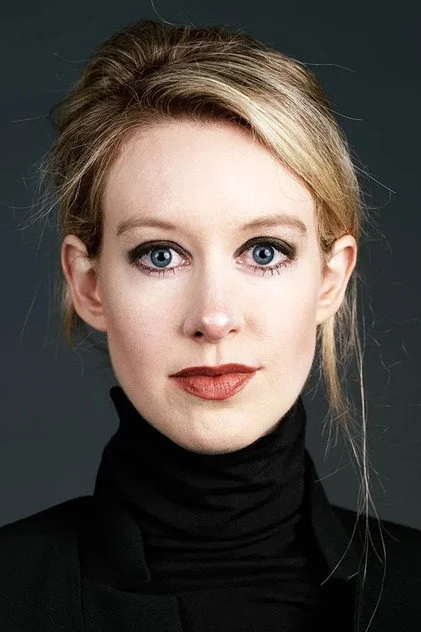
 Elizabeth HolmesSelf
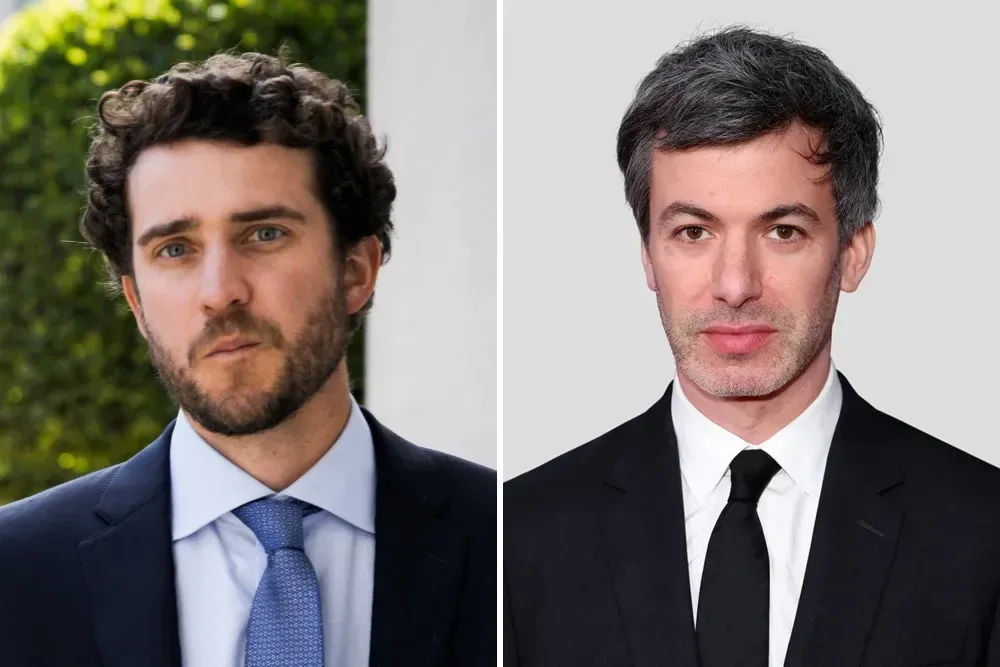
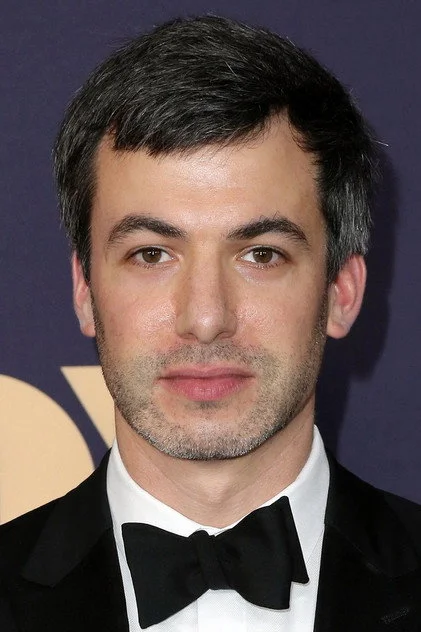 Nathan FielderSelf
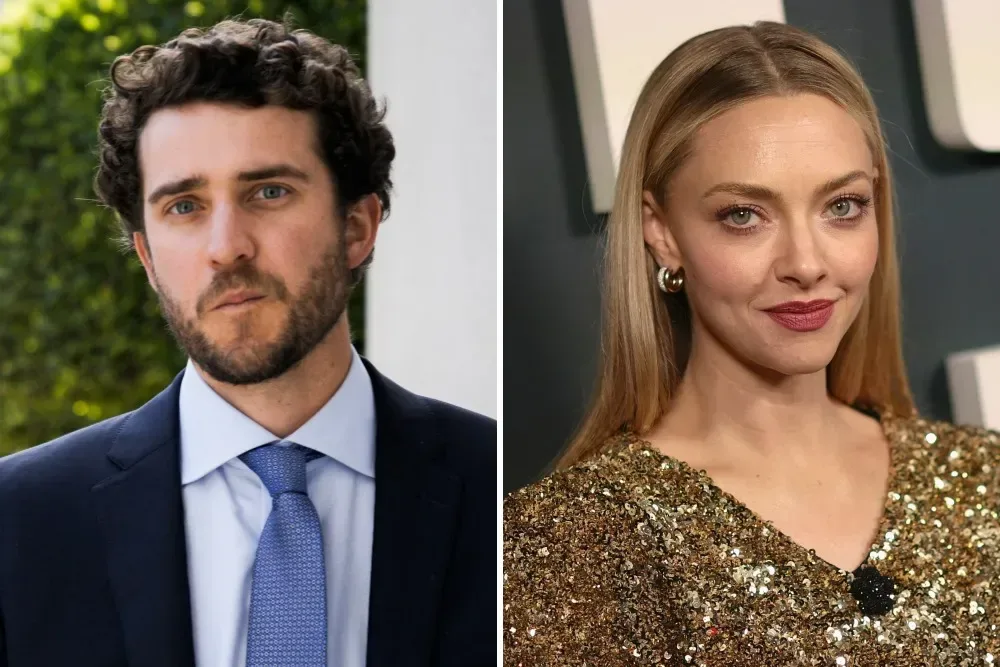
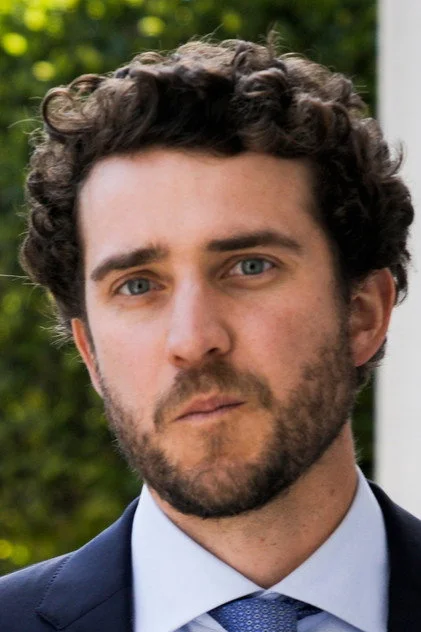 Billy EvansSelf
 Amanda SeyfriedSelf / Elizabeth Holmes
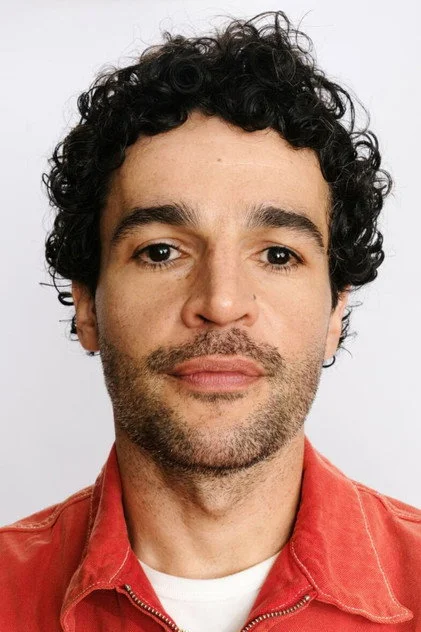 Christopher AbbottBilly Evans
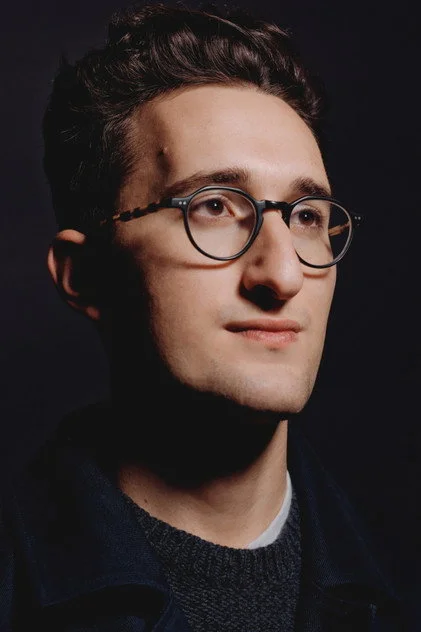 Lance OppenheimSelf
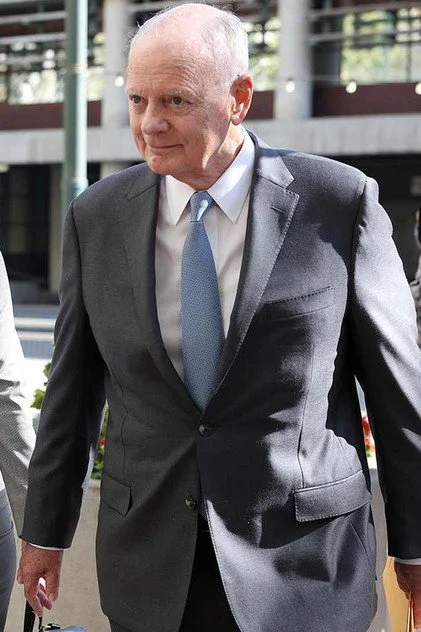 Christian Rasmus Holmes IVSelf
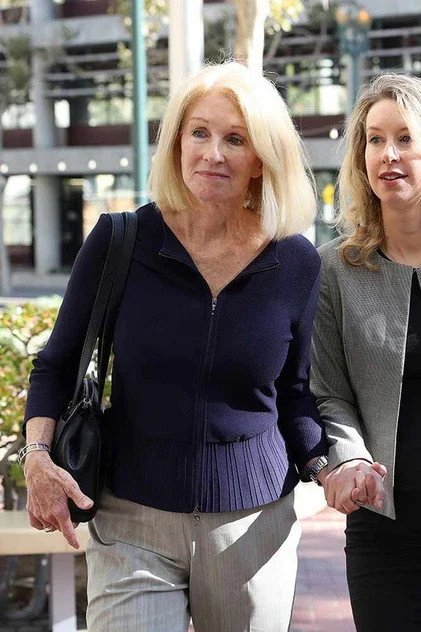 Noel Anne HolmesSelf
 Gary WilmesA24 Executive
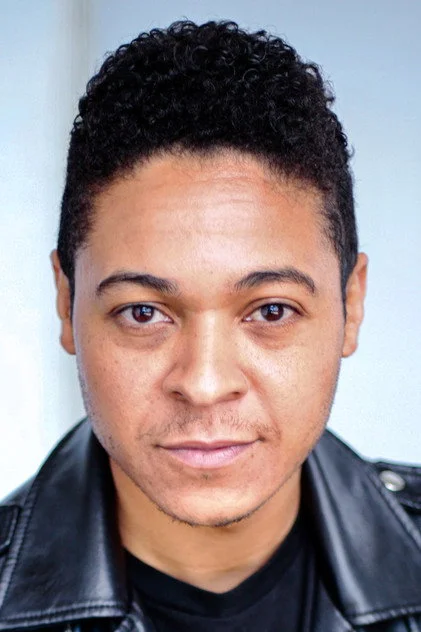 Phillip Andre BotelloA24 Executive
 Nick ChoksiFriend
You Can See Everything begins with an unusually direct proposition: Elizabeth Holmes, in the weeks before beginning a prison sentence for defrauding investors, opens her home to filmmakers Nathan Fielder and Lance Oppenheim. The stated offer is transparency. The film’s animating tension, however, is the gap between being visible and being knowable. What follows is not a neat explanatory account of Holmes, but a searching docufiction work that makes uncertainty its subject and its method.
Fielder and Oppenheim have substantial access to Holmes and her husband, Billy Evans, at their isolated San Diego rental. Yet access does not equal disclosure, and the film appears alert to that distinction from the outset. Holmes is presented as evasive but magnetic: a person emphatically committed to her own account of herself, even when that account clashes with the criminal case surrounding her. Her assertions of innocence and honesty are not simply accepted as revelations. They become material for the film to examine—expressions of self-belief, image management and perhaps performance that cannot be cleanly separated.
That makes Fielder’s role crucial. He approaches Holmes as a persistent, sceptical interviewer rather than a neutral receptacle for her version of events. The encounter is compelling because neither side offers easy resolution. Fielder’s interest in the unstable border between constructed situations and apparent reality meets a subject who seems deeply invested in controlling how she is understood. The result is less a conventional interview film than a contest over authorship: who gets to shape the story, and what happens when the person being filmed has her own forceful narrative ready to fill every silence?
A documentary about the limits of documentation
The film’s central achievement is to turn that standoff into a wider inquiry. You Can See Everything repeatedly circles questions of authenticity, objectivity and the limits of documentary evidence. Its title carries an intentional irony. Seeing more of someone—their home, routines, gestures and explanations—does not necessarily make their inner life clearer. In this case, increased proximity appears to produce further ambiguity.
That ambiguity is not a failure of the project to obtain a final answer. It is the point. Holmes remains elusive through the end, and the film’s most provocative idea is that no amount of observation can guarantee truth. A camera can record a face, a room and a statement; it cannot conclusively settle whether a subject is candid, deceiving others, deceiving herself, or moving among all three states at once. The film treats that limitation as an artistic and philosophical problem rather than an inconvenience to edit away.
Its docufiction label matters here. The work does not appear content merely to observe from a supposed distance. It foregrounds how the presence of filmmakers, the act of questioning and the awareness of being watched can shape what is presented. That approach should make the film especially rewarding for viewers interested in documentary form rather than only in Holmes’s public history. It is concerned with a famous subject, certainly, but its broader fascination lies in the machinery of narrative itself: testimony, persuasion, framing and the desire to make a coherent person out of incomplete evidence.
Close-ups, distance and an investigative camera
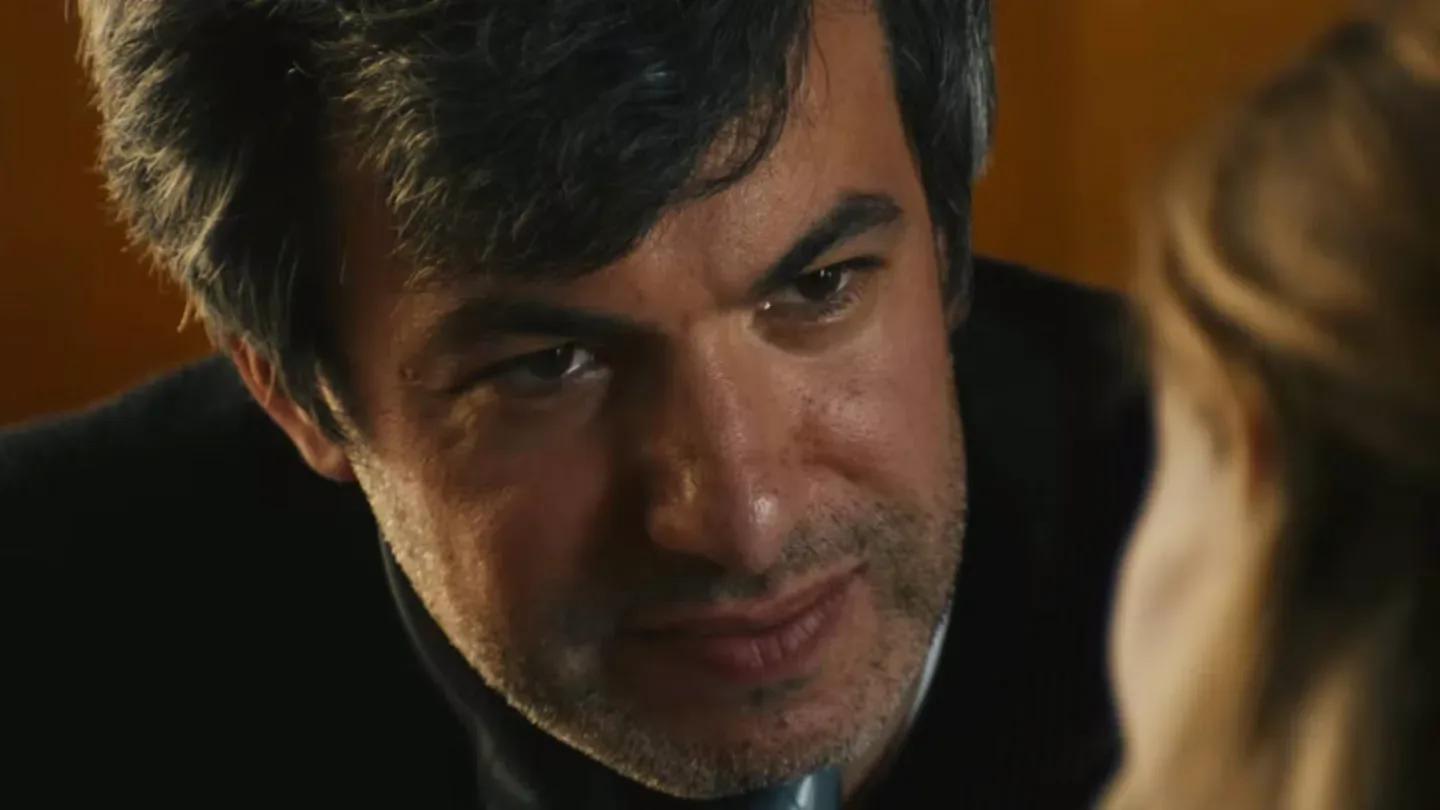
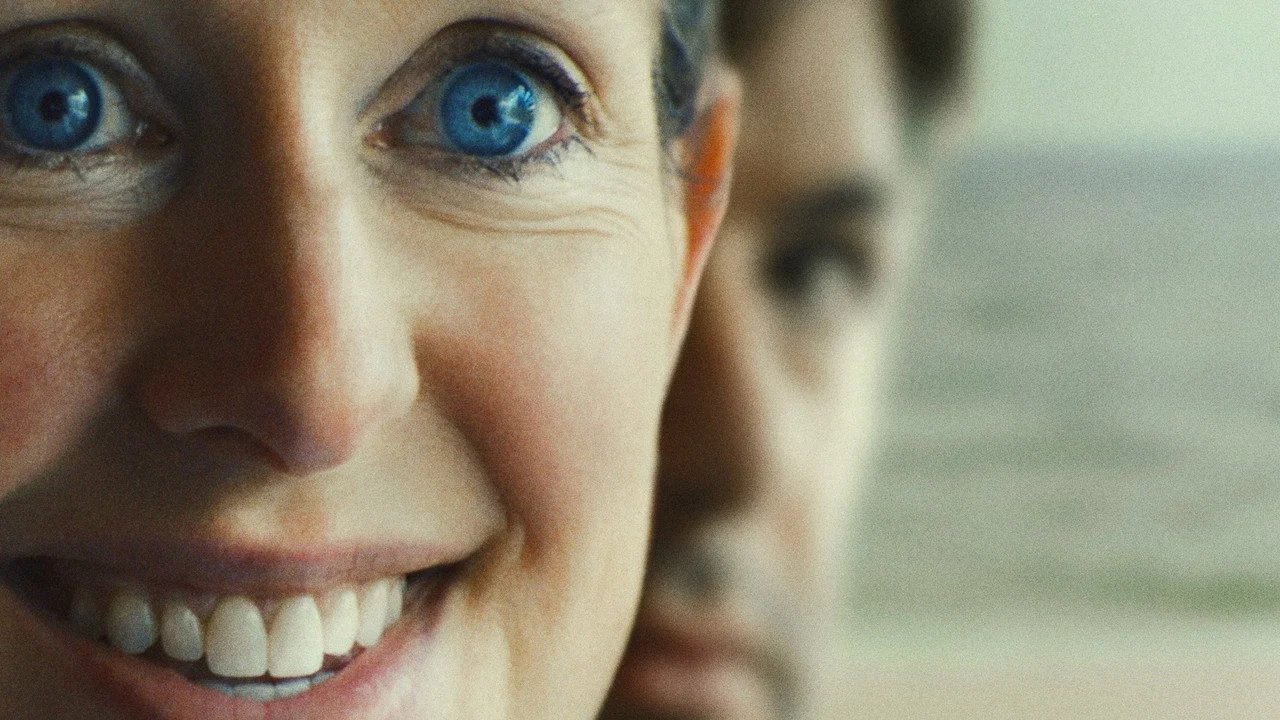
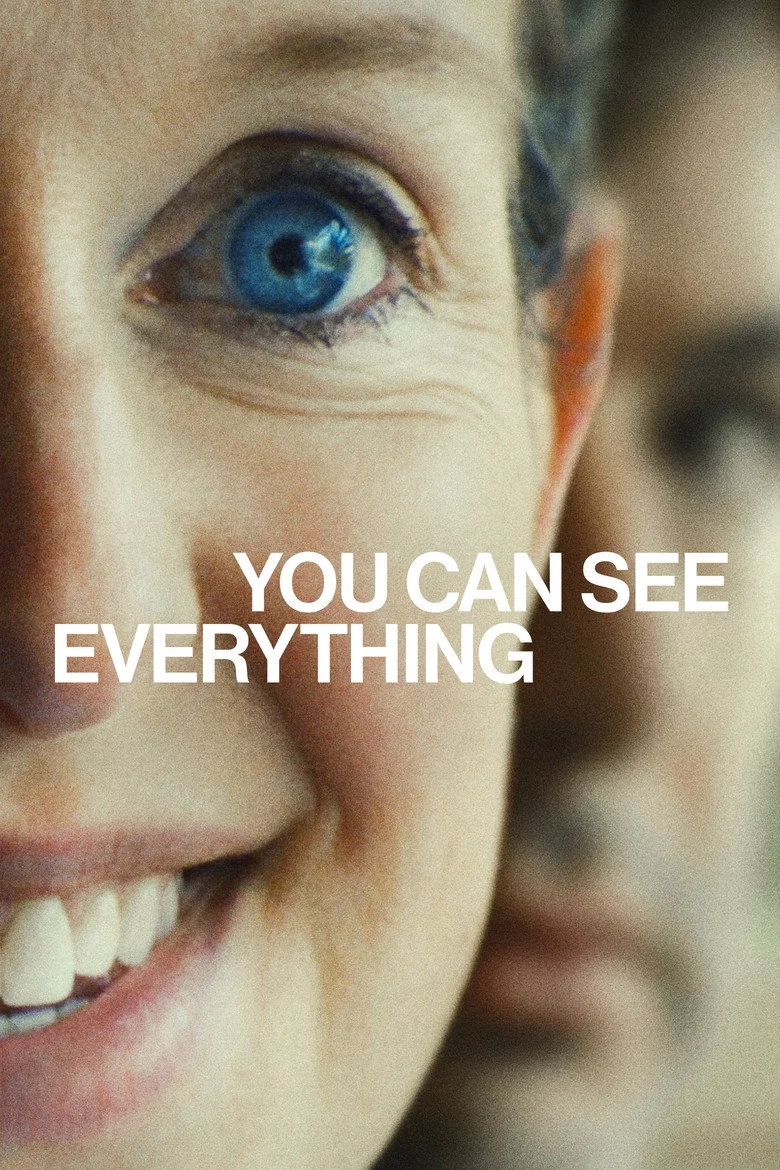
Oppenheim’s direction gives those ideas a physical form. The imagery moves between wide views of the beachside setting and extreme close-ups that render faces in almost confrontational detail. The contrast is expressive. The broad landscapes emphasize separation and isolation, while the close framing creates the promise of scrutiny—an impression that the camera might locate some decisive tell in a pore, a tear or a fleeting expression.
But the film’s visual design does not suggest that looking closely solves the mystery. Instead, its shifting scale keeps returning the audience to the same uneasy contradiction: intense observation can still leave meaning unresolved. The camera operates like an investigative instrument, alternately narrowing its focus and pulling back for context. Neither perspective is presented as fully sufficient. A close-up can feel revealing while remaining open to interpretation; a distant view can supply context while obscuring the person within it.
This makes the craft feel purposefully aligned with the themes. The images are not merely handsome or probing in isolation. They stage the film’s argument about perception. The audience is invited to examine Holmes closely, while also being asked to question what that examination can actually prove. For a story built around a subject whose self-presentation is so central, that visual strategy gives the film an appropriately unsettled charge.
A structural shift that expands the film’s concerns
The three-hour running time accommodates a major turn after Holmes is imprisoned, when Evans becomes the more prominent subject. This change prevents the film from remaining only a study of one individual’s self-fashioning. By shifting perspectives, it expands its attention to the people around a public narrative and to the strange afterlife of a story once its central figure is absent.
Evans’s emergence is described as unnerving, which suggests the latter stretch is not simply a supplementary epilogue. It appears to alter the film’s emotional and intellectual balance. The transition broadens a work initially organised around Holmes’s resistance to scrutiny into something more labyrinthine: a film about relationships, observation and the way a narrative changes when another person occupies the space left behind.
The structure is therefore demanding by design. At three hours, this is not positioned as a brisk recap of a fraud case or a simple procedural investigation. Its layered approach asks viewers to sit with reversals, competing impressions and the possibility that certainty may remain out of reach. For some viewers, the scale and density may be a limitation: anyone looking primarily for a concise factual primer may find the film’s expansive, self-questioning form less direct than expected. But for viewers receptive to a work that keeps opening new conceptual doors, the length supports its accumulating effect.
Holmes as subject, not solution
Holmes is the film’s absorbing centre without becoming its solved equation. Her apparent insistence on innocence, her carefully managed emotion and her tendency to frame herself through declarative claims all contribute to a portrait of someone who may be narrating her way through reality. The film does not need to announce a single psychological diagnosis for this to be unsettling. It derives power from watching the distance between what is said and what the audience may infer.
That distinction is important. The film’s portrait seems to resist pretending that a viewer can confidently read private motives from filmed behaviour. Instead, it lets the uncertainty remain active. Is a gesture spontaneous or calibrated? Is conviction evidence of sincerity, self-deception or strategic control? The film keeps those possibilities in play, turning the audience into participants in the interpretive process while withholding any guarantee that interpretation will become knowledge.
Fielder is particularly well matched to this terrain because the film builds on his established interest in performed reality and constructed encounters. Here, that sensibility is put under pressure by a subject who is herself determined to define the terms of the encounter. The creative friction gives You Can See Everything its distinctive energy. It does not just ask what Holmes is hiding; it asks whether hiding and revealing can ever be cleanly separated when every participant knows a camera is present.
Verdict
You Can See Everything is an ambitious, absorbing docufiction odyssey that uses its access to Elizabeth Holmes and Billy Evans as the starting point for a much larger meditation on truth, image and narrative control. Its three-hour scope and deliberately unresolved design make it a more demanding prospect than a straightforward account of its subject’s crimes. Yet those same qualities allow Fielder and Oppenheim to create a film whose questions deepen as its perspective widens. It is best recommended to viewers eager for documentary cinema that interrogates its own ability to tell the truth, rather than simply presenting truth as a finished product.