Amanda Seyfried has described feeling both “relieved” and “excited” now that audiences know she appears in You Can See Everything, the three-hour Elizabeth Holmes documentary co-directed by Nathan Fielder and Lance Oppenheim.
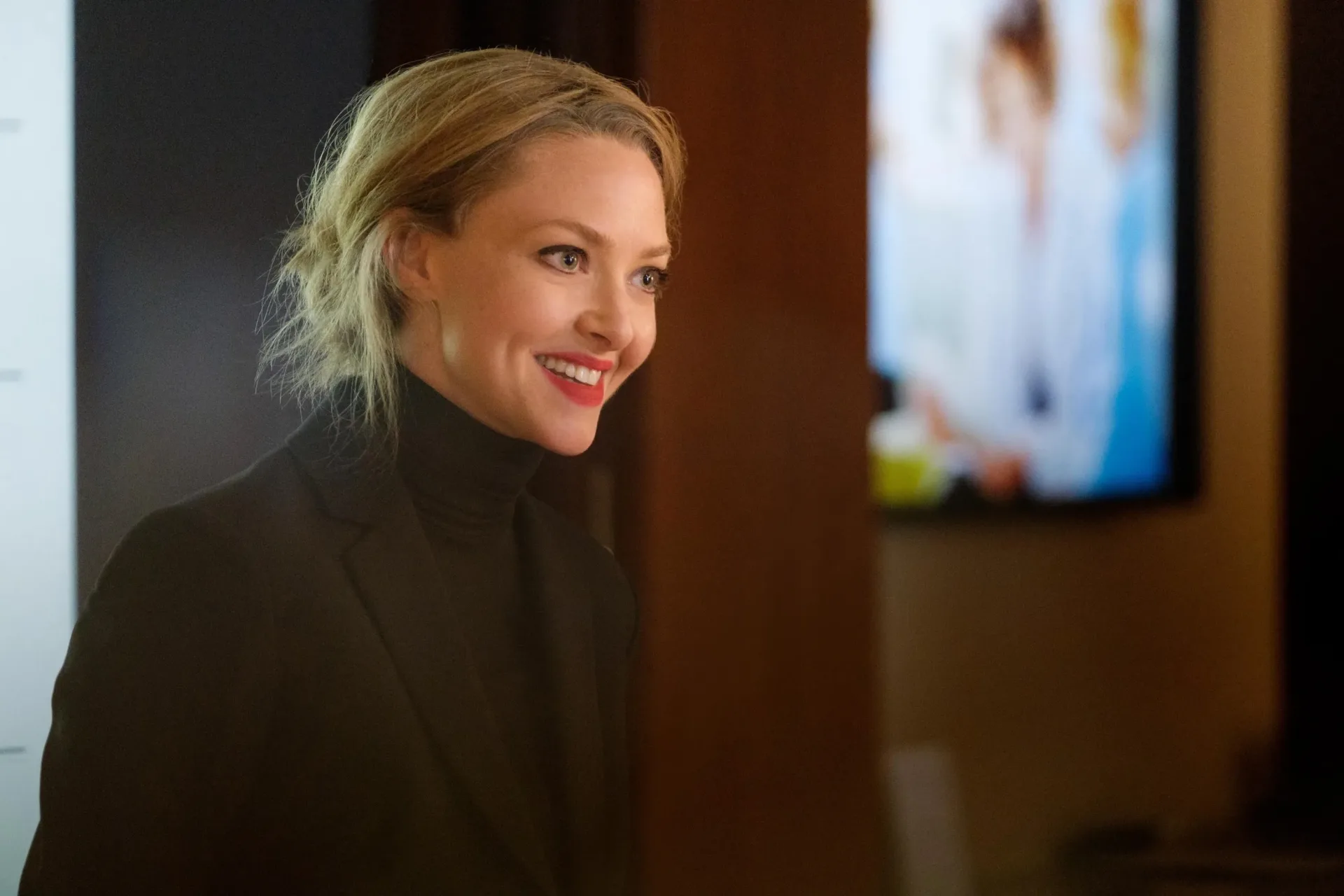
Seyfried’s role was deliberately kept out of the film’s marketing. She returns to the part of Holmes through reenactments with Fielder, revisiting the disgraced Theranos founder after previously portraying her in the Hulu dramatic series The Dropout. That is an unusual creative proposition: an actor known for playing a real person in a scripted limited series is brought into a documentary about that same person, with the documentary itself shifting form after Holmes begins her prison sentence.
Speaking at a red-carpet event after her involvement became public, Seyfried framed the decision as an artistically daunting one. “It’s important for me as an actor, an artist, I mean, a mom, of course, but as a person in the world who loves to work, to find things that I haven’t done before and to do things that scare me in a specific way,” she said.
She added that taking on a frightening challenge can feel rewarding when the result has a positive impact: “And when you follow through with something that scares you and it comes out the other end that it’s something that’s having an impact, mostly positive impact, it always feels good because you take a risk.”
A documentary that changes shape
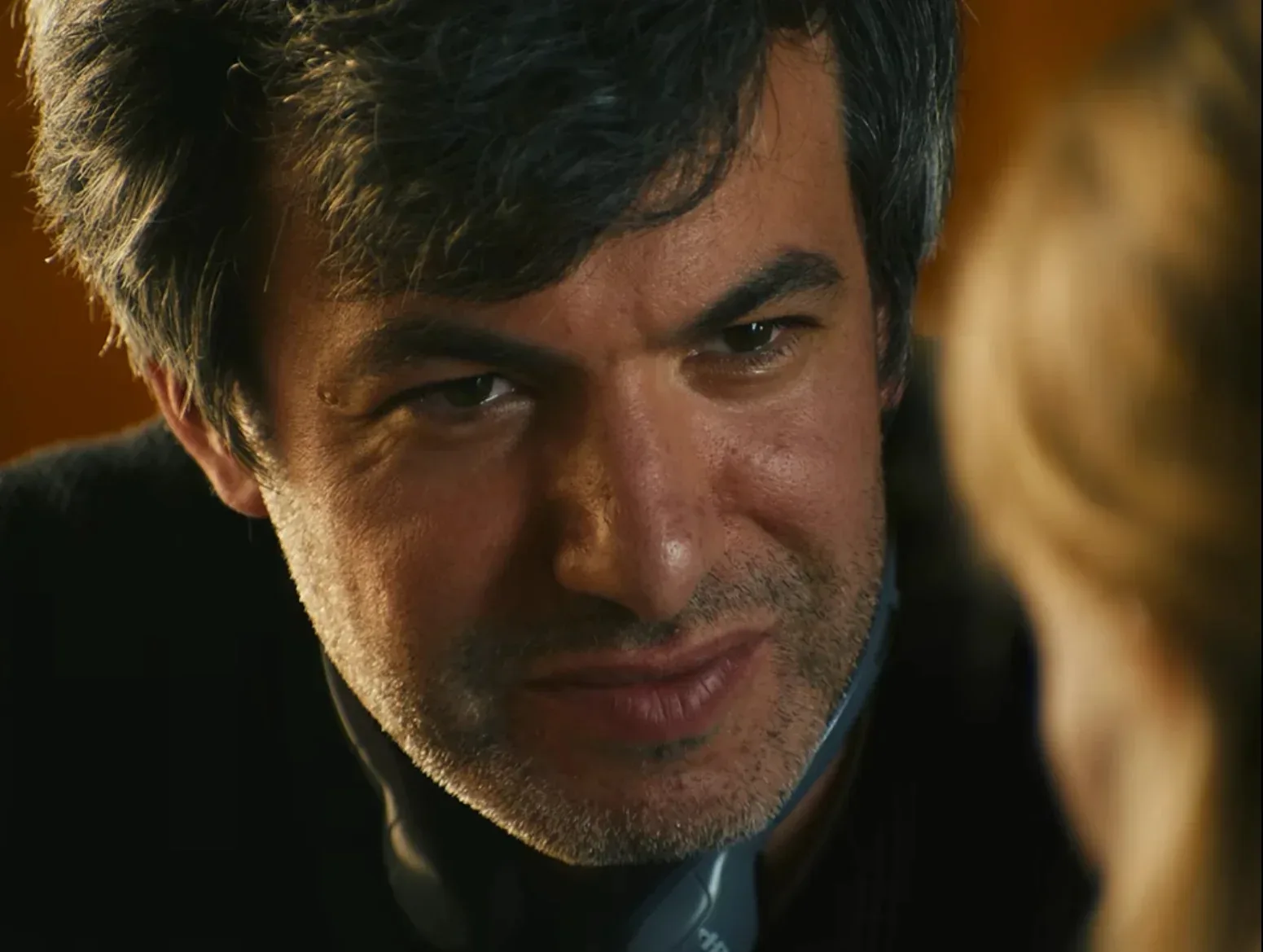
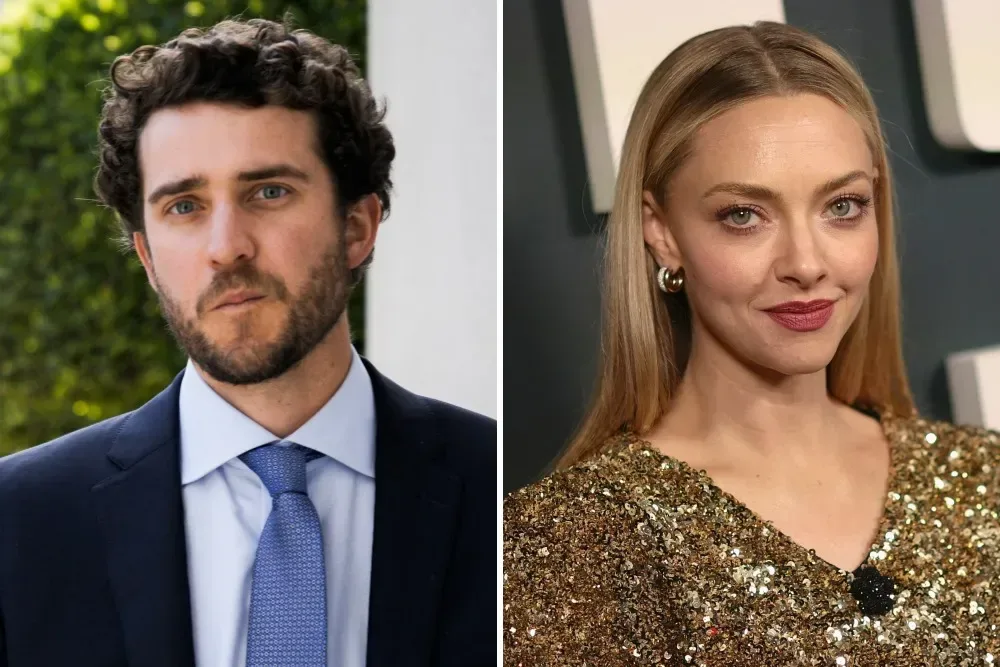
You Can See Everything initially follows a more recognizable documentary setup. Fielder embeds with Holmes and her partner, Billy Evans, during the weeks before Holmes reports to prison. The premise then takes a more self-aware and constructed turn: following her incarceration, Fielder brings Seyfried in to embody Holmes.
That structure makes Seyfried’s participation more than a standard cameo. The film places a performer associated with a previous Holmes portrayal inside a nonfiction project focused on Holmes herself. The supplied details do not specify the exact scenes, dialogue, or method used for every reenactment, so it would be premature to characterize the material as an imitation of the earlier series or as a replacement for Holmes’s own participation. What is clear is that the film uses Seyfried and Fielder together as part of its post-prison formal shift.
In documentary language, a reenactment is a newly staged scene used to interpret, evoke, interrogate, or visualize events and ideas. It is not the same thing as archival footage, in which viewers see material captured at the time. Nor is it automatically a claim that the reconstructed moment happened exactly as performed. Its meaning depends on framing, context, and how transparently the film distinguishes staged material from direct observation.
Here, the casting adds another layer. Seyfried is not simply an anonymous actor asked to represent Holmes. She comes with a recent, widely recognized fictional performance of the same public figure. That prior association inevitably becomes part of how viewers read the reenactments, whether the new film embraces, questions, or complicates the familiar image of Holmes.
Related coverage includes Amanda Seyfried Breaks Silence on Her Hidden Role in ‘You Can See Everything’.
Why the secrecy mattered
The secrecy around Seyfried’s involvement appears central to the experience of encountering the film. She was absent from its promotional campaign, even after the documentary made a surprise premiere at the Telluride Film Festival. Keeping a prominent actor out of advertising protects the reveal that a nonfiction film will eventually introduce a performer already linked to its subject.
Surprise can be more than a marketing tool in a project built around changing perspectives. If viewers arrive expecting only a conventional access-driven documentary about Holmes and Evans, the entrance of Seyfried potentially forces them to reconsider what kind of film they are watching. The transition itself becomes part of the story’s machinery rather than a detail disclosed in a trailer.
There is a practical tension in that choice. A recognizable name can help sell a film, particularly one with an unconventional form. But revealing Seyfried in advance could blunt the impact of her arrival and tell viewers too much about the film’s trajectory. The production opted for the latter priority. Her first public comments make sense in that context: the secret was held long enough for the work to meet audiences on its own terms, and she can now discuss why she chose to do it.
Returning to Elizabeth Holmes, but not simply repeating a role
Seyfried’s performance in The Dropout gave her a direct artistic connection to Holmes before You Can See Everything was made public. Replaying a real person can be difficult in any context. Doing so again in a documentary directed by one of the performers involved introduces a distinctly different challenge from returning for another scripted season or sequel.
The distinction matters because scripted drama and documentary generally ask different things of a performance. A scripted series can build a character across scenes designed around plot, dialogue, and dramatic continuity. A documentary may use performance as an explicit device—one that asks viewers to think about representation, public persona, and the limits of access. Seyfried’s own comments emphasize the appeal of attempting something she had not done before, rather than suggesting a straightforward extension of her previous work.
Holmes is also not an abstract historical role. The film identifies her as the disgraced founder of Theranos and follows the period before she enters prison. That proximity gives the project unusual stakes: the person who is being represented is part of the documentary’s early material, while a separate actor later takes on the task of embodying her. The film’s decision to pair those modes—direct access and reenactment—appears designed to foreground the gap between a person, the story told about that person, and an actor’s version of that person.
Fielder’s dual presence raises the stakes
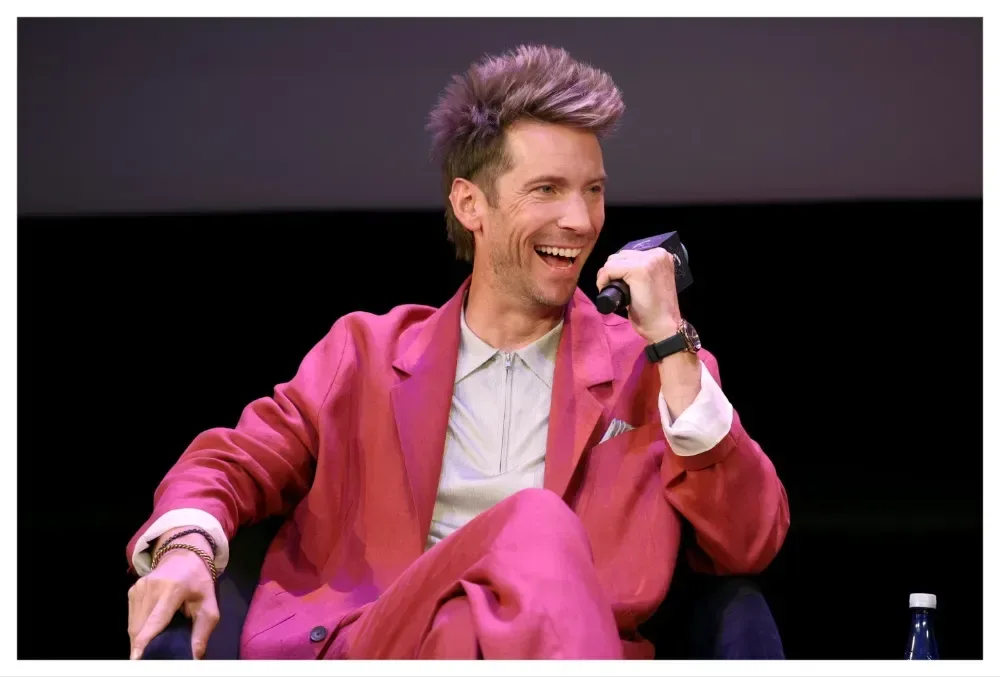
Fielder does not only co-direct You Can See Everything with Oppenheim; he also appears in reenactments alongside Seyfried. That places the filmmaker within the project’s constructed scenes rather than behind the camera alone. The setup can make authorship visible: the person helping shape the documentary is also present in the material used to explore its subject.
That does not mean the film’s reenactments should be treated as factual footage. Instead, their presence signals an overtly mediated approach. The documentary is not concealing that it needs to reconstruct or reframe material after Holmes goes to prison. It brings in an actor whose earlier Holmes portrayal is part of contemporary screen culture, and it includes one of the directors in those scenes.
For viewers, the useful question is not whether a reenactment is “real” in the archival sense—it is not—but what the film is communicating by staging it. Is it clarifying a missing section of the story, reflecting on the act of depicting Holmes, or deliberately confronting the audience with its familiarity with Seyfried’s prior portrayal? The available information confirms the device, not a single definitive interpretation. The value of the arrangement is that it gives audiences a reason to watch for the boundary between observation and construction.
A major commercial outcome for an unconventional film
The documentary has found an audience at a scale that is striking for the format. After four weekends, You Can See Everything had reached $80 million at the domestic box office, making it the second-biggest documentary ever in North America. Its surprise Telluride debut generated substantial attention before that theatrical run.
The number is significant because the film is three hours long and formally unusual. A long runtime reduces the number of screenings a theater can schedule compared with a shorter feature, while a documentary that moves from embedded access to reenactment is not the simplest premise to explain in a single sentence. The commercial result indicates that those potential barriers did not prevent broad interest.
It also underlines why Seyfried’s hidden involvement became a major point of discussion once audiences discovered it. Her presence joins several elements that make the project unusual: Holmes’s participation before prison, Fielder and Oppenheim’s co-direction, the eventual move into staged material, and the decision to bring back an actor previously identified with Holmes on television.
What Seyfried’s comments reveal—and what they do not
Seyfried’s comments offer a concise explanation of her personal motivation. She saw the project as an opportunity to take a creative risk and try a type of work that frightened her in a particular way. She also expressed satisfaction that the result appears to be making what she called a mostly positive impact.
They do not provide a detailed account of the shoot, a breakdown of the reenactments, or a broader statement about Holmes. They also do not settle the critical questions the documentary’s design may invite. Those questions remain part of the viewing experience: what it means to portray a person whose story has already been dramatized; how a documentary handles the loss of direct access when its subject enters prison; and why a film might turn to a familiar performer instead of a neutral stand-in.
For Seyfried, though, the public reveal closes a period in which a consequential piece of her work had to remain unspoken. Her “relieved” and “excited” response is fitting for a performance built into a documentary’s surprise turn—and for a film whose success has made that turn difficult to keep hidden.
For more on performers receiving recognition across games and adjacent screen industries, see Troy Baker’s upcoming Andrew Yoon Legend Award honor.