
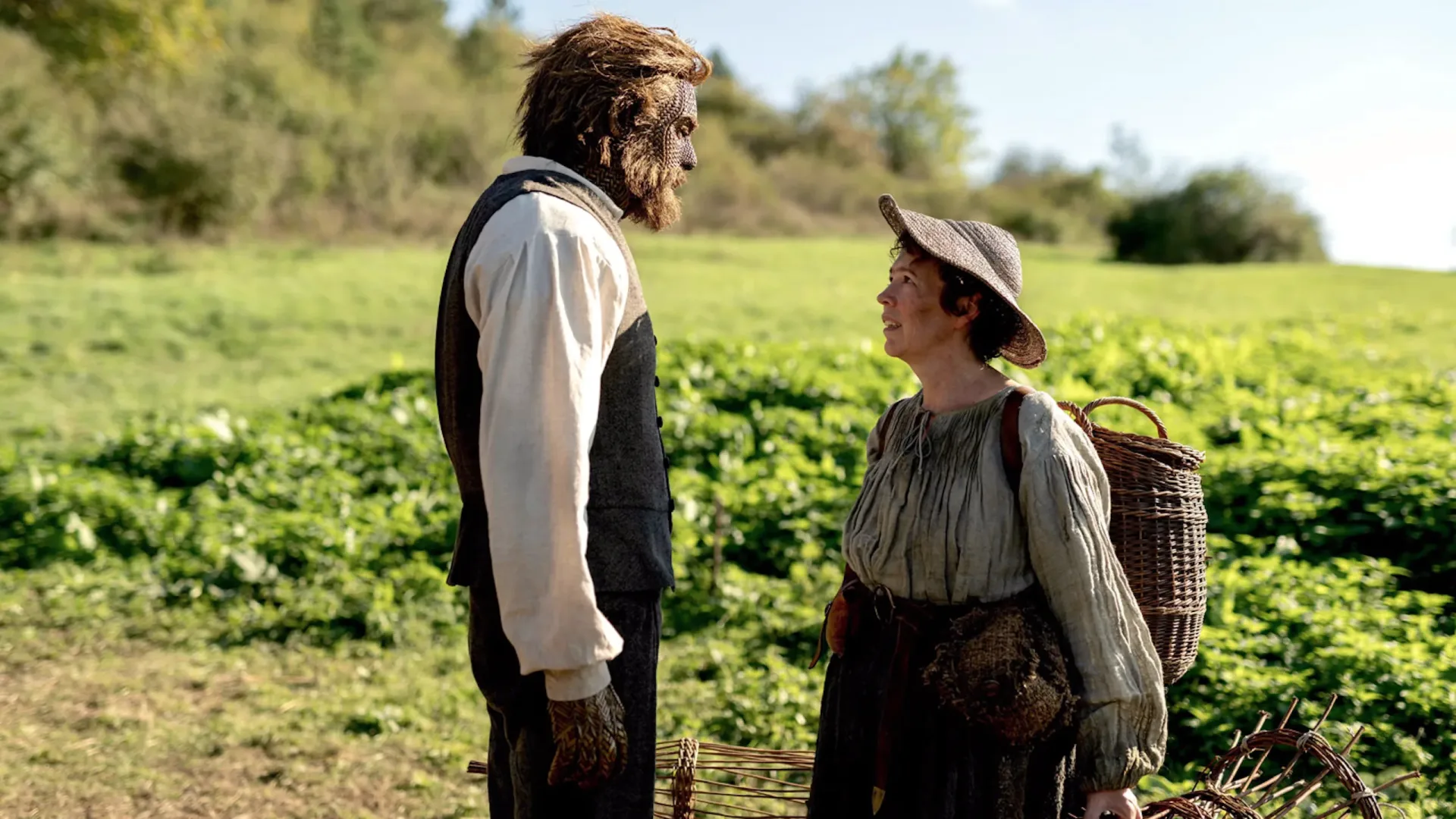
 Olivia ColmanFisherwoman
 Alexander SkarsgårdWicker Husband
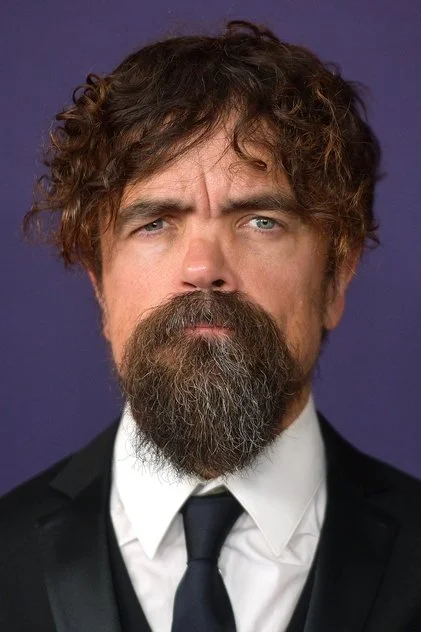 Peter DinklageBasket Weaver
 Elizabeth DebickiTailor’s Wife
 Marli SiuTailor's Wife's Sister
 Nabhaan RizwanTailor
 Richard E. GrantDoctor
 Kiell Smith-BynoeInnkeeper
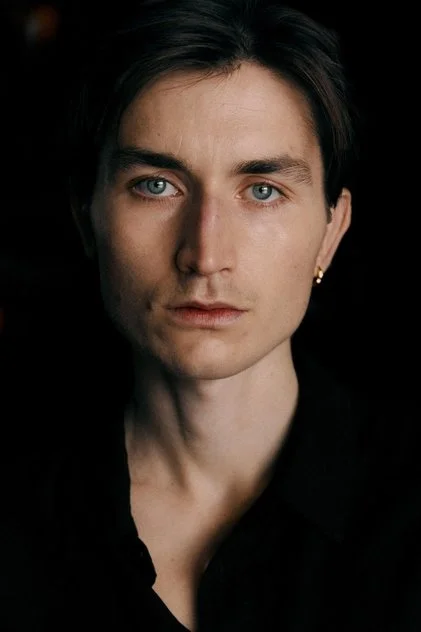 Gustav LindhBottle Washer
 Ella BruccoleriBakerwoman
 Ben AshendenBaker
 Phil DanielsButcher
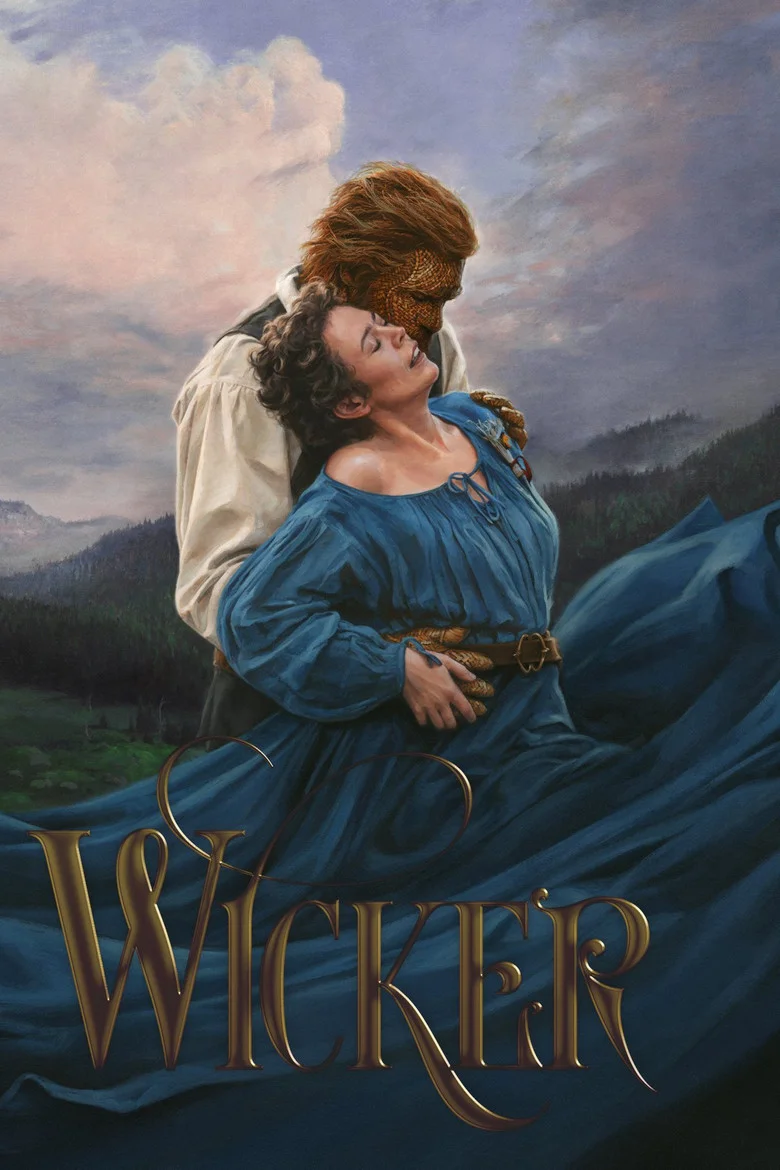
Wicker begins with the logic of a fairy tale and follows that logic into a harsh social parable. In an unspecified place and period, people are identified by their work rather than personal names, and women occupy an openly subordinate position. The Fisherwoman pays the Basketmaker to construct her a husband. What arrives is the Wicker Husband: huge, devoted, visibly artificial and, crucially, capable of offering her a form of care the world around her has not.
That set-up is knowingly strange, but the film’s real interest appears to be sincere rather than merely whimsical. Its unusual couple becomes a way to examine what ordinary men in this community withhold: respect, tenderness and reciprocity. The central provocation is not simply whether a woman can love a man made of wicker. It is why that relationship, however impossible it looks, may offer a truer companionship than the socially sanctioned alternatives around it.
A romance built from an absurdity
The most persuasive thing about the premise is that Wicker does not treat the Husband’s artificial nature as a one-note joke. His appearance makes him immediately conspicuous to the villagers, whose response hardens into hostility toward the couple. Yet the film frames him as a challenge to the existing order precisely because of how he behaves. His devotion to the Fisherwoman and his respect for her expose the impoverished model of masculinity embodied by the Butcher, a man who expects deference while offering little back.
That makes the romance thematically pointed. The Husband is not presented as an uncomplicated answer to every problem, nor does the Fisherwoman’s life become easy once he enters it. Her own difficulties remain part of the story, and the suggestion is that finding a loving companion cannot by itself erase the damage done by a contemptuous society. This prevents the fable from collapsing into a simple wish-fulfilment fantasy. The relationship offers relief and possibility, but not a magical escape from everything that shaped her.
There is an appealing tension in this approach. On one hand, the film asks viewers to accept a love story involving a near-human creation. On the other, it uses that extremity to make a painfully recognizable point: an idealized partner can reveal how low the everyday bar has been set. Wicker’s satire seems most effective when it lets the oddness of its image and the directness of its emotional argument work together, rather than treating either as sufficient on its own.
Three performances give the fable weight
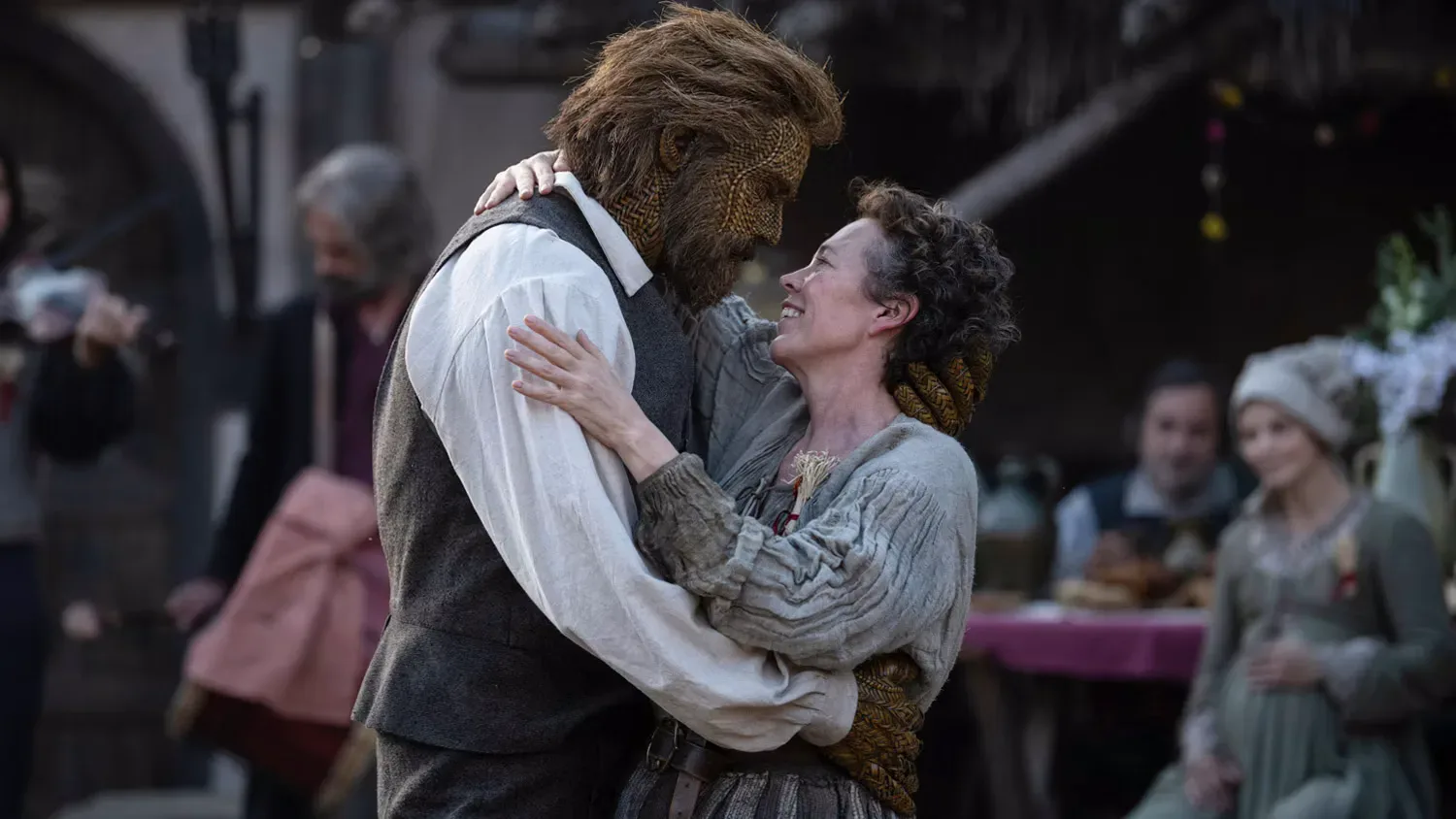
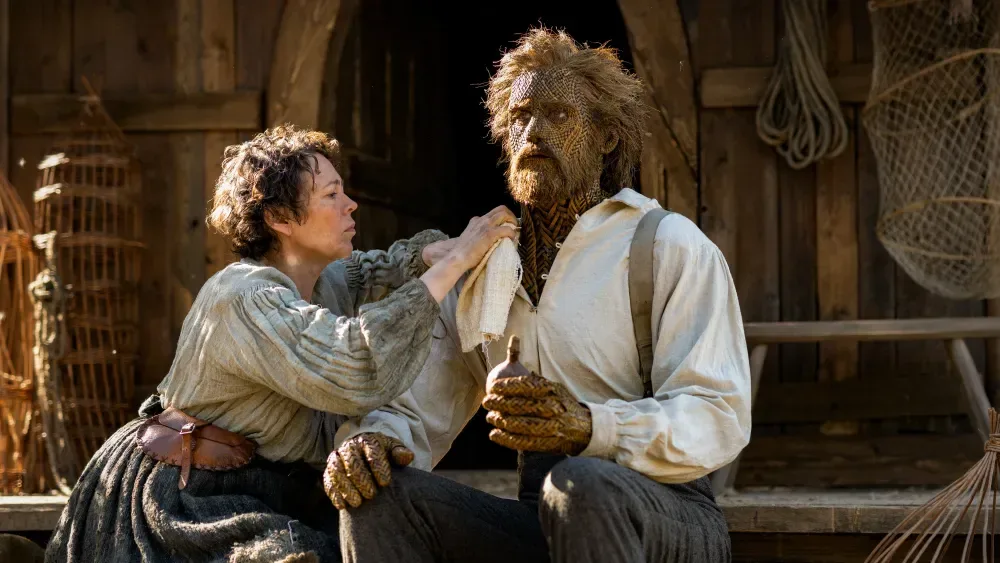
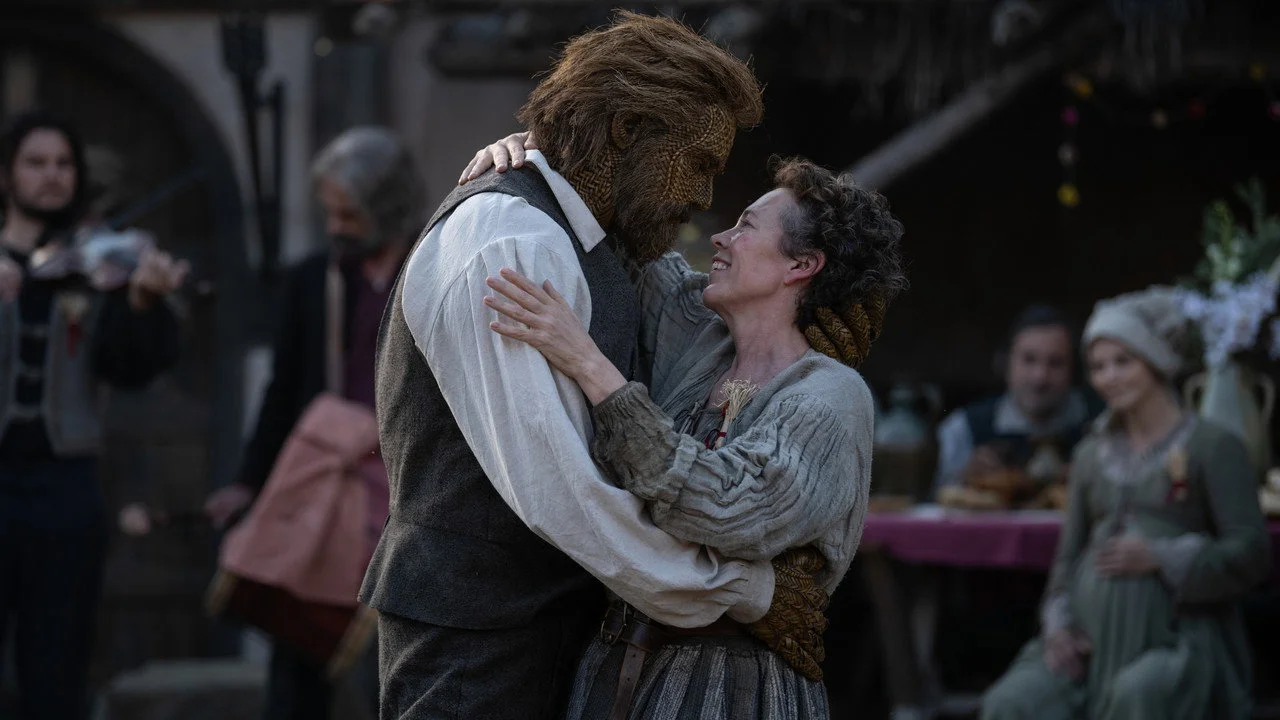
Alexander Skarsgård’s casting as the Wicker Husband is central to the film’s success. The role requires him to be physically imposing and fundamentally unreadable at a glance, while still allowing gentleness and interior life to register through a construction that never quite resembles a human body. The prosthetic work is a major asset here. It is impressive not because it disguises the character’s nonhuman quality, but because it preserves it: the Husband remains visibly made, woven and other. Even so, the performance allows a soulfulness to emerge.
That balance supports the film’s larger idea. If the Husband looked fully human, the story’s critique would lose some of its force; if he were only a visual novelty, the love story would have little purchase. The design and Skarsgård’s performance keep both truths in view. He is alien enough to become a target for the village, yet emotionally present enough for the Fisherwoman’s attachment to feel meaningful. The character’s sincerity, rather than his novelty, is what makes him disruptive.
Olivia Colman gives the Fisherwoman the necessary complexity. She is described as tough, accustomed to mockery and not someone with abundant gentleness available to spare. Colman finds delicacy within that guardedness. Her character’s surprise at being met with genuine companionship gives the romance an emotional trajectory beyond the initial comic or fantastical premise. The Fisherwoman is not simply rescued into happiness; she must contend with what it means to receive care when experience has taught her to expect ridicule and hardship.
Phil Daniels’ Butcher supplies a coarse, grotesque counterpoint. As an embodiment of entitlement, he makes explicit the standard against which the Husband’s behavior is measured. The contrast risks bluntness in a story with such clear social concerns, but it also gives the central metaphor a human antagonist. Wicker is not attacking an abstraction alone. It is dramatizing a social arrangement maintained by men who demand authority without earning intimacy or respect.
Craft that preserves the character’s strangeness
The wicker prosthetics deserve attention because they do more than decorate the premise. They establish the Husband as a being caught between object and person, a distinction the surrounding community appears unwilling to negotiate. The craft gives the film a specific visual problem for its characters to confront: they cannot easily pretend he belongs. In turn, the film can ask whether belonging should depend on surface normality, social usefulness or adherence to established gender roles.
The decision not to make him look fully human is especially valuable. It asks the romance to survive visible difference rather than smoothing it away. That is a more demanding and more interesting choice for a fairy tale about an artificial man. The audience is not being invited to forget what he is; it is being invited to consider what the villagers refuse to see in him.
Wicker also benefits from keeping its attention on its central couple. The story’s social critique may be broad, but the emotional focus remains the relationship between the Fisherwoman and the Husband. That focus helps the film avoid becoming only an allegorical exercise. Its strongest material appears to come from watching companionship take shape under pressure, with the hostility of the village giving the romance stakes without displacing it.
When the message slows the momentum
The principal reservation is one of balance. Wicker is smart in its treatment of gender and social hierarchy, but its commentary can occasionally weigh down the livelier, more sprightly possibilities of the premise. A story about a basket-made husband has an inherent playful absurdity; when the film presses too insistently on its social meaning, that buoyancy can recede. The problem is not that the film has something to say. Its central idea is, in fact, the reason the fantasy matters. The issue is that the delivery can sometimes interrupt the tonal flow instead of being carried by it.
The pacing is also inconsistent. Because the film is simultaneously a romance, a fairy tale and a critique of a cruel patriarchal order, it has several registers to manage. The evidence suggests it does not always move between them with equal ease. Some passages may feel less energetic when the thematic machinery becomes more prominent. This is a limitation worth flagging for viewers expecting a consistently light fantasy or a perfectly smooth comic rhythm.
Still, the unevenness does not erase the film’s achievements. The directors retain their focus on character and on the love story, and that emotional clarity keeps the strands from coming apart. Wicker’s oddity is not a distraction from its tenderness; it is the route by which the film reaches it. The result is a fable whose social anger can occasionally stiffen its pace, but whose empathy and imagination remain intact.
Who should seek it out?
Wicker is best suited to viewers open to a fairy-tale romance that uses fantasy to probe power, loneliness and the expectations placed on women. Those looking for a purely frothy odd-couple fantasy may find its commentary more pronounced than anticipated. But viewers interested in stories where intimacy becomes a challenge to an unjust social arrangement should find much to respond to, especially in the performances by Colman and Skarsgård and in the expressive prosthetic design.
Its premise may sound like an invitation to ridicule, but the film’s accomplishment is to make that response feel inadequate. By taking the Fisherwoman’s desire for dignity seriously, Wicker turns its constructed husband into more than a visual conceit. He becomes a measure of how cruelly little the surrounding world asks of men, and how radical ordinary respect can look when it is finally offered.
For another character-focused film concerned with intimacy and social position, see Possible Love.