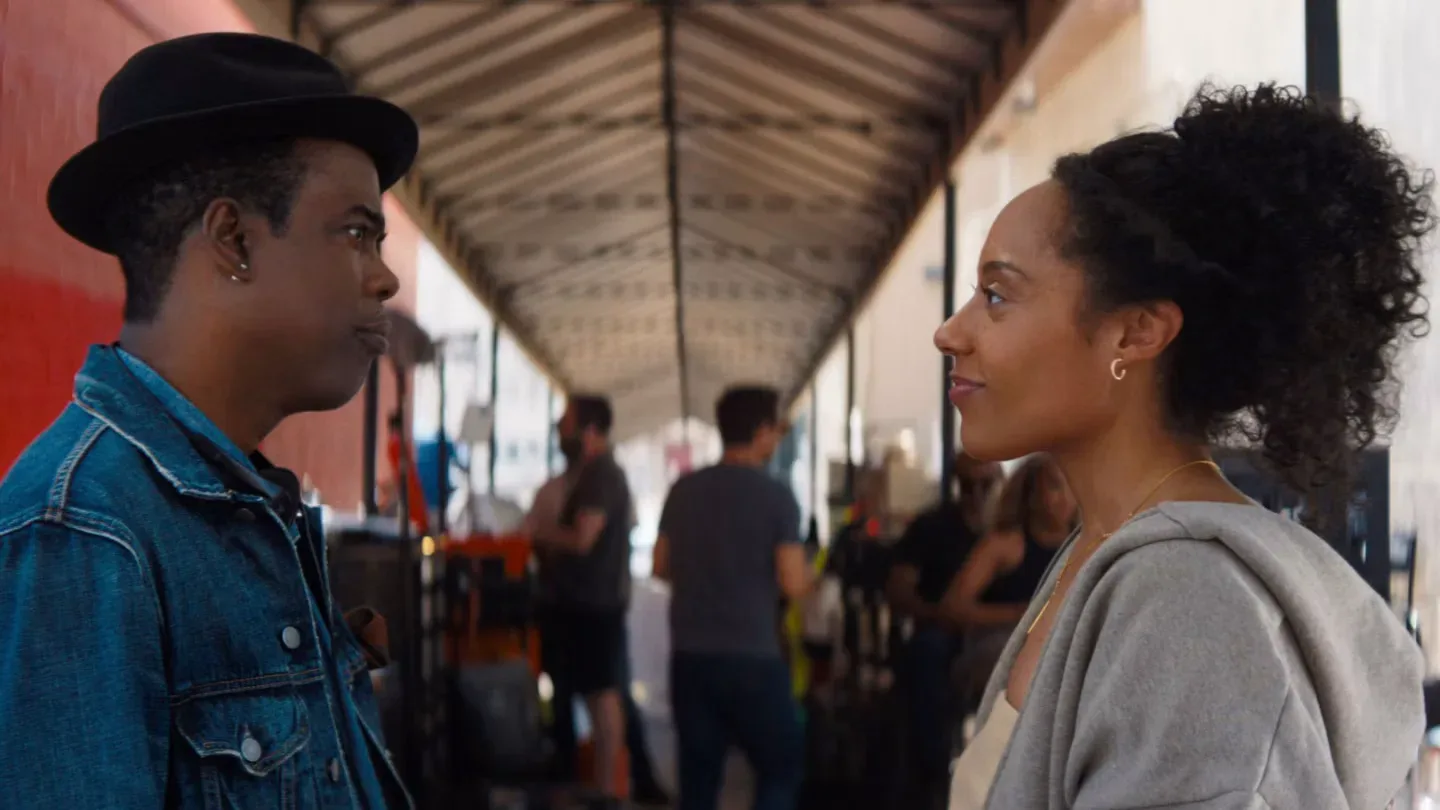



 Rosalind EleazarMisty Green
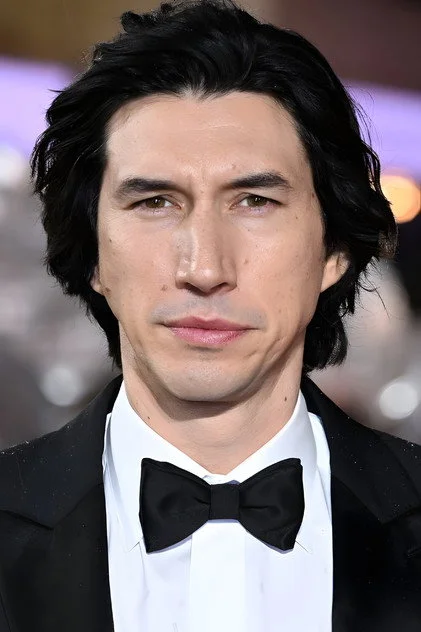 Adam DriverZach
 Daniel KaluuyaJordan ‘Jay’ Green
 Anna KendrickNaomi
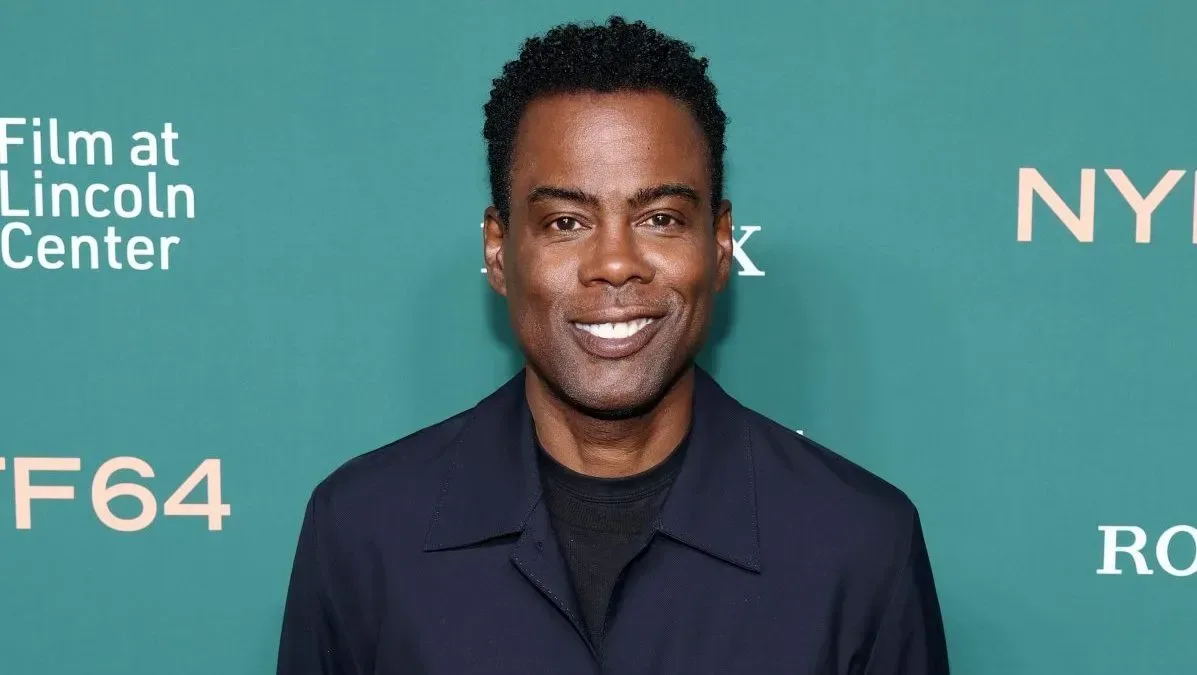
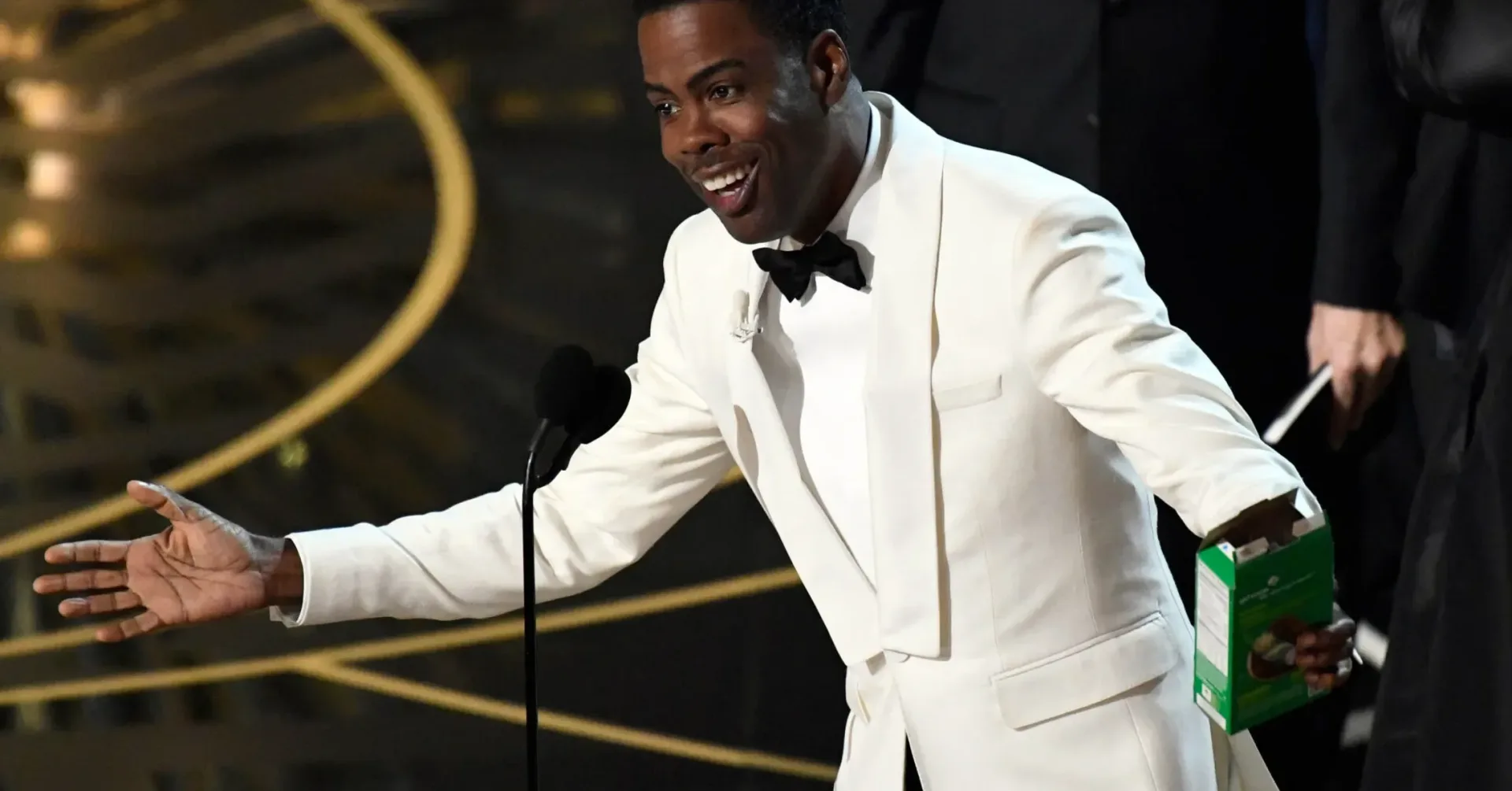
 Chris RockJordan Green
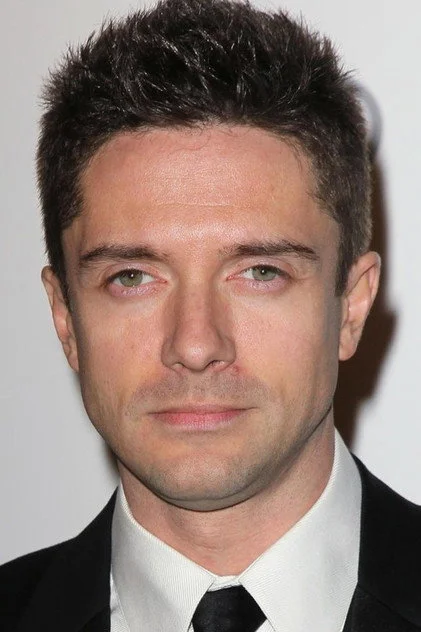 Topher GraceRandy
 Alexandra ShippBella
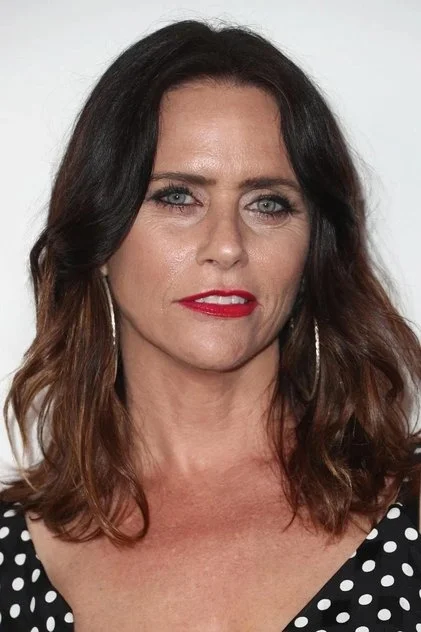 Amy LandeckerCeline
 Tracie ThomsRhonda
 Necar ZadeganShabnam
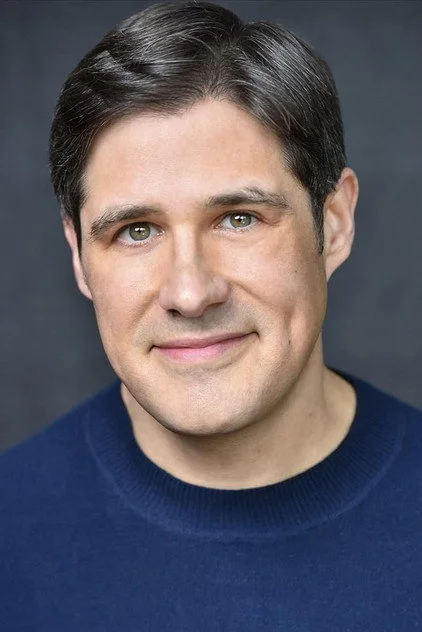 Rich SommerBrad
 Kelli GarnerCarol
Misty Green places an actor’s comeback at the centre of a bruising, unstable story. By the time Misty enters the film, she has already had the kind of career milestone that ought to offer security: an Emmy-winning role, followed by years away from the spotlight. What follows is a return shaped by failed auditions, humiliating professional setbacks and destructive impulses. The premise gives Rosalind Eleazar a demanding part, and she appears to meet it with the precision and vulnerability the film itself too often withholds.
The central achievement is Eleazar’s ability to make Misty feel like a person rather than a collection of escalating crises. The character moves through rage, despair, ambition and self-sabotage, and the writing often pushes those shifts toward an exhausting extremity. A less controlled performance could have made that volatility feel schematic. Eleazar instead finds the connective tissue: the need for recognition, the accumulated hurt beneath professional rejection, and the instinct to protect herself even when that protection becomes damaging. Her work keeps Misty sympathetic without asking the audience to excuse every decision.
That distinction matters. The story includes a particularly painful reversal in which Misty finally lands a major role and then undermines the opportunity herself. It is material that could easily become punitive, treating a troubled protagonist as a spectacle of bad choices. Eleazar’s performance seems to resist that reduction. She gives the character enough interiority that the setback registers not simply as an inevitable plot turn, but as another indication of how difficult it is for Misty to accept or sustain the thing she wants.
One performance holding the pieces together
Eleazar’s control is especially valuable because the screenplay appears to pull in many directions at once. Chris Rock serves as writer, director and co-star, and the film takes on Black fetishisation, drug addiction, US race relations and bias around mental health. Those are substantial subjects, and their presence suggests a drama trying to locate Misty’s private anguish within broader social pressures. But breadth is not the same as development. The issue is less that the film reaches for difficult material than that it seemingly cannot give each thread the space, perspective or integration it needs.
The result is a narrative that strains under the weight of its concerns. Misty’s downward turns arrive frequently, which can make the emotional rhythm feel less like a carefully observed progression than a sequence of fresh blows. That approach may be intended to convey the relentlessness of rejection and the damage of addiction or mental-health stigma. In practice, the film’s force depends heavily on Eleazar finding nuance inside scenes that the script apparently renders in broad, punishing strokes.
There is an intriguing idea within the story’s attention to performance itself. Misty is an actor, but she is also described as someone wrapped in layers of deception for comfort. The film identifies acting as both vocation and defence mechanism: a way to be seen, perhaps, and a way to avoid being truly exposed. That is fertile territory for a character drama about a woman rebuilding a career while navigating a fragile sense of self. Eleazar’s choices seem to make that theme legible, particularly because she preserves Misty’s likability when the narrative repeatedly tests it.
Yet the same theme also underlines the film’s central imbalance. Misty may be surrounded by big ideas, volatile behaviour and forceful commentary, but the storytelling does not consistently offer her a perspective equal to the demands placed upon her. The film wants to scrutinise the roles she plays for others and for herself. It is less successful at making room for the full complexity of the woman beneath them.
A strong ensemble meets thin character writing
The supporting cast offers flashes of what a more focused version of Misty Green might have become. Daniel Kaluuya plays Jay, Misty’s chaotic brother, who is described as bipolar. His performance brings texture to a role with limited material, and his return to the screen after several years is a significant asset. The emphasis on textured character work suggests that Kaluuya does not merely signal disorder or chaos; he finds particularity in Jay. That makes his presence compelling, even if the film does not give the role a framework worthy of that attention.
Adam Driver fares somewhat better than several other supporting players as a failed director who deals drugs and remains close to Misty’s orbit. It is a vivid setup for a potentially complicated relationship, especially in a story concerned with the overlap of ambition, dependency and self-destruction. Still, the part appears underdeveloped. Driver can bring weight to the character, but weight alone cannot replace fuller dramatic purpose or a relationship given room to evolve.
The sharper criticism falls on the film’s treatment of its women. Tracie Thoms and Anna Kendrick, playing Misty’s best friend, are reportedly left to make do with very little. Kendrick is also a poor fit for the role as written or conceived. The larger concern is structural rather than simply a matter of individual casting: women besides Misty do not seem to receive enough material to become fully realised presences. For a film that centres a woman under immense pressure, that lack of attention to her female relationships is a real loss. Friends, peers and other women could have offered counterpoints to Misty’s self-image, history or isolation. Instead, the film appears to reserve its complexity unevenly.
That unevenness makes Eleazar’s achievement more conspicuous and more frustrating. She is not supported by a consistently sturdy ensemble architecture; she is asked to supply coherence herself. Her performance can make the audience feel the stakes of Misty’s life, but it cannot single-handedly deepen every underwritten relationship or reconcile the film’s competing thematic ambitions.
Ambition without enough control
Rock’s involvement on both sides of the camera gives Misty Green a distinct authorial tension. The film is not short on subjects worth confronting, and the writing appears less blunt in its social commentary than the most confrontational version of Rock’s public comic persona might suggest. There is value in that attempted restraint. A story about an actress facing professional judgment, racialised expectations, addiction and mental-health bias does not need easy answers or a lecture-like tone.
However, subtlety in individual moments cannot solve a film-wide problem of focus. When a story introduces many charged issues without supplying enough connective dramatic development, the themes risk becoming burdens that its characters must carry rather than lenses that clarify their lives. Misty’s arc then becomes overdetermined: every new pressure point can feel like another mechanism for forcing her toward collapse. The emotional effect is harsh, but harshness is not automatically insight.
The last third is where this lack of control becomes most damaging. The ending stretch is described as bizarre and as a complete derailment. That is not merely a complaint about an unexpected turn. A film can become strange, heightened or formally disruptive and still deepen its meaning. Here, the shift appears to break the story’s accumulated momentum instead. After asking the audience to invest in Misty’s painful pursuit of a second chance, the film reportedly cannot sustain the tonal or narrative discipline needed to bring that journey home.
This leaves the strongest material feeling stranded. The earlier scenes have enough tension in Misty’s auditions, rejections and costly attempts to regain footing to support a focused character study. Eleazar’s performance gives those scenes emotional credibility; Kaluuya adds another persuasive human presence. But a final act that abandons the logic or tone established beforehand can retroactively weaken that investment. It makes the film feel less like a deliberately unsettled portrait and more like a work that has stopped knowing how to organise its own concerns.
Who should seek it out?
Misty Green is most recommendable as a showcase for Eleazar. Viewers drawn to actor-led dramas may find much to admire in the way she navigates a character written at emotional extremes. Kaluuya’s textured turn is another reason to pay attention, while the material offers a potentially provocative mix of career anxiety, identity, addiction and mental-health prejudice.
But those strengths come with substantial reservations. The film’s ambitious range is not matched by a sufficiently cohesive script, the female supporting characters receive too little to work with, and the concluding stretch appears to undo rather than crystallise what came before. Eleazar gives the film its heart and much of its credibility. The trouble is that the story around her cannot consistently keep pace.