
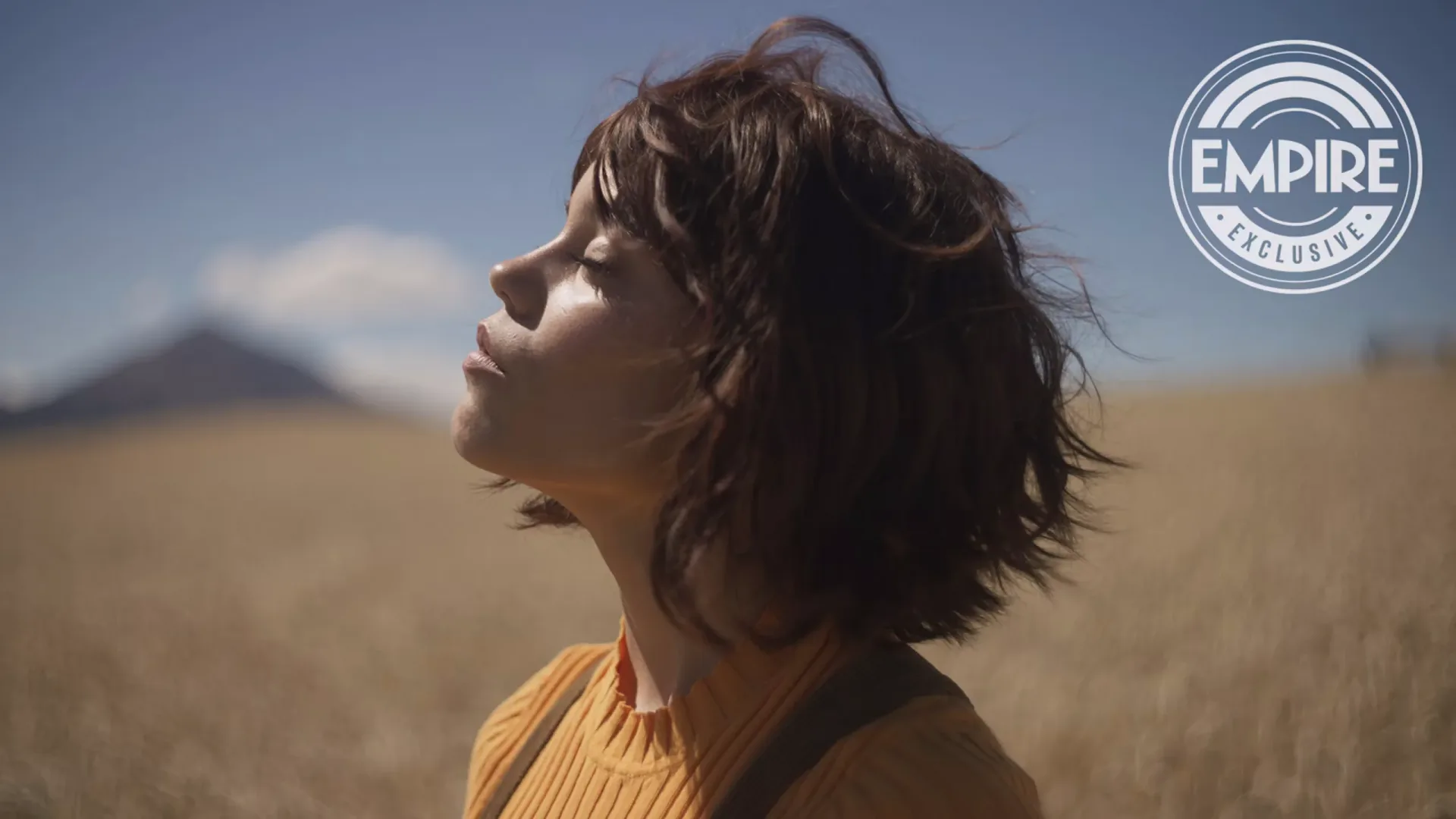

 Jenna OrtegaKlara
 Mia ThariaJosie
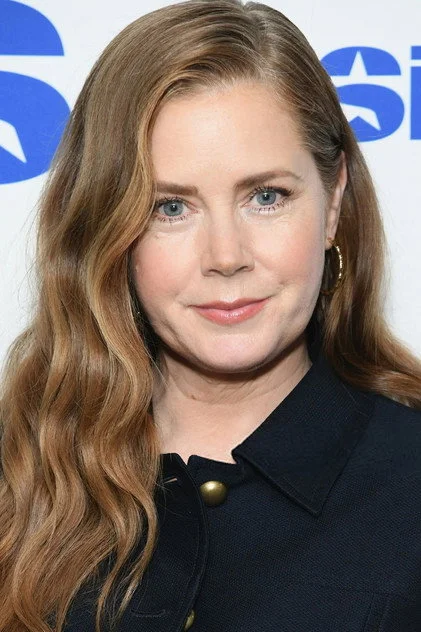 Amy AdamsChrissie
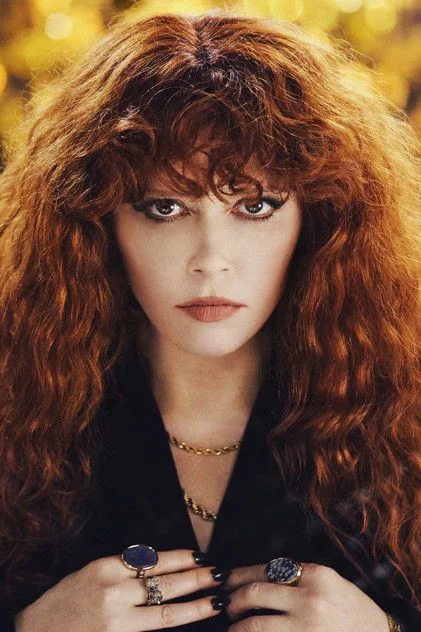 Natasha LyonneManager
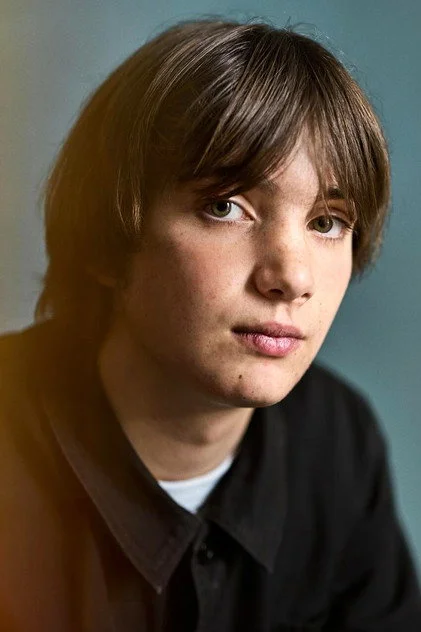 Aran MurphyRick
 Rachel HouseMelania
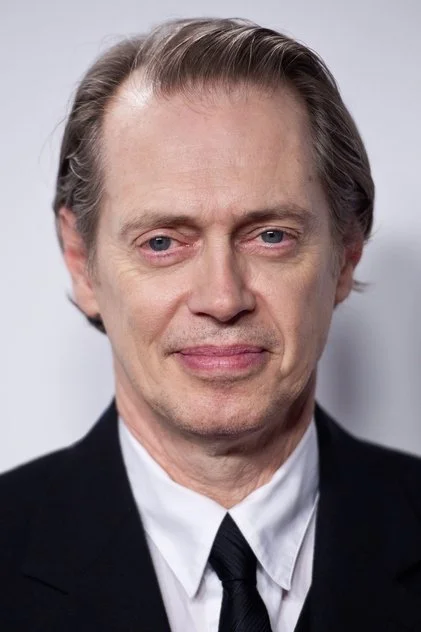 Steve Buscemi
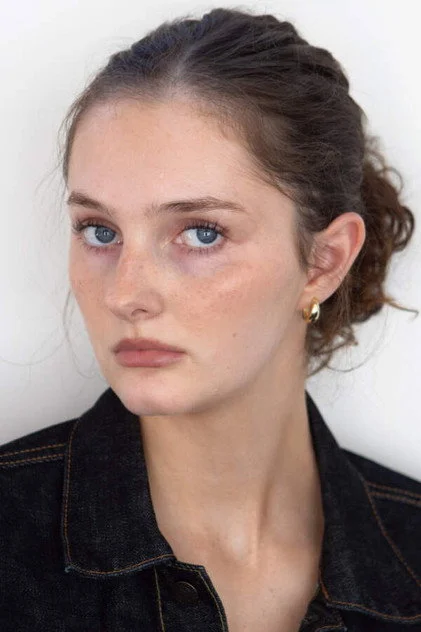 Davida McKenzieSimone
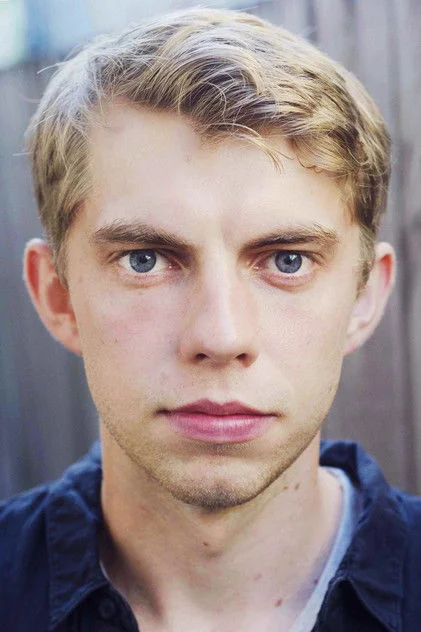 Harry Greenwood
 Antonia PrebbleFiona
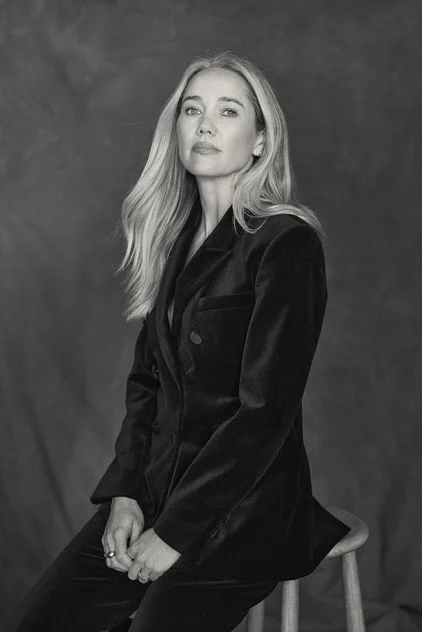 Rachel FormanPrudence
Klara and the Sun arrives at an awkwardly apt moment for a story about an artificial being who longs to belong to a human life. Yet this is not presented chiefly as a film about the practical implications of AI. Its interest lies more in the people around Klara: what they ask of her, what they project onto her, and what her innocent attempts to understand them reveal about love, loss and service.
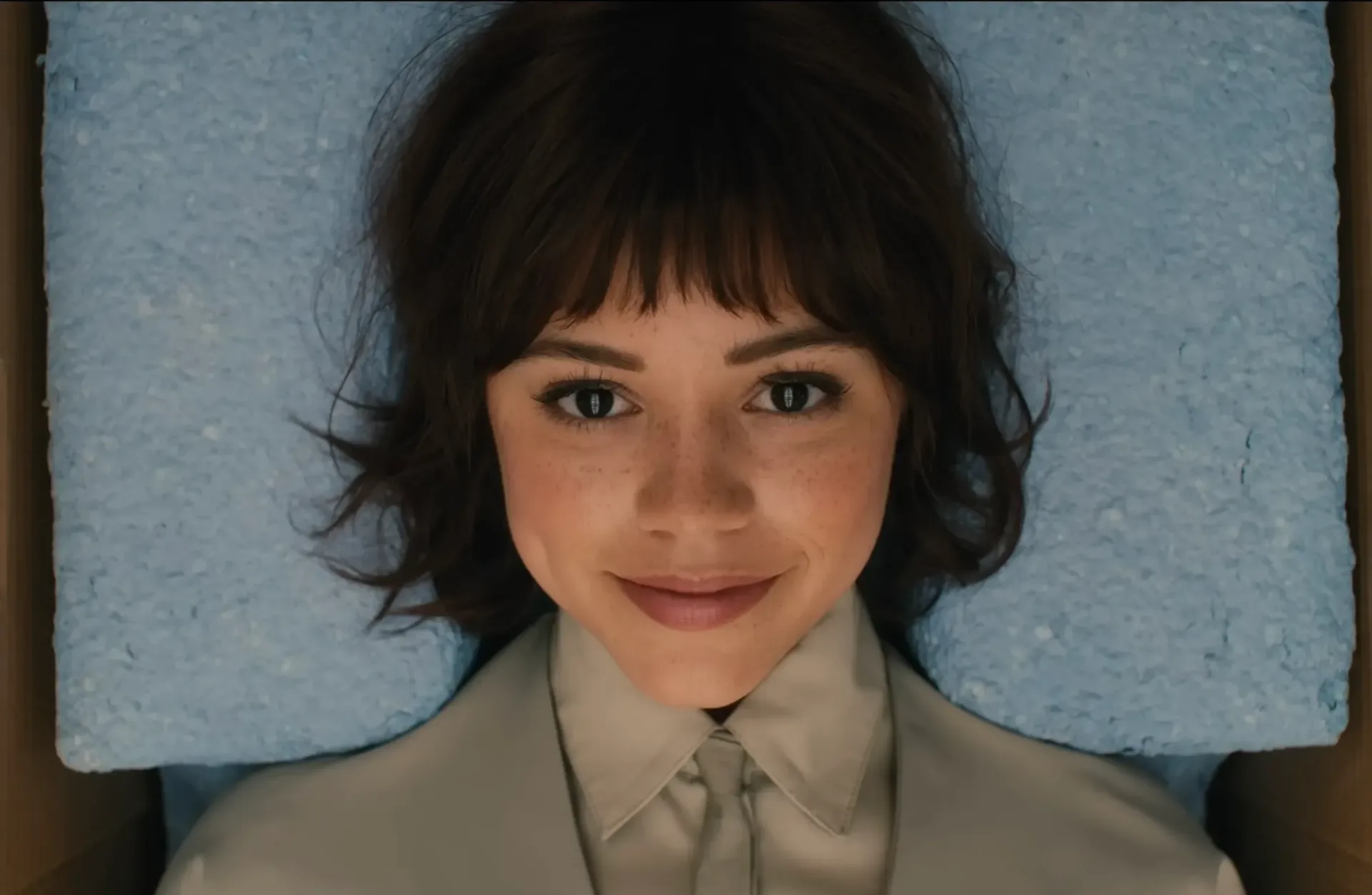
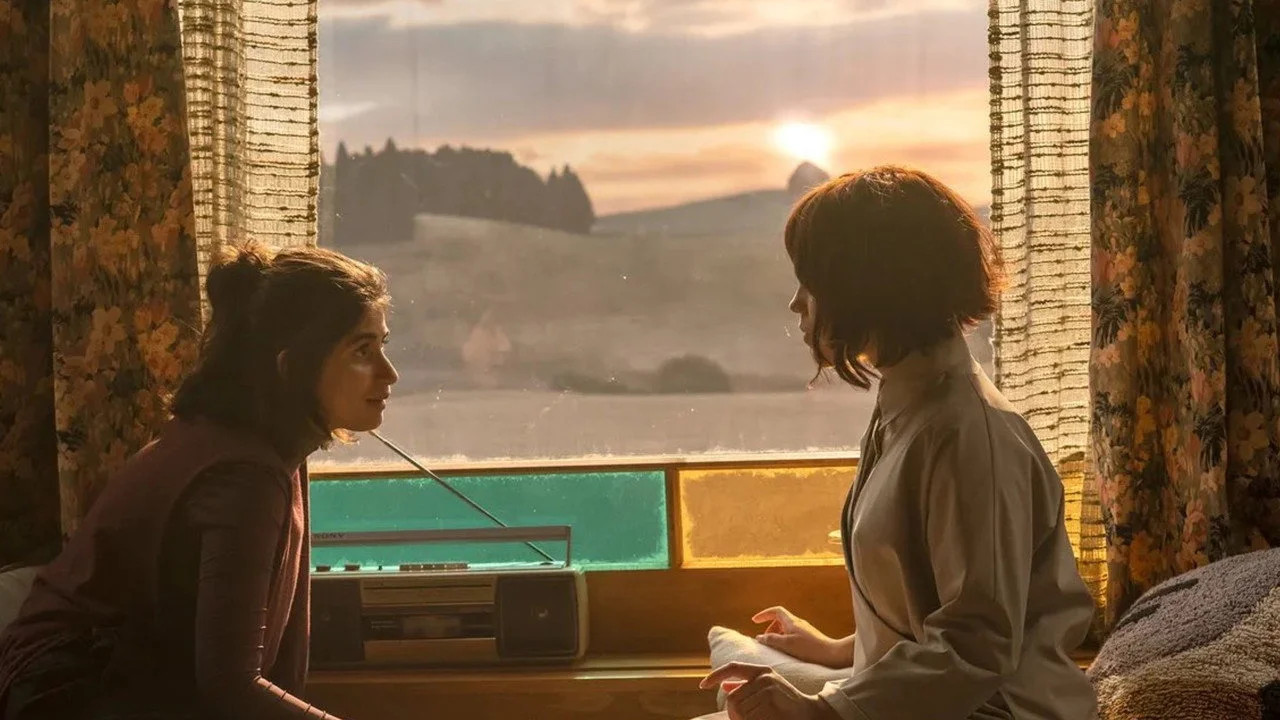
Adapted from Kazuo Ishiguro’s novel, Taika Waititi’s film follows Klara, a robot waiting in a shop to be chosen by an owner. She watches the world through a window, tries to make sense of love, life and death, and addresses prayers to the sun in hope that it will bring her a home. When she is taken in by Josie and Josie’s mother, Chrissie, that hopeful premise opens into a story shaped by family grief and by needs that Klara cannot simply solve.
That basic setup gives the film its most appealing quality: its willingness to approach large, potentially chilly ideas through a character defined by openness. Klara is not introduced as a threat, a gadget to be explained, or merely a riddle for the humans to decode. Her desire to understand where she belongs makes her an inviting guide through a world whose emotional rules remain opaque to her. Jenna Ortega is central to that effect, bringing wide-eyed wonder and sustained determination to Klara’s efforts to make Josie and Chrissie happy.
A fable about human need, not technical possibility
The film’s robot premise may invite expectations of a conventional AI warning, but its concerns are more intimate. Klara’s position as a servant and companion raises questions about the costs of loyalty and the temptation to seek substitutes for what has been lost. The story’s grief is not background decoration; it shapes the family Klara enters and ultimately exposes the unsettling stakes of asking an artificial person to meet a deeply human need.
There is a productive tension in that idea. Klara’s faith in the sun and her earnest observations make the material feel closer to a fairy tale than a hard-edged technological dystopia. Her perspective keeps the film focused on emotional belief rather than engineering detail. In interpretive terms, that choice makes the story less concerned with whether a machine can imitate a person than with why people might want it to. It is a fruitful angle for a film in which affection, dependency and grief are all bound together.
The setting reinforces the fable-like quality. A beautiful home surrounded by ripe cornfields suggests an almost storybook pastoral world, while occasional scenes in a post-World War III city indicate a harsher, more dystopian reality beyond the family’s immediate horizon. This visual contrast is one of the film’s more evocative ideas: comfort and catastrophe occupy neighbouring spaces, even if the two sides do not always feel fully integrated into the same dramatic world.
Whimsy works—until the pieces start pulling apart
Waititi is well suited to Klara’s outsider perspective. The film generally keeps her naivety whimsical rather than cloying, allowing humour to grow from her attempts to grasp human behaviour. Those gentler comic moments appear well matched to the character and to the story’s fairy-tale frame. They offer a welcome lightness without dismissing the sadness underneath.
The trouble is that the surrounding material keeps changing the film’s emotional register. There is broad comedy involving Josie’s cruel classmates, gentler humour in Klara’s observations, quiet tragedy in Chrissie’s grief, and an element of monstrosity in what Chrissie eventually asks of Klara. Later, the story includes a disturbing act of violence. None of these ingredients is inherently out of place in a film about mourning, dependence and artificial companionship. In fact, each points toward an interesting version of the movie.
But the shifts are described by the film’s overall effect as uneven and lumpy, and that is the key limitation. The issue is not a lack of ideas; it is that the ideas do not consistently build upon one another. A gentle fable can accommodate darkness, and a dystopian setting can accommodate absurdity. Here, though, the contrasting modes can feel less like facets of one deliberately complex tone than separate approaches competing for attention.
That affects pacing as much as mood. When viewers have settled into Klara’s gentle search for connection, the broader comic material or the sudden escalation of menace risks disrupting the emotional line. The result is a film that can be charming scene by scene while remaining harder to embrace as a complete, smoothly shaped experience. Its strongest passages encourage sympathy and contemplation; its less successful transitions make the story feel as though it is repeatedly resetting its terms.
Connection, grief and the limits of devotion
Even with those structural difficulties, the film has a resonant thematic core. Klara’s devotion is moving precisely because it has limits. She wants to help, she believes in a solution, and she seeks meaning in the sun she sees from the shop window and beyond. But the narrative makes clear that prayer and goodwill cannot repair every wound. That recognition stops the film from becoming a simple celebration of a helpful artificial companion.
The family plot also gives the film’s sentiment a darker edge. Grief can make care feel urgent, but it can also distort what people feel entitled to ask from another being. The request made of Klara turns that tension into something troubling: affection and exploitation are no longer easily separable. The premise therefore earns its melancholy. Rather than treating a robot’s companionship as an uncomplicated comfort, the story considers how it may become entangled with avoidance, replacement and impossible expectations.
Those questions are especially effective because Klara remains innocent rather than cynical. Her limited understanding does not make her irrelevant to the human drama; it makes her a sensitive measure of it. The more earnestly she tries to interpret the people around her, the more the film can illuminate their contradictions. That is where the adaptation’s humanity is most apparent. AI is the mechanism, but loneliness, bereavement and the desire to preserve love are the real subject.
Is Klara and the Sun worth watching?
Yes, with the expectation of a thoughtful but imperfect mood piece rather than a fully unified science-fiction drama. The film has genuine charm in Klara’s perspective, an affecting interest in grief and companionship, and an appealingly unreal contrast between its cornfield idyll and hints of a damaged wider world. Ortega’s portrayal gives Klara’s curiosity and persistence a clear emotional anchor.
Viewers looking for a single, steadily maintained tone may find the experience frustrating. The comedy, melancholy, unsettling family dynamics and violence are individually compelling, yet their combination does not always land with the necessary control. Still, the film’s best instincts are humane: it uses an artificial protagonist to ask why human connection is so difficult to define, and why loss can make the promise of replacement so seductive.
Klara and the Sun is ultimately easier to admire for its tender intentions and memorable central premise than for its overall balance. It is a worthwhile choice for audiences receptive to a strange, mournful fairy tale about devotion and the things people ask of those who love them.