
 Hailee SteinfeldBillie Doe (voice)
 Rashida JonesAlice Doe (voice)
 Jodie FosterQueen Celeste (voice)
 Walton GogginsBeef Roger Crummchuk (voice)
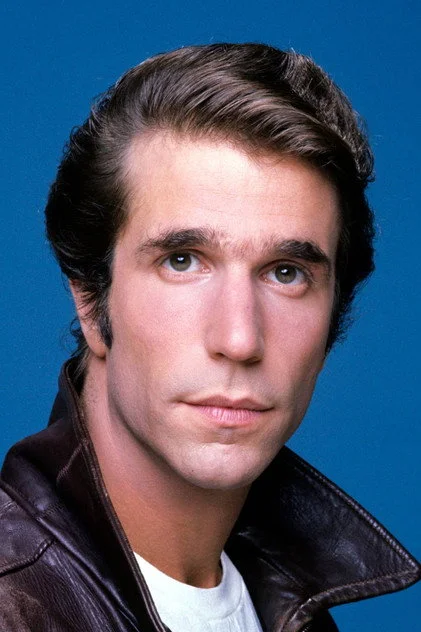 Henry WinklerNigel (voice)
 Dan StevensHieronymous / Crystal Ball Greeter (voice)
 Brett GelmanPrincipal Huggins (voice)
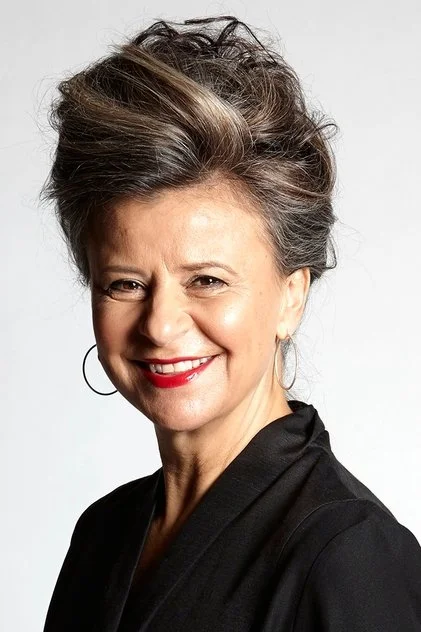 Tracey UllmanQuill (voice)
 Stephen FryQuire (voice)
 Samson KayoConstable Beans (voice)
 Jimmy O. YangWizard Steve (voice)
 Ron FunchesWizard Francis (voice)
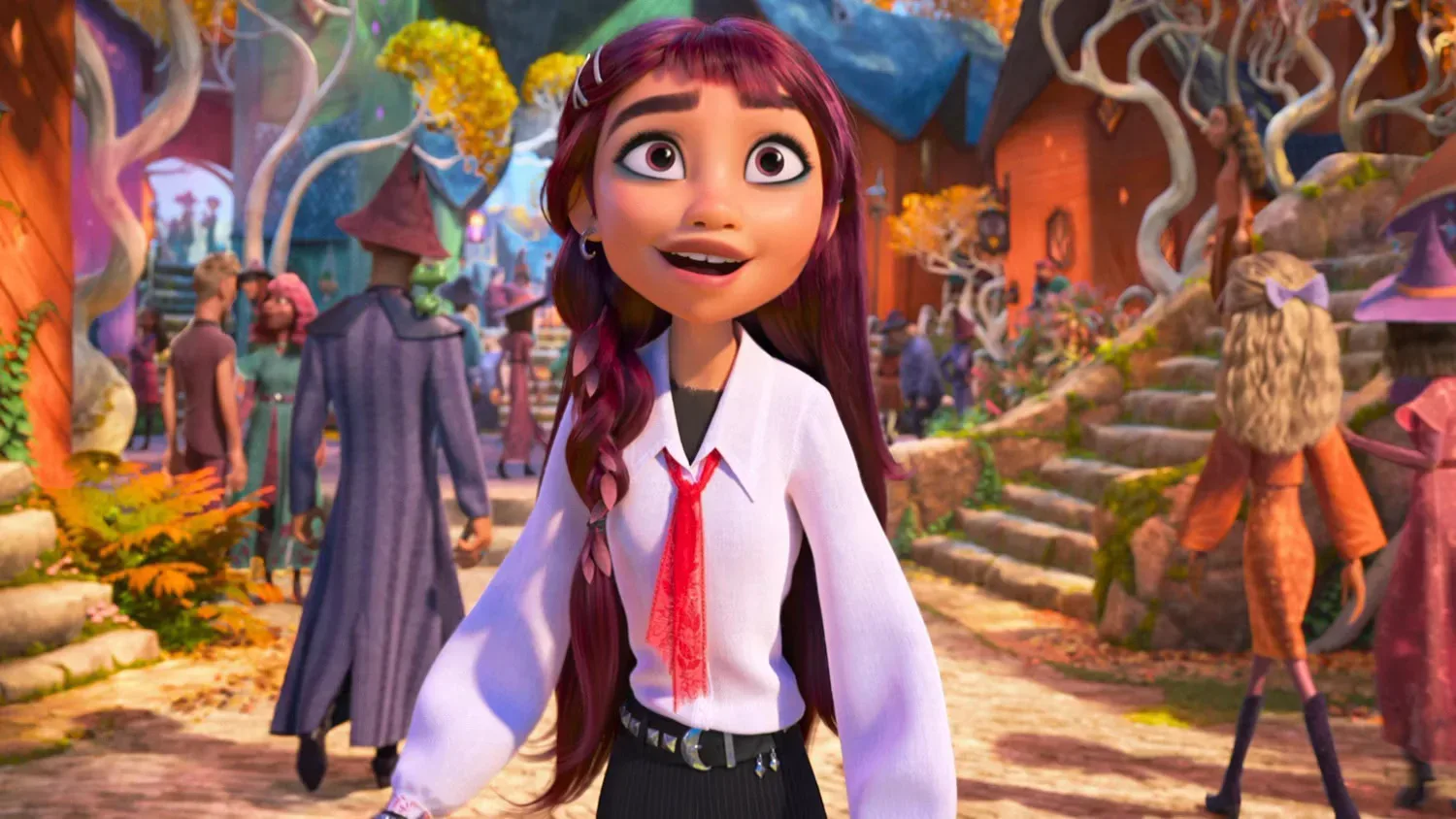
Hexed has the ingredients for an inviting family fantasy: a colourful magical realm, a capable voice ensemble, talking animals, potions, a prophecy and a teenage protagonist discovering powers she has been prevented from understanding. More importantly, it has an emotional centre worth caring about. Billie Doe’s emerging magic is tied to her fraught relationship with her mother, Alice, and that mother-daughter bond gives the film a real source of warmth beneath its zany surface.
The complication is that the film appears more committed to explaining its themes than to letting its story carry them. Its interest in inherited pain, parental fear and the struggle not to repeat family patterns is thoughtful in principle. Yet those ideas become so prominent, and so directly articulated, that the adventure around them loses definition. The result is a good-natured animated feature with a lively premise and an appealing heart, one whose emotional intentions are clearer than its dramatic follow-through.
A magical escape with a personal cost
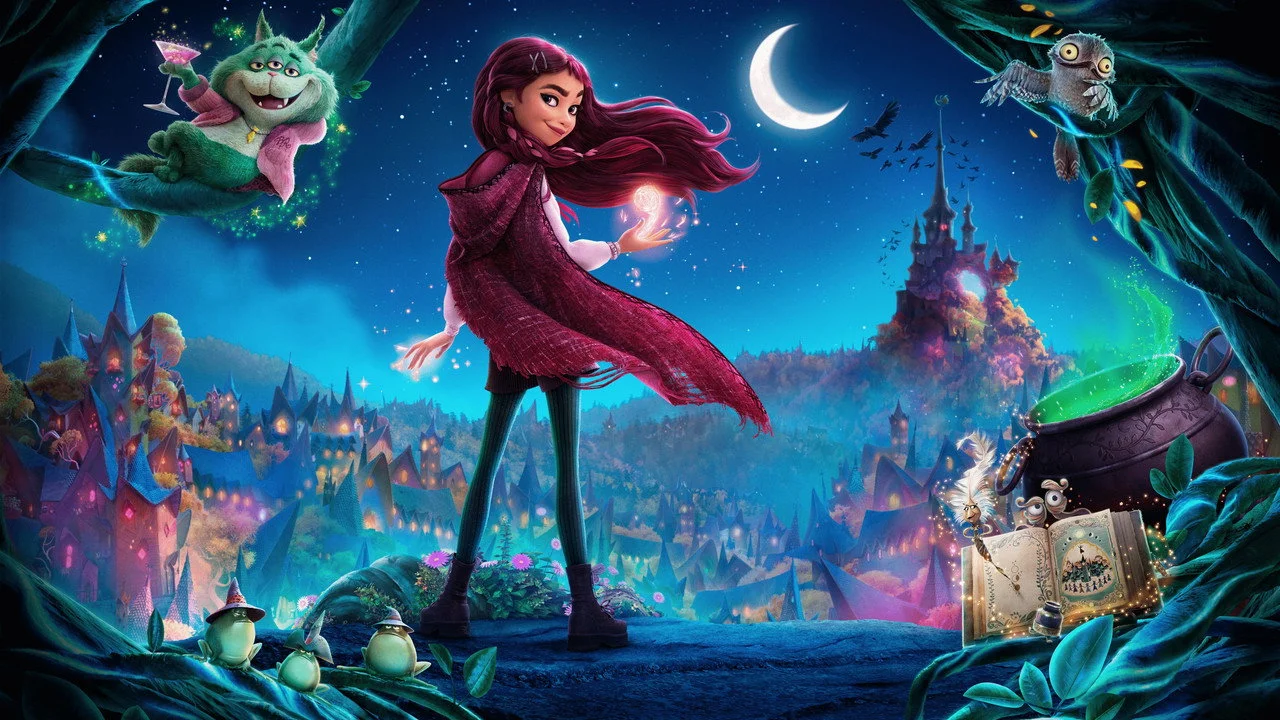
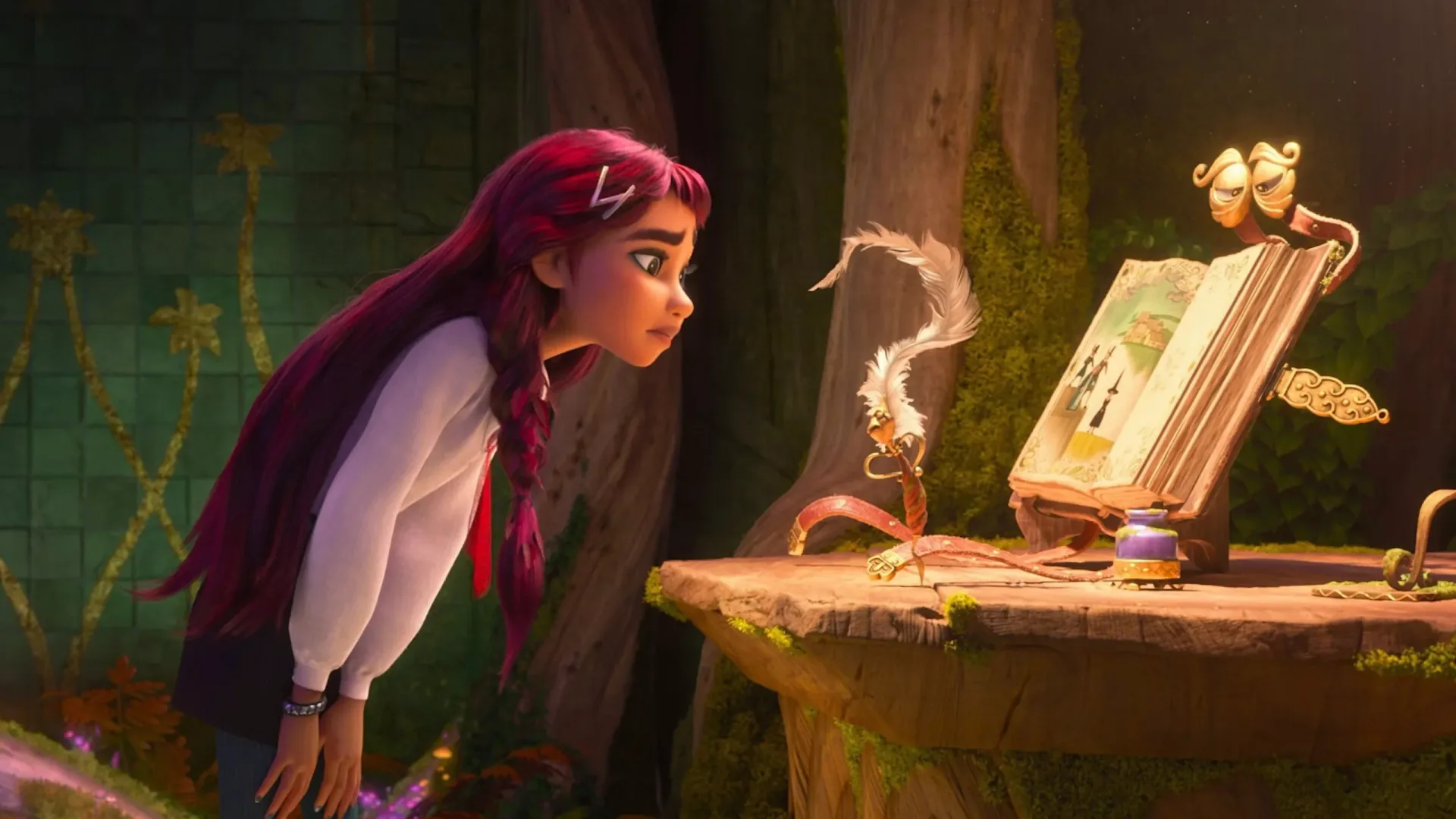
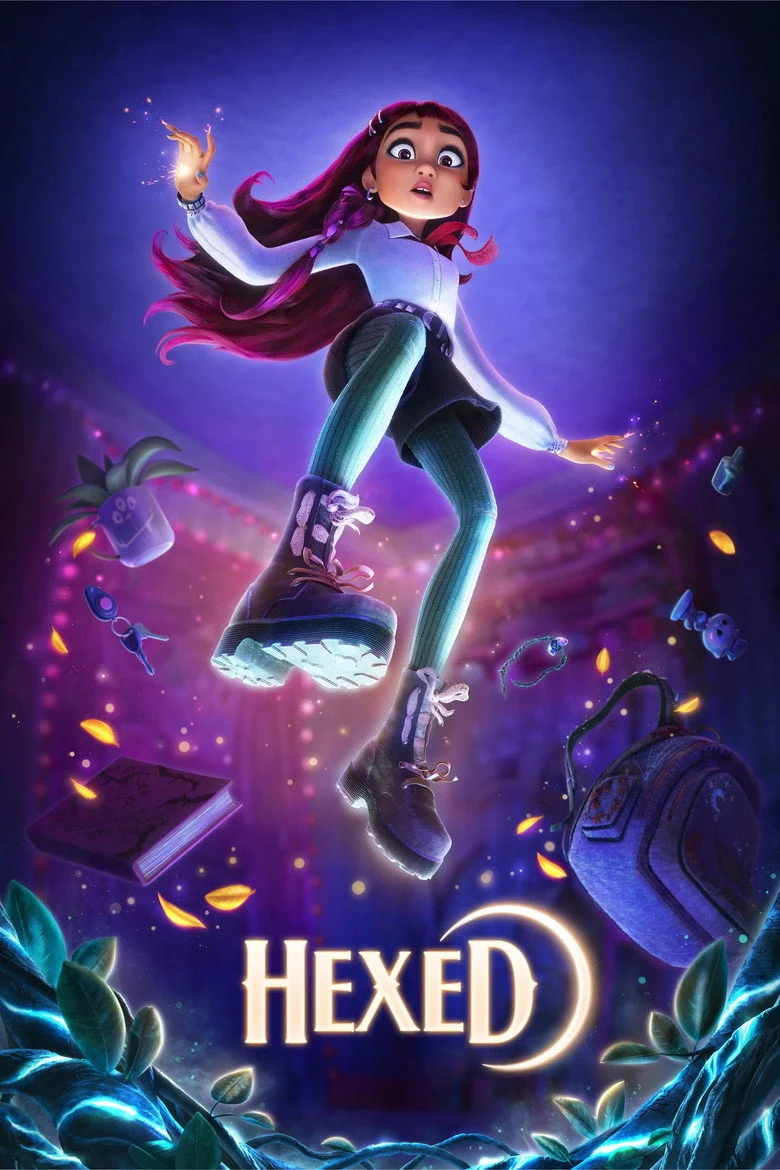
Billie begins as a child whose magical ability alarms Alice enough for her to suppress it with an enchanted bracelet. By the time Billie is a teenager, that concealment has shaped a young person who does not quite fit in at home in Ohio. The film then moves swiftly into its fantastical engine: Billie’s powers surface, and she is transported to Hexe, a realm populated entirely by witches and filled with enchanted beings, magical objects and potions.
That setup makes Hexe more than a simple escape hatch. The magical world offers Billie immediate validation for the very part of herself that has been constrained. In interpretive terms, the fantasy premise gives external form to a familiar adolescence conflict: the desire to define oneself against the limits set by a parent. The film’s strongest idea is not merely that Billie possesses magic, but that her discovery of it forces both daughter and mother to confront what Alice’s fear has done to their relationship.
There is a useful tension in Alice’s initial action. Suppressing Billie’s power is plainly restrictive, but it is born from panic rather than indifference. That distinction gives the relationship room to be more emotionally interesting than a simple story of a child escaping an unsympathetic adult. The film’s lasting value lies in the suggestion that love can be sincere while still causing harm, and that a parent’s attempt to protect a child can become another kind of burden.
Colour, momentum and a bustling fantasy world
The movie is described as cheery, colourful and fundamentally good-natured, and its setting sounds built to sustain that tone. Hexe includes talking animals and objects, potions, witches, ravens and a three-eyed cat who joins Billie on the run. These are familiar fantasy-story components, but they give the film a broad, playful canvas for a younger audience. The magical realm is especially suited to viewers drawn to bright colour palettes and an unabashedly whimsical atmosphere.
Directors Fawn Veerasunthorn and Jason Hand keep the narrative moving. That matters because the plot adds a prophecy concerning a powerful flying witch, positions Billie as a possible chosen figure, and sets Queen Celeste against her. Billie’s flight through a swamp in search of allies, pursued by Celeste’s ravens, provides a clear pursuit structure amid the film’s larger emotional concerns. The brisk pacing helps prevent the premise from becoming overly static or solemn.
The supporting cast and characters also seem designed to keep the mood buoyant. Walton Goggins voices Billie’s three-eyed feline companion, while Jodie Foster plays Queen Celeste. The voice cast is a stated strength, and the supporting players contribute to the film’s sense of activity even when the central dramatic thread carries the greater emotional weight. Hailee Steinfeld voices Billie and Rashida Jones voices Alice, anchoring the core relationship at the centre of the magical upheaval.
That balance between energetic fantasy business and family conflict is what makes the film initially promising. The story does not treat self-empowerment as separate from family life: Billie’s journey into magic is also a journey toward understanding why her mother tried to deny it. It is a sound basis for a children’s adventure, because the spectacle has a clear personal connection rather than existing only as decoration.
When the theme starts speaking louder than the story
Hexed’s major limitation is its handling of metaphor. The film wants to explore generational trauma, moving forward and the ways people attempt to avoid becoming their parents only to create different mistakes. Those are substantial ideas, especially for an animated family film, and the mother-daughter focus gives them an appropriate home. But the treatment reportedly lacks sufficient variation and subtlety.
Rather than allowing those feelings to develop through the adventure’s turns, the characters resolve much of their emotional material in a small number of direct heart-to-heart conversations. Emotional directness is not inherently a flaw; family films often benefit from clarity. The issue is one of dramatic proportion. When the therapeutic explanation of a conflict becomes the primary event, the plot can start to feel like a delivery system for a lesson rather than a story whose events reveal the lesson naturally.
This affects the film’s pacing in a more specific way than simply making it slow. The directors keep the action moving, yet the emotional architecture appears compressed. The material gives several characters complicated histories and motivations, but the resolution comes too readily for conflicts carrying so much weight. The film therefore has momentum without always achieving escalation: it can travel quickly while its emotional development feels overly efficient.
The problem is especially visible in the treatment of Queen Celeste. She is linked to childhood trauma, but unlike the protagonists, she does not work through it. That could have made her a pointed foil for Billie and Alice: a figure illustrating what happens when hurt hardens into control. Instead, the contrast leaves her comparatively uncomplicated, more a fixed embodiment of evil than a fully developed participant in the film’s themes. With a story so invested in how people inherit and respond to pain, a flatter antagonist makes the thematic design feel less complete.
A mother-daughter story that keeps the film grounded
Despite the uneven metaphor, the relationship between Billie and Alice is the feature’s saving grace. Mother-daughter dynamics remain less frequently foregrounded than many other family pairings in mainstream screen storytelling, and Hexed finds genuine heart in making this bond its central concern. The film’s fantasy elements matter because they continually point back toward that relationship.
Billie’s desire to belong, Alice’s fear of what Billie may become, and their need to understand one another give the story emotional stakes beyond the prophecy. The narrative may stumble in making all of its thematic components cohere, but it does not lose sight entirely of the connection that matters most. That relationship keeps the magic from becoming empty noise and gives the final act some emotional carry even if it does not fully satisfy as a conclusion.
For families, Hexed looks like a reasonable choice when the priority is a bright, energetic fantasy with a sincere message about communication and self-acceptance. Its magical setting, rapid movement and playful secondary characters should offer plenty for younger viewers to engage with. Adults may be more conscious of the film’s tendency to spell out its emotional ideas and of an ending that does not quite earn the weight it reaches for.
Still, there is a meaningful difference between a film that is thematically tangled and one that is emotionally empty. Hexed is the former. Its ambitions sometimes obstruct its storytelling, but its affection for Billie and Alice remains visible. That warmth, along with its colourful world and solid vocal work, makes it an imperfect yet likable fantasy rather than a fully spellbinding one.