

 Tom Rhys HarriesMatt Hagen / Clayface
 Naomi AckieCaitlyn Corr
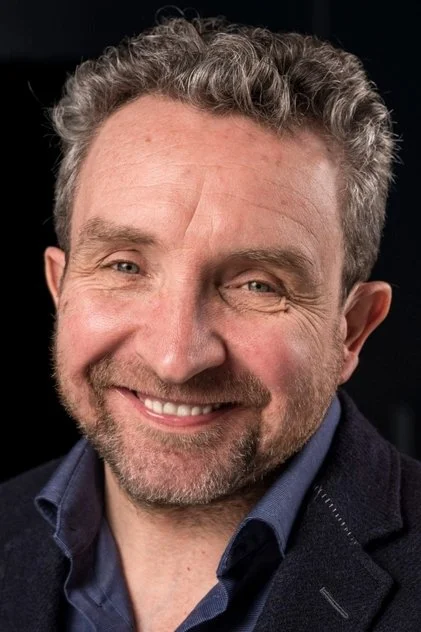 Eddie MarsanFrank Fitzpatrick
 Max MinghellaJohn Borrelli
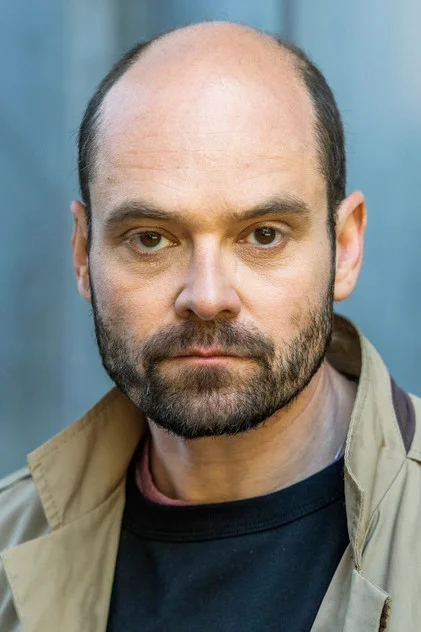 David DencikMarkos Szabo
 Francesca CorneyRosie
 Ruby SearTheresa
 Wil CobanBones
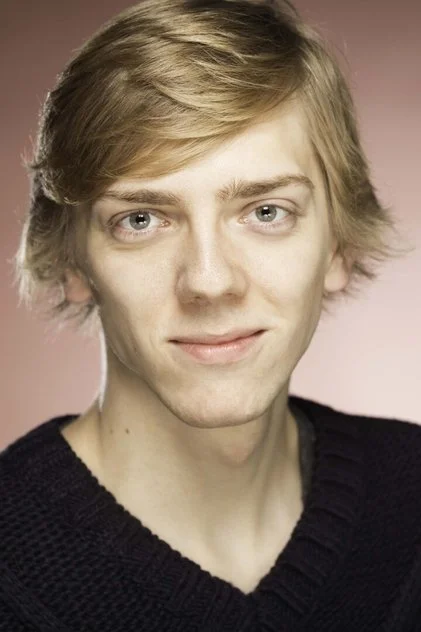 Joshua JamesCorey Bowery
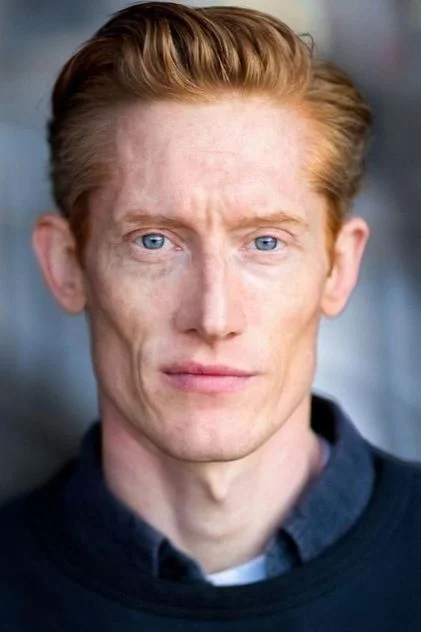 Jake CurranPatches
 Nancy CarrollHildie Love
 Olivia-Mai BarrettNiki
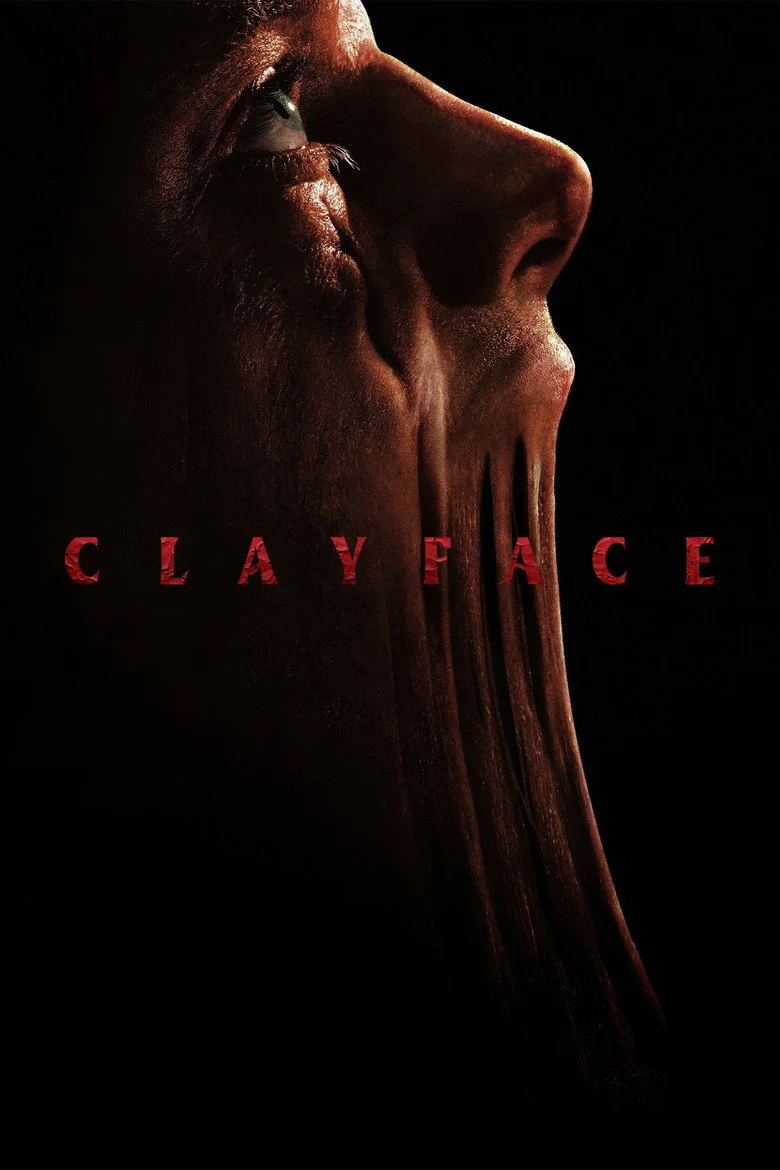
Clayface makes an immediately useful decision for anyone wary of comic-book homework: Gotham City is present, as are passing references to a “clown,” but the story does not depend on prior DC Universe knowledge. Its real invitation is much blunter. This is an R-rated villain origin story built around mutilation, surgery, unstable regeneration and a body that will not obey its owner. The film treats its comic-book foundations less as a reason for costumed spectacle than as permission to push physical transformation into grisly, frequently inventive horror.
Matt Hagen, played by Tom Rhys Harries, begins as a young actor enjoying a fast ascent: handsome, charming, award-nominated and visibly accustomed to the rewards attached to his face. That confidence is shattered after an affair with a mobster’s girlfriend brings a vicious attack. Matt’s face is slashed, his career collapses, and unsuccessful surgery leaves him scarred and unrecognisable. The premise is sharply cruel in a way that suits the film’s preoccupation with surface: a performer whose professional value has been tied to being watched is forced to confront what remains when the image disappears.
Desperation brings Matt to Caitlyn Corr, an experimental scientist whose nanocell technology is meant to regenerate damaged tissue. He volunteers as a human test subject, and the treatment restores something while setting loose consequences it cannot contain. The film’s trajectory is therefore clear from early on: recovery shades into transformation, transformation becomes menace, and Matt’s anguish is driven toward violence. That clarity is one of Clayface’s strengths. It understands that an origin story does not need to spend its entire running time coyly delaying the inevitable; it uses the medical premise as a direct route into escalating bodily catastrophe.
Flesh is the film’s real special effect
Director James Watkins approaches the horror with a conspicuous lack of restraint. An early assault establishes the film’s willingness to make injury hurt: Matt is pinned down while Markos Szabo, played by David Dencik, cuts his mouth with a penknife. The staging is described through an overhead view, and the image has the immediate, wince-inducing force the story needs. It arrives early and with limited preamble, which may leave Matt’s earlier life comparatively thinly sketched, but it prevents the setup from drifting. Clayface wants the viewer to feel the fragility of Matt’s famous face before it starts distorting it beyond recognition.
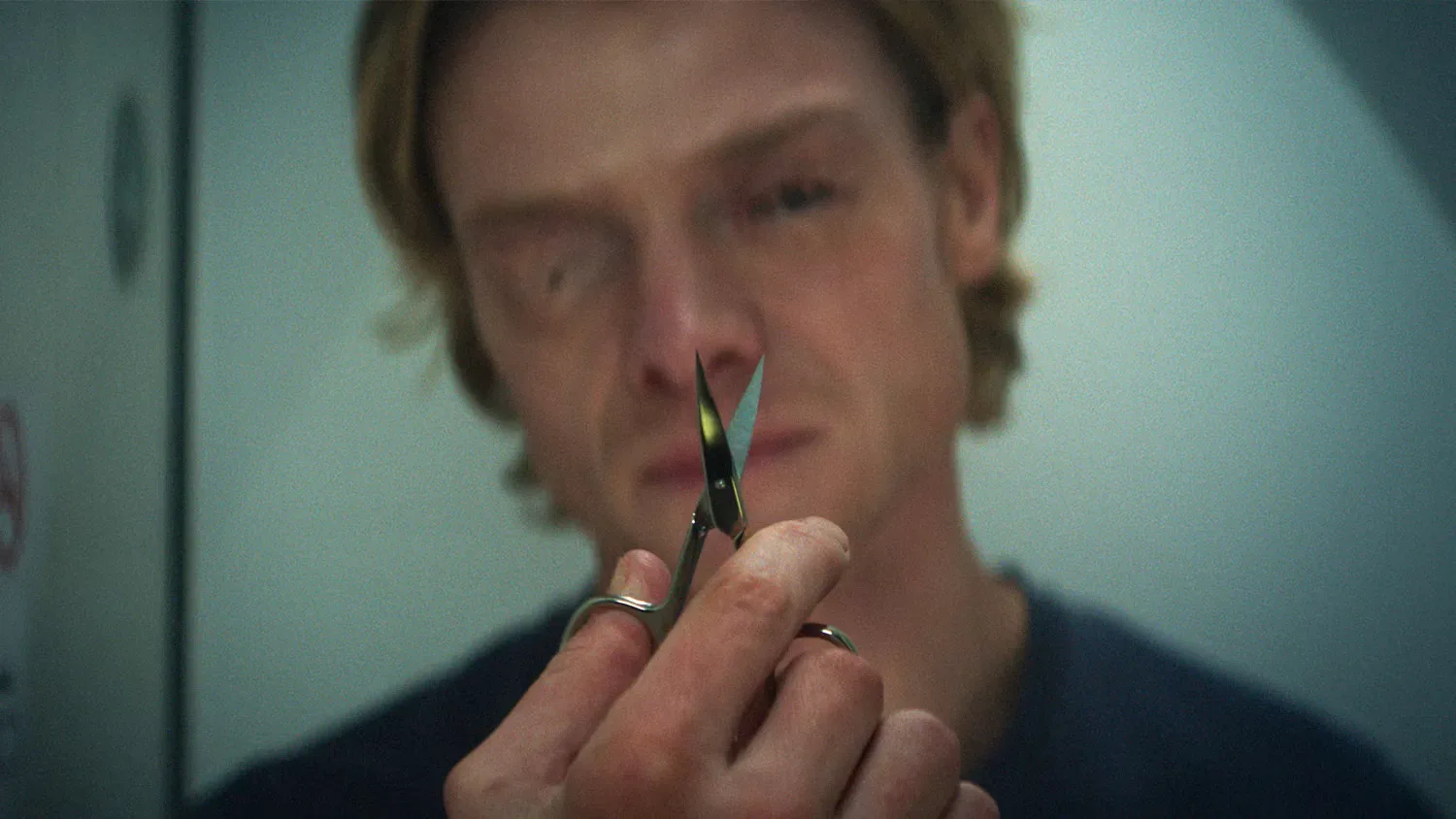
From there, the film keeps finding ways to make restoration feel worse than destruction. Surgical material, a plane-bathroom sequence involving damaged eyes and nail scissors, a spine extraction, face-melting and a nightclub massacre all supply distinct varieties of disgust. These moments are not merely scattered shocks. They establish that Matt’s condition is not a clean superpower waiting to be activated; it is messy, painful and deeply incompatible with the polished identity he once sold to cameras.
The craft appears to be the production’s decisive advantage. Remarkable prosthetics work alongside CG transformations that feel new rather than routine, with cuts, peels and stabs given a deliberately visceral texture. That combination matters. A story about mutability can become visually weightless if digital effects smooth away the material reality of a body. Here, the transformations retain enough fleshly specificity to make the nanocell premise feel invasive. The film repeatedly turns the human form into something provisional, a surface that can split, sag, liquefy or reform without becoming safe.
Its horror vocabulary makes the film an unusually hard-edged entry within this DC setting. The tonal distinction is explicit: where the preceding big-screen entries in the new continuity have been PG-13 superhero adventures, Clayface is bleak, bloody and intensely physical. The comparison points are illuminating without being limiting. The movie combines a performer-centred premise reminiscent of A Different Man with the increasingly extravagant gore associated with The Substance, while the transformations carry a fantastical, potion-like instability. Yet Clayface’s own identity comes most clearly from the abrasive collision between celebrity image-making and practical, squelching damage.
Tom Rhys Harries holds together a fast descent
Harries is central to why that collision works. The role asks him to embody Matt’s conventional star quality and make it legible why losing it devastates him. His large eyes, sharp jawline and high cheekbones are not incidental casting details: they make him credible as a screen figure before the film turns those features into a canvas for grotesque disruption. Clayface understands the dramatic value of using a face that reads as carefully marketable, then making that same face the site of relentless violation.
More importantly, Harries supplies continuity when the script moves Matt through increasingly extreme states. The plot apparently rushes his descent, and the film gives relatively little time to know him before the attack. That is a substantial limitation in a character study; viewers are asked to invest in a man at the point of loss before fully seeing the person he was. Harries nonetheless makes the shifts persuasive. The performance gives Matt enough wounded need and unstable conviction that even unlikely turns remain emotionally intelligible. The result is not necessarily a deeply excavated psychological portrait, but it is a committed one.
Naomi Ackie gives Caitlyn sincerity and empathy, qualities that are essential to the movie’s emotional balance. Her connection with Matt remains a key anchor through his changes, keeping the story invested in more than spectacle. The limitation is that Caitlyn receives even less development than Matt. She functions persuasively as a compassionate presence and as the scientist connected to the experiment, but not as a fully explored character with equivalent dramatic weight. That imbalance narrows the movie’s human field. The relationship can sustain concern, yet it cannot open up the story as much as it might if Caitlyn were granted a more defined inner life and perspective on the technology she has created.
A sharp premise that stops short of a sharper argument
The most frustrating part of Clayface is not that it lacks a subject. It has several: vanity, celebrity, medical desperation, the brutal economics of appearance and the fear attached to visible facial difference. Matt’s career collapse makes appearance more than a cosmetic issue; it is bound to work, desirability and status. His pursuit of a cure is therefore understandable even as it becomes catastrophic. Those ingredients could have made the film a searching examination of what happens when a person’s livelihood and self-image have both been built around a narrowly approved face.
Instead, the thematic treatment is comparatively skin-deep. The film falls back on the tired idea that visible differences are principally frightening, shameful or in need of concealment. Matt eventually finds that difference can be a source of power, but the film frames its payoff through a villain’s revenge rather than a more challenging form of agency or self-definition. There is catharsis in seeing the story embrace its savage exterior; there is less in the ideas beneath it.
That weakness is especially apparent because the film invites comparison to recent body-horror stories that press harder on related questions. The Substance examines the pressure to conform to beauty standards, while A Different Man interrogates attraction and identity beyond appearance. Clayface shares adjacent material but does not match that level of inquiry. It has the setup for a critique of the industry that rewarded Matt’s face, or for a more nuanced account of how other people react to disfigurement. It instead channels much of its energy into the mechanics of revenge and mutation.
That choice does not invalidate the horror. In fact, the directness of the revenge trajectory may be part of why the film moves so forcefully. But it does define the recommendation. Clayface is most effective when assessed as a brutal genre ride with a strong central performance and unusually tactile transformations, not as a fully realised meditation on beauty, identity or bodily difference. The narrative’s pace helps the film avoid stagnation, while also depriving its characters and themes of room to deepen. The same acceleration that makes Matt’s spiral exciting leaves parts of his emotional and intellectual journey underfed.
Who should step into Gotham’s messiest experiment?
For horror viewers, the answer is fairly simple: this is a comic-book film that treats the body as a source of sustained unease rather than a polished display of powers. Its gore is not decorative background texture. The cutting, surgery, liquefaction and transformation are the attraction, and the effects work is constructed to make those moments land with discomfort. Anyone seeking a softer superhero romp, or who is sensitive to graphic injury and surgical imagery, should take the R rating seriously.
For viewers arriving from DC, Clayface’s accessibility is another asset. Gotham provides atmosphere and connective tissue, but the film’s central conflict is self-contained in Matt’s fall from rising star to unstable experiment. That focus gives the movie a firmer identity than a continuity-heavy origin chapter might have had. It can be enjoyed as a horror tragedy about a man trying to reclaim an image that has already become a trap.
Clayface ultimately earns its interest through execution rather than depth. Watkins delivers a ferocious procession of body-horror set-pieces, Harries makes Matt’s rapid unraveling compelling, and Ackie helps preserve a thread of emotional investment amid the carnage. The writing does not fully meet the promise of its premise, particularly where facial difference and self-worth are concerned. Still, for audiences who value visceral craft and a darkly committed villain story, the film’s savage outer layer has plenty of bite.