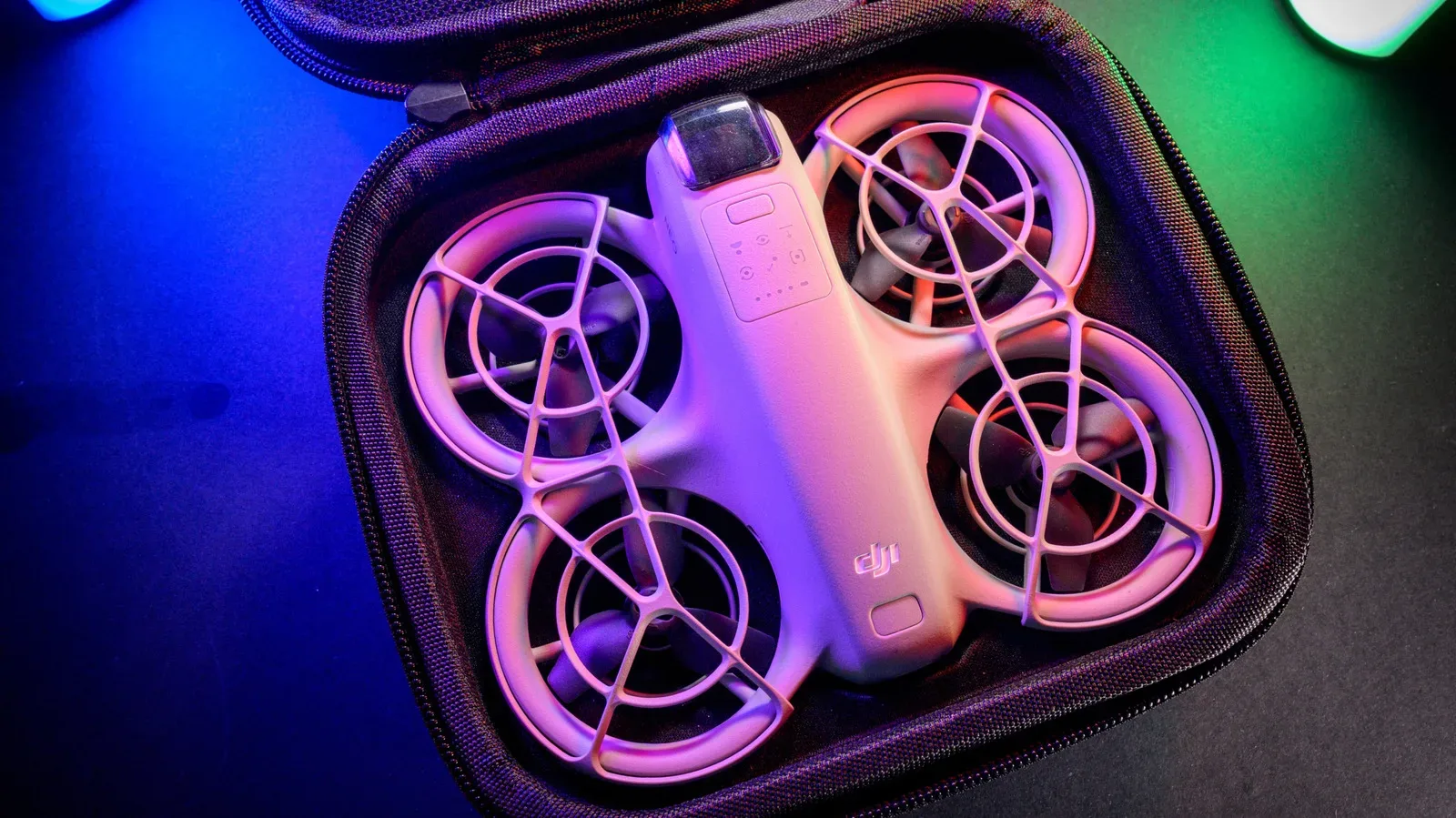
There is a peculiar moment in every drone owner’s life: the new aircraft arrives, the old one is moved from “daily flyer” to “drawer resident,” and suddenly a perfectly functional machine is treated like it has been discharged from the Air Force. That is premature. An older DJI drone that still works, remains supported with updates, and has been checked over can be more useful after an upgrade than before it.
The key is to stop expecting it to be the hero camera platform for every important job. Make it the stunt double instead. The old drone can absorb the training flights, cautious experiments, tight maneuvers, low passes, and routine jobs that would otherwise put a newer machine in unnecessarily awkward situations. This is less glamorous than launching a fresh flagship into the sky, admittedly, but it is also how a drone earns a long and dignified second act rather than becoming an expensive dust sculpture.
Start with an honest airworthiness check
“Older” does not automatically mean “unsafe,” but neither does “it turned on” mean “ready for flight.” Before assigning a retired flyer to its new career, assess the basics described by its condition: whether it is still receiving updates, whether its propellers are worn, and whether its batteries are in good shape. Replace worn props and give batteries a careful once-over before expecting the aircraft to perform dependable work.
This matters because the best use of an older drone is not reckless use. It is lower-consequence use. There is a real difference between choosing the older machine for a practice approach and sending a questionable aircraft toward a roof, a tree canopy, or water. A drone can be the expendable-ish member of the fleet without being treated as disposable.
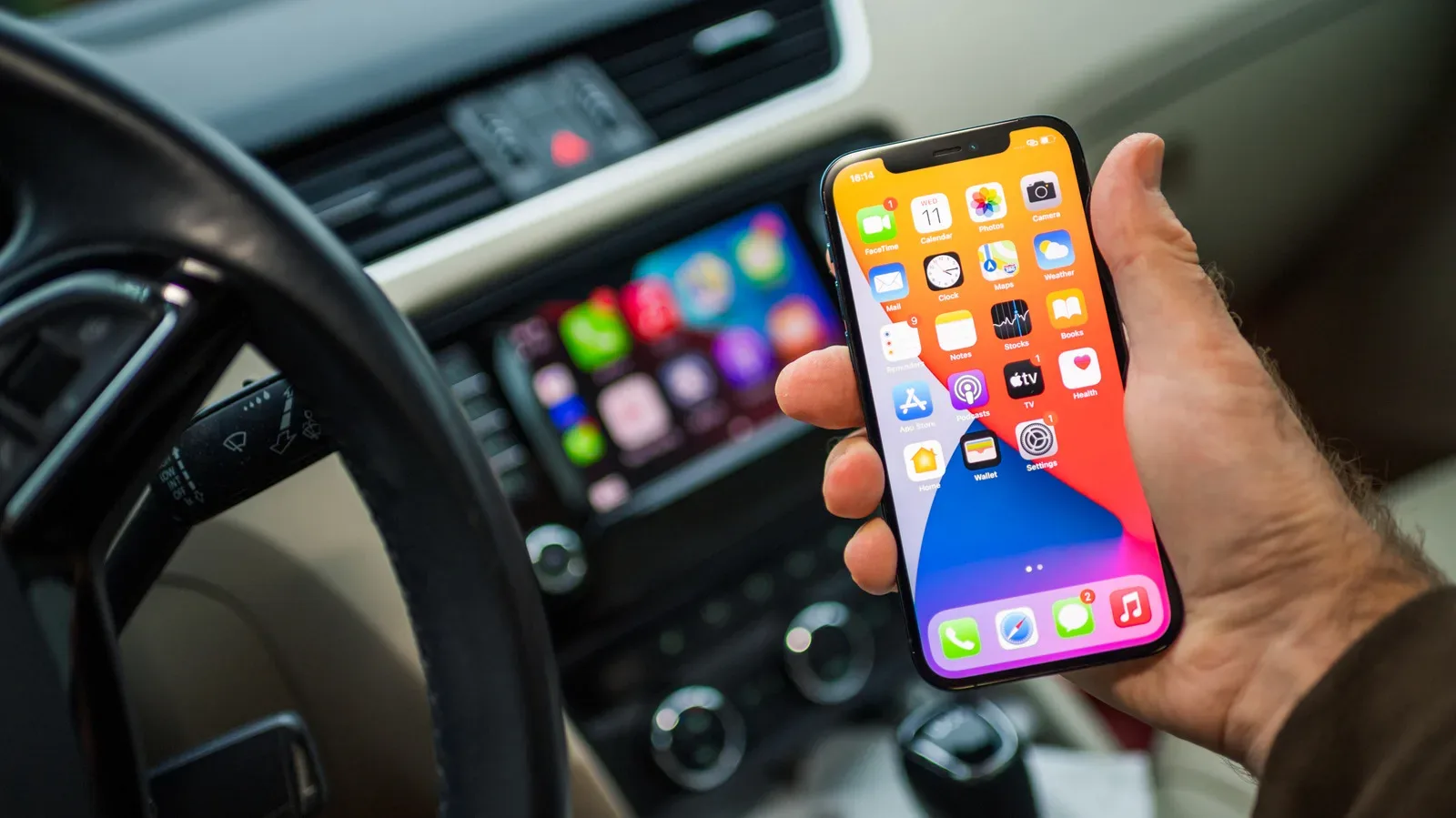
That distinction is also useful for people who keep older consumer technology operating longer. The same practical mindset applies across connected devices: software support and basic maintenance often decide whether an older gadget remains useful. That broader maintenance question also crops up with phone-connected hardware, as in this look at how an iPhone update can affect CarPlay. For a drone, updates, props, and battery condition are the immediate gatekeepers.
Give the old drone the dangerous rehearsal job
Practice is arguably the clearest reason to retain an older DJI model. New maneuvers are more stressful when every mistake threatens the newest and most valuable machine. A prior-generation aircraft offers room to learn without pretending a crash would be fun. It simply makes the consequences more manageable.
Tight turns, low approaches, and flights around more challenging terrain are examples of work where a less precious aircraft can make sense. A flight through dense tree cover or above water can turn from “creative shot” to “unplanned recovery operation” in a hurry. If the shot is only an experiment, the older drone is a sensible choice while the newer model stays available for assignments where image quality or reliability matters most.
Calling this aircraft a “kamikaze” drone is funny until it becomes a plan. The more useful framing is a risk platform: an aircraft selected for tasks where the operator accepts a greater chance of bumps, close calls, or total embarrassment. The goal should still be controlled flight, not sacrificing a quadcopter to the local pond in tribute to content creation.
Related coverage includes What to do with your old DJI drone after an upgrade.
A better training path for new pilots
An older drone also makes an approachable training machine for a child, friend, or anyone curious about the hobby. Handing a beginner the controller of your latest purchase can create a very tense kind of mentorship. The older model lets a newcomer make normal early mistakes without immediately turning the lesson into a conversation about replacement costs.
- Begin in an open field rather than near trees or power lines.
- Keep early sessions short.
- Focus on basic control rather than spectacular ideas.
- Keep the newer drone as a backup instead of making it the learner aircraft.
The old aircraft can also serve as the spare when the main drone runs out of battery or suffers an unfortunate encounter with a wall. That backup role is unglamorous, but it can be the difference between abandoning an outing and completing a straightforward flight.
Older camera drones can still be useful camera drones
Upgrading does not erase the camera capabilities already attached to an older aircraft. The DJI Mavic 2 Pro and Air 2S, for example, are identified as models able to shoot 4K video with D-Log and strong dynamic range. Those are meaningful tools for visual work, even if newer drones provide additional digital stabilization.
D-Log is a flatter-looking video profile intended to preserve more flexibility for later color work. It may not look as immediately punchy as a finished clip, but it can be useful where an editor wants room to shape the final image. Dynamic range describes how well a camera can retain usable detail across bright and dark portions of the same scene. A camera with stronger dynamic range is better positioned to handle contrast without turning highlights or shadows into an unrecoverable mess.
Older DJI camera drones also retain a practical advantage: physical gimbal motors. A gimbal is the motorized stabilizing mechanism that helps keep the camera level and smooth while the aircraft moves. More recent digital stabilization may bring further refinements, but a functioning physical gimbal remains valuable. If the drone can fly a steady line and the gimbal is operating properly, it can still make capable footage for the right project.
The right project is the important part. Major events and truly irreplaceable shoots are logical places to use the best camera available. Meanwhile, an older drone may be entirely sufficient for property images, planning visuals, a low flight over water that feels too risky for a new purchase, or a general aerial look at a location. In other words, its camera does not need to be the best in the fleet to be good enough for a job.
Inspection and mapping: useful work, with real requirements
Aerial perspective has obvious practical uses beyond filmmaking. An older drone can help inspect a roof, look at activity high in a cedar tree, or capture property views without immediately placing the newest aircraft in the riskiest position. These are observational uses: the value comes from seeing an area from an angle that is otherwise difficult to reach.
Mapping is another potential use, and it can potentially become paid work. However, it is not a matter of launching the drone, taking random images, and declaring oneself a cartographer with a rotor soundtrack. The equipment alone is not enough. Mapping software is required, and paid work requires an FAA Part 107 remote pilot certificate.
That distinction is worth keeping front and center. A drone’s ability to capture images does not by itself make every proposed commercial use ready to launch. Anyone considering mapping, paid piloting services, rental arrangements, or special-event work should treat the certification and software needs as core parts of the project rather than fine print to discover after agreeing to the job.
There is still a sensible progression here. First establish that the drone performs reliably. Then determine whether the imagery it produces is sufficient for the intended task. Only after that should an owner consider whether the work has enough value to justify the additional tools and formal requirements. This approach avoids building a business plan around an aircraft that was really only suited to backyard practice.
Odd jobs are still jobs
Some second-life uses are delightfully specific. Depending on the model, an accessory such as Sky Rigger can make a drone useful for dropping fishing bait. It is not a universal feature, and compatibility matters, but it illustrates the larger point: an older drone can become a purpose-built tool rather than merely a downgraded camera.
Another specialized task is locating yellow jacket, hornet, wasp, or bee nests for exterminators. A drone can help identify nests or holes from a safer viewing position, making the eventual job easier to plan. This is not an invitation to fly directly into a nest or provoke stinging insects for aerial drama. The sensible use is reconnaissance from a safe place, with the clear understanding that insects are unlikely to appreciate the arrival of a loud, hovering machine.
These niche jobs demonstrate why “old” is not the same as “obsolete.” An aircraft that no longer belongs on the highest-stakes shoot may be ideal for a narrow task where a broad overview matters more than the absolute latest sensor or stabilization system.
Sell it, part it out, or make it a project
Not every drone deserves indefinite storage. Trading or selling a working unit remains the most direct option. But owners who do not need a complete aircraft may find more value in its components. Functional drone parts can be kept as future spares or sold individually, and there is an active market for specific pieces when they are in good working order.
Some components can be repurposed beyond their original aircraft, including for projects involving security cameras or portable chargers. The practical lesson is simple: evaluate the drone as a collection of usable systems, not just as one all-or-nothing flying product. A damaged aircraft may have a diminished future as a whole, while still containing parts useful to someone else.
For the deeply committed hobbyist, an old DJI drone can also be the beginning of a new build. DJI’s drones offer limited interchangeability, so this is not a plug-and-play upgrade path. It is a hands-on project requiring time, tools, patience, and at least a basic grasp of soldering, electronics, and aerodynamics. That makes it a poor fit for someone hoping for a five-minute weekend tweak, but potentially rewarding for someone who wants to understand what makes an aircraft fly.
Aerodynamics, in this context, means the behavior of the drone as it moves through air: how its motors, propellers, frame, and balance work together to create stable flight. Changing parts without understanding that relationship can turn a creative build into a small, highly motivated lesson in gravity. The learning process may be part of the appeal, provided expectations are realistic.
The upgrade does not have to end the story
A newer drone should take the jobs that demand its strongest camera, newest stabilization, or greatest confidence. That does not mean the previous model has nothing left to offer. A well-maintained older DJI can be a training aircraft, a backup, a risk-tolerant camera platform, an inspection tool, a mapping candidate, a specialized utility flyer, a donor for parts, or the starting point for a technical hobby project.
The most practical decision is based on condition and purpose, not the thrill of owning the newest hardware. If the old drone still flies reliably and its limits are understood, it does not need to win a comparison chart to remain useful. Sometimes the best role in a fleet is not being the star. Sometimes it is being the drone you are willing to send toward the complicated shot—after checking the props and batteries, naturally.