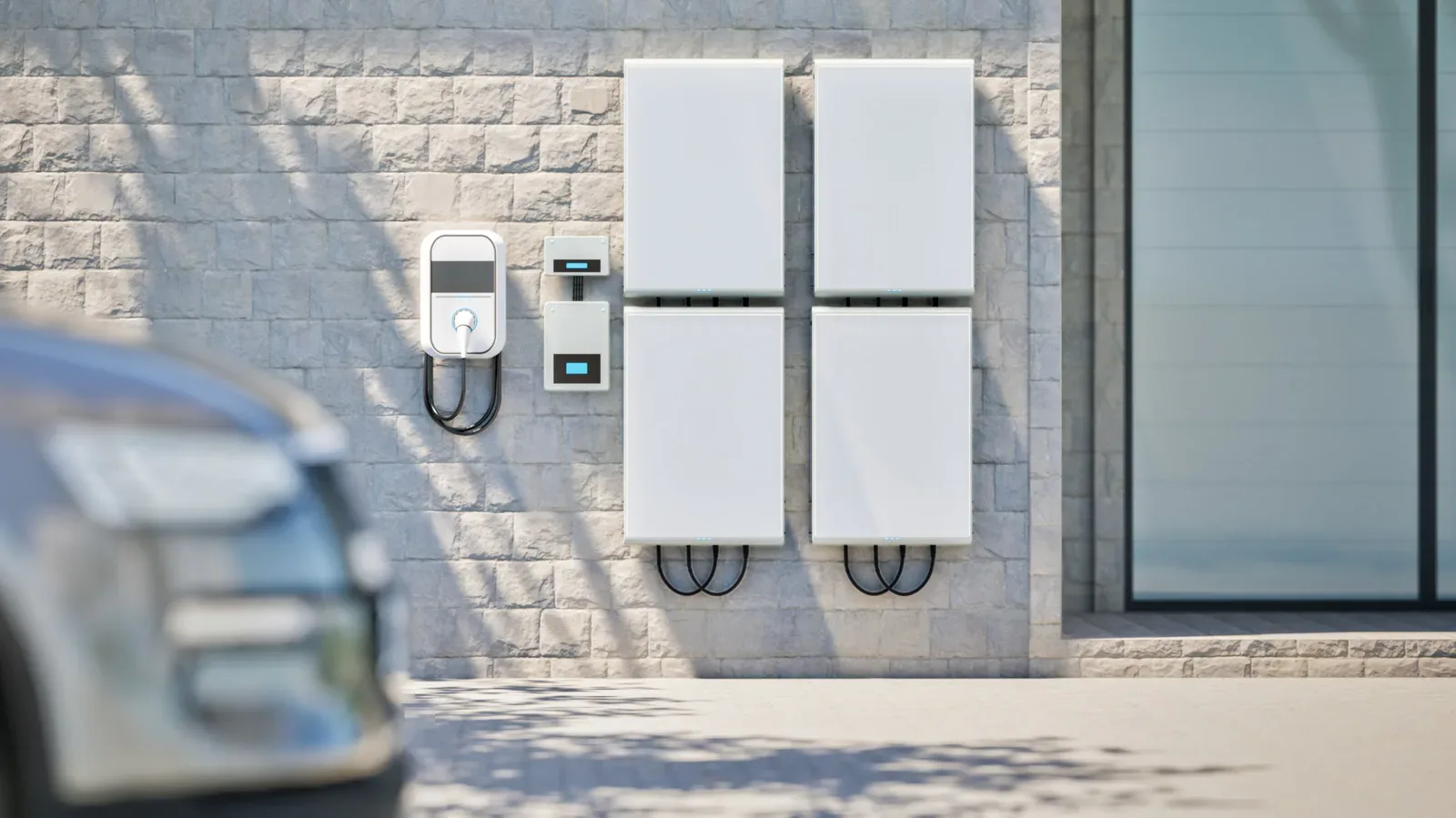
The pitch is wonderfully simple: your electric vehicle is parked outside with a large battery, the lights go out, and suddenly the driveway becomes the most useful location in the neighborhood. In principle, many EV batteries have considerably more energy capacity than a typical home battery. In practice, turning that stored energy into dependable household backup is less like plugging in a console and more like assembling a particularly expensive accessory bundle whose parts all need to agree with one another.
The important distinction is that an EV having a big battery does not automatically mean it can run a house. The vehicle must be designed to send electricity outward, the charging and power-conversion hardware has to support that job, and the home needs equipment that can disconnect safely from the utility during an outage. Add local availability, installer support, permitting and potential electrical upgrades, and “my car can power my home” becomes a feature worth investigating before the car purchase—not a surprise unlock after it.
Capacity is only one part of the backup equation
Two related measurements explain why an impressive EV battery spec is not the whole story: kilowatt-hours and kilowatts.
Kilowatt-hours (kWh) measure energy capacity. Think of this as the size of the resource bar: it helps determine how long the car could keep a set of household loads operating. More stored energy can mean more backup time, but the result depends heavily on what the household is using.
Kilowatts (kW) measure power output. This is the rate at which energy can be delivered and is central to deciding what can run at once. A system may have plenty of stored energy in reserve yet still face limits on the simultaneous appliance load it can support. Capacity answers a rough “for how long?” question; power output is vital to “what can I turn on together?”
There is also the matter of startup surge. Some equipment, including air conditioners and refrigerators, can demand a brief extra burst of power as it starts. A usable vehicle-to-home setup must be prepared for those moments rather than considering only an appliance’s ongoing draw. It is one reason a list of battery capacities alone is not a complete plan for outage backup.
Household demand can change the picture quickly. Air conditioning and electric heating are identified as particularly heavy workloads, so they can reduce available backup time substantially. That does not make EV backup pointless. It means the useful question is not merely whether an EV battery is larger than a home battery, but what loads a household expects it to carry and how the system is meant to manage them.
V2H and V2L are not interchangeable terms
A major source of confusion comes from treating every outlet-capable EV as though it offers whole-home backup. It does not.
Vehicle-to-home, or V2H, is the setup intended to supply a home, whether that means the whole home or selected household circuits. It requires a bidirectional system: power needs to travel from the vehicle to the house rather than only from the grid to the vehicle.
Vehicle-to-load, or V2L, is a different, narrower capability. It lets an EV provide power to individual devices. That can be useful for something such as a refrigerator or a small appliance, but it is not automatically a house-backup system.
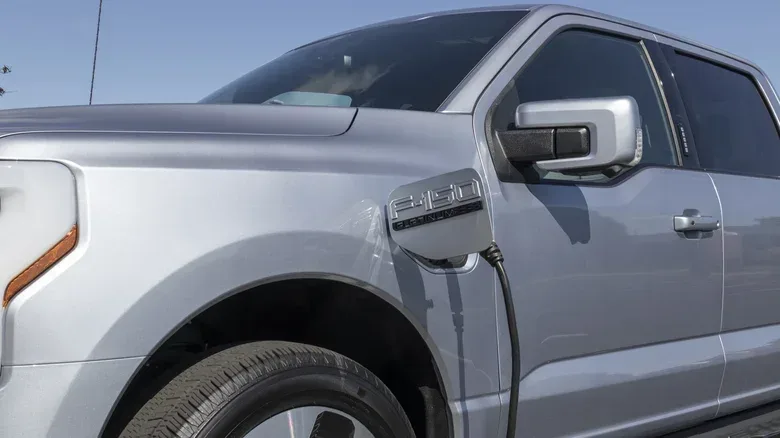
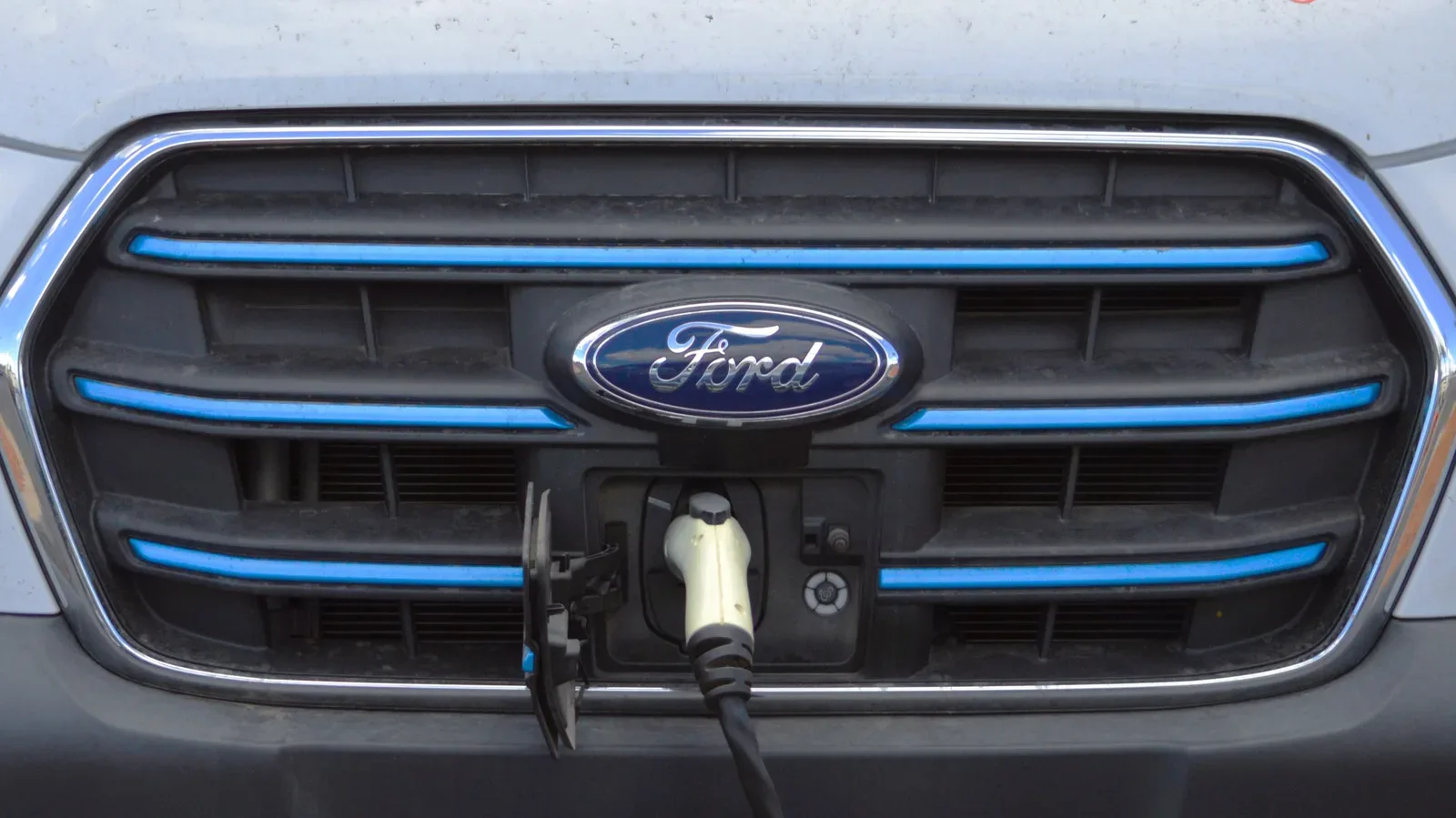
Some vehicles can feed household circuits through an onboard outlet with compatible transfer equipment. Even then, an approved installation is required. It does not mean an owner can safely improvise by connecting the car to an ordinary household wall outlet. A regular charging connection is not necessarily designed to work in reverse, and a typical plug-and-play assumption is exactly where the risk—and disappointment—starts.
The gaming shorthand is fitting: owning a controller does not guarantee it works with every console, accessory or game mode. The battery is the hardware with the potential. V2H is the supported mode, and the charger, home equipment and installation are the specific peripherals required to make that mode function safely.
The hardware is doing more than charging the car
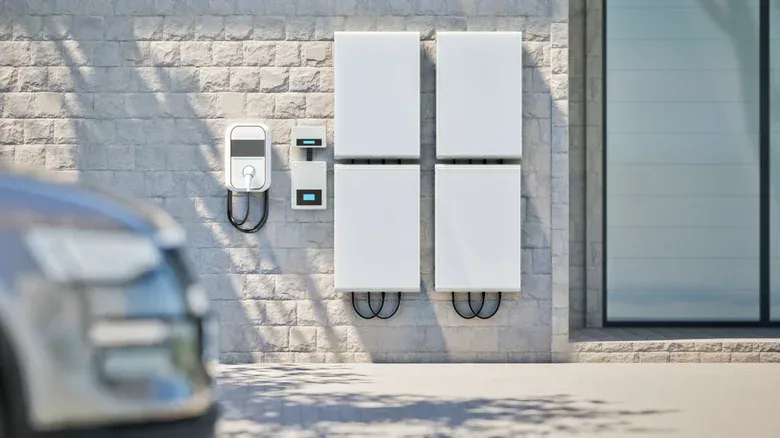
For a vehicle to operate as a home backup resource, the installation needs more than a standard EV charger. The central component is a bidirectional charger, which is built to support the required direction of energy flow. The overall installation also needs DC-to-AC conversion hardware.
That distinction matters because an EV battery stores direct current, or DC, while household circuits use alternating current, or AC. An inverter converts DC electricity into the AC electricity that household equipment uses. In a V2H arrangement, this conversion is a core part of making the car’s stored energy useful inside the home.
Then there is the safety-critical part: the house needs a way to disengage from utility power during an outage. The required isolation is handled with an islanding or transfer switch. “Islanding” means the home can operate as a separate powered island rather than feeding electricity back onto utility lines. That separation protects the grid wiring while the vehicle is supplying the home. The goal is to keep the house powered, not to energize external utility infrastructure when it should be inactive.
A system may additionally involve a gateway, along with electrical work, permits, and possibly panel or wiring upgrades. This is why the concept can cost thousands of dollars even once the EV itself is already in the driveway. The attractive battery capacity is only one component of a complete, safely commissioned system.
Home technology often has this hidden infrastructure problem. A device can appear self-contained until it has to work reliably with wiring, safety rules and equipment already installed in a building. If you are troubleshooting a different piece of always-on home tech, the same sensible instinct applies: start with practical basics rather than wishful thinking. A router that keeps rage-quitting is obviously not a V2H installation, but both cases reward checking the physical setup before assuming a feature is as simple as its marketing label.
Compatibility is the actual boss battle
The most consequential detail is that these systems are often not mix-and-match. Vehicle support, model year, charger, inverter-related equipment, home gateway, local market and installer availability all have to line up.
Several currently described setups illustrate the point:
- Compatible GM EVs can work with the GM Energy PowerShift Charger and V2H Enablement Kit.
- Kia has an EV9 arrangement involving Wallbox’s Quasar 2 charger and Power Recovery Unit.
- Tesla’s Cybertruck supports PowerShare when paired with a compatible home installation.
- Tesla also lists Model 3 and Model Y support with Powerwall 3.
- Polestar introduced bidirectional charging for Polestar 3 EVs for customers in California.
These examples should not be read as a universal shopping list. The equipment is not broadly interchangeable, and each arrangement has to match the eligible vehicle and home installation. The Polestar example adds another gate: location. A buyer can be interested in a V2H-capable model yet be outside the market where the bidirectional service is offered.
This is the practical implication for anyone treating outage backup as a deciding factor in an EV purchase: do not stop at the words “bidirectional charging” or “home backup.” Confirm that the precise model and model year support outage backup at the address where it will be installed. Then confirm that the required hardware is available and that an installer can commission it there. Without all three, the car’s potential remains potential.
What backup takes away from driving
An EV backup system also has an unavoidable trade-off: energy sent to the home is energy that is no longer available for transportation. During an emergency, that may be an easy and sensible compromise. But it remains a compromise, particularly if an outage coincides with a need to travel.
Availability matters too. The car must be at home, plugged in and sufficiently charged. A stationary home battery is always at its assigned post; a car is often doing car things. That does not diminish the value of V2H, but it defines its role. It is a flexible backup resource, not necessarily a guarantee that stored energy will be present at the instant it is needed.
Frequent home-power use can also raise battery-wear considerations. Emergency use may outweigh that concern when power is out and household needs are immediate, but routine use represents a longer-term trade-off that owners should weigh rather than ignore.
A better pre-purchase checklist
V2H is most compelling when it is evaluated as a system rather than a flashy individual vehicle feature. Before making a purchase decision around it, ask these questions:
- Does this exact EV support bidirectional operation? Do not infer the answer from its battery size or its ability to charge normally.
- Does the model year support outage backup? Verify the specific vehicle, not merely the badge on the hood.
- Which charger, inverter-related hardware, gateway and transfer equipment are required? Identify the approved equipment combination.
- Can the required system be installed at this address? Availability, local market limits and installer commissioning are part of compatibility.
- What electrical work may the house need? Factor in potential panel upgrades, wiring work and permits.
- Which loads are intended for backup? Consider ongoing demand and startup surges, especially for air conditioning, heating and refrigeration.
- How much driving range can be spared? Backup energy is drawn from the same battery used for travel.
- What is the full installed price? The supporting equipment and labor can together cost thousands of dollars.
The central lesson is pleasantly unglamorous: an EV can be a powerful home-energy tool, but only when the car, charger, conversion equipment, safety isolation, home electrical system and local support all form one compatible build. A big battery gets the conversation started. The installation decides whether it can keep the household running when the power disappears.