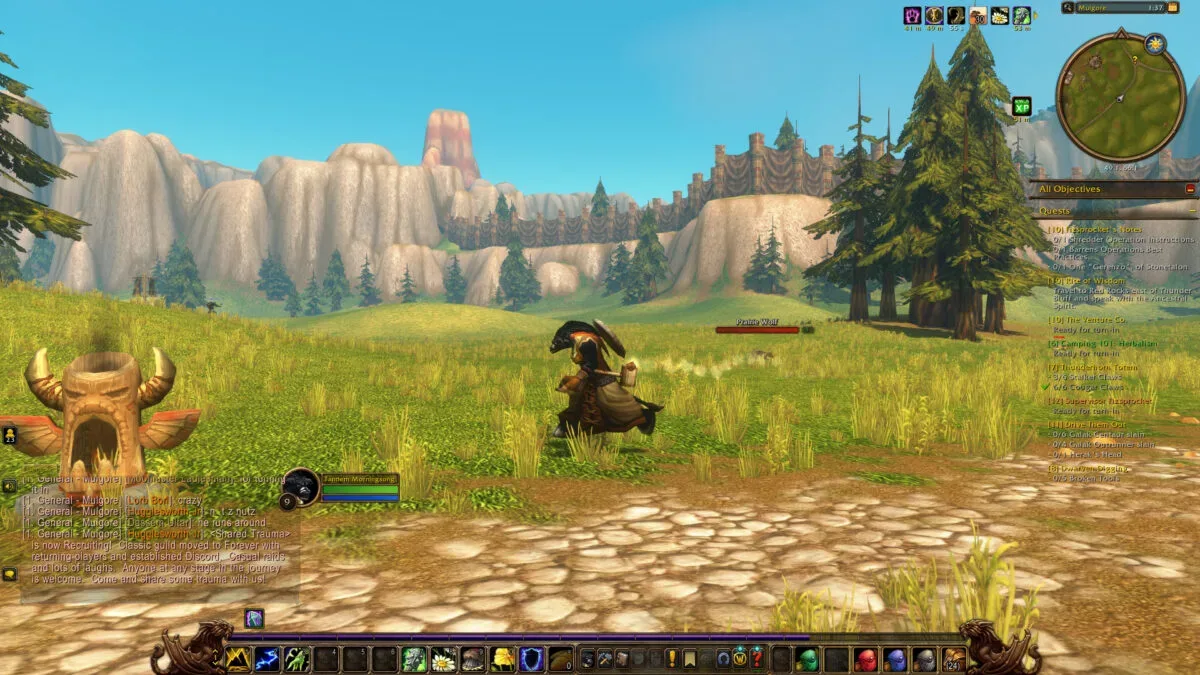
There is a particular kind of MMORPG pleasure that makes absolutely no sense on a spreadsheet. It is the pleasure of spending an hour crossing continents for a torch with no meaningful practical value, then doing the entire errand again because a friend wants the same torch. It is being sent after a sleeping bag that is nearly as impractical. It is taking a long detour through Mulgore, the Barrens and Durotar to sign a guild charter, and accepting the detour as an activity rather than an obstacle.
That is the central appeal emerging from an early 25-hour stretch in World of Warcraft: Forever. The new dungeons, raids and Riverlands content remain largely untouched at that point. Level 60 is still distant. Yet the time has not been defined by a mad dash toward those destinations. It has been defined by walking, waiting, fishing, dying, taking transport between Kalimdor and the Eastern Kingdoms, and talking to strangers while all of that happens.
For players who remember World of Warcraft’s older rhythms, the individual pieces will sound familiar. The interesting part is the apparent intent behind them. Forever seems to be using extra quests, campfires, lighting and population systems to make slowness feel authored. The lengthy trip is not merely old-fashioned inconvenience left in place; it becomes space in which players might help each other, notice the landscape, or simply have a weird conversation in general chat.
The journey is the content, not the delay before content
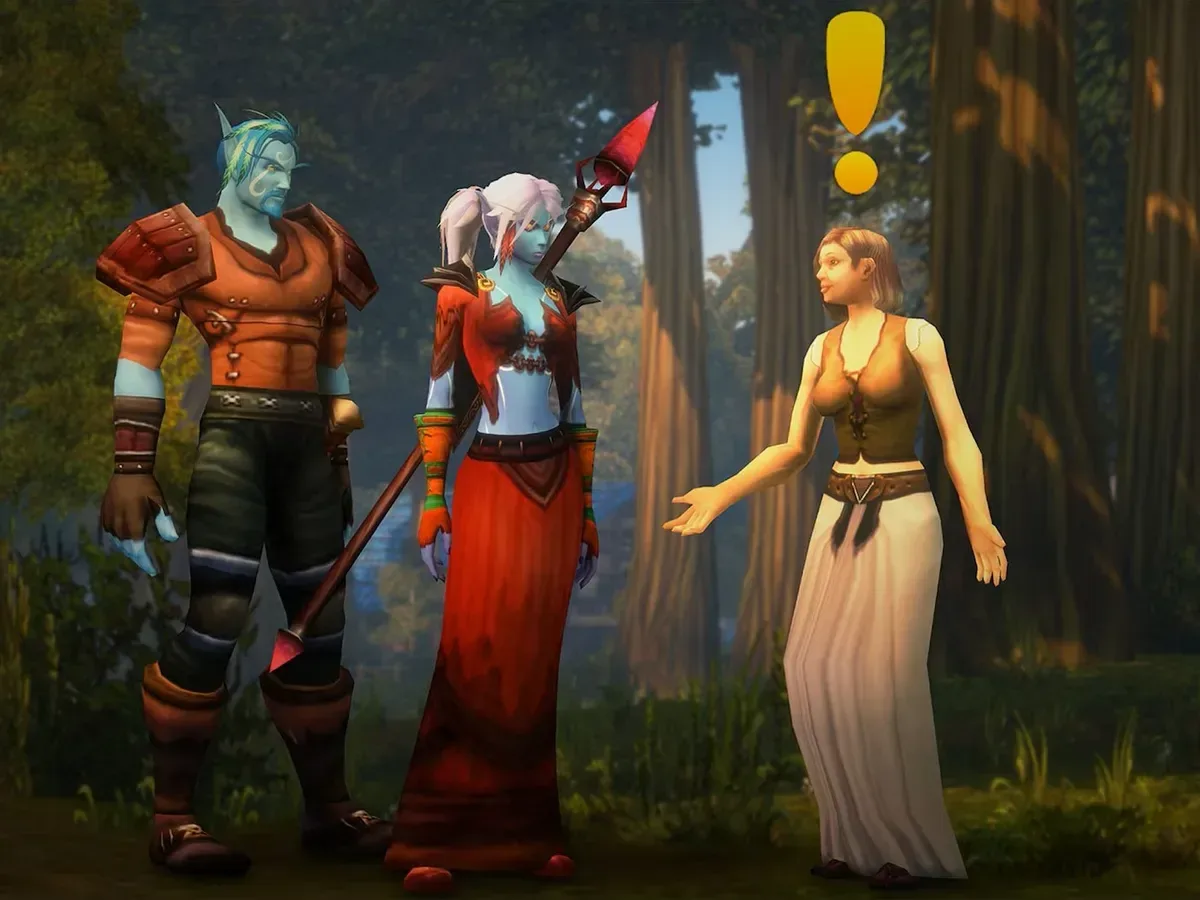
The most revealing early anecdotes are the least conventionally productive ones. A torch quest sends a character on a cross-continent trek for an item described as pointless. A second quest involves a lengthy hunt for a mostly useless sleeping bag. Neither is a compelling pitch for anyone measuring progress in levels, gear upgrades or minutes-to-reward.
For more context, explore Paid In Full Grants Give Hip-Hop Pioneers Room for Homes, Health Care and Long-Delayed Work.
But that measurement misses what such errands can do in a shared world. A small reward gives a player an excuse to move through places they might otherwise skip, pass other travelers, use familiar routes, and build a personal memory around a piece of terrain. The torch is not important because it changes combat performance. It is important because a player can remember the trip it demanded and the person they took along for it.
The same logic applies to routine class training. A character questing in the Eastern Kingdoms may need to return to Kalimdor, fly to Undercity, board a zeppelin, locate a trainer in Orgrimmar, then reverse the trip to resume adventuring. In a modern game structure, that loop might be treated as pure downtime and replaced with a menu, a remote trainer, or effortless fast travel. Forever’s early experience suggests it is preserving the logistics.
That does not mean every player will value them. Repeated travel can be tiring, especially for someone with limited time or a clear objective. The practical question is whether the world gives that time enough texture to prevent it becoming dead air. Forever’s early answer appears to be that travel is an opportunity for encounters rather than a pause between encounters.
What “friction” means in an MMORPG
Friction is a useful design term here. It means the small barriers, costs and delays that stand between a player and an intended result. A long run back after death is friction. Rare quest drops are friction. Traveling to a class trainer is friction. So is needing other players because an enemy or objective is difficult to handle alone.
Friction is not automatically good. Too much can turn a game into work, especially when it repeatedly blocks the same goal without adding choice, discovery or companionship. The account from Forever includes that risk: an hour spent hunting worgen produced only six Worgen Bits, and repeated attempts against mages above the character’s level led to roughly seven or eight deaths and corpse runs.
A corpse run is the trip a player makes back to their fallen character after dying. It is one of the classic costs of failure in this style of online role-playing game. It can be aggravating in isolation. It can also make a rescue memorable when another player happens upon the body and uses a resurrection ability, eliminating the return trip.
That distinction matters. The game does not need every inconvenience to be fun by itself. It needs enough of those inconveniences to create decisions and dependence: try the mages again, come back later, ask for help, or accept a different plan. When a couple of other players join in to pursue rare worgen drops, a frustrating probability problem becomes an hour of cooperative activity. The objective remains modest, but the social story becomes the reward.
Campfires, greetings and a crowded Undercity
The strongest signs of Forever’s personality are the unscripted social moments around its chores. Travelers exchange buffs, class-specific spells that temporarily improve another character’s capabilities. People stop to resurrect strangers. Someone who had just completed a quest stayed around for another 20 minutes to help a newcomer finish it. Those acts have value precisely because time and risk have not been completely stripped from the world.
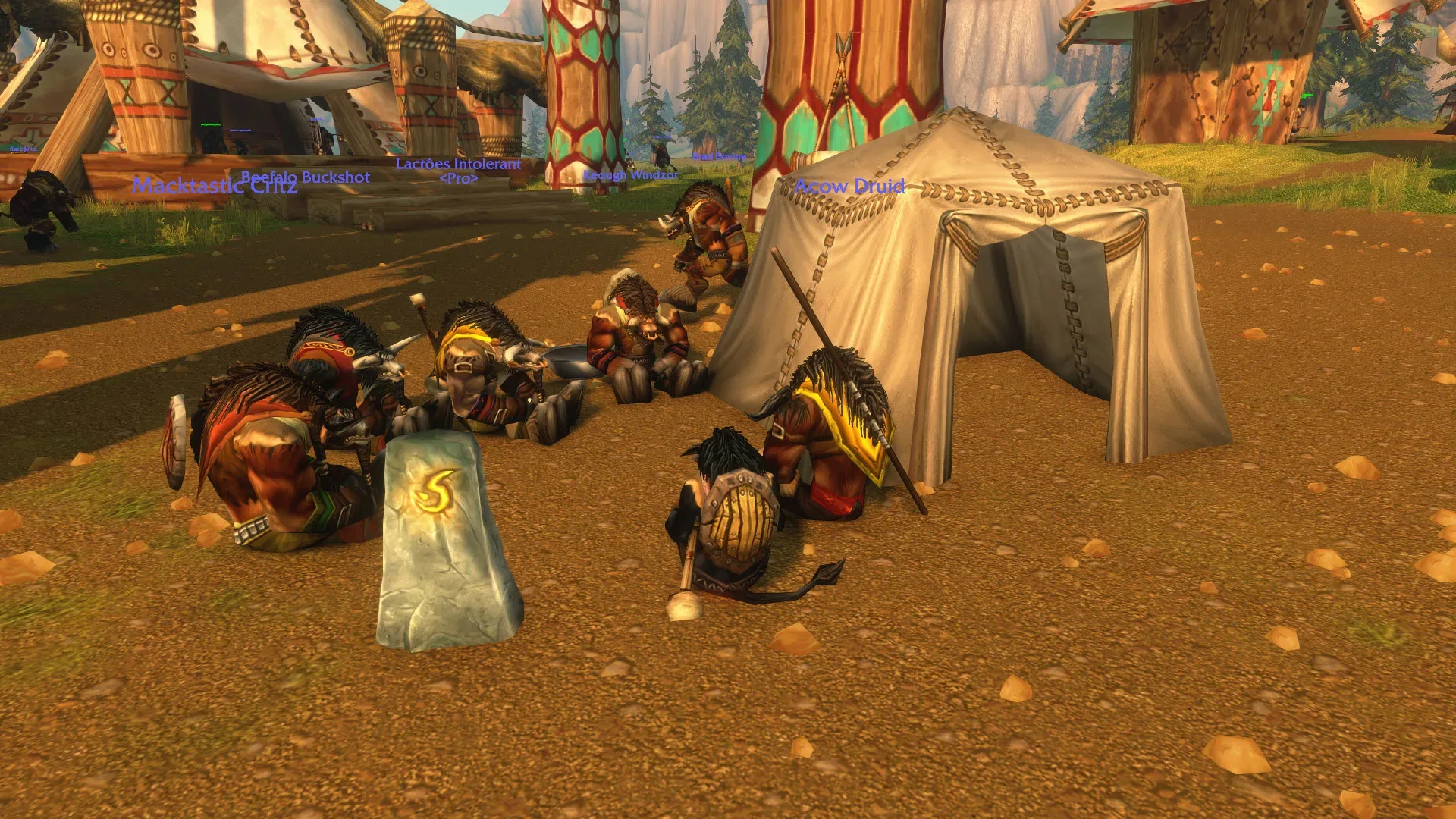
Campfires appear to be another small but meaningful addition. A campfire is not compelling on its own, but it creates a recognizable place to pause. When players gather around one, its function is partly mechanical and partly social: it marks a moment when people can chat instead of sprinting toward the next waypoint. The reported result is less a tightly coordinated group than a looser, roadside form of company.
Then there are the accidents that only a busy online world supplies. Forever uses layering, a system that places players into parallel versions of the same zone to help manage population. In simple terms, it aims to avoid every player crowding into one physically overloaded copy of a location while retaining the sense that the realm is inhabited.
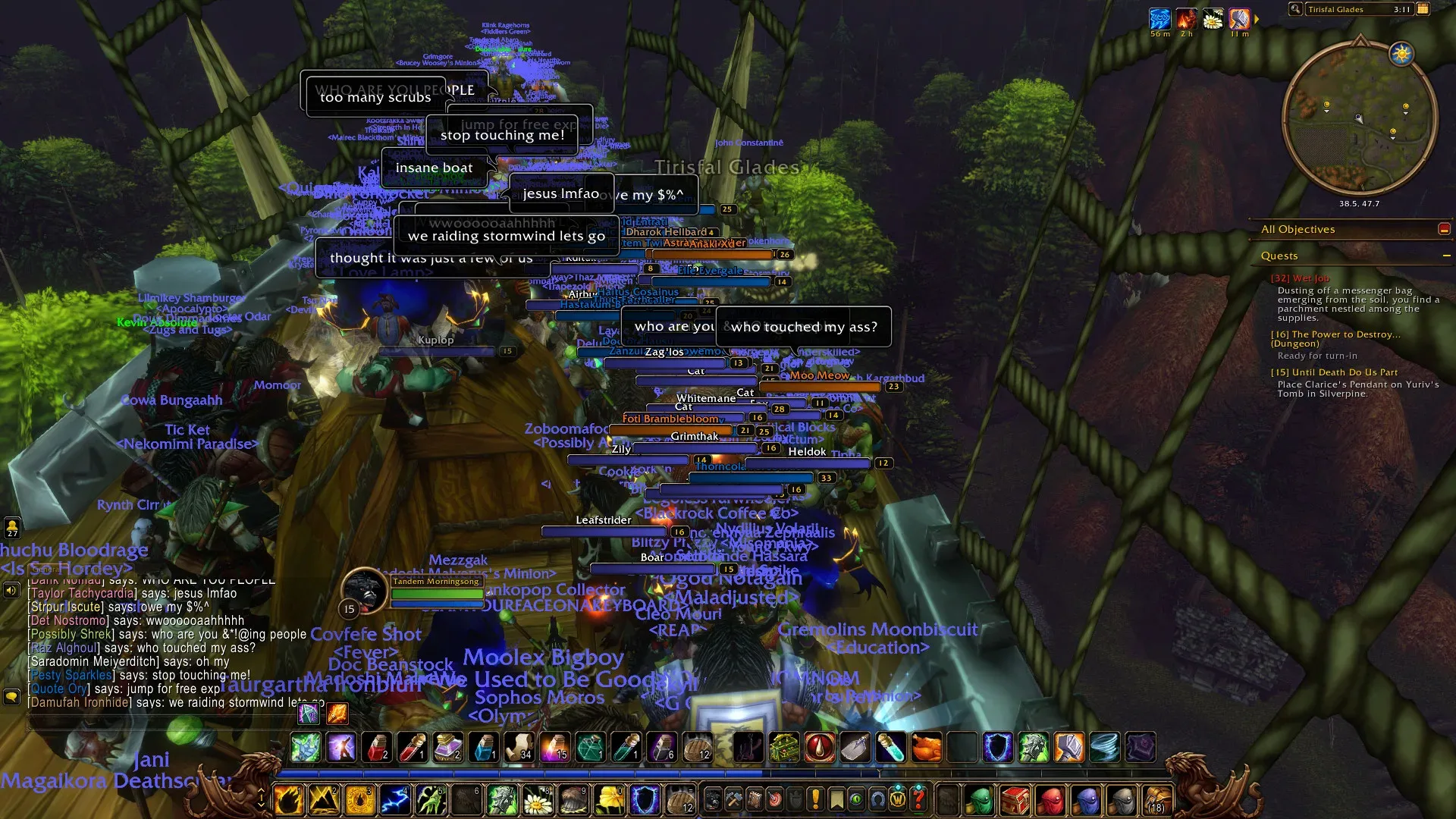
Layering can sometimes misbehave in spectacular ways. One zeppelin arrival reportedly led to something like 200 characters pouring into Undercity at once, provoking comic panic among those already there. That is technically a hiccup, not a feature to demand. But it also illustrates the upside of a world that remains visibly populated: even its oddities can become shared events instead of private errors.
A morning fishing session produced an even smaller example. A simple “Good morning” in zone chat developed into a lengthy conversation among three people, eventually including absurd invented stories about a warlock named Daniel. No quest designer can reliably script that outcome. The game’s role is to provide the pauses, public channels and local activity that allow it to happen.
Classic pacing with deliberate new touches
Forever’s relationship with Classic is important. The early experience remains recognizably rooted in older World of Warcraft habits: distant trainers, transport routes, slow travel, corpse runs, gradual leveling and a world where the player’s path is not frictionless. The Skyborne starting island was experienced in beta and judged fine, if more modern-feeling than the rest of the desired atmosphere. New quests have appeared in the mix, including the torch and sleeping-bag errands, while new dungeons, raids and the Riverlands still await at higher progression.
What seems different is the framing. Classic-era slowness can be read as a consequence of an earlier moment in MMO design, before many systems were streamlined. Forever’s additions make a case that a slower pace can be selected rather than merely inherited. Extra low-stakes objectives, campfire gathering points, a world packed with people through layering, and updated lighting all point toward a more deliberate “stay awhile” approach.
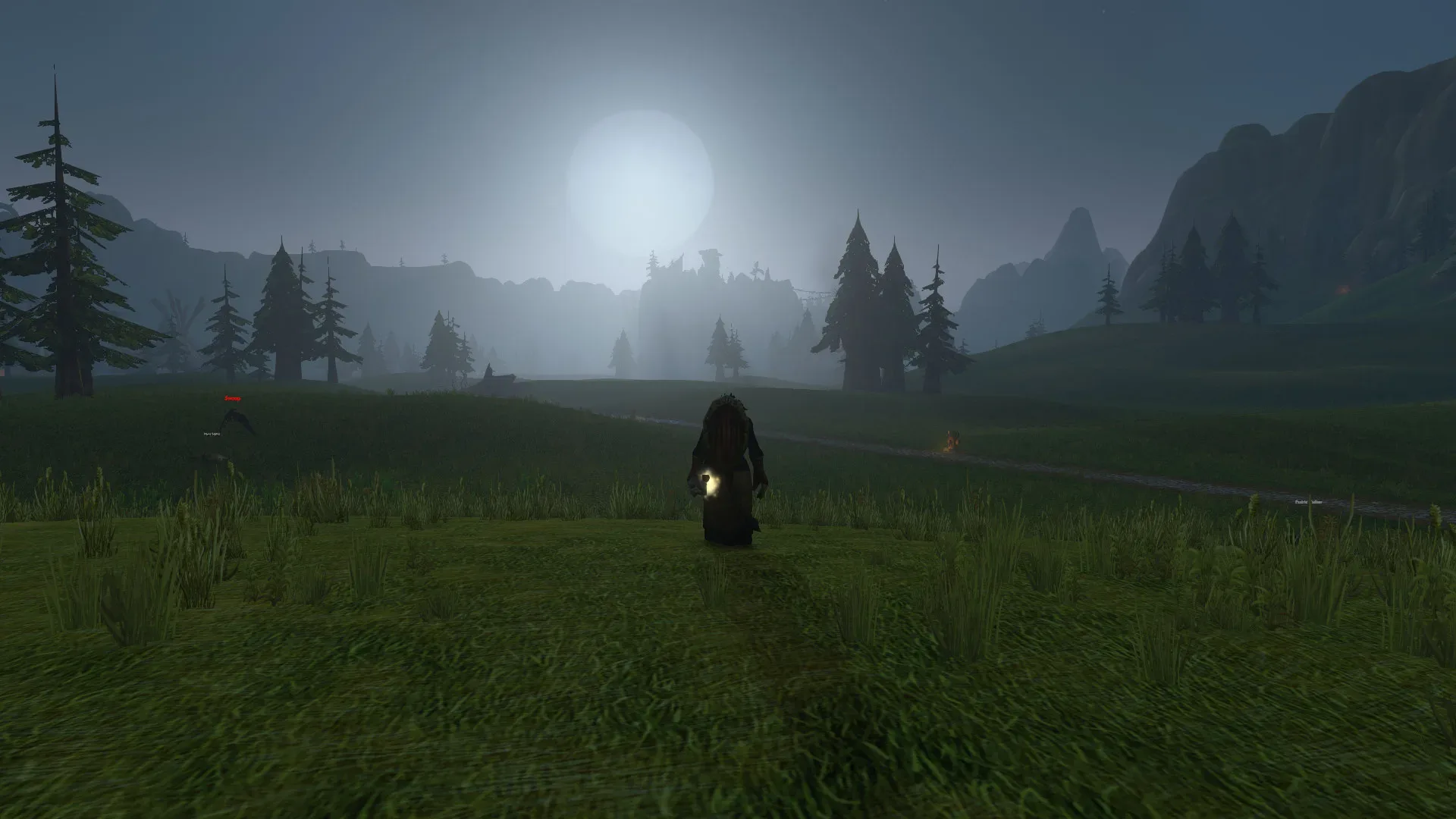
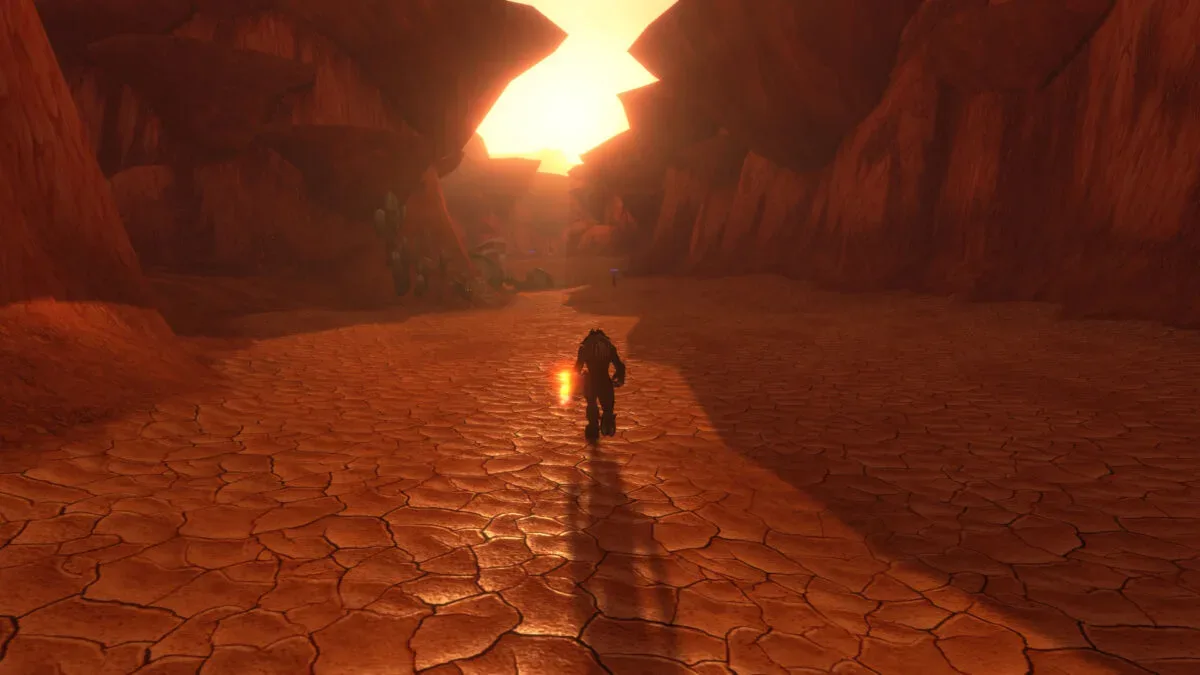
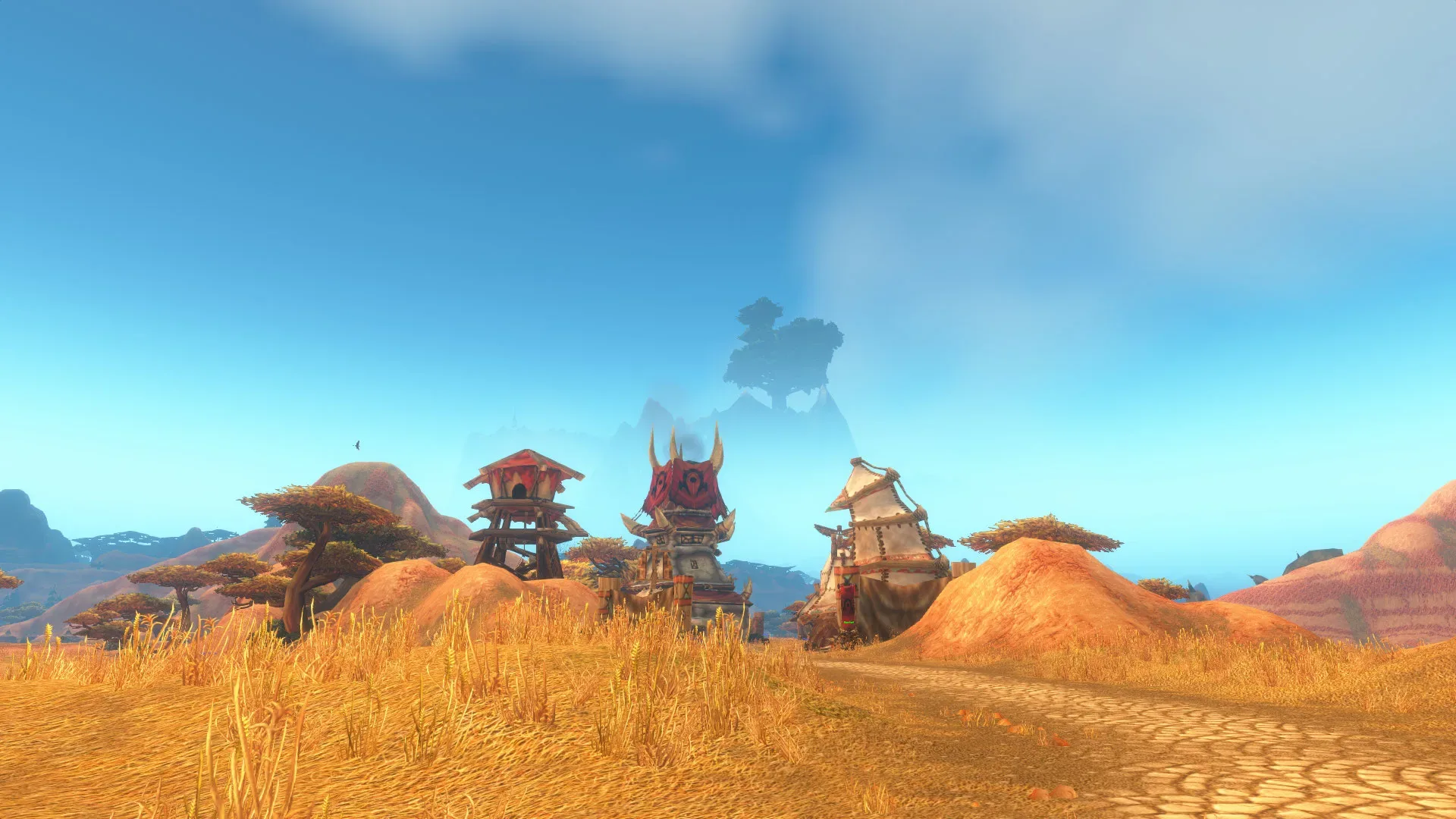
The lighting deserves attention because environmental presentation supports the same philosophy. While traveling, the view can reveal misty Mt. Hyjal in the distance, and sunlight shifting through trees and fog over plains and swamps. These are not progression rewards in the usual sense. They are observations a player only gets to make because the route takes time. A faster system might be convenient, but convenience can also remove the moments in which a place becomes a place rather than a loading screen between objectives.
There is a useful broader reading of this approach in this discussion of why the long road can become the point. The essential argument is not that wasted time is secretly productive. It is that a multiplayer world can turn unoptimized time into the setting for small acts of generosity, comedy and observation.
Who this pace may suit—and who it may not
Players expecting immediate access to new endgame activities should set their expectations carefully. At this pace, the new raids are described as months away, and even reaching the Riverlands requires more leveling. The early experience has been about modest errands and open-world routines rather than dungeon progression or raid preparation. Anyone looking chiefly for the fastest route to advanced content may find that deliberate delay frustrating.
Likewise, the game’s charm does not erase the cost of its systems. Rare drops can remain rare. Long journeys stay long. A badly timed death still means a run back. A class trainer on another continent is still a trainer on another continent. Social encounters cannot be scheduled, and a crowded layer is not a substitute for a player who simply wants to complete a task efficiently.
For others, these limits may be exactly the attraction. A task list can fill up with quests to turn in, skills to learn, profession trainers to visit, banking to do, a sleeping-bag scavenger hunt to finish and dungeons to run. Yet it can feel different from a real-world chores list because each detour may contain an unplanned conversation or a scenic route. Progress remains present, but it no longer has to outrank every other reason to log in.
A slower game can still be an active game
The key word is not nostalgia. It is attention. Forever’s early hours suggest a game asking players to pay attention to the trip, the weather, the distance between cities, and the people beside them. It creates circumstances where waving at passersby, sitting near a fire or helping with a troublesome quest is a reasonable use of time rather than a failure to optimize.
That is a difficult balance to maintain. Slow systems need enough human activity around them to feel lived in, and enough intentional detail that the player can distinguish a meaningful pause from empty padding. The early evidence is encouraging rather than definitive: 25 hours are enough to establish an atmosphere, not enough to judge every dungeon, raid or high-level zone still unseen.
Still, the atmosphere is unusually clear. World of Warcraft: Forever appears to understand that an MMORPG is not only a sequence of rewards. It is also a place where a pointless torch can justify an entire evening, where a failed attempt becomes a group project, and where saying hello while fishing can somehow lead to a legend about a warlock called Daniel. For players hungry for a virtual world that permits blissful boredom instead of constantly correcting it, that may be a far more meaningful reward than the torch itself.