World of Warcraft Forever has its first level-60 characters only three days after launch. Team JokerD, led by streamer JokerD, reached the cap ahead of the wider field, turning a game mode built around taking time to explore into the latest proof that determined players will always find the fast lane.
The result is particularly notable because Forever’s stated ethos places real weight on leveling rather than treating it purely as a hurdle before endgame activities. The early world-first race has nevertheless followed a familiar massively multiplayer online game pattern: coordinated players, a carefully chosen group composition, efficient combat routing, and minimal pauses between fights can compress a long progression journey dramatically.
JokerD is no newcomer to that kind of challenge. He was also the first player in the world to reach level 60 in World of Warcraft Classic in 2019. That history did not make the Forever race automatic, but it does establish why his team entered it with considerable attention and why an early lead carried weight.
An Undead-heavy group found a practical advantage
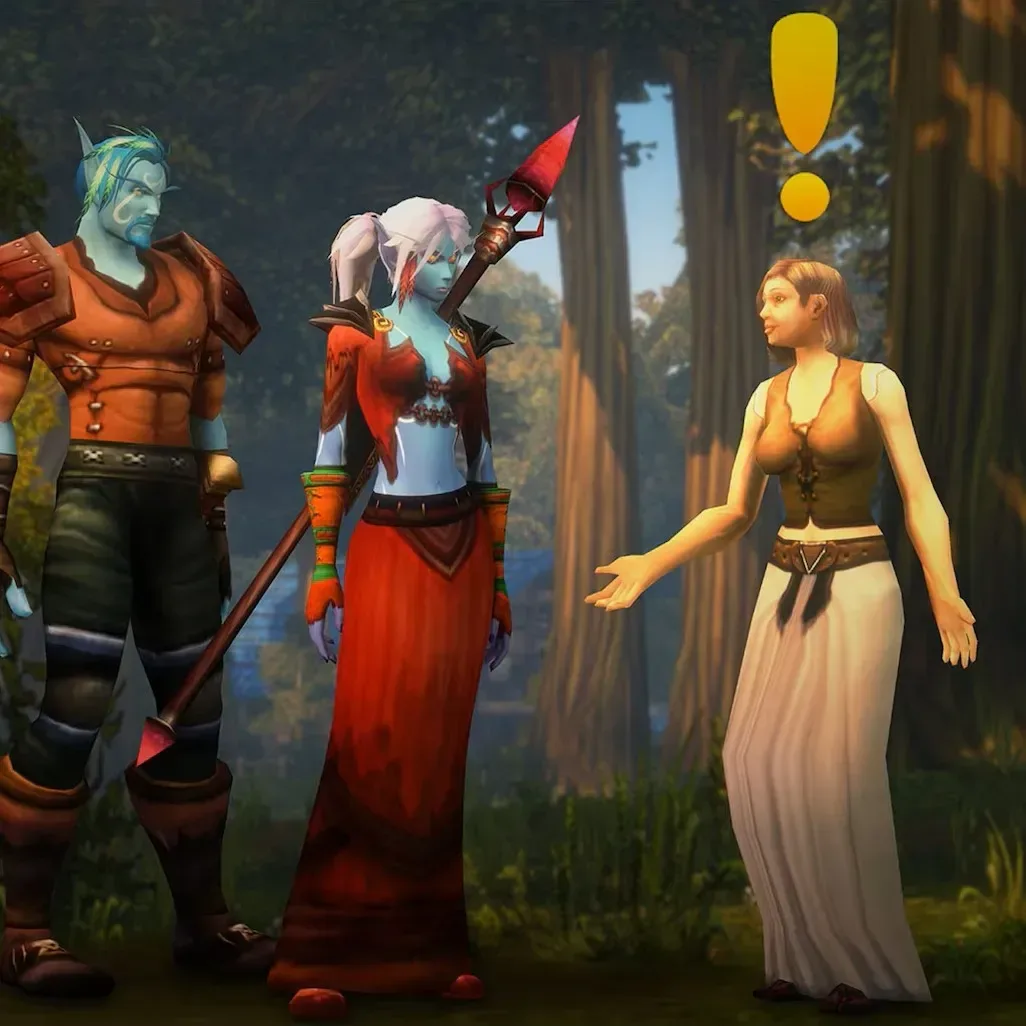
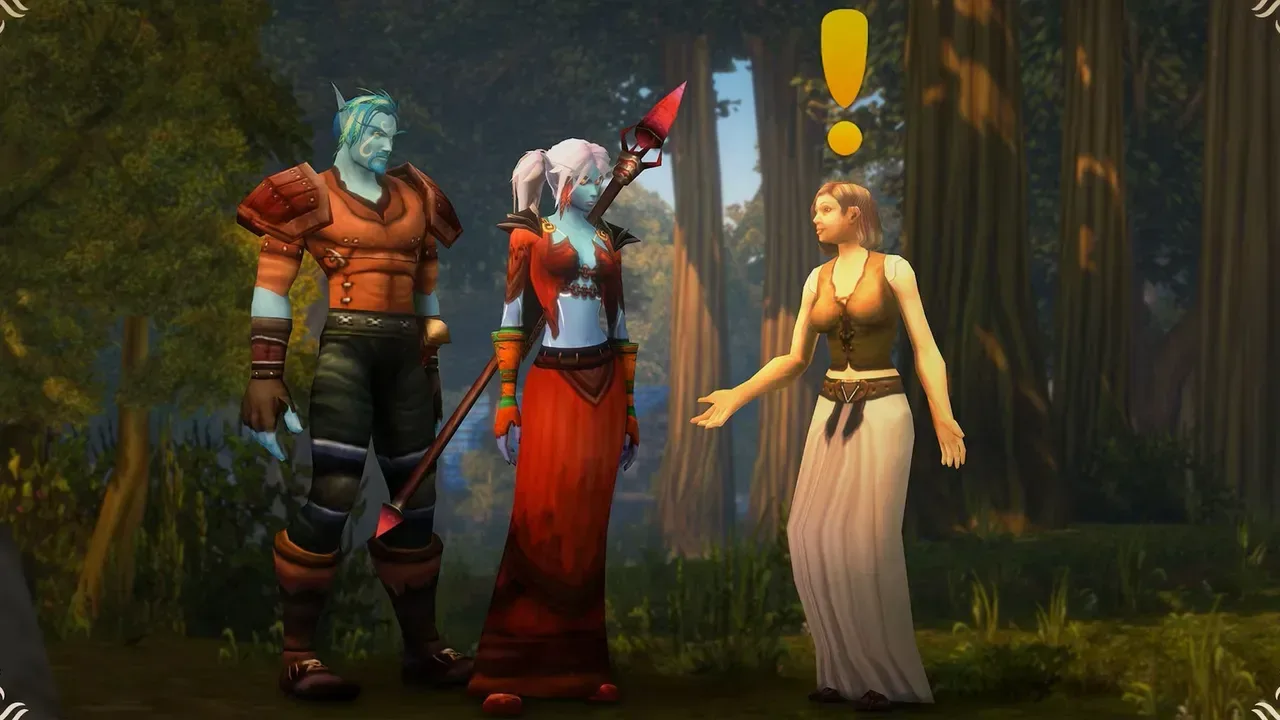
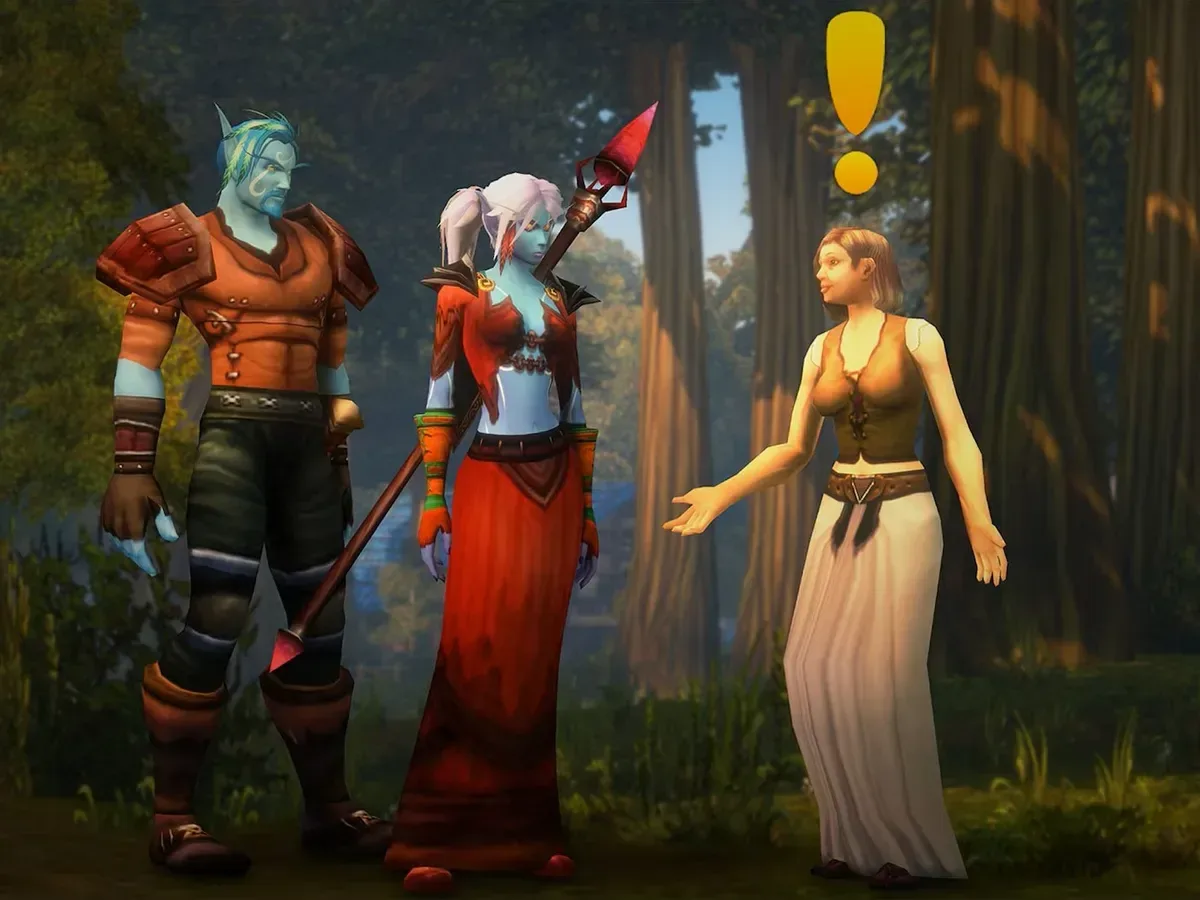
Team JokerD’s lineup consisted entirely of Undead characters except for one Troll. That racial makeup was not merely a visual theme. Forever changes the Undead racial ability Cannibalize so that it helps restore mana, creating a useful advantage for a group repeatedly fighting large packs of enemies.
Mana is a resource used for many spells and abilities. When mana-dependent characters run low, they often need to slow down, pause, or use recovery tools before committing to another demanding encounter. In a leveling race, those breaks matter. A group that can restore resources while maintaining its route effectively converts less time into downtime and more time into earned experience.
That interaction appears to have been central to the team’s method. The group gathered large clusters of enemies, then eliminated them with area-of-effect, or AoE, abilities. AoE refers to attacks that damage multiple targets within an area rather than focusing on a single enemy. It is a high-efficiency approach when a group can safely control a large pull, but it also brings risk: more opponents means more incoming damage, more opportunities for mistakes, and more pressure on players to execute their roles cleanly.
The altered Cannibalize function helped make those large pulls more repeatable. Rather than treating the racial ability as a niche convenience, the team appears to have incorporated it into a wider leveling engine: pull many enemies, clear them with AoE, recover mana efficiently, and move straight into the next opportunity. The key is not any one button in isolation, but the reduction of interruptions across many hours of play.
What the early lead says about the race
Competition existed, but Team JokerD maintained a sizeable lead through the race. At the time reflected by the available standings, the highest-level character outside JokerD’s team was Ksuper Worldfirst at level 53. With level 60 as the cap, that gap underlines how quickly the winning group separated itself from other early contenders.
Related coverage includes World of Warcraft Forever's First Level 60 Arrives Just Three Days After Launch.
It is worth distinguishing a level-cap race from a complete measure of a game’s content. Reaching 60 is a clear, visible milestone, and it rewards execution under time pressure. It does not mean a player has seen every quest path, explored every zone in depth, built every character type, or exhausted the activities Forever intends to support. In fact, Forever’s design direction makes that distinction especially important.
Leveling is presented as a major part of the experience, and the game’s design leadership has emphasized that players are expected to level multiple characters. That framing gives the rush to 60 an interesting tension. The world-first accomplishment is legitimate as a race result, but it represents one way through the game rather than the only intended way to engage with it.
For players watching the spectacle, the lesson is not necessarily that an Undead group is the mandatory answer to every leveling session. High-speed strategies tend to depend on communication, route knowledge, group roles, comfort with dangerous pulls, and the ability to sustain a lengthy pace. A coordinated team can use an advantage far more effectively than an unplanned group copying the outer shape of the strategy.
Why “downtime” became the real enemy
In this context, downtime means periods when a player is not converting their activity into forward progress: waiting for mana, recovering after a difficult fight, traveling inefficiently, or breaking the rhythm of a route. It is not always avoidable, and it is not automatically bad in ordinary play. In a race, however, reducing downtime is often as important as increasing damage.
Forever’s Cannibalize change mattered because it addressed that constraint directly. If mana recovery comes more easily after a huge AoE engagement, the group can preserve momentum. The practical implication is that racial abilities can influence more than isolated combat moments when a mode’s systems turn them into reliable recovery tools.
That does not settle the broader balance question. One winning team’s composition is evidence that the interaction is powerful in this particular early race, not definitive proof that every other combination is uncompetitive in all forms of play. Raids, smaller groups, solo leveling, different class mixes, and less aggressive pulls can all put a different value on the same ability.
Level 60 arrives before Forever’s first raids
The more immediate wrinkle is what comes next. The first raids—Barrow Deeps, Hyjal Summit, and Onyxia’s Lair—are not scheduled to open until December 9. That leaves early level-60 players in a position that is unusual for a game encouraging a more deliberate journey: they have completed the visible leveling race while the first major raid destinations remain unavailable.
Raids are large-scale group activities generally designed around coordinated encounters and endgame progression. Their delayed opening means the first characters to hit the cap may have less immediately available group progression than they would in a version where every endgame activity launches at once. The delay also makes the world-first story feel less like a finish line than an early checkpoint.
For cap-level players, the stated multi-character focus offers an obvious path: begin another character and take a different route through the world. That could mean choosing a different race, experimenting with another class or party role, or simply avoiding the optimized route used during the initial sprint. It is a practical way to keep playing without pretending that the first raids are already open.
For everyone else, the raid schedule removes some urgency from the level-60 race. Players who prefer questing, exploration, social play, or a steadier pace are not necessarily falling behind a raid-ready deadline this week. Team JokerD’s result can be admired as a highly specialized achievement without becoming a timetable for the entire player base.
A smooth start under unusually large infrastructure
Forever’s launch was also reported to be largely free of major server problems. For an MMO launch, stability is not a minor detail: login queues, disconnects, overloaded zones, and inconsistent performance can reshape both an ordinary player’s first session and the integrity of a time-sensitive race.
Blizzard later highlighted that the game was running on more than 200TB of RAM. RAM, or random-access memory, is fast working memory used by computing systems to keep active data readily available. The reported figure speaks to substantial infrastructure supporting the launch, though it does not by itself explain every aspect of server performance. Stable service is the player-facing outcome; the memory total is one indication of the scale behind it.
That smooth opening gave speedrunners a cleaner environment for the first sprint to 60 and gave the larger community a more reliable chance to start their own journeys. In a game where leveling is positioned as core content, avoiding early technical disruption matters beyond the headline race.
The fast lane and the long road can coexist
Team JokerD’s first-place finish captures the inevitable competitive side of World of Warcraft Forever. Players will optimize. They will identify system interactions, build group strategies around them, and see how quickly the cap can fall. An Undead-heavy AoE group with mana recovery is now part of the early story of Forever.
But the timing of the raid rollout and the emphasis on multiple characters point toward a broader rhythm. There is room for a carefully planned world-first push, and there is also room for players who want to move through the game at their own speed. The first level-60 team has won the opening sprint. The longer question is how Forever’s community uses the period before Barrow Deeps, Hyjal Summit, and Onyxia’s Lair become available.
Players looking for another perspective on how games reward replayability and distinct design choices can also browse our ranking of SNES action games built around combat variety and replay value.