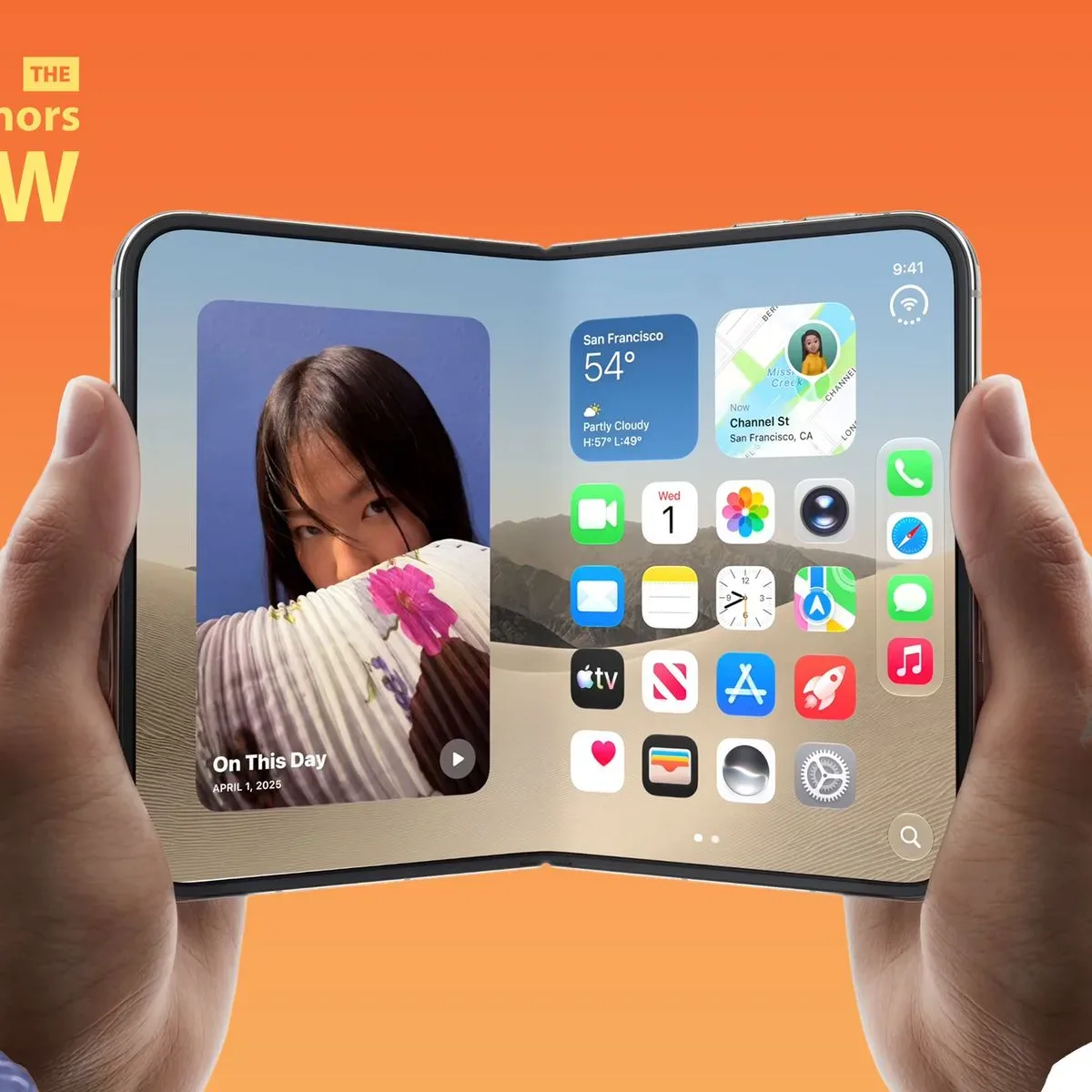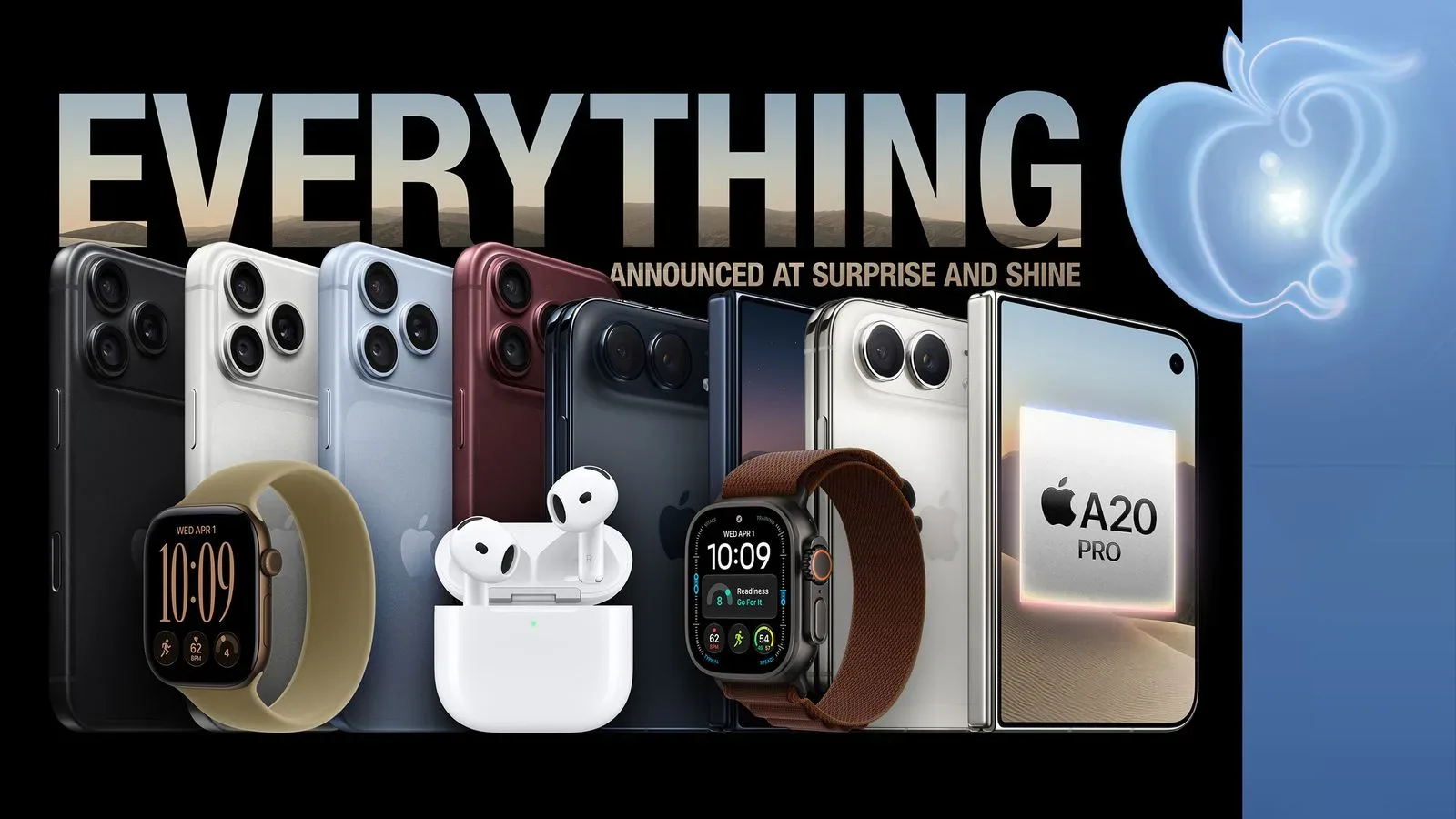
A foldable phone is the sort of gadget that makes every feature list feel like a character select screen: one option promises a dramatic new ability, while the other has years of familiar muscle memory on its side. The iPhone Duo is now being framed in exactly those terms. Its inner folding display could make watching video, reading, consulting documents and moving among several apps substantially more comfortable—especially while travelling. Yet the same discussion points to the costs of that flexibility: price, weight, thickness, camera compromises and the everyday reality of handling a wider device.
That makes the important question less “is the foldable display impressive?” and more “does it solve a problem that a particular person has often enough?” A larger screen can be genuinely useful without being universally necessary. For somebody who mainly takes pictures, messages friends and scrolls social feeds, the iPhone Duo’s central attraction may spend much of the day folded away. For somebody who regularly juggles itineraries, reference material, video and several open apps from airports, hotels or trains, the same hardware could change what they choose to pack.
The distinction matters because foldables do not merely ask buyers to pay for a bigger display. They ask them to accept a different physical object and a different set of trade-offs. The current conversation around the iPhone Duo makes that unusually clear.
A travel device, not automatically an everyday essential
The strongest case for the Duo is practical screen space. Video has more room to breathe. Long documents can be read without feeling so constrained. Reference material can stay visible while another app is in use. That last point is the key difference between a display that is simply larger and one that changes a workflow: multitasking means working across more than one application or piece of information rather than repeatedly closing, reopening and switching among them.
On the move, that can have real value. A traveller may want to keep a booking, map, message thread or document visible while checking something else. The attraction is not that a foldable turns a phone into a full computer; nothing in the discussion establishes that. It is that the extra room could reduce the friction of small, recurring jobs that are awkward on a conventional phone.
There is also a potential packing argument. The Duo could replace an iPad on some trips. That wording deserves emphasis. Replacement is not a blanket claim that every iPad task is covered, nor that every owner would prefer the phone’s wider form. It is a situational decision: if the intended tablet use is primarily media, reading, documents and app-to-app reference work, carrying one foldable device instead of separate phone and tablet hardware may be appealing.
For gaming-minded readers, the same logic is easy to recognize without assuming any unconfirmed gaming features. A larger display is useful only when it improves what a person already does. Screen real estate is a benefit for information-dense interfaces, streamed video, reading and simultaneous apps; it is not automatically a reason to replace a familiar phone. Hardware hype can make novelty feel like a need, but routines eventually decide whether a new form factor remains in a pocket or becomes a very expensive conversation piece.
The inventory-check test
A sensible way to assess the iPhone Duo is to review a normal week, rather than imagine an unusually productive flight. Buyers should ask:
- Do I frequently read lengthy material on my phone?
- Do I often need a document, booking, reference page or message visible while using another app?
- Would I actually leave a tablet at home on trips if this device were available?
- Will I tolerate more weight and thickness every day for those occasional larger-screen moments?
- Are photography and effortless one-handed use more important to me than expanded workspace?
The first three answers identify whether the expanded display has a job. The final two identify whether its costs are likely to become irritating. It is a more grounded approach than treating every new device category as an automatic upgrade path.
The display debate is about more than the crease
Discussion of the inner screen has centered on sharpness, colour saturation and crease visibility. These are separate issues, and separating them makes the criticism easier to understand.
Sharpness refers to how crisp text, interface elements and imagery appear. It matters particularly for reading and detailed visual work, which are among the main reasons someone might want the wider panel in the first place. Colour saturation describes the intensity of colours. A more saturated image may look vivid, while a different tuning can appear more restrained; neither description alone tells a buyer which presentation they will prefer. Crease visibility concerns the fold line in the panel, which can be distracting depending on lighting, viewing angle and personal sensitivity.
The iPhone Duo’s nano-texture finish adds another layer. Nano-texture is being discussed as a treatment that reduces glare while attempting to retain the look of a glossy display. Glare reduction is an obvious advantage in bright conditions, particularly for travel and video, but the surface treatment creates a balance rather than a free upgrade. The conversation specifically notes that photos and online video can give a different impression from hands-on viewing. That does not settle the display criticism either way; it is a reminder that reflection, camera exposure and compression can alter how a screen looks remotely.
Practical implication: display preference should be assessed in person when possible, particularly for a device whose main selling point is its inner panel. A buyer bothered by a visible crease, a certain colour presentation or a less-glossy appearance may not be reassured by specifications alone. Conversely, someone primarily concerned with glare might value the finish more highly than photographs suggest.
The physical compromises are the actual boss fight
Price, weight and thickness are not footnotes to the Duo proposition. They are the terms of the deal. A foldable can be opened for a larger canvas, but it must also be carried while shut, held for messages and photos, slipped into a pocket or bag, and used in the quick one-handed moments that dominate phone ownership.
The wider format raises a clear ergonomics issue: how comfortably can it be used one-handed? Ergonomics is simply the fit between a product’s physical design and the way people use it. It includes reach, grip, balance and the effort required to perform common actions. The concern is not esoteric. Sending a short reply, checking a notification or snapping a photo often happens while the other hand is occupied.
Camera trade-offs are equally important for anyone whose phone is first and foremost a camera. The available discussion does not quantify those trade-offs, so it would be wrong to turn them into a specification verdict. But their presence in the choice is enough to establish the broader point: the iPhone Duo may be designed around a priority different from that of a conventional camera-focused phone. Buyers should decide which priority matches their own use before assuming the largest screen is automatically the most premium experience.
Biometrics form another adjustment. Moving from Face ID to Touch ID changes the way a user unlocks and authorizes actions. Face ID uses facial recognition; Touch ID uses fingerprint recognition. Neither is presented here as inherently superior, but a transition between them is not invisible. People build quick habits around authentication, and a different physical form factor can make an old preference matter more than expected.
AirPods 5 may be the quieter, more broadly useful upgrade
While the foldable debate naturally draws attention, AirPods 5 may be the more immediately compelling item for a much larger group. Early use, including a flight, has prompted a positive view of their fit and improved active noise cancellation. That combination is particularly relevant for people who find AirPods Pro’s silicone tips uncomfortable or difficult to use.
Active noise cancellation, often shortened to ANC, is the technology intended to reduce perceived outside sound through audio processing. For a flight, the value proposition is straightforward: less intrusive cabin noise can make music, dialogue or other audio easier to hear. The supplied discussion does not provide comparative measurements, so the responsible takeaway is not a declaration of category-leading performance. It is that improved ANC and a different fit may make AirPods 5 a notable alternative for users underserved by silicone-tipped models.
Sound tuning also deserves a more measured response than “too bass-heavy” or “perfect.” The iOS 27 equalizer is highlighted as a way to adjust a profile that initially seems to emphasize bass too much. An equalizer is a control for adjusting parts of the audio frequency range, allowing listeners to alter the balance of low, middle and high frequencies. It cannot make every listener want the same sound, but it can make a flexible sound profile easier to live with.
The remaining value question concerns the higher-end AirPods 5 model. The discussion considers whether the extra cost is worthwhile, but it does not supply a universal answer. That restraint is appropriate. Fit, need for noise reduction and taste in sound are unusually personal. If a listener has struggled with silicone tips, the non-specification issue of comfort could carry more weight than an incremental feature checklist.
Apple Watch Series 12: useful information versus sufficient information
The Apple Watch Series 12 and its redesigned Health app present a different kind of upgrade calculation. This year’s health additions are characterized as more substantial after several comparatively modest generations, with clearer presentation of health data and new longevity information intended to make collected metrics more useful.
The significant phrase is “make collected metrics more useful.” Wearables can gather data, but data is not automatically understanding. Better presentation can help an owner interpret information instead of merely accumulating charts. The new longevity information is part of that attempt to turn the Health app into something more actionable or legible, although the details and limits of those features are not established here.
For owners of older watches, the question is therefore not simply whether Series 12 has new health functions. It is whether their present device already covers basic fitness and sleep tracking satisfactorily. If it does, the improvement in presentation and additional longevity information may be welcome but not necessarily decisive. If an owner feels their current metrics are difficult to interpret or their watch is no longer meeting their broader needs, the same changes could carry more weight.
This is the recurring theme across the latest Apple discussion: the best upgrade case is individual. A device can improve a task without making its predecessor inadequate.
iPhone 18 Pro: small changes can still shape the appeal
The iPhone 18 Pro conversation returns to a variable-aperture camera, a smaller Dynamic Island and new Photographic Styles. A variable aperture is a camera capability that changes the opening through which light enters the lens. The potential importance is clear from the term itself: altering that opening can influence photographic results. But how noticeable this will be in normal use remains an open question in the discussion, not a settled promise.
The smaller Dynamic Island is another refinement whose daily impact may differ from person to person. Meanwhile, the new film-inspired Photographic Styles may be as attractive as the camera-hardware change. This is a useful counterweight to the usual upgrade rhetoric. People often notice the look and feel of the images they make more immediately than a technical change whose benefits appear only under certain conditions.
Owners of recent Pro phones should be especially careful about treating a new model as mandatory. The current question is whether there is enough reason to move from a recent Pro device, and the answer depends on how much the owner values the new styles, altered camera system and smaller interface cutout. A discounted iPhone 17 Pro may offer better value for buyers who want a Pro-class phone without needing every newest refinement.
That kind of price-to-benefit calculation is worth remembering across gaming hardware, too. As seen when legacy projects find new ways to be experienced—such as the VR adaptation planned for Metal Gear Solid 2’s Tanker chapter—new form factors can be exciting, but excitement and necessity are not the same thing. The most valuable hardware is usually the hardware that changes what its owner can comfortably do, not merely the hardware with the most novel silhouette.
The iPhone Duo is consequently not best understood as a conventional iPhone with a bonus screen. It is a wager that a larger workspace, available when needed, outweighs a bulkier and potentially more compromised daily carry. AirPods 5, Apple Watch Series 12 and iPhone 18 Pro present more familiar versions of the same decision: identify the friction in your existing setup, then judge whether the new feature actually removes it. That may be less thrilling than buying every shiny power-up, but it is how upgrades avoid becoming clutter.