There is a special kind of videogame misery reserved for the moment after a difficult boss finally falls: the player knows the fight, has earned the win, watches the scene begin to transition—and then lands on the Xbox home screen instead of in the next chapter.
That is the reported fate awaiting some players after the Bakir boss battle in The Blood of Dawnwalker. One account describes clearing the encounter 13 times, only for the game to crash during a cutscene transition after choosing to bite the defeated boyar. The detail that turns an irritating technical problem into a full-on endurance test is the lack of an autosave after the battle. Every crash sends the player back into the arena.
It is an unusually clear illustration of a frustrating truth: skill can solve the game’s intended challenge, but it cannot necessarily solve a failure in the software’s progression path. No amount of perfect dodging, optimized abilities, or stubbornness can force a scene transition to complete when it repeatedly fails at the same point.
A boss fight learned too well
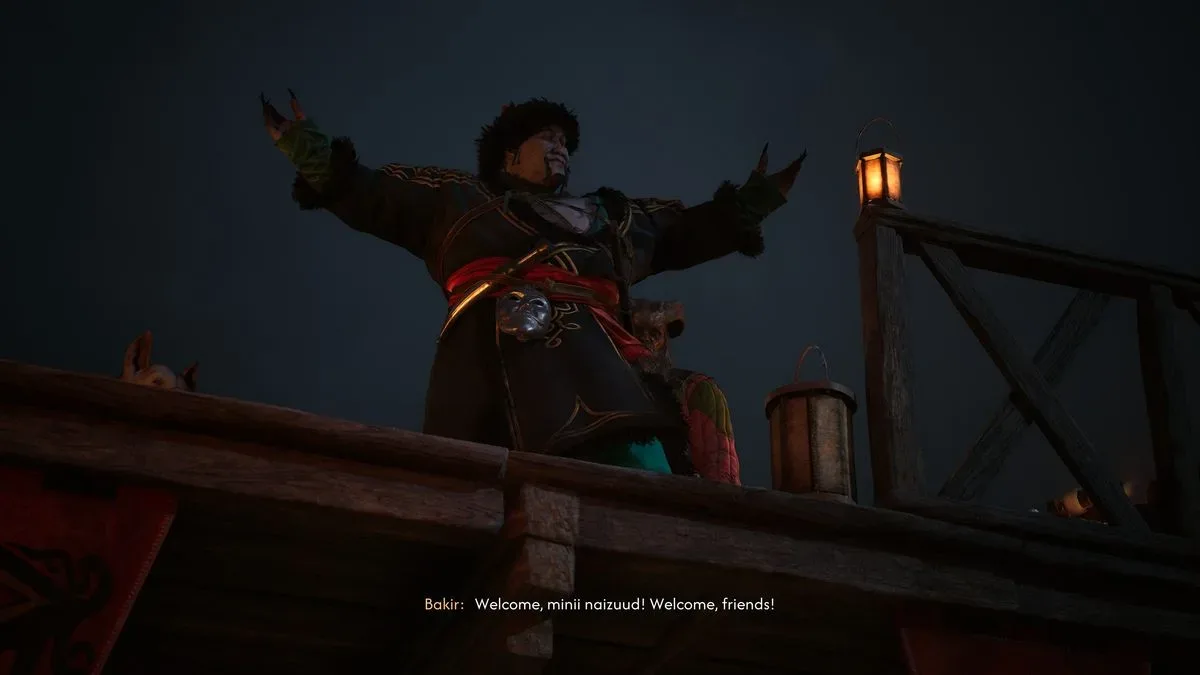
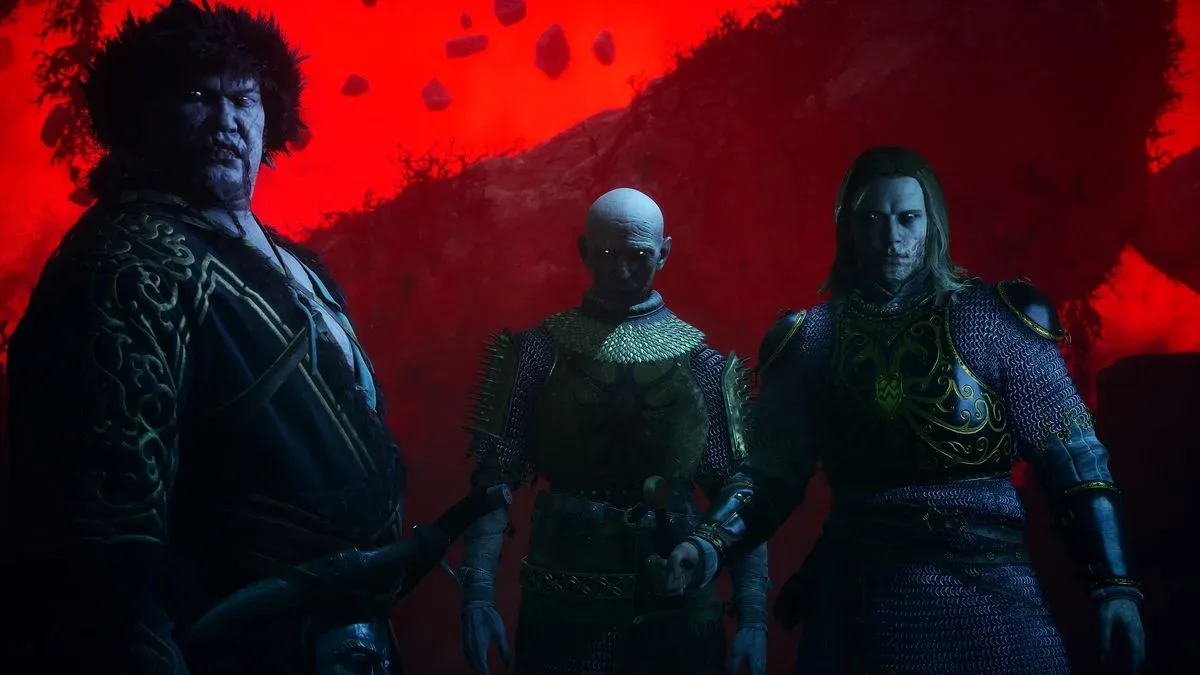
Bakir is not described as the game’s toughest opponent, but he is a highly structured one. The battle includes punches, heavy kicks, teleports, and spells with readable cues. The player reportedly goes into the confrontation without their normal equipment, a limitation that makes familiarity with those cues more important.
Several of Bakir’s attacks can be answered through timing and positioning. A ground-pound sends multiple shockwaves through the arena, while a blood-bird spell sees Bakir whistle and summon a group of projectiles that dive one by one. Once the pattern is understood, the response becomes routine: dodge at the last moment, keep an eye on spacing, and counter during openings.
The most dangerous phase arrives after two of Bakir’s three health segments are depleted. Rather than teleporting away, he can appear close to the player and unleash an area-of-effect attack. Area of effect, commonly shortened to AOE, means an attack that damages a zone rather than a single target. Here, the eruption can stun the player and leave them vulnerable to a lethal follow-up.
That attack can still be managed by staying at range in the final phase. The reported run found success with a combination of careful avoidance, shadowstepping behind Bakir during his vulnerable moments, and using the upgraded Blood Surge ability to remove substantial portions of his health. A quicksave after disposing of Bakir’s lackeys also reduced the punishment of losing the boss fight itself.
In other words, the encounter became solvable. It became repeatable. And that is exactly what made the crashes more punishing: each return to the fight was no longer a new tactical puzzle, but a forced replay of content already conquered.
Related coverage includes The Blood of Dawnwalker's Bakir Boss Crash Turns Victory Into a 13-Fight Loop.
The crash happens after the hard part
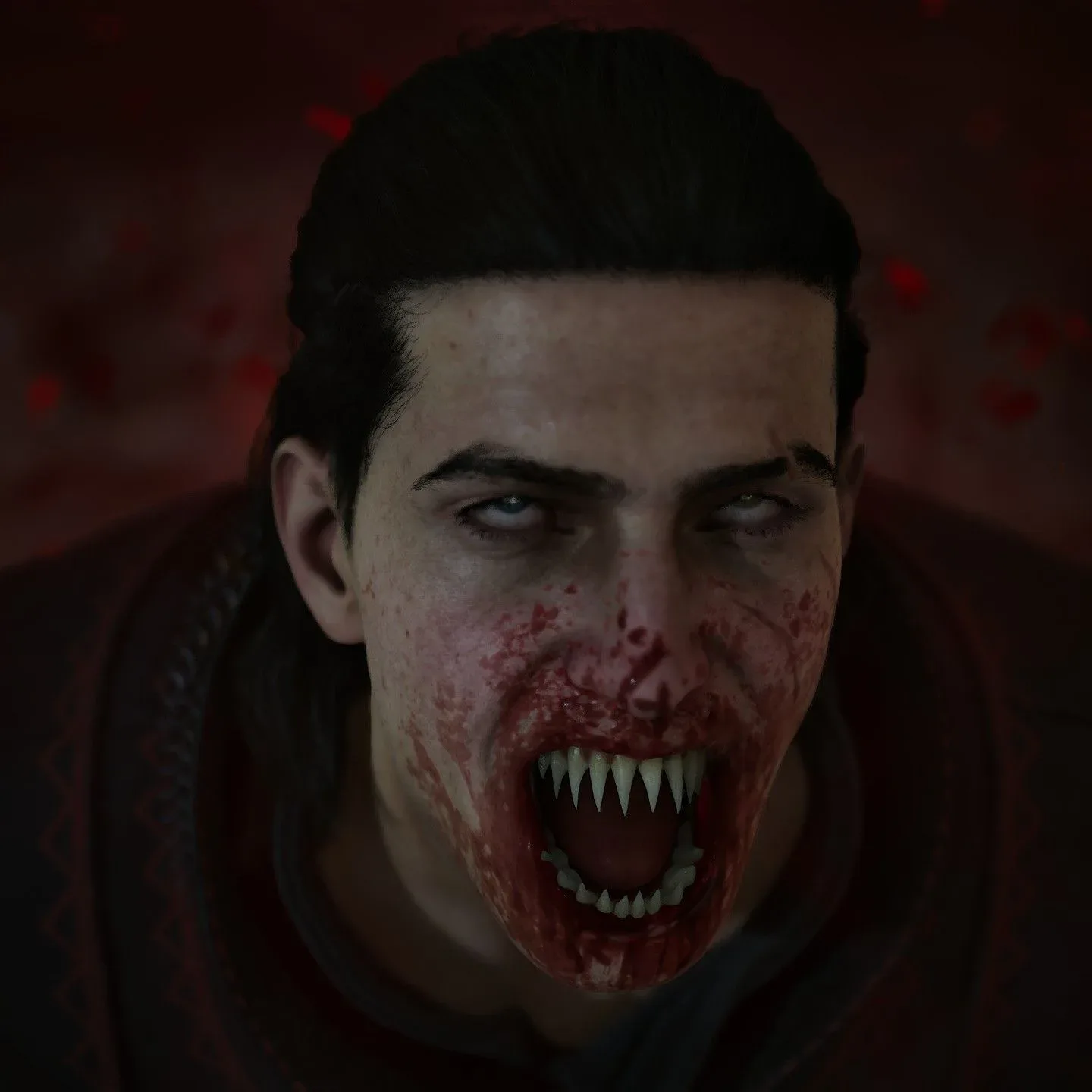
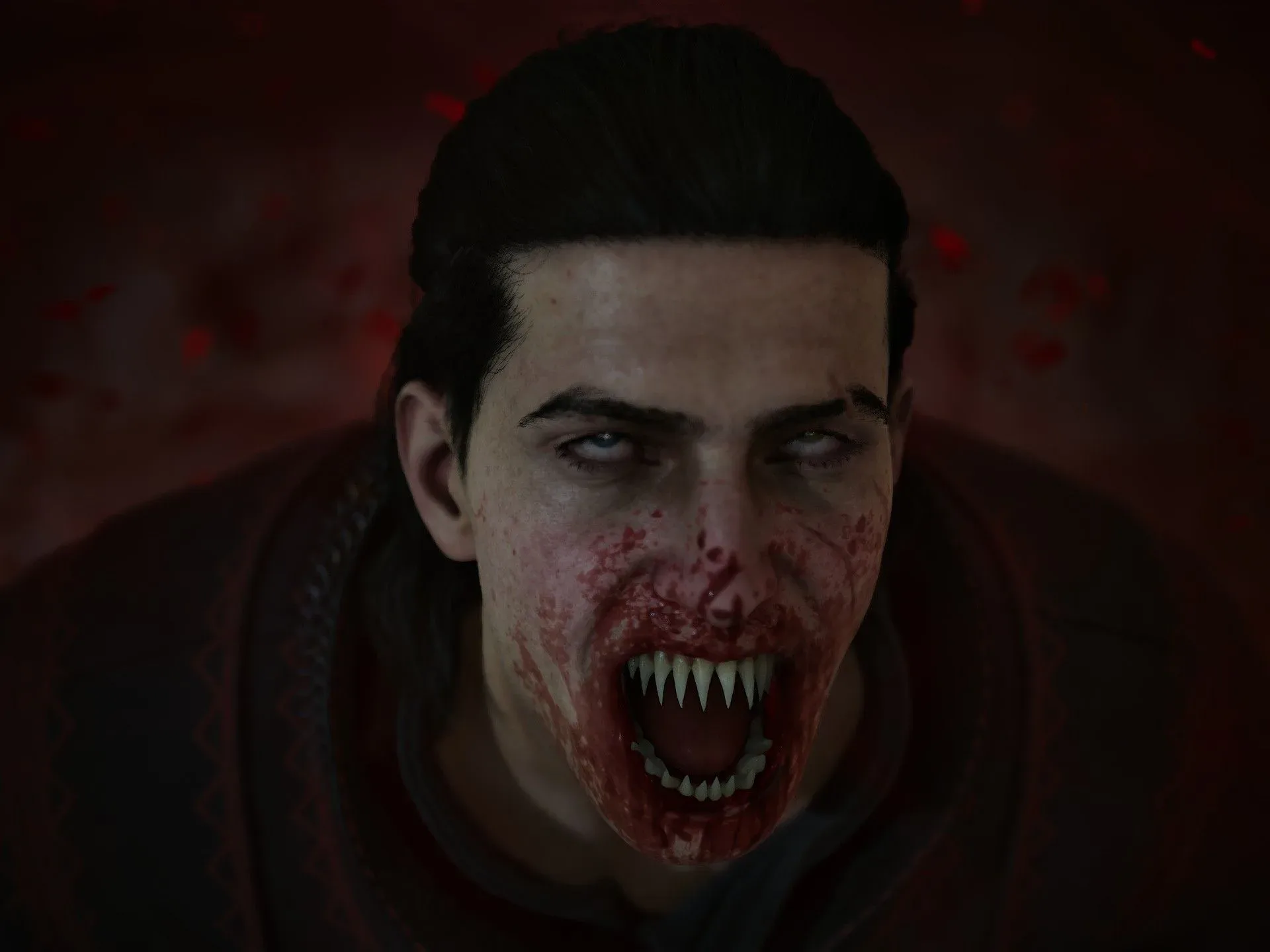
The crucial failure is reportedly tied to the transition at the end of the Lunar Games battle. After Bakir is defeated and the player chooses to bite him, a conversation sequence with the deceased is supposed to follow. Instead, the game can crash back to the console dashboard.
The account points to player reports identifying cutscene transitions around this fight as a trigger for critical shader-loading failures, while also noting broader crash complaints on PC and Xbox Series S. That does not establish that every crash has one cause, nor does it confirm a fix or a timetable for one. It does show why players should resist assuming a repeat failure is their own fault—or that replaying the same successful run will somehow alter a technical outcome.
Shaders are programs used to determine how graphics are rendered, including lighting, surfaces, and visual effects. A shader-loading failure is therefore not a mistake in combat execution. It is a technical problem that can occur as the game moves into a new scene, when it may need to prepare a different visual setup. The painful irony is that such a failure can strike precisely as gameplay gives way to its reward.
That distinction matters. A boss defeat typically delivers useful feedback: perhaps a dodge came too early, an AOE was misread, or a healing resource was wasted. A crash after a completed battle offers no equivalent lesson. The player can refine nothing about the victory that already happened.
A repeatable boss clear is proof that the player has solved the fight—not proof that the game will successfully load what comes next.
Why absent autosaves turn bugs into endurance trials
Autosaves are often invisible when they work, but they are central to how a game respects a player’s time. A manual quicksave before Bakir provides some protection from having to replay the earlier group encounter. It does not help if the game does not create a new checkpoint after the boss has been defeated and before a potentially unstable cinematic sequence begins.
A post-battle autosave would not necessarily prevent the crash. But it could prevent the worst consequence: turning every attempt at progression into another complete boss run. The difference is significant. Recovering to a save immediately before a cutscene lets players test whether another choice, a reload, or a future patch changes the result without demanding that they re-prove their combat ability.
This is also why technical reliability is part of encounter design, not a separate concern that exists only in menus and patch notes. A boss battle is not truly complete at the moment an enemy’s health reaches zero. It is complete when the game records the result, delivers its story consequences, and hands control back to the player. When the game fails between those steps, the emotional peak becomes a dead end.
There is a useful contrast in a recent discussion of player guidance: Marvel’s Wolverine’s patch options for scent-trail guidance focus on how much direction a player wants during play. The Bakir issue is more fundamental. Optional guidance changes the feel of navigation; a reliable checkpoint determines whether progress survives at all.
What players can reasonably take from this report
The immediate impulse after a crash is understandable: reload, try again, and hope the problem was a fluke. That is especially true after a close victory, when restarting feels easier than stepping away. But repetition has diminishing returns when the failure is consistent and occurs at the same scripted transition.
Based on this account, a practical approach is to separate what is under player control from what is not:
- Use manual or quicksaves where the game permits them. Saving after Bakir’s accompanying enemies are defeated can at least spare part of the sequence.
- Recognize a pattern. A crash at the identical narrative handoff after multiple successful victories is evidence of a progression issue, not of an incomplete understanding of the boss.
- Avoid treating retries as a repair method. Replaying a known-winning strategy can be rational once or twice; thirteen clears demonstrate persistence, but not a dependable workaround.
- Preserve the save state if possible. A save near the failure point may be more valuable after a fix arrives than another full attempt at a battle already mastered.
None of this makes the interruption less aggravating. The appeal of difficult action combat comes partly from improvement: initially unfamiliar moves become signals, panic becomes rhythm, and an impossible-looking opponent becomes manageable. Bakir’s blood birds, shockwaves, and final-phase eruption offer that kind of readable progression. The reported player even reduced an early set of failures to a streak of twelve consecutive wins before the thirteenth repetition.
But technical failure reverses that satisfying arc. Instead of using knowledge to move forward, the player is locked into demonstrating the same knowledge again and again. The boss stops being a villain and becomes an accidental loading screen with fists.
Persistence has limits—and that is not a player failure
Games routinely reward persistence, so it is easy to mistake persistence for a universal answer. Practice does help with Bakir’s tells. Better spacing can mitigate the most punishing AOE. Ability charges and healing can be managed more effectively. Those are legitimate solutions to a difficult fight.
A crash after the win belongs to a different category. The player has already supplied the required performance. If the transition then fails, the next meaningful solution is likely external to the encounter: a software update, a change to the game’s state, or a workaround not established in this report. Repeating the battle may provide emotional closure for a moment, but it is not the same thing as advancing.
The real lesson of the 13-fight Bakir loop is not that players should give up at the first sign of trouble. It is that they should be allowed to distinguish a hard game from a broken route through one. Knowing when to stop retrying is not surrender. Sometimes it is simply recognizing that the boss has been beaten, even if the software refuses to acknowledge it.