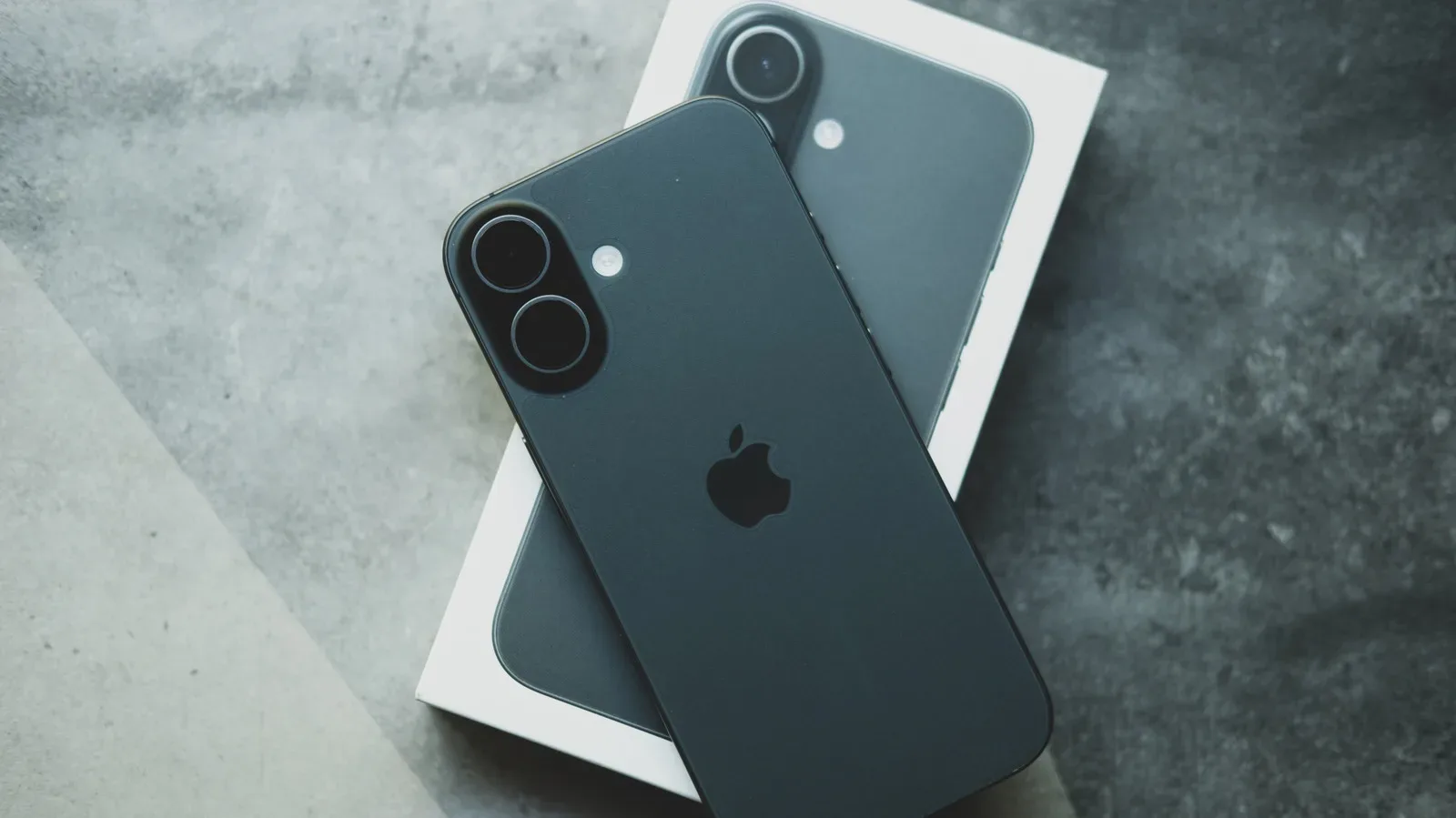
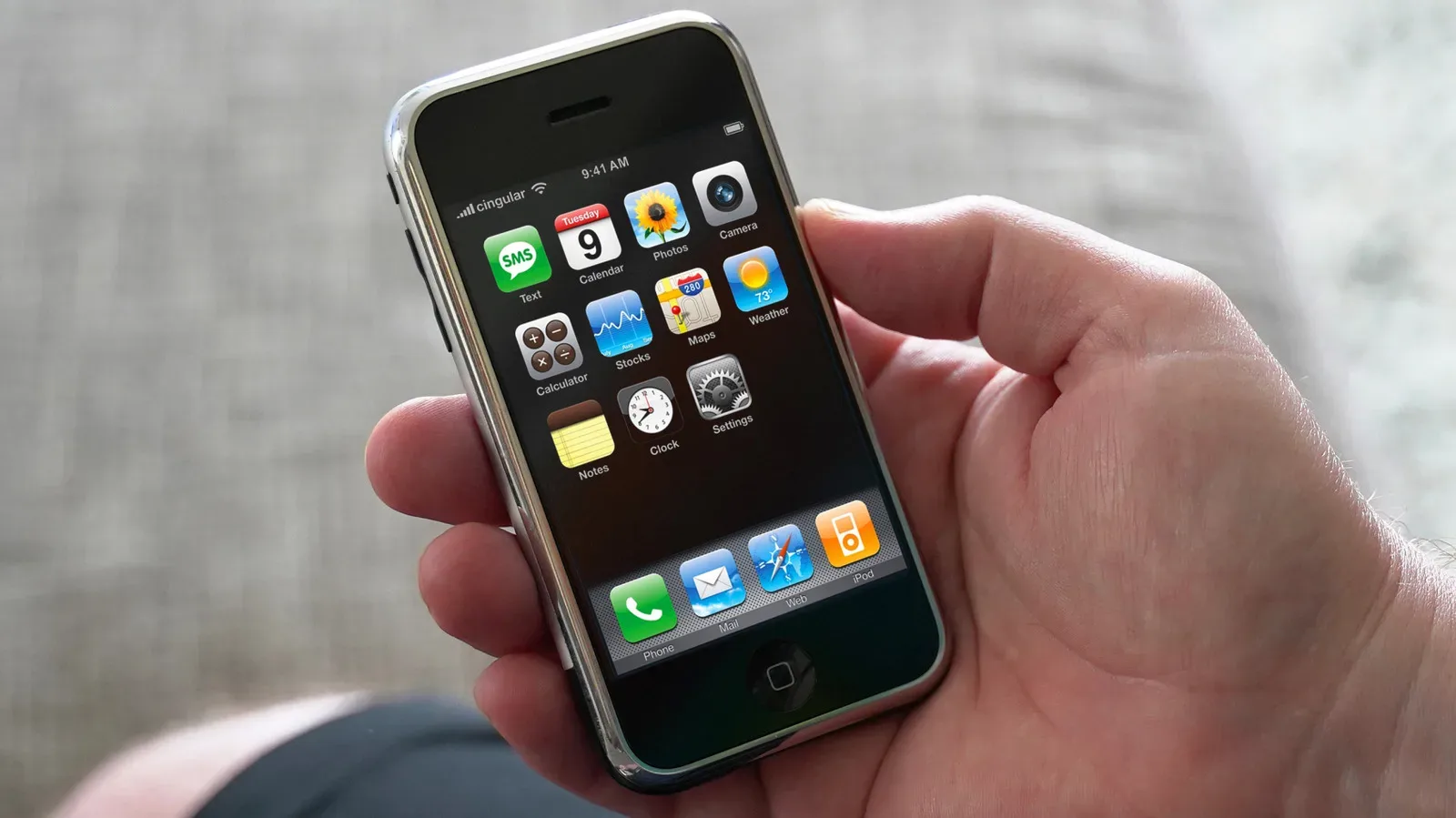
It is extremely tempting to remember the first iPhone as a charming little $499 rectangle from a more affordable era. Put that number beside the $899 price of the iPhone 17 and the modern phone appears to have added $400 simply because the calendar kept turning pages. Add the $1,999 starting price attached to the iPhone Duo, or its $3,199 maximum-storage configuration, and the whole situation can feel like consumer electronics wandered off into a side quest with no map back.
But the simple price-tag comparison hides two major parts of the story: inflation and the way phones were sold. Once those are considered, the original iPhone and a current base iPhone sit much closer together than their nominal prices suggest. That does not make an $899 purchase easy, sensible for every buyer, or magically affordable. It does mean that “phones used to be hundreds of dollars cheaper” is an incomplete account of what customers actually paid and what they received.
For gamers in particular, the change is more than a specification-sheet flex. The device in a pocket is now often a game machine, communications tool, camera, navigation device, payment method and emergency connection in one. That breadth is valuable, but it also means a phone purchase can be judged through several competing lenses at once: upfront cost, ongoing service cost, flexibility, capability and how long the device can remain useful.
$499 in 2007 is not $499 in 2026
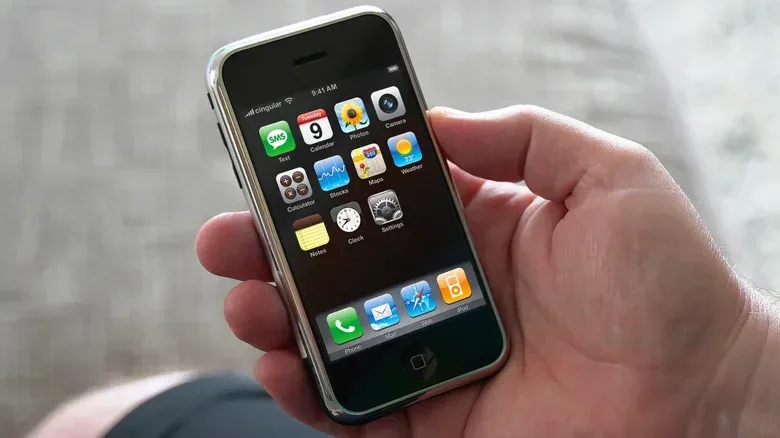
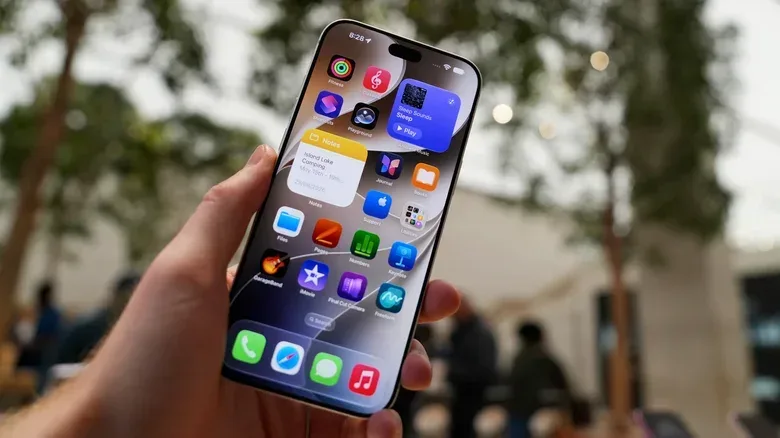
The original iPhone began at $499 for a 4GB model in 2007. The iPhone 17, released in 2025, is listed at $899. Looking only at those stickers produces a clean $400 difference. It is also the kind of clean comparison that causes trouble.
Inflation describes the broad rise in prices over time, which reduces the buying power of a dollar. Adjusting the original iPhone’s $499 price for U.S. dollar inflation takes it to more than $800 in 2026 terms. There is no direct 2026 base-model comparison supplied here because the standard iPhone 18 had not yet arrived, but the $899 iPhone 17 makes a useful nearby reference point.
That reframes the comparison. The current $899 phone is still more expensive than an inflation-adjusted original iPhone, but it is not separated by anything like the apparent $400 gulf. On the supplied figures, the difference is comparatively narrow.
That conclusion should not be turned into a universal affordability verdict. Inflation adjustment answers a specific question: what would an earlier dollar amount represent in later dollars? It does not tell anyone whether $899 fits their household budget, whether their current phone still does the job, or whether another model offers better value. A price can be historically consistent and still be out of reach. Those are not contradictory statements.
The old low prices came with a carrier-shaped asterisk
The original iPhone was not sold as a clean, independent $499 hardware purchase. It required a two-year AT&T contract. The arrangement spread part of the real device cost into monthly service payments, a practice generally called a carrier subsidy.
Related coverage includes The First iPhone Was Not Nearly as Cheap as Its 2007 Price Suggests.
In a subsidy model, the customer sees a reduced phone price at the start, while the carrier expects to recover value over the life of the contract. That recovery can come through the service plan and through retaining the customer long enough to make the deal worthwhile. The phone is not necessarily cheaper in the total-cost sense; a larger share of its cost is simply less visible at checkout.
That distinction matters even more for the iPhone 3G and iPhone 3GS, which were widely associated with a $199 price. Their lower entry price also came with a two-year carrier commitment. Meanwhile, the 2007 unlimited 2G data plan cost at least $60 per month in unadjusted dollars. A similar monthly amount today may buy unlimited 5G service, rather than 2G.
2G and 5G refer to different generations of cellular-network technology. The labels do not merely describe a cosmetic update; they mark a major shift in what a phone connection can practically support. The comparison here is not a measured speed test, but the broader contrast is clear: similar recurring spending can now attach to a far more capable kind of mobile connectivity.
Modern buyers can purchase an unlocked phone unless they deliberately choose a carrier promotion. An unlocked device is not restricted to a single carrier in the way a contract-tied phone can be. That flexibility has value. It gives the buyer more control over choosing or changing service, though it also makes the full hardware price much harder to ignore because it is presented upfront.
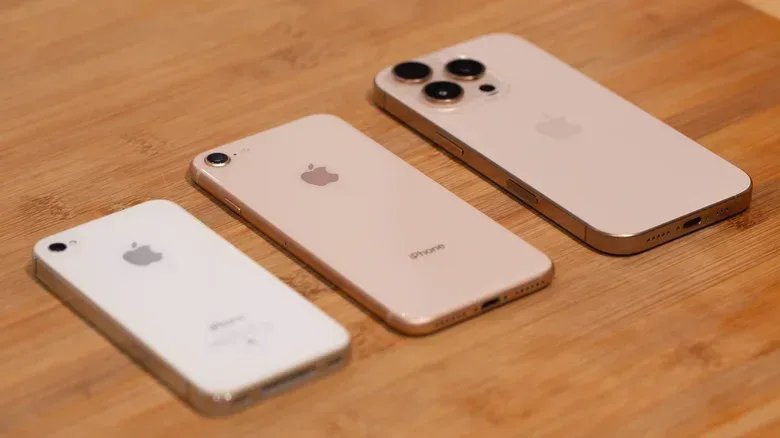
The iPhone 4 makes the longer-term pricing pattern especially clear. Its unlocked 2010 price was $599. Adjusted for inflation, that works out to roughly $920 today—slightly above the $899 price of the iPhone 17. The nominal price from an earlier era looks comfortably lower. The purchasing-power comparison tells a different story.
A current phone is filling more roles
Price is only half of a value discussion. The original iPhone was important, but its hardware and software tool set was far more limited than a current handset’s. It lacked a front-facing camera for video calls and selfies, near-field communication for Apple Pay, GPS, AirDrop and Find My. It also predates the third-party app framework, which did not arrive until 2008.
NFC, or near-field communication, is a short-range wireless technology used here for tap-to-pay functions such as Apple Pay. GPS is a location technology used for navigation and location-aware services. AirDrop is used for direct file sharing between compatible Apple devices, while Find My supports locating devices and related items. These are distinct capabilities, but collectively they demonstrate how much of modern phone value comes from functions that were not part of the original purchase proposition.
Modern iPhones can also obtain location information from satellites and send emergency messages when cellular and Wi-Fi connections are unavailable. Those tools are not everyday reasons for everyone to upgrade, and their usefulness depends on a situation nobody wants to need. Still, they are meaningful examples of a smartphone becoming more than a communications device.
For many people, one phone now overlaps with equipment that once occupied separate categories: camera, flashlight, radio, navigation unit, portable television, gaming handheld and a lightweight productivity machine for writing or spreadsheets. Replacing every one of those devices is neither necessary nor desirable for every owner. Dedicated cameras, handheld consoles and computers retain their own strengths. But someone who does consolidate tasks onto a phone is buying a broader package than the one that existed in 2007.
Mobile gaming changes the value argument, not the budget reality
Gaming is one place where that consolidation is particularly visible. A current smartphone can act as a portable game device in addition to all its non-game duties. The original iPhone arrived before Apple offered its third-party app framework, so the modern expectation that a phone can host a large ecosystem of games and other software simply did not exist at launch.
That does not mean every buyer should mentally assign part of an $899 phone price to gaming and call the arithmetic solved. A person who mainly plays on a console, PC or dedicated handheld may place little value on phone gaming. Another person may use a smartphone as their most accessible portable screen and input device. Value depends on use, not on a checklist alone.
The useful takeaway is that a direct comparison between the original iPhone and a current base model should account for both cost structure and function. Comparing $499 with $899 is a starting point. It is not a full answer. Comparing an inflation-adjusted $499 price with $899 gets closer. Adding the old mandatory service contract gets closer again. Then the purchaser still has to decide whether the newer capabilities matter to them.
That last part is where Apple’s pricing can remain contentious. The iPhone Air costs $1,100 despite having one rear camera and weaker battery life than the iPhone 17, while the iPhone Duo begins at $1,999. Whatever the historical perspective says about base-model consistency, premium pricing can still feel detached from what many buyers can comfortably spend. A phone being more capable than its predecessor does not require anyone to regard every higher-priced configuration as a good deal.
How to use the comparison when shopping
The historical numbers are most useful when they prevent bad comparisons, not when they excuse a purchase. If a new phone is under consideration, it helps to separate the decision into practical questions:
- Is the quoted price unlocked or linked to a carrier offer? A lower entry price may come with terms, service obligations or a different overall cost structure.
- What will the recurring plan cost? The old iPhone’s required contract shows why handset price alone does not capture the full spending commitment.
- Which capabilities will actually be used? Navigation, payment, cameras, emergency features, productivity and games can all matter, but not equally for every owner.
- Does the current device still meet the need? Historical pricing context is not a reason to replace a working phone without a personal use case.
- Can an existing device get a second job? For hardware that has been retired from daily carry, there are practical reuse options rather than an automatic trip to a drawer; see five practical second lives for retired wearables for a related approach to extending device usefulness.
There is also a broader lesson in the iPhone 4 comparison. A modern-looking price increase may be smaller after inflation, while a seemingly cheap historical phone may have involved substantial long-term service spending. Neither fact erases the sting of a high price today. They simply make the comparison more honest.
Apple holding base iPhone pricing at $799 for a period before memory costs pushed it higher suggests a measure of continuity at the entry level, even as the range expanded toward far more expensive models. The market now contains phones with dramatically different priorities and price points. The sensible response is not nostalgia for a $199 contract phone, nor automatic acceptance of a $1,999 flagship. It is to look past the headline number, understand what is bundled into it, and decide which parts of the pocket-sized all-purpose machine are actually worth paying for.