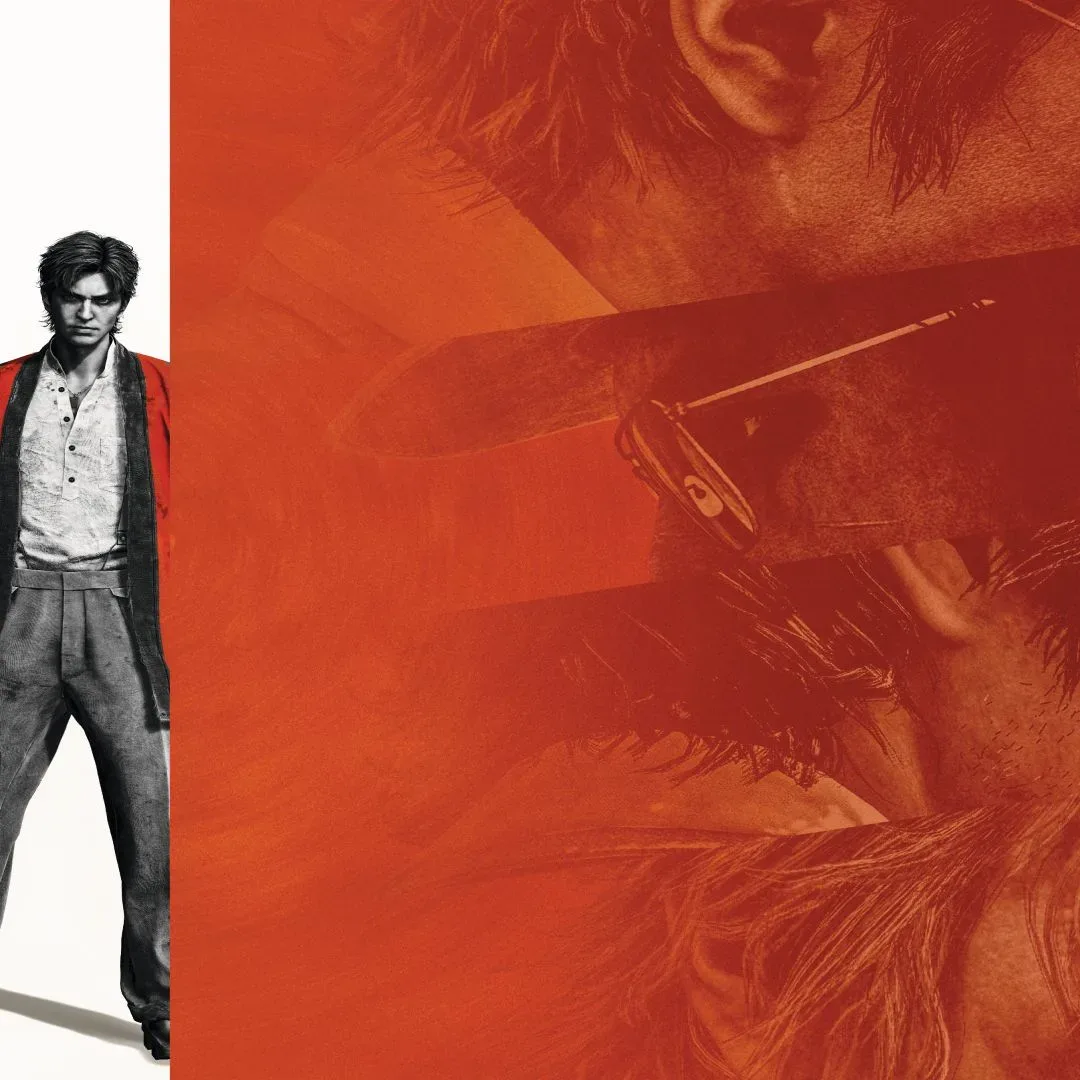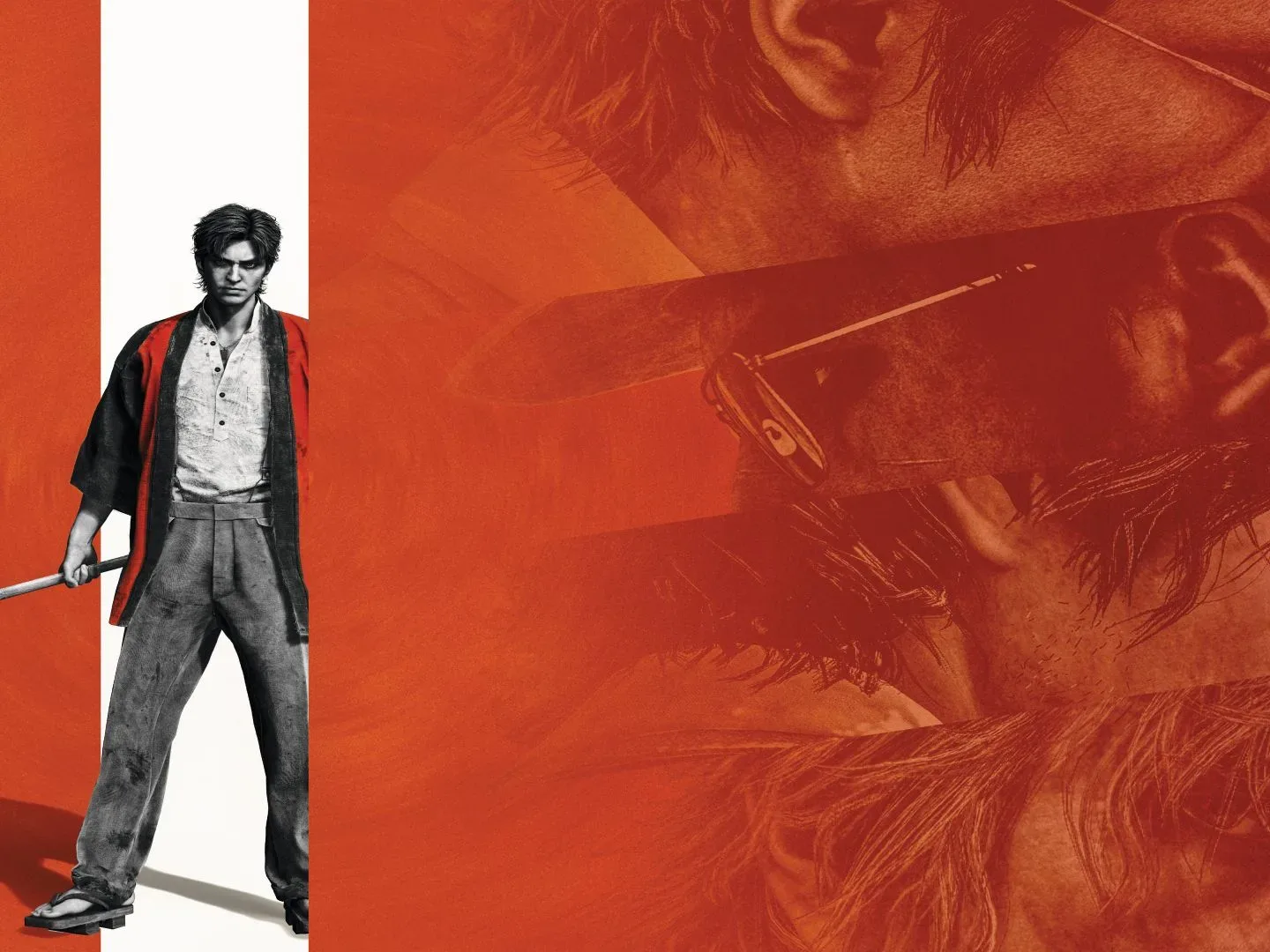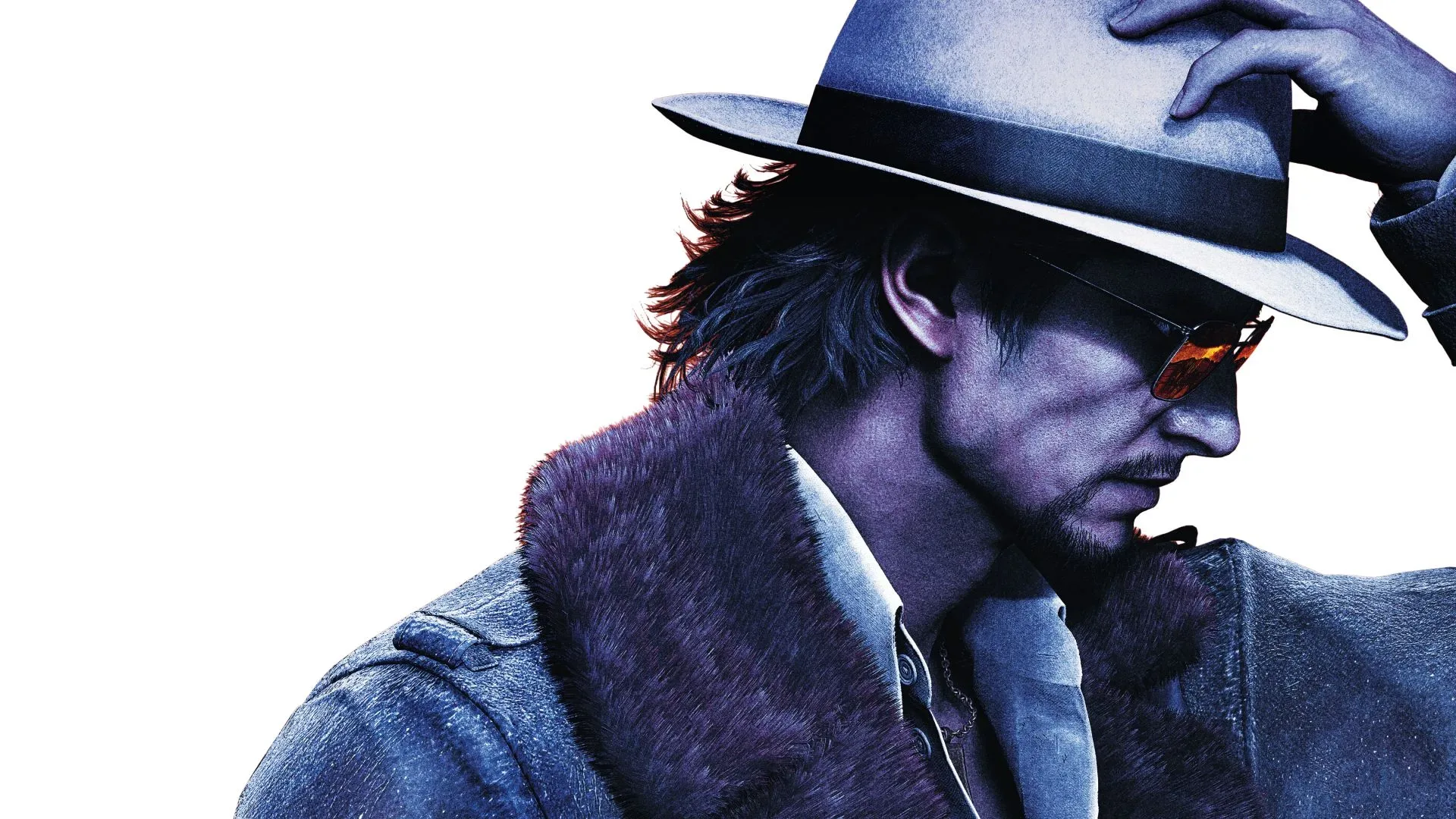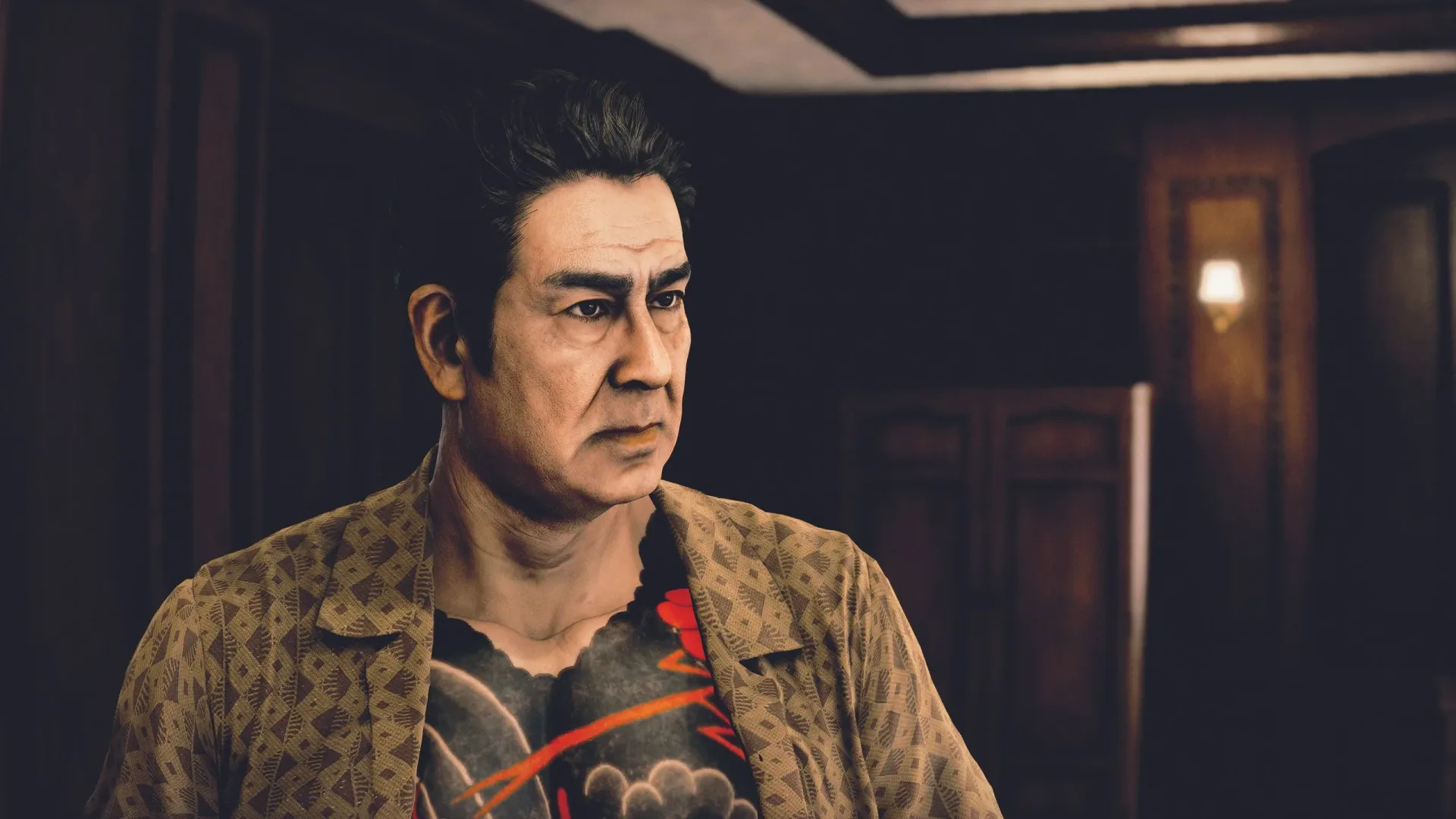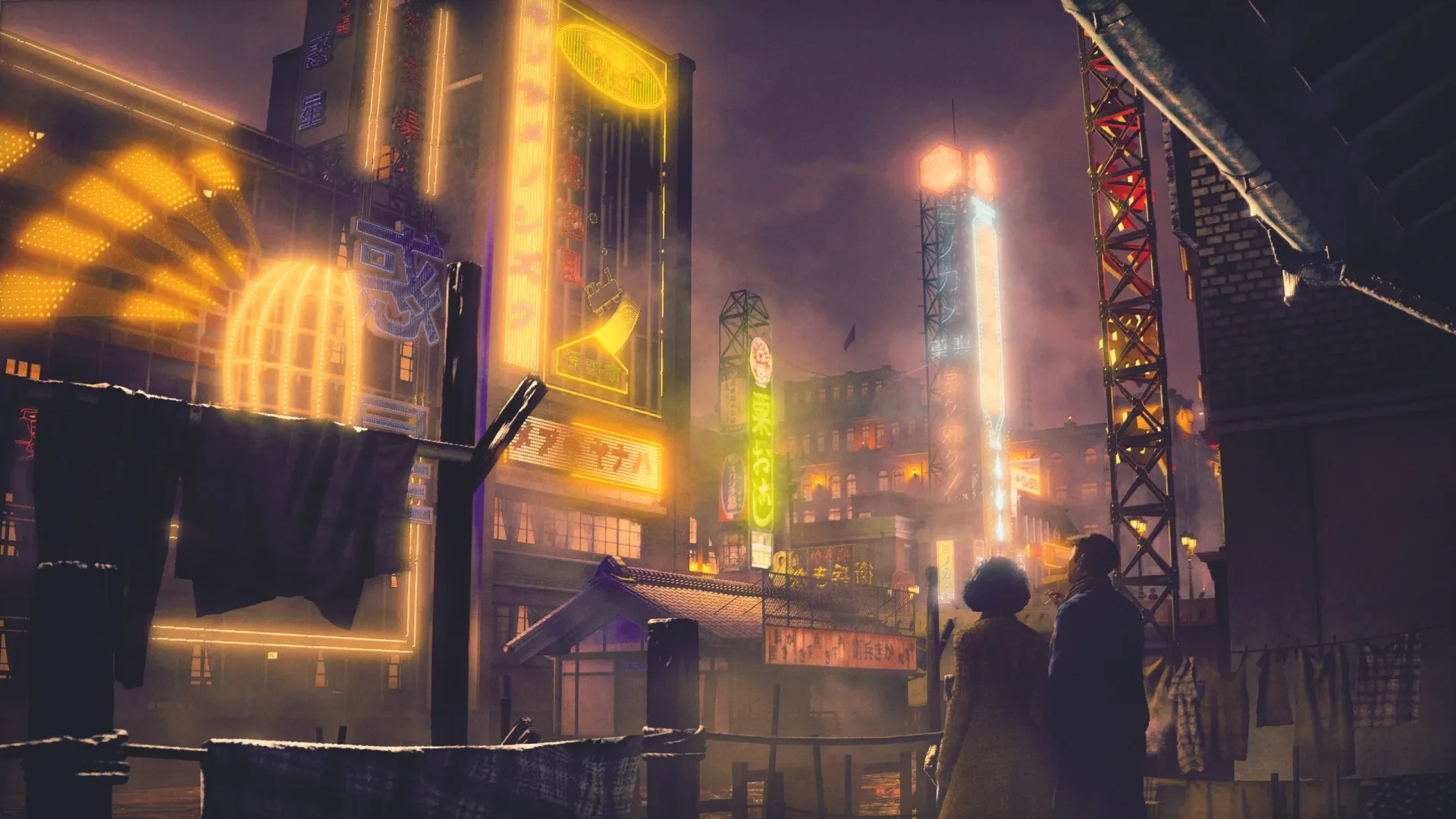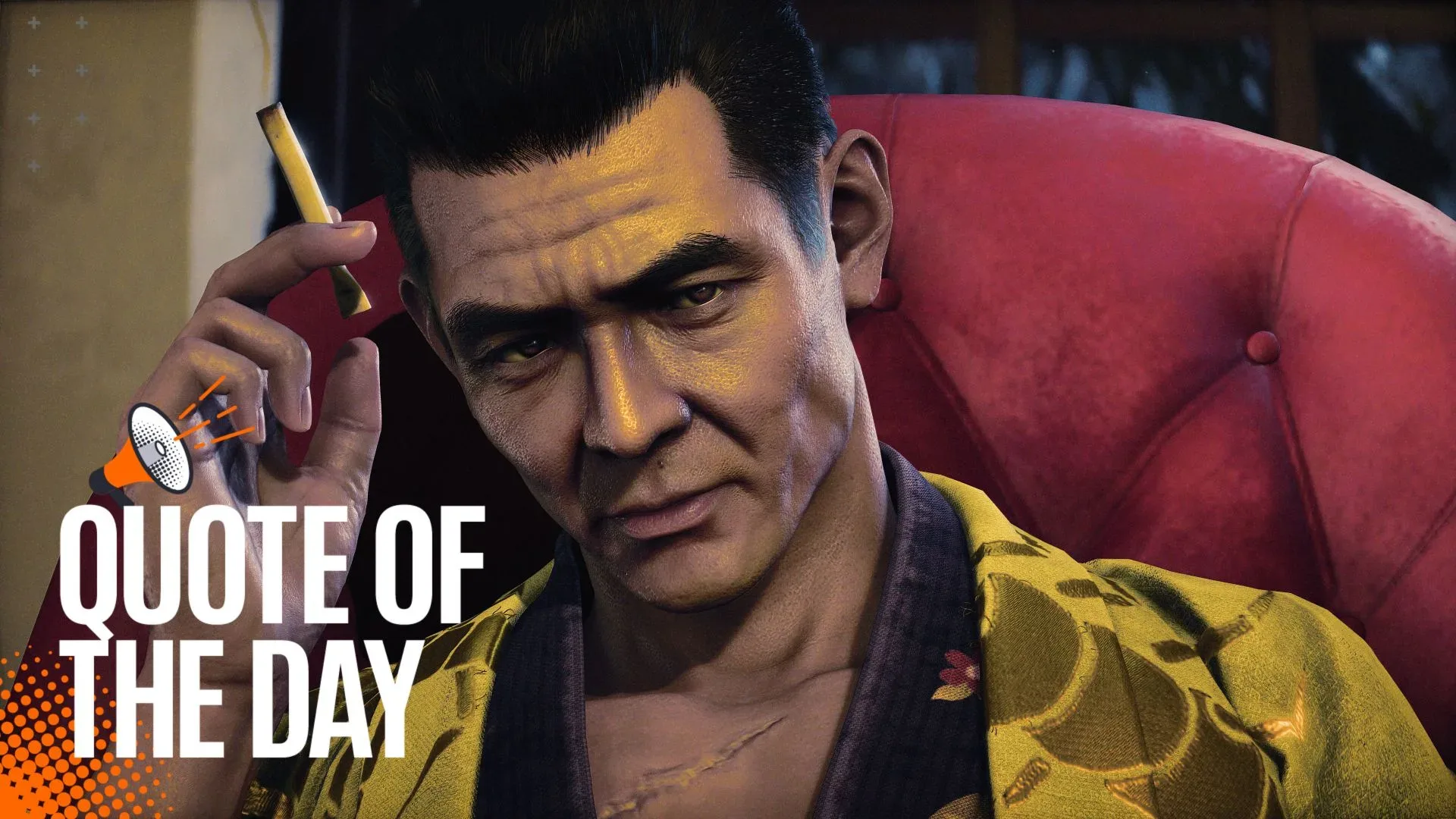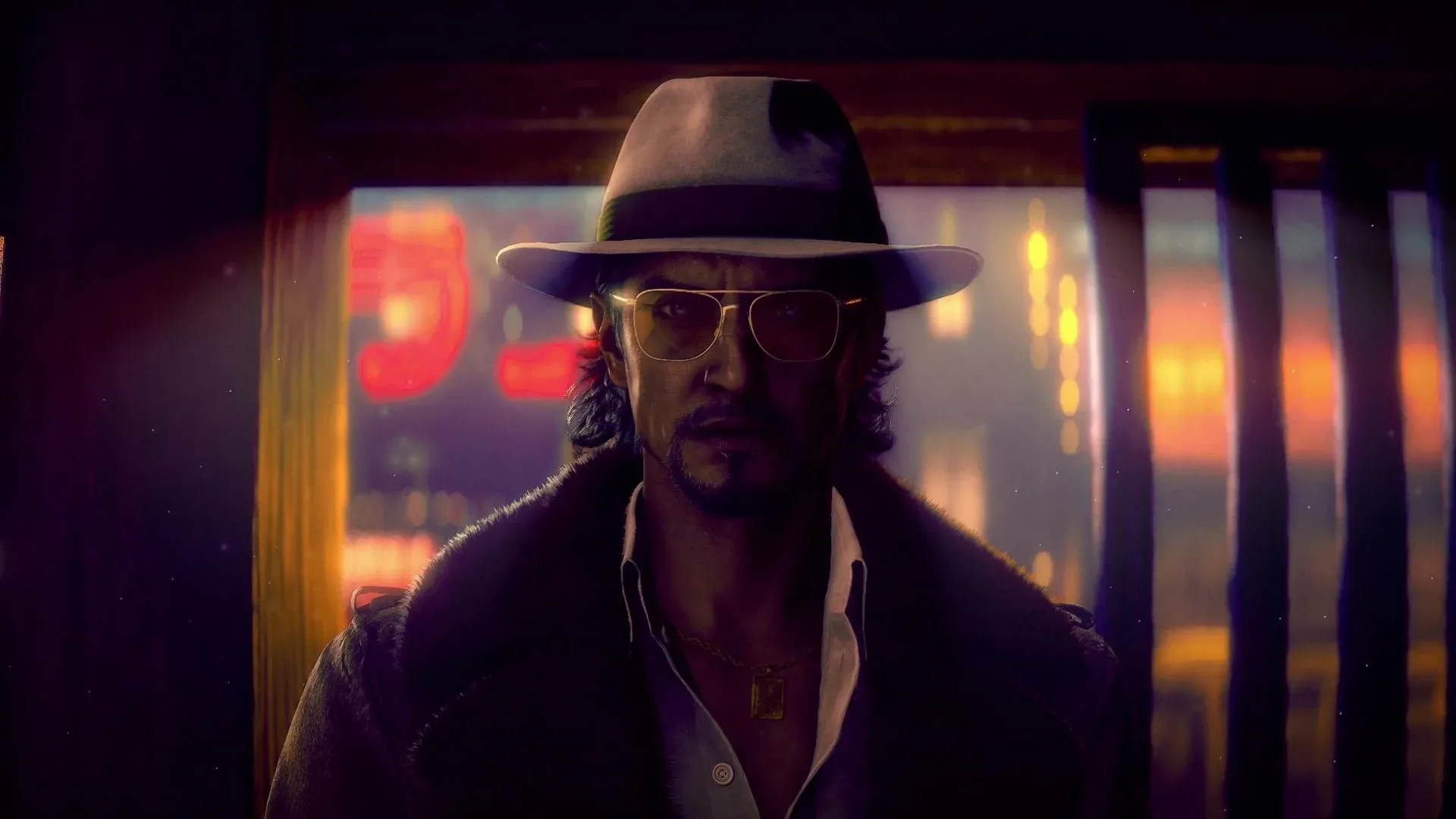
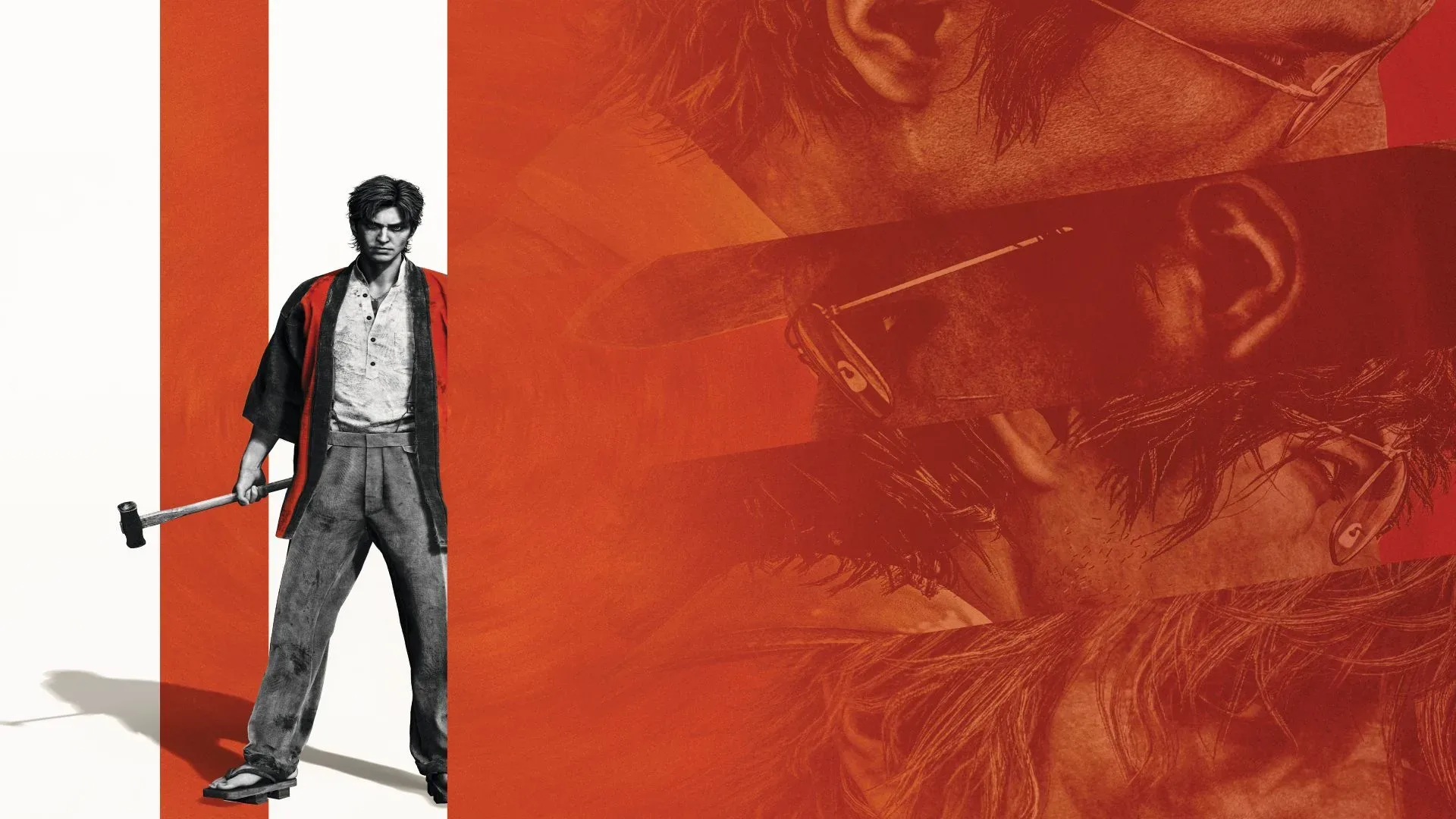
RGG Studio’s Stranger Than Heaven appears built around a difficult balancing act: brutal street fighting on one side, a sweeping musical drama on the other. Its lead, Makoto Daito, is introduced in 1915 and will be followed across roughly 50 years, through several Japanese cities and historical periods, ultimately reaching the 1960s. The game’s premise is not simply that a familiar crime-game protagonist occasionally sings. Music, promotion and the act of shaping a performance are positioned as central to Daito’s life and to the game’s systems.
That is a sizable departure in emphasis for a studio whose work is closely associated with melodramatic crime stories, physical combat and exuberant diversions. Stranger Than Heaven still has all the ingredients for violent confrontations: gangs, raids, weapons, underground bouts and hardier one-on-one opponents. But its most distinctive ambitions lie in how it connects those fights to the story of a mixed-heritage man looking for a place to belong, and eventually making a career in entertainment.
A life story that starts with flight, not swagger
Daito begins far from the prosperous, sharply dressed figure glimpsed later in the game. Born in Kobe to a Japanese mother and American father, he grew up in the United States. The opening places him in San Francisco, attempting to escape by slipping through a harbour while avoiding searchlights. He is disguised in a long blond wig, scavenges food from a bin and moves through a threatening, dimly lit environment. It is deliberately a far cry from the confident urban roaming associated with many RGG protagonists.
After reaching Japan, Daito’s arrival does not deliver an uncomplicated homecoming. His background makes him a target for racism and xenophobia. The story includes ugly insults from people in the street and prejudice that continues even in optional activities, such as arm wrestling, card games and spinning-top battles. The material uses a derogatory term aimed at white people, presented in its historical context as part of the hostility Daito faces.
The important detail is that this is not framed as a brief introductory obstacle. Executive director Masayoshi Yokoyama has said discrimination will remain a defining pressure across Daito’s lifetime, even as foreign cultural influence grows and attitudes shift in later eras. That does not mean the game is promising a historical simulation. The developers have explicitly described their approach as a kind of entertaining historical fiction: period-inspired worlds designed to feel authentic and lively rather than literal recreations of every fact of daily life.
That distinction matters. Historical games often face a choice between documentary exactness and a setting that supports play. Stranger Than Heaven’s answer seems to be dense, stylised locations with more accessible interiors and activities than a strict reconstruction might provide. The game is planned to feature five cities from different periods, supported by RGG’s proprietary Dragon Engine. Art director Daishi Kanaya has described a workflow based less on extensive concept art and more on early 3D mock-ups that the team can explore, test and repeatedly adjust.
Belonging, crime and a relationship with Tae Matsumoto
Daito’s early circumstances pull him toward Kokura’s underworld. A local gang leader tasks him with taking away the leader’s mistress, Tae Matsumoto, a waitress with her own history of exploitation. Matsumoto says she was sold off when she was 12, and the encounter between the two characters is presented as a major emotional point rather than a light romantic detour. Her suggestion that Daito has come home apparently lands especially hard because it names the need he has been unable to articulate.
Game director Mikinobu Abe has linked the game’s themes to his own experience of growing up abroad, returning to Japan, leaving again and later coming back. He has stressed that the criminal plot and combat are not autobiographical, but that uncertainty around culture, identity and belonging informed his understanding of Daito. Lead performer Yu Shirota and co-star Dean Fujioka also have experience living abroad, which the team says contributed to the story’s sensitivity.
Related coverage includes Stranger Than Heaven puts jazz on equal footing with its brawls.
That background gives Stranger Than Heaven a potentially richer dramatic core than a simple historical rise through the underworld. Daito’s story spans an era in which the world changes around him, but it is not suggested that success will neatly erase the personal cost of exclusion. The game’s central question appears to be less “can he become powerful?” than “what does he build from the need to be accepted?”
The controller divides the fighter in two
Combat is one of the clearest mechanical risks. Stranger Than Heaven assigns Daito’s left and right sides separately: the left and right bumpers produce light strikes from their respective arms, while the matching triggers deliver heavier hits. Pressing both triggers grapples an opponent; if the enemy falls, Daito can straddle them. A small radial meter represents an opponent’s will, and draining it opens the way for a finishing move.
Defence is equally deliberate. Holding the rightmost face button blocks, while combining that defence with a bumper input allows directional parries. A correctly timed parry produces a forceful counter. Dodging is also available and may be the wiser response to a knife, although stepping backward can prove more dependable than a lateral sidestep.
This is not merely an alternate button layout. It implies a combat rhythm based on weight, positioning and reading the opponent, rather than constant attack strings. The reported pace is intentionally measured, but not described as unresponsive. Individual hits are meant to have real impact, and even a modest street fight should feel consequential. For players, the practical takeaway is clear: familiar muscle memory from earlier RGG brawlers may not be enough. Learning which side is striking, when to parry and when to create distance looks more important than simply rushing into a crowd.
Yokoyama’s explanation is strikingly simple: someone new to controllers might reasonably expect the left input to move the character’s left side. Whether that proves more intuitive in practice will depend on the full game’s tutorials and encounter design. But it is an effort to question an established convention instead of assuming long-time players will accept another familiar layout.
Weapons, training and constraint fights
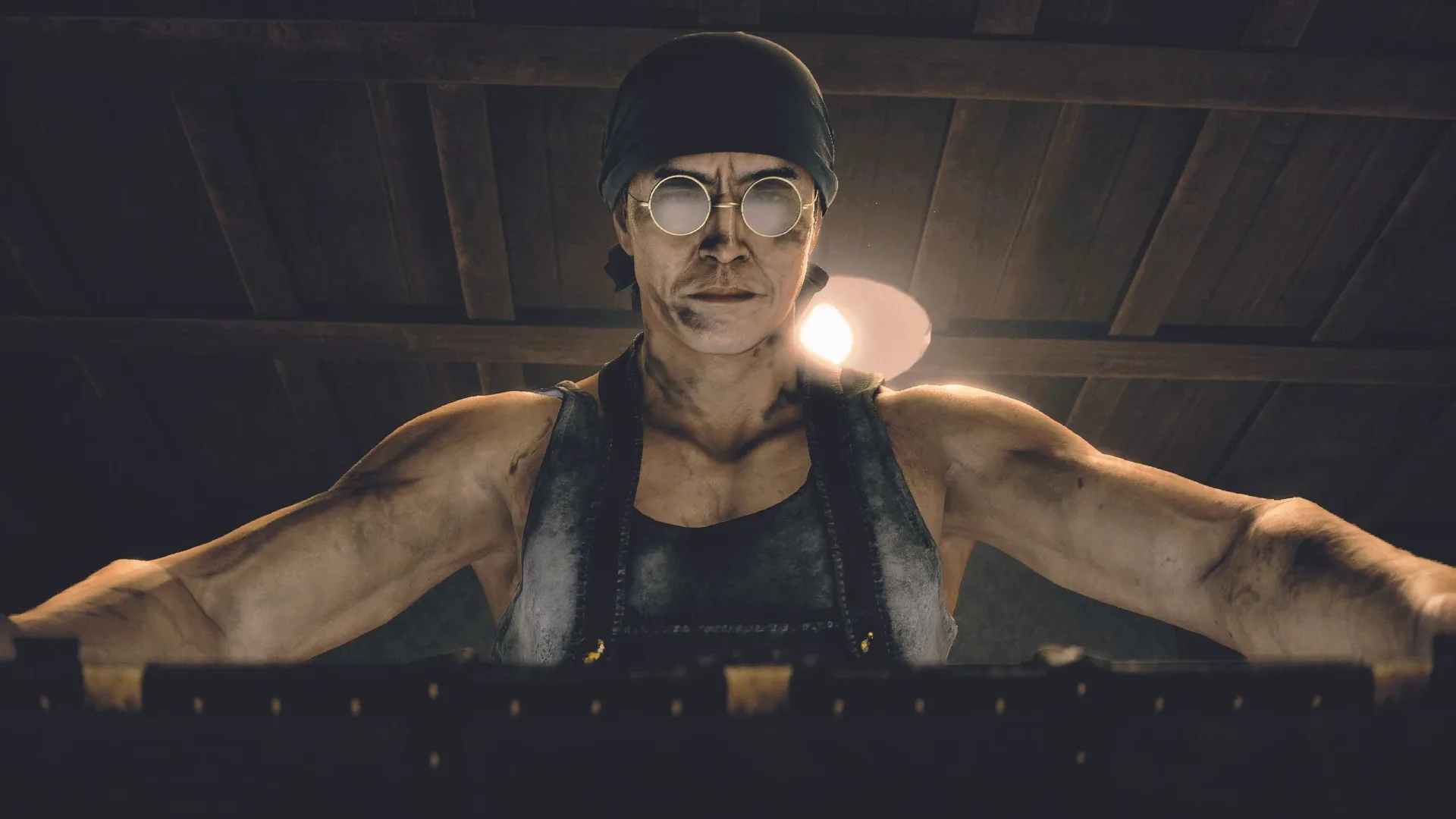
Weapons should further change the pace of each confrontation. A razor-like blade is faster than a katana but deals less damage, while a sledgehammer is slow yet devastating when Daito can land a charged blow. Consumable blue medicinal drinks can restore health. The early game includes a blacksmith visit before an ironworks raid, suggesting preparation will matter alongside moment-to-moment execution.
Later, in Kure City, Daito can test his skills in an underground fight club. Repeat challenges can impose particular conditions, including finishing an enemy while straddling them, winning without being hit or using fists only. Those are valuable signs of how the game may encourage mastery: not through a raw damage check alone, but by asking players to demonstrate a specific technique. Enemies also continue attacking a grounded Daito, making prone evasions relevant rather than leaving a player safely invulnerable after a knockdown.
There is also a meditation activity at Daito’s home that functions as no-stakes training in a dreamlike space. In technical terms, it is a practice mode: a contained environment to learn encounter types without the usual failure pressure. Given the unconventional control scheme, that could be more useful than a throwaway minigame. It provides a place to understand parry timing, grapple follow-ups and weapon cadence before an actual brawl makes the mistakes costly.
Music promotion is a full system, not a karaoke detour
By 1943, Daito is known as the King of Sotenbori, and his role in entertainment becomes mechanical as well as narrative. He can quiet the surrounding soundscape and listen for details that inspire him. The game calls this “digging” sounds: a form of environmental sampling. A keyboard player or street musician can be useful, but so can the rhythm of a clock or blacksmith’s anvil, and even the sound of a crying baby.
Sampling, in this context, means collecting sonic material and using its character as an ingredient in another musical work. Stranger Than Heaven does not appear to ask players to record and edit audio in a professional-production sense. Instead, Daito gathers inspirations that can be brought to a composer and applied to existing pieces. The aim is to reshape tracks across genres including country blues, New Orleans jazz, gypsy jazz, slow boogie, marches and early pop.
That system has a practical decision-making layer. The player must consider an audience and decide whether a song needs to become a slower, sultrier ballad or a livelier number. After assembling a setlist, Daito hires musicians, weighs their costs and capabilities, then prepares effects such as lighting and smoke. The performance itself uses rhythm-based inputs, though the timing window is said to be more forgiving than the karaoke minigames associated with Like a Dragon.
Success is not judged by timing alone. A performance can go well yet still lose money if the venue is not full enough. That adds an economic wrinkle to the musical fantasy: a promoter has to think about expenses, talent and turnout, not merely whether the crowd enjoyed a tune. It is a promising fit for Daito’s career because it turns cultural influence into a playable responsibility. For another example of how music culture and entertainment news frequently overlap, see this look at Lil Uzi Vert’s album trailer.
Research, creative licence and an intentionally strange cast
The sound system is rooted in research but not constrained by strict realism. The team studied period music, foreign influences and the challenge of interpreting older analogue recordings, whose noise and limitations can obscure the original sound. They also accounted for eras in which modern mechanical noise was less common. The visual feedback when Daito identifies a sound—light, colour and controller rumble—draws inspiration from music visualisers and audio-editing software, converting an abstract act of listening into an immediately legible game interaction.
Stranger Than Heaven also embraces deliberate anachronism. Snoop Dogg appears as Snoop Dogg, playing the enigmatic Orpheus, whom Daito meets aboard the ship to Japan. The character has a role beyond a fleeting cameo and can teach Daito to roll a herbal cigarette for a pre-fight boost. Tupac Shakur is also part of the game, though not shown in the material described here. Yokoyama’s argument is that players bring their awareness of Snoop Dogg and Tupac’s real-world relationship into the fiction, creating an extra layer of interest.
It is an audacious choice, and not one designed to disappear into the period setting. In a game already treating history as a stage for drama, sound and spectacle, the celebrities signal that RGG is not pursuing a museum-piece past. The question is whether the guest appearances will enrich Daito’s emotional journey or overwhelm it. That answer will have to wait.
Why Stranger Than Heaven looks like a meaningful gamble
The previewed sections point to two games that must eventually feel like one. There is the hard-edged crime drama, where Daito suffers prejudice, joins the yakuza and survives fights that can end with a sledgehammer. Then there is the promoter simulation, where he hears possibility in the city, develops music and tries to fill a venue. The strongest version of Stranger Than Heaven will make those halves speak to each other: violence as the force that shapes Daito’s path, and music as the way he finds agency, community and influence.
The game also gives younger RGG staff a conspicuous creative platform, with Abe describing the project as something that needed a genuinely new perspective rather than an opportunity assigned solely by age or seniority. Its 50-year scope, five period settings, reworked combat and substantial music layer are all risks. Yet they are purposeful risks, tied to a protagonist whose life cannot be contained by one neighborhood, one fighting style or one identity.
Stranger Than Heaven has not yet proven that every piece will hold together across five decades. But the available details make it more than a familiar brawler wearing period clothing. It is shaping up as an attempt to ask how a person turns pain, displacement and a sharp ear for the world around him into a life on his own terms.