Major spoilers for Spider-Man: No Way Home follow.
Multiverse stories arrive with an instant sales pitch: familiar faces can return, separate continuities can collide, and audiences can see matchups that once seemed permanently impossible. That pitch is powerful, but it carries an obvious storytelling risk. A crossover can become an exercise in attendance-taking, where every entrance earns applause yet nobody has enough room to change, choose, or matter beyond the novelty of being present.
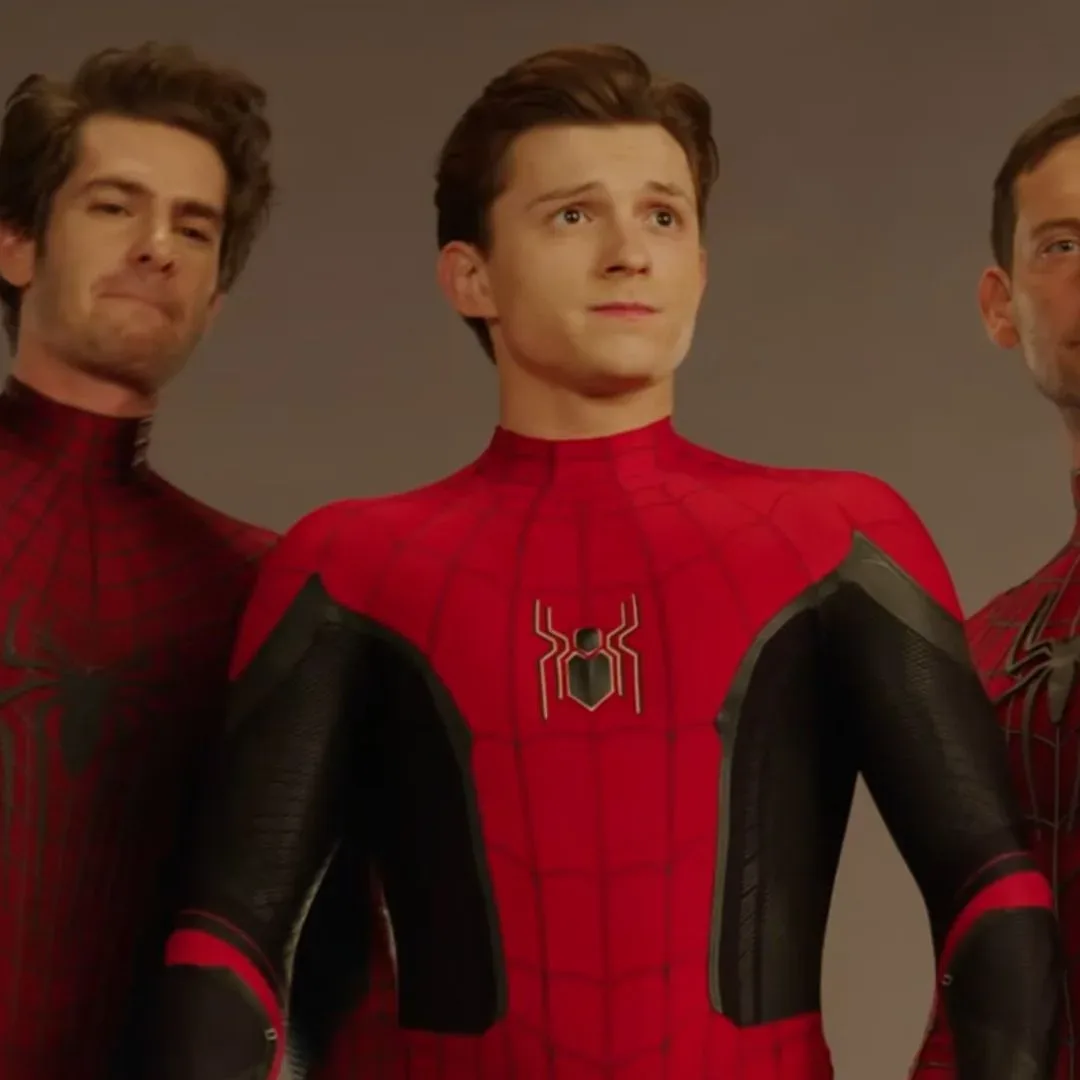
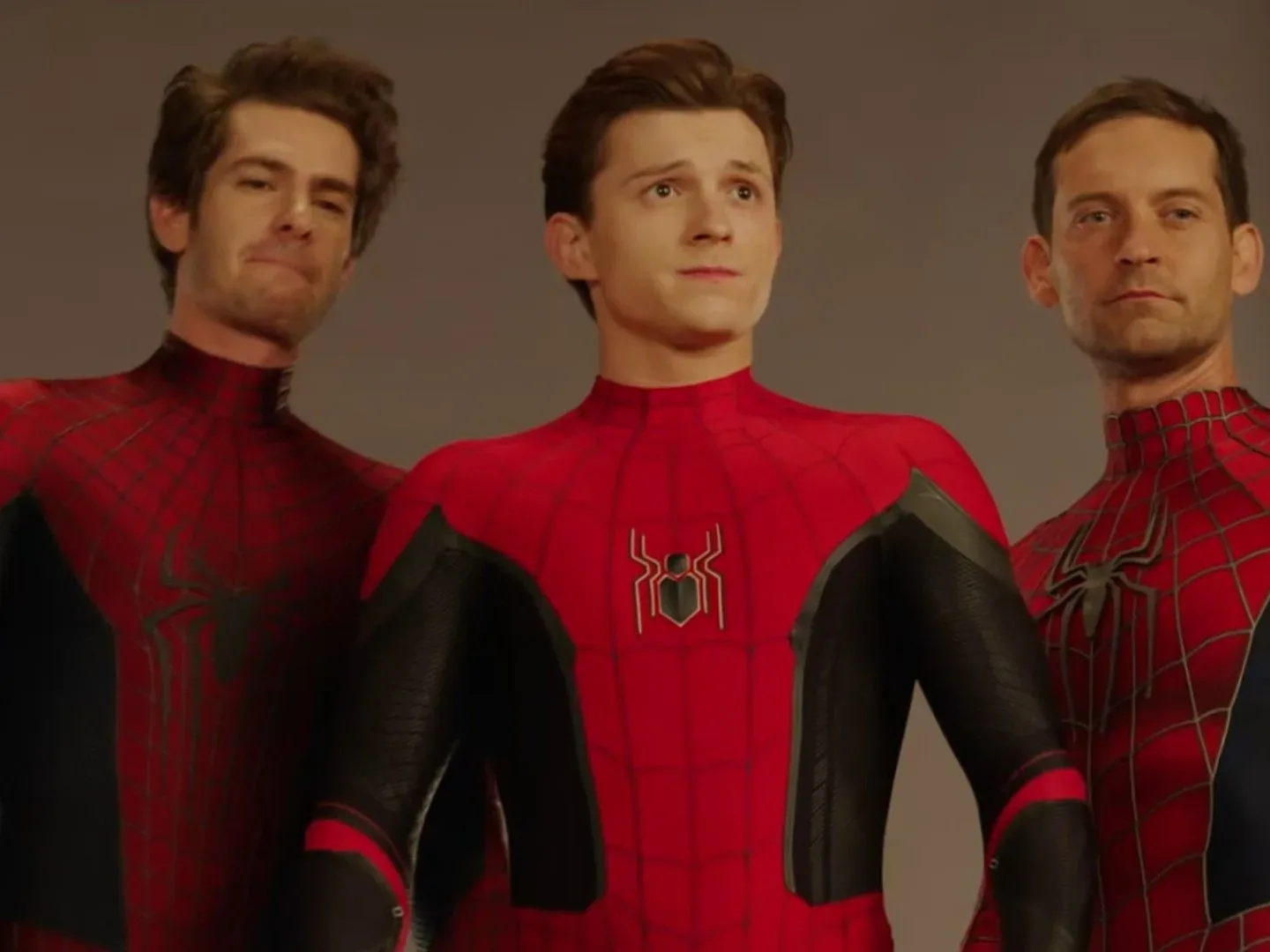
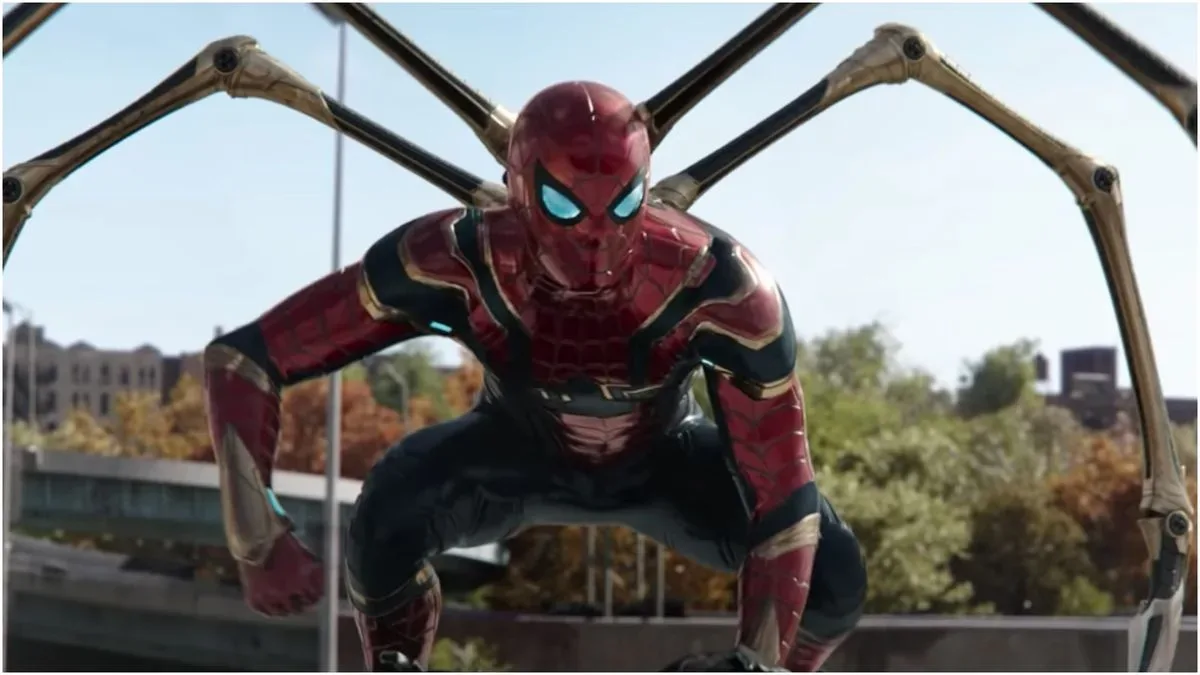
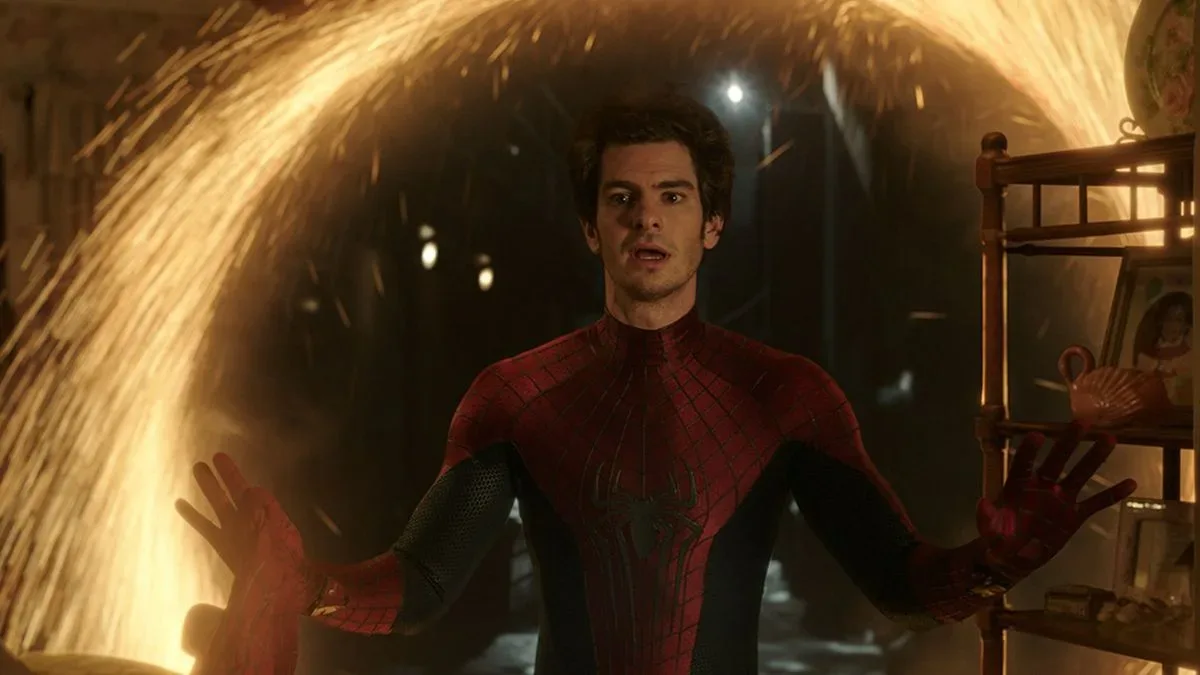
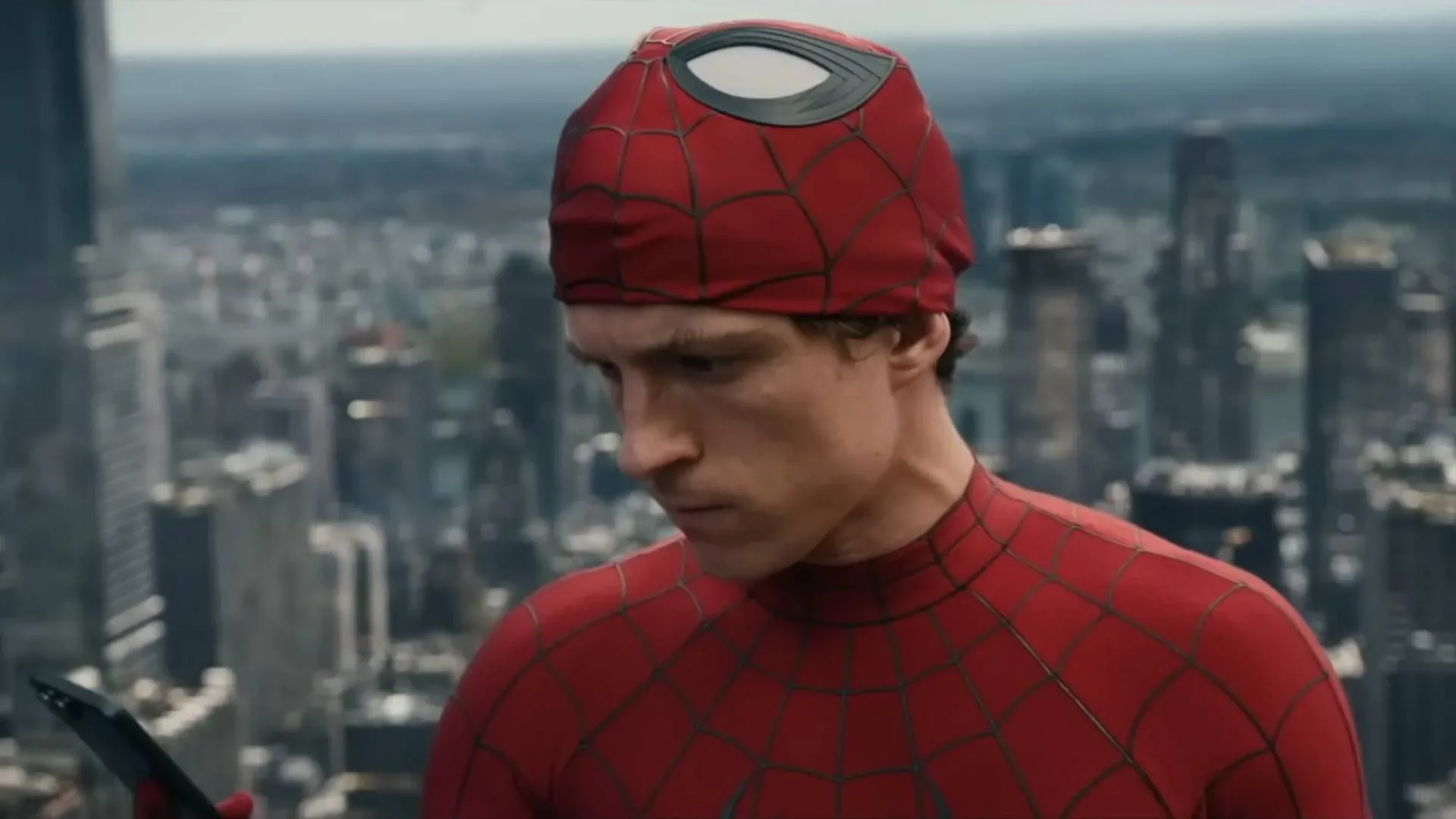
Spider-Man: No Way Home is a useful counterexample because it manages an enormous amount of franchise machinery without losing sight of its lead. Tobey Maguire and Andrew Garfield return as alternate Peter Parkers. Alfred Molina’s Doctor Octopus, Willem Dafoe’s Green Goblin, and Jamie Foxx’s Electro enter a story alongside villains from other Spider-Man film worlds. Doctor Strange’s spell provides a direct route into multiversal trouble. Yet the movie’s dramatic question is not really, “Who else can show up?” It is, “Who will Tom Holland’s Peter Parker become after the worst day of his life?”
That distinction is why the film has continued to stand out as Marvel’s major post-Endgame success. It grossed nearly $2 billion during the COVID pandemic, compared with the $1.1 billion reported for Spider-Man: Far From Home. Spider-Man’s popularity and the curiosity around three screen Peter Parkers plainly mattered. But the reunion only works because it serves a story already built around one Peter’s consequences, grief, responsibility, and eventual sacrifice.
It is also the clearest available model for Avengers: Doomsday, which is positioned as a crossover spanning an unusually broad range of Marvel screen history. Robert Downey Jr. is set to return as Doctor Doom, while the film’s roster reaches toward the Fox-era X-Men and the Fantastic Four. The scale may be larger than No Way Home; the core challenge is the same. A vast cast needs a dramatic center sturdy enough to make every collision mean more than a recognizable logo walking through a portal.
The multiverse begins with Peter’s ordinary problems
No Way Home starts from an unusually intimate wound for a superhero blockbuster. Quentin Beck has exposed Peter’s identity, leaving the teenager and the people closest to him trapped under public suspicion. The allegation that Peter is a murderer does not remain a disposable cliffhanger from Far From Home. It disrupts daily life for Peter, Ned Leeds, MJ, and Aunt May.
That is an important use of consequences: earlier events continue to exert pressure rather than merely creating a reason to launch the next adventure. In a shared universe, continuity can be a checklist of references. Here, continuity is emotional cause and effect. Peter’s exposure changes the conditions under which he makes every later decision.
The inciting problem is similarly small-scale. Peter, Ned, and MJ are rejected from MIT. That frustration sends Peter to Doctor Strange seeking a solution. His concern that loved ones could forget him leads him to interfere with Strange’s spell, corrupting it and opening a doorway to villains from other realities. The scale escalates from college applications to a multiversal rupture, but the chain of events remains tied to Peter’s impulse to protect the people he loves.
That is a practical structural lesson for event films. A global or cosmic threat does not automatically create a personal stake. Often, a story becomes clearer when an enormous danger springs from a comprehensible decision: a person is afraid, wants to fix a mistake, or cannot accept a painful outcome. The high-concept premise then amplifies that human problem instead of replacing it.
In No Way Home, the multiverse is not simply a stage for surprise guest stars. It puts Peter in contact with people whose stories force him to define his own ethics. The villains have been pulled from moments near their deaths in their original worlds. Peter’s initial response is not to defeat them for the sake of victory, but to try to cure them before sending them back. It is a moral aim, not just a tactical objective.
Fan service becomes more than a cameo when it changes the hero
“Fan service” is frequently used as a criticism, but the term itself describes neither a virtue nor a flaw. It becomes hollow when a reference pauses the movie for recognition alone. It becomes dramatically useful when a returning character changes what the protagonist understands, wants, or is able to do.
No Way Home makes that useful version of fan service its operating principle. Maguire and Garfield are not inserted at the opening as a shortcut to excitement. Holland’s Peter first faces the collapse of his plan, the escape of the villains, and Aunt May’s death. May gives Peter the defining responsibility lesson before she dies, and his loss drives him toward vengeance against the Green Goblin.
Only after the central emotional conflict is unmistakable do the other Peters arrive. Their first substantial interaction is not treated as a competitive contest to determine the best Spider-Man. It is a quiet meeting between people who recognize grief in one another. Maguire’s and Garfield’s Peters can speak to losses of their own, creating space for Holland’s Peter to confront the rage he is carrying.
That approach is especially effective because the alternate Peters function as more than nostalgia. They are possible futures, or at least possible versions, of the same heroic identity. They understand the temptation to let pain dictate an irreversible act. Their presence gives the younger Peter an alternative to killing Norman Osborn in anger.
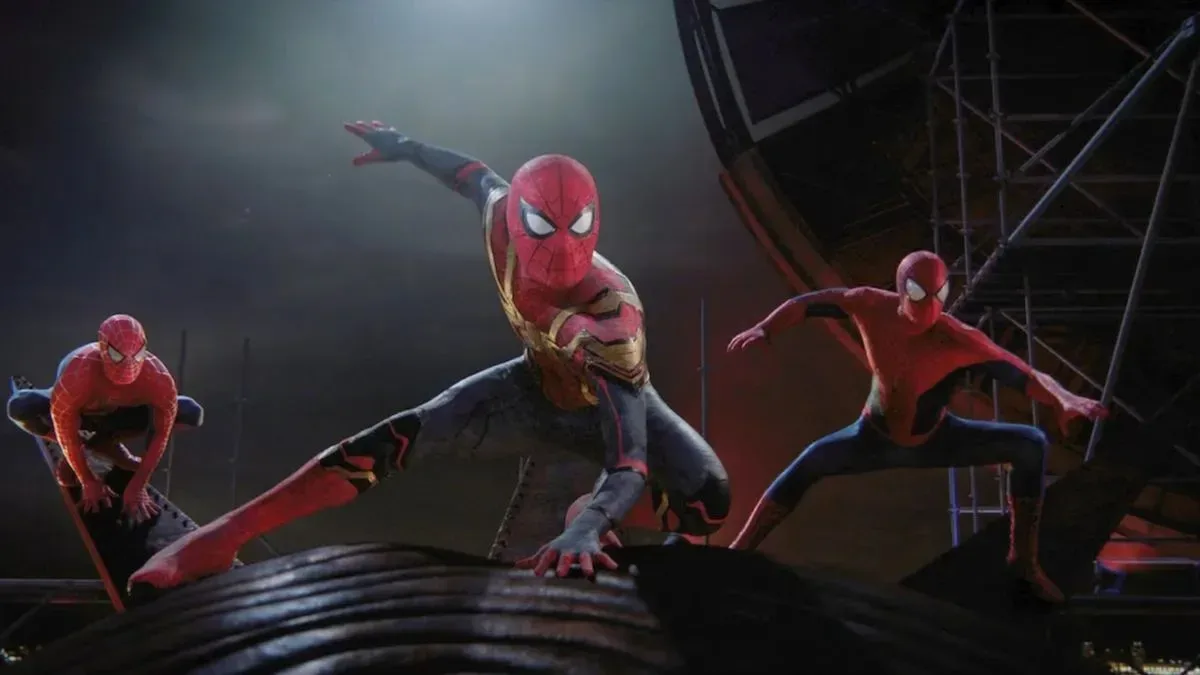
The film’s major reunion moments therefore do double duty. They satisfy the obvious excitement of seeing actors reprise famous roles, while also moving Holland’s Peter from vengeance toward restraint. The movie does not ask viewers to choose a favorite Spider-Man. It lets three versions of the character reinforce the same central idea: being Spider-Man means acting responsibly even when responsibility costs dearly.
This principle matters for any film built around returning legacy characters. A cameo has the most value when it creates a decision that could not exist without that person’s history. The return should not merely remind viewers of another film; it should exert pressure on the current film.
Why the final fight lands
Marvel finales are often expected to escalate toward the largest possible clash. No Way Home has spectacle: multiple Spider-Men, multiple villains, and unstable multiversal stakes. Yet its most consequential conflict contracts to something more direct. Holland’s Peter has Green Goblin at his mercy and is prepared to kill him. Maguire’s and Garfield’s Peters intervene.
The tension in that moment is not based on whether a skyline will be destroyed. It comes from Peter’s choice and from the possibility that his grief will turn him into someone May would not have wanted him to be. The story places emotional stakes inside physical action. That is why the confrontation can feel more immediate than a bigger, noisier battle.
The supporting reunions work along the same lines. Maguire’s Peter reconnects with Doctor Octopus, while Garfield’s Peter has a moment with Electro. Garfield’s rescue of MJ also echoes his inability to save Gwen Stacy in The Amazing Spider-Man 2. These scenes acknowledge the emotional memory attached to earlier Spider-Man films, but they are not just a tour of old plot points. Each one gives a returning character an opportunity for connection, reconciliation, or healing.
That is the more demanding version of crossover writing. It is not enough to pair a hero with a recognizable ally or enemy. The pairing should reveal something unresolved, create a contrast, or offer a meaningful answer to prior pain. Without that function, even an elaborate crossover can feel curiously weightless.
Peter’s ending gives the spectacle a cost
The film’s final decision is also its clearest proof that it has not mistaken multiversal scale for emotional substance. To stop the crisis, Peter and Doctor Strange must erase all memory of Peter Parker from the people he loves. The spell succeeds, but Peter is left alone: Ned and MJ no longer know him, and he chooses not to force himself back into their lives.
This is where the earlier concern about people forgetting Peter returns in its harshest possible form. He began by trying to protect his relationships from that outcome; he ends by accepting it as the price of protecting everyone else. The plot comes full circle, but not neatly. Peter survives, yet his world is fundamentally diminished.
That ending is what gives the movie’s many pleasures their shape. The three Spider-Men can joke, collaborate, and find moments of personal repair, but Holland’s Peter cannot avoid the core loss. He has grown precisely because he makes the choice that hurts him most. The closing image of Peter in a small apartment points toward a more isolated, grounded future rather than a victory lap.
That narrative foundation is particularly relevant given the supplied description of Spider-Man: Brand New Day as a street-level story more focused on Peter’s state of mind. A sequel can build from No Way Home because the earlier film ends with a genuine alteration to its hero’s life, not a reset button disguised as a cliffhanger.
The broader idea applies outside superhero cinema too. As Joking Joystick has noted in its look at World of Warcraft: Forever putting Azeroth’s journey before the endgame, scale alone does not define impact. Stories need a journey that gives their climaxes consequence. The medium and genre differ, but the narrative problem is familiar: a huge endpoint means little if the people arriving there have not been changed along the way.
What Avengers: Doomsday can take from No Way Home
Avengers: Doomsday has no shortage of potentially resonant material. Downey’s return carries unavoidable associations with Iron Man’s sacrifice, even though he is returning as Doctor Doom rather than Tony Stark. The reappearance of Steve Rogers after his bittersweet farewell also presents potential emotional territory. Bringing together the X-Men, Fantastic Four, Avengers, and characters from multiple worlds offers countless opportunities for conflict and connection.
But potential is not automatically a story. The principal risk of a roster this large is fragmentation: individual entrances may be memorable while the film itself struggles to establish what its characters are fighting for beyond survival. The lesson from No Way Home is not that every crossover needs to shrink its cast or avoid spectacle. It is that spectacle needs hierarchy.
- Give the event a clear emotional point of view. Audiences need to know whose choice carries the story’s deepest consequences.
- Let returning characters have dramatic jobs. Their history should change the present conflict, not simply decorate it.
- Make action express character. The strongest fights reveal a moral line, a relationship, or an unresolved wound.
- Allow decisions to cost something. An event becomes memorable when its ending alters a character’s life rather than merely rearranging pieces for the next installment.
None of those ideas require abandoning the crowd-pleasing appeal of a multiverse crossover. In fact, they make the crowd-pleasing moments stronger. The appearance of Maguire and Garfield in No Way Home matters because viewers understand why Holland’s Peter needs them at that exact moment. The villains matter because Peter makes a difficult choice about how to treat them. The final battle matters because it tests whether grief has changed him for the worse.
Avengers: Doomsday is scheduled for December 18, and its scale invites expectations that go beyond any single character. That is precisely why it will need a human center. The multiverse can supply the impossible encounters. Character is what turns those encounters into a movie people remember after the portals close.