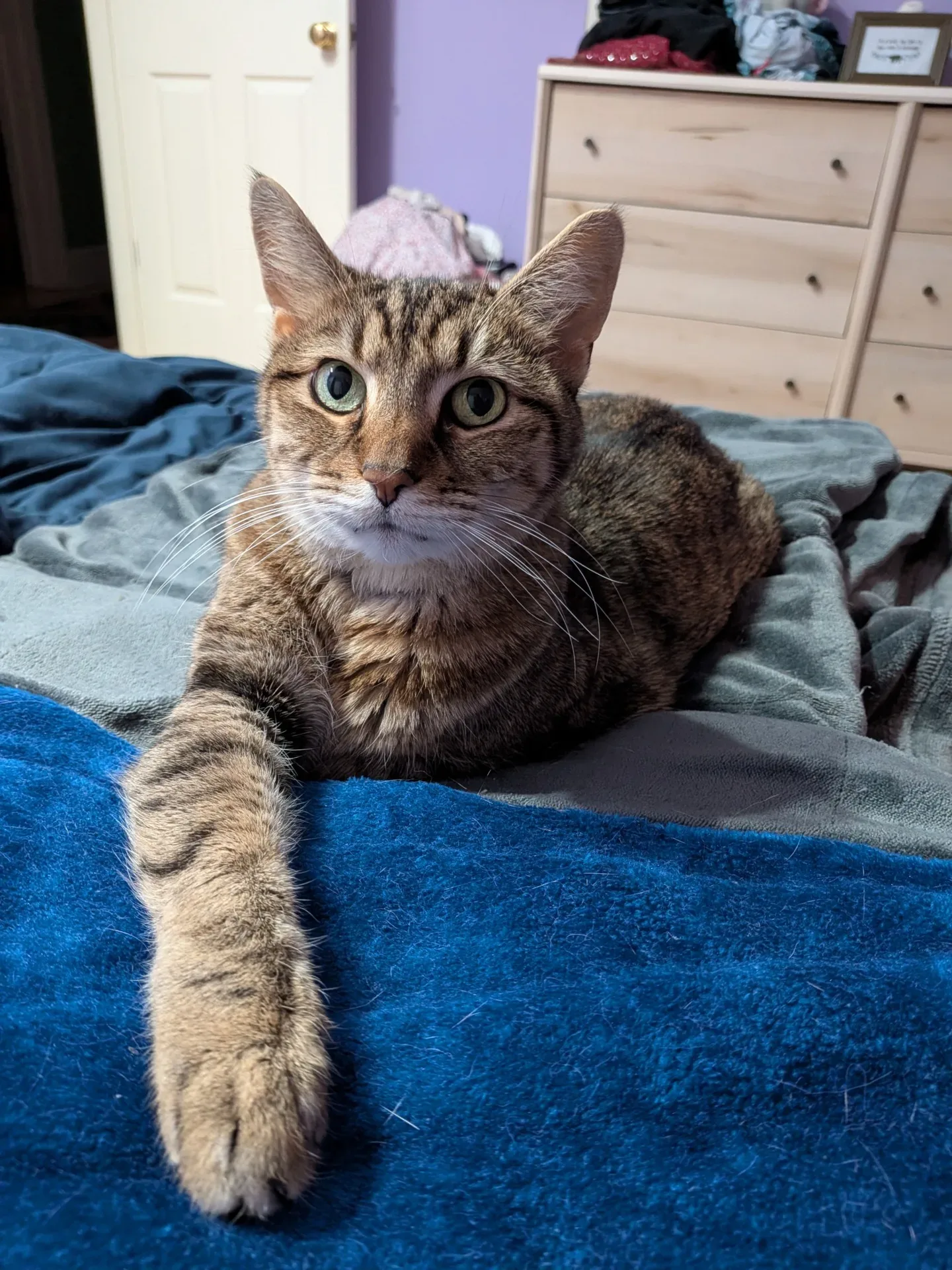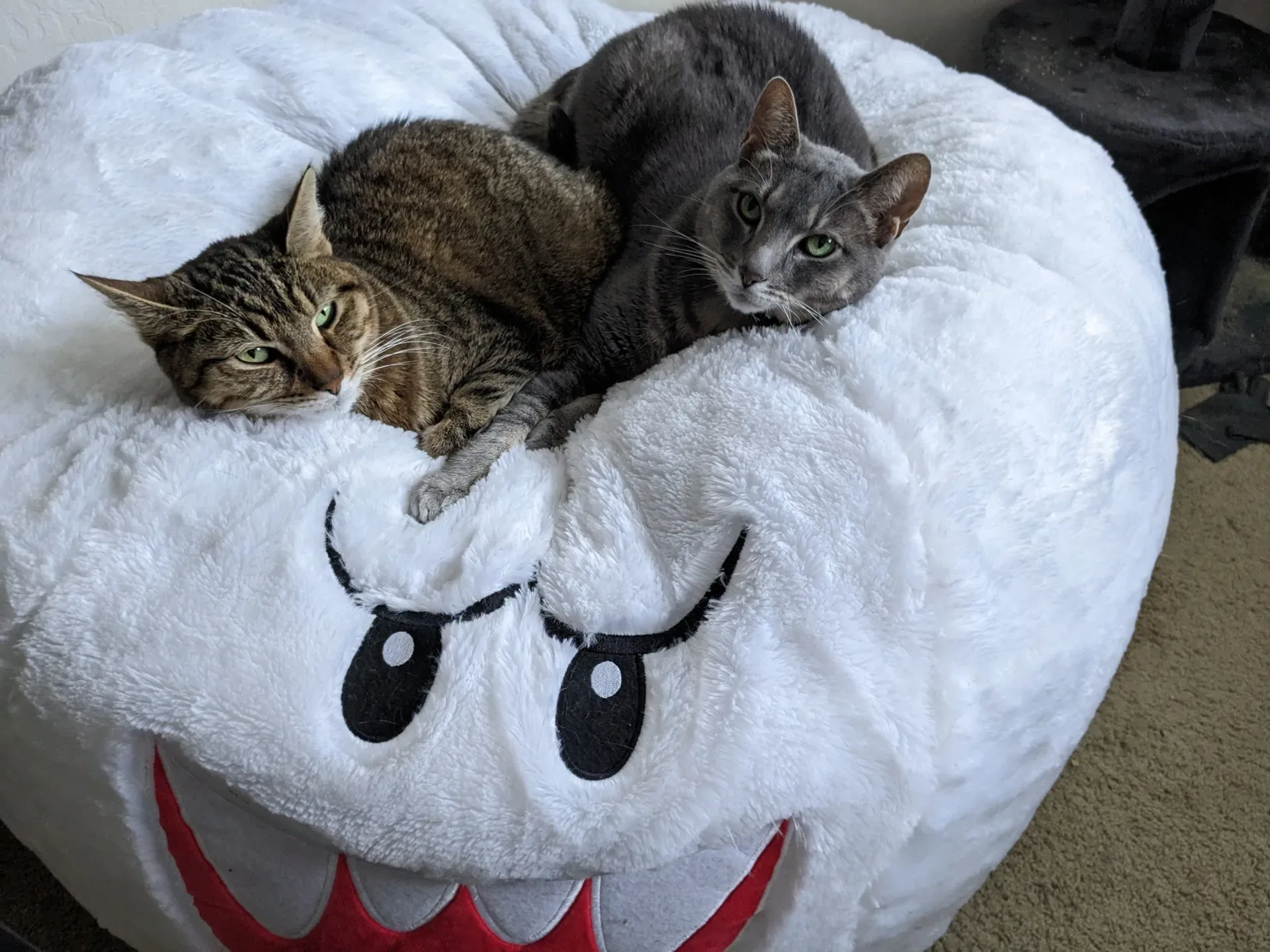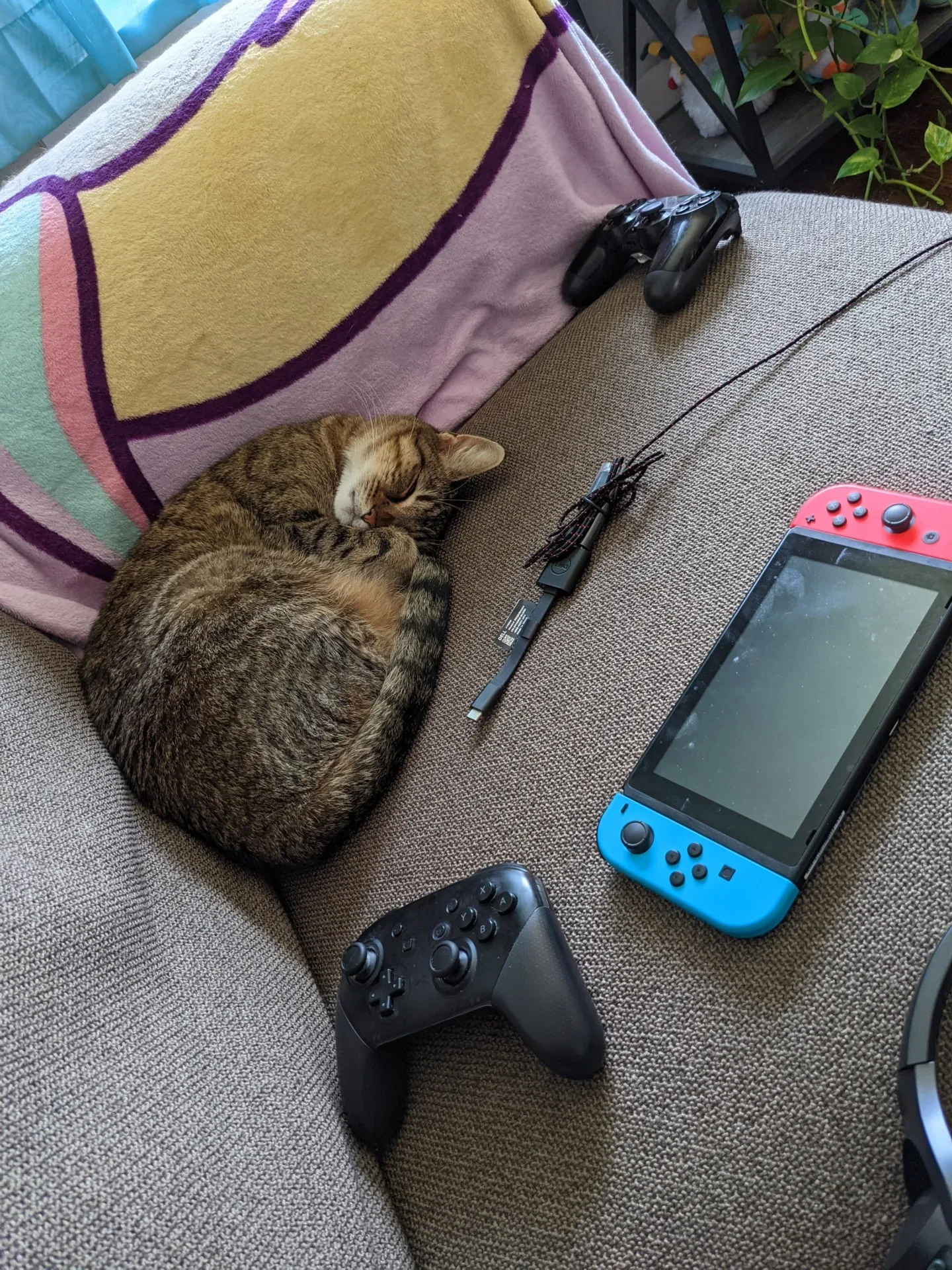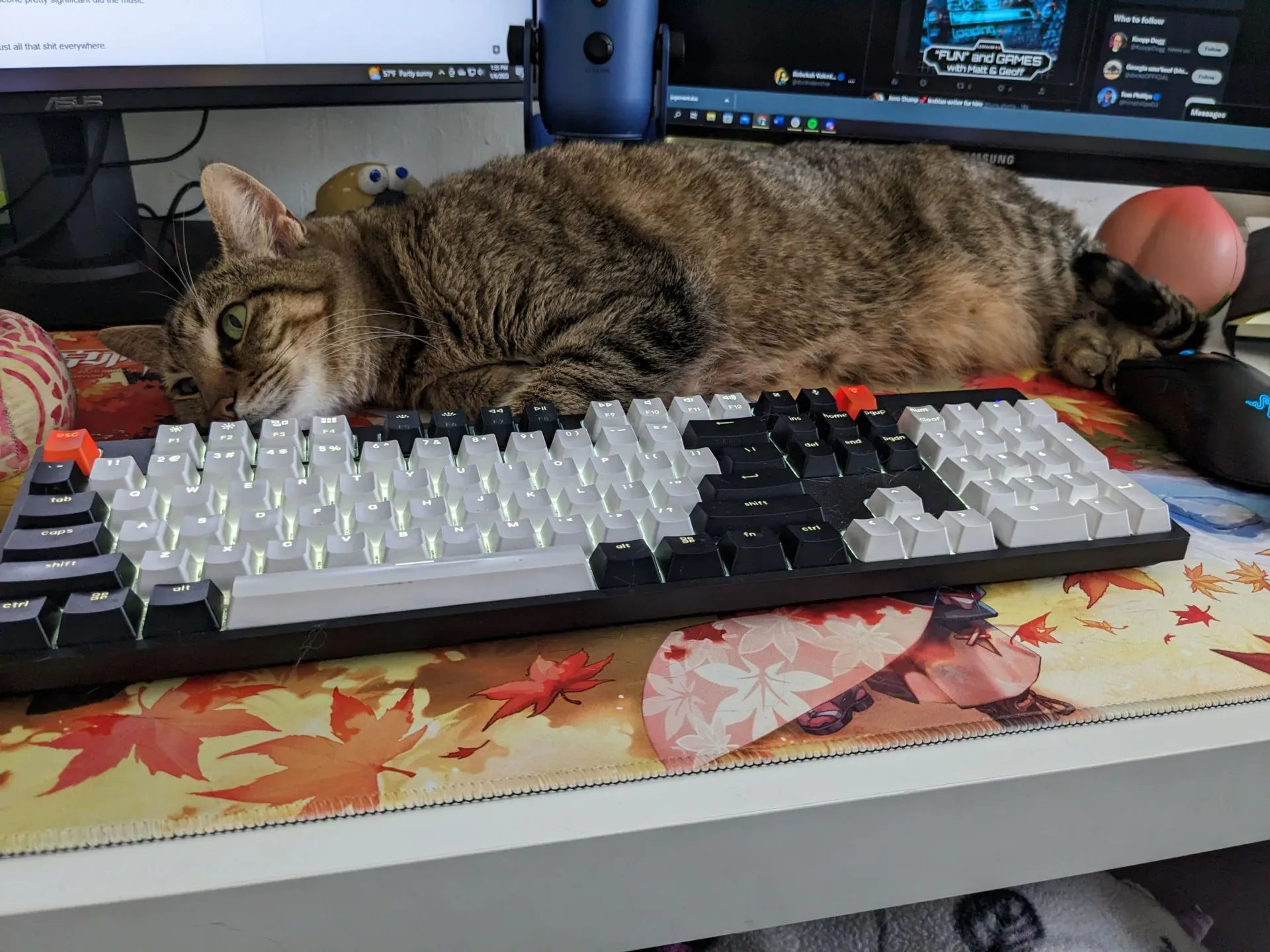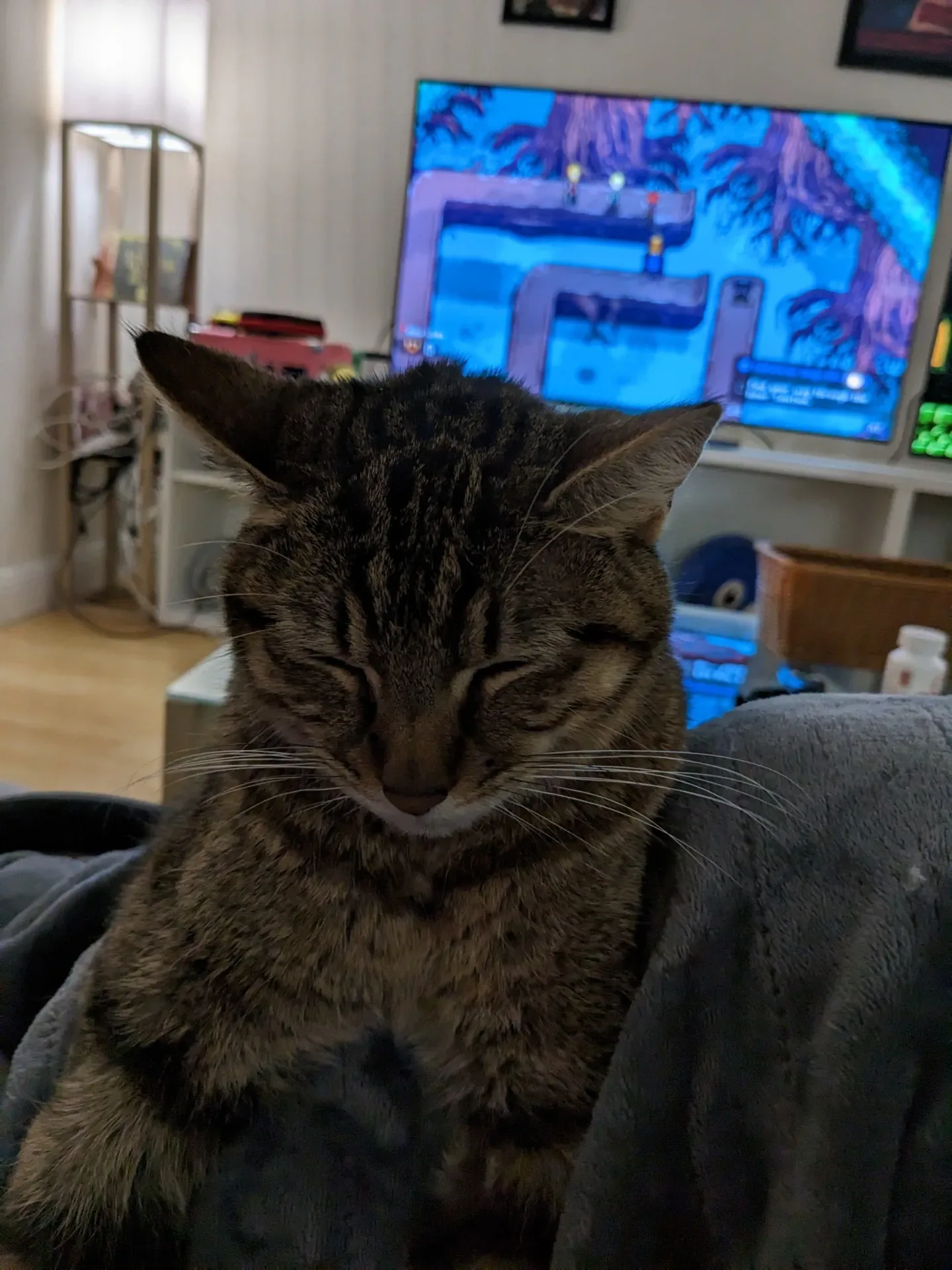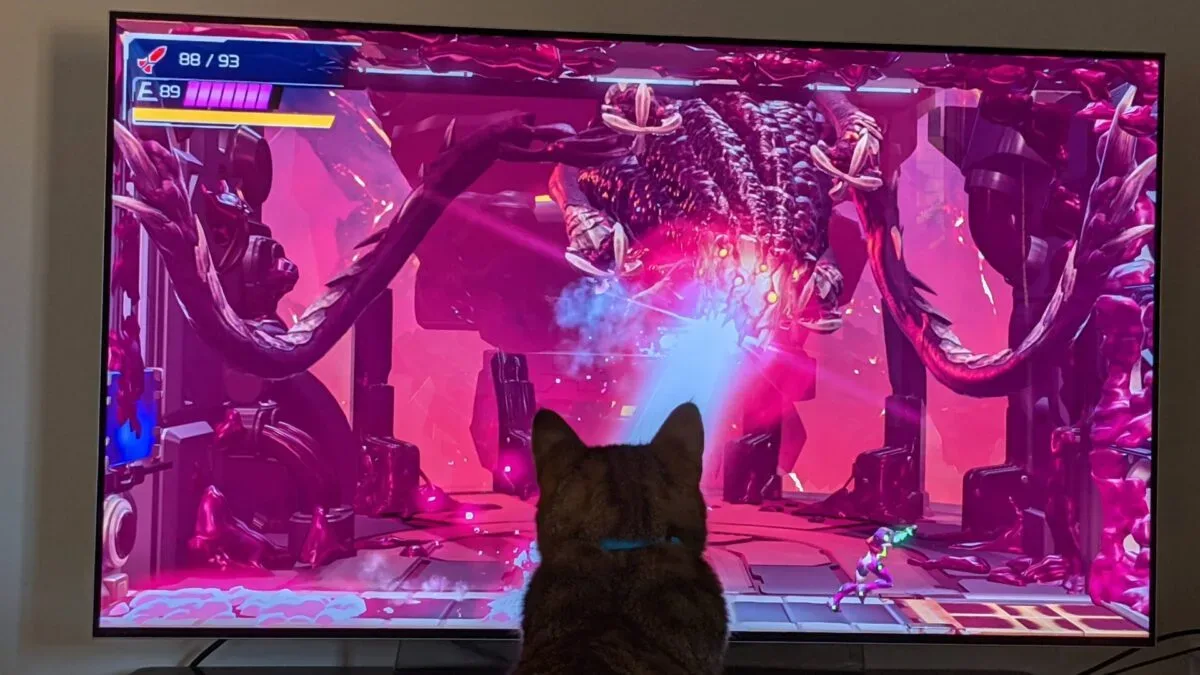
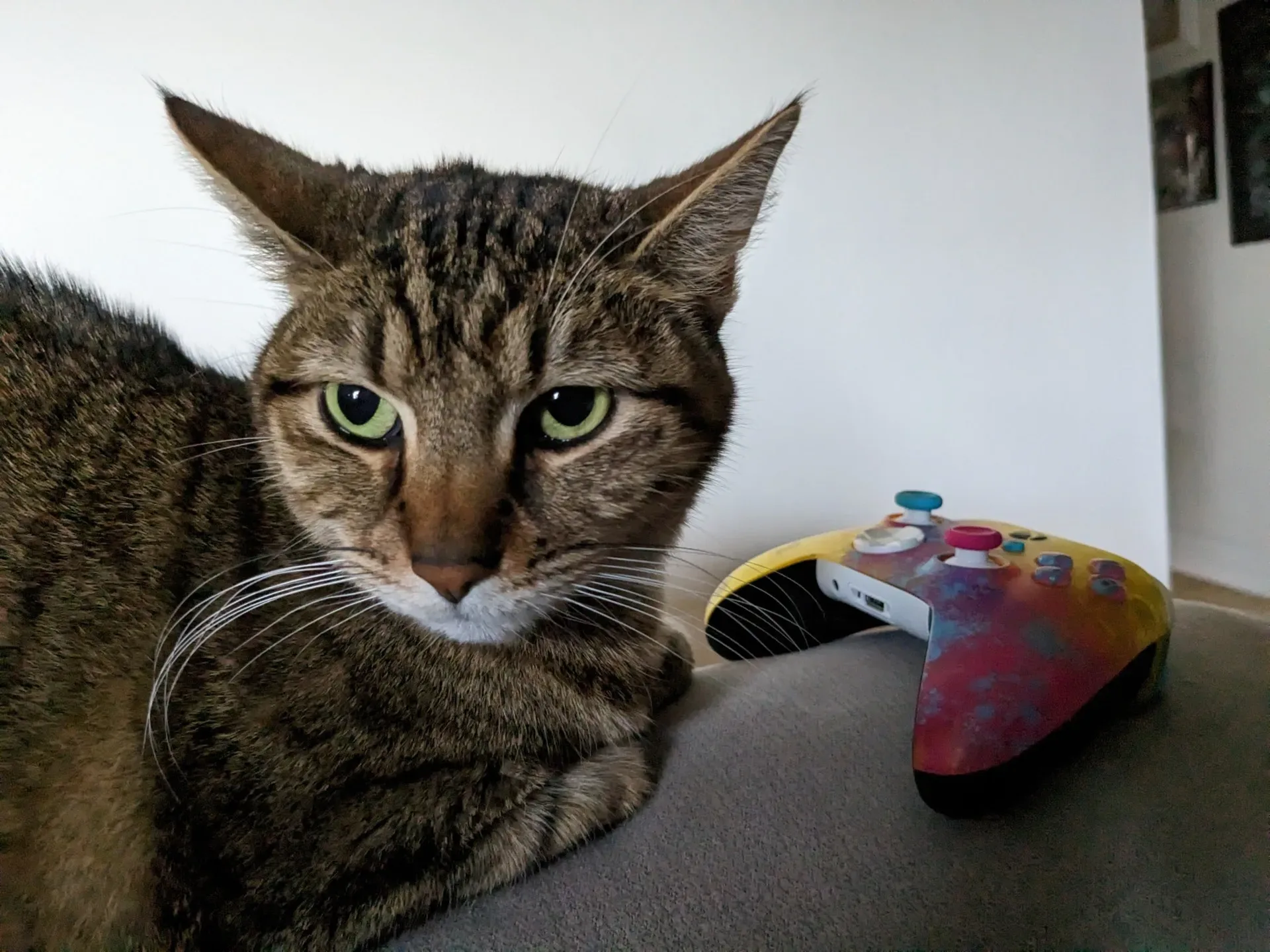
There are pets who merely tolerate the glow of a television, and then there are pets who become permanent members of the setup. Robo, a 12-year-old brown tabby, belonged firmly to the latter category: lap companion, keyboard obstruction, meeting cameo, unexpected podcast guest and, by sheer proximity, perhaps one of the most comprehensively exposed observers in video-game journalism.
Her story is not really about whether a cat can understand Undertale, identify a speedrun line in Mega Man X, or form a considered position on the combat in Elden Ring. She could not offer a review score, and the persistent, high-volume “EAH!” used for every possible mood does not make for nuanced criticism. It is about something more recognizable to anyone who has built a routine around games: a companion animal can become inseparable from the spaces, hours and emotions that gaming occupies.
Robo is nearing the end of a life that has coincided with an extraordinary amount of play, writing, moving and rebuilding. After a lymphoma diagnosis and a sharp decline in health, her family has chosen to say goodbye. The particulars are devastating, but the picture left behind is unusually vivid. For more than a decade, Robo was not simply near games. She was near the people playing them during milestones that mattered.
A tiny spectator with a very long watch history
Adopted from a shelter with her sister Lucca in 2014, Robo began watching games at only two months old. Her early viewing included Shovel Knight and Super Smash Bros. for Nintendo 3DS. As she grew, couches, desks and laps became front-row seats for Undertale, Splatoon, Overwatch and many others. Occasionally, she would reach a paw toward the moving figures on screen—an ineffectual intervention perhaps, but a familiar one for anyone who has tried to play while a cat decides the display needs inspecting.
The “Robo knows more about games than I do” premise is knowingly playful, but it has a real foundation in sheer exposure. She witnessed every title played in her home since 2014, including the separate gaming habits of two people during five years under the same roof. That took in difficult runs through Dark Souls II and Middle-earth: Shadow of Mordor; a first World of Warcraft raid in Highmaul; and enough repeated Mega Man X to make a speedrun attempt feel like a household ritual rather than a solitary challenge.
In that sense, Robo’s “library” was not a traditional backlog. It was a timeline. A game appeared not only as software but as a soundscape, a shared activity, a frustration, a celebration or a way of getting through a hard evening. The distinction matters. People do not remember all games only by mechanics, release schedules or platform libraries. They remember where they sat, who was beside them, and what was happening in life when the credits rolled.
Games as the background to work and change
Robo’s years alongside a game writer also made her a quiet fixture around the professional side of the hobby. While still under a year old, she was present when Pokémon Omega Ruby was played before most people could access it. She watched a Mario & Luigi: Paper Jam review take a physical toll on its writer’s wrists. She was there for the launch of Nintendo Switch, for an early playthrough of The Legend of Zelda: Breath of the Wild, and for a gathering built around 1-2-Switch where attention-seeking trips through the basement remained part of the evening’s character.
She also lived alongside career landmarks: a first full-time job in games journalism in 2018, another role in 2021, and a new position this year. For Robo, these occasions had an immediately understandable translation: celebrations meant treats. That is arguably a better system for interpreting professional success than most corporate dashboards.
Related coverage includes Robo the Cat's Gaming Life Became a 12-Year Chronicle of Play, Work and Comfort.
At a desk, she saw articles, criticism, news reports and developer interviews take shape. Video calls meant that coworkers, guests and audiences encountered her, too. Her interruptions were generally met not as a problem but as a welcome spot of warmth in an otherwise formal remote exchange. During one interview, game creator Hironobu Sakaguchi reportedly reacted to her appearance with an appreciative “Kawaii!” The moment captures why animals so often puncture the stiffness of work calls. They do not care about the agenda, the title of the person speaking or the stakes of the meeting. They simply arrive, often exactly where the keyboard is needed.
That is not a trivial contribution. In an industry that routinely asks people to turn a personal interest into a demanding job, it can be easy for play and work to collapse into the same stressful blur. A cat demanding a lap or walking across the keys does not solve structural pressures, nor should it be asked to. But it can interrupt the rhythm just enough to return a person to the room they are actually in.
The games that accompany difficult chapters
Robo moved to Kansas City in early 2019 after a divorce. During that period, she stayed close through sessions with Tales of Vesperia and the first chapter of Deltarune. Later, in 2020 and 2021, it was Robo, Lucca and their person at home together through long stretches of isolation, with games filling many of the hours.
That stretch included around 500 hours in Animal Crossing: New Horizons and attempts at Ring Fit Adventure, with Robo settling on a yoga mat as if claiming a more sensible version of the exercise plan. These details may sound small, but they explain why games can become such powerful markers of time. A game’s save file can log playtime; the room around it holds the rest of the record. A pet sleeping nearby becomes part of that record, too.
Long-distance date nights later brought Divinity: Original Sin 2 into the routine, alongside video calls and shared cooking. Eventually, Robo traveled on two three-day car trips: to San Francisco in 2021, then back to Kansas City in 2024. Her household expanded after a new marriage, and so did the games playing in the background. She watched Hades II, Consume Me, Unbeatable, Hyrule Warriors, Pragmata and 007 First Light, among many more.
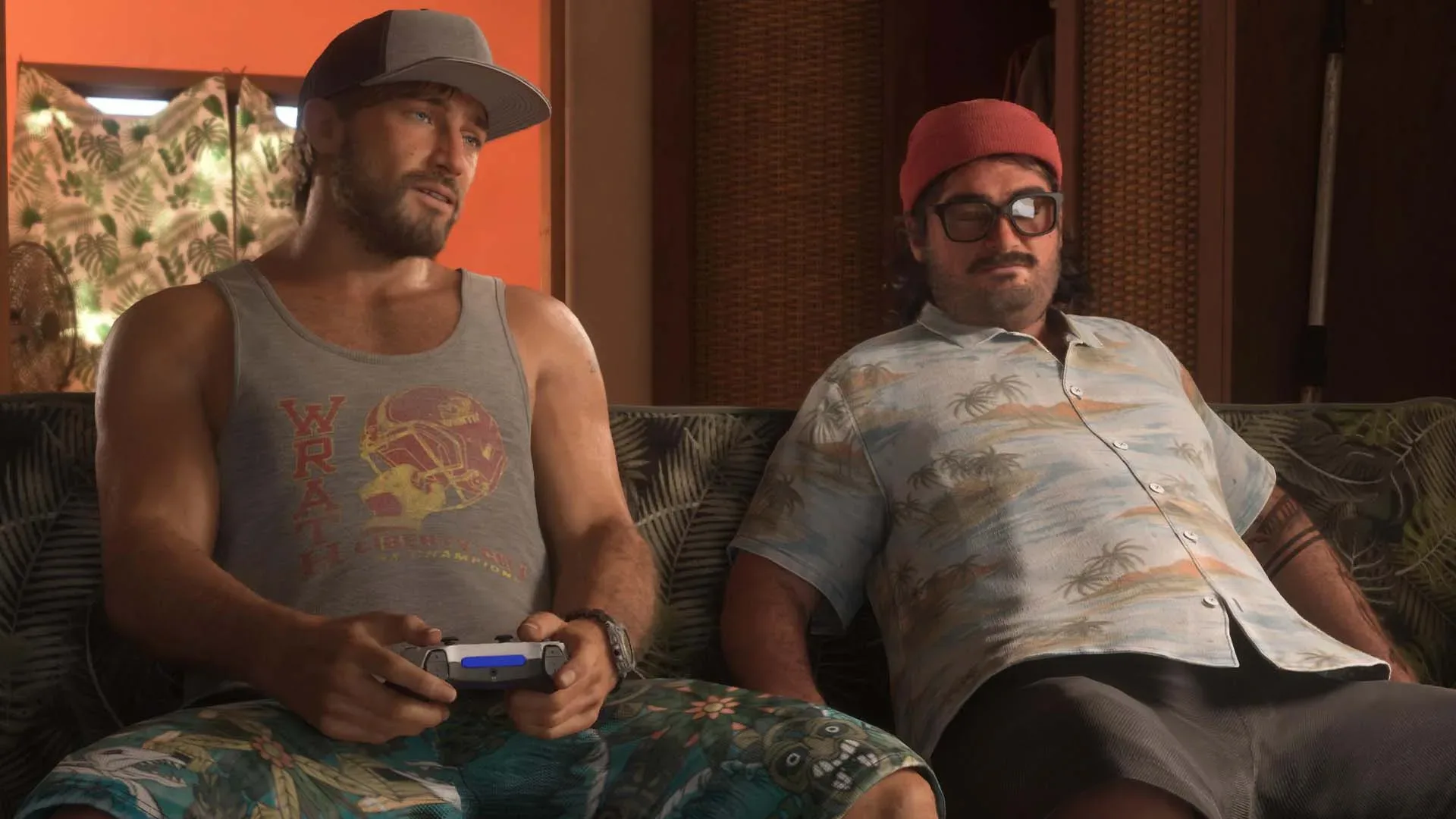
She was around for co-op Kirby and the Forgotten Land and side-by-side Elden Ring, where deaths were frequent enough to create a useful ritual: pause and pet whichever cat was in reach. She also watched the sometimes less heroic work of puzzle solving in Animal Well and Blue Prince, including strategically occupying a notebook when it was left unattended. More recently, Robo had seen portions of both household playthroughs of Grand Theft Auto VI. Even the biggest games can be reduced to their most human context: someone on a couch, someone nearby, and a cat who may prefer attention to an open-world crime spree. For more on the oddities that can surface in vast game worlds, see our look at why scripted details still matter in GTA 6.
What a pet actually knows
It would be dishonest to turn Robo into an expert analyst with secret opinions on every game she observed. The claim that she read articles or judged writing is a loving joke, not a factual assertion. Yet the deeper observation needs no fantasy: pets learn patterns. They recognize the rhythms of a home, attention shifts, familiar voices and changes in behavior. They can be present through the full spectrum of what games mean to their people—relaxation, deadlines, disappointment, achievement, loneliness and connection.
Robo’s family saw that attentiveness in important moments. During a panic attack, she once planted herself determinedly on her person’s face. It was impractical in every literal sense, but funny enough to break the spiral and help create calm. In a period of depression after the divorce, the responsibility of feeding and caring for her required getting up each morning. When a partner was hospitalized after a stroke, Robo curled up in waiting arms at night.
None of that makes grief easier, and it does not turn a pet into a substitute for human support or medical care. What it does show is the practical, daily nature of companionship. Care is reciprocal even when only one party can fill a food bowl or book a vet appointment. The animal needs the person’s routine; the person finds structure, comfort and sometimes a reason to move through the next hour in the animal’s needs and presence.
A legacy made of ordinary moments
Robo’s legacy is not a high score, a credit roll or a definitive ranking of the games that crossed her field of view. It is the accumulation of ordinary scenes: a small tabby in a lap during a workday, a cat yelling from the kitchen during a date night, a notebook occupied at exactly the wrong time, and a petting break after another in-game death.
Those scenes also offer a gentler way to think about gaming culture. Conversations about games often prioritize what is newest, biggest, most technically ambitious or most contentious. Those topics have their place. But a game can also be meaningful because it was playing when someone started over, found companionship, changed cities, found work or endured a frightening night. It can matter because a beloved animal slept beside the controller.
The world after Robo will still contain games, work and new routines. It will not contain her particular “EAH!”, her paws near the screen or her refusal to respect the productive use of a notebook. That absence is the hard truth at the center of this story. But twelve years of companionship leave more than an empty spot on a desk. They leave a history in which comfort was repeatedly present, often quietly, through the changing lives around it.
Robo may take her mysterious game criticism with her. The people who loved her will keep the much clearer evidence: she was there, she was cherished, and she made a life in games warmer.