A phone being cheaper than new is the easy part. Understanding why it is cheaper—and what protection is attached to the sale—is the part that deserves attention. Listings commonly use terms including pre-owned, used, refurbished and certified pre-owned, but those words do not promise one consistent level of condition, testing or after-sale support.
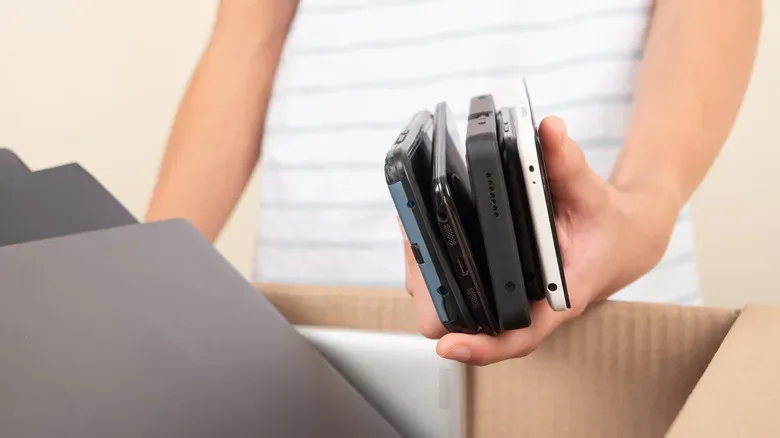
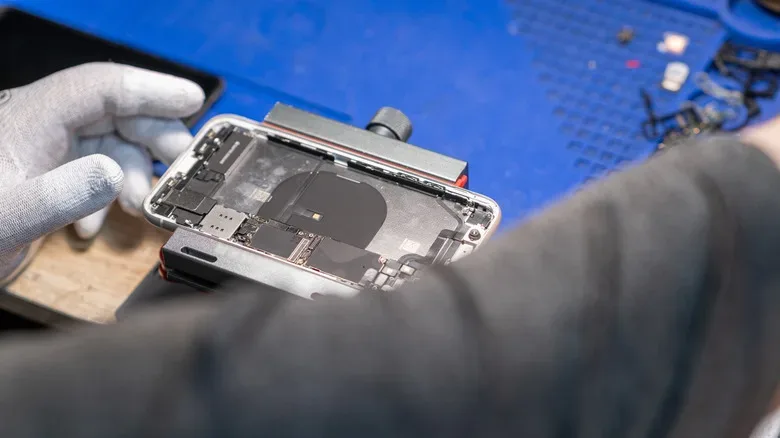
The most useful distinction is simple: pre-owned describes a phone’s past ownership, while refurbished describes work performed on it. A pre-owned handset has belonged to someone else. It may be in great shape, have a well-known history and retain coverage, but it is often being sold in its current condition. A refurbished handset is also used, but it has generally been inspected, cleaned and tested, with repairs or replacement components used where needed.
That makes refurbishment sound like an automatic win, but it is not an industry-wide grade. One seller’s “refurbished” can mean a manufacturer has fitted approved parts and attached a substantial warranty; another seller may have applied the word after a far less clearly explained process. The listing adjective is a starting point for questions, not the answer.
The short answer: buy the seller’s process, not the label
For a buyer who wants fewer unknowns, a manufacturer-certified device or phone from a credible refurbishment program is usually the safer route. The extra cost can pay for inspection, a stated return window and warranty recourse if an issue turns up after the initial setup. That can be especially valuable when a defect is not obvious from photos or a brief first boot.
A carefully researched used phone can nevertheless be the better value. This is particularly true where the ownership history is known—for example, a device sold by a friend or family member—or where a marketplace enforces meaningful seller standards and buyer protection. A clean, fully working handset from a vetted seller can be a stronger deal than a higher-priced refurb listing that does not identify who reconditioned it, which parts were changed, or who will actually honor its warranty.
In other words, there is no universal winner. A refurb is often the low-hassle choice. Pre-owned can reward a buyer prepared to investigate the specific device and the terms of the sale.
Why “refurbished” is not a single condition standard
Refurbishment may be handled by the original manufacturer, an authorized reseller or an independent company. Those are materially different arrangements. The component source, number and type of tests, cosmetic standard, battery policy and warranty provider can all vary.
Manufacturer programs offer the clearest examples of why details matter. Apple Certified Refurbished iPhones receive a new battery and outer shell, with genuine Apple replacement parts used as needed. They carry the same one-year limited warranty as a new iPhone. Samsung’s Certified Re-Newed phones are put through a 147-point quality inspection. Those statements explain more than the word “certified” alone: they identify the company behind the process and, in Apple’s case, explicitly state important replacements and warranty parity.
Other programs may be sound but require closer reading. On eBay, the Certified Refurbished tier applies to products reconditioned by manufacturers or authorized resellers and includes a two-year warranty serviced by Allstate. Excellent, Very Good and Good refurbished tiers are supplied by quality-vetted sellers and include one-year warranties serviced by Allstate. Crucially, that does not mean the handset maker itself will manage a claim. “Seller Refurbished” is also a separate listing condition outside that official refurbished program.
That distinction is practical, not pedantic. When a listing says it has a two-year certified warranty, determine who is responsible if the phone develops a fault. The manufacturer, the seller, the marketplace or an outside warranty administrator may each have different claim procedures. A long warranty is most useful when the responsible party and its process are plainly stated.
Third-party refurbishment marketplaces can set their own baseline rules as well. Back Market says its professional refurbishers must provide phones with at least 80% battery health, factory-reset the devices and scrub their data. Its phones include a one-year warranty and 30-day free returns. These are concrete terms a buyer can compare with another listing, rather than relying on broad marketing language.
Certified pre-owned can be refurbishment by another name
“Certified pre-owned,” frequently shortened to CPO, can make the used-versus-refurbished choice seem more confusing than it is. The phrase may refer to more than a straightforward resale. Verizon’s CPO phones, for example, are inspected and reconditioned where necessary. Verizon lists battery health and maximum capacity among the areas that are thoroughly tested, although it does not give a minimum battery-health percentage. These handsets are also eligible for Verizon payment plans.
The lesson is not that CPO is suspect. It is that the phrase should prompt the same checklist as a refurb listing: What inspection or repair occurred? What condition is guaranteed? Is there a battery threshold? What return and warranty coverage applies? A familiar retailer or carrier name does not make those questions unnecessary, though it can make the answers easier to locate.
Technical checks that matter more than cosmetic grade
Many listings put a visual grade front and center: Good, Very Good, Excellent or something similar. That information has value if scratches, frame wear or screen marks matter to you. It should not eclipse a phone’s operational status. A pristine-looking device with a weak battery, incompatible carrier status or an account lock is far more troublesome than a cosmetically worn handset that is otherwise healthy and properly cleared.
Battery health and maximum capacity
Battery health is an indicator of how much charge capacity remains compared with the battery when it was new. As a battery ages, it can hold less power. A stated minimum, such as Back Market’s 80% requirement, gives buyers a measurable baseline. A seller saying a battery was “tested” is useful but is not the same thing as promising a specific percentage. If battery longevity affects how you will use the phone, ask which of those claims the seller is making.
This is also one reason a manufacturer refurb program may justify a premium for some shoppers. Apple’s program explicitly includes a new battery. That is a stronger and clearer assurance than a generic claim that the battery is functional.
IMEI status
An IMEI is a unique identifier for a mobile device. Buyers should confirm that the phone has a clean IMEI. On Swappa, listed devices must have a clean IMEI, be fully functional, carry no activation lock and have no outstanding financing. Those requirements help reduce several major hazards of a private-style used purchase before the package arrives.
A clean identifier does not replace all other checks, but it belongs near the top of the list. The phone can look immaculate and still cause immediate grief if its status prevents normal use.
Activation and account locks
An activation lock is tied to the prior owner’s account and can stop a buyer from setting up the phone as their own. Make certain previous account locks have been removed. A factory reset alone is not enough reassurance if the prior account remains connected to the device.
This is why a listing that says a phone was factory reset and had its data scrubbed is meaningful, as in Back Market’s standards. It addresses the device’s prior data and preparation for a new user. Buyers should still verify successful setup promptly upon receipt, while the return window is open.
Carrier compatibility and financing
Carrier compatibility means whether the phone will work with the service you plan to use. Verify compatibility before buying rather than treating it as a post-purchase detail. Also check that there is no outstanding financing tied to the device; Swappa specifically requires the absence of outstanding financing for its listings.
Payment-plan eligibility, such as Verizon’s for CPO phones, may be useful for a buyer choosing that carrier. It is not, by itself, proof of a certain battery condition or a substitute for checking warranty and return terms.
Software support
Before committing to an older model, check its software support. A phone can be attractively priced and fully operational today while offering less future software support than a newer alternative. This is a key part of total value, not an optional extra. The same principle applies to other second-hand tech: when considering an older computer, for instance, platform support should come before simply selecting the lowest sticker price. See our guide to buying an older MacBook with the platform in mind.
A practical comparison checklist
Use the same checks whether a listing says used, refurbished or certified pre-owned. The goal is to turn a vague condition label into terms you can actually compare.
- Identify the refurbisher: Was the phone handled by the manufacturer, an authorized reseller, a third party or the seller themselves?
- Read the warranty closely: Note its length, who services it and whether that party is the manufacturer, marketplace or an outside provider.
- Confirm the return period: Know how long you have to find a problem and send the phone back.
- Ask about replacement parts: Find out what was repaired or replaced where the program provides that information, and whether the parts are identified as genuine.
- Check battery terms: Seek a stated battery-health percentage or a clear new-battery promise instead of assuming “tested” means the same thing.
- Verify compatibility: Confirm the handset works with your intended carrier.
- Confirm clean device status: Ensure the IMEI is clean, no prior account or activation lock remains, and there is no outstanding financing.
- Check software support: Decide whether the model’s remaining support suits how long you expect to keep it.
What to do as soon as the phone arrives
Do not let the return period drift by while the phone sits in its box. Set it up promptly and confirm that a prior account lock does not interfere with activation. Review the battery-health information available on the device, ensure it works with your carrier, and compare its condition with the listing’s stated grade and specifications.
If the phone is materially different from the listing, buyer protection becomes important. Swappa states that buyers are entitled to a refund in that situation. More broadly, retain the listing details and inspect the device early enough to act under the seller or marketplace’s stated policy.
For refurbished purchases, keep the warranty documentation and identify the actual warranty provider before an issue occurs. A program with a one- or two-year term can provide meaningful reassurance, but only if the buyer understands where to make a claim and what the program covers.
Choose the amount of certainty you are paying for
The refurbished-versus-pre-owned decision is better framed as a decision about risk, information and support. Manufacturer-certified refurbishment can offer defined work, known parts practices and formal coverage. Established third-party programs may provide measurable battery standards, data-clearing requirements, returns and warranties. A straightforward pre-owned sale can be attractive where the device history is credible and buyer protection is substantial.
What should not decide the purchase is the label in isolation. A refurbished phone with no clear explanation of its work or warranty can be a weaker proposition than a used phone with a clean history, clear functionality requirements and a reliable refund path. Read the conditions, verify the technical essentials, and buy the specific handset and protections being offered—not merely the most comforting word beside its price.