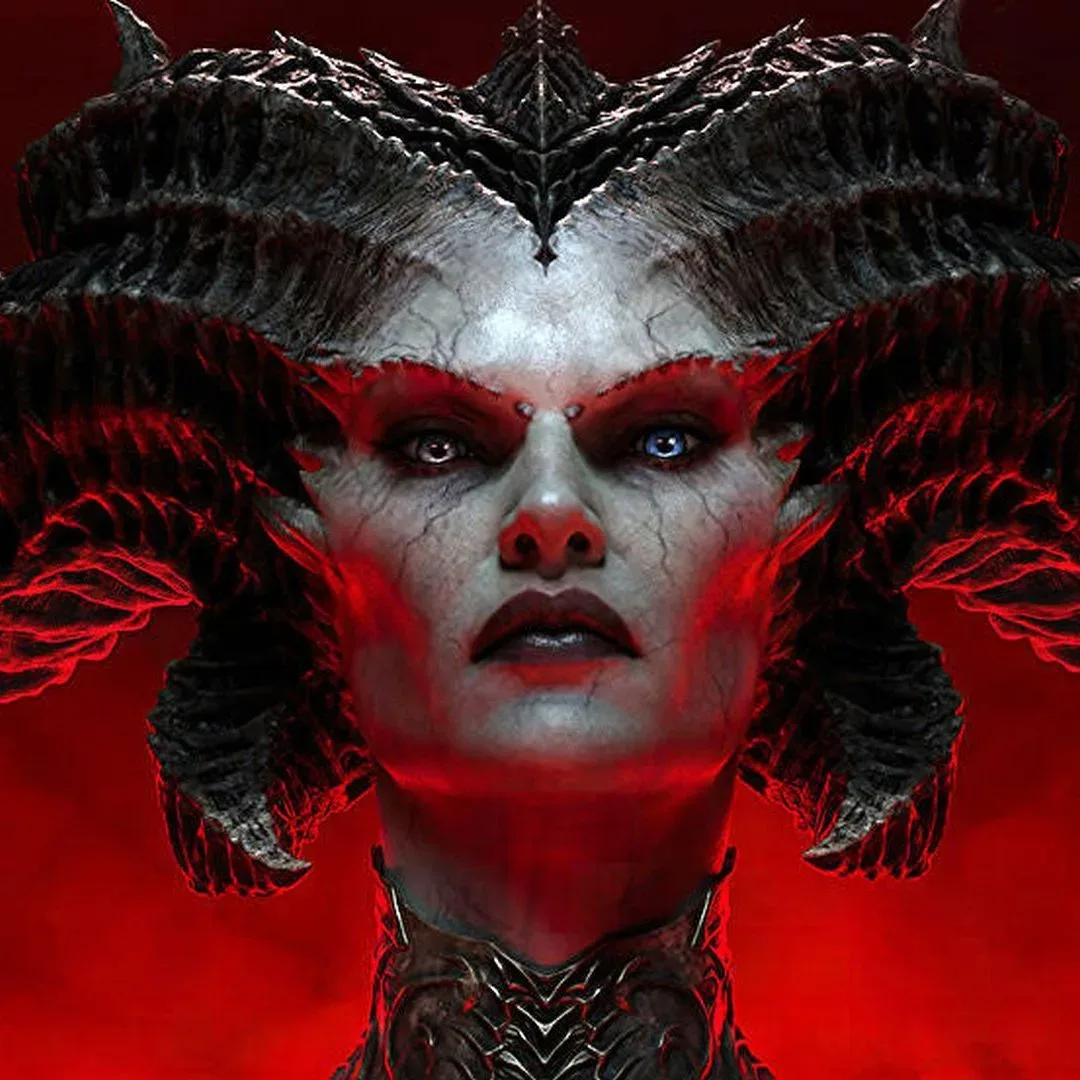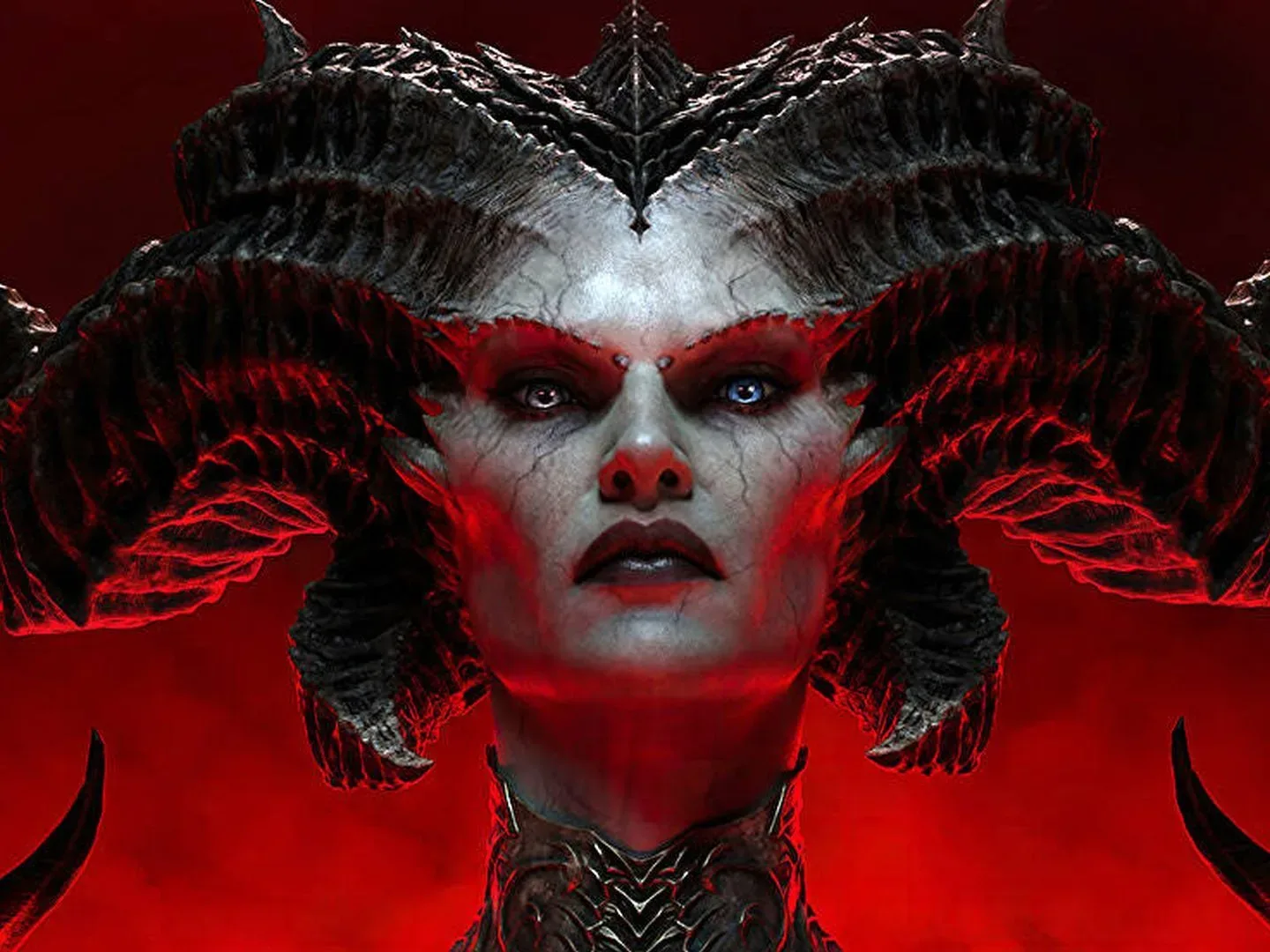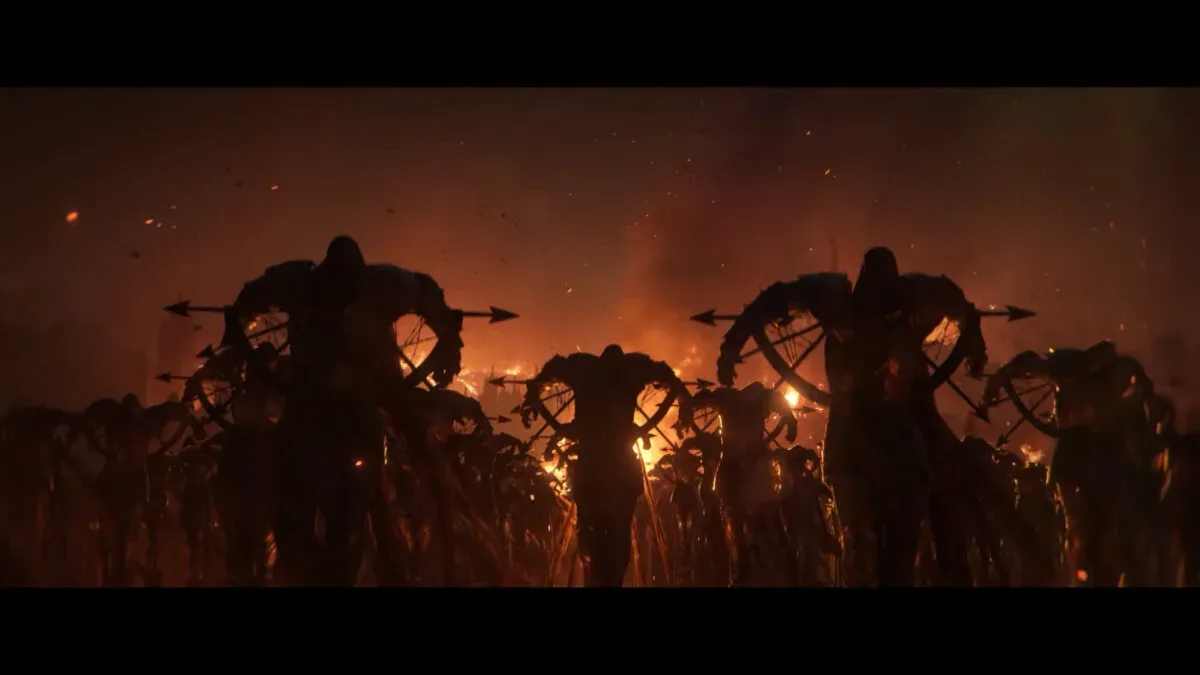
A public disagreement over Diablo’s narrative priorities has emerged following the reveal of Season of Hell’s Legacy, a planned Diablo 4 event tied to the franchise’s 30th anniversary. Chris Wilson, a central designer and co-creator of Path of Exile, has called the idea “pretty distasteful,” not because an anniversary event cannot be fun, but because he believes its apparent use of major characters could make the series’ established story feel less consequential.
The critique lands at an unusual moment for the action-RPG series. Diablo 5 has been announced, while Diablo 4 will no longer receive major expansions. Some additional content is still planned for the current game, but Wilson sees the wider transition as a sign that Diablo 4 is being left behind before its narrative potential has been properly developed.
His concern is not chiefly about loot, balance, or the usual seasonal churn that accompanies a live-service action RPG. It is about canon: the internally consistent sequence of story events a fictional universe asks players to accept as meaningful. In Wilson’s reading, an anniversary celebration should not casually flatten the stakes around the franchise’s most important antagonists, or revive a character whose death had already been presented as definitive.
What Hell’s Legacy appears to put on the table
Season of Hell’s Legacy is positioned as a 30th-anniversary event for Diablo 4. Wilson’s objection focuses on the prospect of the Prime Evils appearing together in an event that is not substantially connected to the game’s core storyline. The Prime Evils are not just another set of monsters in Diablo’s wider bestiary; in his argument, they are the major threats that a long-running Diablo narrative should build toward with care.
That distinction matters because seasonal games often make a practical separation between an ongoing campaign and temporary activities. A season, in this context, is a time-limited cycle of new content, progression, and gameplay reasons to return. It can be a useful way to keep players engaged, but it also creates a storytelling problem when temporary or optional material uses characters who are supposed to carry the greatest dramatic weight.
Wilson argues that Diablo 4 had been gradually moving toward a future confrontation with the Prime Evils. Introducing them all together through a special event risks turning that escalation into a brief celebratory attraction rather than a major payoff. The issue, then, is less that players might get to encounter famous villains, and more that the manner of their appearance could change what those villains represent.
That is a reasonable creative tension for any long-running series. Familiar characters are powerful promotional tools, especially around an anniversary. They give returning players an immediate hook and give a limited-time event a sense of scale. But using every recognizable figure at once can also reduce the room a future game has to build anticipation. If a villain has already been presented as a seasonal spectacle, the next full narrative confrontation has a tougher job making that villain feel newly terrifying.
Deckard Cain is central to the criticism
Wilson also singled out Deckard Cain’s reported return. Cain was canonically killed in Diablo 3, and Wilson believes bringing him back for Hell’s Legacy sends an unwelcome message: that established cause and effect can be relaxed whenever a celebratory event needs an emotional callback.
Related coverage includes Path of Exile Co-Creator Criticizes Diablo 4's Hell's Legacy Anniversary Event.
“Causality” is a useful word here, even if it can sound more academic than the problem really is. In storytelling, causality means events lead to consequences. A sacrifice changes the people who survive it. A death creates absence. A defeat leaves a mark. When a game treats those outcomes as reversible without clearly explaining why, it can make previous dramatic scenes feel conditional.
There are, of course, many ways fantasy fiction can incorporate someone who has died. A vision, a memory, an illusion, a time-based setting, or another explicitly framed narrative device can preserve the original event while still giving players contact with the character. But no such explanation was established in the information at hand. Wilson’s criticism addresses the impression created by the event’s presentation, not a confirmed technical or narrative mechanism behind Cain’s appearance.
That uncertainty is important. It would be premature to declare that Diablo 4 has permanently rewritten Cain’s fate. Yet Wilson’s broader point stands as a question worth asking before the season arrives: will Hell’s Legacy clearly distinguish anniversary fantasy from the story players are expected to treat as binding? If it does, the event may preserve the gravity he fears is being lost. If it does not, the reaction may extend beyond one character.
Why the “birthday boy” line rubbed Wilson the wrong way
Wilson was similarly unimpressed by Diablo being called “the birthday boy” on stage. Read in isolation, it is an easy piece of event-show banter. Anniversary presentations are naturally inclined toward a lighter tone, and a franchise mascot is likely to be part of the festivities.
But Wilson argues that Diablo, the Lord of Terror and the series’ namesake, should be treated with much greater solemnity. The franchise’s central fantasy, as he frames it, is a player’s eventual journey toward confronting and defeating Diablo. Reducing that figure to a joke, in this view, does not merely produce an awkward line; it undercuts the atmosphere that makes the confrontation desirable in the first place.
This is ultimately an argument about tone. Tone is the emotional contract a work establishes with its audience: whether it wants players to feel dread, triumph, melancholy, absurdity, or some combination of them. Diablo’s dark subject matter does not forbid humor around the brand. The sharper question is where that humor sits and what it touches. A throwaway gag about a peripheral detail has a different effect from a gag about the titular ultimate evil.
Players will reasonably differ on where that line belongs. Some may see an anniversary event as exactly the right occasion for an affectionate, less serious victory lap. Others may share Wilson’s preference for keeping foundational characters and deaths outside of promotional whimsy. Neither response requires pretending that every seasonal activity must bear the tone of a main campaign. It does require recognizing that the use of marquee story material is not neutral.
A criticism from a rival genre veteran, not a rejection of Diablo 5
Wilson’s views carry interest because Path of Exile occupies the same broad action-RPG space as Diablo. Still, his remarks are not a blanket dismissal of the next Diablo game. He said he is tentatively hopeful about Diablo 5 and highlighted several elements that appeal to him: a return to more RNG-heavy world design, a genuinely desolate outlook, and even the logo’s font choice.
RNG, short for random number generation, refers to systems that produce variable outcomes. In game design, that can mean layouts, item properties, enemy arrangements, or other elements do not resolve the same way every time. An RNG-heavy world design can make repeated runs less predictable, though whether that feels exciting or frustrating depends on its implementation. Wilson’s positive response suggests that he sees Diablo 5’s stated direction as potentially more aligned with the bleak, uncertain atmosphere he wants from the series.
Diablo 5 is also said to tell three stories across the past, present, and future. Its biomes will change based on which of Diablo’s minions holds power. Those ideas could support a large, changing world, but they also increase the importance of clarity around continuity. A game spanning multiple timeframes has more opportunities to revisit familiar people and threats; it also needs firmer rules so players understand whether they are seeing history, consequence, possibility, or a canon-altering return.
For another look at how major action releases handle player expectations around launches and access, see our coverage of Gears of War: E-Day launch times, early access, Game Pass and preload details.
What Diablo 4 players should take from the debate
For now, there is no need for players to assume every element of Hell’s Legacy will override existing Diablo continuity. The available details do not settle how the event will frame the Prime Evils, Cain, or its relationship to the main storyline. That framing is precisely what will determine whether Wilson’s concern proves persuasive in practice.
There are several details worth watching when the event is explained further:
- Story status: Is the event presented as a canonical chapter, a separate celebration, or something else?
- Character context: Is Cain’s appearance explained in a way that acknowledges his Diablo 3 death?
- Villain treatment: Are the Prime Evils a true narrative encounter, or primarily a temporary gameplay showcase?
- Future stakes: Does the event preserve room for Diablo 5 to make later confrontations feel significant?
The broader dispute is not really about whether an anniversary deserves fan service. Of course it does. It is about the kind of fan service a series can deploy without making its own past feel disposable. A franchise can celebrate its icons, revisit its history, and offer players a spectacular temporary mode. But when the icons are its greatest villains and the history includes pivotal deaths, the presentation has to do more work.
Wilson’s “tentatively hopeful” stance on Diablo 5 makes his criticism more specific than simple rivalry talk. He sees promise in the new game’s stated direction, while worrying that Diablo 4’s winding-down period may treat crucial lore too casually. Whether Hell’s Legacy is remembered as a clever anniversary detour or a warning sign will depend on the narrative boundaries it ultimately draws.