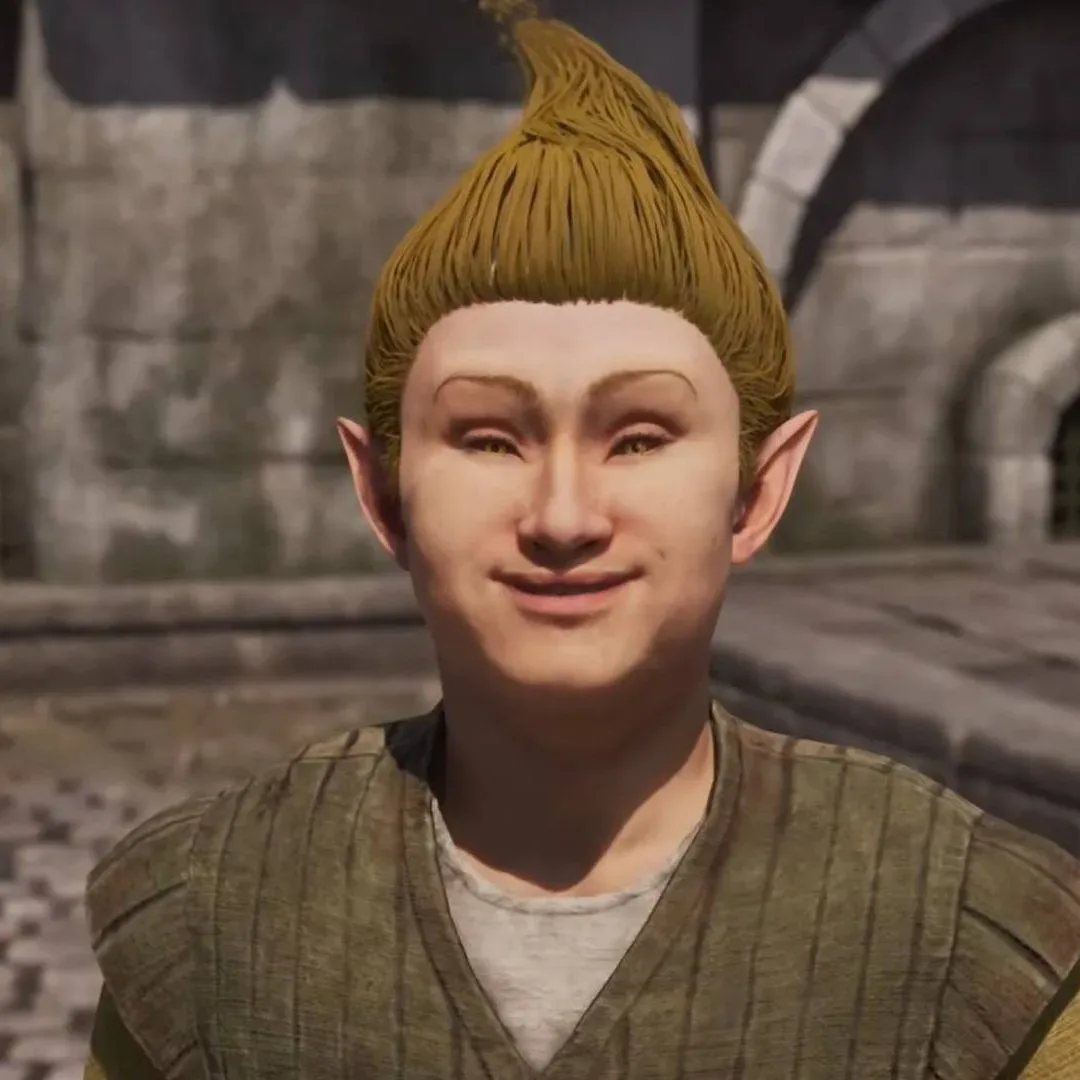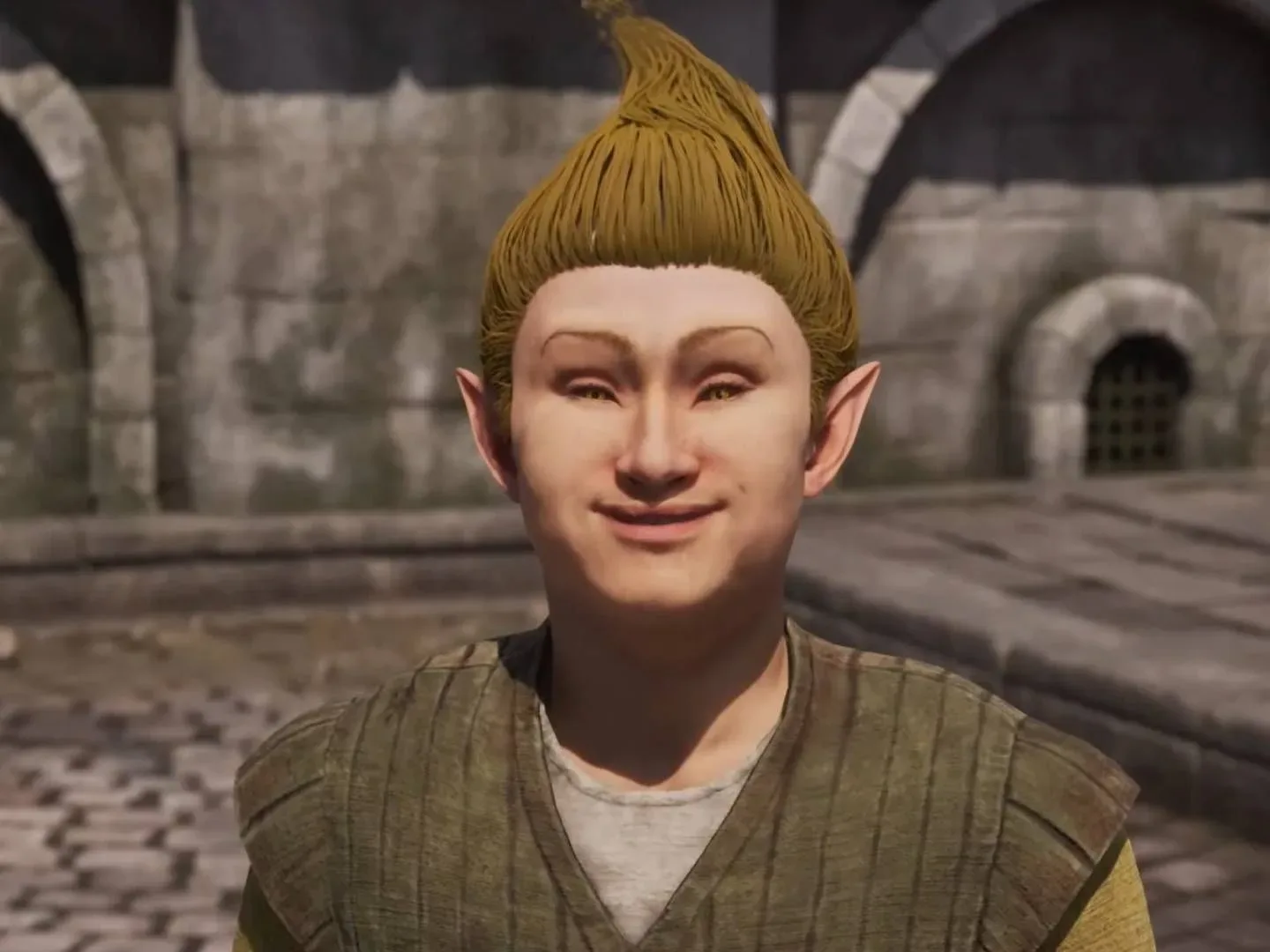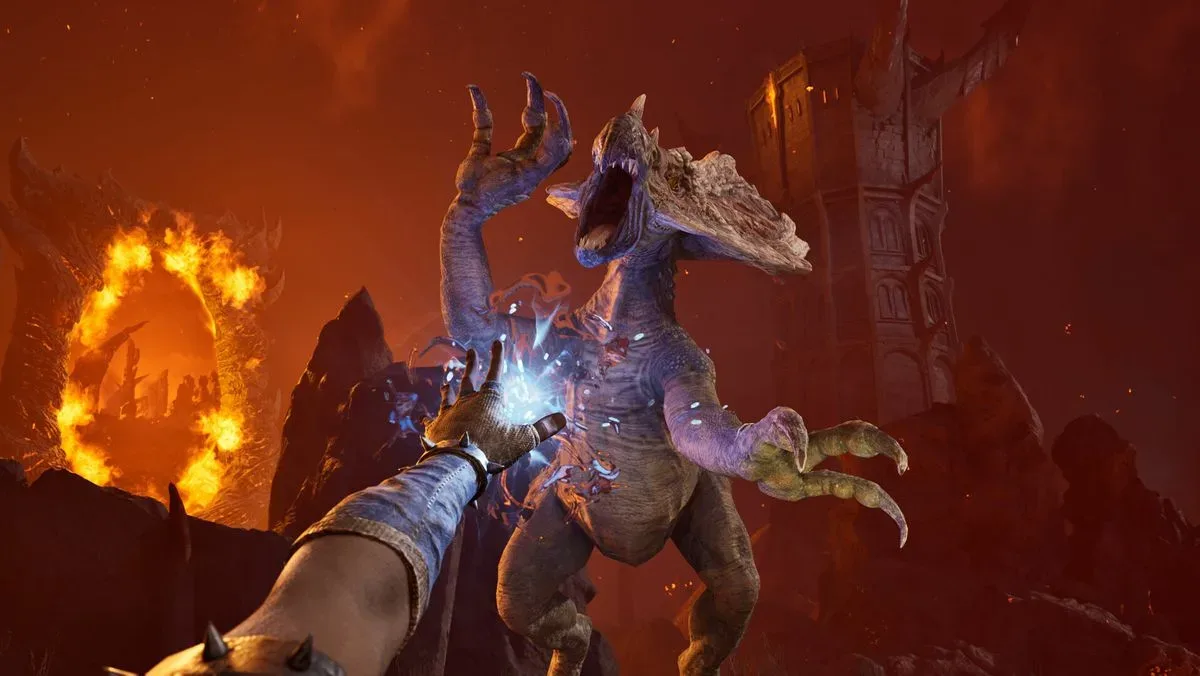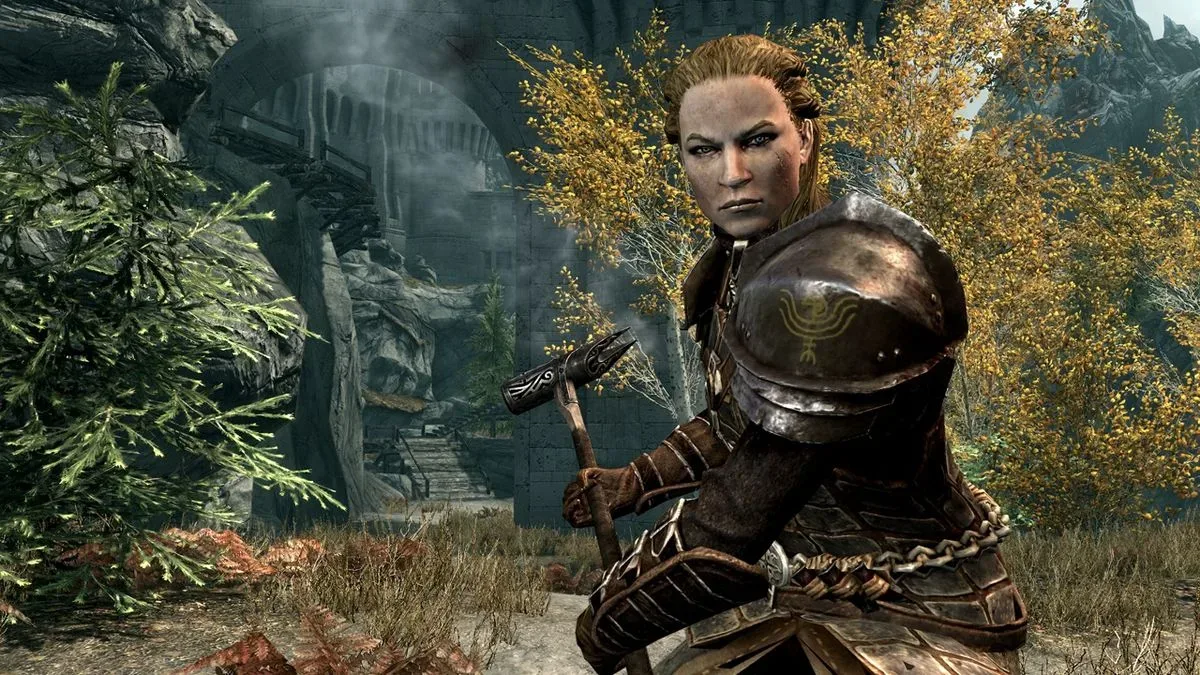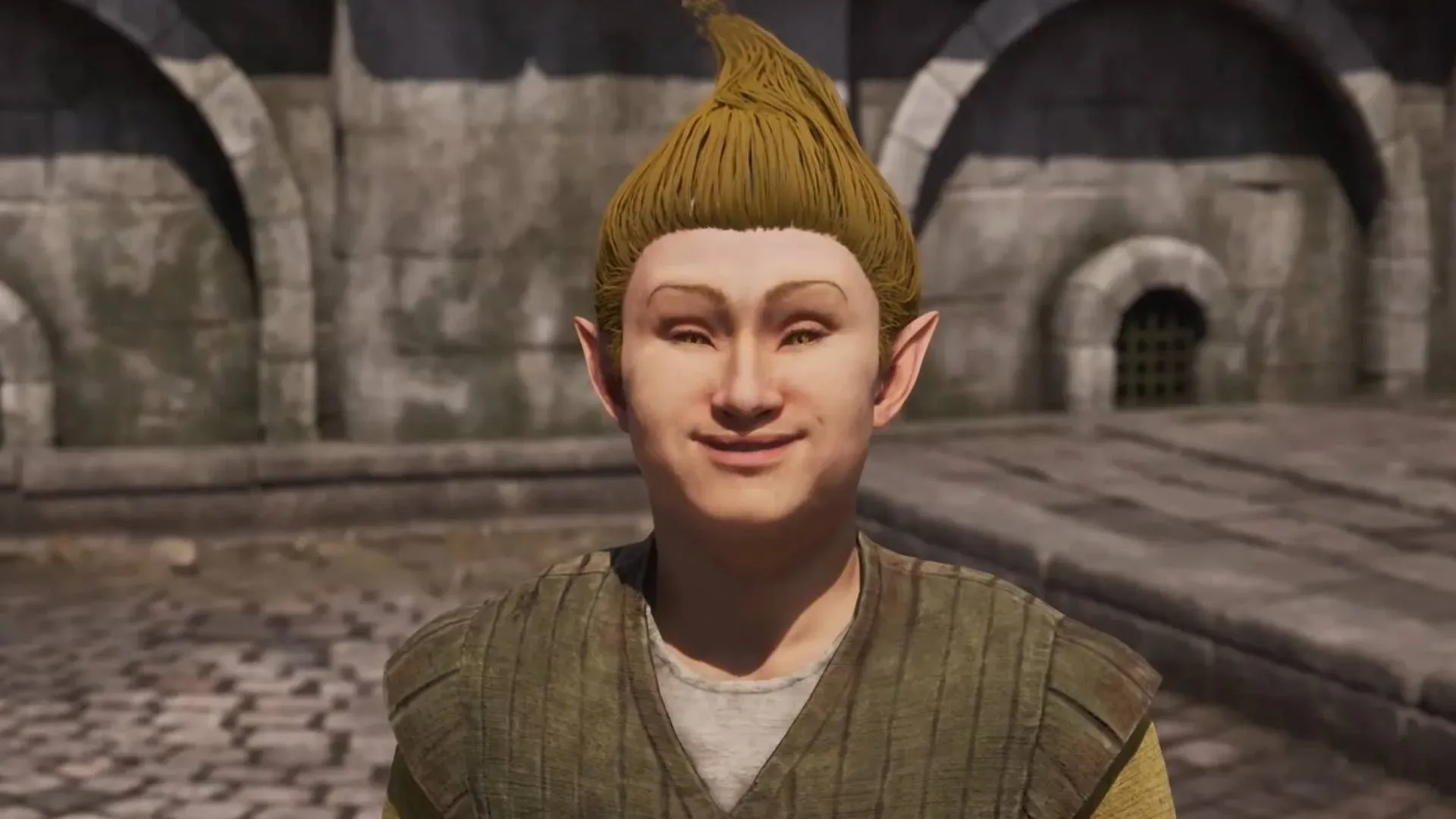
There are games you schedule around. Then there are games that quietly remove the concept of a schedule, replacing it with a map marker, a suspicious-looking ruin, and a deeply unhelpful thought: I’ll only see what’s over that hill. The Elder Scrolls IV: Oblivion Remastered belongs firmly in the second category. Its arrival on Nintendo Switch 2 gives players a portable way to disappear into Cyrodiil, and that is both a technical achievement and a polite warning to anyone with weekend plans.
Oblivion has always been built for detours. A sensible player may intend to advance the main story, but Cyrodiil has other ideas. A road leads to a town. The town contains a rumor. The rumor points toward a guild, a cave, a strange shrine, or a person whose daily routine makes them seem more suspicious than the actual Daedra problem. Before long, the original plan is forgotten beneath a stack of side quests and miscellaneous treasures with highly questionable practical value.
The remaster preserves that unruly appeal while making the 2006 RPG far easier to approach. Its visual overhaul and modern conveniences help the game meet contemporary expectations without filing away the peculiar edges that made Oblivion memorable in the first place. This is still a fantasy role-playing game where an afternoon can turn into an accidental career change, a chaotic investigation, or a long trip across the province because somebody’s problem sounded more interesting than saving the world.
Cyrodiil still runs on delightful distractions
At its heart, Oblivion is a game about the pleasure of being somewhere rather than efficiently completing it. The people of Cyrodiil have schedules, the cities have their own atmosphere, and quests can develop in unpredictable directions. The world gives the impression that it is constantly winding itself up whether the player is watching or not. That liveliness is a major reason the game remains compelling.
For a new player, this can create an unusually inviting kind of uncertainty. The right next step is not always obvious, and that is often the point. Joining the Mages Guild, choosing the shadows of the Dark Brotherhood, or simply taking a route that has not been marked on the map can become the evening’s entire agenda. It has the looser, more improvisational energy that many enormous RPGs now struggle to retain.
Veterans have an additional advantage: they know the geography, the names, and perhaps a few famous quests, but they also know that Oblivion is not exhausted by a single run. Different character builds and faction choices shift the texture of an adventure. A thief, assassin, spellcaster, or heavily armored brawler approaches Cyrodiil differently, and the game is especially good at rewarding the player who decides a role and then commits to the bit.
What the remaster changes—and what it wisely leaves alone
Virtuos’ remaster adds meaningful quality-of-life updates. Sprinting is among the most immediately welcome changes, reducing the friction of moving through a large world. Levelling has also been streamlined, offering a more approachable system than the original’s famously demanding progression structure. Combat has been made more active as well, helping moment-to-moment encounters feel more responsive for players arriving from newer action RPGs.
Those adjustments matter because Oblivion’s best material has never needed replacing. The remaster’s job is to make reaching that material smoother. The charm remains in the hand-authored quests, the distinct guild storylines, the sometimes oddball social texture, and the freedom to decide that a casual delivery or a locked door deserves more attention than an urgent imperial crisis.
It also remains a notably rich game for magic-focused characters. Creating spells through the Mages Guild is one of the enduring joys of the experience, a system that makes magical experimentation feel personal instead of merely selecting an ability from a prewritten list. Players who found Skyrim’s spellcasting less inventive may discover that Cyrodiil still has an especially potent pull.
Switch 2 makes the long road portable
Oblivion Remastered is available on PlayStation 5, Xbox Series X|S, PC, and Nintendo Switch 2. The Switch 2 edition is particularly significant because it supplies a solid handheld home for this sprawling adventure. Cyrodiil suits portable play remarkably well: a short session can mean cleaning out a small dungeon, traveling between towns, checking in with a guild contact, or getting distracted by a task that becomes much larger than advertised.
That does not mean Oblivion has become a tiny, tidy game. Quite the opposite. Handheld access makes it easier to fit this giant into more corners of a day, which can be dangerous when the game is at its best. A player intending to spend 20 minutes traveling may instead encounter a new questline and emerge much later wondering why their real-life inventory contains only an empty snack wrapper.
For anyone who still enjoys the social chaos of games played in the same room, Cyrodiil’s open-ended storytelling can also make for excellent pass-the-controller conversation—even when it is technically a single-player game. The choices, weird discoveries, and sudden disasters have the same anecdote-generating spirit explored in the unwritten rules of couch multiplayer: everybody has an opinion, usually just after the irreversible decision has been made.
Expect a flexible commitment, not a quick quest
The central quest can reportedly be completed in roughly 10 hours by someone moving with purpose. That estimate is useful but also slightly funny, since purpose is exactly what Oblivion so expertly undermines. Players who explore, take guild contracts, work on skills, craft spells, and investigate the many opportunities scattered across Cyrodiil should expect a much longer stay. A 60-hour first playthrough is entirely plausible, and even that does not imply every corner has been seen.
This makes the game a strong fit for players who want an RPG they can inhabit for a while. It is not the right choice for someone seeking a sharply contained adventure in the mold of Avowed, nor for a heavily tactical, party-driven experience closer to Baldur’s Gate 3. Oblivion’s combat, exploration, and questing are driven by individual adventure and emergent diversion rather than meticulous turn-by-turn planning.
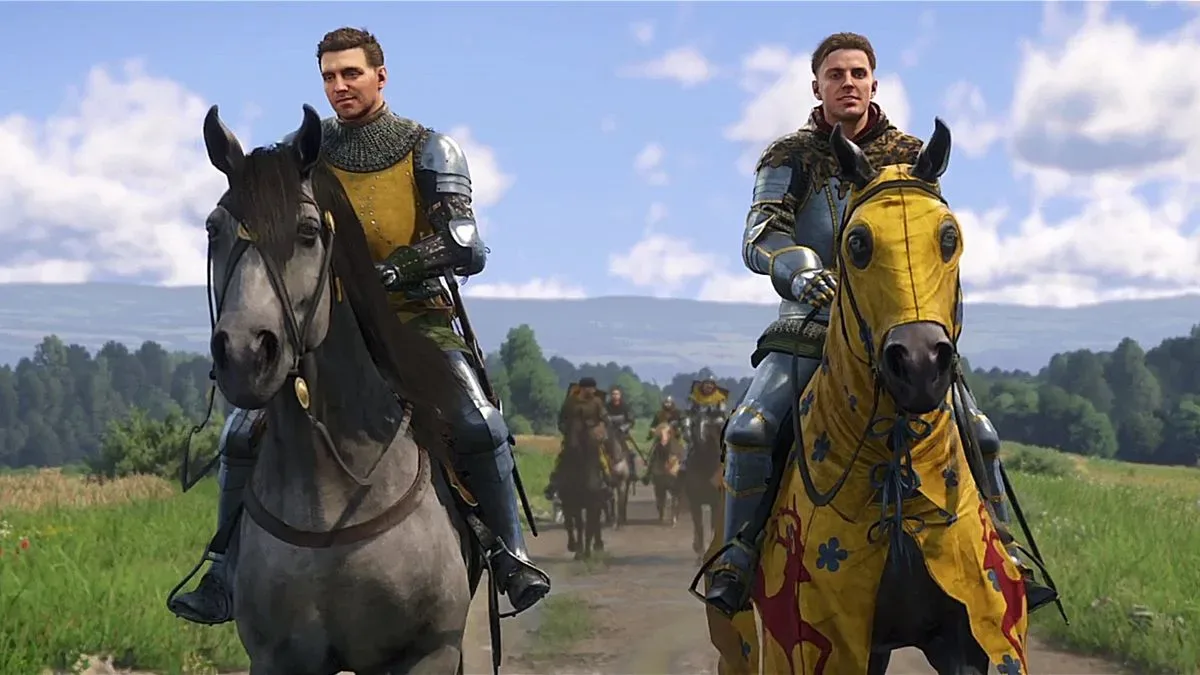
- Play it if: Skyrim’s open-ended wandering appeals to you, or you enjoy the color and lived-in feeling of a broad historical-fantasy world such as Kingdom Come: Deliverance 2.
- Approach cautiously if: you mainly want a brief RPG or a game where combat encounters demand deep tactical coordination.
- Give yourself time if: you are the sort of person who opens every door, follows every rumor, and refuses to leave a cave unexplored.
A few practical warnings before entering the gates
PC players should check that their desktop meets the game’s recommended specifications. Performance issues remain a consideration on that platform, so a quick system check is wiser than assuming every modern machine will handle the remaster comfortably.
There is also a gameplay tip worth taking seriously: consider progressing through the main quest earlier rather than saving it until the far end of an extremely long character journey. The difficulty can become considerably harsher at higher levels. Oblivion encourages wandering, but it also benefits from a little structure. Treat the central storyline as something to return to regularly, not an unopened emergency envelope at the bottom of the quest log.
And because this is an RPG capable of consuming huge stretches of free time, players balancing a collection of older games may want their physical library arranged before the quest log starts breeding. Our guide to storing retro games so they remain easy to find and play is useful for keeping the backlog visible—if not necessarily keeping it under control.
The mansion mission that proves Oblivion understands role-play
Among the game’s most celebrated moments is the Dark Brotherhood quest “Whodunit?” It places the player in a locked mansion full of party guests and asks them to carry out murders without becoming a suspect. The setup is simple, but its possibilities are wonderfully theatrical. Investigation, social maneuvering, exploration, patience, and a little menace can all become part of the performance.
It is an excellent example of what Oblivion does best. Rather than merely assigning an objective and pointing to a destination, it provides a scenario with room for personality. The player is not just clearing an encounter; they are deciding how to inhabit an unsettling little murder mystery from the wrong side of the clue board. The result is the sort of quest people remember long after the broad outline of the main plot has blurred.
A remaster for returning heroes and first-time wanderers
Oblivion Remastered succeeds because it does not mistake polish for sameness. It improves the path into Cyrodiil with enhanced presentation, sprinting, revised levelling, and more kinetic fighting, but it keeps the strange, reactive, overstuffed RPG underneath. That world is still full of personality. It can be sincere, ridiculous, tense, and unexpectedly funny, sometimes in a single stretch of road.
For newcomers, it is a welcoming route into one of Bethesda Game Studios’ defining RPGs. For returning players, it is an excuse to revisit a familiar province and discover that familiarity is not the same as completion. Cyrodiil has always rewarded curiosity, and now Nintendo Switch 2 owners can carry that curiosity around with them. Just do not call it a quick weekend game unless you are prepared to lose the weekend completely.