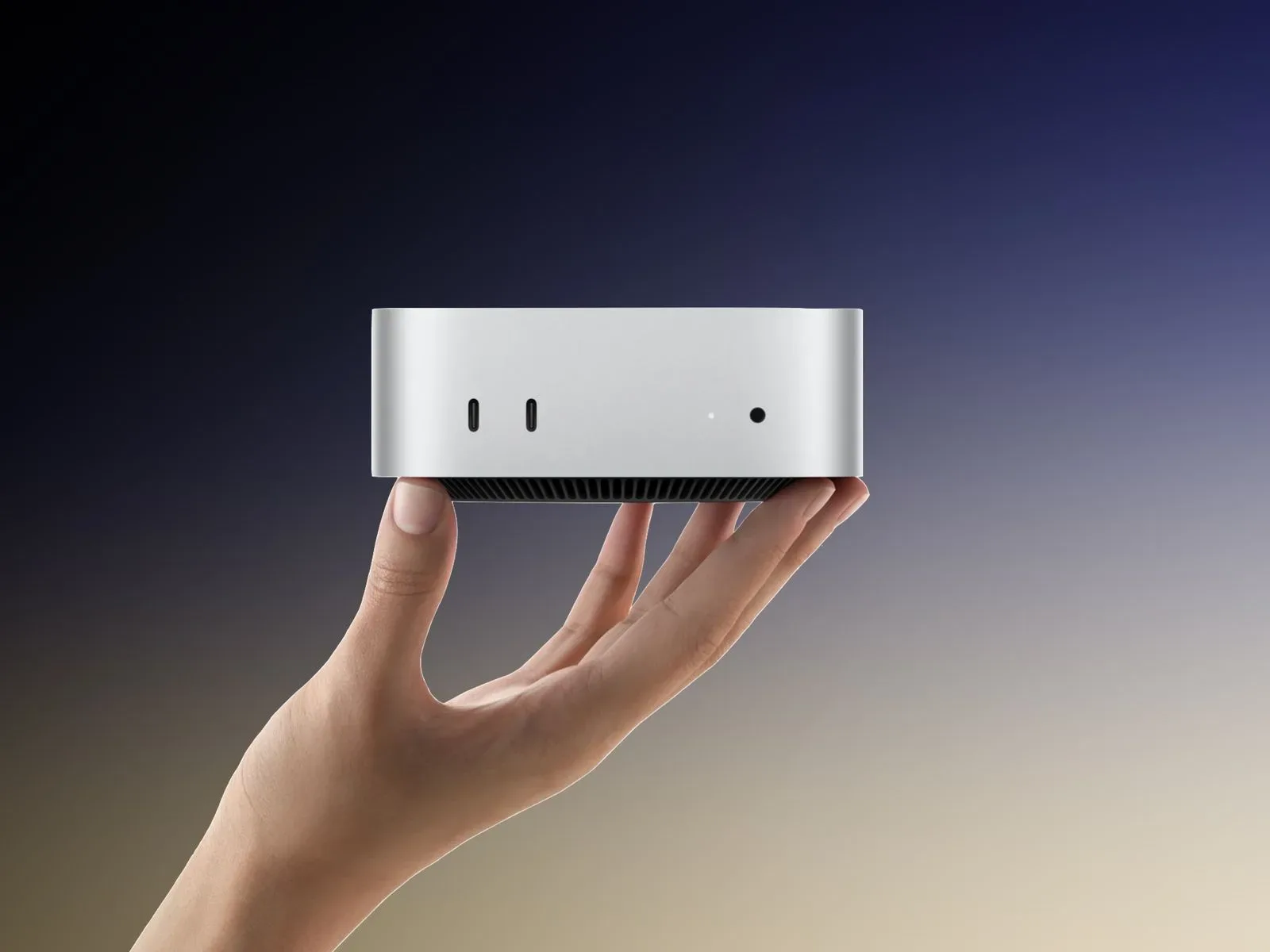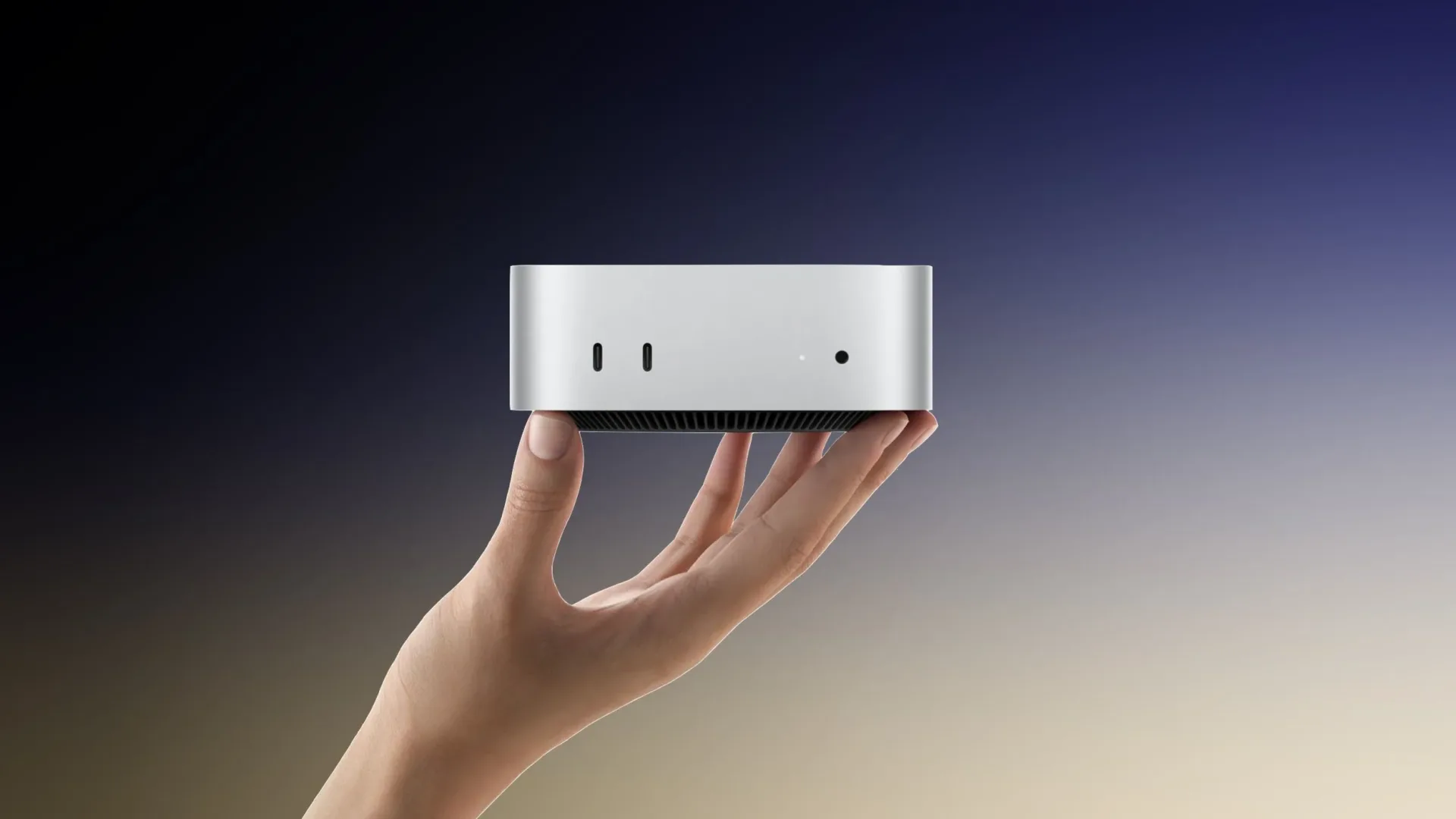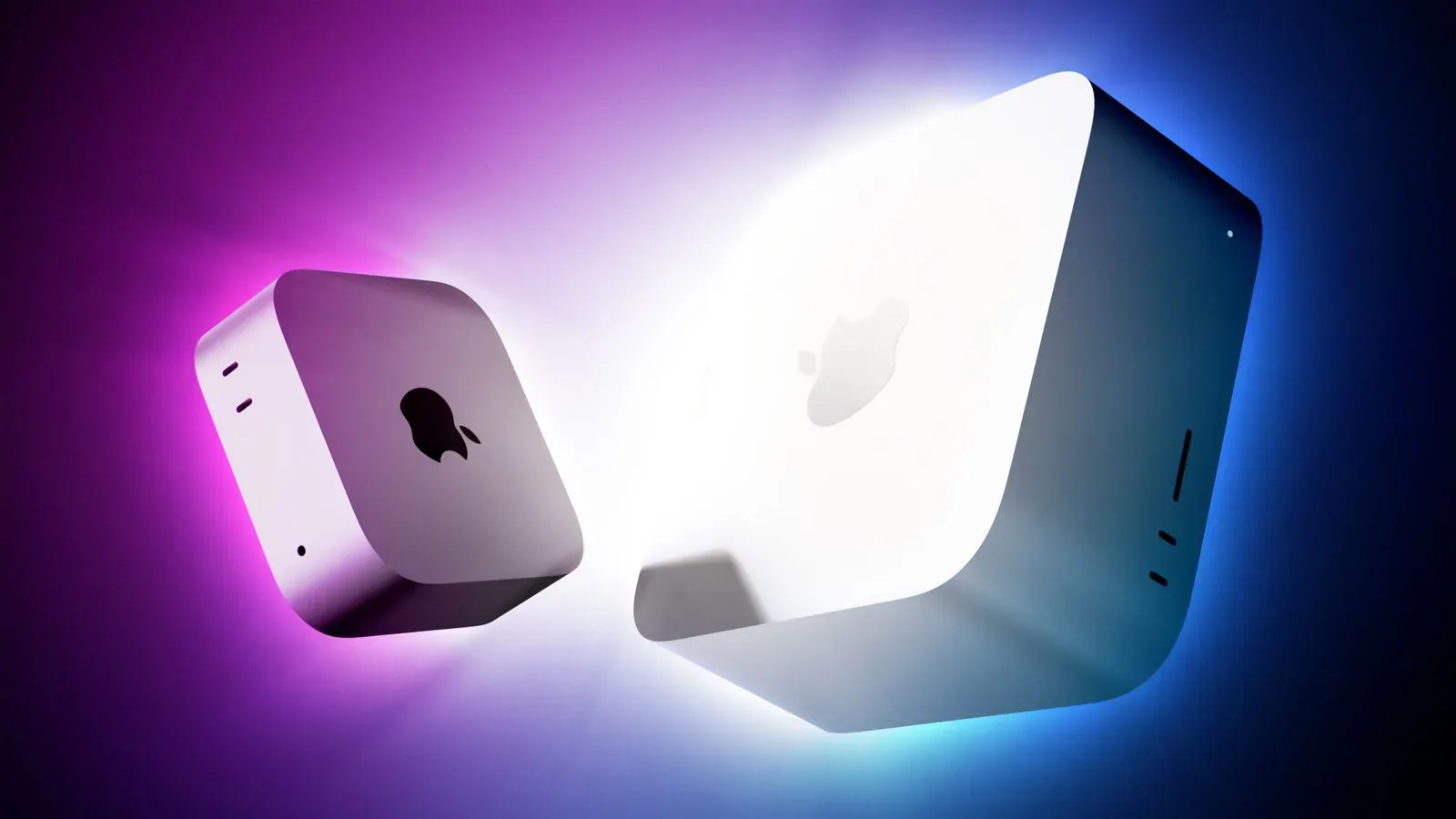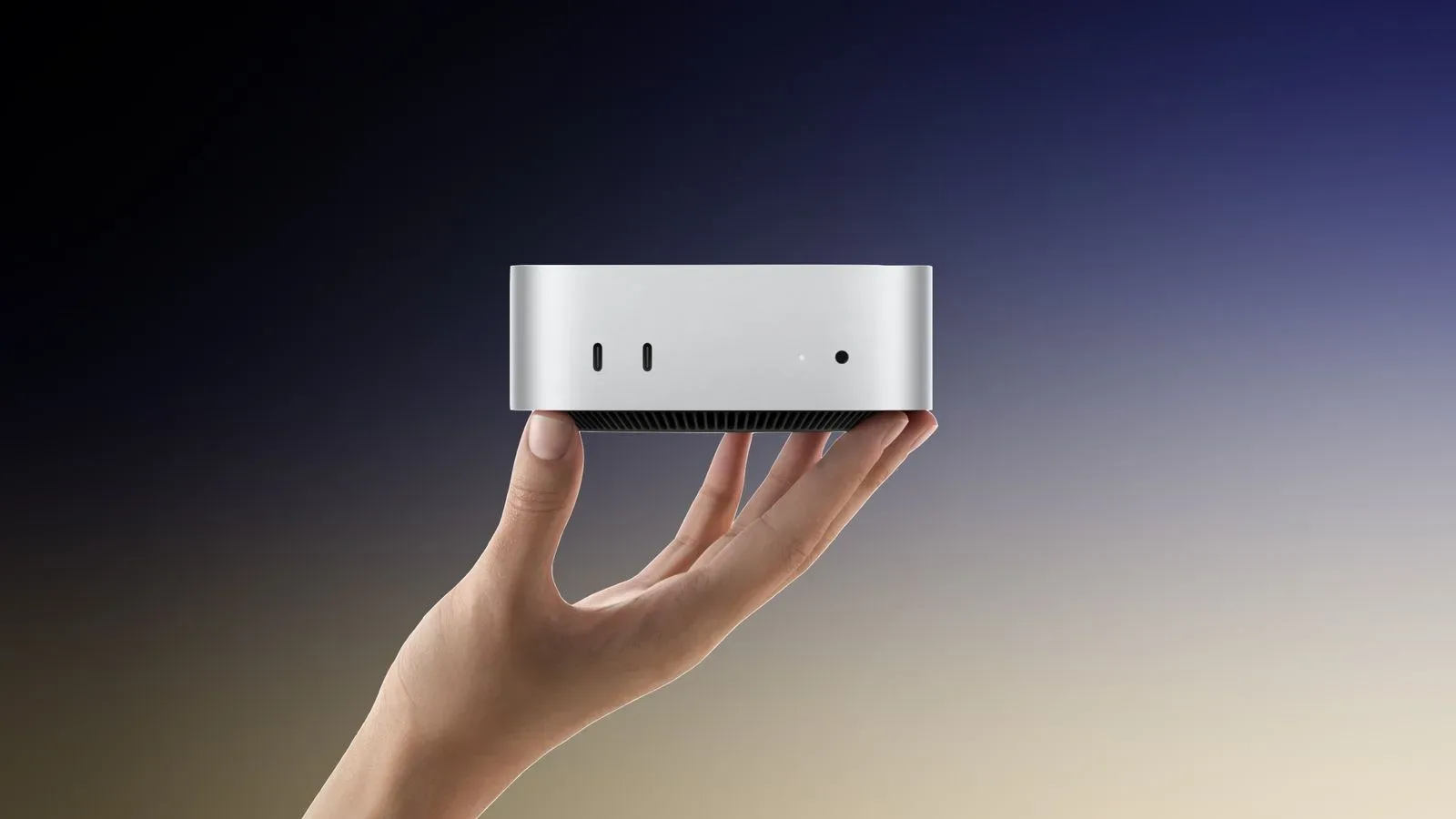
Apple’s newest Mac desktops have entered early Prime Big Deal Days pricing with reductions reaching roughly $199 on the configurations listed. The standouts cover two distinctly different types of desktop buyer: a compact Mac mini with lower entry pricing, and an M5 Max Mac Studio aimed at people who need considerably more memory.
There are three specific configurations in the current offers. The largest straight dollar reduction is attached to the M5 Max Mac Studio with 36GB of RAM and a 512GB SSD, listed at $2,299.99 rather than $2,499. That works out to a $199.01 reduction. On the Mac mini side, the 16GB RAM/256GB SSD version is listed at $779.99, reduced from $899, while a 24GB RAM/512GB SSD configuration is listed at $1,549.99, down from $1,699.
The listed Mac desktop deals
- M5 Max Mac Studio, 36GB RAM, 512GB SSD: $2,299.99, previously $2,499; a reduction of $199.01.
- Mac mini, 16GB RAM, 256GB SSD: $779.99, previously $899; a reduction of $119.01.
- Mac mini, 24GB RAM, 512GB SSD: $1,549.99, previously $1,699; a reduction of $149.01.
The percentage differences are close enough to make the comparison straightforward, but the cash savings and starting prices remain more useful guideposts. The Mac Studio deal is about 8% below its stated previous price. The two Mac mini offers are about 13% and 9% below their stated previous prices, respectively. That means the least expensive mini has the deepest proportional cut among these three, while the Studio produces the biggest dollar saving.
Mac mini versus Mac Studio: start with the workload, not the discount
The sale labels alone do not establish which desktop is the better buy. They establish that each named configuration costs less than its stated prior price. The meaningful choice begins with the specifications that are actually listed: memory capacity, storage capacity, and, in the Studio’s case, the M5 Max designation.
RAM, short for random-access memory, is the fast working area a computer uses while applications and active files are open. The 16GB Mac mini represents the lowest listed memory capacity here. The other mini has 24GB, and the Studio has 36GB. In practical buying terms, that is a useful ladder for someone deciding how much headroom they want while keeping several applications or larger projects active. It is not, by itself, a complete performance comparison, and these listings do not provide benchmark results or other detailed performance data.
SSD storage is the computer’s built-in solid-state storage for applications, files and local media. The entry Mac mini has 256GB, while the higher-priced mini and the Studio each list 512GB. The difference is 256GB of additional built-in capacity. Buyers should separate that question from memory: storage determines how much can be kept locally, while RAM concerns working space during use. Confusing the two is an easy way to pay for the wrong upgrade.
The Mac Studio listing explicitly names an M5 Max configuration. That places it apart from the Mac mini listings in the information available here, but the offer details do not identify the chips inside either Mac mini. It would therefore be a mistake to infer a precise processor-to-processor comparison from the prices alone. A discount page can be a useful starting point, not a substitute for confirming the exact model configuration a buyer intends to order.
What the savings mean in plain numbers
The $779.99 Mac mini is the simplest price-led option of the group. It costs $1,520 less than the listed Mac Studio even after the Studio discount. That is a major gap, and it underscores why the products should not be treated as interchangeable simply because both are compact Apple desktop computers.
The higher-spec Mac mini costs $770.01 more than the 16GB/256GB mini in these offers. In exchange, the listed configuration changes from 16GB RAM to 24GB RAM and from 256GB SSD storage to 512GB. Whether that additional expenditure makes sense depends on whether the buyer needs the additional memory and storage capacity; the supplied offer details do not make a broader feature comparison available.
The Studio costs $750 more than the 24GB/512GB Mac mini at the displayed sale prices. Its listed 36GB RAM capacity is 12GB above that higher mini configuration, and it carries the M5 Max name. But price deltas should not be converted into claims about value for every user. Needs differ, and no one should assume a higher list price automatically resolves a particular software, workspace, display or accessory requirement.
Why configuration checking matters more with desktop deals
Desktop promotions often group several similar-looking listings under a single product family name. “Mac mini” and “Mac Studio” describe families, while the memory and SSD figures identify the configurations in these particular offers. A shopper comparing prices should keep those details visible all the way through checkout rather than comparing only the product name or the discount badge.
- Match the RAM figure: confirm whether the listing says 16GB, 24GB or 36GB.
- Match the SSD capacity: distinguish 256GB from 512GB before judging one deal against another.
- Match the product family: the M5 Max offer discussed here is a Mac Studio, not a Mac mini.
- Compare the actual price, not only the amount saved: a bigger dollar discount can still leave a product far more expensive than another option.
That last point is especially relevant to these offers. The Mac Studio’s $199.01 discount is the headline reduction, but its $2,299.99 sale price puts it in a different budget range from either mini. Meanwhile, the entry mini’s $119.01 cut is smaller in dollars but takes the listed price below $800. Neither observation tells a buyer what to purchase; both help frame the decision accurately.
A gaming-adjacent desktop buying lens
For readers considering a desktop as one part of a broader game-room or entertainment setup, the most practical lesson is to budget the computer separately from the surrounding gear. The offers name the desktop and its built-in RAM and SSD capacity, but they do not bundle or describe screens, controllers, input devices, audio, or other accessories. Plan around the configuration being sold, rather than assuming anything beyond the listed desktop specifications.
That same approach applies when weighing a desktop against display spending. A discounted computer can be one half of a setup, while a television or monitor is its own purchase decision with different specifications. Our look at the Insignia 50-inch F50 4K Fire TV deal is a separate example of how a display’s ports and price can matter to a budget game-room plan.
There is also no supplied evidence here about game performance, app compatibility, peripheral support, display outputs or configuration options for these Macs. Those are important questions, but they require checking the exact product documentation and the requirements of the software or hardware a buyer plans to use. Keeping that uncertainty explicit is more helpful than treating a memory number or a sale label as an answer to every setup question.
Bottom line on the early offers
The early Prime Big Deal Days reductions provide a clear price break on three new 2026 Apple desktop configurations: $119.01 off the 16GB/256GB Mac mini, $149.01 off the 24GB/512GB Mac mini, and $199.01 off the 36GB/512GB M5 Max Mac Studio. The entry mini offers the lowest cost and largest proportional reduction. The Studio offers the largest cash reduction and the highest listed memory capacity, at a substantially higher final price.
For anyone already targeting one of these exact configurations, the central task is simple: verify the RAM, SSD and final price match the listing before committing. For anyone merely attracted by the size of the discount, the more useful question is whether the system’s listed configuration fits the intended workload and budget. The right deal is not necessarily the one with the largest number in red; it is the machine whose specific memory, storage and price line up with what the buyer actually needs.
Shop the products
Check current price, model and availability at the retailer.