Samus Aran has spent decades proving that silence is not the same thing as emptiness. A raised Arm Cannon, a perfectly timed Morph Ball escape, and the simple fact that she keeps walking into planets everybody else has wisely abandoned have always told players plenty about her. She is competent. She is resilient. She is terrifyingly good at her job.
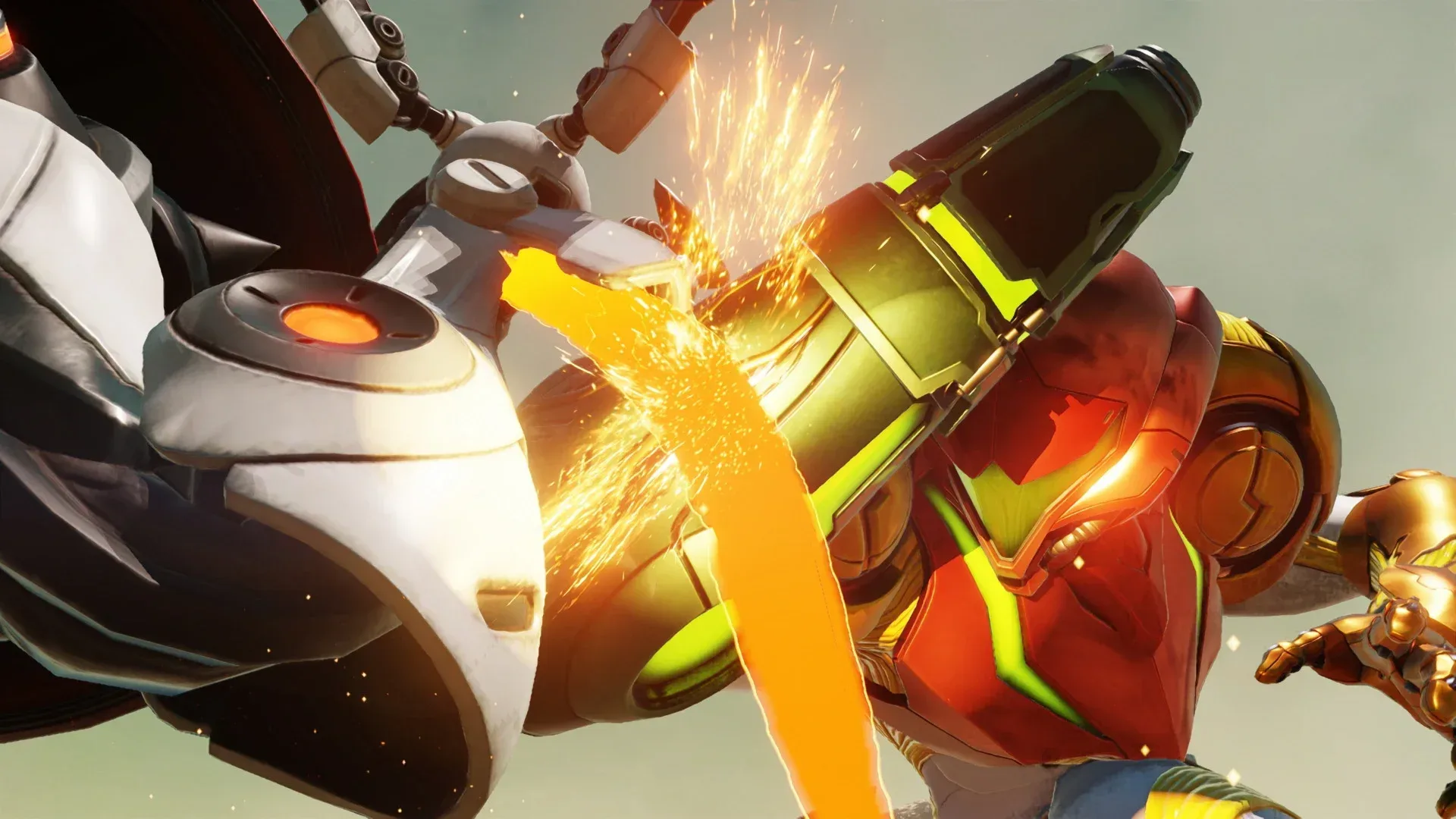
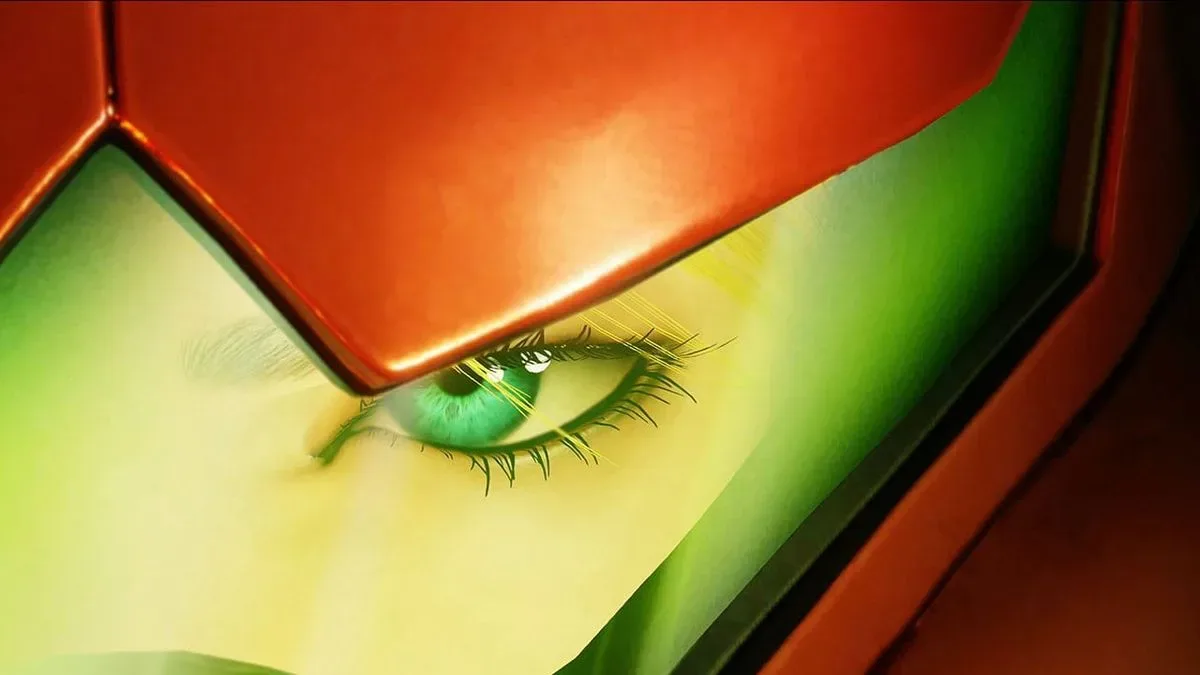
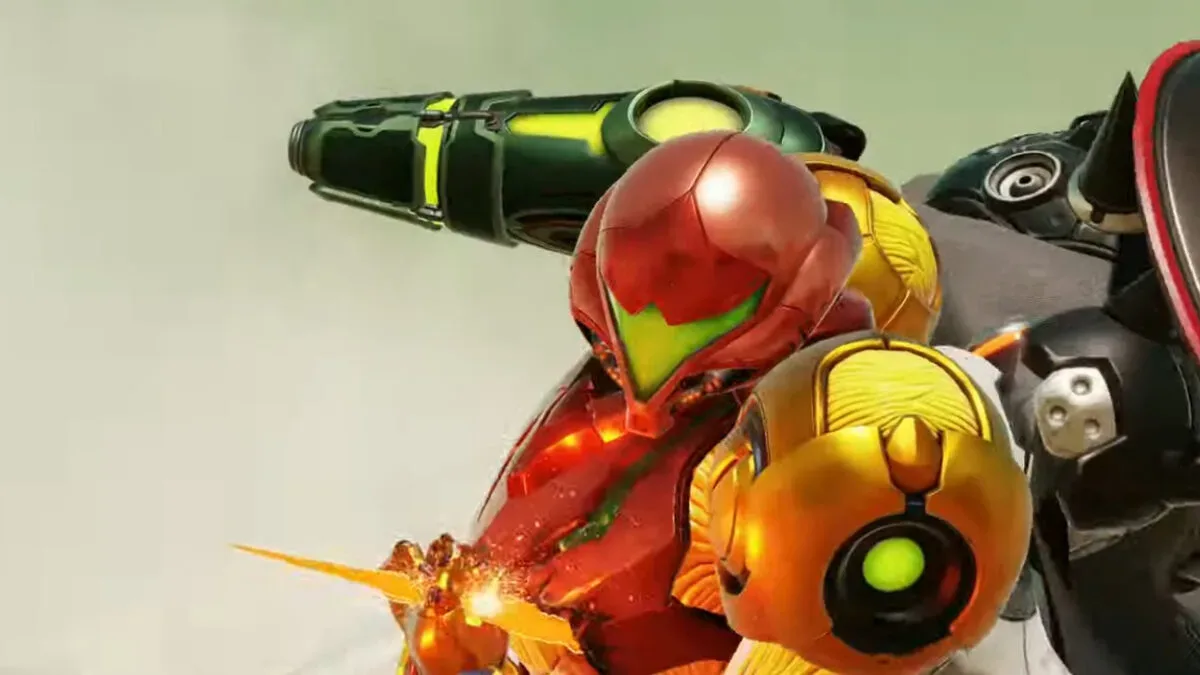
But the trailer for Metroid Ravenous points toward a potentially different flavor of Samus: not merely a professional bounty hunter confronting another galactic emergency, but a protagonist who seems furious enough to make the emergency feel personal. The footage reportedly keeps her face mostly obscured, offering flashes of her eyes instead. At points, those eyes appear to carry an unnatural glow. Combined with the delivery, movement, and threatening mood suggested by the trailer, the effect is less “quiet explorer enters a dangerous ruin” and more “the ruin should begin drafting its apology.”
That is a meaningful shift in emphasis, even if it is far too early to decide exactly what Ravenous is, how its story will unfold, or how much of this intensity will survive beyond a single trailer. Promotional material is designed to sharpen a game’s strongest mood into a pointy object. Still, that pointy object appears to be aimed directly at the long-standing question of what Samus feels when she is forced to clean up yet another nightmare involving hostile worlds, alien biology, and people who should have left the suspicious glowing chamber alone.
A different kind of danger for Metroid
The central image surrounding Metroid Ravenous seems to be hunger. Samus is heard saying,
“It’s eat or be eaten.”It is a short line, but it signals a worldview harsher than the usual sci-fi mission briefing. There is no invitation to marvel at the mysteries ahead. There is survival, predation, and the suggestion that mercy may not be readily available.
That does not mean Samus suddenly needs to become a chatterbox or a cartoonishly vengeful antihero. The appeal of the character has always included discipline. She observes, adapts, and acts. Her calm has made the most outlandish parts of Metroid’s universe feel grounded, because someone on screen is capable of handling the catastrophe with grim focus.
Yet focus and emotion are not opposites. In fact, the series has repeatedly given Samus reasons to carry anger, grief, protectiveness, and exhaustion beneath that armor. Her history is not light material. The destruction of her home, her ties to the Chozo, the continual danger posed by Metroids and their imitators, and the recurring cycle of weaponized science gone wrong all offer ample room for an emotional perspective. The trailer’s apparent goal is to put some of that perspective closer to the surface.
Samus has always been the person sent into the locked door marked “absolutely do not enter.” Ravenous may be asking what happens when she stops sounding like an employee completing the worst assignment in the universe and starts sounding like someone who has finally had enough of the universe’s nonsense.
The contrast with Metroid Prime 4 is striking
What makes the trailer’s approach especially interesting is the contrast it creates with Metroid Prime 4. Both projects can occupy the same broad zone of galactic stakes, strange technology, and Samus doing the one-person equivalent of emergency services. But their visual and emotional pitches appear to pull in different directions.
Related coverage includes Metroid Ravenous Trailer Signals a Fiercer, More Personal Samus.
Metroid Prime 4 has been associated with the series’ exploratory pull: the promise of going somewhere unknown, tracing mysteries through alien landscapes, and finding the next impossible device behind an even more impossible door. Its imagery has suggested forward motion and discovery, even while danger is inevitable.
Ravenous, based on this trailer alone, feels more confrontational. It does not appear interested in asking viewers to admire the horizon before something leaps out of it. It wants the horizon to know that Samus is coming. That is a useful distinction because Metroid can support both impulses. Exploration is inseparable from the franchise’s identity, but so is the oppressive feeling that every corridor may contain an organism that wants to turn a space suit into a snack.
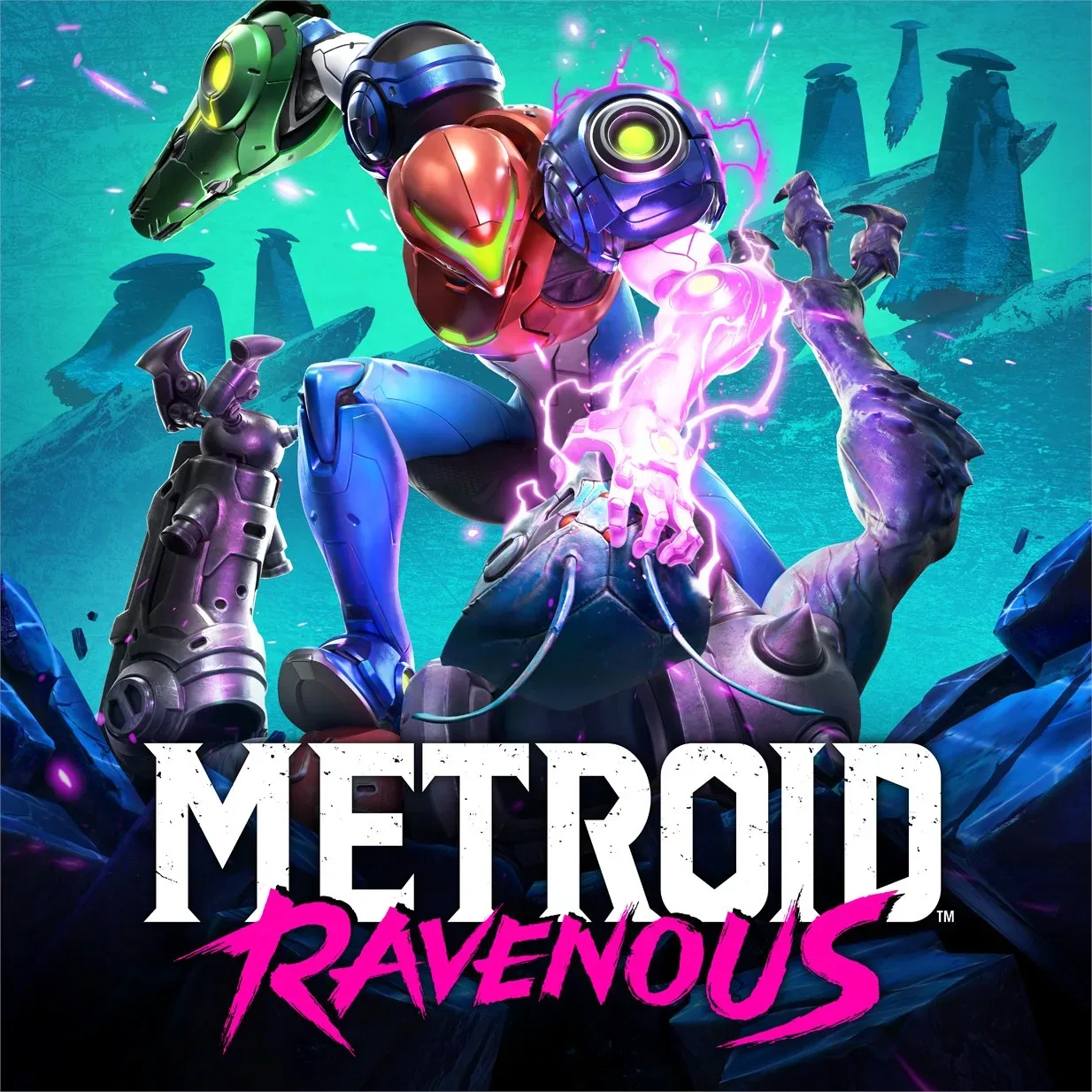
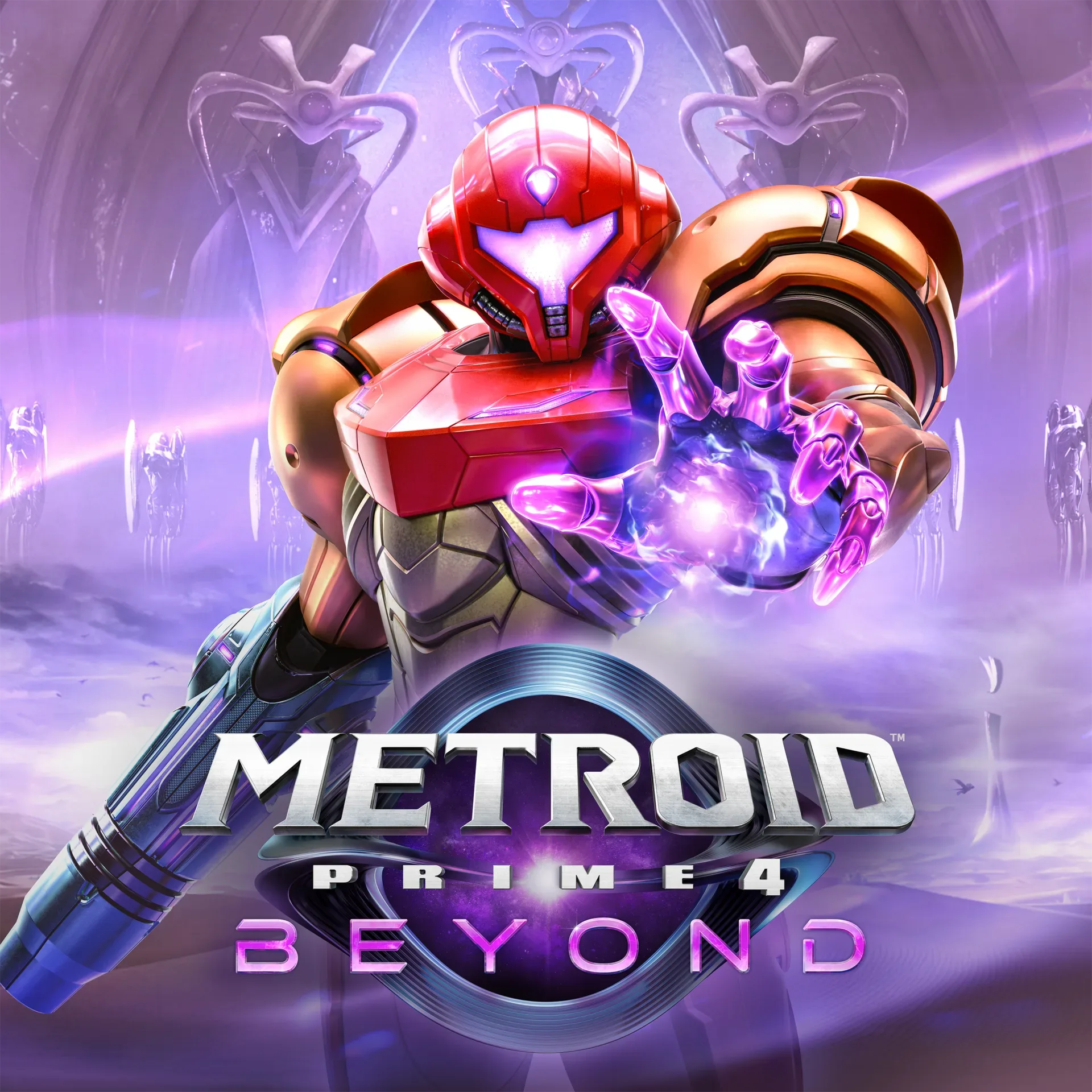
The key art reportedly makes the contrast unusually plain. Where the Prime 4 image has been described as Samus extending a purple-lit arm in a pose that evokes artistic reaching and connection, Ravenous uses a similarly glowing arm for an act of brutal force: crushing an opponent’s head. It is difficult to make a cleaner statement of intent. One image says, “What is out there?” The other says, “You should not have been there when I arrived.”
Samus has never needed many words—but the right ones matter
Metroid fans know that Samus is not uniformly silent across every appearance. The series has experimented with narration and explicit dialogue before, with results that remain part of an ongoing conversation about how directly the games should articulate her inner life. The important thing about Ravenous is not simply that Samus speaks. It is that the available line and the trailer’s tone make the speech feel like an extension of the danger around her.
A few words can reframe an entire character if they are chosen well. “It’s eat or be eaten” does not turn Samus into a fundamentally different person on its own. It does, however, foreground a survival instinct that has always been present in her actions. She has never been a passive observer. She enters lethal environments, protects others where she can, and eliminates threats when there is no safer option. The trailer seems to give that decisive streak a more openly emotional edge.
There is also a welcome bit of menace in letting Samus be the scariest person in the room. She is usually framed as the player’s dependable anchor amid creatures, pirates, parasites, and experiments that should have remained theoretical. But dependable does not have to mean gentle. A hunter can be heroic and still inspire fear in the things she hunts.
That is especially fitting for a character whose silhouette has long done so much narrative work. The helmet, visor, broad shoulders, and cannon communicate power before she says a word. Brief eye glimpses in Ravenous preserve that iconic armor while making the person inside it feel more exposed. The trailer may be withholding a full facial reveal precisely because a partial glimpse can be more unsettling. A hidden expression invites the viewer to supply the rage themselves.
Personal stakes can make big sci-fi feel bigger
There is nothing inherently wrong with “save the galaxy” stakes. Metroid has earned the right to go large. But large-scale danger becomes more compelling when it gives the lead character a distinct reason to care beyond professional obligation. The best genre stories make the cosmic and the personal reinforce each other. A looming disaster matters not just because it threatens everything, but because it hits a person we understand at a particular pressure point.
Ravenous looks positioned to lean into that possibility. The available material does not establish who Samus is fighting, what has happened, or whether the apparent anger is connected to a specific loss or threat. Those are unanswered questions, and the trailer should not be mistaken for a complete plot outline. But mood itself can be informative. Its violence and predator-versus-prey language imply that Samus is not merely passing through an adventure; she may be pursuing something, escaping something, or confronting something that has pushed her past her usual reserve.
If that reading proves accurate, the game could offer a useful companion piece to the wonder and isolation that people often associate with Metroid. Solitude can be melancholy. It can be mysterious. It can also be the space in which anger gets loud enough to hear.
It is worth remembering that Nintendo history has room for multiple tonal readings of its heroes and older ideas. A recent example elsewhere in its orbit is the English-language return of a foundational dungeon crawler, covered in this look at Torneko’s Mystery Dungeon Classic HD. A legacy does not have to be frozen in one mood to remain recognizable. The same principle applies to Samus: adding sharper emotional stakes would not erase the stoic icon; it could reveal another facet of why that stoicism exists.
The trailer’s most promising idea is controlled fury
The phrase “angry Samus” could sound reductive if it meant replacing a layered character with one permanent scowl. That is not the most promising interpretation of what Metroid Ravenous appears to be doing. The stronger idea is controlled fury: a capable veteran whose restraint is still visible, but whose patience has a clearly defined limit.
That version of Samus would remain recognizably herself. She would not need speeches after every boss fight. She would not need the game to explain every glance. The most effective use of this new edge may be sparing—an occasional line, a decisive motion, the way she enters a room without even pretending the monster gets a second chance.
For now, the trailer supplies atmosphere rather than answers. It offers flashes of glowing eyes, a ferocious presentation, a survival-minded line, and artwork built around an unmistakably violent gesture. That is enough to establish a fascinating possibility: Metroid Ravenous may let players see Samus not only as the galaxy’s most reliable problem-solver, but as somebody who is profoundly, personally done with being tested.
And if the creatures on the other end of that purple-lit Arm Cannon have any sense at all, they should probably stop volunteering as the evening meal.