Samus Aran is heading back into the dark on January 28, 2027. Metroid Ravenous, identified as the next 2D game in Nintendo’s long-running sci-fi series, has now been shown in a debut trailer, and its early signals point strongly toward a continuation of Metroid Dread.
The immediate headline is not merely that another 2D Metroid is on the way. It is that Ravenous seems interested in revisiting the pressure, imagery, and unresolved atmosphere surrounding Samus’s previous mission—while making one conspicuous change to the series’ famously reserved protagonist. Samus speaks at notable length while narrating the trailer. For a character whose isolation and minimal dialogue are central to Metroid’s identity, that is a development worth watching closely.
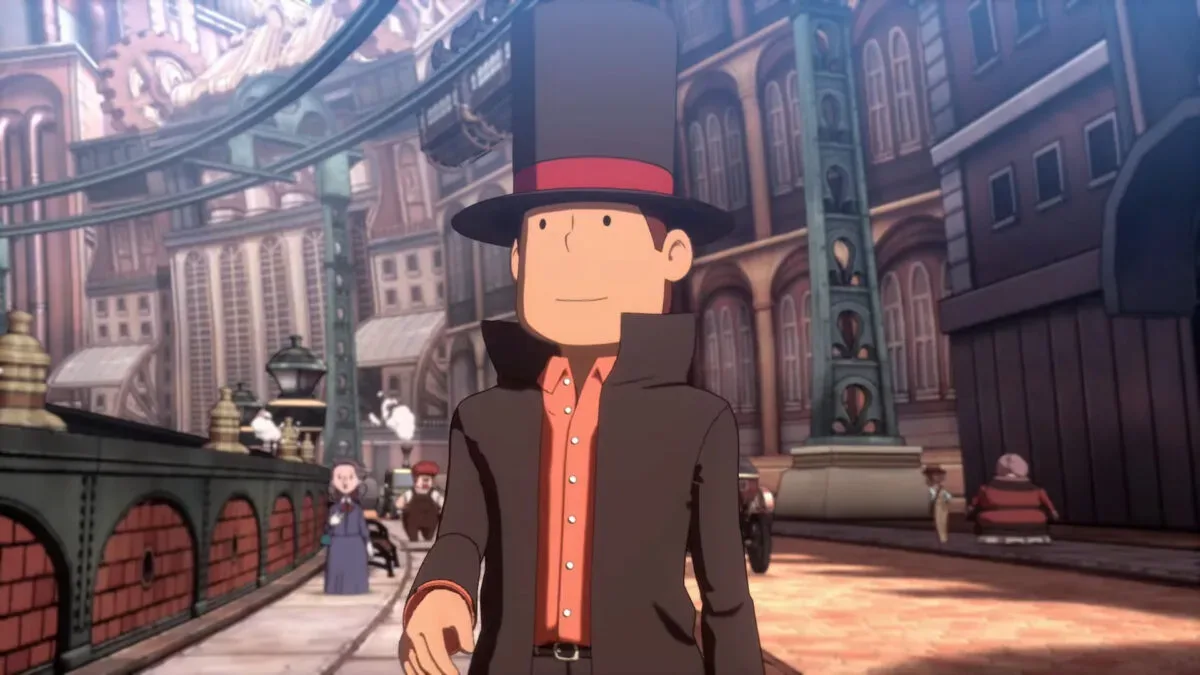
The reveal also helps fill out Nintendo’s early 2027 software slate. The company has already put a date on another major legacy-series return, with Professor Layton and the New World of Steam set for December 10, 2026. Metroid Ravenous follows shortly afterward, carrying a very different sort of puzzle: how far underground can one bounty hunter fall before the whole alien facility starts feeling personally offended?
A familiar suit is the clearest clue
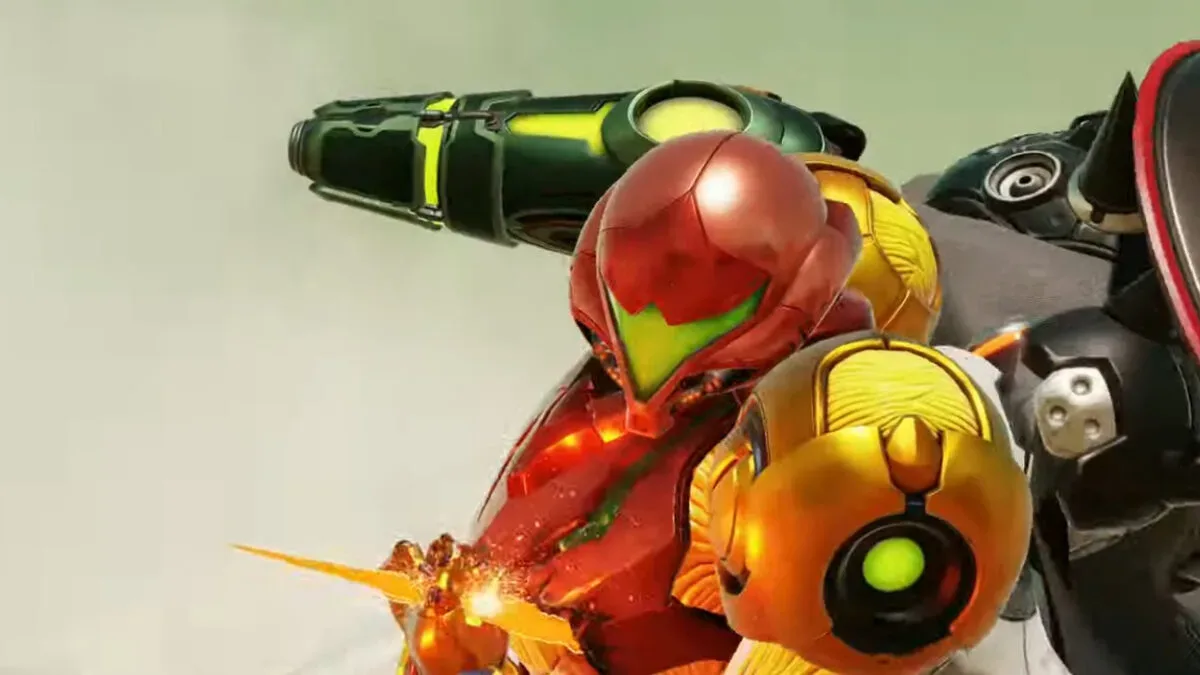
The trailer includes glimpses of Samus wearing a fully upgraded armor design that resembles the alien-green, chitin-like suit seen at the end of Metroid Dread. That visual connection does not by itself establish every detail of the new game’s story. A trailer can invoke a previous design for many reasons, and there is still plenty Nintendo has not disclosed about the setting, supporting cast, systems, or broader plot.
Still, the armor is a meaningful clue. It places Ravenous in visual conversation with the outcome of Dread, rather than presenting a completely detached adventure with a reset version of Samus. Combined with the game’s apparent structure and the nature of its antagonists, the footage makes a direct-sequel reading seem reasonable. For now, though, it is best treated as a strong impression rather than a fully explained timeline declaration.
That distinction matters in Metroid. The series has long used power suits, biological transformations, ruins, laboratories, and returning enemy types as storytelling tools. A single silhouette can carry a lot of history. In this case, the green armor appears to be doing some heavy narrative lifting before anyone has even had the chance to scan a wall for lore text.
The chase may be back, but the pursuers look different
Metroid Dread built much of its tension around EMMI robots: dangerous pursuers that turned certain zones into high-alert escapes. The new trailer suggests Ravenous will once again place Samus under pursuit, although the apparent threat is not simply an EMMI rerun.
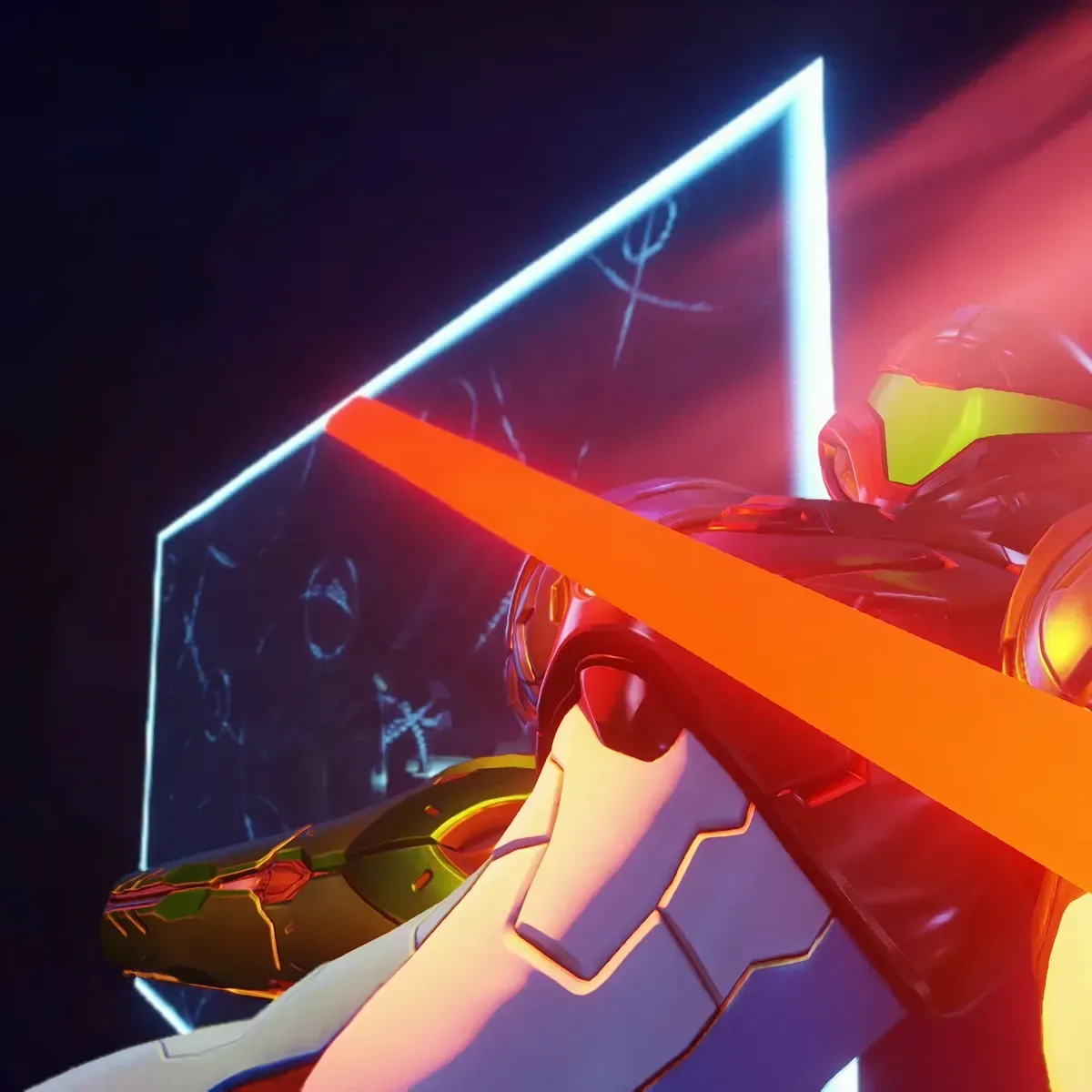
Instead, Samus appears to be hunted by a mysterious group of hooded aliens. Their look has been compared to a robotic tokusatsu-style squad, a description that fits the footage’s blend of theatrical silhouettes and machine-like menace. The group apparently sends Samus plummeting down a deep shaft, establishing a straightforward but promising Metroid premise: she is isolated far below the surface and needs to fight, explore, and claw her way through a hostile structure.
Related coverage includes Metroid Ravenous Launches January 28, 2027, With a More Vocal Samus.
The location shown is a vast subterranean superstructure with a labyrinthine feel. That is ideal terrain for a 2D Metroid game, where the thrill is not simply reaching the next room but gradually understanding how rooms, elevators, sealed passages, upgrades, hazards, and shortcuts connect. A deep drop also gives the adventure a fittingly rude opening. Samus arrives, gets ambushed, and immediately receives an unsolicited tour of the facility’s basement.
The footage also points to one-on-one confrontations with the hooded pursuers, alongside other boss encounters. That suggests these enemies may be more than a roaming hazard. If they are encountered in dedicated fights as well as during pursuit sequences, they could provide a recurring rivalry that evolves through the game. Nintendo has not laid out the exact mechanics, so questions remain about how often they appear, whether players can evade them, and how their battles will differ from other bosses.
Samus has more to say this time
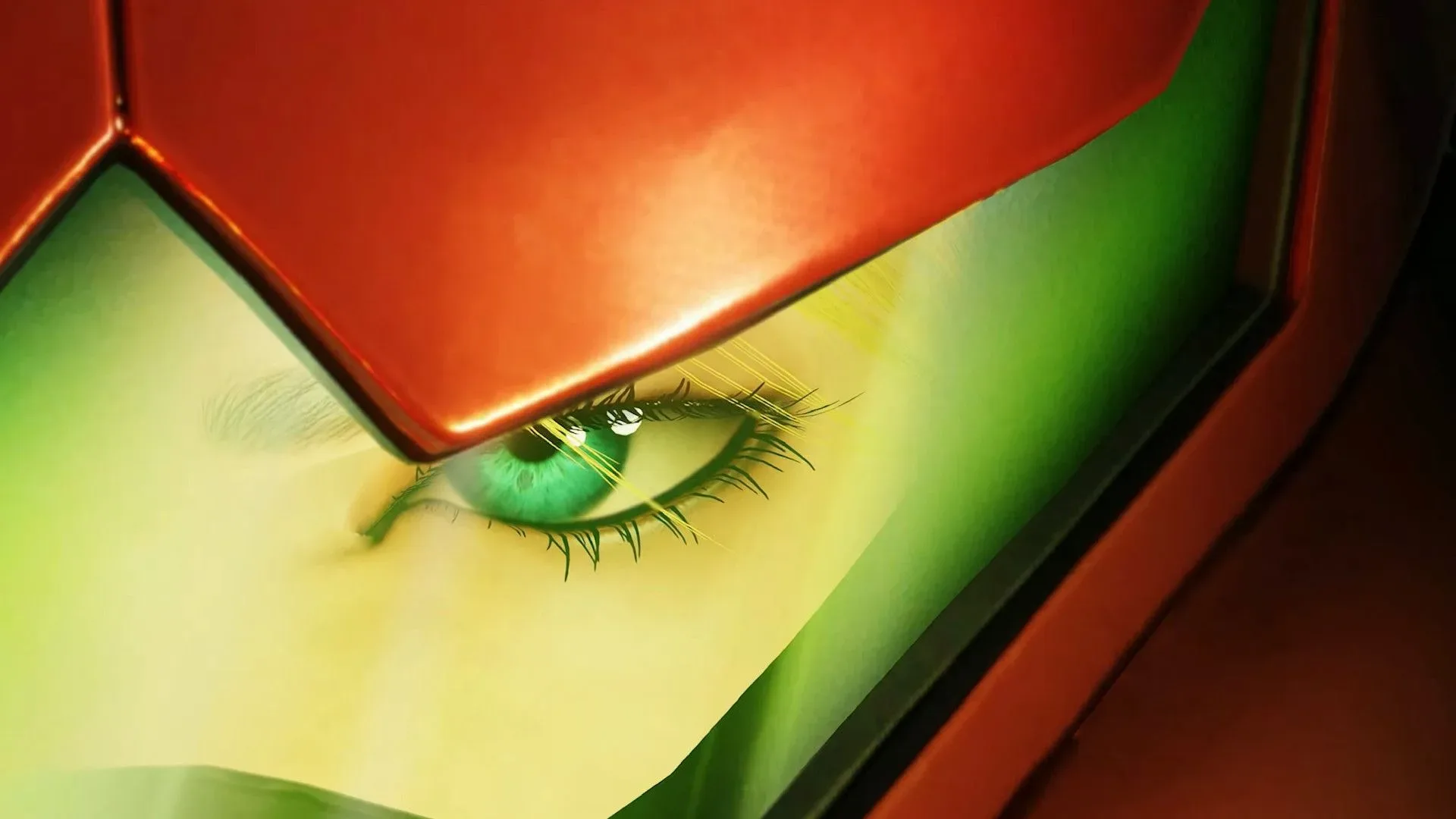
The biggest tonal surprise is Samus’s voice. She narrates extensively in the Ravenous trailer, a sharp departure from the protagonist’s usual economy with words. Samus did speak briefly in Metroid Dread, including a concise but important exchange in the Chozo language near that game’s conclusion. But sustained narration is another matter entirely.
Her last notably talkative appearance in the series was Metroid: Other M. That context will naturally make the new trailer’s approach a point of discussion among fans. Metroid often relies on lonely environments, ominous soundscapes, and the player’s own sense of discovery. Giving Samus a larger spoken role has the potential to offer more direct access to her perspective, but it also changes the texture of that solitude.
It is too early to know how much dialogue will appear in the finished game or what purpose the narration serves. Trailer narration might frame an opening, establish a mission, or represent a broader storytelling direction. The available footage only confirms that Samus is considerably more vocal in this first presentation than she was in much of the recent 2D lineage.
That uncertainty is part of what makes the choice intriguing. A more expressive Samus need not mean an overexplained Samus. The question is whether her words will deepen the feeling of being alone on an impossible alien world, or place a more conventional narrative layer on top of it. January 2027 is when players will get the answer; until then, the trailer has successfully put that question at the center of the conversation.
The weight of following Metroid Dread
Metroid Dread released five years before Ravenous is scheduled to arrive. It sold 3 million copies and became the best-selling game in the Metroid series, giving this follow-up a substantial foundation. That result matters beyond sales language. It showed that a focused, side-scrolling Metroid adventure could still attract a large audience while preserving the series’ distinctive exploration-and-escalation formula.
As a successor, Ravenous has an opportunity to build on the elements that made Dread so memorable: forward momentum, escalating abilities, intense enemy pressure, and the satisfaction of turning an initially intimidating map into navigable territory. The first trailer’s underground setting, apparent hunters, and upgraded Samus imagery all indicate that the new game understands the assignment. The assignment, naturally, involves crawling through alien ducts that were designed by someone with a personal grudge against door locks.
There is also a balancing act ahead. A sequel needs enough continuity to reward people who followed Dread, while remaining legible to players whose knowledge begins and ends with “arm cannon goes pew.” The trailer’s visual references are clear, but Nintendo has not yet specified how directly dependent Ravenous will be on familiarity with the previous game. Its full story setup remains under wraps.
The earlier ratings-board appearance and what remains unknown
The name Metroid Ravenous had surfaced before the trailer through a Brazilian games rating-board listing. That listing included a rating and content descriptors referencing violence involving weapons, blood, and death, as well as light sexual content. The trailer’s arrival turns the title from an earlier listing into a confirmed project, but the details attached to that entry should not be stretched beyond what they state.
In particular, the meaning of the light-sexual-content descriptor has not been explained. Ratings-board wording can cover material that is brief, indirect, contextual, or simply difficult to interpret without the game itself. Nothing in the available trailer establishes what prompted the descriptor, so speculation is not a substitute for information. The sensible position is also the least glamorous one: wait for Nintendo to provide context or for the released game to make the classification clear.
Plenty remains to be revealed before launch, including the game’s full story, the identity and motives of the hooded figures, the exact role of the apparent boss rivals, and how extensively Samus will speak outside this trailer. What is clear is that Metroid Ravenous launches January 28, 2027, and its first footage has already made a persuasive case for a tense descent into territory shaped by Metroid Dread—only this time, Samus may narrate the nightmare herself.