Hideo Kojima’s games have rarely been content to sit quietly inside a single genre label. That is part of why his comparison between Digger, Metal Gear Solid 2: Sons of Liberty, and Death Stranding is more interesting than a simple movie recommendation. The common thread is not that the works share a plot or a format. It is that each confronts audiences with systems—environmental destruction, networked technology, algorithmic discourse—and risks being reduced to a quick verdict before people have fully encountered what it is doing.
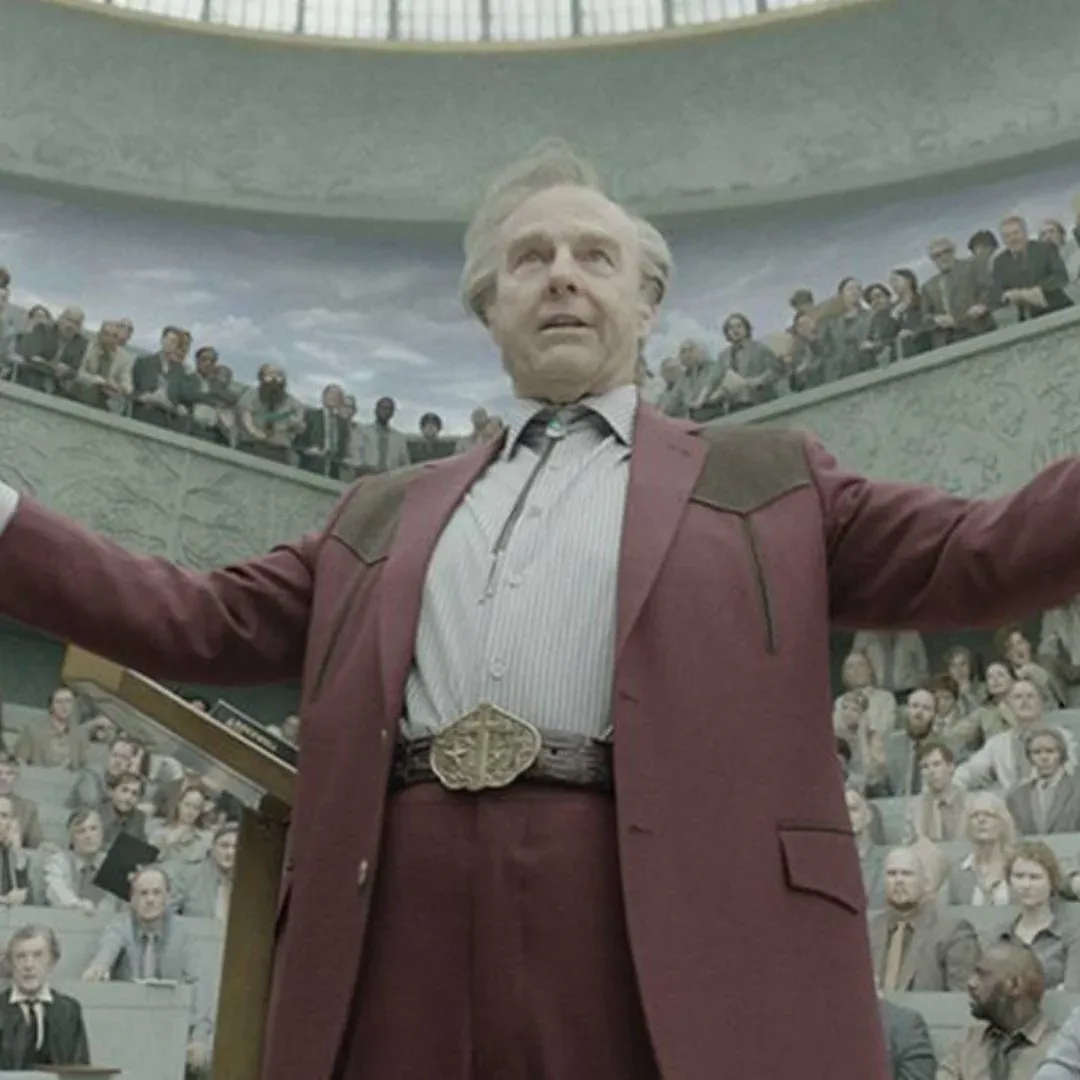
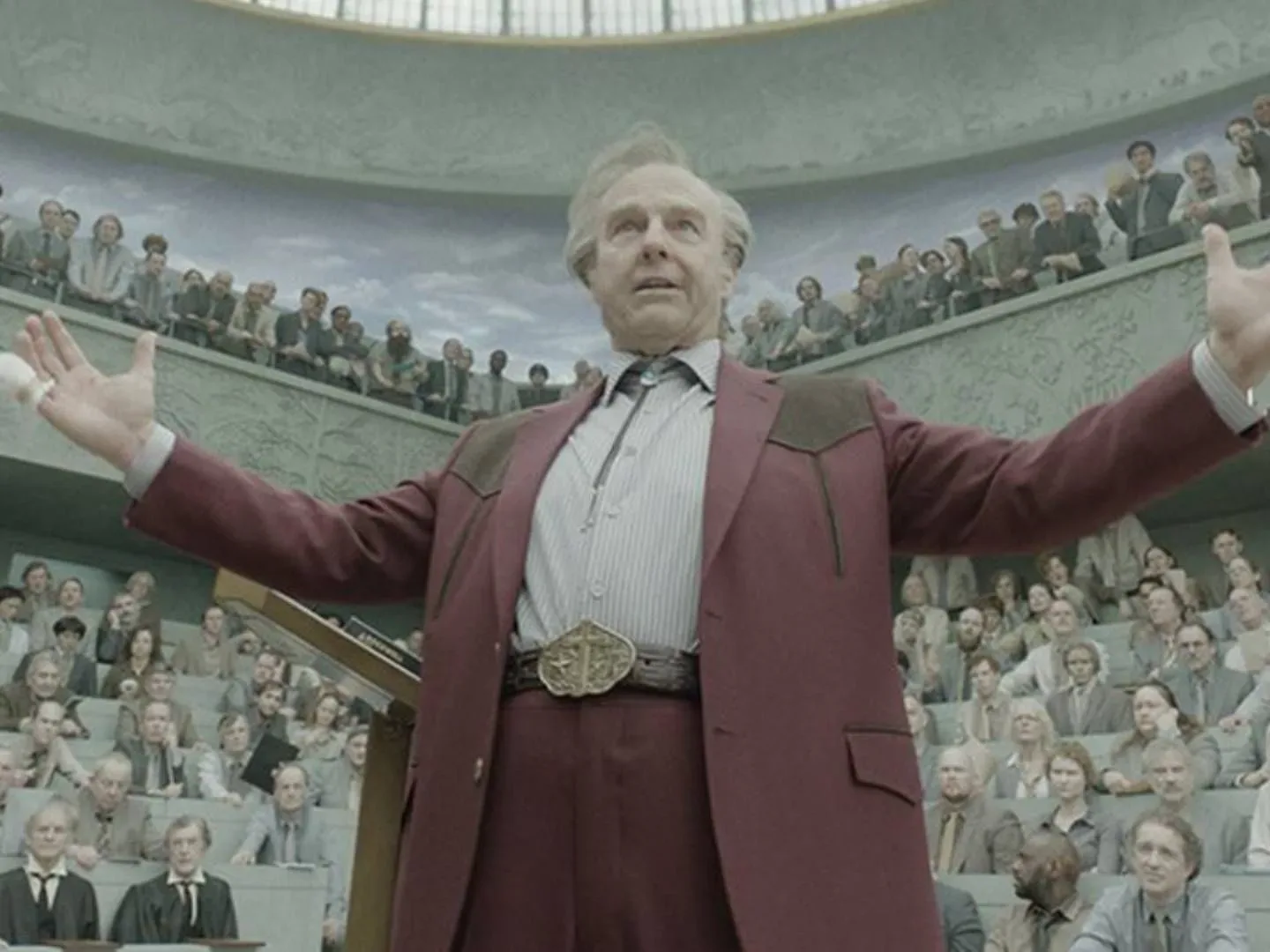
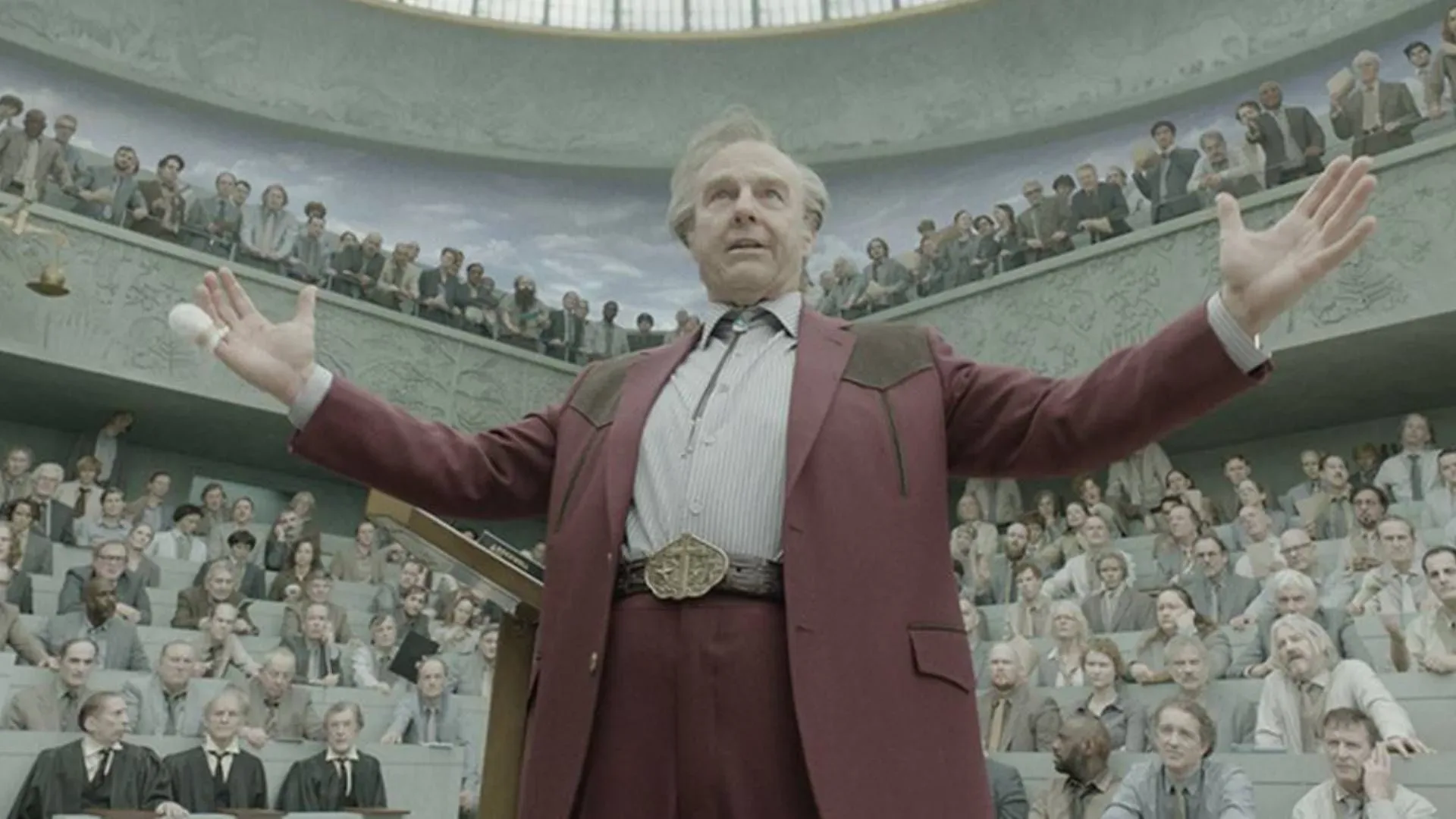
In a recent conversation with filmmaker Alejandro González Iñárritu, Kojima connected Digger to the spirit of Metal Gear Solid 2. The film, which features Tom Cruise as an oil tycoon whose actions cause serious environmental damage, is described as using the present to raise alarms about a possible future. Kojima and Iñárritu also discussed artistic work as a way of building awareness and understanding rather than offering easy fixes.
That framing is fundamental to Kojima’s reading of Sons of Liberty. He highlighted its concerns about social media and technology becoming an inescapable negative force in daily life, adding that generative AI makes the game’s ideas feel more immediate. The conversation was reported through machine translation, so the precise phrasing deserves caution. Still, the central comparison is clear: Kojima sees both the game and the film as unsettling warnings whose value lies partly in making audiences live with an uncomfortable problem rather than handing them a satisfying cure.
Why Kojima’s Metal Gear Solid 2 comparison matters
Metal Gear Solid 2 is the second numbered entry in Kojima’s stealth-action series, with Sons of Liberty as its subtitle. Invoking it here does not establish that Digger follows the same story structure, has the same political details, or reaches the same conclusions. What it does suggest is a shared outlook: present-day conditions can be read as evidence of a looming social problem, and fiction can make that threat feel personal before it becomes ordinary.
Kojima’s specific emphasis was on the social consequences of technology. In this context, “generative AI” refers to systems that can produce material such as text or images from prompts and patterns in their training. His concern is not presented as a technical claim about any one tool. It is a cultural claim: systems that accelerate the creation and spread of material can make it harder for people to know what is trustworthy, what is stripped of context, and what they have actually examined themselves.
That is where Digger’s environmental premise and Sons of Liberty’s technological anxiety meet. One is described through an oil tycoon and environmental harm; the other is raised as a game about technology’s oppressive role in people’s lives. Their surface subjects are different. Kojima’s proposed link is the feeling of being caught inside a large, damaging structure that individuals struggle to escape.
The idea that neither work offers a clean solution is equally important. Popular discussion often treats a warning as incomplete unless it comes with a program for fixing everything. But diagnosis and prescription are different artistic jobs. A story may be trying to identify a condition—environmental damage, alienating technology, or an information environment that rewards certainty without understanding—without pretending that a character’s final speech can solve it. Kojima’s point appears to be that coping with those pressures day by day may be the more honest conclusion.
The real subject is judgment without contact
The discussion also turned to reactions to Digger from people who had not seen it. Kojima linked that pattern to the early reception of Death Stranding, which was quickly branded a “walking simulator” by some observers based on available footage rather than direct experience of the game. The label has persisted.
Related coverage includes Hideo Kojima Draws Parallels Between Digger, Metal Gear Solid 2, and Death Stranding's Early Backlash.
“Walking simulator” is a useful example of how a genre tag can be both recognizable and inadequate. It signals that movement or traversal is central to the experience. Yet it can also function as a dismissal, suggesting there is little else worth discussing. In Kojima’s comparison, the issue is not that viewers and players are forbidden from disliking a work. It is that a narrow description can harden into a total judgment before the audience has engaged with the work enough to know whether the description is fair.
That distinction matters. Criticism is not the same as promotion, and nobody owes a game or film an automatic endorsement. But there is a practical difference between saying, “This footage does not appeal to me,” and declaring that a work is definitively nothing more than its most easily clipped or memed feature. The first is a personal response to limited information. The second claims a broader authority while retaining the same limited basis.
For games especially, footage cannot always communicate the whole experience. A trailer can show combat, delivery routes, menus, travel, or spectacle. It has a harder time conveying pacing, player motivation, repetition that is intentional rather than accidental, or the way a system changes over many hours. This does not mean every game needs to be played before anyone can form a preliminary opinion. It means preliminary opinions should remain preliminary.
That is the useful takeaway from Kojima revisiting the “walking simulator” shorthand. The phrase may capture something visible about Death Stranding, but visibility is not completeness. The problem begins when an observation becomes an all-purpose substitute for encountering the broader work.
Algorithms reward the fast version of a conversation
Kojima’s concern extends beyond a single movie or game. He described social-media feeds and AI falsehoods as forces that fragment shared perception, allowing people to form firm views with little context. An algorithm, in this everyday sense, is the system that ranks, recommends, and distributes material through a platform. When it repeatedly favors the posts most likely to hold attention, short and confident judgments can travel farther than uncertainty, nuance, or a careful account of what someone has actually experienced.
An echo chamber is the resulting condition where people mostly encounter versions of views they already hold. It does not require every participant to be acting in bad faith. It can emerge simply because recommendation systems respond to clicks, watch time, shares, and similar signals. Once a label becomes familiar, people may see it repeated often enough that familiarity starts to feel like evidence.
This is also why context is not a minor courtesy. Context tells an audience what a clip leaves out, whether a claim is firsthand, and whether a reaction is about a whole work or a small piece of it. Without those distinctions, discourse can turn into a game of association: one image, one premise, or one viral joke is treated as if it settles every question.
The gaming world has a particular reason to take that seriously. Information about unreleased or unfinished work can spread with no guarantee that it represents the final project, while fragments of material can attract a stronger reaction than a creator’s intended presentation. As one recent discussion of game leaks put it, unfinished work can feel “weirdly invasive” to the people making it. That concern around unfinished-game leaks belongs to the same larger question: what does an audience really know, and what confidence is justified by what it knows?
A box-office result and a cultural verdict are not the same thing
Digger is described as currently struggling at the box office. That is a meaningful commercial fact, but Kojima’s conversation points toward a different measure of value. A weak theatrical performance can reflect many things, while a film’s ideas may still provoke discussion or find a more receptive audience later. None of that guarantees a reassessment, and it would be premature to predict one. It simply means commercial results and long-term cultural reception answer different questions.
The same restraint should apply to the claim that Digger is similar to Metal Gear Solid 2. Kojima’s comparison offers an interpretive lens, not a verdict audiences must accept. It may encourage viewers to consider the film’s environmental warning alongside its mood of dread and powerlessness. It should not become another piece of shorthand that lets people pretend they have seen the film, understood the game, or settled either work’s meaning in advance.
That irony is perhaps the sharpest part of the story. A discussion warning that people rush to judge art could itself be flattened into a headline about Kojima defending a flop, or into an easy claim that he says every misunderstood work is secretly great. The fuller point is more modest and more demanding. Art can fail to persuade someone. It can frustrate, bore, or disappoint. But an opinion is stronger when it knows the boundary between what has been experienced and what has merely been repeated.
What this could mean for OD and Physint
Kojima’s next announced games include OD and Physint, though further details remain awaited. The conversation offers no new features, release information, or concrete descriptions of either project, so it would be wrong to project Digger’s themes or Death Stranding’s structure onto them.
What it does provide is a useful reminder for the reception cycle to come. Early teasers, isolated screenshots, rumors, and clips will inevitably invite instant classification. That is how contemporary entertainment discussion works. Yet Kojima’s own experience with Death Stranding illustrates why the first label may tell us more about the available footage and the platform’s incentives than it tells us about the finished game.
There is no obligation to be uncritical, and no reason to suspend judgment forever. The healthier standard is simpler: identify what is known, distinguish it from inference, and leave room for a work to be larger—or worse, or stranger—than the clip that introduced it. In an era when AI-generated material and engagement-driven feeds can make confident fragments feel definitive, that is not just good manners for film and game criticism. It is a basic form of media literacy.