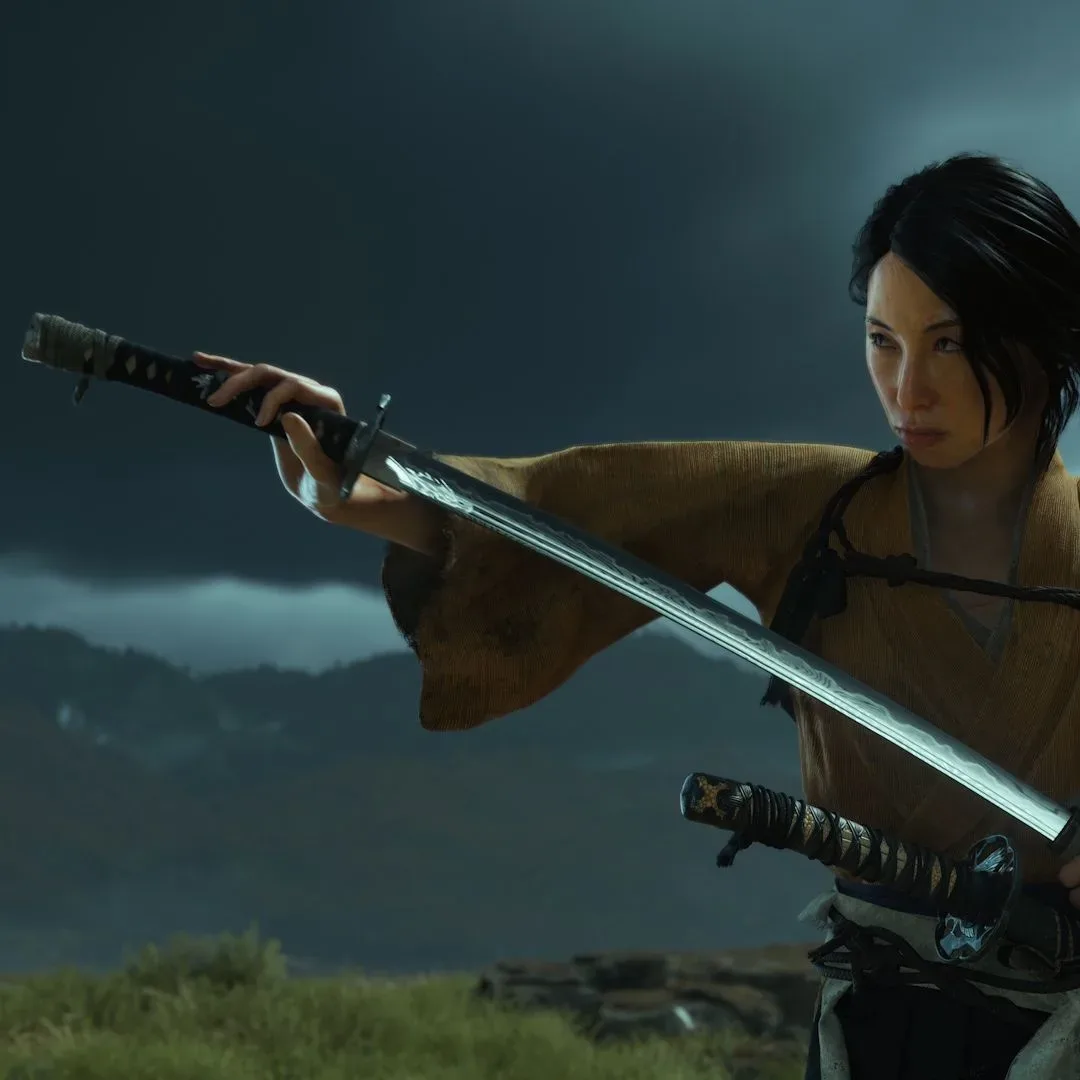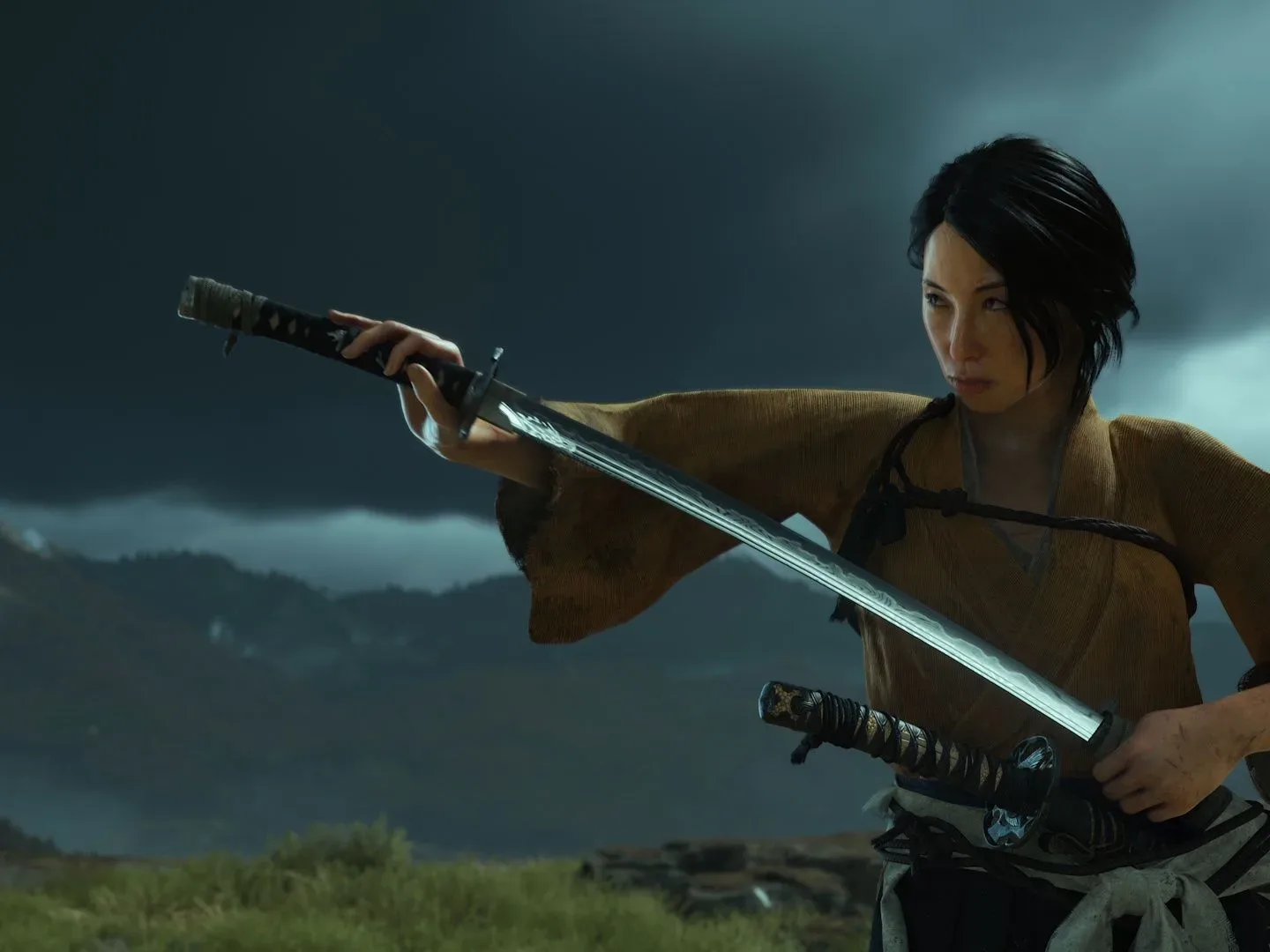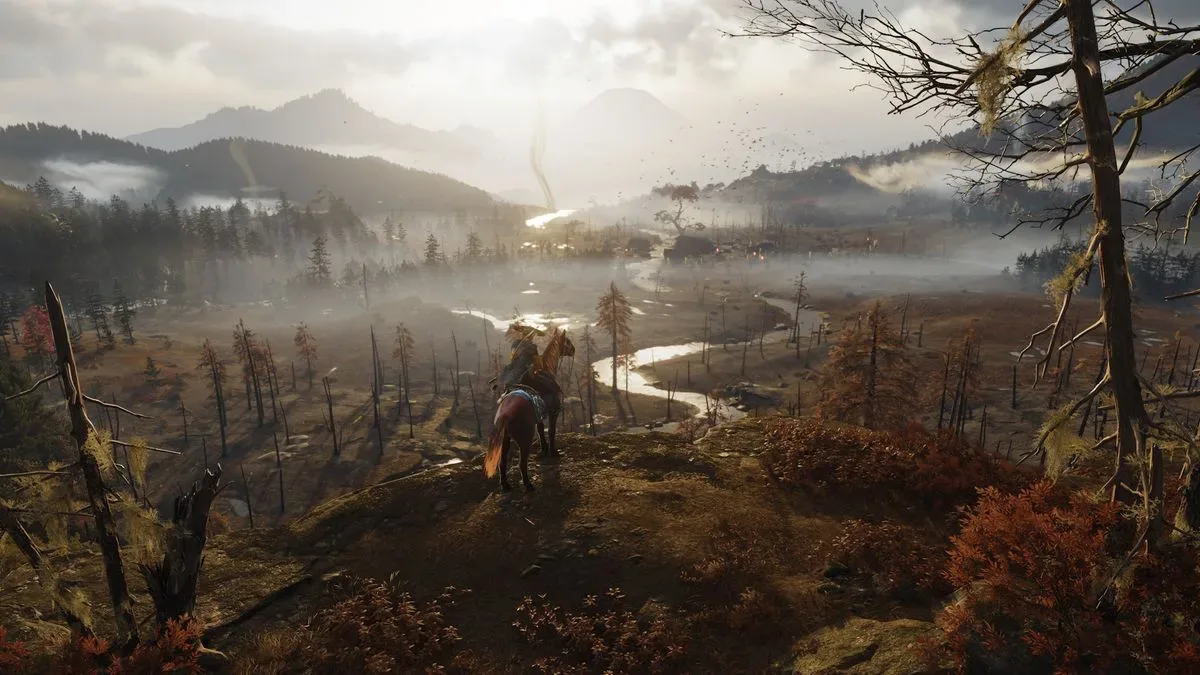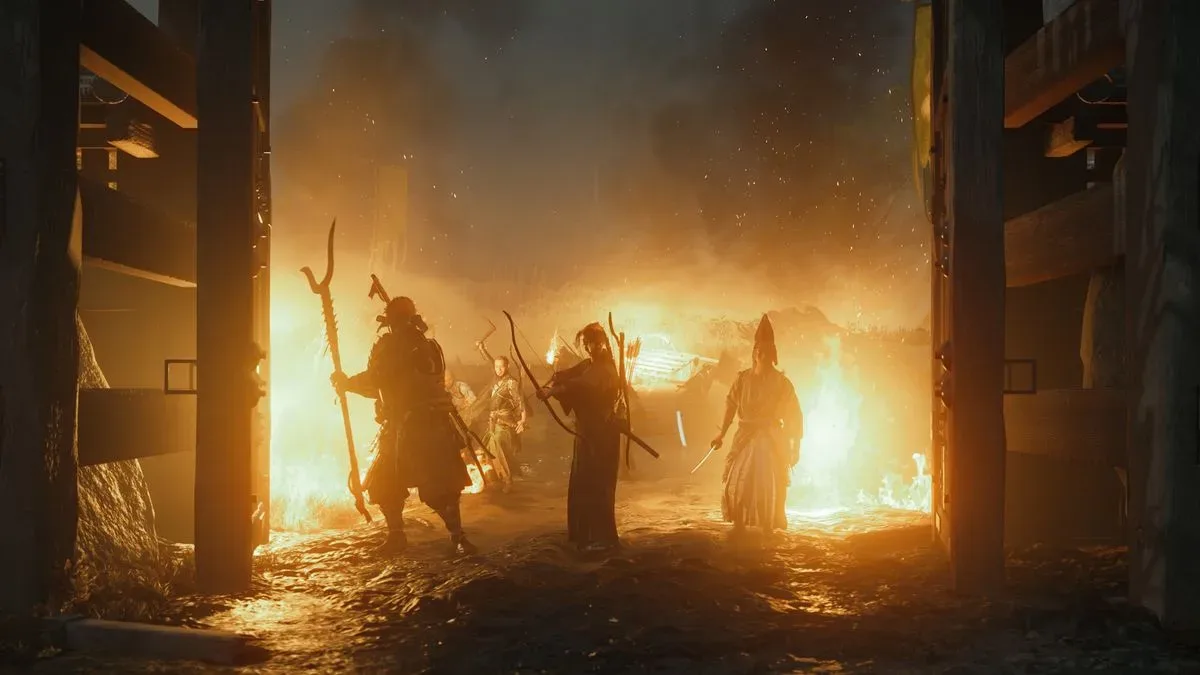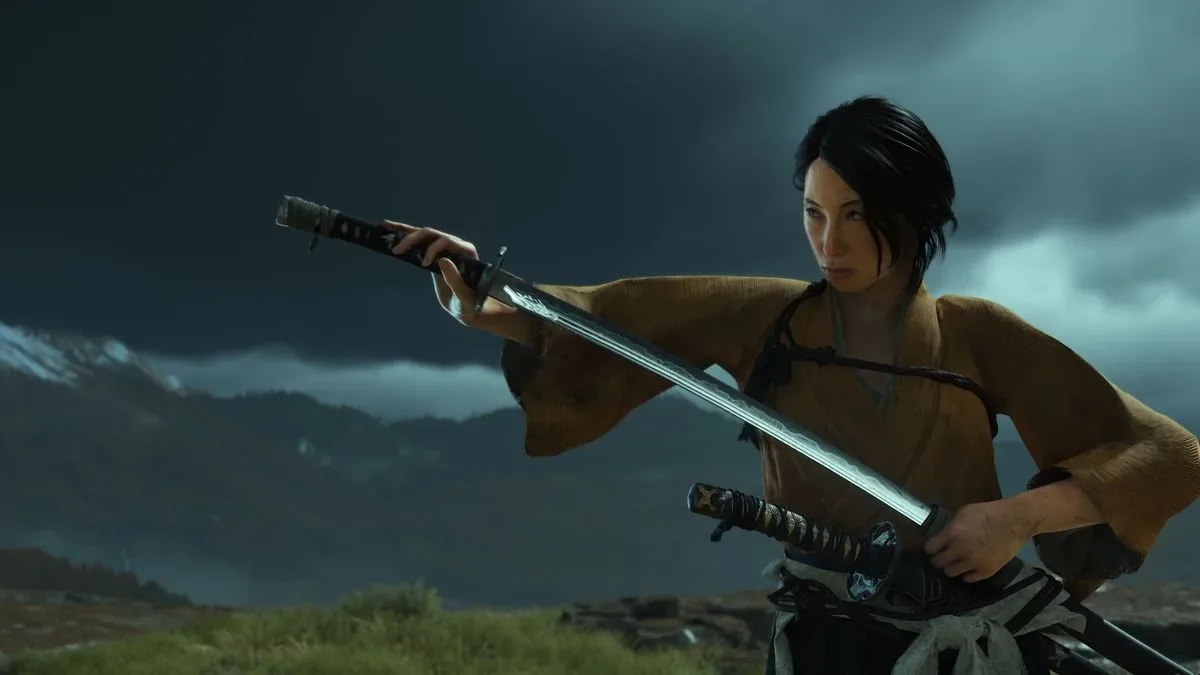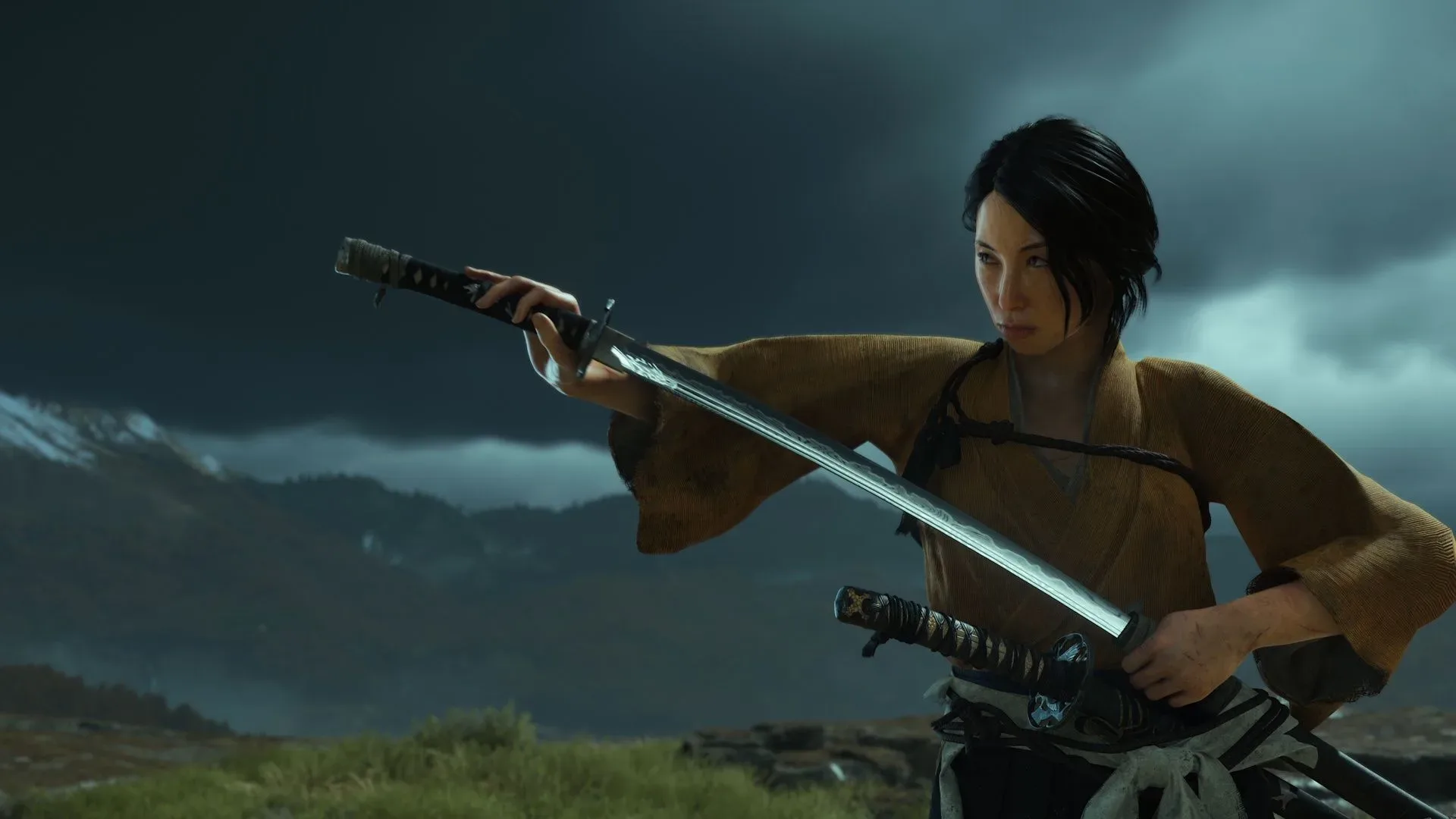
Ghost of Yotei: Echoes of Sekigahara has an awkwardly revealing job: it adds more Ghost of Yotei while making a persuasive case that the base game already delivered its most potent ideas. The expansion returns players to Atsu’s world with a new narrative, the Ashoro Foothills, enemy encounters, armor sets and dyes. Yet its emphasis is not on what happens after the main game. It is on what happened before and during the Battle of Sekigahara, through Atsu’s connection to Nagato.
That is not inherently a weak premise. A story about memory, unfinished consequences and a protagonist’s past can deepen a world without needing to raise every stake. But Echoes of Sekigahara appears to run into a familiar expansion problem: it approaches material that has already been emotionally and mechanically resolved. Its setting is populated by the remnants of the Viper’s followers, but the Viper was the first of the Yotei Six defeated by Atsu in the main game. With no fully established leader at the center of this faction, the conflict can feel like an afterimage rather than a new threat demanding attention.
The result is an expansion that sounds more like an appendix than a sequel chapter. And oddly, that limitation makes it a useful reminder of what made Ghost of Yotei resonate in the first place: the satisfaction of inhabiting Atsu’s abilities, learning the game’s combat language, and watching systems that initially seem separate snap together into confident action.
A story pointed backward
Echoes of Sekigahara’s narrative is built around recollection. Nagato returns from Atsu’s past, while the story revisits pivotal events from the Battle of Sekigahara and the pair’s influence on it. The Ashoro Foothills are described as a ruined, disorderly place where the remaining Vipers are trying to find someone to follow. That setting gives the DLC a clear mood: this is a landscape of fallout.
Fallout can be dramatically rich, but it asks for a particular kind of payoff. A post-conflict story usually needs to show either a consequence the original ending could not address or a new perspective that changes how players understand that ending. Echoes of Sekigahara instead risks being caught between those possibilities. The battle it examines is already in the past, while the Vipers are diminished in the present. The central pressure is therefore reduced before the player arrives.
That does not mean the story has no purpose. Looking backward can make a character feel more complete, especially when the protagonist’s earlier choices have been left partly unexplored. It simply means the DLC’s value is likely to depend on a player’s interest in Atsu and Nagato rather than on the expectation of a major continuation. Players arriving for a decisive new arc, a fresh enemy hierarchy or an escalation beyond the base campaign may find its scope more modest than the title’s “new narrative” framing suggests.
That distinction matters for DLC expectations. A narrative expansion does not automatically mean “the next act.” Sometimes it means a side story, a historical detour or a character-focused coda. A coda is an additional passage after a larger work has reached its main ending; it can provide reflection and texture, but it does not have to introduce a new climax. Echoes of Sekigahara seems closer to that model.
The main game’s systems still do the heavy lifting
Where the expansion’s narrative forward momentum appears limited, Ghost of Yotei’s underlying play remains compelling. The DLC sends Atsu into newly opened wilds and includes new enemies, armor sets and dyes. More importantly, it creates a reason to revisit a combat toolkit that can lose its immediacy after months away.
Related coverage includes Ghost of Yotei: Echoes of Sekigahara Struggles to Escape the Main Game's Shadow.
That return exposes something easy to overlook when a player is fully in rhythm with an action game: mastery is partly physical. Timing in a standoff, aim, reactions in a duel and the instinct to use the right option at the right moment are forms of muscle memory. Time away dulls those responses. Coming back can make familiar fights feel newly demanding, not necessarily because the game has transformed, but because the player’s relationship to it has changed.
In Ghost of Yotei, that reacclimation appears to be rewarding. Atsu can confront enemies in a standoff with her wolf alongside her, potentially thinning a bandit group before conventional combat begins. The appeal is not merely that an enemy count goes down. It is the feeling that the game lets a prepared player shape an encounter’s opening moments through poise and execution.
This is where the distinction between content and play is useful. Content is the tangible list: another map area, enemy variants, armor, dyes and story scenes. Play is the moment-to-moment experience created when the player uses a character’s systems. An expansion can have plenty of content yet struggle to make that content feel essential. Conversely, revisiting a familiar combat system can be absorbing even when the new story offers few surprises.
Echoes of Sekigahara appears to lean on the latter strength. Its best argument for existing may not be that it radically changes Ghost of Yotei, but that it provides another setting in which Ghost of Yotei’s best actions still feel stylish, readable and rewarding. The standoff, the wolf-assisted assault, the return to duels and the recovery of lost timing make the established core shine again.
New gear is not the same as new meaning
Armor sets and dyes are welcome additions for players who enjoy changing Atsu’s look or refining their preferred build. New enemies can also give veterans a reason to reassess habits that became automatic in the main campaign. But additions like these are only as meaningful as the situations built around them.
That is the larger challenge facing any expansion released after a player has thoroughly completed the original game. A player who has already spent dozens of hours exploring, defeated the major threats and earned a Platinum trophy may arrive with a very different appetite from someone who simply finished the story. The former has likely already seen most of the game’s strongest surprises and achieved a high degree of mechanical confidence. A small add-on will be judged not just on whether it is enjoyable, but on whether it can recreate the original sense of discovery.
That is a demanding standard, and not always a fair one. The first time an action game hands over a significant upgrade or reveals a dramatic piece of the world, it has the advantage of novelty. Later additions have to find another route to excitement: a surprising narrative turn, a disruptive new mechanic, an especially memorable environment, or encounters that force an established toolkit to be used differently.
Based on its setup, Echoes of Sekigahara offers incremental additions rather than a fundamental remix. There are new toys and new foes, but the broader impression is of “more of the same.” That phrase is not automatically criticism. In a game with excellent combat, more of the same can be a very pleasant proposition. It becomes disappointing only when players expect the DLC to match the base game’s largest highs or to open a genuinely new direction for Atsu.
A practical way to approach the expansion
Players considering Echoes of Sekigahara may get the most from it by treating it as a return visit rather than a replacement main campaign. Its apparent strengths are the excuse to resume control of Atsu, the chance to recover combat fluency, a new wilderness to move through and extra customization. Its more limited point is the story’s position in the timeline: it examines the past and the surviving traces of a faction that has already lost its defining figure.
- Go in for character context: The Nagato material and the Battle of Sekigahara are the narrative center, so interest in Atsu’s past is likely more important than expecting the plot to drive beyond the original ending.
- Expect a coda-sized experience: The Vipers’ reduced state gives the conflict a deliberately aftermath-focused quality rather than the shape of a wholly new campaign.
- Use the return to rebuild skill: If a long break has made standoff timing, aiming or dueling feel rusty, the DLC can turn that rust into a satisfying relearning curve.
- Value the gear appropriately: New armor sets and dyes are concrete rewards, but they may not satisfy someone looking primarily for a major systems overhaul.
This is also a reminder that completion changes the flavor of additional content. Someone who left side activities unfinished in the base game may naturally experience a broader return to Yotei, blending the expansion with goals still waiting elsewhere. Someone who has already cleared everything will encounter the DLC in isolation, with every small addition easier to measure against the original game’s full scale. Neither approach is wrong; they simply produce different expectations.
The strange compliment inside a modest DLC
There is a backhanded compliment in an expansion that cannot quite escape the shadow of its main game. It suggests the original established a strong enough combination of setting, character and mechanics that even a less essential return trip can still be enjoyable on the strength of the foundation alone.
Ghost of Yotei’s base adventure is remembered here for its beautiful vistas, its steady stream of upgrades and revelations, and the rush of its duels. Echoes of Sekigahara does not seem to reproduce every one of those highs. Rather, it puts players back in the posture of being Atsu: drawing into a standoff, fighting through bandits, moving beside a wolf companion and rediscovering the precision required to make the action flow.
For some players, that may be enough. For others, the expansion’s retrospective narrative and familiar mechanical shape will make it feel skippable after a complete base-game run. Both reactions can be true because they address different things. One is about how much the DLC advances Ghost of Yotei. The other is about how good Ghost of Yotei still feels when its systems are placed back in the player’s hands.
Games do not always need an add-on to prove that their fundamentals work. Sometimes an add-on merely reminds everyone of it. For a different kind of return to a beloved game space, see how Ocarina of Time’s Bombchu Bowling operator has resurfaced while the original N64 expression still carries the charm. Echoes of Sekigahara may not be the lightning-strike extension some players wanted, but it appears capable of sparking a smaller, valuable realization: Atsu’s core adventure had a fighting rhythm worth revisiting.