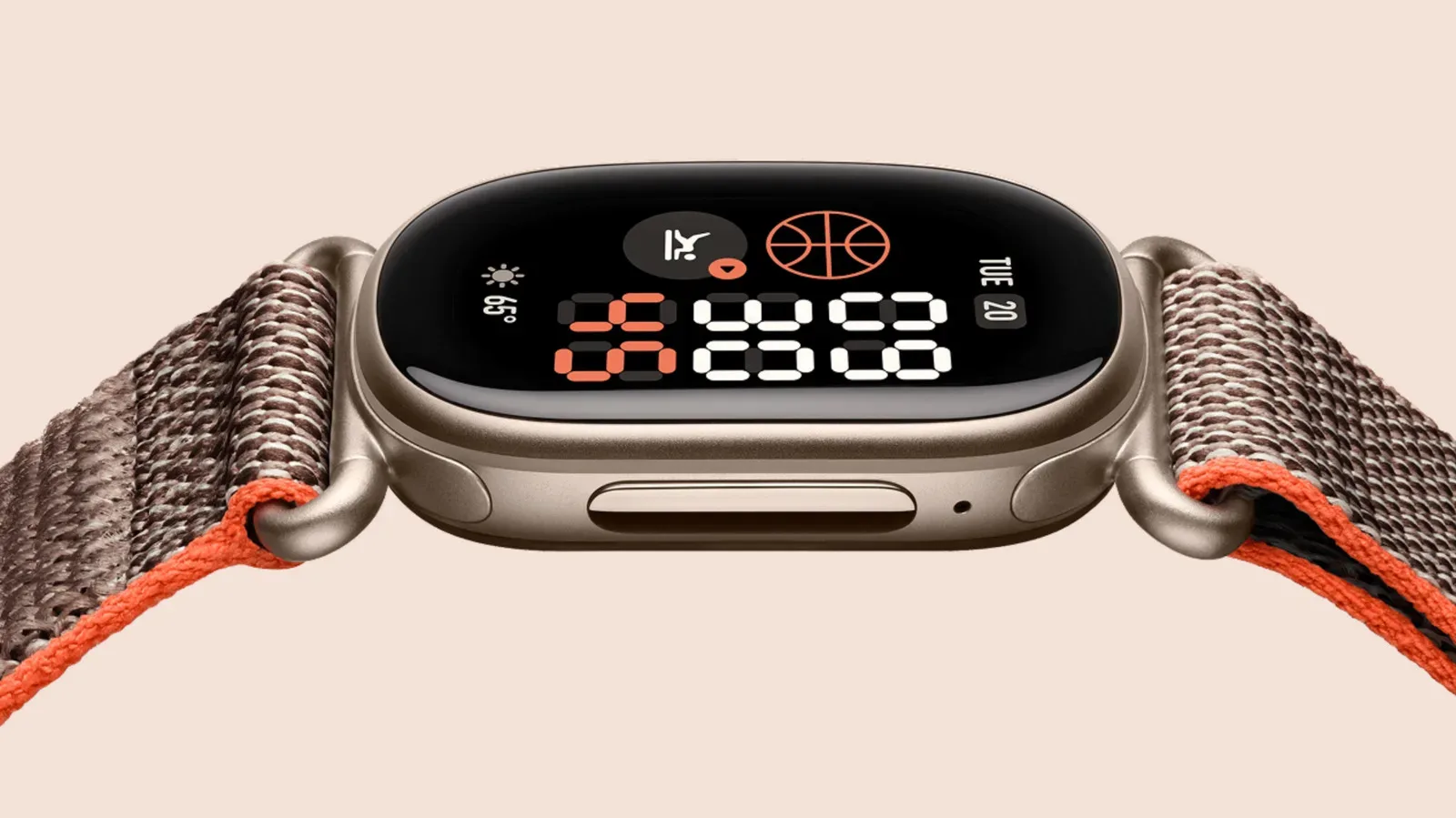
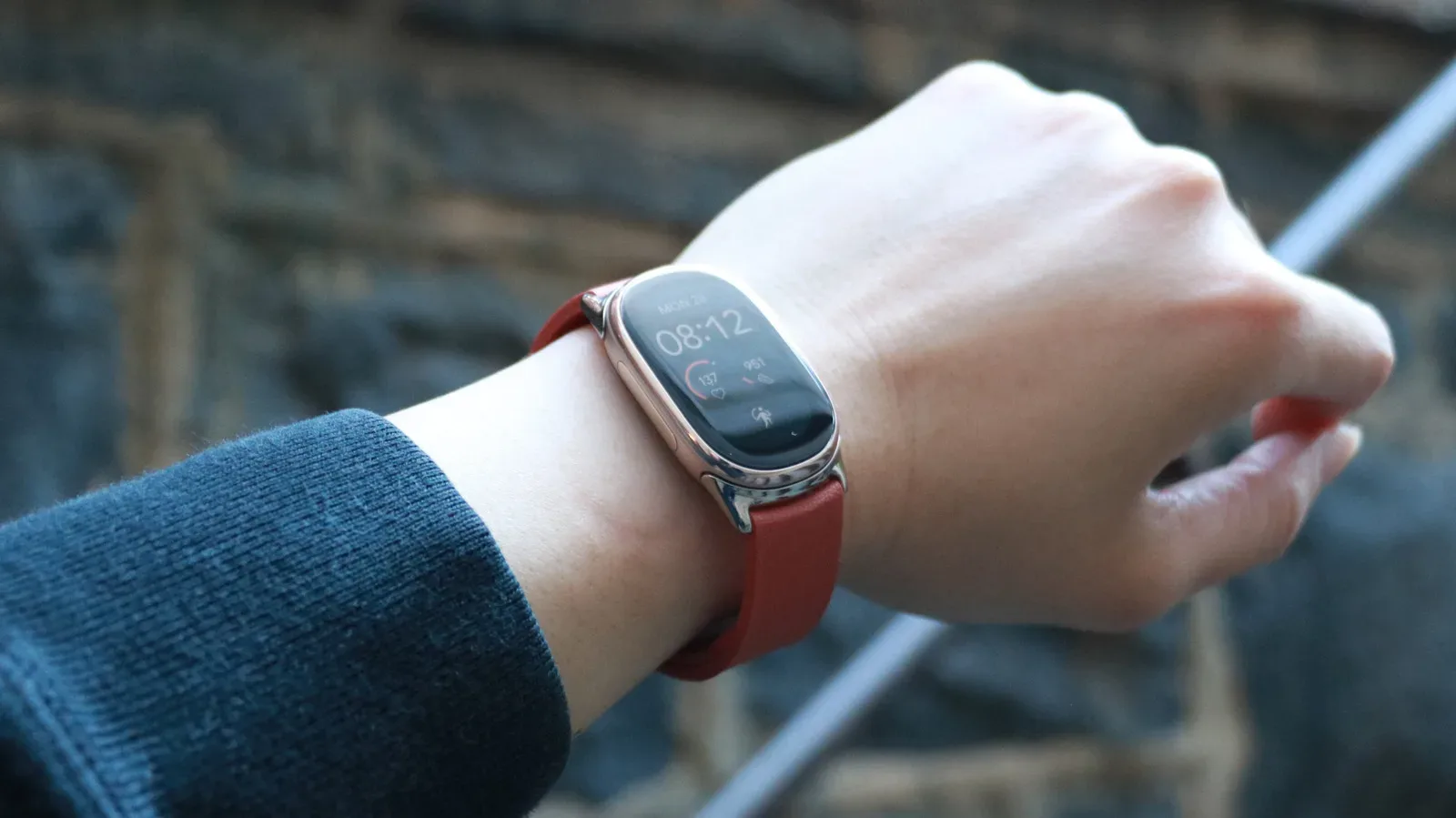
A replaceable battery is one of the most meaningful promises a fitness tracker can make. Batteries do not keep their original capacity forever, and a tracker with a perfectly functional screen, sensors and casing can become frustrating once it no longer lasts long enough between charges. The Fitbit Edge is designed to offer a route around that familiar endpoint: its battery can be replaced by the owner.
That is the good news. The less convenient news is that this is a real electronics repair, not a quick battery-door swap. The Edge is positioned as a successor to Fitbit’s Charge line, and Google’s approach requires a dedicated replacement battery, replacement screws, specialized tools and careful handling of very small internal components. A free iFixit PDF guide is available after signing in, but reading a guide and being prepared to execute the repair are different things.
For the right owner, the option could be important. If app support continues and official compatible batteries remain available, replacing the cell could keep an Edge in service far beyond the point at which sealed wearables commonly become impractical. But prospective buyers should understand the trade-off clearly: the battery is replaceable, not necessarily easy to replace.
Why the Edge battery matters in the first place
Rechargeable lithium-ion batteries gradually lose capacity through normal use and age. In practical terms, that means a wearable that once lasted comfortably through a routine can eventually demand more frequent charging. The device itself may still work, but the battery can become the part that decides whether it remains convenient enough to wear.
That makes battery access a particularly relevant design question for fitness trackers. They are meant to be worn repeatedly, often all day, and their usefulness depends on being available when activity, sleep or health data is being recorded. A degraded battery can interrupt that purpose even when every other major component is intact.
The Edge’s battery design therefore offers a potential longevity advantage over a fully sealed tracker. It does not guarantee permanent usefulness. Continued software support and an ongoing supply of compatible replacement cells still matter. Nor does it make the Edge feature-identical to every Fitbit that came before it: the tracker does not include Google Pay or EDA scans for stress measurement. Still, repairability gives owners an option that many wearable buyers do not normally receive.
It is also worth separating replaceability from repairability in the casual sense. A remote-control battery is replaceable because an owner opens a compartment and inserts a cell. The Edge battery is replaceable because the product can be opened, disconnected, fitted with a new battery and reassembled. Those are dramatically different levels of involvement.
What the official repair process asks of owners
The official arrangement uses iFixit as a repair partner. The guide itself is free, but an Edge owner will need more than a new battery. The process calls for replacement screws for the surrounding hardware as well as specialized equipment. iFixit says the replacement parts are single-use, which means the repair should be planned rather than treated as something to start before every needed component is on hand.
Related coverage includes Fitbit Edge Battery Replacement Is Possible, but It’s a Delicate DIY Repair.
Once the case is opened, the job becomes especially sensitive. The Edge includes an O-ring, a gasket-like ring that helps preserve water resistance when the device is closed. If it falls out and is not correctly returned during reassembly, the tracker may no longer retain that protection.
That detail is more than a cosmetic concern. Water resistance is a practical part of how many people use a fitness wearable. A repair that restores charging endurance but compromises the seal may change where and how confidently the device can be worn. The O-ring is consequently one of the most important small pieces in the entire procedure.
The repair also requires tweezers and involves tiny screws and connectors. Small connectors are designed to link delicate components inside the device; forcing or misaligning one can damage it. The physical scale is likely to be a hurdle for anyone with unsteady hands, limited fine-motor control or poor lighting and workspace conditions.
Static electricity is a real concern
Another technical issue is electrostatic discharge, often shortened to ESD. This is the movement of built-up static electricity from one object to another. It can be something a person barely notices, yet it can harm sensitive circuitry. The repair guidance recommends precautions including a grounding mat and avoiding garments likely to build a static charge, such as fleece.
That recommendation helps illustrate the difference between the Edge process and a basic consumer battery change. The goal is not merely to get the enclosure open. It is to prevent accidental damage while handling exposed electronics, then put the unit back together without losing the gasket or damaging its tiny connections.
Owners considering the job should make a sober assessment before beginning. A clean, stable work surface, adequate lighting, the specified tools, all required replacement parts and the ability to work slowly with small pieces are central practical requirements. Rushing because a tracker is needed for the next workout is a poor match for this type of repair.
There is no official paid swap service
Google does not offer a paid battery-replacement service for an Edge that has simply reached the point of normal battery wear. In other words, the official alternative to self-repair is not a mail-in fee and a professionally installed new battery.
Warranty circumstances may be different if a battery is defective while the product remains covered. In that situation, Google could potentially provide a free remedy, and that remedy might be a replacement Edge rather than a repaired original unit. That possibility should not be confused with a standing out-of-warranty refurbishment program, however.
This matters because “user-replaceable” can imply different things to different buyers. Some may hear it as “I can avoid buying a new tracker.” That is possible if they can complete the repair. Others may hear it as “the manufacturer will replace the battery later for a fee.” That is not the service being offered here.
For people who are not comfortable working around small electronics, the available official path is limited. Third-party repair options could emerge over time, but none should be assumed. That leaves some owners in an awkward middle ground: the device is designed to be serviceable, but the service is still primarily their responsibility.
Official parts and battery safety
Google advises against unofficial batteries, warning that a non-qualified battery and incorrect disposal can create risks including fire, explosion and leakage. That warning has an obvious legal dimension, but the underlying safety point is important. Lithium-ion batteries can be hazardous if defective or damaged.
Using the intended parts is the sensible route when performing a repair like this. The battery is not just another interchangeable accessory; it is a power component placed in a compact device worn against the body. The cost or availability of unofficial alternatives does not establish their quality, compatibility or safety.
Disposal also belongs in the plan from the beginning. Even when using official components, the removed battery should be placed in a fireproof container for disposal. Replacing a wearable battery means dealing responsibly with the old one, rather than letting it sit loose in a drawer or treating it as ordinary waste.
There is a broader lesson here for shoppers who value longevity. A repairable product is most useful when the company supports the whole chain: parts, instructions and a viable process for people who cannot or do not wish to do the work themselves. The Edge clearly advances the first two pieces by making a battery replacement possible and offering documented guidance. Its limited paid-service option means the final decision still rests heavily on the buyer’s DIY confidence.
A meaningful option with a narrow comfort zone
The Edge’s replaceable battery is still a welcome departure from the assumption that a weakening wearable must eventually be replaced wholesale. It recognizes that battery decline should not automatically condemn the rest of a device. For careful owners who can manage fine components and follow the guide closely, the design may extend the tracker’s useful life.
But it should be approached with the same seriousness as any small-device repair involving a lithium-ion cell, exposed circuitry and water-resistance hardware. The challenge is not one dramatic step; it is a sequence of small, consequential ones: obtaining the correct parts, opening the case without incident, managing the O-ring, avoiding static damage, reconnecting the internals and sealing the tracker again.
That tension is likely why replaceable batteries remain unusual in wearables. A company can make a device more repairable, yet a very compact, water-resistant form factor leaves little room for a simple consumer-access panel. The Edge does not erase that compromise, but it does give technically comfortable owners a path that sealed rivals often do not.
Wearable design can also be valuable in ways unrelated to repair. For example, Apple Watch Taptic Time offers a screen-free way to check the hour, underscoring how everyday usability features and long-term serviceability can both shape the value of a device. In the Edge’s case, the standout long-term feature is real, but it comes with a screwdriver-sized asterisk.