There is something almost comically backwards about the modern console experience: buy a powerful new machine, bring it home with the ceremonial care usually reserved for a rescued animal, and only later discover it cannot accept the stack of discs already sitting on the shelf.
That realization is at the center of a renewed argument over physical games. A report says Sony has announced plans to discontinue physical PlayStation games by January 2028, prompting a week-long player boycott. The same account says an analyst found no meaningful change in PSN player-count figures during the blackout, while Sony’s stock price generally rose over that period.
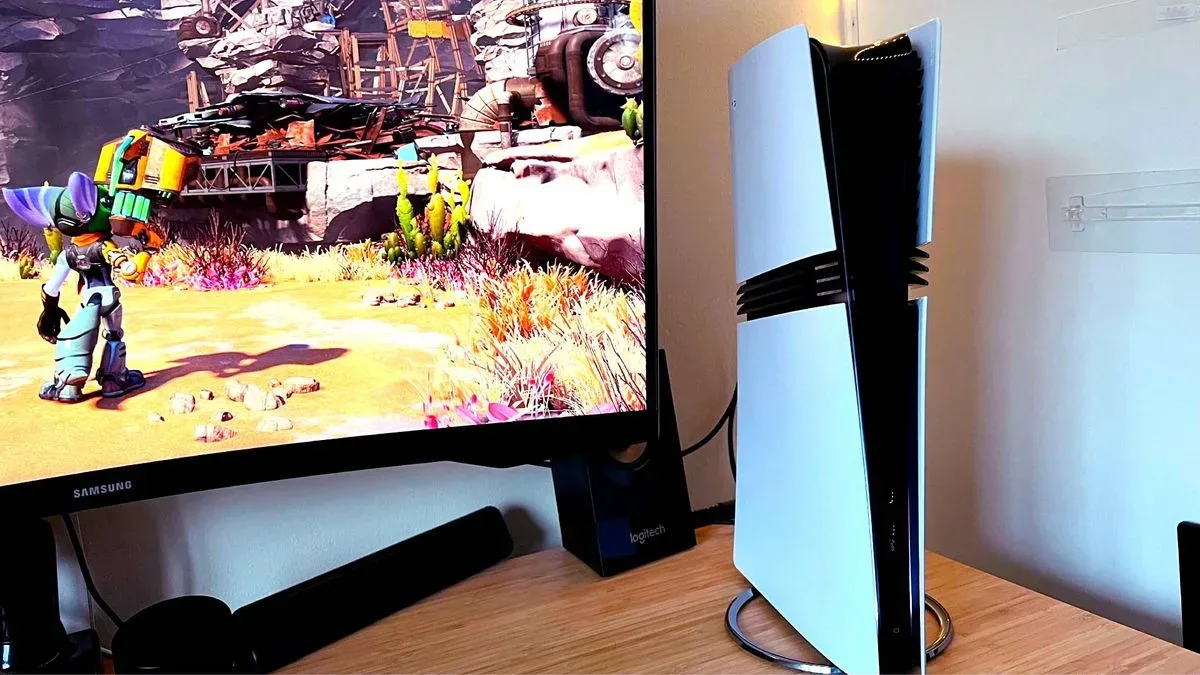
Those measures do not settle whether the protest’s concerns were justified. They do, however, underline a hard reality: a boycott’s visibility and a company’s business decisions can move on very different tracks. In the meantime, the more immediate and constructive response may be a modest piece of hardware: the PS5 disc drive.
That accessory is not merely an appeal to childhood memories of clicking plastic cases shut. It changes what a compatible console can do. It allows players to use qualifying physical games they already own, shop beyond a single digital storefront, and play disc-based movies. For people who have drifted almost entirely toward Steam and other download libraries, it can also reopen a style of game buying that is slower, more social and sometimes substantially cheaper.
A boycott can make a point without changing the numbers
The reported week-long PSN blackout was a clear expression of frustration. Physical games represent more than a delivery format to many players. They are tied to the ability to lend a game to a friend, trade it in, browse a local shop’s shelves, or locate a used copy after a digital listing has vanished or a price has stubbornly refused to budge.
But platform activity and stock movement are blunt instruments for judging a protest. A player-count total captures participation on a service, not the full range of individual purchasing decisions or the strength of people’s objections. Likewise, a stock price can respond to many influences beyond a single consumer campaign. The reported lack of an immediate measurable effect should not be read as proof that the underlying worries are unimportant.
It does suggest that players should separate two questions that are frequently bundled together:
- Can consumers force a large platform holder to reverse course quickly? The available account offers little reason for confidence in that particular boycott’s short-term impact.
- Can individual players preserve choices in their own game libraries and buying habits while those choices remain available? Yes, and a disc-capable console is one practical route.
The second question is less dramatic, but it is easier to act on. Rather than waiting for a corporate reversal, a player can decide whether access to used discs, borrowing and physical media playback is worth retaining in their own setup.
What a disc drive actually restores
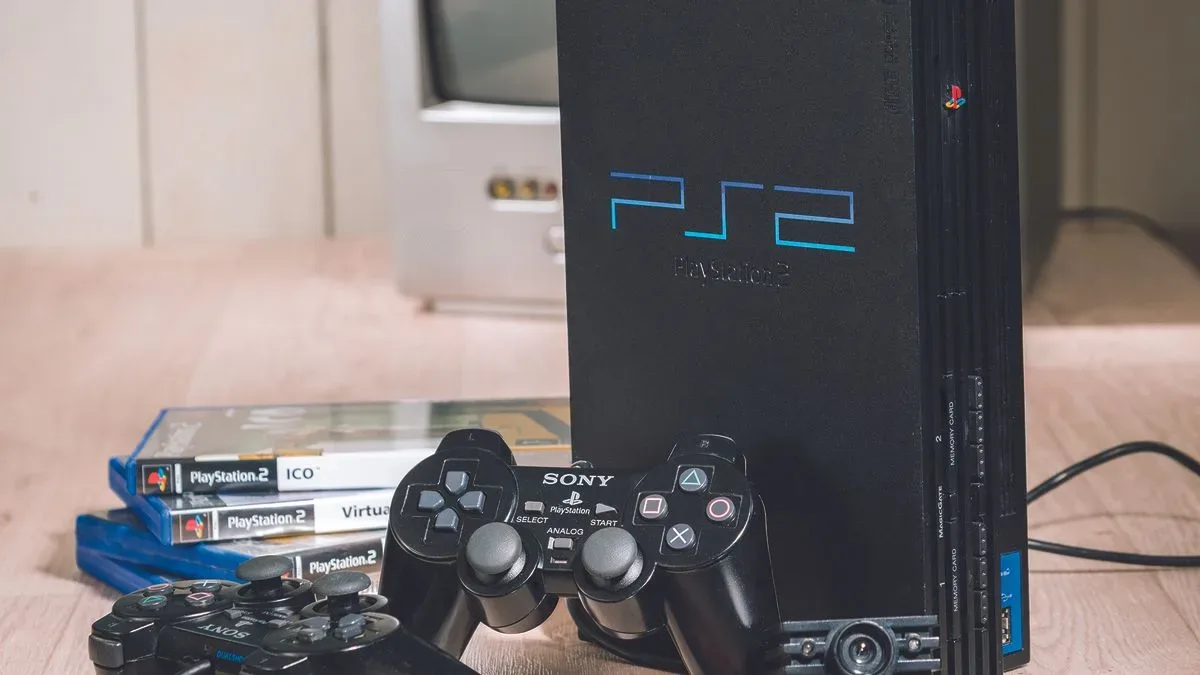
“Ownership” is often the flashpoint in these debates, and it needs a little precision. A physical disc is not a magic guarantee that every game will work forever, on every future device, without patches, accounts or online services. The experience described here itself includes original Xbox games that are no longer backward compatible with current hardware, plus The Sims 3 expansions sitting in a box without a usable disc drive. Physical media has limits.
Still, a disc creates options that a download-only purchase does not necessarily provide. A player can keep the item, lend it, sell it, trade it, or buy it from a retailer other than the console’s digital store when stock exists. The important word is options. A physical copy does not eliminate every preservation or compatibility problem, but it gives the owner a separate object and a separate resale market.
That difference becomes tangible at a used-game shop. The account behind this debate describes finding Ghost of Tsushima for $35, then adding two unplanned games for a total of $79. That total was just $3 more than a pre-order copy of Marvel’s Wolverine. This is one purchase, not evidence that physical copies will always be less expensive than digital ones. It is, however, an unusually clear illustration of how the used market can stretch the same budget across several games rather than one new release.
Digital storefronts can run excellent sales, and digital libraries have obvious benefits: no disc swapping, no shelf space, and immediate purchasing from home. The point is not that one format is universally superior. The point is that removing physical releases removes a competing route to a game. When both routes exist, players can choose convenience on one purchase and a used bargain on the next.
Terms worth keeping straight
- Disc drive: the hardware that reads optical discs. A compatible add-on can make a console capable of using physical game discs and disc-based movies.
- Physical media: tangible formats such as game discs, cartridges, CDs, DVDs and Blu-rays. In gaming, it usually means the boxed game rather than a download code.
- Used market: retail and peer-to-peer circulation of previously owned copies. It can offer lower prices and titles that are no longer easy to find new.
- Backward compatibility: a newer system’s ability to run software from an older one. Owning an old disc does not automatically mean a current console can play it.
- Digital library: games attached to an account and accessed through a platform’s digital service. It is convenient, but its buying, downloading and account rules are controlled through that platform.
The overlooked value is not just preservation
Physical-media discussion often leaps immediately to long-term preservation. That concern is valid, especially for people with older Xbox titles, PC CD-ROMs and expansion packs that have become awkward to revisit. Yet the everyday value may be more personal and less technical.
For many players, browsing a used-game shop is a form of discovery that a search bar does not replicate. You can enter without a target, scan unfamiliar cover art, compare editions, notice hardware from generations you missed, and leave with a game you never would have typed into a storefront. That is not an argument that digital shops cannot recommend games. It is an argument that physical retail creates a different kind of encounter: the library is in front of you, limited by what is on the shelf and shaped by the local community’s trade-ins.
There is also the ritual. Older players may remember opening the case in the car, inspecting the disc or cartridge, and reading whatever insert came with it before getting home. Modern games rarely include substantial booklets, so it would be dishonest to pretend the old package experience has remained untouched. But a case, disc and shelf still make a purchase feel like a distinct object rather than another entry appended to an account.
That feeling is not trivial simply because it is emotional. Entertainment formats are partly about habits. The move from physical collections to immediate downloads traded anticipation and browsing for speed. Neither side of that trade is imaginary. A player who values instant access can keep using it; a player who misses the old ritual can deliberately make room for it again.
Why the PS5 Pro purchase became a disc-drive lesson
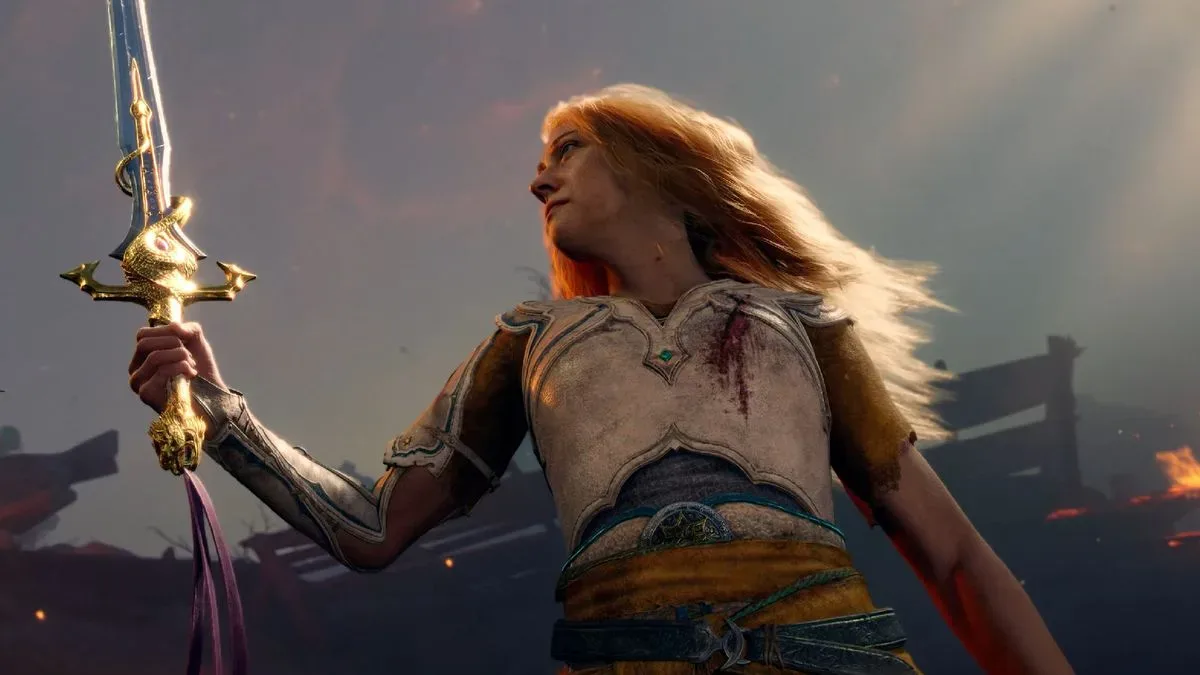
The specific PS5 Pro story is revealing because the missing drive was not initially treated as a deal-breaker. The console had been bought in the expectation of playing future PlayStation releases, after the reported God of War Laufey announcement and amid the stated belief that PS5 exclusives will no longer be ported to PC. The need for a disc drive only became obvious after the purchase, when a friend asked whether one had been included.
That moment shows why hardware details matter. A buyer can reasonably focus on processing power, storage, games or console size and fail to notice that a familiar feature is now modular rather than standard. A disc drive can be easy to overlook precisely because it used to be assumed.
The eventual decision to add one was motivated partly by films: a 10th-anniversary edition of Interstellar was already owned. That is an important reminder that an optical drive is not only a games accessory. For a household with DVDs or Blu-rays, it can preserve a console’s role as a media player as well.
There is no need to romanticize every disc purchase or turn every shelf into a museum. The practical lesson is simply to check what hardware supports before buying, especially if you have an existing collection. A new console is not automatically a bridge to older media; compatibility depends on the machine, the drive and the software involved.
A sensible way to keep physical options open
For players who want to make use of physical games while they are still being released, the most useful approach is deliberate rather than panicked. There is no source-supported reason here to suggest buying every game on disc, hoarding copies, or assuming every old title will rise in value. Physical collecting should begin with games a person genuinely wants to play or keep.
- Inventory what you already own. Separate playable discs from formats that need older hardware. This can reveal whether a compatible disc drive has immediate value.
- Check compatibility before assuming access. A disc alone cannot overcome a console generation’s backward-compatibility limits.
- Compare the used price with the digital price each time. The $79 three-game haul demonstrates potential value, not a permanent rule.
- Use local shops for discovery as well as discounts. Going in without a fixed list can be part of the appeal, but set a budget before spontaneous finds become a problem.
- Keep cases and discs in usable condition. The goal is a playable personal library, not a pile of neglected plastic.
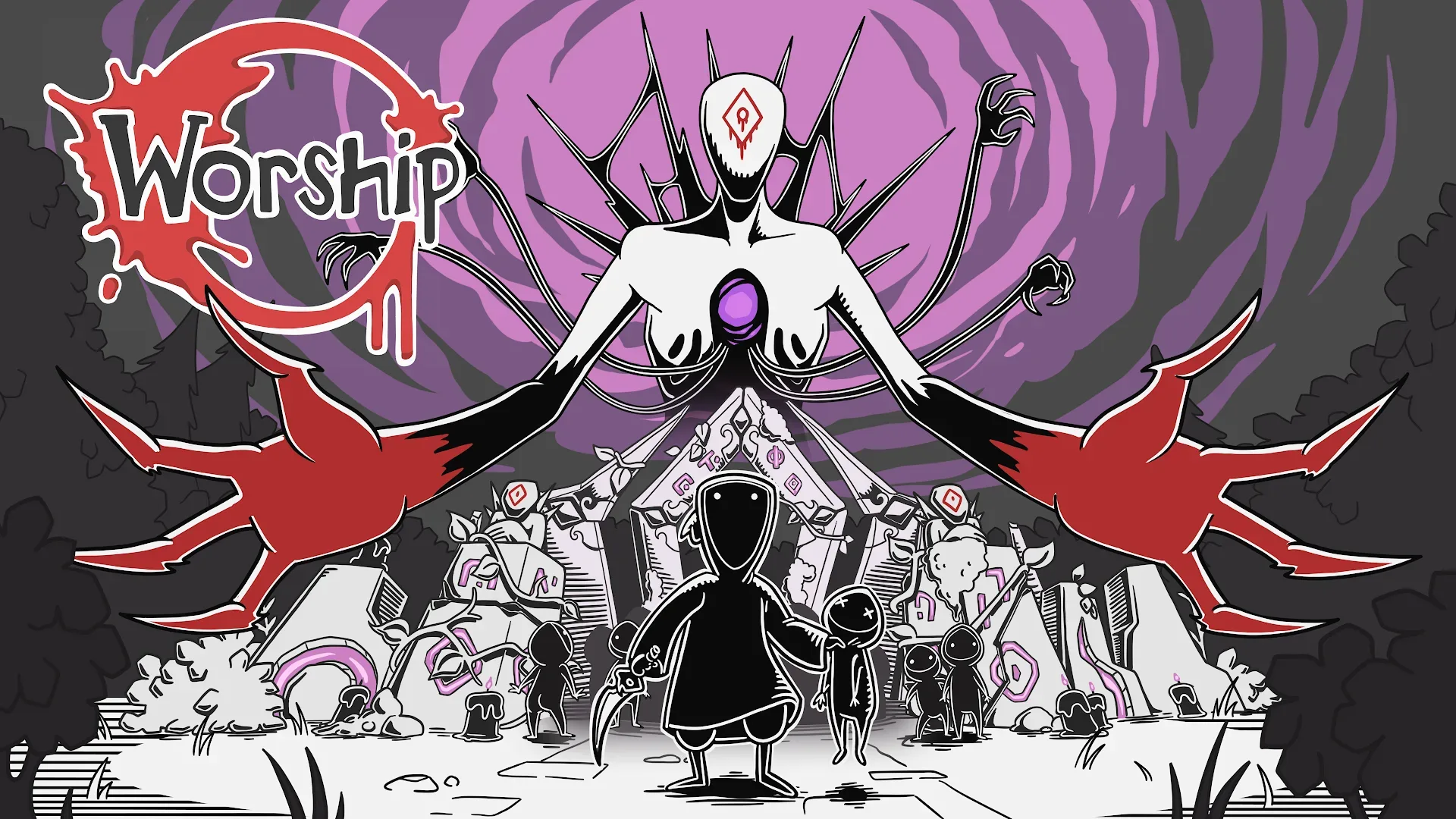
New releases will keep arriving on PS5 in the near term, including projects such as the planned PS5 version 1.0 launch of Worship. Whether any individual release belongs in a personal collection is a separate decision. The bigger issue raised by the reported 2028 plan is that choosing physical may become harder if fewer titles or fewer systems support it.
The disc drive is therefore not a rebellion with fireworks attached. It is a small declaration of preference: a player wants the ability to use existing discs, browse used shelves, share copies where possible and watch the films they already bought. In an era built around instant downloads, that is plenty reason to make space for one more piece of hardware.