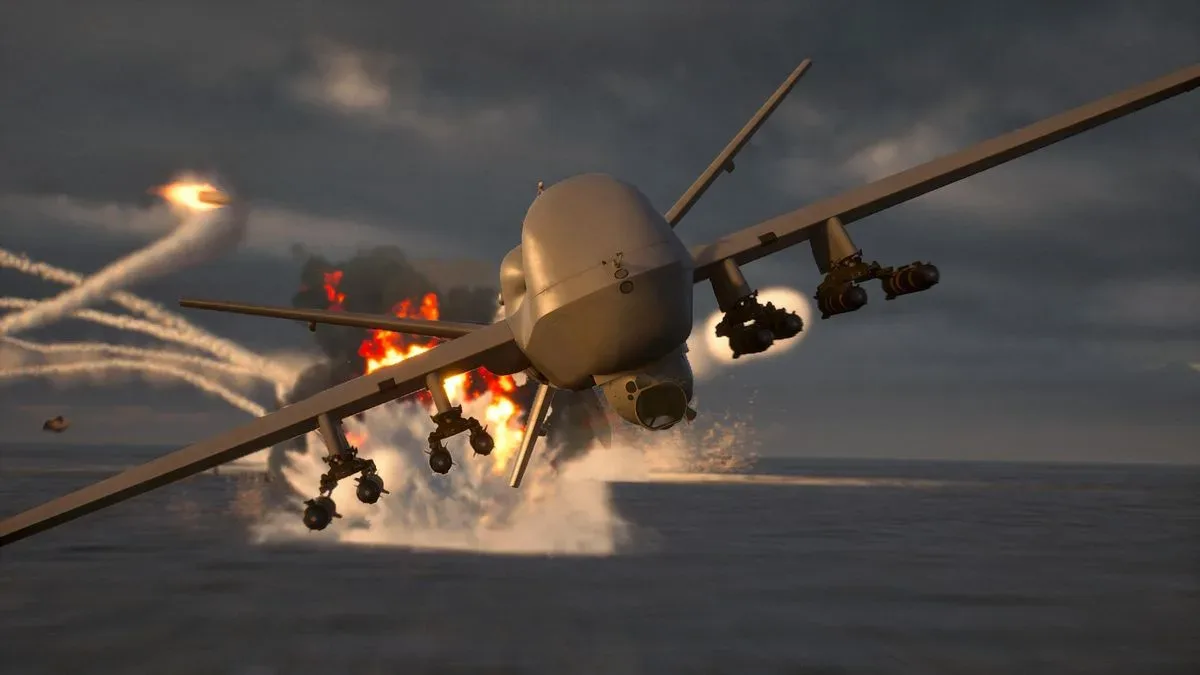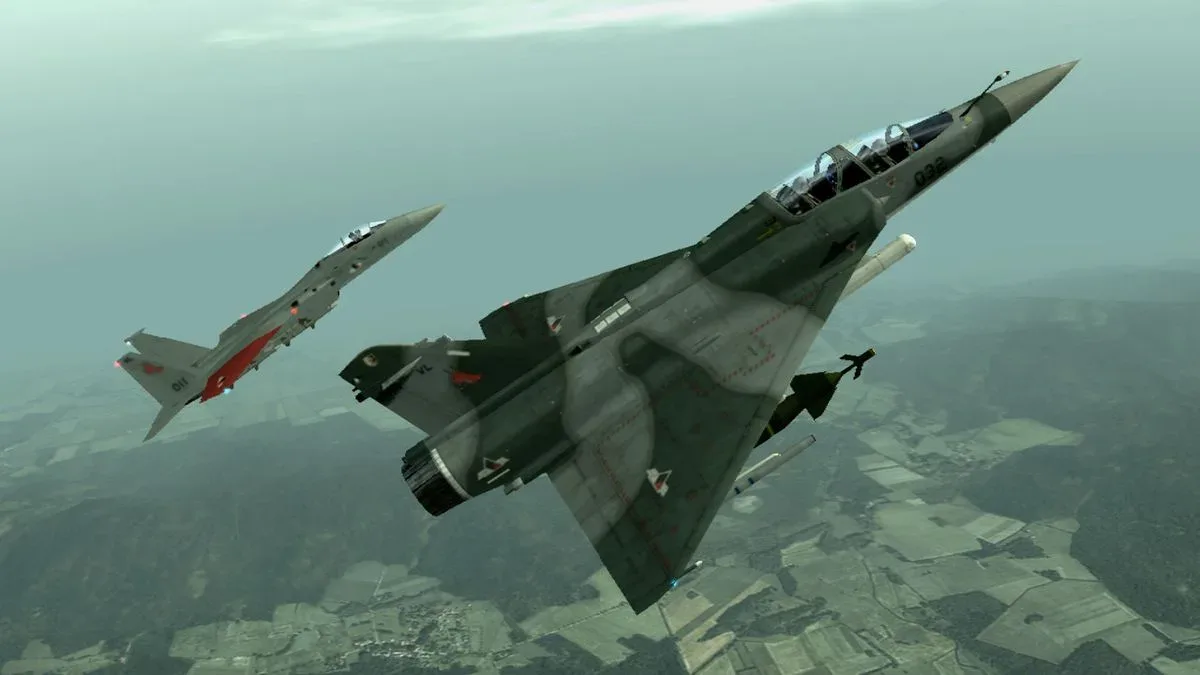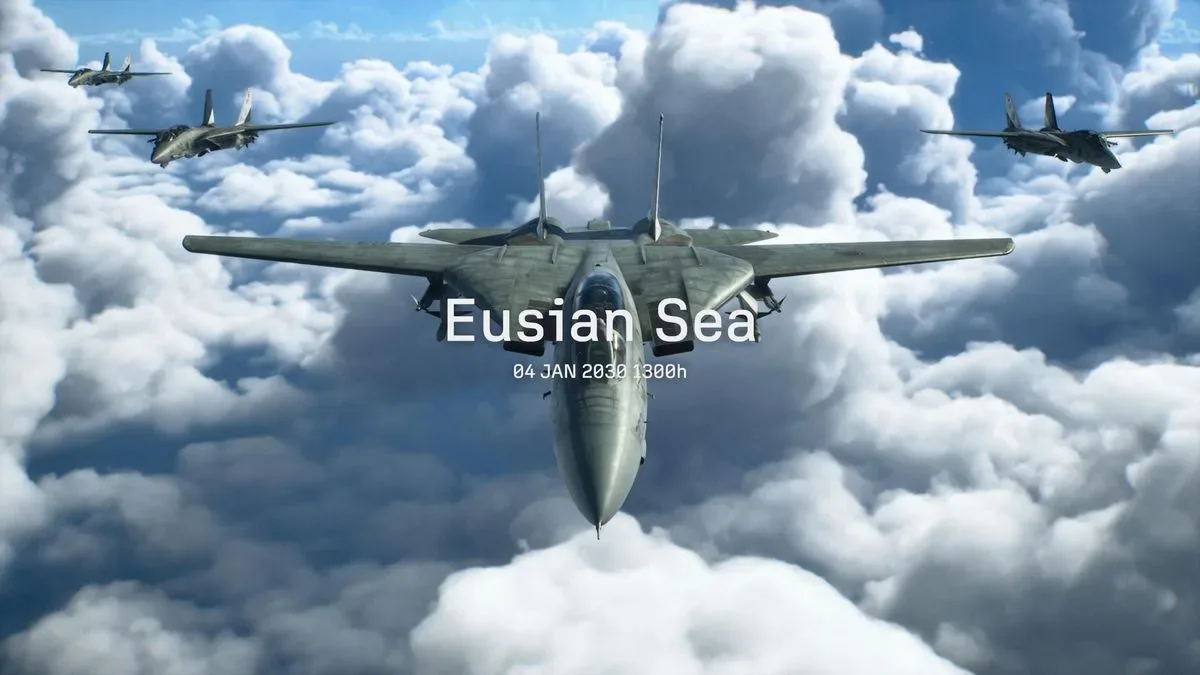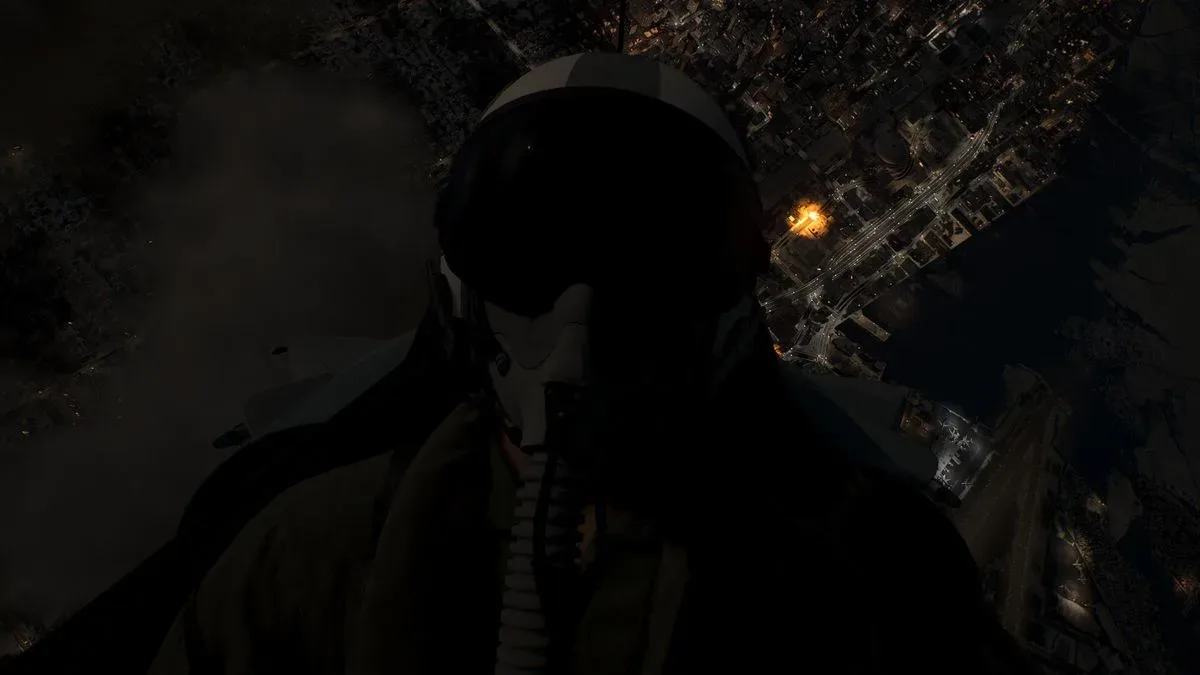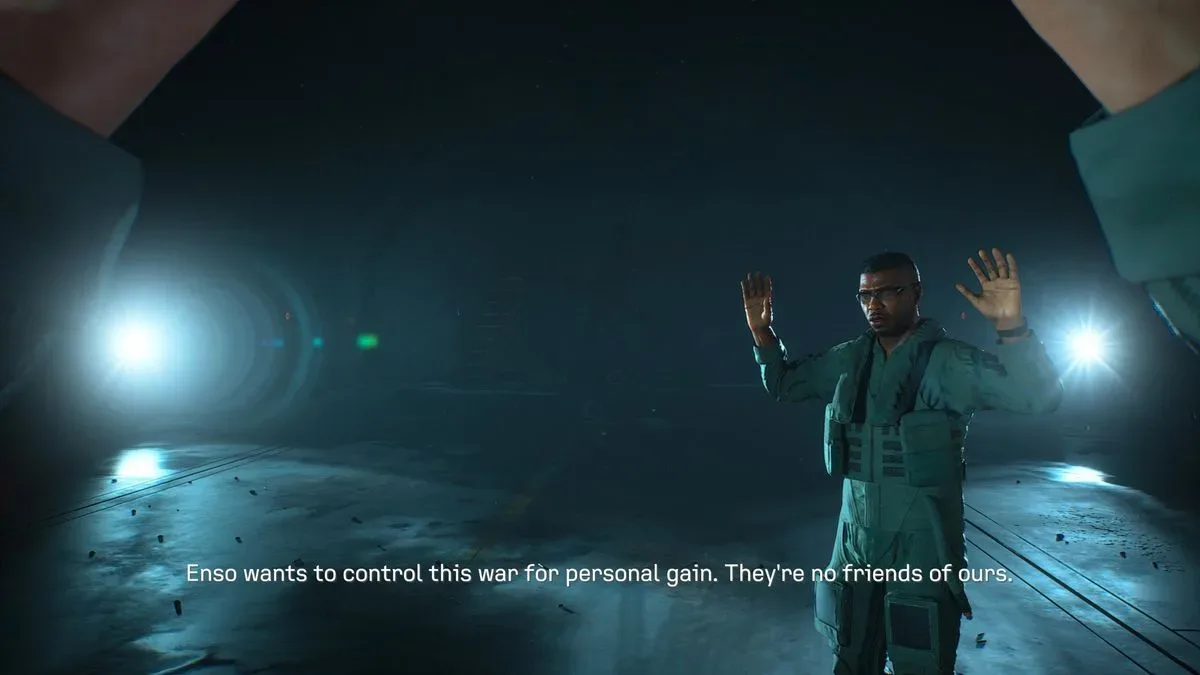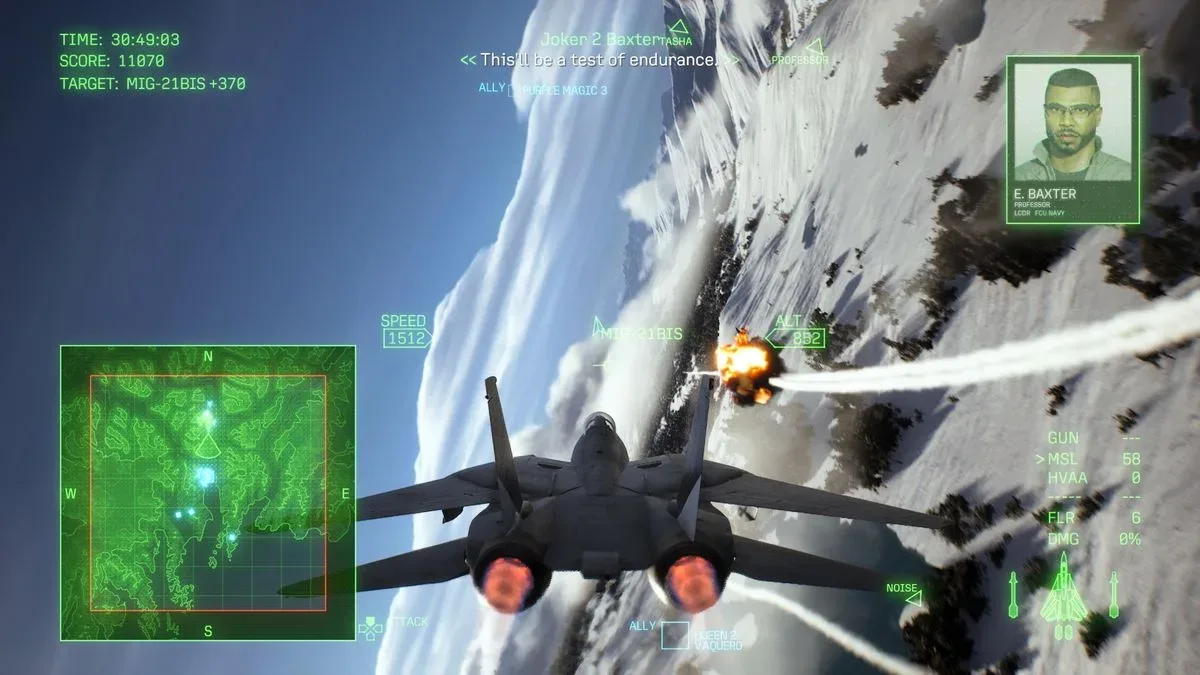
Ace Combat 8: Wings of Theve arrives on October 2, 2026, for PC, PlayStation 5 and Xbox Series X|S, and it has a mission briefing for anyone worried that this series might be drifting away from its arcade-flight roots: the sky is still extremely loud, extremely crowded and routinely one bad turn away from a catastrophic meeting with a building.
Bandai Namco Aces’ new entry keeps the foundational appeal of Ace Combat intact. Players fly high-speed combat missions, select aircraft equipment suited to an objective and deal with the sort of aerial chaos that makes a controller feel less like a controller and more like a tiny plastic flight yoke. But Wings of Theve also makes a much bigger commitment to story presentation than its predecessor. That decision produces a notably slow opening, yet it eventually pays off through a campaign built around a compelling wartime fiction: a country under invasion needs a hero, so it manufactures one.
The result is a game that finds considerable force in the connection between what it says and what it asks the player to do. Its 30 missions provide the familiar surge of missile locks, evasive maneuvers and enormous battlefield pressure. At the same time, the campaign examines how an ace pilot becomes a symbol, who benefits from that symbol and what happens when a legend is more useful to a war effort than the truth.
Rex inherits a legend that was never theirs
The silent protagonist is Rex, a pilot in Joker Squadron operating across the continent of Usea during an invasion by neighboring Sotoa. Rex is positioned as the new “Wings of Theve,” a supposedly legendary ace whose victories have become a source of hope for people living through the conflict.
There is an important complication: the Wings identity is not an organic legend born solely from battlefield achievement. It is the product of a misinformation effort. The original figure behind the mantle, Cope, has already been killed in action when Rex assumes the role. That premise puts a sharper edge on the usual Ace Combat setup of an exceptional pilot becoming the side everyone rallies behind. Rex is not simply becoming famous; Rex is occupying a deliberately constructed myth.
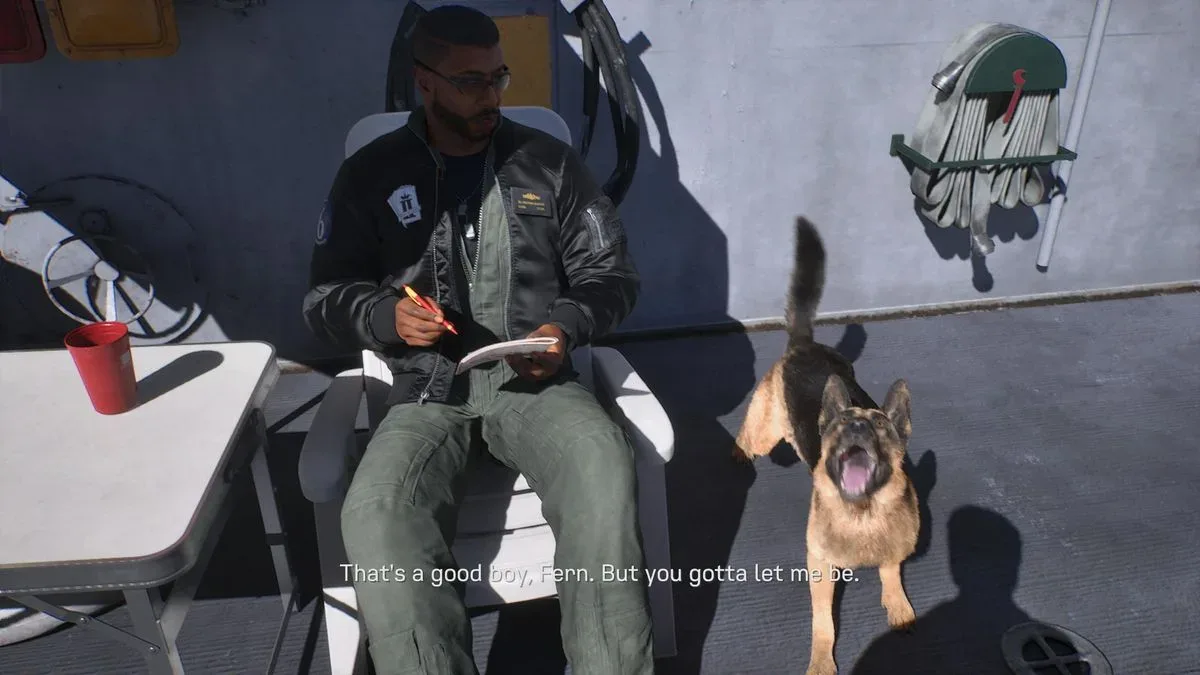
Wings of Theve uses Cope’s presence, including an internal monologue that offsets Rex’s silence, to develop this tension. The supporting cast of wingmen and a prominent rival also help the narrative gain momentum after its initially cutscene-heavy start. The game’s early pacing may test players who want to reach the cockpit immediately: completing the first mission can take roughly 45 minutes from booting up, with story scenes occupying a meaningful share of that time.
That is an unusual ask for a series whose thrills are so immediate. An arcade flight game lives or dies on the confidence of its controls and the velocity of its action, so extended scenes before the first proper burst of combat can feel like a risky interruption. The good news is that the density of cinematics lessens as the campaign progresses. More importantly, the characterization gives those scenes increasing value rather than making them feel like an obstacle course between sorties.
A war story about information, image and profit
The central narrative idea is more ambitious than merely adding lore between missions. Wings of Theve’s story considers misinformation campaigns tailored to social media, corporate interests in the wartime economy and the uncomfortable possibility that some parties can profit regardless of which side prevails. These ideas place the Wings myth in a wider system rather than treating it as a one-off twist.
Related coverage includes Ace Combat 8: Wings of Theve Review -- A High-Flying War Story With Exceptional Dogfights.
Metanarrative, a term often used for a story that comments on its own structure or the larger stories people tell, is particularly relevant here. Rex is playing the part of an ace hero in a campaign that knows heroism can be designed, circulated and weaponized. The player is participating in the creation of battlefield legend even while the plot questions the institutions creating it.
This gives the game a political-thriller streak without abandoning its grand, heightened tone. There are thematic echoes of espionage fiction in its interest in opaque power structures, carefully controlled information and corporations that see conflict as an opportunity. Crucially, the premise works because it is tied to Rex’s role. The player’s escalating battlefield accomplishments continually give the manufactured identity more weight, making the story’s ideas tangible through action rather than leaving them confined to exposition.
It also speaks to a broader strength of games as a storytelling medium: players do not only witness the hero narrative; they supply the actions that make others believe it. The relationship between narrative and participation is a useful lens for other games built around authored characters and player agency, as explored in this look at how games create space for stories other media may not.
Thirty missions, and a reason to keep changing tactics
A 30-mission campaign is one of the clearest signs of Wings of Theve’s scale, but length alone would not make it effective. The more significant detail is the range of mission structures. Players are not simply sent into the same open sky to erase a list of hostile aircraft over and over again.
One operation involves supporting ground forces through an urban battlefield. Another puts the player in an underpowered aircraft and makes escape the immediate concern. Other missions emphasize destroying enemy installations against a time limit. Rival encounters provide their own high-intensity focal point, shifting attention from general battlefield management toward an airborne adversary with personal narrative importance.
That variety matters because it keeps loadout selection meaningful. Planes, weapons and parts are chosen before a mission, and different goals naturally invite different priorities. A player preparing for widespread ground targets faces a different problem from one expecting fierce air-to-air combat or an operation where survival and movement are paramount. The game does not need to replace its basic structure to make those choices matter; it gets more mileage from asking the player to read the assignment and equip accordingly.
Dogfighting is the core aerial combat contest between aircraft, generally requiring a pilot to manage speed, direction, positioning and weapon opportunities while trying not to become an easy target. Wings of Theve apparently understands that a good dogfight should not be isolated from everything else happening in a mission. Its larger operations layer demands on top of aerial combat: anti-air installations may need to be destroyed while allies advance, rival aircraft may demand attention, and ground forces may need protection at the same time.
That can sound like a recipe for clutter, especially when the player is already reading radar information, tracking targets and avoiding terrain. Yet the pressure is a feature of the campaign’s best scenarios. The feeling of being spread across too many urgent tasks reinforces the fiction that Usea is fighting from a desperate position. Rather than creating routine busywork, the game turns overload into a dramatic texture. The player is not merely an ace because the script says so; they have to repeatedly perform under conditions designed to make an ace feel necessary.
The campaign sells its biggest moments through play
Wings of Theve’s later missions reportedly push both mechanical spectacle and narrative stakes toward a particularly bombastic finish. This is where the earlier investment in characters, the Wings identity and the status of the war has its practical payoff. Major events gain significance because relationships and desperation are allowed to surface during gameplay, not exclusively in conversations before or after the fighting.
That distinction is important for action games. A cutscene can declare that an operation is impossible, but a mission creates the sensation of confronting the impossible when it asks the player to manage mounting threats and survive. Ace Combat’s established language of urgent radio chatter, escalating objectives and impossible-looking skies is well suited to that approach. By aligning major plot turns with demanding flight scenarios, Wings of Theve appears to earn its drama from player involvement.
The controls should also be reassuringly familiar to players coming from Ace Combat 7. Wings of Theve does not radically reinvent the series’ handling model; it focuses its evolution on campaign breadth, mission design and presentation. That makes it approachable for returning pilots while leaving the individual objectives and tactical situations to supply the novelty.
A soundtrack made for missile alarms and last-second turns
Music remains one of Ace Combat’s signature weapons, and Wings of Theve continues that tradition with orchestral pieces, guitar-driven material and diegetic music that exists within the game’s world. The variety helps prevent a long campaign from flattening into a single heroic register. A mission can feel operatic, threatening or propulsive depending on its score, and that is no small service in a game where split-second action needs emotional shape.
The track associated with the Shadows is a notable early example, arriving in force during mission three with a group chant that amplifies its sense of dread. A soundtrack cannot make a weak mission strong on its own, but it can turn a well-built encounter into something memorable. In a series defined by elaborate aerial drama, the score acts like an additional squadron member: invisible, occasionally terrifying and very good at arriving exactly when the odds look absurd.
Online mode remains the open question
Ace Combat Online adds both player-versus-player and player-versus-environment missions, but its longer-term prospects are harder to assess. Access during the evaluation period was limited to a single day. The available selection was enjoyable, though relatively small, and the lobby system reportedly prevents players from doing anything else while waiting for a match.
That is a meaningful limitation for a multiplayer mode. A handful of modes can still support replayability if the community remains active and the matchmaking flow is frictionless. Being parked in a lobby with no other activity available, however, makes each queue more noticeable. With such limited pre-release access, the sensible read is cautious: Ace Combat Online has some promising mode variety, but its enduring appeal will depend on its population, support and the practical experience of joining games after launch.
Verdict: a confident Ace Combat campaign that gets stronger in flight
Ace Combat 8: Wings of Theve takes a chance by putting far more narrative material in front of its opening mission than many arcade-action players may expect. The first stretch is slower as a result. But its story ultimately justifies that patience through a strong cast, a memorable rival and an effective examination of propaganda, commercial interests and the stories societies use to survive war.
More importantly, it does not lose sight of why Ace Combat works. The campaign’s 30 missions make room for escort operations, escapes, time-pressure assaults and multi-layered battles that ask pilots to keep moving, keep deciding and somehow keep the aircraft out of the nearest skyscraper. Familiar controls, varied objectives and an excellent-sounding score give the game the lift it needs. Wings of Theve is not just interested in telling players that Rex is a legend; it provides the stressful, exhilarating sorties required to make that identity feel believable.