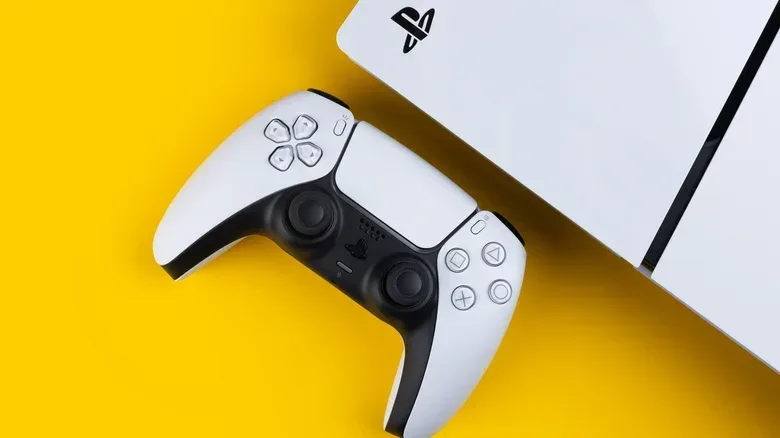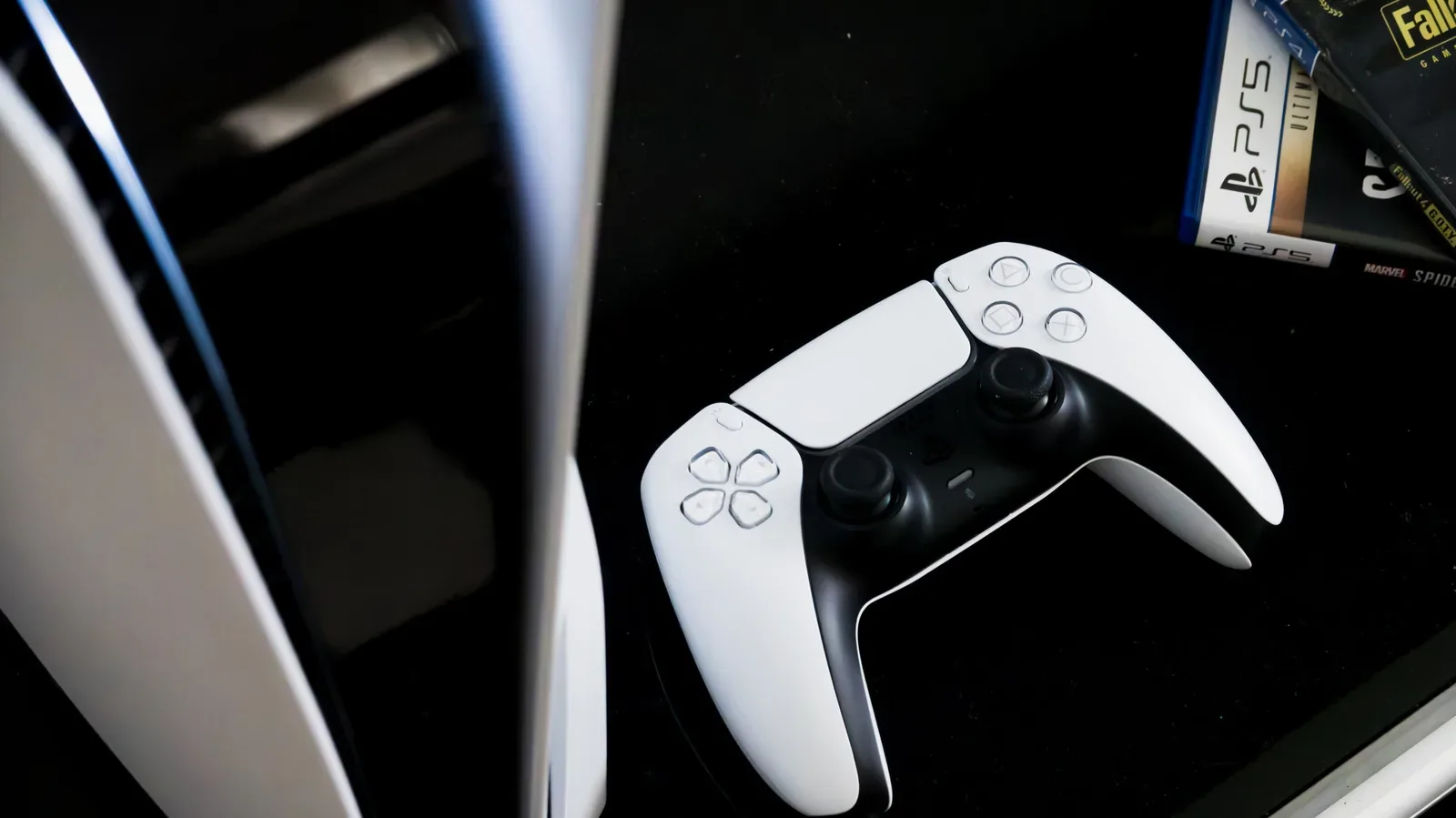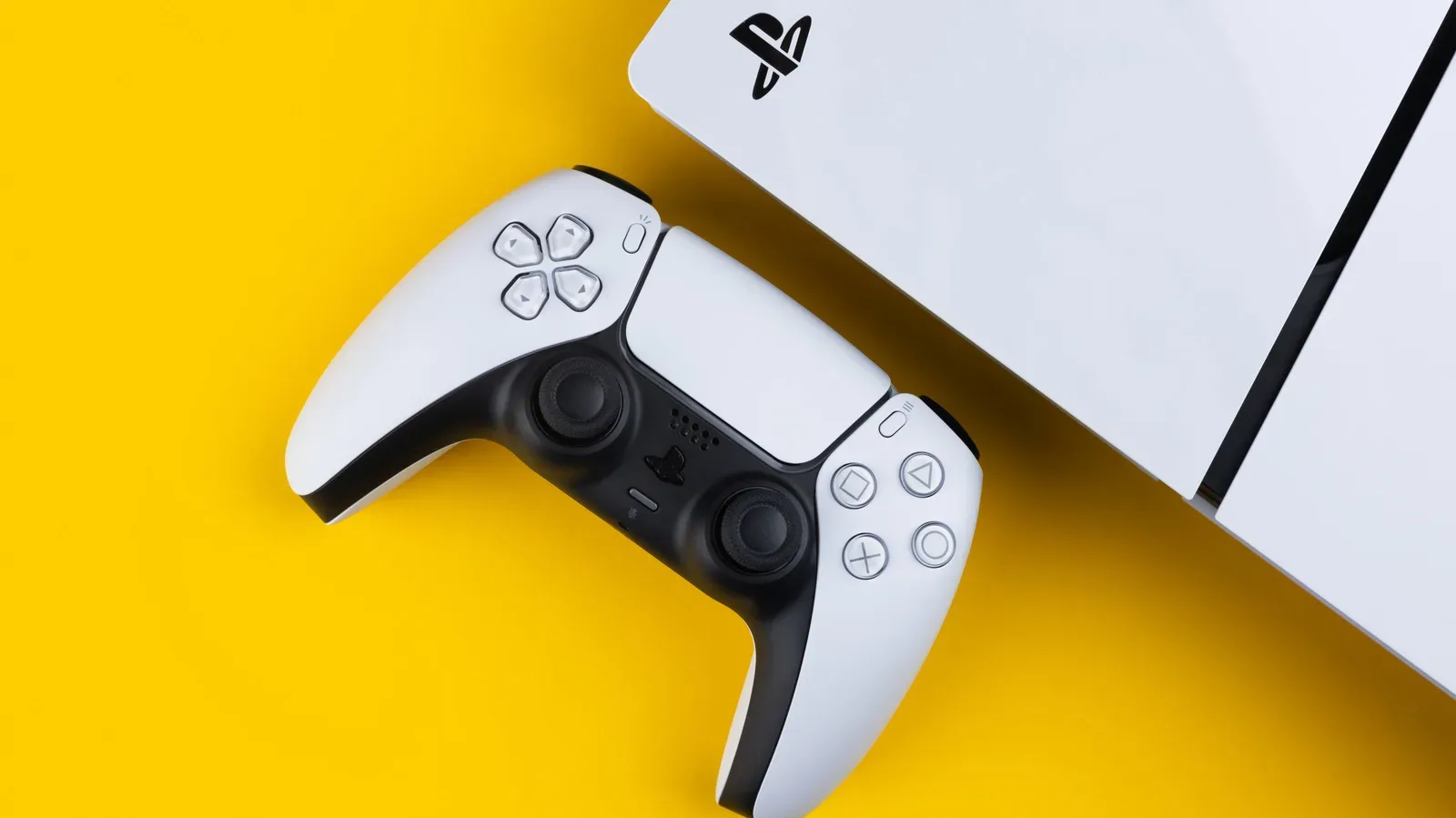
A missing PlayStation 5 power lead is one of those tiny problems capable of ending a gaming session before it starts. Maybe the console was moved to another room, a cable vanished during a house move, or an old cord has visible damage after years behind an entertainment unit. The reassuring part is that the PS5 does not use a rare, proprietary power connector. The important part is that a common connector shape alone is not a complete safety check.
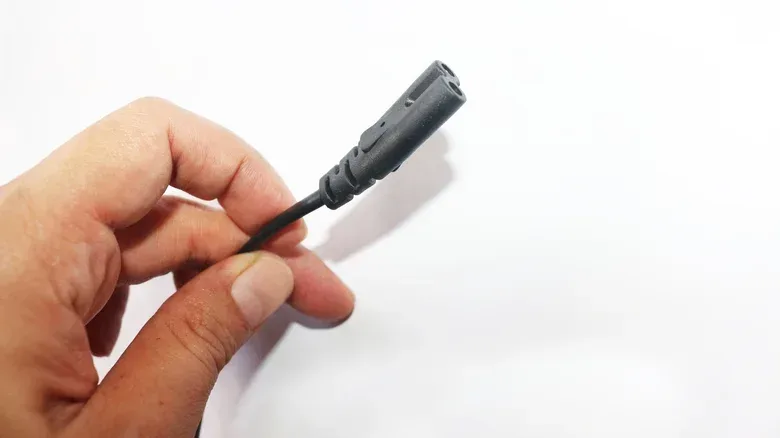
All PS5 models use an IEC C7 power cord, commonly called a figure-8 cable because of the two-lobed shape of the connector that plugs into the console. A suitable replacement should be rated for 100–240V at 50/60Hz, use a non-polarized C7 connector, and be built to safely sustain the console’s needs. For shoppers comparing third-party listings, 18 AWG copper construction and a 10A rating are useful specifications to seek alongside recognized safety certification.
The quick answer: PS5 uses a C7 figure-8 cable
The connector to look for is the IEC C7, also described in product listings as a “figure-8” or “figure 8” power cable. It is a familiar format used by many household electronics, including some televisions, printers and soundbars. That widespread use can make a replacement considerably easier to find than a console-specific cable.
The PS5 cable supports 100–240 volts at 50/60Hz. In practical terms, that voltage and frequency range covers electrical standards in most countries, provided the wall-plug end is correct for the region where the console will be used. The cable therefore needs both the proper console-side connector and the proper regional plug arrangement.
There is one easy visual detail: the PS5’s C7 connector is non-polarized. Its two round openings are the same shape, so it can be inserted either way around. This distinguishes it from polarized designs, where the two sides are deliberately different and the plug has a single correct orientation.
Why “it fits” is not the same as “it is suitable”
A figure-8 connector fitting the PS5 is a useful starting point, not the entire answer. Since C7-style leads appear on a broad range of devices, a spare cable could have been supplied with hardware that draws much less power than a game console. The exterior connector can look right while the cable’s wire gauge, construction quality or safety testing is less appropriate for sustained console use.
The PS5 typically draws around 200 to 220 watts under peak load, amounting to less than 2 amps at standard voltage. That does not call for an unusually extreme power cord, but it does mean the lead should be a legitimate, properly specified product rather than an unknown lightweight spare chosen only because its plug shape matches.
For a replacement, a sensible checklist is:
Related coverage includes PS5 Power Cord Guide: The Cable Type, Specs and Safe Replacements.
- Connector: IEC C7, non-polarized, figure-8 design.
- Voltage and frequency: 100–240V, 50/60Hz.
- Conductor material and gauge: 18 AWG copper is the preferred specification.
- Current rating: Look for a 10A-rated cable.
- Safety credentials: A UL listing, CE approval or TÜV certification is a meaningful sign that the cable has undergone electrical-safety testing.
- Physical condition: Do not reuse a lead with fraying, exposed wire, damaged insulation, loose ends or obvious chewing damage.
AWG means American Wire Gauge, a labeling system used to describe wire size. It is helpful in listings because it gives buyers more to assess than a generic promise of compatibility. A listing that identifies the gauge, material, voltage range, current rating and certification provides far more useful information than one that simply says “works with PS5.”
Can a PS4 or PS3 Slim power cable work with PS5?
Potentially, yes. PS4 and PS3 Slim consoles use the same C7 figure-8 cable design, so an undamaged cable from either can be reused with a PS5 if it meets the needed specifications. That is particularly convenient for players with a box or drawer full of old console leads: there is no requirement to buy a cable branded exclusively for PS5 just because the console is newer.
Still, compatibility should be evaluated on more than the model it originally came with. Check the cable itself for damage and examine its printed markings if available. Its ratings and construction matter more than whether it happened to arrive with a previous PlayStation system.
That same caution applies to a figure-8 lead from a TV, printer or soundbar. The standardized connector makes it possible that a household cable is appropriate, but it does not prove that every example is. A safe replacement decision is based on connector type, electrical ratings, build details and certification—not on a guess based on physical fit.
What non-polarized means, and why it is not a flaw
With a non-polarized C7 connector, both sides are symmetrical. There is no designated “up” direction when connecting it to the PS5. This is normal for the cable type, not a sign that the cord is incomplete or improperly made.
Polarized plugs, by contrast, have prongs of different sizes and only connect in one orientation. That design exists to ensure the hot and neutral wiring in a wall outlet corresponds correctly with the device. In a theoretical backwards connection, metal components could remain energized even when a device is switched off, and turning off a wall switch might not cut power in the expected manner.
The PS5’s C7 arrangement does not ask the owner to manage that orientation. The relevant task is simply making sure the connector is fully seated and the cord is in good condition. A loose fit, split insulation or bent and stressed cable should not be treated as a cosmetic issue.
Buying a replacement: prioritize specification over branding
The original AC power cord included with the console is designed for the PS5, making it the straightforward benchmark when it is still available. If an original lead is lost or damaged, an authorized retailer is the safest place to begin looking. There is not currently an official standalone replacement offered directly by Sony, but certified third-party C7 cables made for PS5 compatibility are available.
Third-party does not automatically mean unsafe, just as “figure-8” does not automatically mean suitable. The productive way to compare options is to ignore vague marketing language and focus on verifiable details. A prospective cable should clearly identify its C7 connector, voltage range, 10A current capacity, 18 AWG copper wiring and recognized safety certification.
Length is also a practical choice rather than a performance upgrade. A longer cable may make a second-TV setup or furniture layout less awkward, while a shorter lead can reduce slack in a crowded entertainment center. Whichever length is chosen, avoid routing it where it will be crushed by furniture, sharply bent, strained at either connector, or easily chewed by pets.
If the original lead was damaged, replacement is the sensible route. Tape is not a substitute for intact insulation, and a visibly compromised cable is not a candidate for a “temporary” session. The potential outcomes of using an unsuitable or damaged cord range from the console failing to power on to a genuine fire hazard.
A practical inspection before plugging in
A power-cord check need not be complicated. First, confirm the console-side end has the symmetrical figure-8 C7 shape. Next, read the printed information on the lead or its packaging: seek the 100–240V, 50/60Hz range, a 10A rating and 18 AWG copper construction. Then check the cable from end to end under good light.
- Look for cuts, flattened areas, frayed insulation or exposed conductor.
- Inspect both connector ends for cracks, looseness or signs of overheating.
- Make sure the wall plug matches the local outlet; do not treat an incorrect regional plug as a minor inconvenience.
- Connect the C7 end fully to the PS5 without forcing it.
- Keep the cable clear of pinch points and avoid tight bends behind the console or TV stand.
This kind of basic inspection is also worthwhile after moving a setup, rearranging furniture or unpacking stored hardware. A methodical first-day check can be especially useful when assembling a recently acquired gaming setup; the same careful mindset applies to hardware condition checks covered in this first-day return-window test plan for older game hardware.
The bottom line for PS5 owners
The needed cable is simple: a non-polarized IEC C7 figure-8 power cord rated for 100–240V at 50/60Hz. A properly rated, undamaged PS4 or PS3 Slim cable can serve as a replacement, and certified third-party leads are an option when an original is unavailable. The key is not to confuse a shared plug shape with automatic approval.
Check for 18 AWG copper wiring, 10A capacity and recognized safety marks such as UL, CE or TÜV. Once those details are in place, the humble figure-8 lead can do its unglamorous but essential job: getting the PS5 powered safely, without turning a misplaced cable into an unnecessary obstacle.
Shop the products
Check current price, model and availability at the retailer.