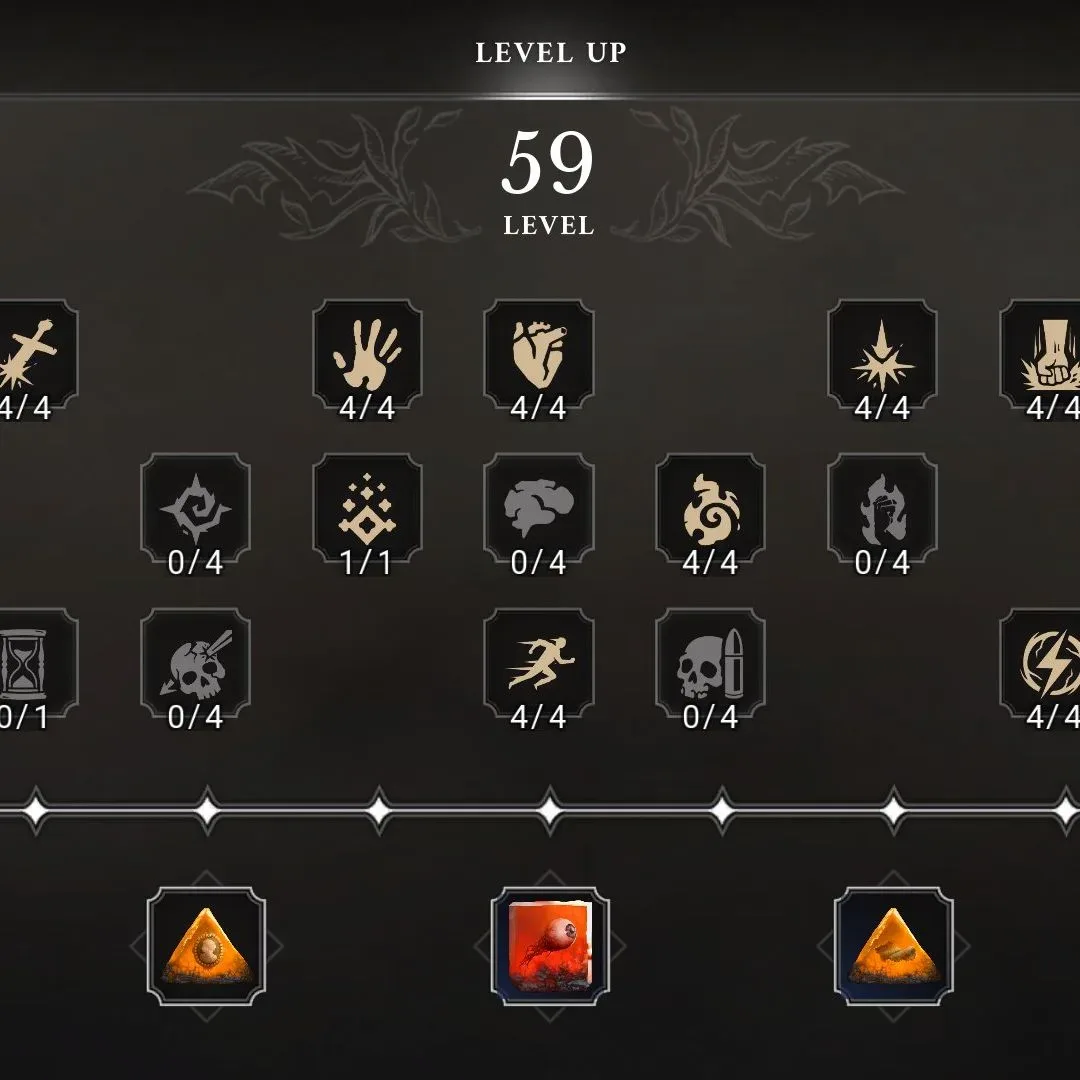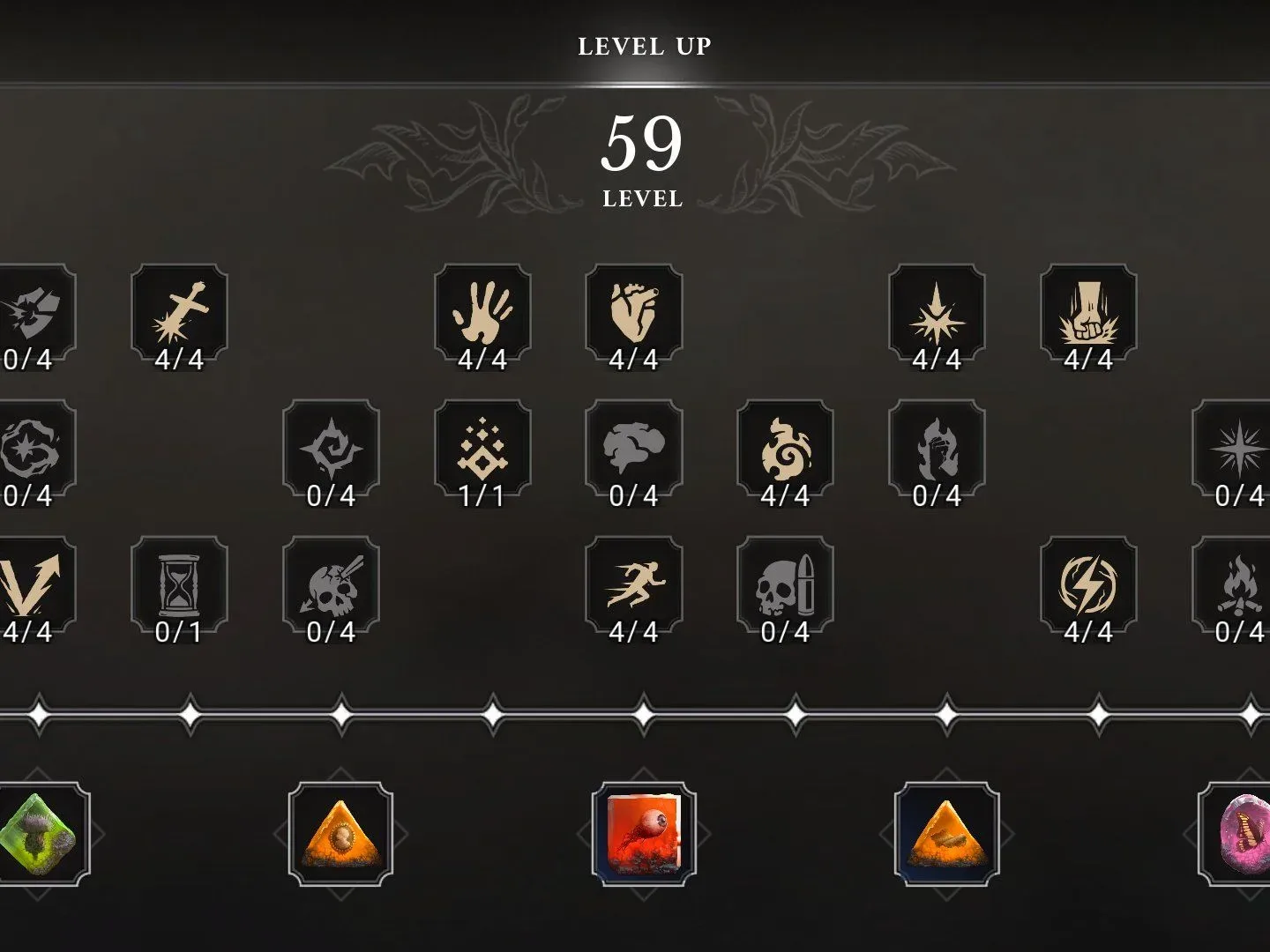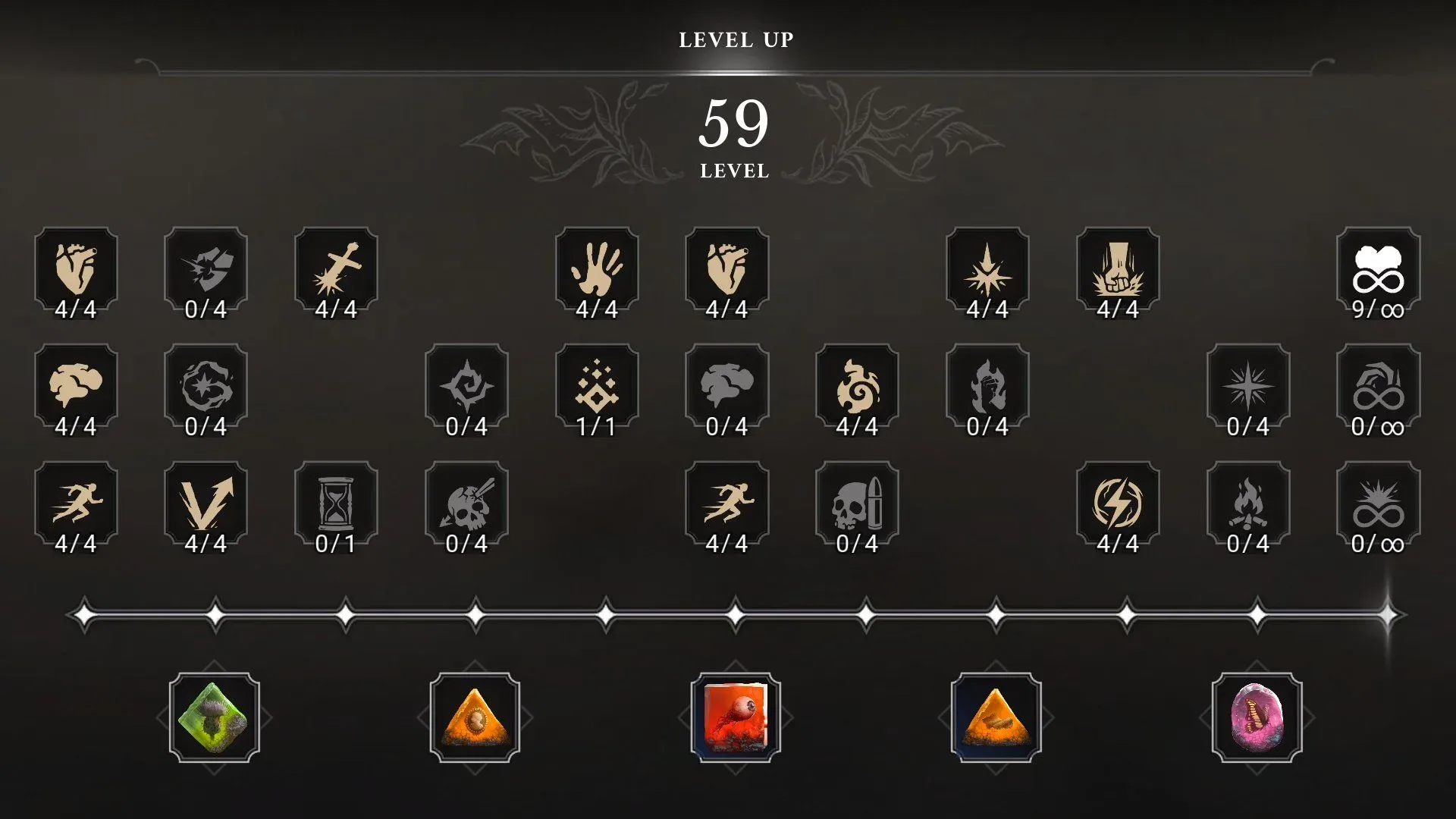
Valor Mortis handles character growth a little differently from the familiar Soulslike habit of pouring points directly into a handful of broad attributes. Each level-up offers skills and abilities to purchase instead, so an early decision can shape not only damage output but the rhythm of every encounter.
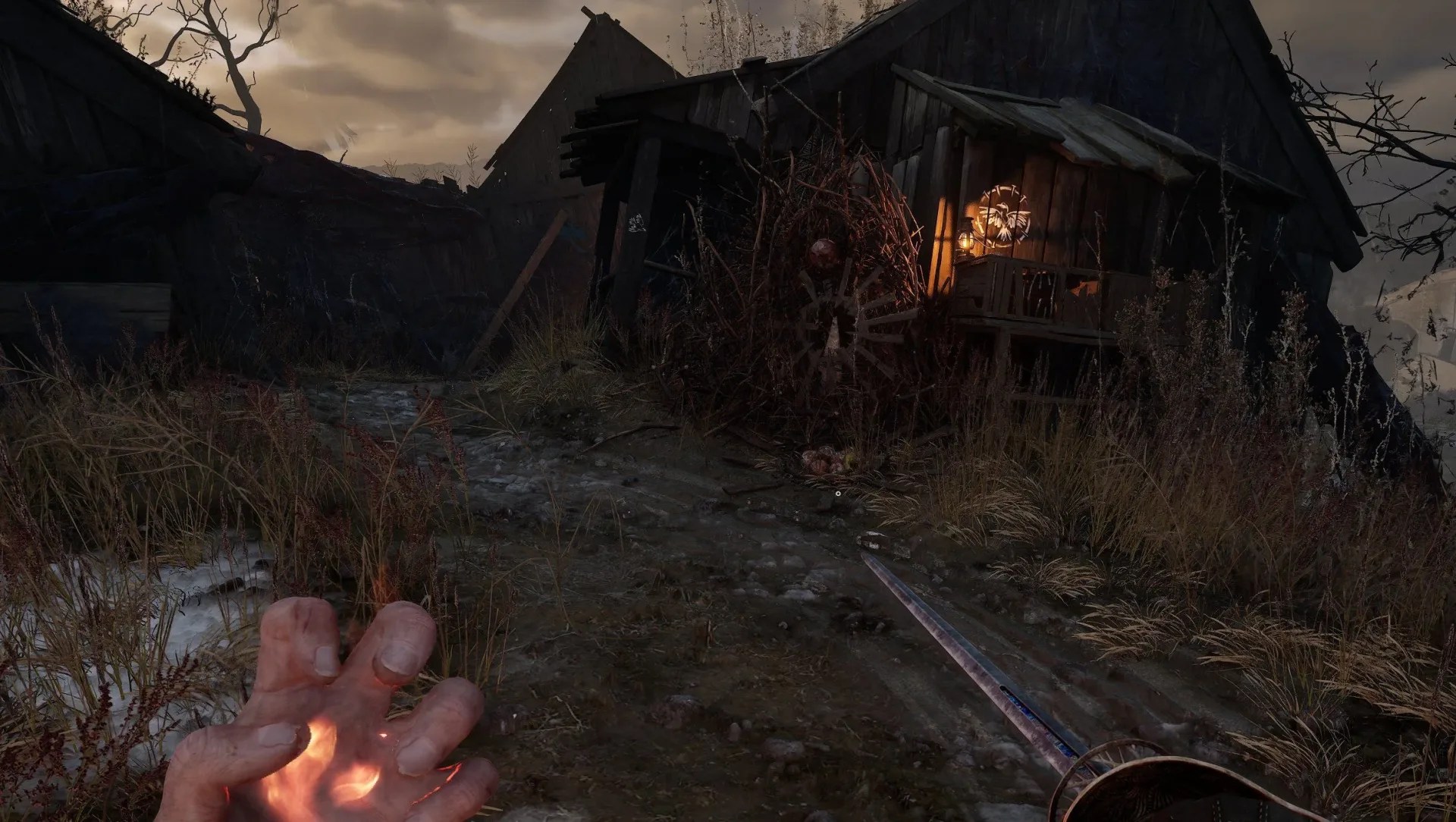
The practical early-game priority is clear: build around melee reliability. Melee is the part of the toolkit that is always available, and it also supports the wider combat loop. Fire Transmutation can be useful in the opening hours, but its Nephtoglobin resource is finite and must be replenished through melee attacks. In other words, the sword work is not merely an emergency option while the flashy stuff recharges. It is the engine room.
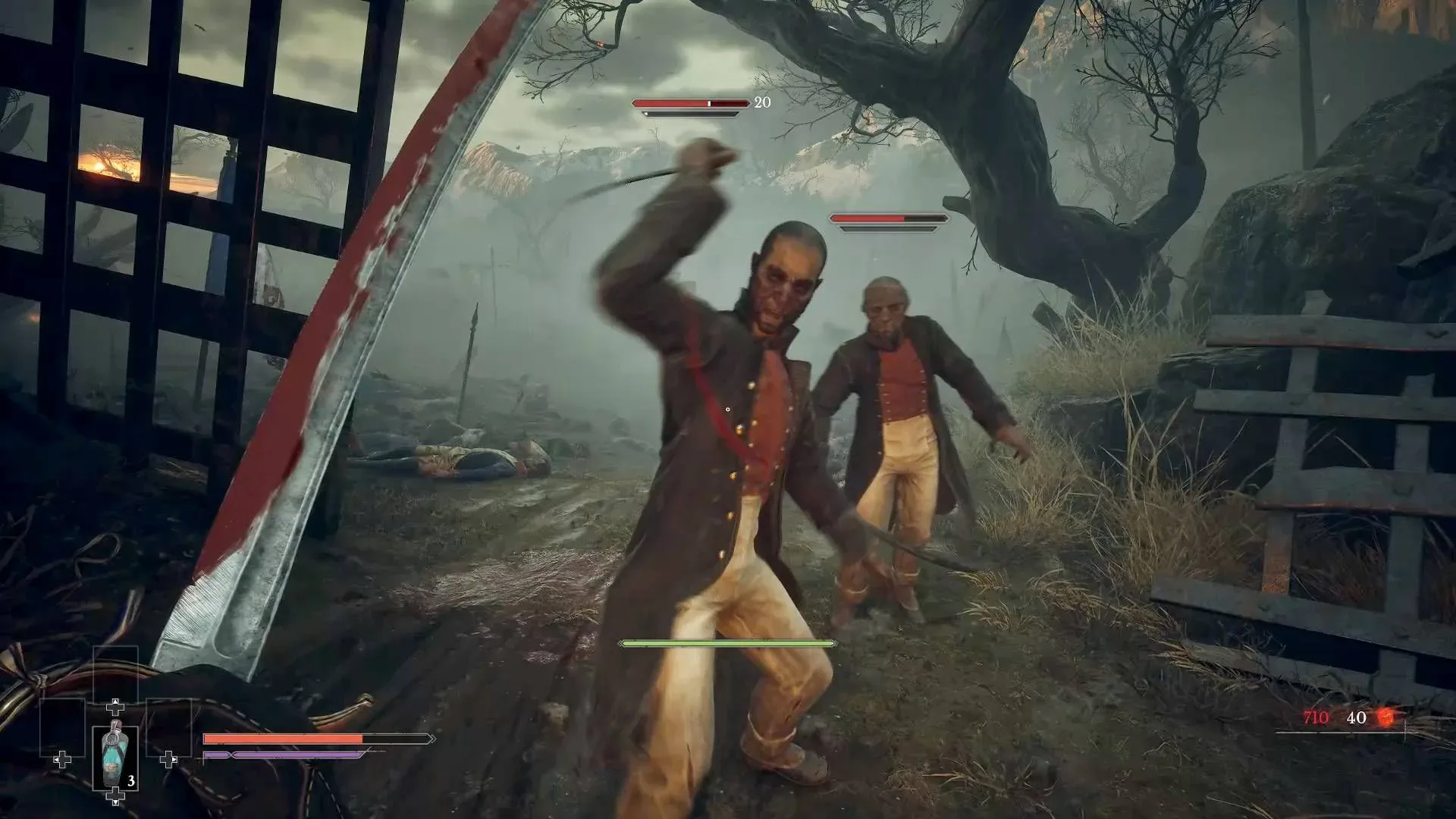
That makes Endurance the star of the first purchases. Think of it as the resource governing how often a player can perform the actions that keep a fight under control: attacking, blocking and dodging. A larger pool provides more room to react, while a lower per-attack cost stretches that pool further. Together, those upgrades make an early character less likely to be caught empty-handed—or empty-stamina-barred—at exactly the moment an enemy decides to become extremely persuasive.
The best early Valor Mortis skills at a glance
- Rank 1: Maximum Endurance
- Rank 2: Blocking Impact or Parrying Impact, based on weapon choice
- Rank 3: Melee Damage
- Rank 5: Melee Endurance Cost
This is not a claim that every other skill is useless, nor a permanent decree that Health should be ignored. It is an early ordering aimed at making the most common and dependable combat actions more sustainable. The recommended path also assumes a player is choosing between the two early melee weapons, the Saber and Rapier, and tailoring one defensive purchase to the weapon they actually use.
First purchase: Maximum Endurance at Rank 1
Maximum Endurance is the strongest opening investment because Endurance underpins so much of Valor Mortis combat. Four points here give a player more capacity to block, attack and dodge before the resource runs dry. That is valuable in any encounter, but especially in early areas where the player is still learning enemy timing and identifying safe opportunities to strike.
The most immediate benefit is flexibility. A larger Endurance reserve means a mistake does not necessarily end an exchange. There may still be enough resource left for a retreating dodge, a block, or a final attack after avoiding an enemy sequence. It also supports a more measured approach: block an attack, wait for an opening, retaliate, then reposition rather than forcing a reckless attack string.
Maximum Health remains worthwhile later, but extra health does not solve every early problem. If enemies can still remove a large portion of a health bar in only a few hits, avoiding or mitigating those hits is often more valuable than simply having a slightly bigger reserve. Endurance directly supports the defensive and evasive actions that help create that safety.
There is a learning benefit, too. An Endurance-focused start gives more chances to practice the fundamentals rather than asking a player to win races against their own depleted stamina. Blocking, parrying, dodging and recognizing openings are all easier to develop when the resource supporting them is not constantly exhausted.
Related coverage includes Valor Mortis: The Best Early Skills to Buy First.
Rank 2 is a weapon choice: Blocking Impact for Saber, Parrying Impact for Rapier
The second recommended purchase is deliberately conditional. Blocking Impact and Parrying Impact serve different approaches, and the choice should follow the weapon currently doing most of the work.
Saber users: take Blocking Impact
For a Saber-focused build, Blocking Impact is the defensive complement to Maximum Endurance. It reduces the Endurance consumed while blocking and increases the amount of health recovered by attacking shortly after a block. Four points can therefore improve both sides of a defensive exchange: blocking becomes less costly, and the follow-up offense can restore health.
That combination matters because it turns a successful defense into a more productive reset. Rather than block merely to survive an incoming hit, the Saber user can leverage the moment to regain ground and health through an immediate response. Since reduced blocking cost helps preserve Endurance, the player is also less likely to sacrifice every future option just to defend the current attack.
The important practical implication is simple: this is best for players who expect to block regularly. If the Saber is the preferred weapon and blocking is part of the plan, Blocking Impact reinforces the exact behavior the weapon asks for.
Rapier users: take Parrying Impact
For a Rapier-focused build, choose Parrying Impact. The Rapier’s style favors enhanced parrying rather than conventional blocking. A successful parry with this skill causes greater posture damage, creating more opportunities for critical hits.
Posture damage is the pressure applied to an enemy’s ability to maintain its guard or balance. In this case, higher posture damage means successful parries more effectively push foes toward the opening that enables a critical hit. The skill therefore rewards accurate timing and makes that timing pay off more quickly.
Parrying Impact is not just a defensive safeguard. It is an offensive accelerator for players who are comfortable reading attacks and responding at the correct moment. Where Blocking Impact lets a Saber user spend less Endurance while absorbing pressure, Parrying Impact lets a Rapier user convert a well-timed answer into a stronger route toward high-value damage.
The choice is not about declaring one weapon universally superior. It is about avoiding a mismatched investment. Buy the skill that amplifies the defensive tool your weapon actually uses: blocking for Saber, parrying for Rapier.
Rank 3: Melee Damage is the broadly useful follow-up
Melee Damage is a straightforward but important third priority. It increases the damage dealt by melee weapons, benefiting either the Saber or the Rapier. Unlike the Rank 2 pick, it does not depend on a defensive preference. It simply makes each successful melee opening more meaningful.
That matters for two connected reasons. First, stronger attacks improve the efficiency of a combat style that will remain relevant throughout the adventure. Second, melee attacks have an economy function in the early game because they help replenish Nephtoglobin, the finite resource used for Fire Transmutation. When the player must return to melee to restore access to another ability, those required attacks should hit as hard as possible.
It is tempting in action games to frame melee and special abilities as opposing plans: either play cautiously with a blade or lean on the powerful resource-consuming move. Valor Mortis instead links them. Fire Transmutation can be a major part of an early approach, but melee remains necessary to refill its fuel. Melee Damage strengthens that foundation without restricting a player to one combat option.
Rank 5: lower the Melee Endurance Cost
Melee Endurance Cost returns the focus to resource management. This skill reduces the Endurance expended when attacking with melee weapons. It works naturally alongside Maximum Endurance: one increases the size of the pool, while the other reduces the amount spent from that pool for each melee attack.
The distinction is useful. More maximum Endurance creates a larger margin for any combination of attacks, blocks and dodges. Lower melee cost makes the offensive portion of that sequence more economical. A player can sustain attacks more comfortably without draining the resource needed to react to danger immediately afterward.
That is especially helpful even for players who do not regard melee as their favorite method of offense. The game’s resource loop still requires melee engagement to replenish abilities in various ways, including the Nephtoglobin needed for Fire Transmutation. Reducing the cost of those necessary strikes leaves more Endurance available for the defensive actions that follow.
How the early build fits together
The recommended order is less a collection of isolated upgrades than a compact combat plan:
- Maximum Endurance gives the player enough resource to engage, defend and evade without immediately running dry.
- Blocking Impact or Parrying Impact specializes defense around the Saber or Rapier.
- Melee Damage increases the reward for the openings created through that defense.
- Melee Endurance Cost makes continued attacking less expensive and preserves room to dodge, block or parry afterward.
The result is an early character built for consistency. Saber users can lean into efficient blocks and health recovery after defending. Rapier users can pursue posture damage and more critical-hit opportunities through successful parries. Both routes benefit from higher melee damage and a more forgiving Endurance budget.
Players looking for help beyond skill priorities can also use this Valor Mortis guide to completing The Shrike’s Anthem and finding every verse.
What not to overlook while following this route
The main caveat is that these priorities are designed for the early game and for dependable survival. Maximum Health is still an upgradeable stat and has value later; the point is not that health never matters. Rather, early enemies can deal enough damage that improving a player’s ability to avoid, block or answer attacks may do more to keep them alive at this stage.
Likewise, Fire Transmutation should not be dismissed simply because the recommended skills emphasize melee. It is a reasonable power to rely on during the opening hours. The relevant constraint is Nephtoglobin: it is finite, and melee attacks are needed to replenish it. The best early purchases acknowledge that relationship rather than treating special abilities as a replacement for weapon fundamentals.
For a clean early decision rule, begin with four points in Maximum Endurance. At Rank 2, commit to Blocking Impact if the Saber is your main weapon, or Parrying Impact if the Rapier is the better fit. Add Melee Damage next, then reduce the Endurance cost of melee attacks at Rank 5. It is a disciplined path, but not a joyless one: every point helps ensure the character has another swing, another defense and, crucially, another chance to make the enemy regret starting all this.