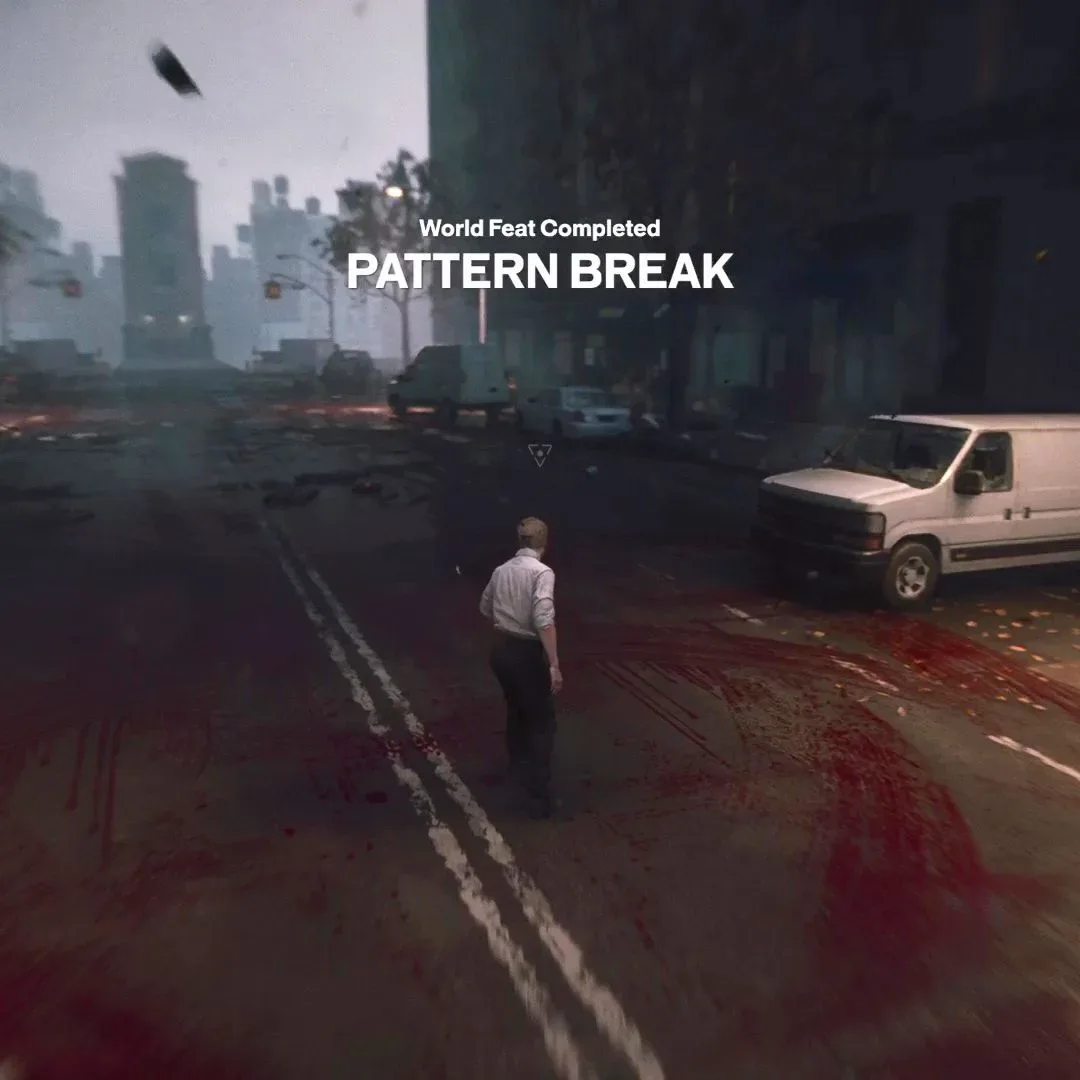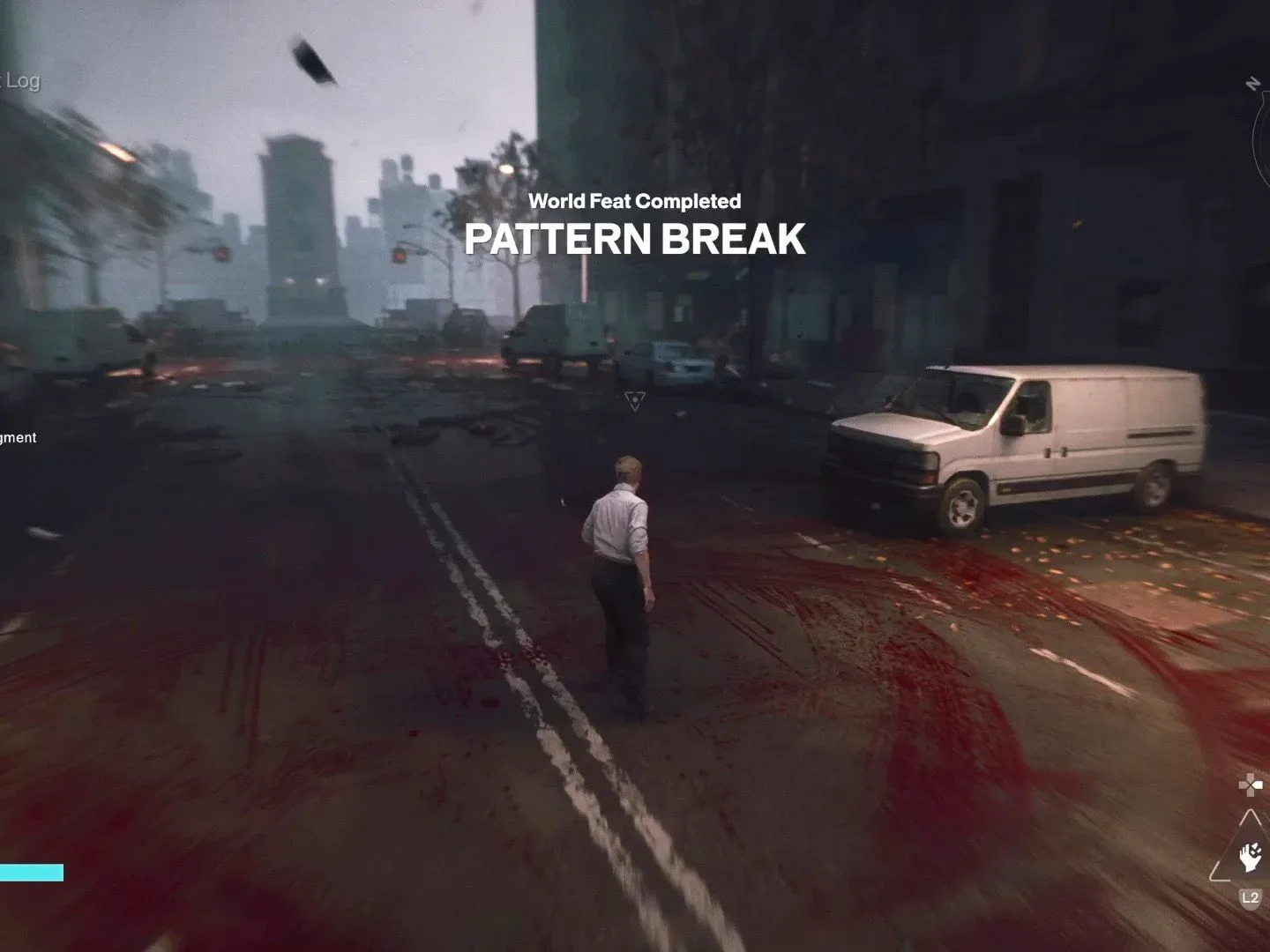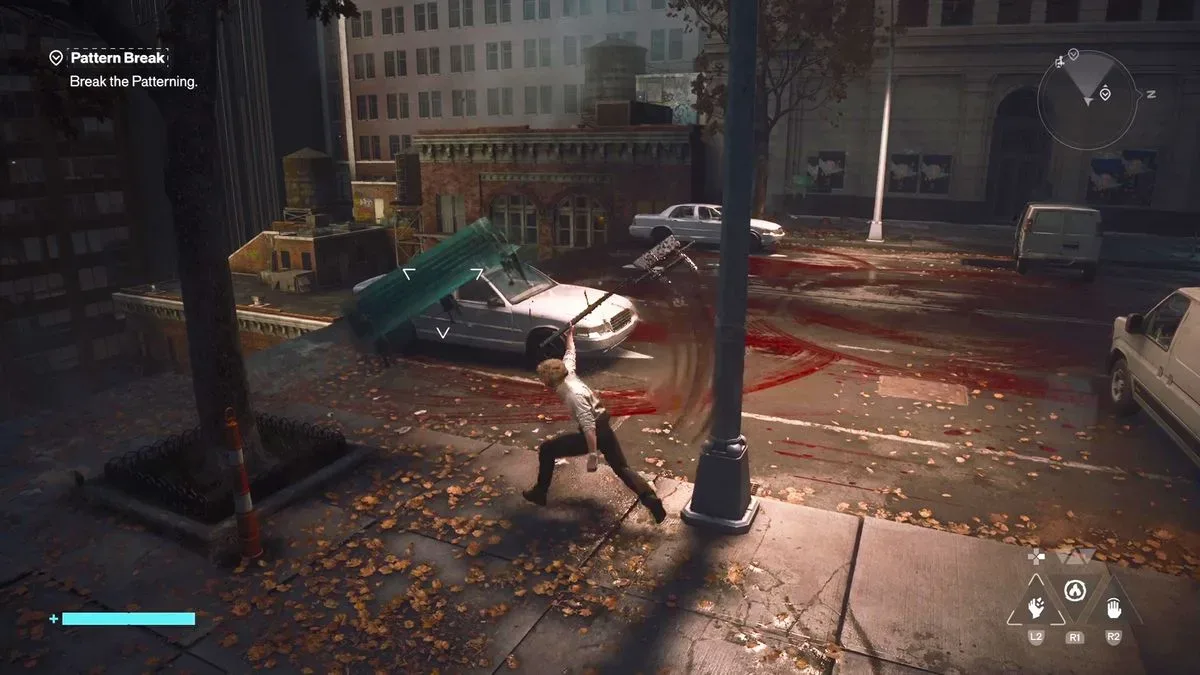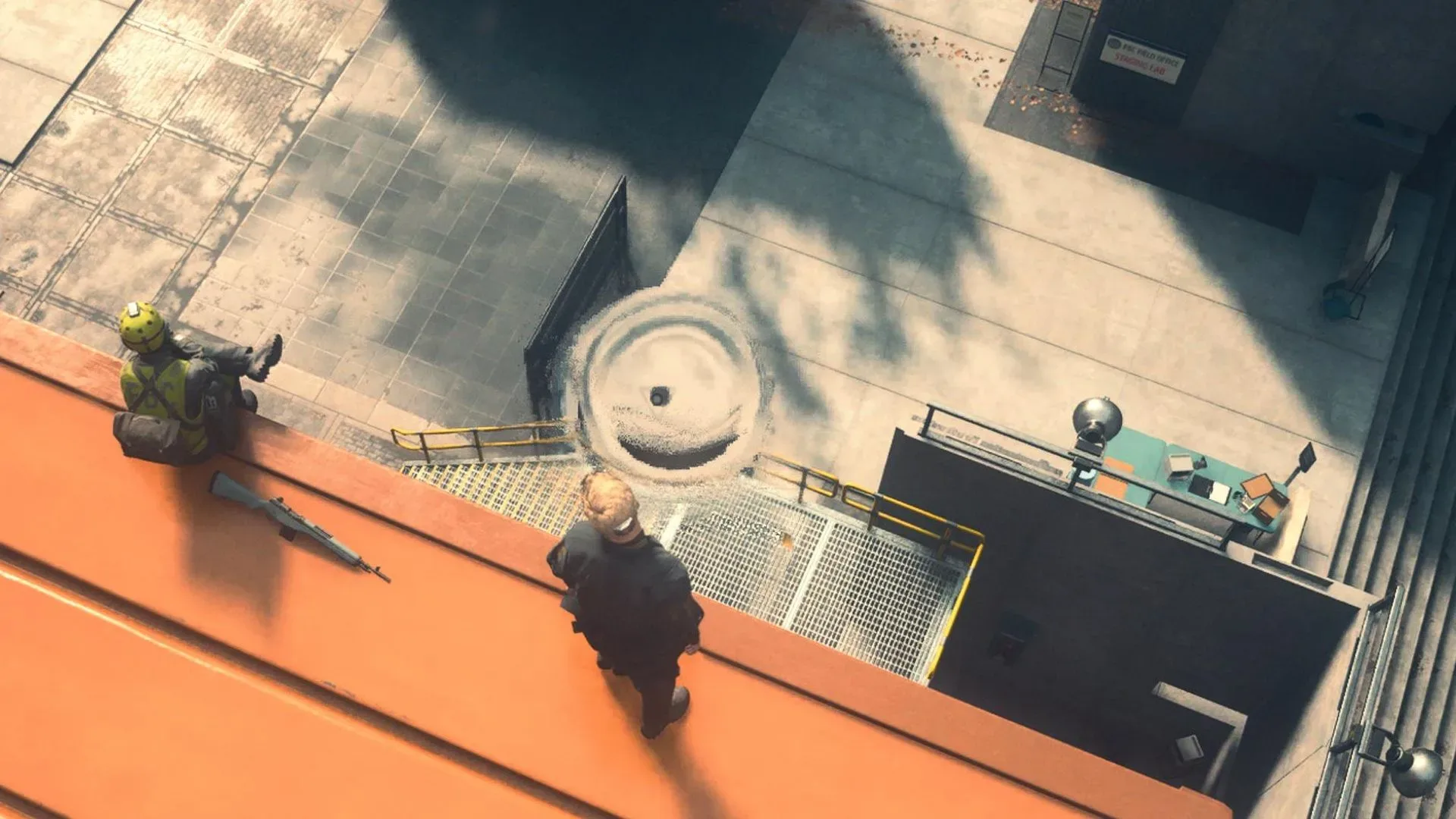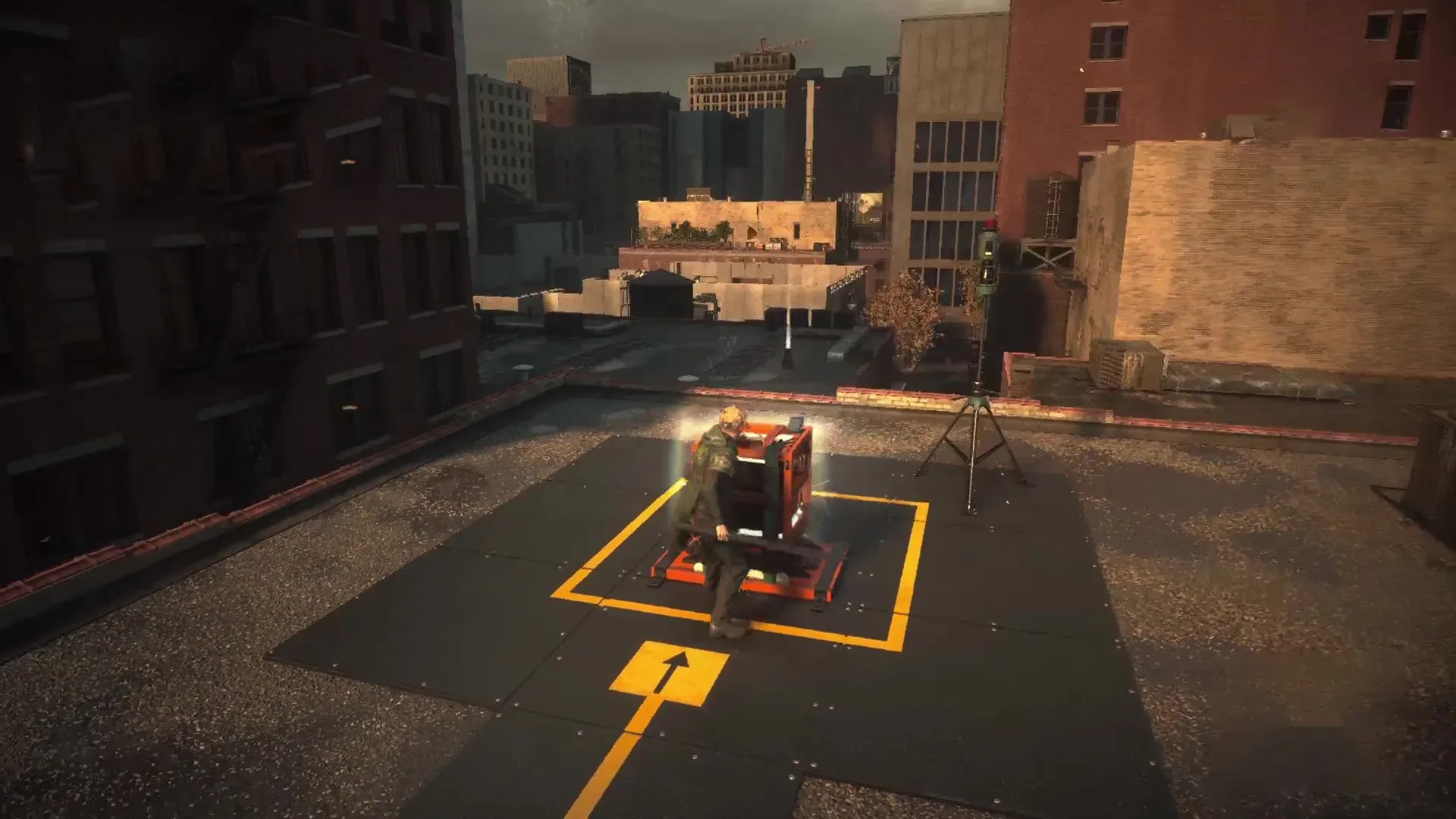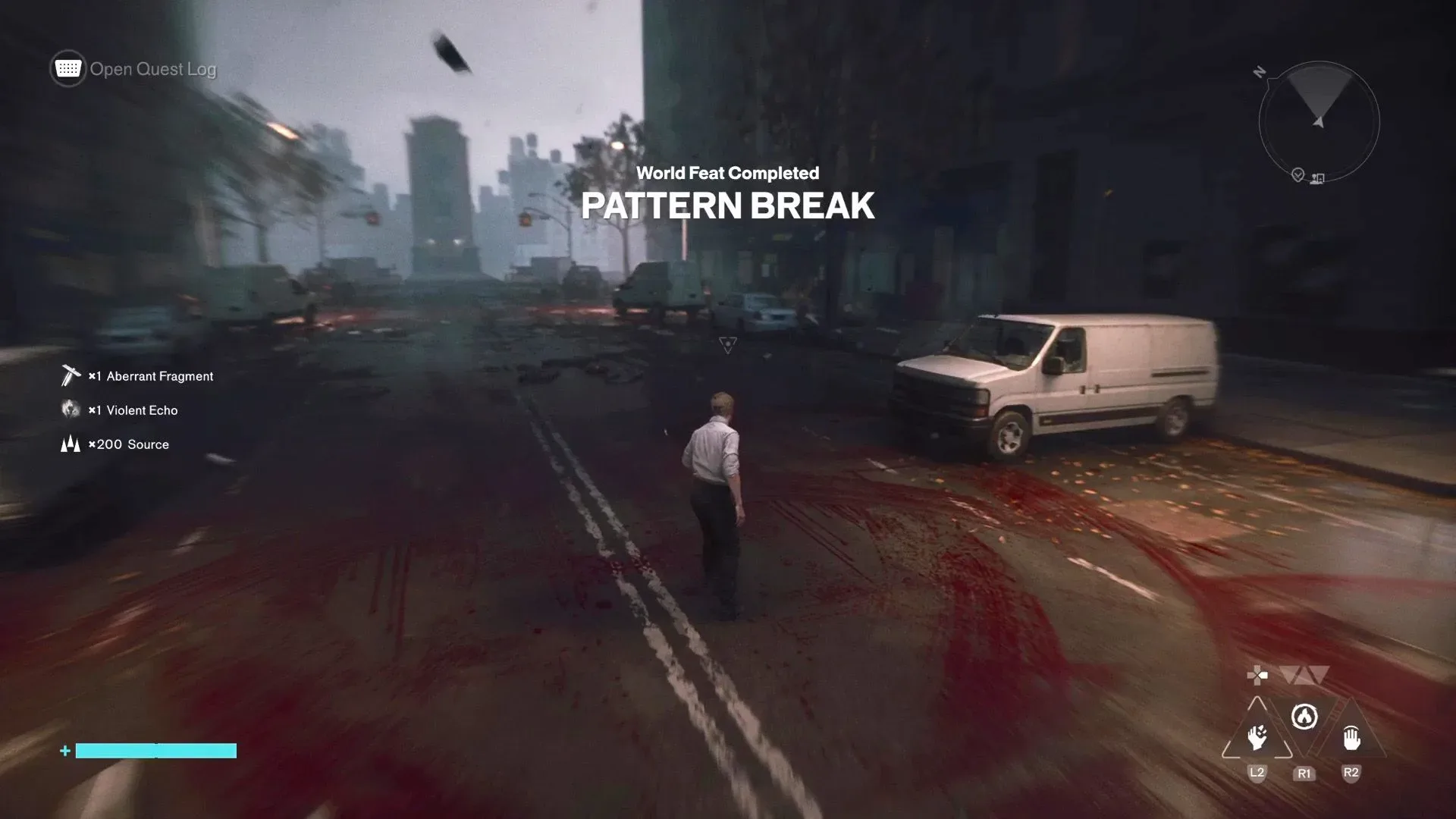
Pattern Breaks are among the more immediately readable World Feats in Control Resonant—once the game’s visual language clicks. The encounter begins with a collection of objects lifting into the air. Most move in a comparatively calm, steady fashion, but one item refuses to follow the group’s rhythm. Find that restless object, hit it, and the puzzle advances.
The potential confusion comes from the feedback: striking one of the floating items can trigger a shockwave that pushes the player back. That does not change the core rule. A Pattern Break is essentially a moving spot-the-difference challenge. The important detail is not what the object is, nor necessarily where it is floating, but how it is moving.
Pattern Break solution at a glance
- Watch the cluster of levitating objects before committing to a target.
- Identify the single object that is jerking, twitching or moving much more erratically than the rest.
- Hit that mismatched object.
- After the pattern resets, locate the newly selected erratic object.
- Repeat until the World Feat completes and delivers its rewards.
There is no supplied indication that a particular object type is always correct. The odd object is randomized again after a successful hit, so the reliable strategy is to reassess the whole group after every reset instead of trying to memorize an earlier target.
What “break the patterning” means
Pattern Breaks use the phrase “break the patterning,” but the instruction is more literal than it may initially sound. The floating objects form a shared visual pattern: most drift slowly and stably. One object breaks that pattern through notably uneven motion. It may appear to jerk around while its neighbors remain comparatively controlled.
In practical terms, this is a test of observation rather than a riddle based on inventory items, traversal access or a hidden code. Give the objects a moment to reveal their movement differences. Scanning for motion, rather than rapidly striking everything that is airborne, is the central skill.
The visual cue to prioritize
Look for the object with movement that is visibly more abrupt than the rest. Stable objects are decoys in the sense that they maintain the scene’s dominant rhythm. The correct target is the outlier—the one whose motion is conspicuously agitated or irregular.
That distinction matters after every successful stage. Since the puzzle resets and selects a new random odd object, a target that was correct moments ago is not automatically the correct answer next time. Re-center your attention on the levitating group and search for the fresh mismatch.
Why the shockwave can be misleading
Hitting the floating objects usually produces a shockwave that knocks the player back. This can make the encounter feel harsher or more consequential than it actually is, particularly when players are still determining the puzzle’s rule. The knockback is an immediate environmental response, but it does not replace the visual objective.
Related coverage includes Control Resonant: How to Solve Pattern Break World Feats.
The useful response is to treat the pushback as a reason to regain your view of the full object group before the next attempt. Because the puzzle depends on observing relative motion, maintaining a clear sightline is more valuable than rushing the next hit. Once the objects have reset, let the contrast between the erratic item and the steadier ones identify the target again.
A repeatable approach for each reset
- Pause and survey: Avoid treating the first floating object in view as the answer.
- Compare movement: The answer is defined by relative behavior. Look for the one moving far less smoothly than the others.
- Hit only the obvious outlier: The puzzle’s solution is the mismatched object, not every object participating in the levitation effect.
- Expect a new target: A correct hit resets the arrangement’s key discrepancy, so start the scan again.
- Repeat until completion: Continue identifying and striking the new erratic object until the World Feat ends.
This approach also helps separate Pattern Breaks from other activities that may use more elaborate environmental clues. If the scene is defined by multiple objects floating together, focus first on the difference in their animation. For other progression and exploration systems, the Control Resonant Orb Distortions guide explains a separate kind of world interaction.
Pattern Break rewards
Completing a Pattern Break generally grants a mixture of Source, mid-tier crafting materials and Region Level progress for the region in which it was completed.
Source is named among the rewards, while crafting materials are resources used in the game’s crafting progression. “Mid-tier” describes the materials’ general place in that resource ladder; the available information does not identify individual material names or guarantee an identical bundle for every completion. Region Level progress similarly applies to the local region where the feat occurs, rather than being described as a universal reward independent of location.
The payout is not presented as especially large, but the activity’s low conceptual barrier makes it worthwhile. Once players understand that they are hunting the visual outlier, Pattern Breaks become quick opportunities to gather resources and add to local progression without needing to solve a more complex multi-step puzzle.
Common mistake: watching the wrong thing
The defining mistake is paying attention to the fact that objects are floating rather than to the difference between their movements. Levitation establishes the puzzle scene. The solution is contained in the object that fails to match the shared motion.
Likewise, do not assume that the first object hit remains significant after the encounter updates. Pattern Breaks are recurring, multi-stage puzzles: each correct strike causes a reset, and the next stage chooses another random object as the mismatch. The task repeats, but the answer changes.
What Pattern Breaks are—and are not
Pattern Breaks are World Feats built around repeated visual identification. They are not described as combat encounters with a boss, fixed-object memory tests, or location-specific collectible hunts. The World Feat ends when enough successive erratic objects have been found and hit.
That makes the name a concise description of the intended solution. Find the floating object that breaks the group’s pattern, strike it, then do the same when the next pattern appears. The shockwave may send you backward, but the puzzle itself remains straightforward: watch for the object that cannot keep still.