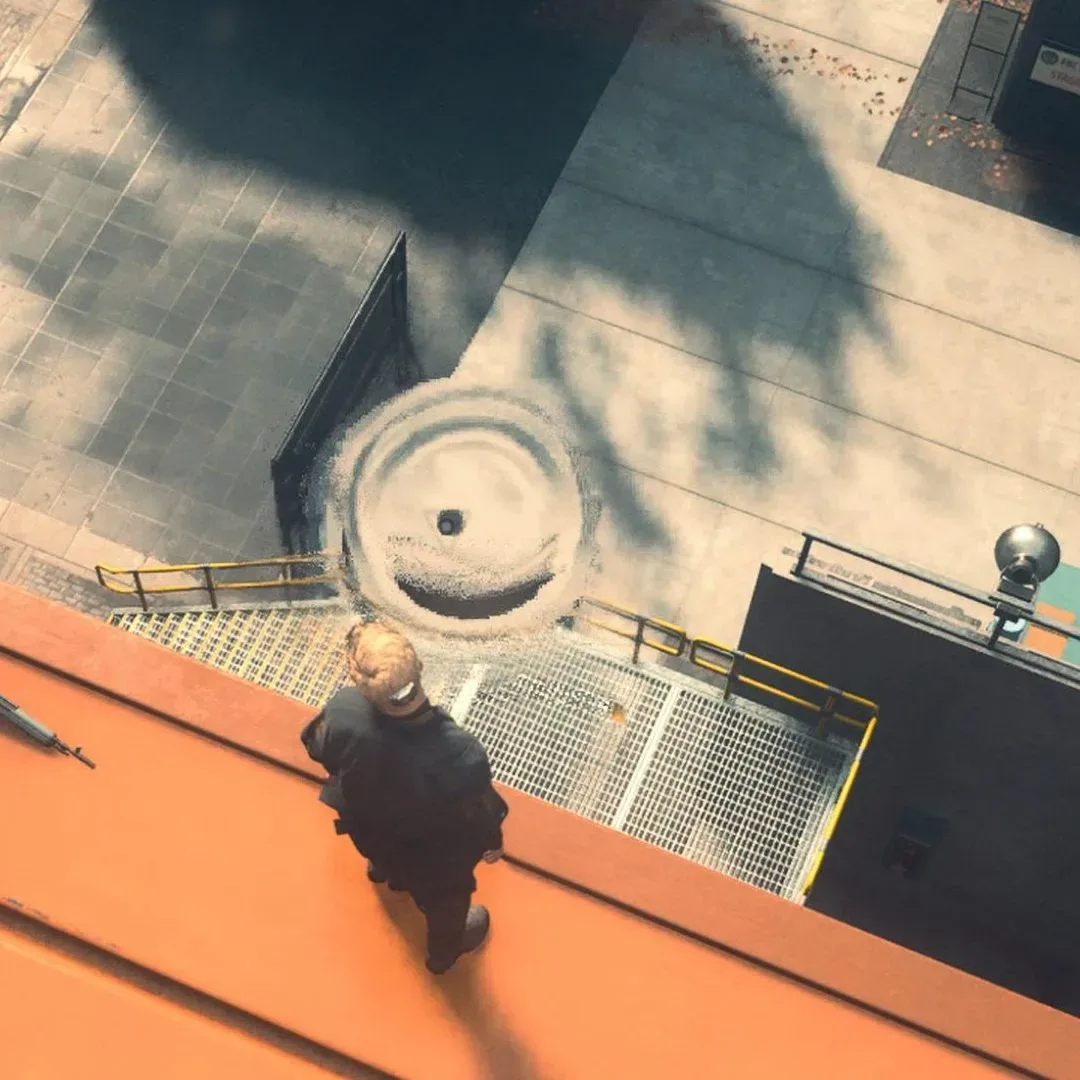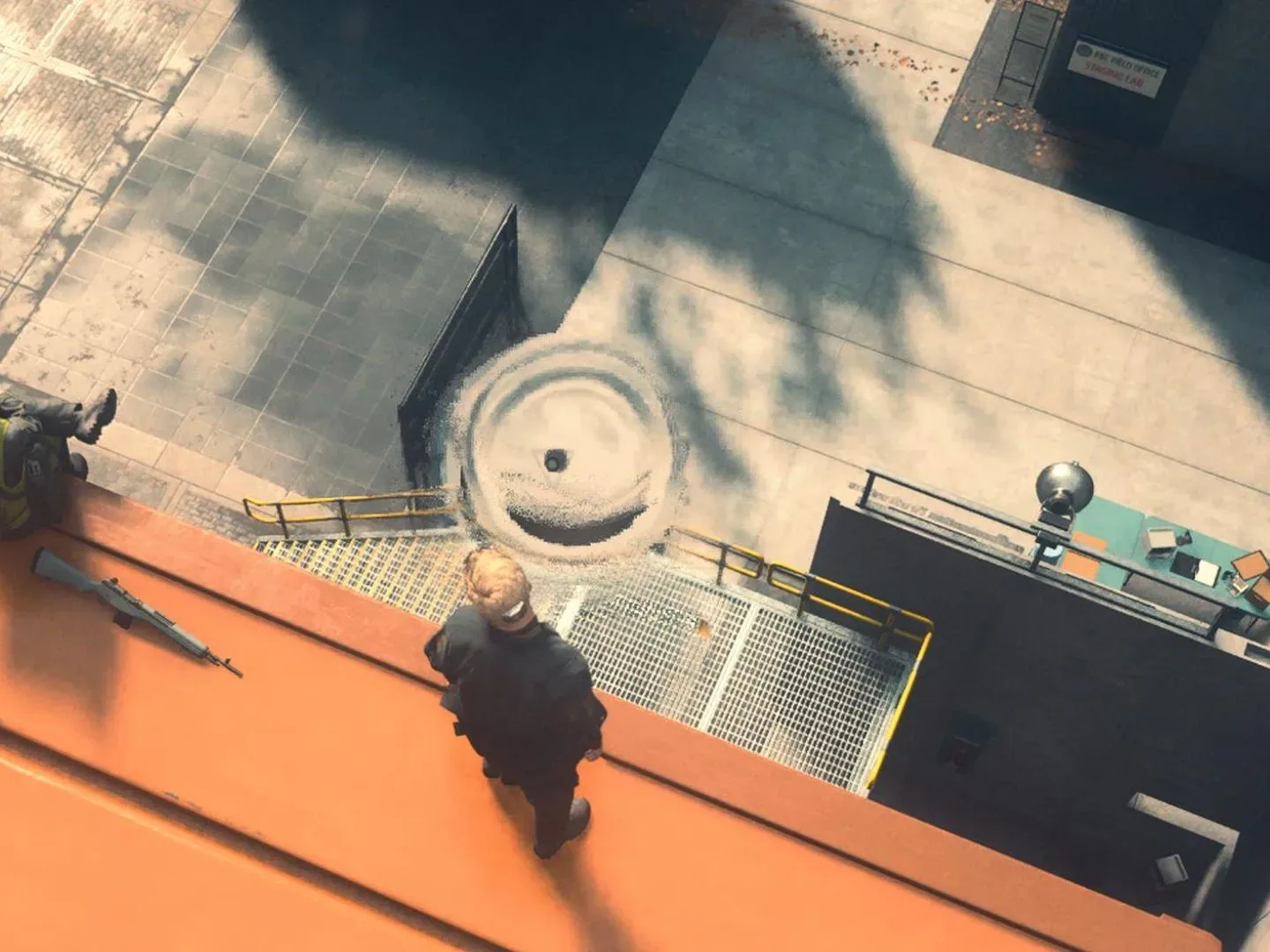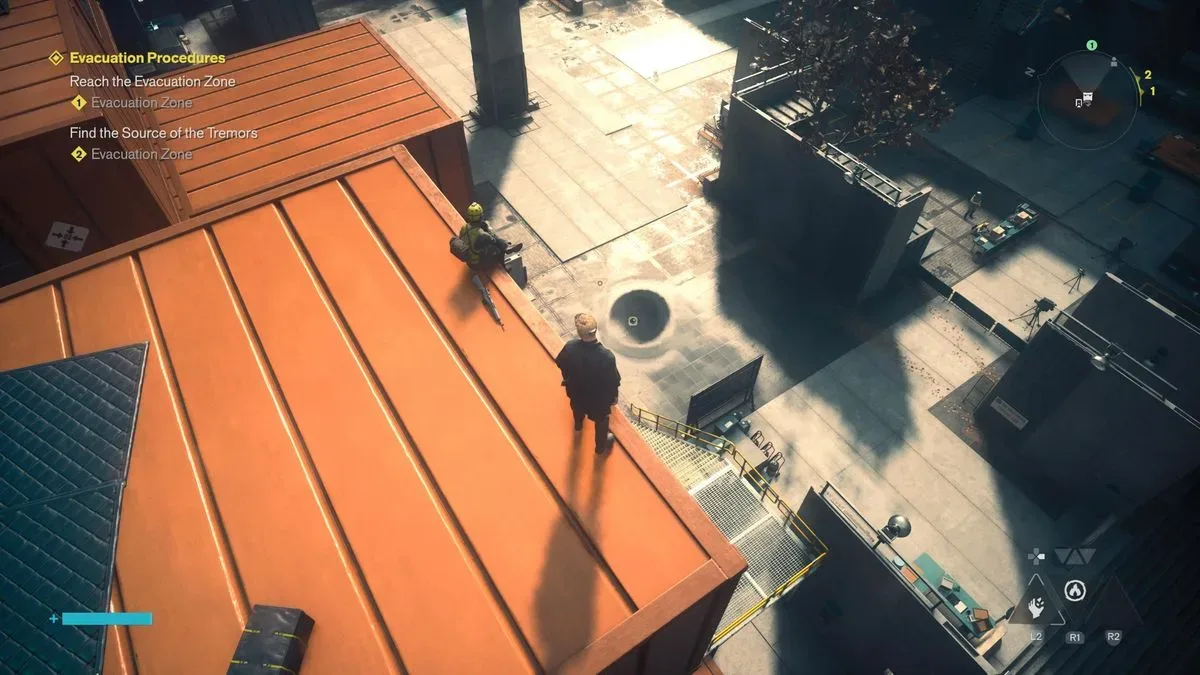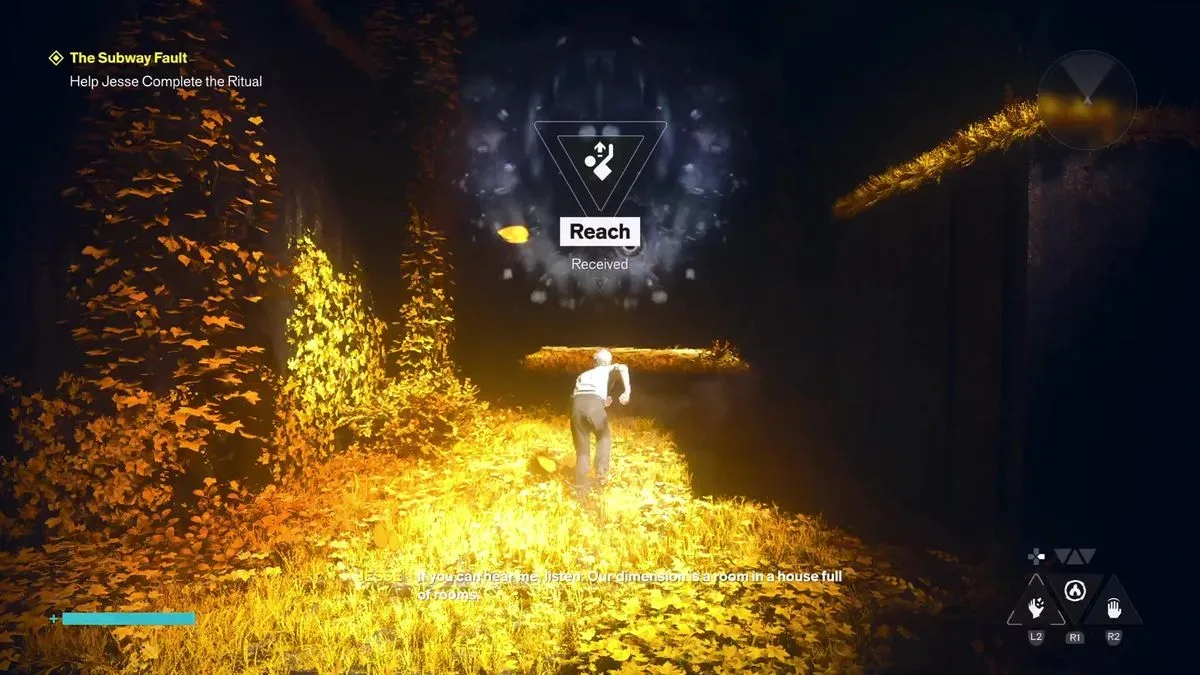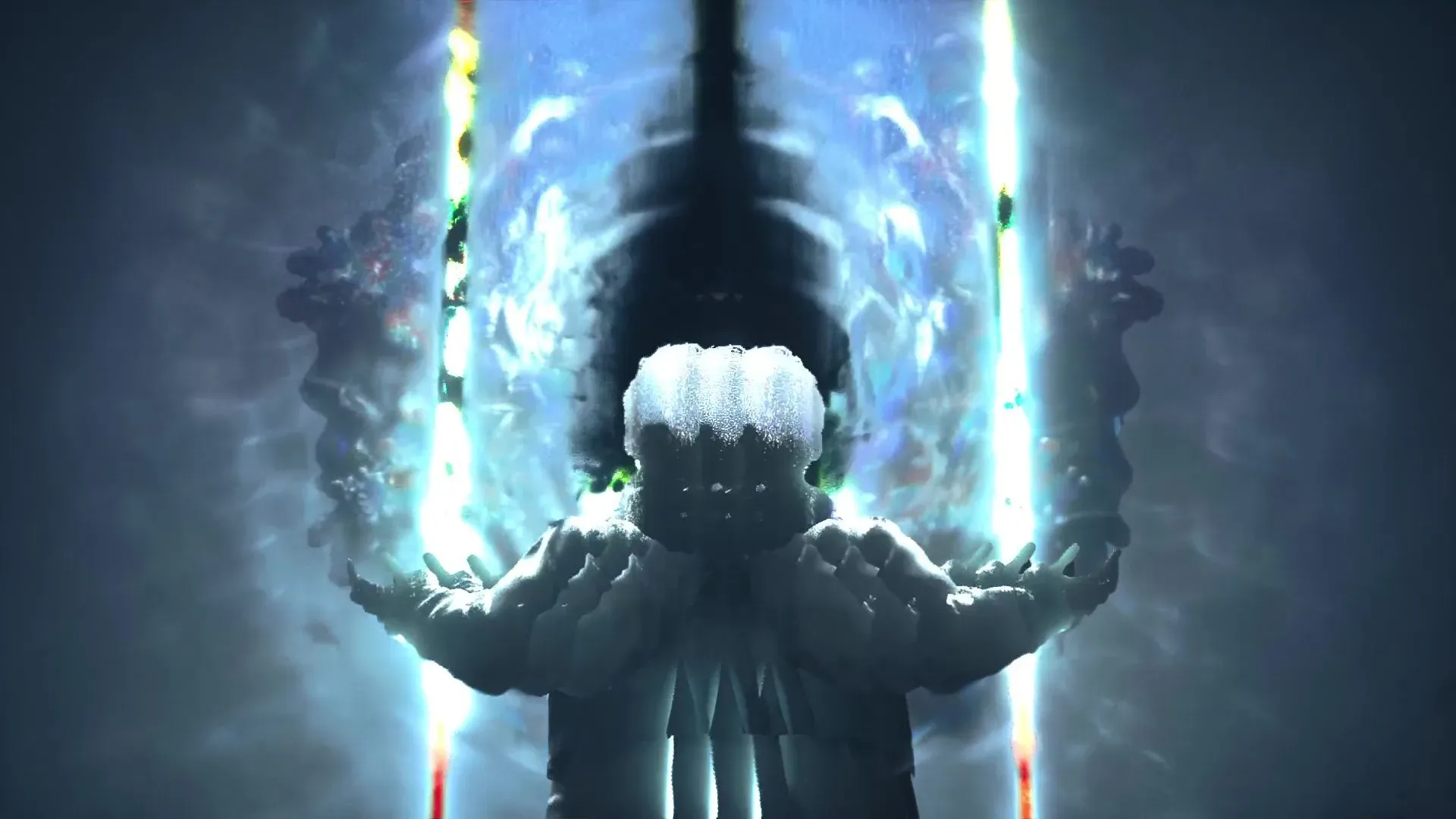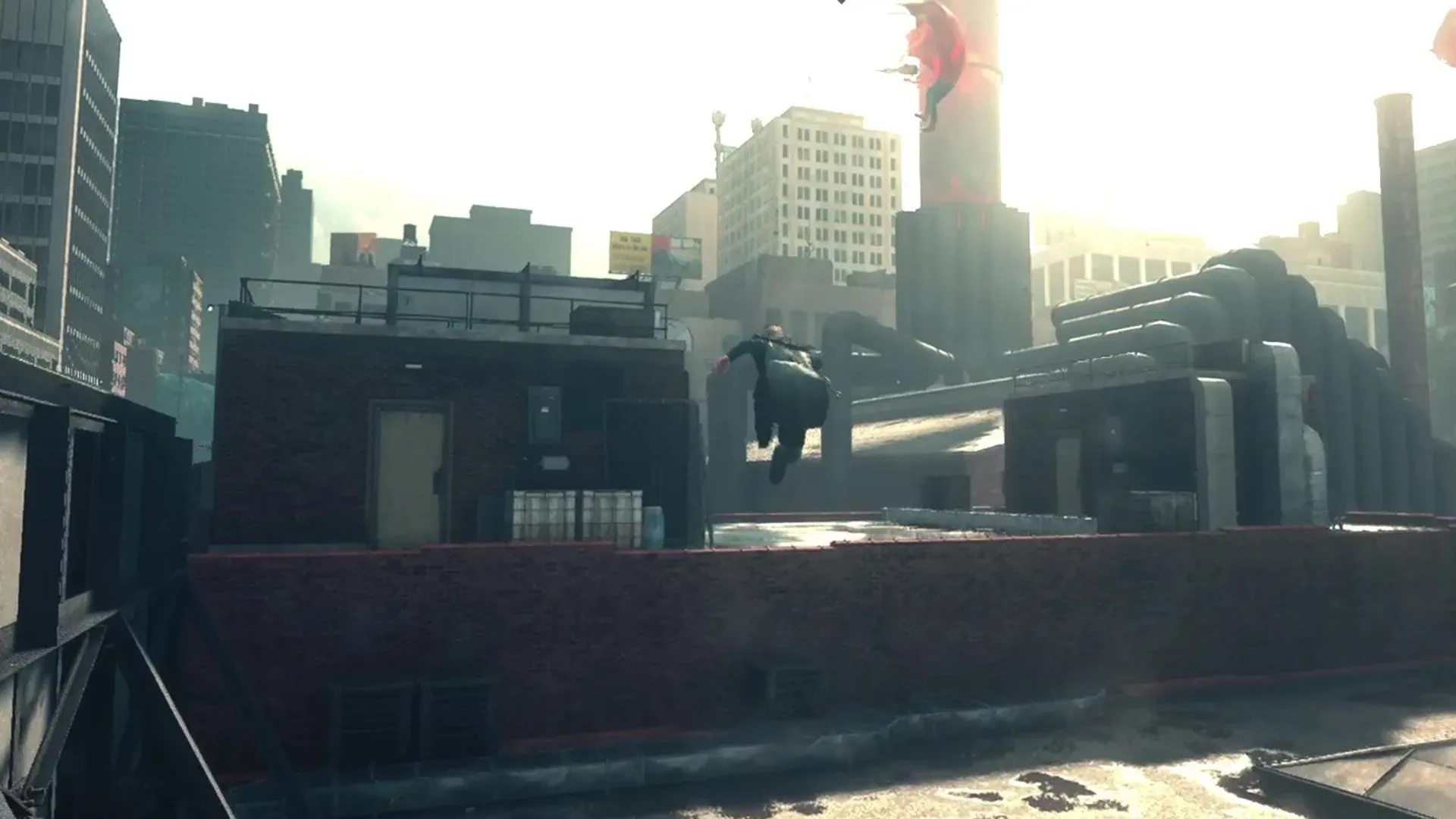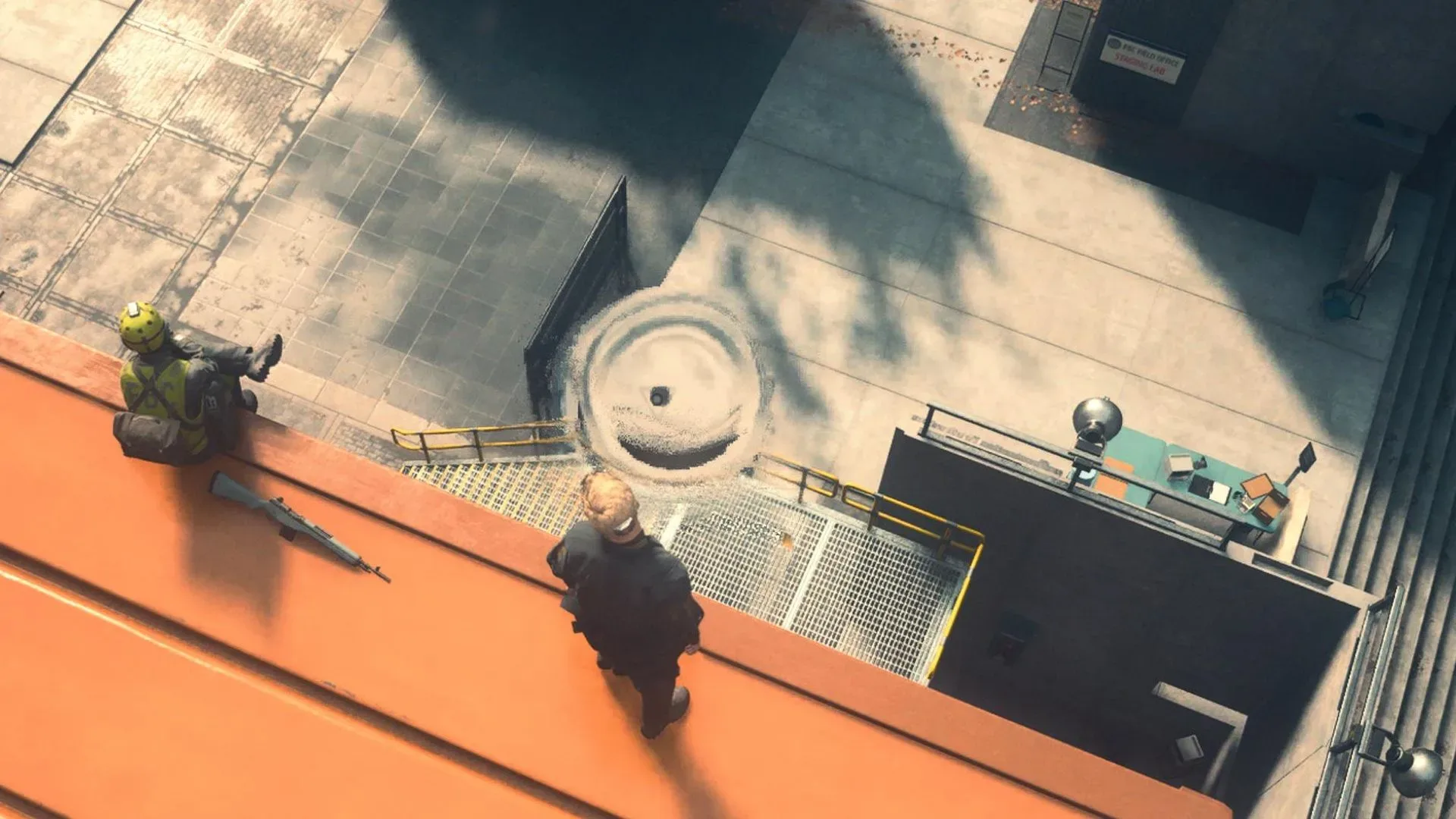
Spotting a warped, spherical distortion hovering beside a rooftop or ledge in Control Resonant can make it seem as if you have missed an interaction, a hidden collectible, or a route that should already be open. You have not. These odd bubbles are environmental markers for Reach, a traversal ability Dylan acquires later in the game.
Until Reach is unlocked, an orb distortion has no active gameplay use. It is not a puzzle trigger, it is not an item to collect, and it is not evidence that a button prompt has failed to appear. The game is showing players a future movement route before they have the tool required to use it.
What the orb distortions mean
Orb distortions are fixed destinations for the Reach Traversal Ability. Once Dylan has Reach, he can rapidly pull himself toward one of these points in a manner comparable to a grappling hook. The important distinction is that the distorted sphere is not an object to destroy or manipulate: it is an anchor point for the power.
That explains why they are often positioned around places that naturally invite a second look: high ledges, roofs, and gaps that appear just beyond ordinary movement. Their placement signals that an inaccessible-looking space may become reachable later, rather than demanding that players solve it immediately.
Reach, in practical terms
Traversal ability means a power primarily used to move through the world instead of directly attacking enemies. In Reach’s case, its value is twofold:
- Access: It opens routes and areas that were previously beyond Dylan’s normal movement options.
- Speed: It can also shorten travel through spaces where orb distortions provide convenient anchors.
So the distortions are best read as navigation infrastructure. They may look like paranormal scenery, but their gameplay role is direct: they tell Reach where it can take Dylan.
Why the game shows them before Reach is available
Control Resonant can place these markers in front of players well before the ability that activates them becomes available. Depending on progression choices, the explanation and the power may arrive around the middle portion of the game. That delay is intentional information, not a dead end.
The safest response on an early encounter is simply to remember the symbol. There is no need to spend time attempting jumps toward the orb, searching every nearby surface for a switch, or treating it as a mandatory collectible. Progress through the main path until Reach becomes available, then return to places where the distortions suggested a shortcut or elevated route.
Related coverage includes Control Resonant Orb Distortions Explained: How to Unlock Reach.
This is also useful for route planning. If an area has several visible distortions, it is reasonable to expect that Reach will make moving around it materially faster once unlocked. Conversely, an orb by itself does not confirm what lies at the other end. It only identifies a point Dylan can target with the traversal power.
How to unlock Reach in Control Resonant
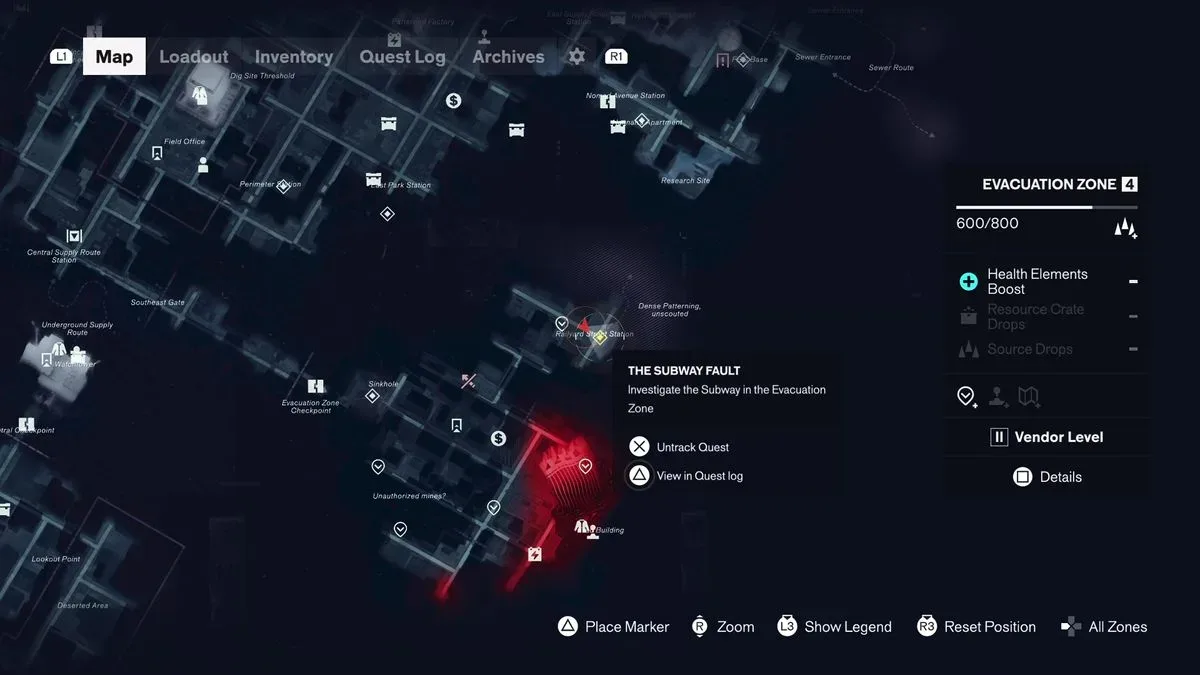
Reach is obtained through the quest The Subway Fault. Start by heading east to the Evacuation Zone, then continue northeast to Railyard Street Station.
As Dylan nears the station, he sees a vision of Jesse. This automatically begins The Subway Fault, directing the player toward the objective that ultimately awards Reach.
- Travel to the Evacuation Zone in the eastern part of the map.
- From there, go northeast to Railyard Street Station.
- Approach the station to trigger Jesse’s vision and begin The Subway Fault.
- Enter the station and progress through its Fault.
- Complete the Fault to receive the Reach Traversal Ability.
The ability is tied to completion of the Fault inside the station, not merely reaching the station or starting the quest. If the power has not been awarded yet, the station challenge remains unfinished.
What to expect inside Railyard Street Station
The station is described as maze-like, so its difficulty is not only about finding the general destination. Players must work through a confusing environment while handling threats and hazards along the way.
Two dangers are specifically present:
- Mold enemies: Hostile Mold encounters complicate progression through the station.
- Moving trains: These are environmental hazards to evade while navigating the Fault.
Because moving trains are part of the route, it is worth treating the space as more than a straightforward combat arena. Watch the environment during movement, not just enemies in front of Dylan. In a maze-like area, rushing toward an apparent opening without accounting for a passing train can be as disruptive as any enemy encounter.
Likewise, do not confuse the station’s navigation challenge with the orb-distortion mechanic itself. The supplied information establishes that Reach is the reward for completing this Fault; it does not indicate that players must already use Reach to clear it. The station is the path to obtaining the power, while the rooftop and ledge orbs become usable afterward.
What changes after you have Reach
After completing The Subway Fault, the previously inert distortions gain their intended function. Dylan can use Reach to zoom toward them, turning those once-mysterious bubbles into fixed grapple points.
This is the moment to revisit locations where an orb appeared to hang just out of reach. The ability may provide entry to a new section or simply make an existing journey more efficient. Either outcome is useful: access expands where you can go, while faster movement reduces the friction of returning through familiar terrain.
There is a broader lesson in the game’s visual language here. A distortion at the edge of a ledge is a clear promise of a movement option, but it is a promise for later if Reach has not yet been unlocked. Recognizing that distinction saves time and prevents players from mistaking normal progression gating for a bug.
Quick answers to common orb-distortion questions
Can you use orb distortions as soon as you find them?
No. They do not have a gameplay function before Dylan unlocks Reach.
Are the distortions collectibles?
No. They are fixed grapple-style anchor points for a traversal ability, not items to pick up.
Do they lead to new areas?
Reach can be used to access new areas, and the distortions are its fixed destinations. Some may also serve to speed up travel rather than open an entirely separate location.
Where is Reach unlocked?
Reach is awarded after completing the Fault in Railyard Street Station. The station lies northeast of the Evacuation Zone, and approaching it starts The Subway Fault after Dylan sees a vision of Jesse.
What should you do when you see a distortion before getting Reach?
Leave it for later and continue progressing. There is no stated interaction or use for the marker until Reach is in Dylan’s toolkit.
Reach is only one part of Dylan’s wider toolkit. For a broader breakdown of traversal powers, combat choices, and respec options, see our Control Resonant abilities guide.