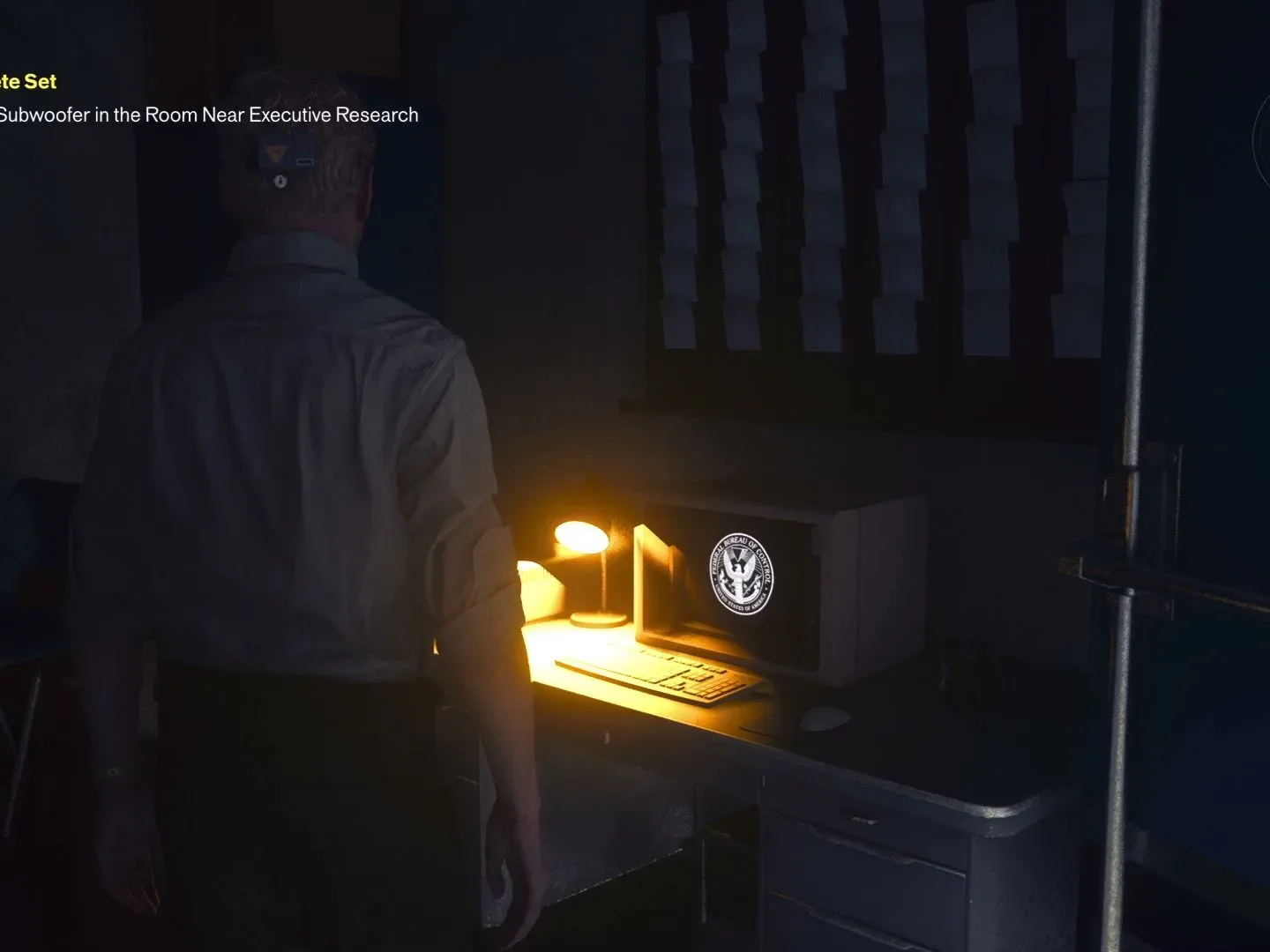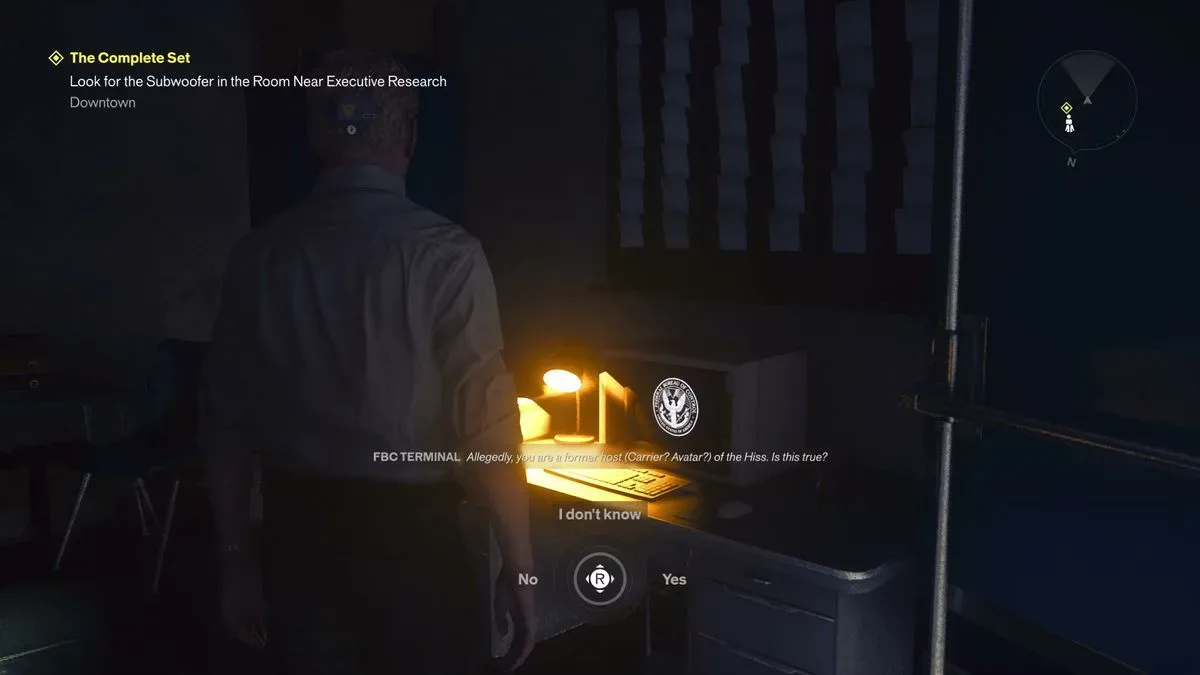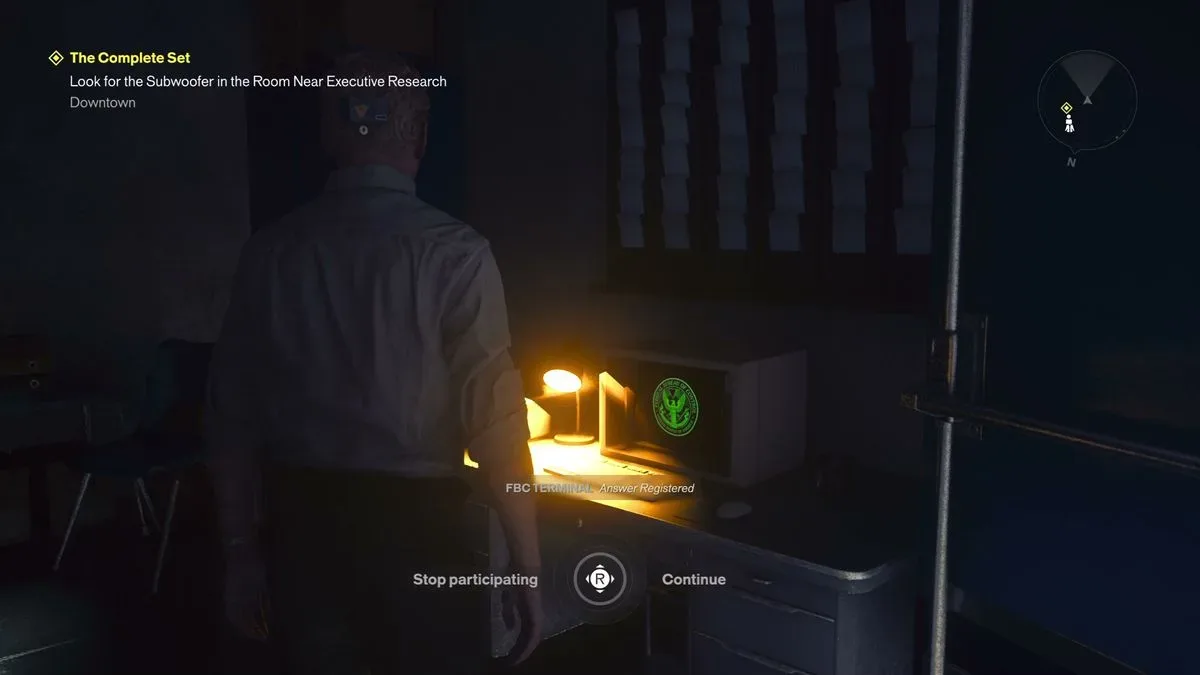
Control Resonant’s FBC Terminals are built to make players suspicious. A compromised terminal asks Dylan pointed questions about the Federal Bureau of Control, Jesse, the strange forces around them and the wider situation. With a dialogue choice on screen and a mystery contact apparently listening, it is natural to assume that one reply is safer, more profitable, or more important than another.
For players looking for the gameplay answer rather than a Bureau-approved psychological evaluation: there are no correct answers at the FBC Terminals. Any response that actually answers the terminal produces the same reward package. Refusing to answer is the sole option with a different mechanical result, because it provides no reward.
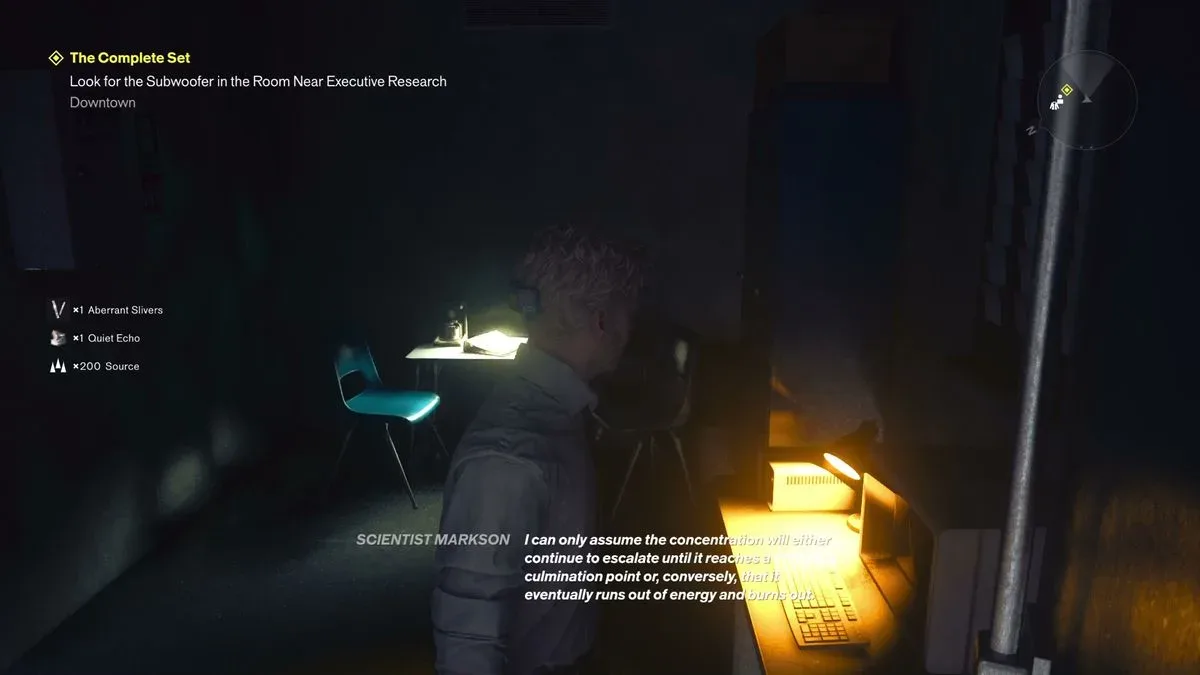
FBC Terminal choice results in Control Resonant
Whenever a hacked FBC Terminal presents a question, choose whichever answer fits the version of Dylan you want to role-play. The available replies do not change the item payout.
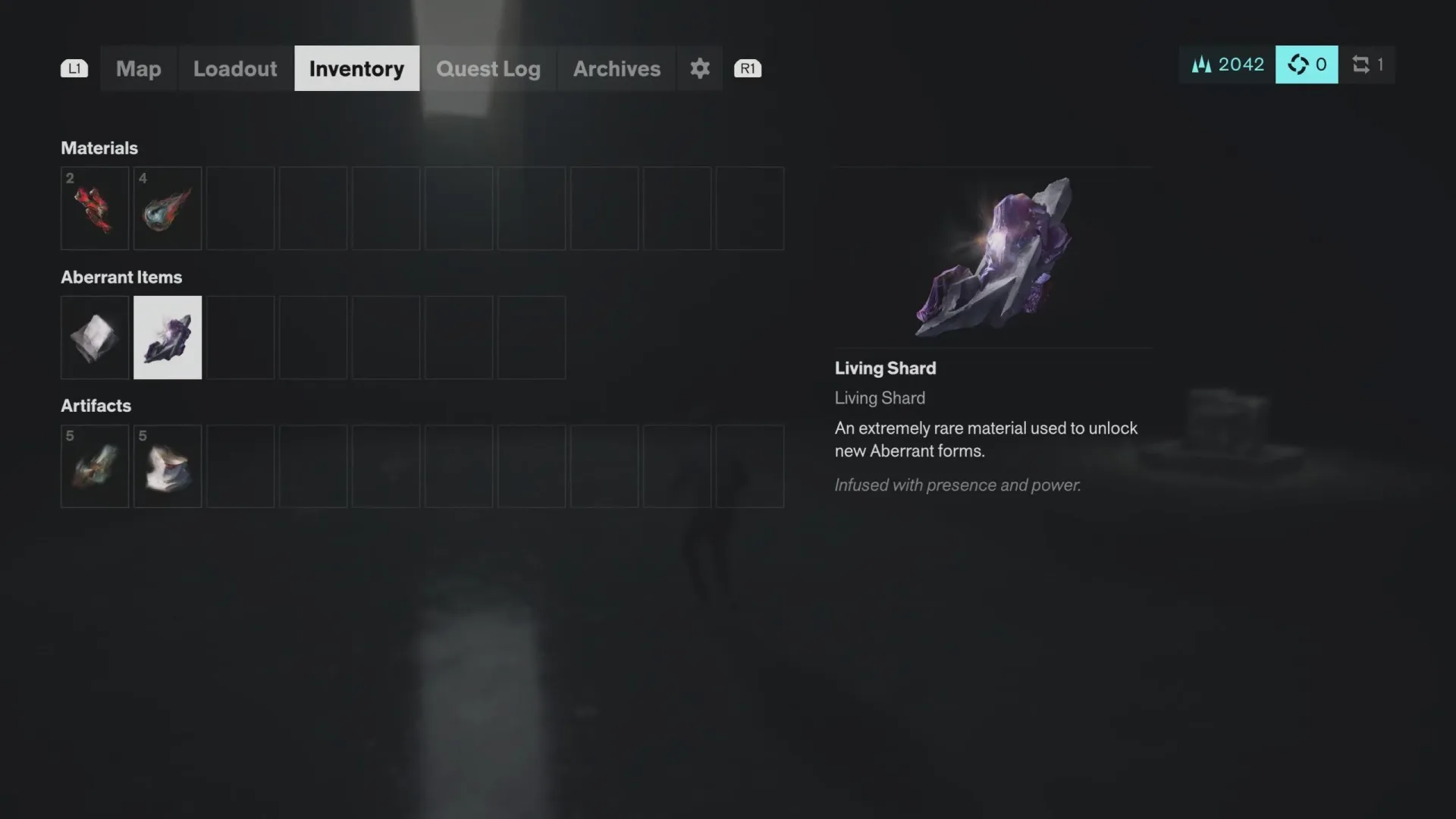
- Choose any answer: receive 200 Source, 1 Guest Echo, and 1 Aberrant Slivers.
- Refuse to answer: receive nothing.
That means there is no need to consult a dialogue-answer key, reload a save, or pick a reply based on which one sounds most flattering to the unknown person on the other side. If collecting the materials is your priority, simply provide an answer. If you are deliberately role-playing a Dylan who will not cooperate with an intruder, refusing remains an option—but it comes with the straightforward cost of skipping the terminal’s rewards.
The distinction matters because the terminals are framed as a potential information-security issue, not as an obvious loot dispenser. They have been hacked, and the questions concern sensitive people and events. The scene encourages a player to wonder whether their words might become evidence, trigger a later encounter, or lock them into a story path. Based on the currently established outcomes, that concern is atmospheric rather than mechanical.
Do FBC Terminal answers have consequences?
No long-term consequence has been established for the individual answers. The choice appears to function as flavor: a small role-playing moment that lets players decide how Dylan responds to someone prying into FBC business. It is not presented as a morality system, a relationship tracker, or a branching-reward puzzle.
That is useful knowledge for anyone who tends to freeze at dialogue prompts. You can pick the answer that sounds honest, evasive, sarcastic, guarded, or otherwise most appropriate to your reading of the moment without sacrificing Source, Guest Echo, or Aberrant Slivers. The only decision that affects your immediate inventory is whether you engage at all.
It is worth keeping the wording careful here. “No known long-term consequences” does not prove that these exchanges can never matter in a future story update, expansion, or sequel. It only describes their known function within Control Resonant: answer choices yield the same materials, and no lasting answer-specific effect has been identified. Players should not mistake community theory for a confirmed future feature.
Related coverage includes Control Resonant FBC Terminals: Every Answer Choice and What You Receive.
What the rewards mean in practical terms
The terminal bundle contains three named rewards:
- 200 Source
- 1 Guest Echo
- 1 Aberrant Slivers
For the purpose of this choice, the important point is consistency. The game does not attach a different quantity of Source to one response, reserve Guest Echo for a particular conversational stance, or hand out Aberrant Slivers only to players who tell the unknown interrogator what it wants to hear. A terminal is therefore best treated as a reward interaction with a narrative wrapper.
That framing can help when planning exploration. If you encounter a terminal while moving through Manhattan, there is no apparent efficiency reason to pause and compare every line of dialogue. Answer, claim the resources, and continue searching. Conversely, if you are avoiding spoilers or prefer to preserve the mystery, the conversation can be approached for its story texture rather than because one response is required for a particular item.
Control Resonant uses other choices and puzzles that can invite more consequential scrutiny. For another early decision, see our guide to whether you should eat the mold in Control Resonant. The terminals, however, are much simpler: participation gets the standard package; refusal does not.
Who is speaking through the hacked terminals?
The game does not explicitly identify the person or group behind the FBC Terminal questions. That uncertainty is central to why these scenes feel loaded even though their rewards are fixed. The terminals are clearly compromised, and the person communicating through them appears eager to learn about Dylan, Jesse, the Bureau, and the uncanny entities involved in the story.
There are also environmental clues in Manhattan. Puzzle-solving can uncover concealed rooms that suggest an outside party has been watching the FBC from the shadows. Those discoveries establish the broad idea of surveillance and intrusion, but they do not provide a definitive name for the terminal contact.
The Blessed Organization theory, explained
A prominent fan theory points to the Blessed Organization. This is a name associated with a criminal organization, syndicate, person, or entity that seeks to use Altered World Events and supernatural objects for its own ends. It has been referenced across Control, Alan Wake 2, and Control Resonant, but has not been exhaustively explained.
Two terms are especially useful here:
- Altered World Event (AWE): a supernatural incident connected to the unusual phenomena of this universe.
- Supernatural items: objects with paranormal significance or effects, making them valuable to anyone willing to exploit rather than contain them.
The theory is plausible as speculation because an organization interested in such phenomena would have an obvious reason to monitor the FBC and question someone close to its secrets. But that is still not confirmation that the Blessed Organization is operating the terminals. The hidden rooms and the interrogations point to a mysterious third party; assigning that party a name goes beyond what has been explicitly revealed.
Why the terminals can still matter without branching outcomes
Fixed-reward dialogue does not make the terminals meaningless. Their immediate gameplay purpose is clear: they trade participation for resources. Their narrative purpose is less settled: they repeatedly call attention to a watcher interested in the Bureau’s affairs. In a setting built around hidden agencies, altered events, and entities whose motives are not always understandable, a hacked communications channel is a useful signal that the FBC is not the only group tracking events.
It also creates a deliberate split between player knowledge and character behavior. Players who know that every answer pays the same can choose freely. Dylan, meanwhile, is being asked to share information with an unidentified presence. That lets the exchange retain its tension as role-play even after the mechanical secret has been solved.
So the best answer depends on what you mean by “best.” For rewards, any response is equally correct. For role-playing, choose the line that fits your Dylan. For lore, pay attention to the questions and the surrounding clues—but do not assume the identity of the contact has been officially settled.
Quick FBC Terminal checklist
- Find a hacked FBC Terminal during exploration.
- Read the prompt if you want the associated story context.
- Select any available answer to receive the identical reward bundle.
- Expect 200 Source, 1 Guest Echo, and 1 Aberrant Slivers for answering.
- Do not refuse if you want the loot, because refusal grants nothing.
- Do not worry about choosing a canon, optimal, or permanently consequential answer based on current known outcomes.
In short, the terminals are not a test with hidden right answers. They are a chance to collect resources while engaging with an unresolved mystery—and perhaps to decide how much an uninvited listener deserves to hear.