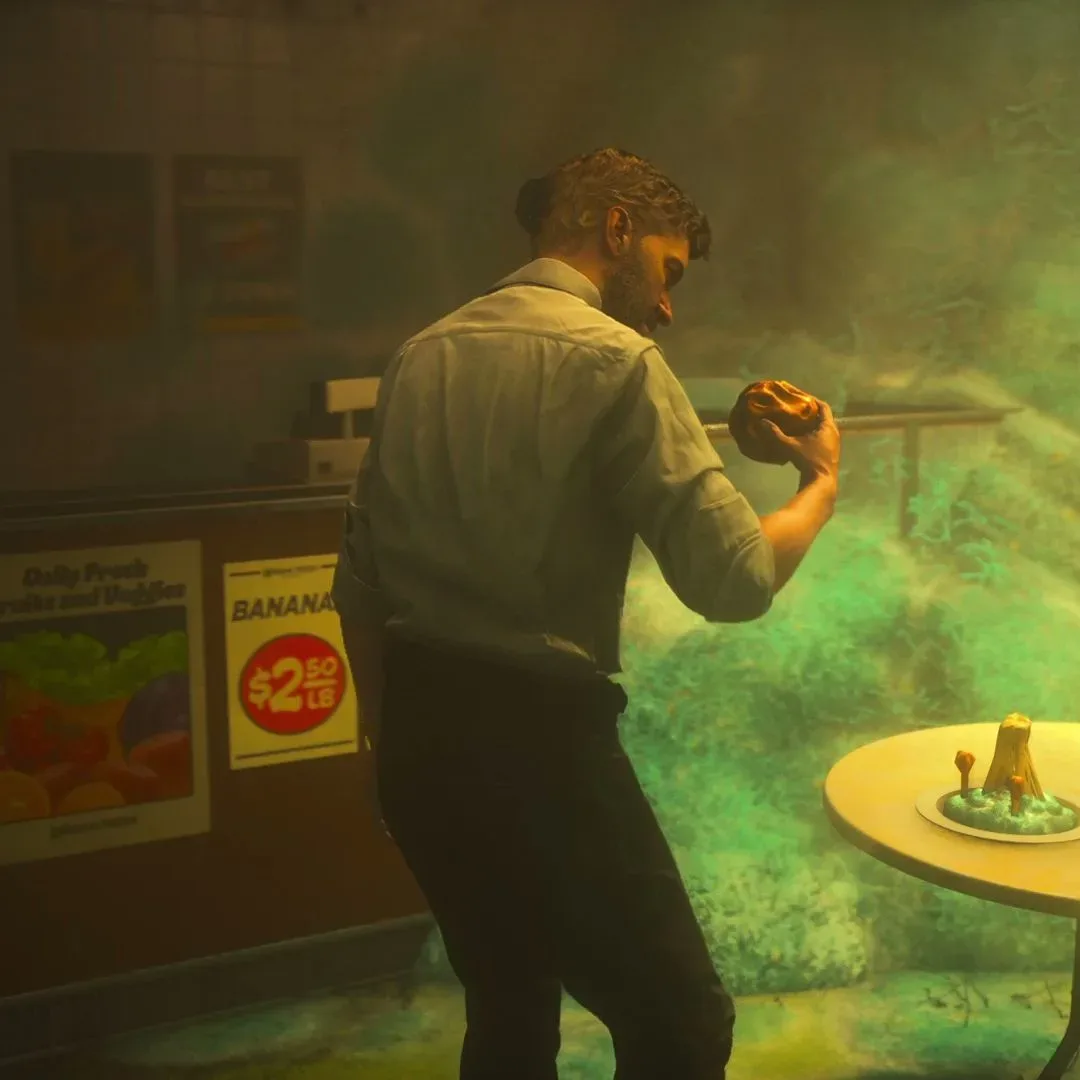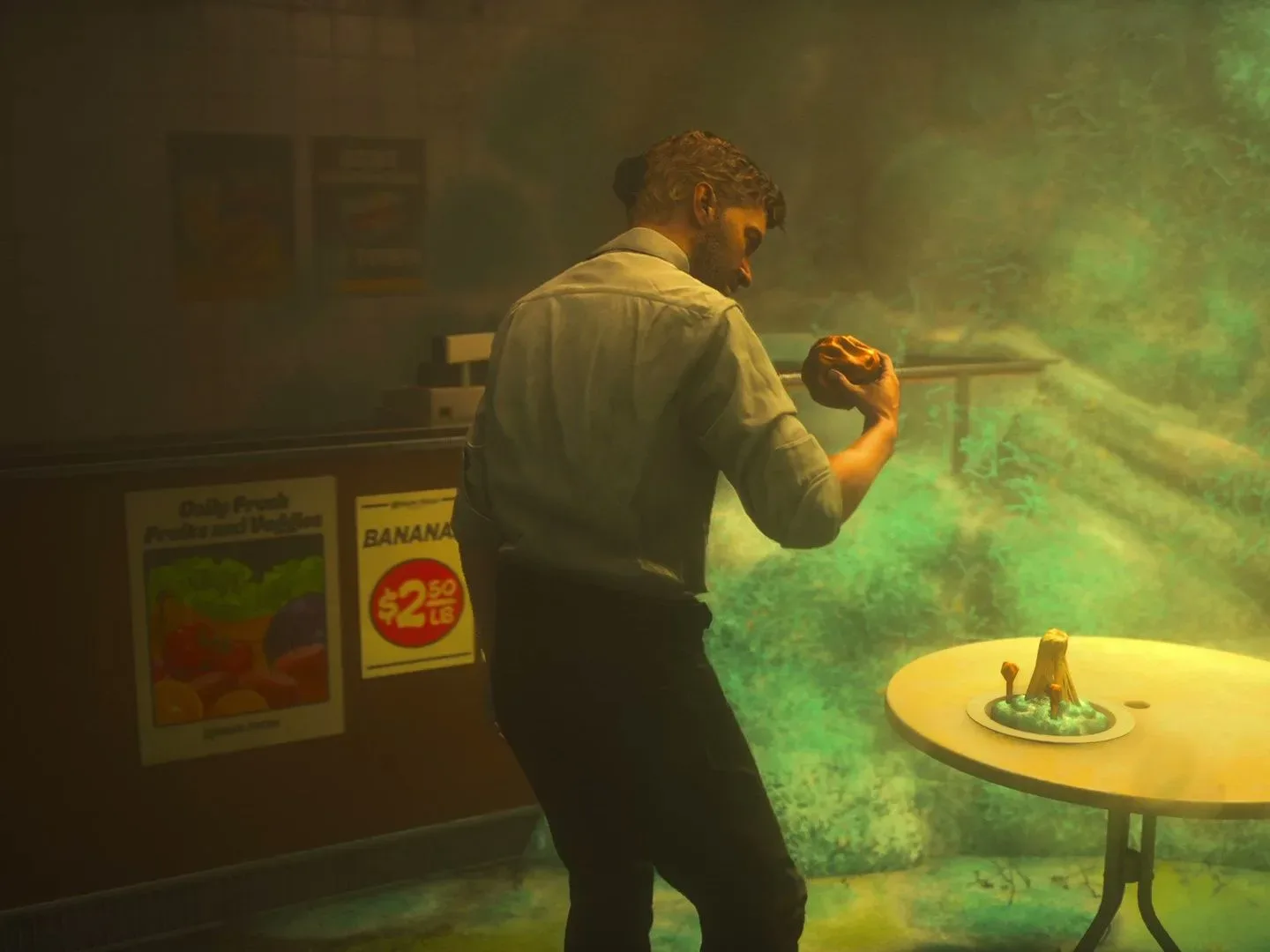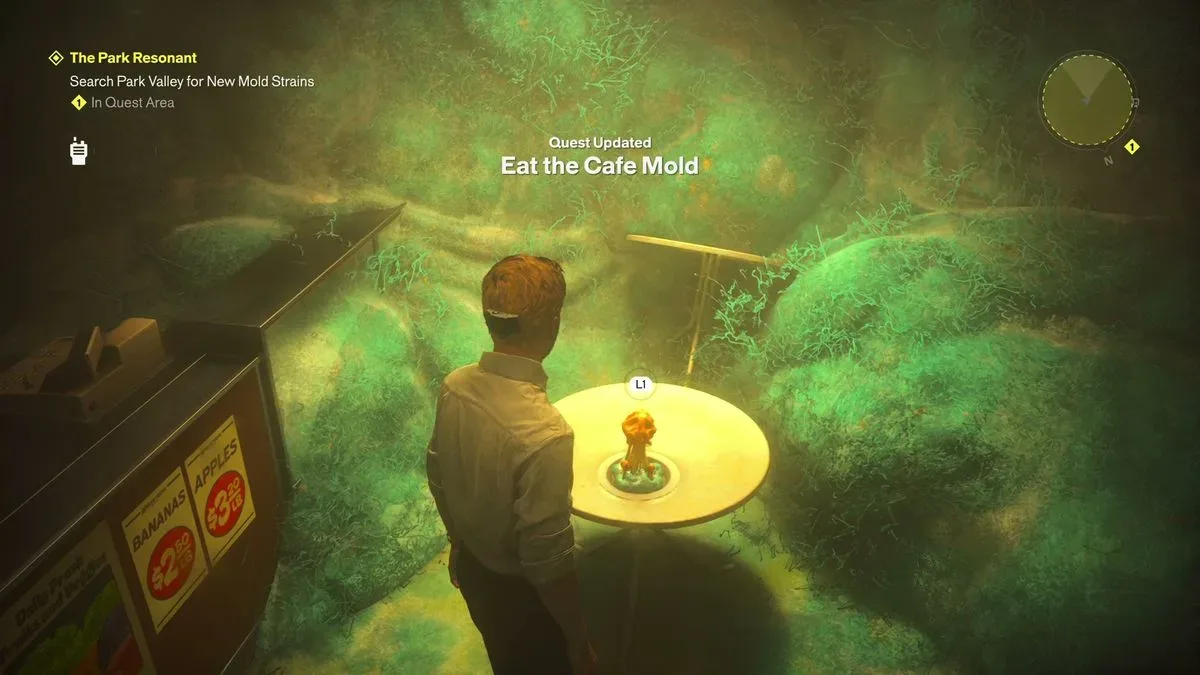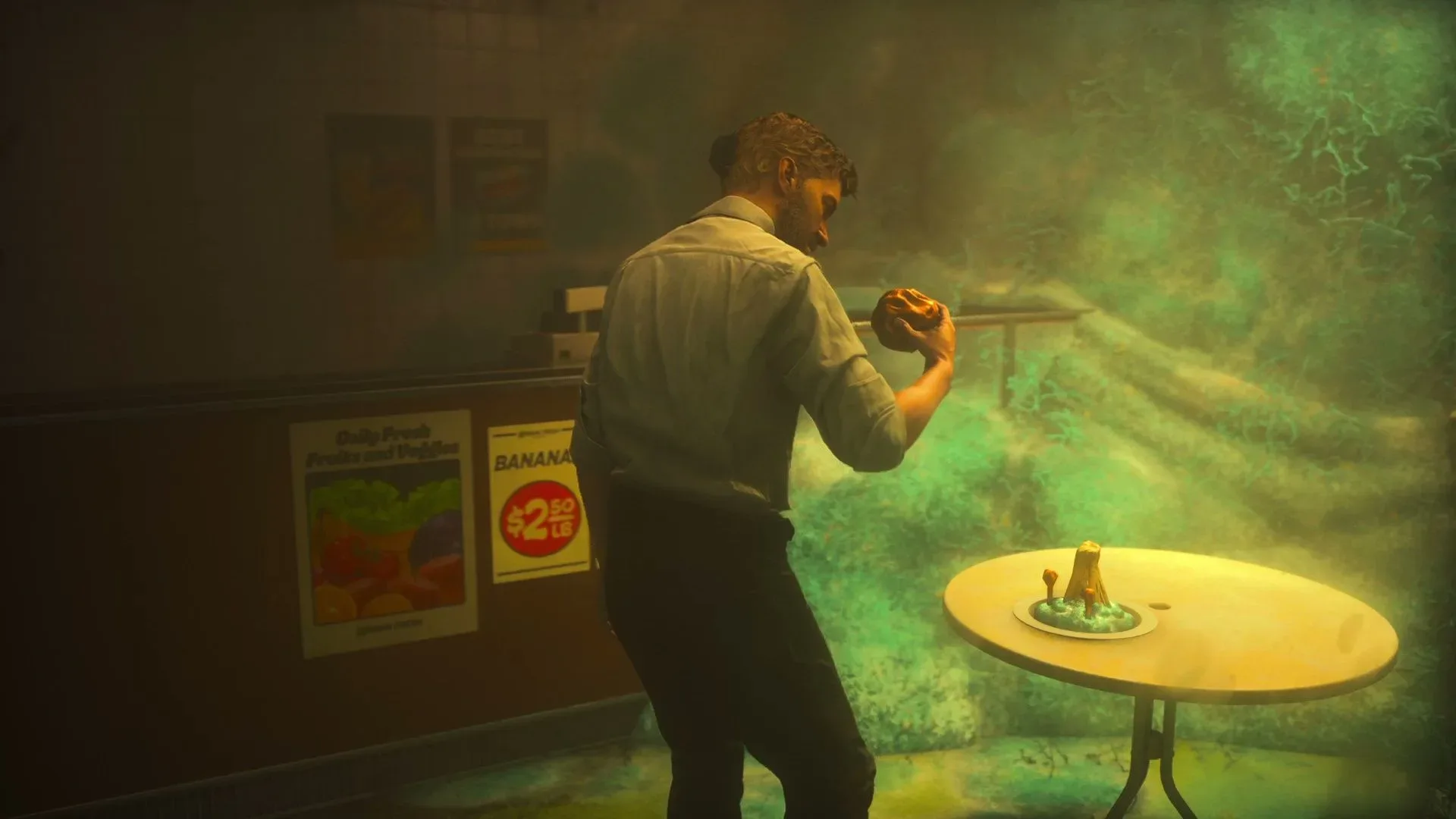
Yes: eat the Mold in Control Resonant. The unpleasant-looking choice in The Park is not a trap, alternate route, or morality test with a hidden punishment. It is the required action for continuing the questline toward the Resonant boss encounter.
The scene is designed to make players hesitate. Dylan has repeatedly been warned not to eat the Mold, and the game’s fiction gives those warnings real weight: the fungus is associated with warped minds and an all-consuming hive mind. But those narrative alarms should not be confused with a gameplay consequence. Dylan must consume the Mold to proceed, and there is no indicated negative mechanical effect for doing so.
Spoiler warning: This guide discusses progression through The Park and what the Mold means for the route to the Resonant.
The short answer: eating the Mold is mandatory
When the option appears in the middle of The Park, choose to eat the Mold. Refusing does not open a safer branch or lead to an alternate way around the objective. The quest cannot advance without consuming it.
This is an important distinction because games often present unsettling interaction prompts as decisions with permanent repercussions. A conspicuous warning, a disturbing item, and a protagonist being urged to avoid it are all familiar signals that players should stop and investigate before committing. In this case, the prompt is instead part of the intended progression path. The discomfort is narrative texture, not a deterrent the player is meant to obey.
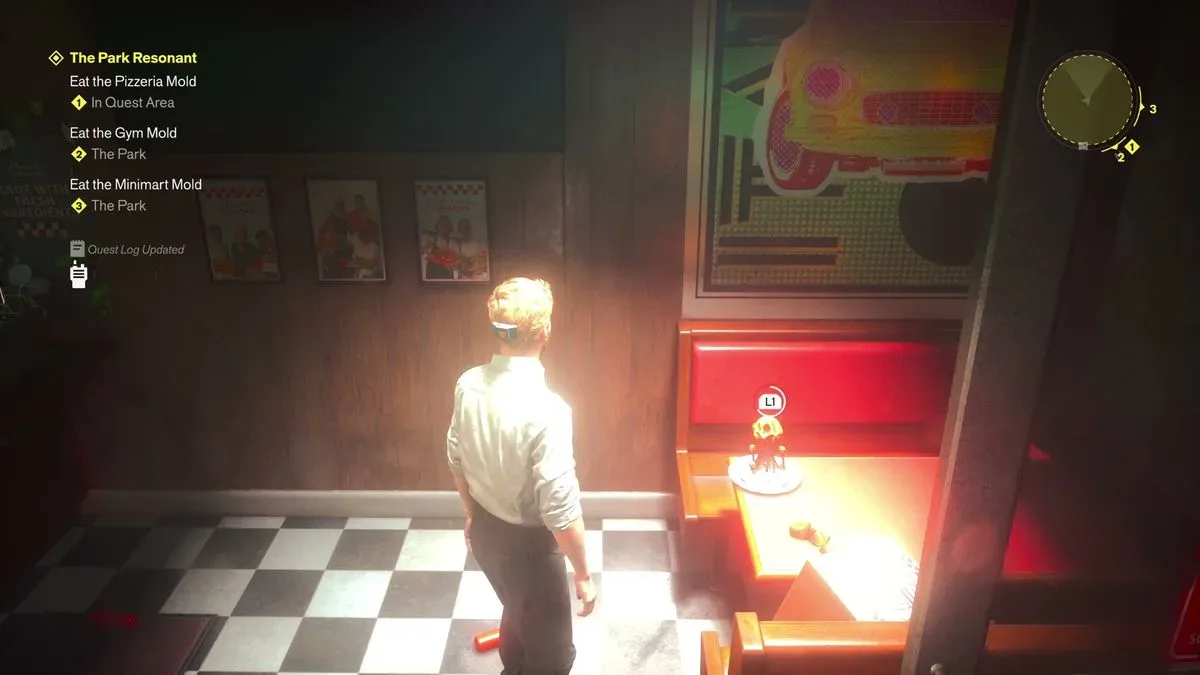
After Dylan eats the initial piece, the task expands. There are four additional Mold pieces to collect at marked locations. Each is protected by Mold enemies. Defeat the enemies near a piece, access it, and have Dylan consume it. Once all of the required pieces have been eaten, return to the original Mold location.
What to do after the first piece
The Park sequence follows a simple objective loop, even if the subject matter makes it feel more ominous than a conventional collection task:
- Eat the first piece of Mold in the middle of The Park.
- Follow the marked objectives to the remaining four pieces.
- Defeat the Mold enemies guarding each location.
- Eat each newly accessible piece of Mold.
- Return to the first location after all five pieces have been consumed.
- Pass through the barrier that had blocked Dylan’s route.
- Continue onward to the Resonant boss fight.
The most useful practical rule is to treat the icons and nearby encounters as a checklist. The four follow-up pieces are not optional upgrades, nor are they decorative discoveries to leave until later. They are gating objectives: the barrier remains relevant until the complete set of required Mold has been consumed.
Related coverage includes Control Resonant: Should You Eat the Mold in The Park?.
Because the game marks the locations, the challenge is less about locating secret collectibles and more about clearing the fights that secure access to them. If a piece seems unavailable, focus on the enemies in its immediate area before assuming a route has been missed.
Does eating the Mold have a negative effect?
There is no known gameplay penalty for eating any of the required Mold. Dylan does not lose access to the quest, receive an indicated debuff, or trigger a bad ending simply by following this objective. In fact, avoiding the Mold is what prevents progress.
That answer applies to the practical question players are asking at the prompt: will this choice hurt the character in a way that changes play? The available evidence says no. Consume the pieces when required and continue the quest.
It is worth separating that certainty from the much darker story implication. The Mold is presented as something that can alter people’s minds and absorb them into a collective consciousness. The concern expressed by other characters is therefore not meaningless flavor text. Within the fiction, the Mold is dangerous. The game simply establishes that Dylan is an unusual case.
Why Dylan can survive the process
Control Resonant implies that the Mold affects people by warping their minds and drawing them into its hive mind. A hive mind is a shared consciousness: rather than acting as wholly independent individuals, those absorbed into it are understood as part of a larger collective will.
Dylan’s paranatural power allows him to resist that influence to a substantial degree. Paranatural here refers to forces or abilities beyond ordinary natural explanation. That resistance is the narrative reason the sequence can ask Dylan to ingest something depicted as mentally invasive without immediately removing his agency.
“Resist” also matters as wording. The story implication is not that the Mold becomes harmless or benign. Rather, Dylan has an ability that lets him withstand its control well enough to use the path it opens. That preserves the tension of the premise while explaining why the player is not punished for completing an otherwise alarming task.
The result is a deliberate contrast between story and systems. In the story, eating Mold is presented as a deeply bad idea for an ordinary person. In the game’s progression system, consuming it is the key that allows Dylan to reach the next major encounter.
The barrier is the real gate to the Resonant
The five Mold pieces collectively matter because they enable Dylan to return to the initial location and cross the barrier ahead. Until then, the barrier prevents him from reaching the Resonant beneath The Park.
This makes the Mold sequence a progression gate: an obstacle that withholds access to the next section until the player completes a specified set of actions. It is not an unlockable reward in the usual sense, and it is not a detour for extra equipment. Its function is to establish the conditions needed for the boss route.
Once the barrier can be crossed, the encounter with the Resonant is available. The Mold-themed powers and combat abilities can be used in that fight, tying the quest’s unsettling consumption mechanic directly to the showdown it unlocks.
What the Mold choice is—and is not
- It is: required quest progression in The Park.
- It is: the route to opening the barrier leading toward Resonant.
- It is: a five-piece objective: one initial piece and four more at marked locations.
- It is: connected to fights against Mold enemies around the later pieces.
- It is not: a permanent gameplay punishment for Dylan.
- It is not: an alternate-route decision where declining provides another way forward.
- It is not: a hidden collectible hunt; the four additional pieces are marked.
How to approach the sequence without overthinking it
The warnings around the Mold make a cautious reaction understandable, especially for anyone trying to preserve options before a boss. But The Park offers a case where the game’s dramatic framing is intentionally at odds with the player’s immediate mechanical objective. The correct response is to move forward, not to search indefinitely for a way to honor the warning.
First, take the initial piece. Then use the marked destinations to work through the four remaining pieces one at a time. Clear the nearby Mold enemies, consume the accessible piece, and continue until the set is complete. After that, revisit the original location rather than continuing to roam The Park. The barrier is the next intended checkpoint.
Players looking for a clean interpretation of the situation can hold two ideas at once: Dylan should be worried about the Mold within the story, and the player should confidently use it within the quest. His ability to resist the hive mind bridges that gap.
The Park’s Mold objective also leans into a broader horror-game tradition: progression items that are visibly repellent, dangerous, or taboo. The point is not merely to make the player collect five objects. It is to make every required interaction reinforce what the environment is threatening to do to Dylan. For a wider look at upcoming horror-focused game coverage and reveals, see this horror showcase roundup.
Control Resonant Mold FAQ
Can you refuse to eat the Mold?
You can hesitate, but refusal does not provide a different solution. Eating the Mold is required to advance The Park questline.
How many Mold pieces are required?
Dylan eats five pieces in total: the first piece in the middle of The Park, followed by four more at marked locations.
Do the additional pieces require combat?
Yes. Mold enemies are near the four later pieces, and they must be defeated to gain access to the Mold.
Does consuming the Mold cause a debuff or other negative gameplay effect?
No negative gameplay impact is indicated. The consumption sequence is necessary for progress.
Why is Dylan able to eat it when others warn against it?
The story implies the Mold can warp minds and absorb people into a hive mind, but Dylan’s paranatural power lets him largely resist that influence.
What does completing the Mold sequence unlock?
After all the pieces are consumed, Dylan can return to the first location, get past the barrier, and proceed toward the Resonant boss fight using Mold-themed powers and combat abilities.