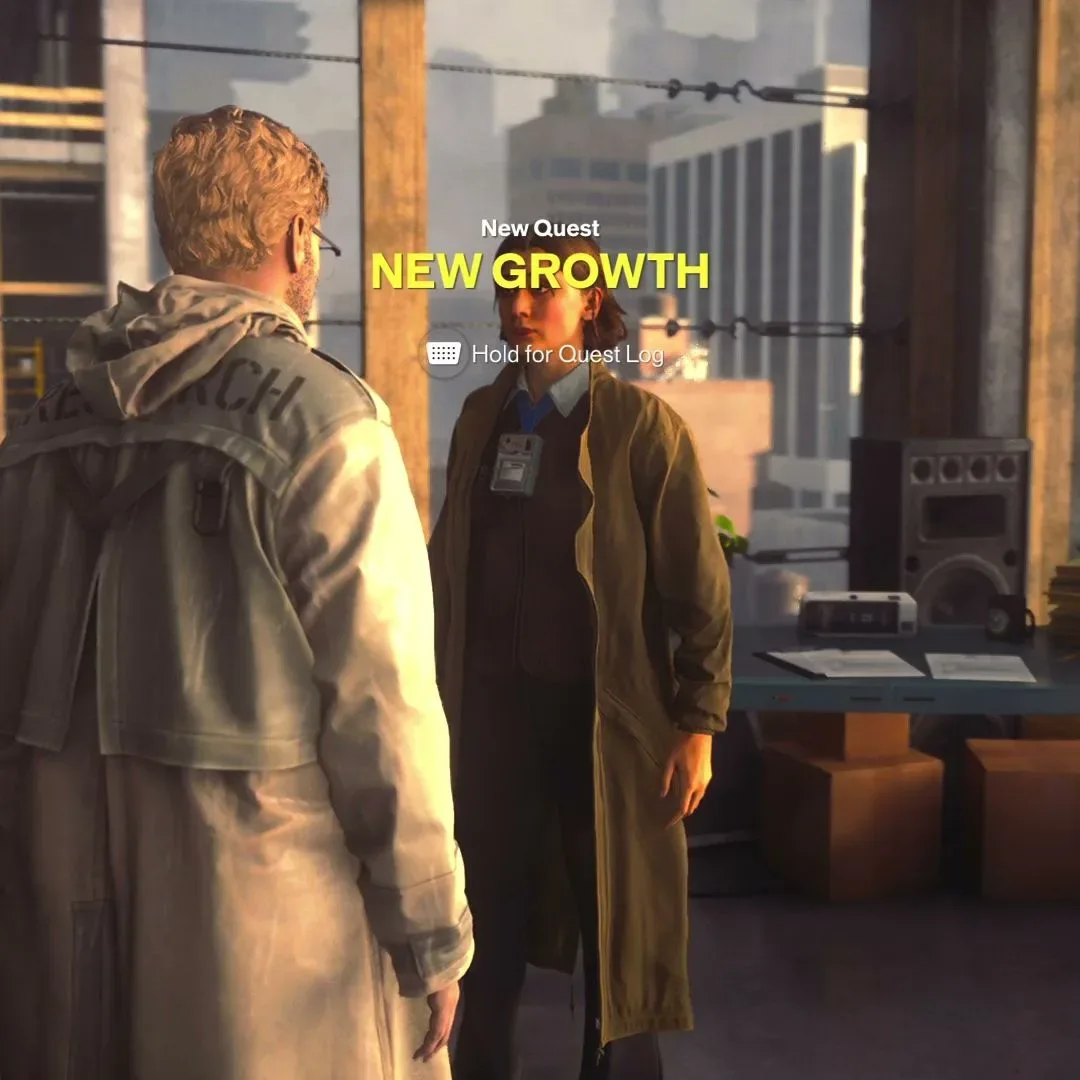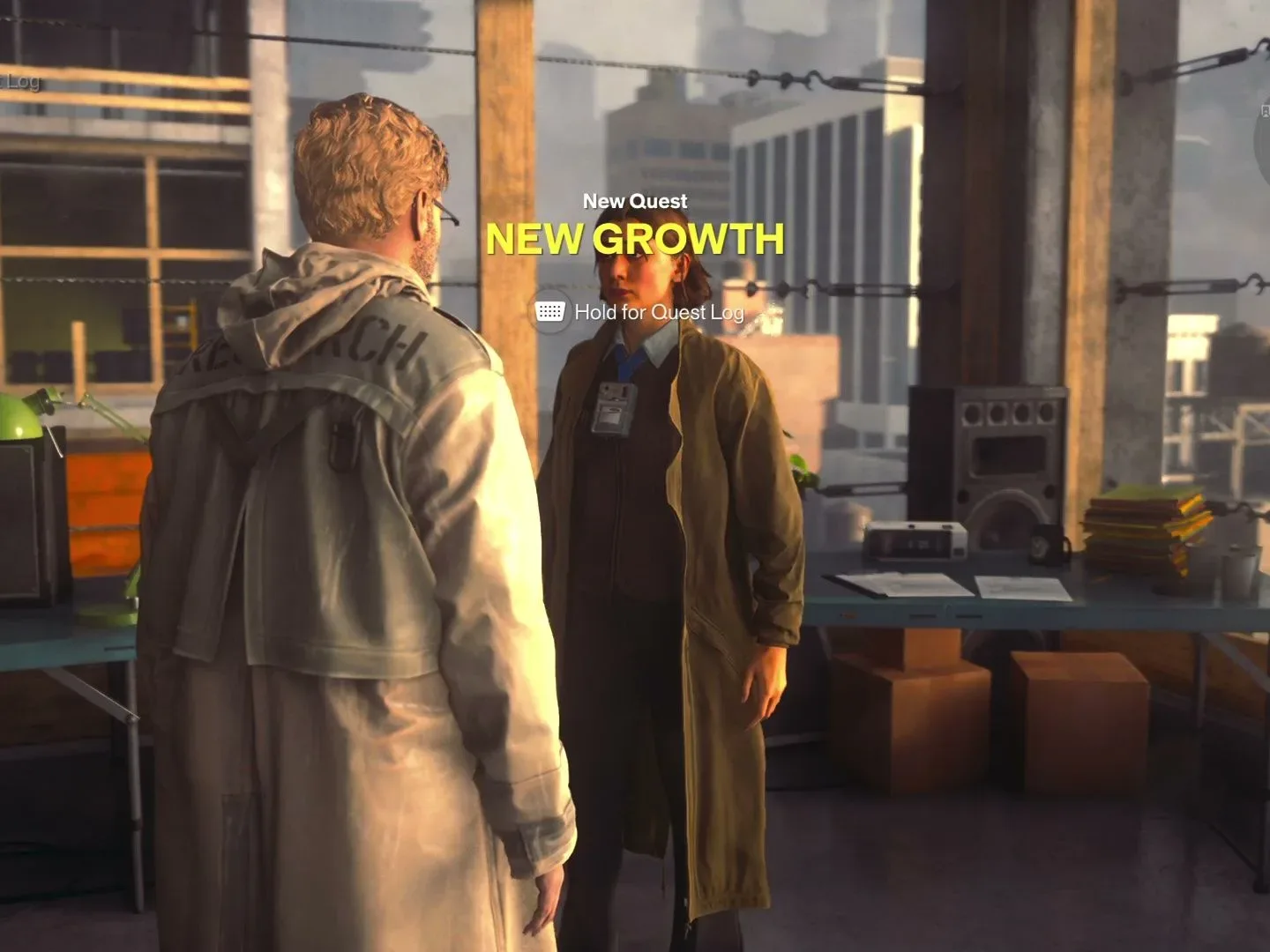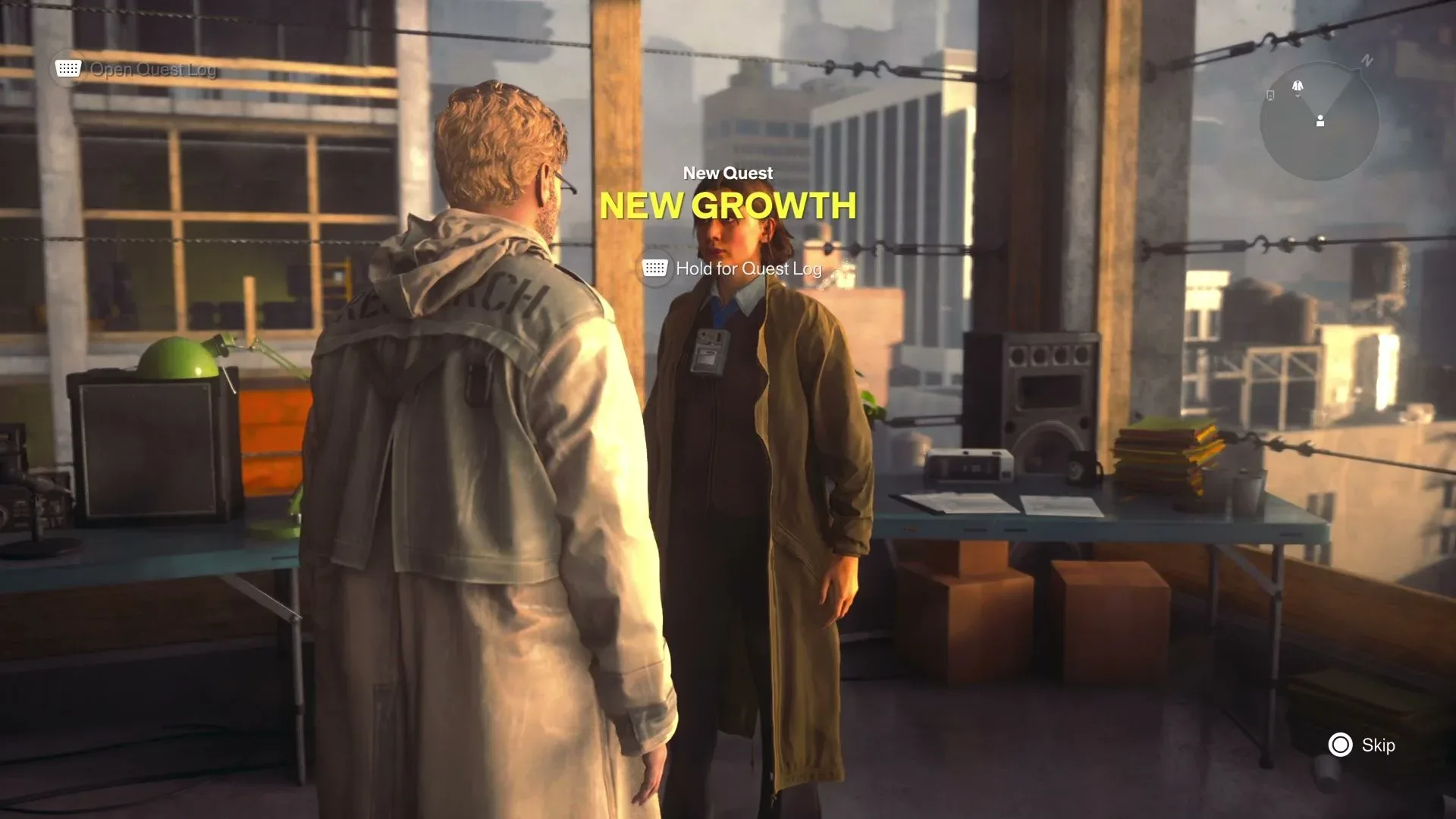
New Growth is a post-story quest in Control Resonant that begins with a missing FBC scientist, turns into a hunt for three Mold test subjects, and ends with a choice concerning Doctor Underhill’s unsanctioned research. The important practical point for anyone worried about locking in a reward is simple: the final decision does not alter the quest’s mechanical payout or produce long-term consequences.
The route can still be easy to lose track of because it moves among The Park, Central Executive in the Oldest House and a sewer laboratory. It also asks players to interpret the behavior of white Mold rather than merely follow a conventional marker. Below is the complete sequence, followed by a clear explanation of the Underhill decision and the Brass Dusters artifact.
How to start New Growth
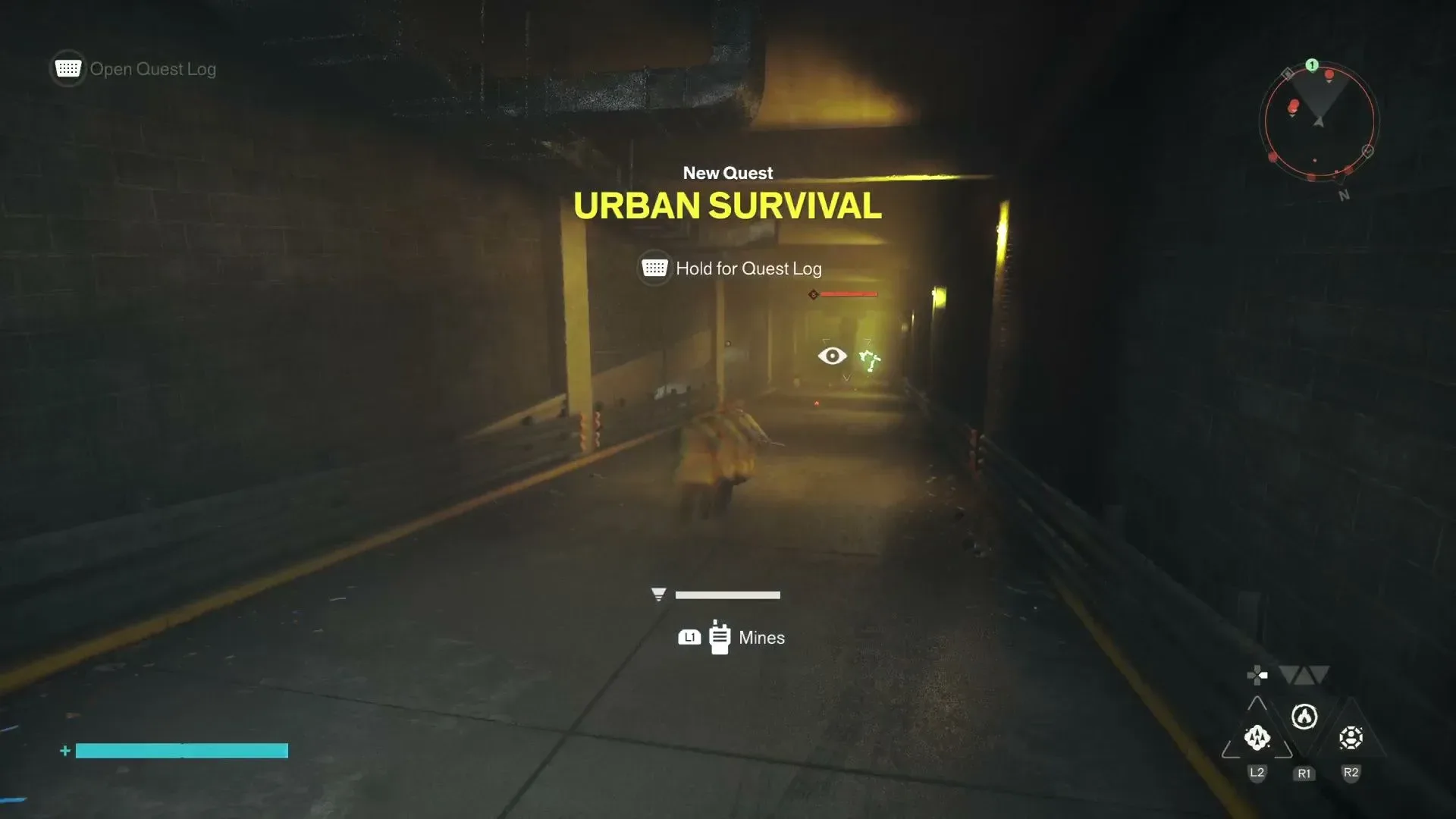
New Growth becomes available after completing the main story. Return to the Watchtower and speak with Zoe again. She points Dylan toward Doctor Underhill, an FBC scientist who was investigating the Mold before disappearing.
The mission’s opening deliberately frames the search as an FBC matter, but its later stages reveal why Underhill is not simply waiting in an office for a routine debrief. Her work is proceeding without FBC supervision, and the disagreement is not just personal: the FBC fears that her approach may worsen an already dangerous situation, while Underhill considers the organization too cautious to properly confront it.
New Growth walkthrough step by step
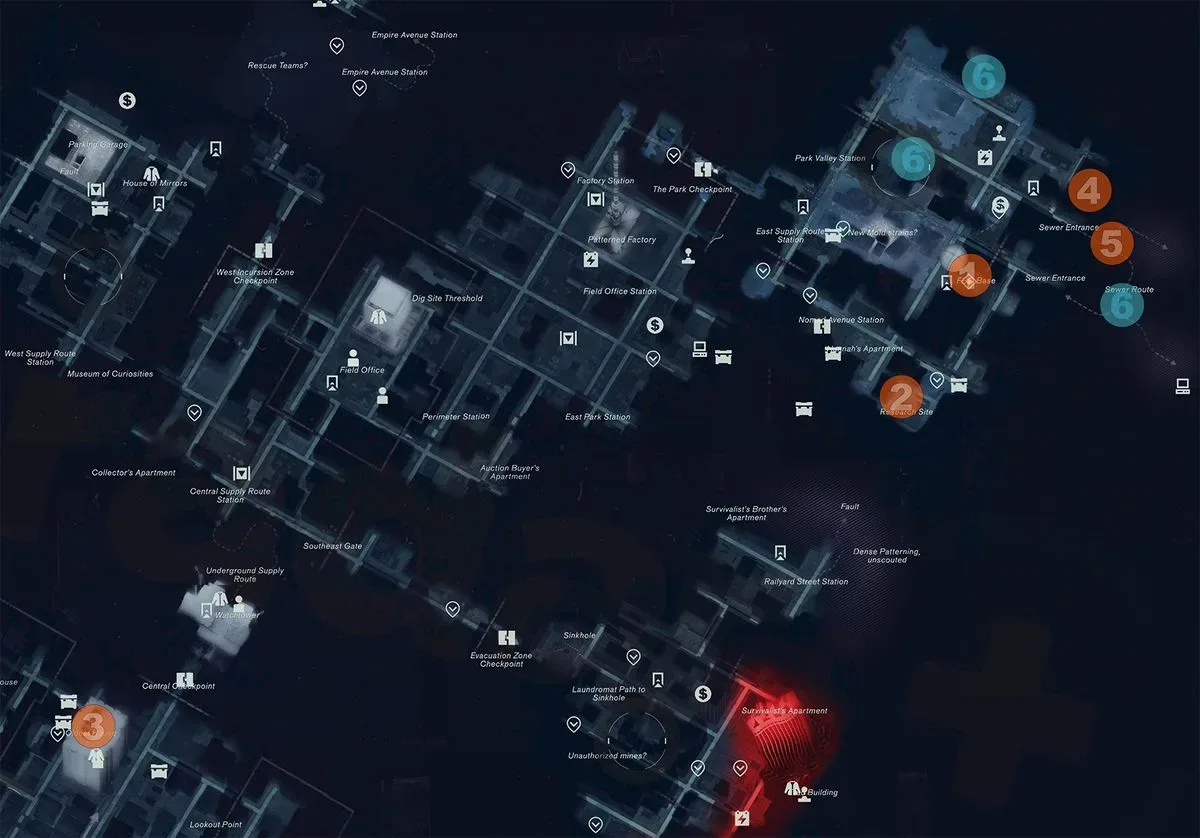
- Ask about Underhill at the FBC Base in The Park. Speak with guard Busken. The conversation directs Dylan to a nearby rooftop.
- Visit Underhill’s last known location. At the rooftop desk, collect both required items: the Level 6 Clearance Keycard and the Resignation Letter. Do not leave after grabbing only one; each is part of the investigation trail.
- Go to Central Executive in the Oldest House. This is the area containing the Fast Travel Door. Use Underhill’s Apartment Key to access the relevant room and read the notes inside. These materials advance the search from her former work location toward her actual hideout.
- Reach Underhill’s apartment building in The Park. Clear the Mold outside before going in. Inside, Dylan finally finds Underhill, who asks for help harvesting from her test subjects.
- Pick up the Test Equipment from the sewer laboratory. This is the gear required for the tracking portion of the quest, so the subject hunt cannot be completed until it has been collected.
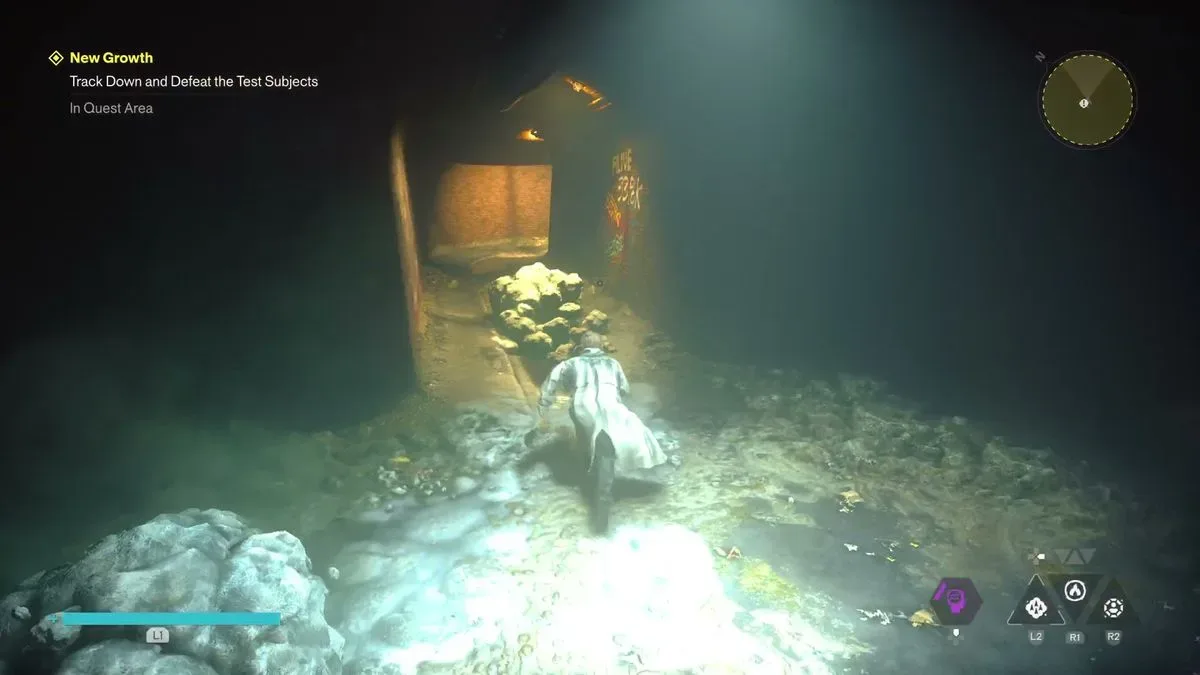
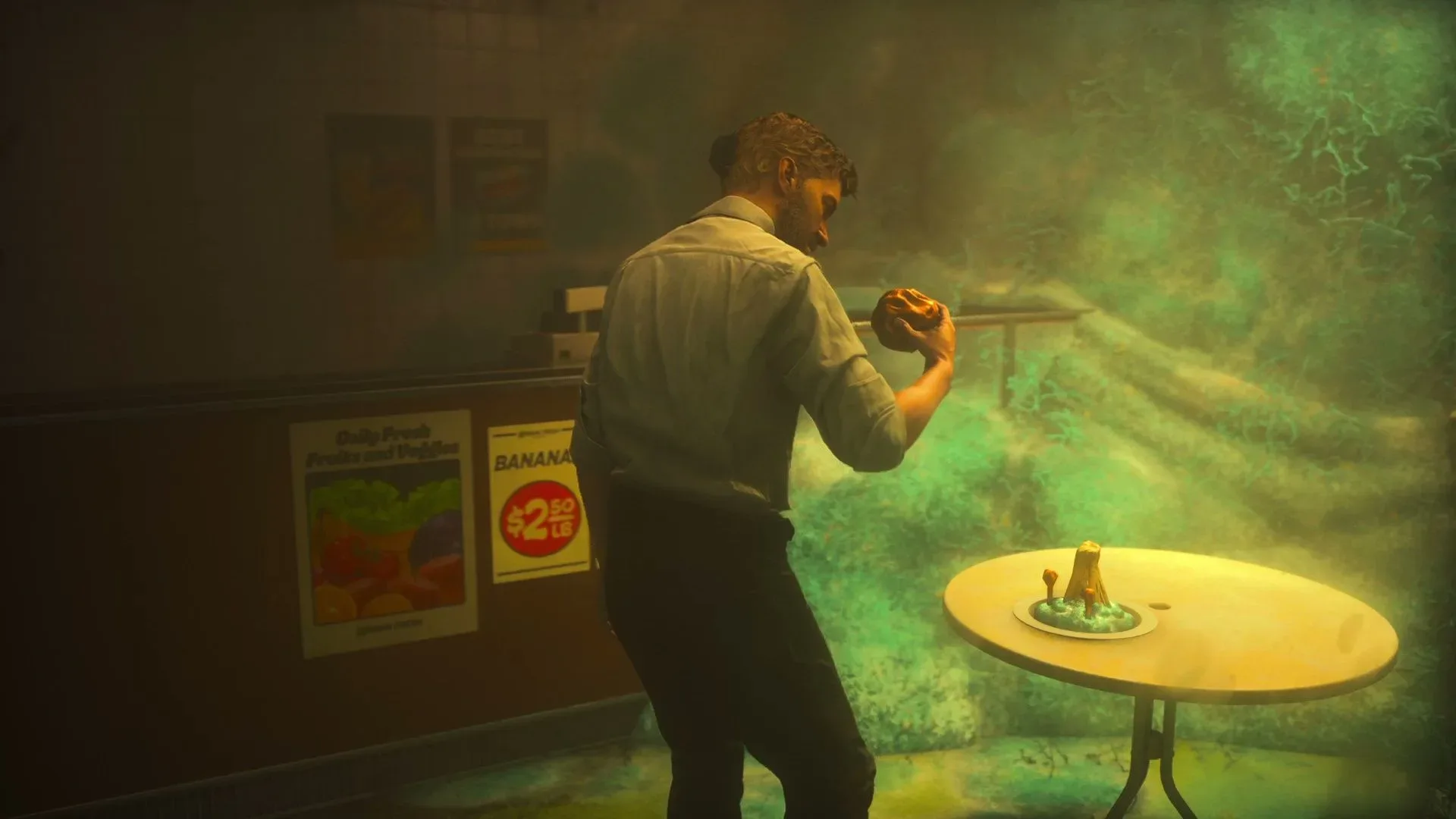
- Find and eliminate all three Test Subjects. Trigger the white Mold and follow it as it crawls away. The Mold functions as the quest’s navigation cue: it leads Dylan toward a target rather than relying only on a static destination marker.
- Follow every branch when the white Mold splits. It can divide and travel in two directions. Treat each split as a branch that must be checked, not as a choice between alternate routes. Visiting every trail is necessary to locate all three subjects.
- Return to Underhill’s apartment. Once the three targets have been killed, revisit Underhill to finish the investigation and make the final call.
How the white Mold tracking works
The Test Subject phase is the only section likely to create confusion. The white Mold is not merely environmental decoration. Once activated, it moves away and points toward the next objective. The job is to follow its path until it leads to a subject, defeat that enemy, and repeat until the objective count reaches three.
The key complication is the split behavior. When the Mold separates, both paths matter. A player who follows one strand to a target and then assumes the other was optional risks leaving a subject behind. Backtrack to the split and trace the second direction before moving on. In this quest, the branching trail represents multiple required leads, not mutually exclusive outcomes.
That distinction is useful beyond New Growth. Games often use visual systems—lights, tracks, particles or moving creatures—to communicate a route without spelling it out in a large objective banner. The safest approach is to watch where the signal originates, note each fork and clear every unexplored branch. For another example of a guide centered on understanding a game system rather than blindly picking up everything in sight, see this explanation of The Witcher 3 Remastered’s Loot Merge setting.
Should you report Doctor Underhill or let her escape?
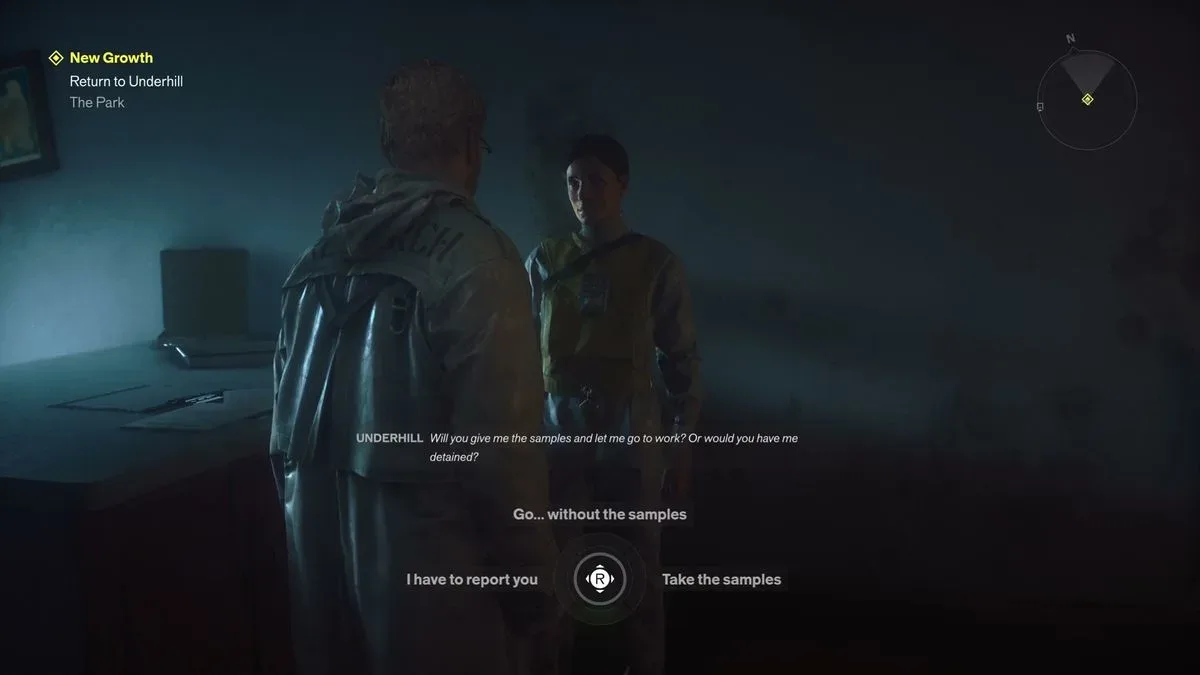
At the end of New Growth, Dylan must decide how to handle Underhill and her Mold research. There are three versions of the decision:
Related coverage includes Control Resonant: New Growth Walkthrough and Doctor Underhill Choice Explained.
- Report Underhill to the FBC.
- Give Underhill the chance to escape.
- Allow her to escape, but keep the samples so she cannot continue the experiments with them.
There is no mechanically superior option. The choice does not change the mission reward, does not create a long-term gameplay consequence, and does not alter the later outcome of the quest in a material way. Zoe will later call Dylan, hear what decision was made and respond with an opinion, but that conversation is the meaningful difference.
That makes this an expressive choice rather than a branching-reward choice. An expressive choice allows the player to define how their character responds to an ethical or narrative conflict while keeping progression consistent. In New Growth, the conflict is clear enough to support different role-playing interpretations: report a scientist operating outside oversight, prioritize her freedom to pursue a possible solution, or choose the compromise of letting her go while removing the samples.
Players seeking the “best” result therefore do not need to optimize around loot, region progression or a future unlock. Pick the answer that fits Dylan’s view of institutional control, scientific risk and Underhill herself. Anyone who simply wants the same combat reward and Park progression can choose any of the three without concern.
New Growth rewards
Every ending awards the Brass Dusters artifact and raises the Zone Level of The Park region.
The Brass Dusters have a pronounced tradeoff: combat abilities deal 50% more damage, but they no longer inflict Falter effects. Put plainly, this artifact exchanges a control-oriented effect for direct damage. Falter is the effect being sacrificed; regardless of how a player normally values it in combat, equipping Brass Dusters means abilities hit harder while giving up that specific effect.
This makes the artifact especially straightforward to evaluate in loadouts built around raw ability damage. Conversely, players who rely on Falter as part of their combat rhythm should recognize that the bonus is not free. The reward is consistent across all Underhill outcomes, so there is no need to choose an ending based on the artifact.
Before leaving the quest
A quick checklist can prevent unnecessary revisits:
- Make sure both the Level 6 Clearance Keycard and Resignation Letter were taken from the rooftop desk.
- Use Underhill’s Apartment Key in Central Executive and examine the notes.
- Collect the Test Equipment from the sewers before attempting the tracking sequence.
- When white Mold splits, return and pursue each branch.
- Confirm that all three Test Subjects are defeated before returning to Underhill.
- Choose the final response based on role-playing preference, not reward concerns.
New Growth’s final scene may sound consequential, but its design separates narrative judgment from progression. The search itself is the part with strict requirements: follow the evidence trail, gather the equipment and fully investigate every white-Mold branch. Once Underhill is found again, the choice belongs to the player—and the Brass Dusters and Park Zone Level increase will arrive either way.