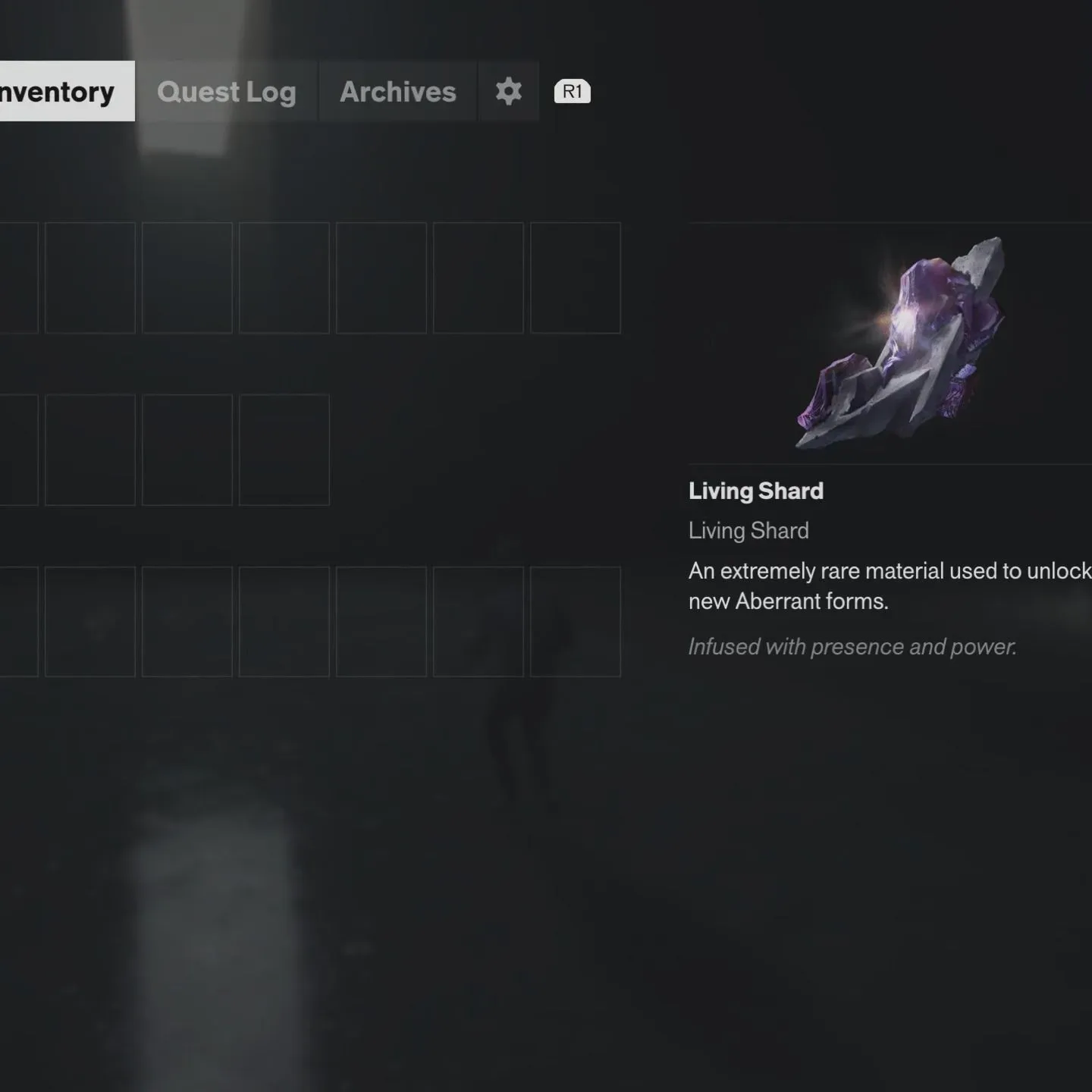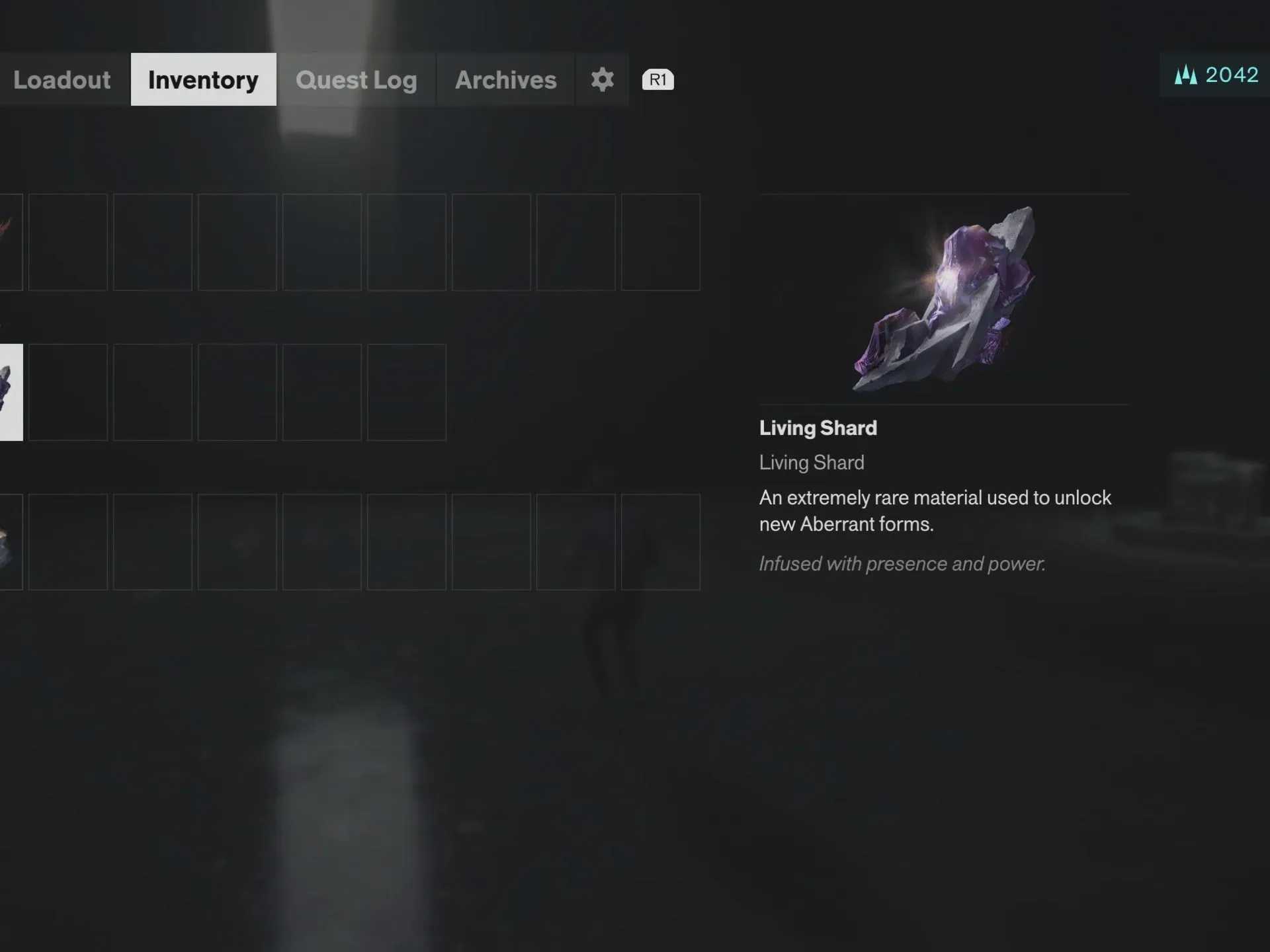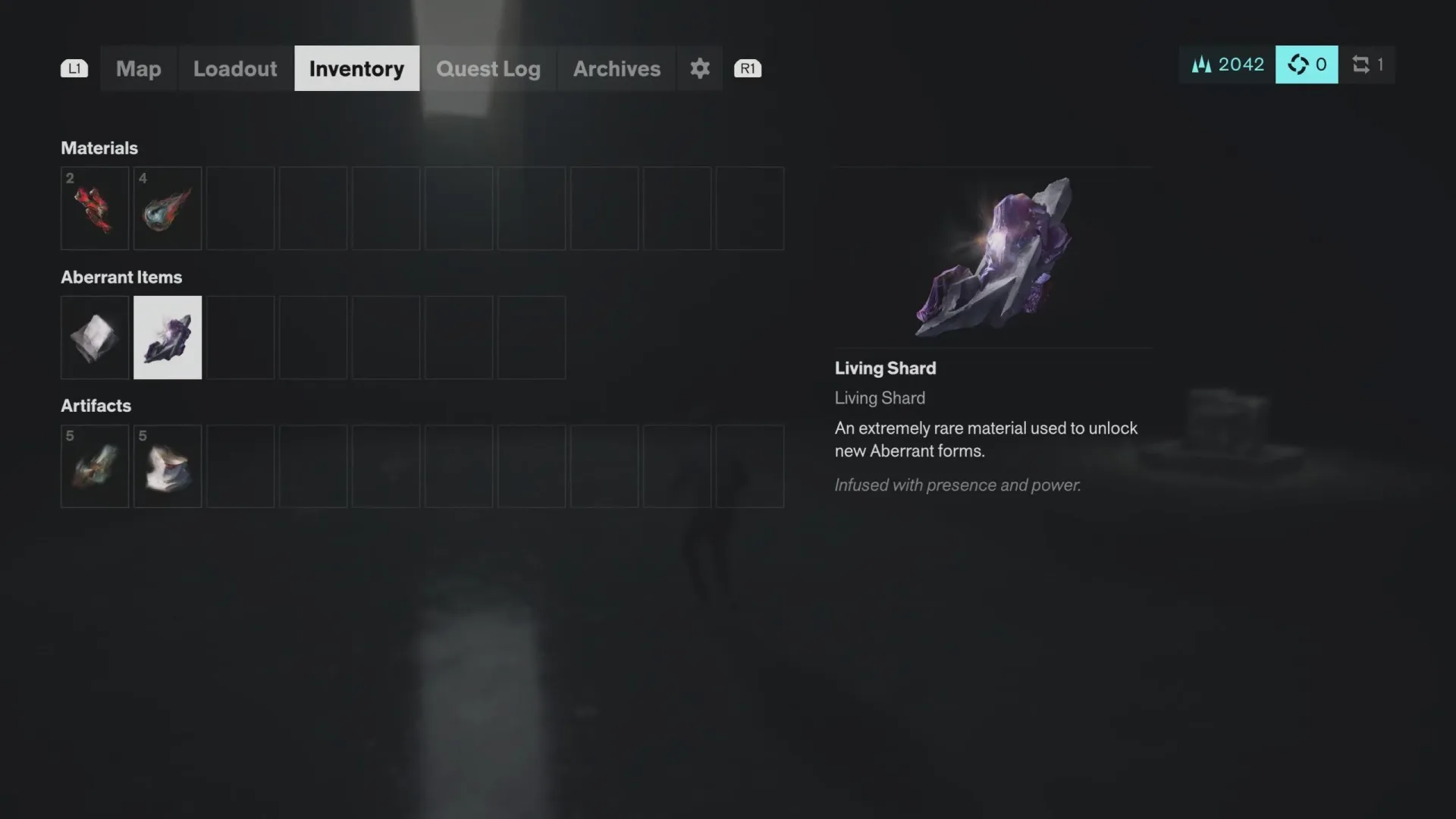
Living Shards are one of the most important progression currencies in Control Resonant. They gate access to new weapons, Aberrant Forms, Combo Finishers, and the final upgrades on each Form’s upgrade tree, so it is natural to start looking for more almost as soon as the game opens those options.
The useful news is that Living Shards are not tied to a single obscure activity or a repeatable loot loop. The core supply comes from moving through the campaign and completing optional work. Vendors can supplement that supply, but their inventory is limited, so buying every Shard on sight is not quite the same thing as discovering an infinite money-to-power shortcut.
How to get Living Shards in Control Resonant
There are three known ways to obtain Living Shards:
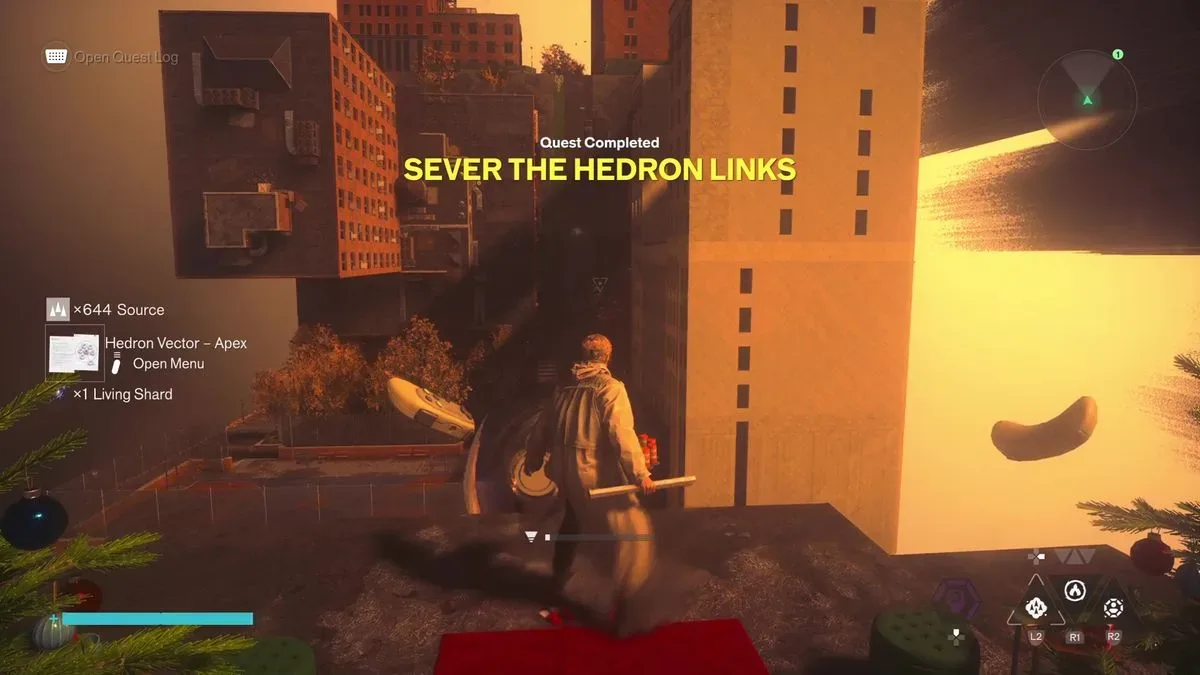
- Complete major story quests. Significant campaign objectives award Living Shards, with these rewards becoming particularly notable later in the game.
- Finish side quests. Optional objectives, including Resonant-hunting activities, can provide additional Shards.
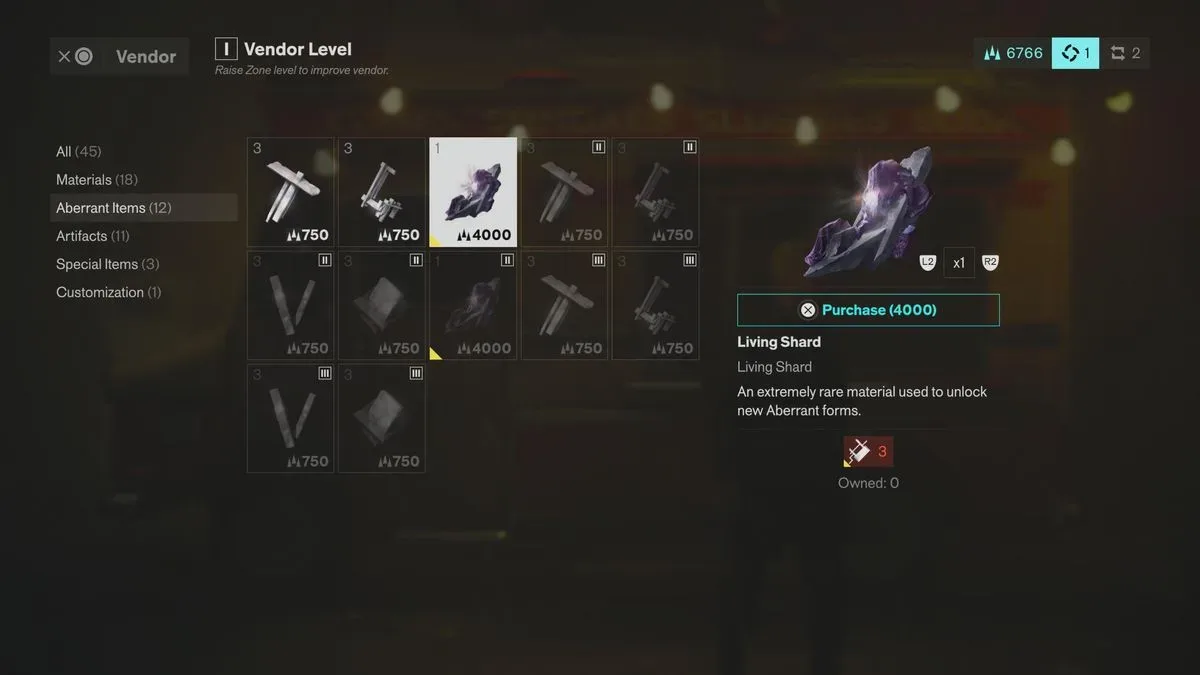
- Buy them from vendors. Every vendor sells Living Shards for 4,000 Source apiece, provided that vendor still has stock.
For most players, campaign progress should be the main answer to a temporary Shard shortage. Major quests reliably feed the upgrade economy, while combat on the way supplies Source that can be used for an occasional vendor purchase. If the next weapon, Form, or end-of-tree upgrade feels just out of reach, advancing the current main objective is generally more productive than assuming a hidden farming method has been missed.
Story quests are the backbone of the Shard economy
Living Shards are deliberately paced around meaningful progress. Major story quests award them, especially toward the latter stretch of Control Resonant, which means the game’s largest upgrade choices are connected to advancement rather than merely to accumulating combat currency.
That distinction matters. Source is the currency earned through combat encounters and spent at vendors. Living Shards are the scarcer resource used to unlock important combat and build options. Source can help close a gap through vendor stock; it does not replace the quest progression that provides the wider Shard supply.
In practical terms, a player who is short on Shards has a simple first check: is there an unfinished main quest? If so, pushing forward is likely the strongest next move. A major story beat may provide the Shard needed without requiring a 4,000-Source purchase.
This also sets sensible expectations for early-game progress. Because weapons and Aberrant Forms can be locked behind Shards from an early point, not being able to immediately purchase everything is part of the progression structure. The available evidence indicates that players should obtain enough over a full playthrough to unlock the majority of purchases, rather than every option arriving at once.
Related coverage includes How to Get Living Shards in Control Resonant.
Side quests provide the best extra opportunities
Side quests are the other direct source of Living Shards. Resonant hunts are specifically included among the optional activities that can reward them, making them worth prioritizing when a desired unlock is close but the next main-story reward is not.
That does not mean every detour needs to be cleared before returning to the campaign. A more efficient approach is to use side quests as a targeted supplement:
- Identify the weapon, Form, Finisher, or upgrade you want next.
- Check how many Living Shards separate you from it.
- Complete available optional objectives, particularly Resonant hunts, if they fit that gap.
- Return to the main story when the optional route is exhausted or when campaign progress is the clearer path to the next reward.
This avoids turning a limited-resource system into unnecessary busywork. Optional content has value because it can accelerate a build choice, while the story remains the most dependable ongoing source of Shards.
Vendor Living Shards cost 4,000 Source — and stock is limited
All vendors sell Living Shards for 4,000 Source each. The important limitation is that these Shards are not sold without end. Vendor stock is finite, so they should be treated as a reserve pool rather than a repeatable farm.
That makes Source spending a real decision. If you have enough Source for a Shard but are uncertain about your next unlock, there is little reason to buy purely out of habit. A vendor purchase is most useful when it immediately unlocks something you plan to use, or when it completes the final requirement for a particularly valuable upgrade.
Conversely, buying a Shard can be sensible when it lets you obtain a new weapon or Aberrant Form that better suits your approach. The point is not to hoard indefinitely; it is to avoid draining limited vendor inventory before knowing which part of the build you want to advance.
Where to find vendors
Vendors are placed around the map, and each one sells Living Shards while supplies last. They also sell Reset Items. The supplied information confirms that vendors can be found through the game’s map, but does not establish specific vendor locations in text, so players should rely on map markers rather than chase an unverified location list.
A Reset Item is used to respec, meaning to reset and reallocate a character’s chosen upgrades or abilities. Respec options can be helpful if an earlier investment no longer fits the weapon or Form you now prefer. For a wider explanation of those choices, see our Control Resonant abilities, traversal powers and respec guide.
What Living Shards unlock at the Gap
Living Shards are spent in the Gap hub area. Their uses cover several different layers of combat progression:
- New weapons: additional combat tools gated behind Shard spending.
- Aberrant Forms: Forms are major playable options that also have their own upgrade trees.
- Combo Finishers: new finishing moves for the combat toolkit.
- Final Form-tree upgrades: the capstone upgrades at the end of each Form’s progression tree.
A Combo Finisher is an advanced move used to conclude a combat sequence. An upgrade tree is a structured set of improvements in which later choices may require earlier investments. The final upgrades mentioned here are therefore not just another early pick; they are the end point of a particular Form’s path and likely deserve more deliberate planning.
Because Shards affect both breadth and depth, there is no universally correct purchase order in the information available. Buying a new weapon or Aberrant Form broadens your options. Investing toward a final Form upgrade deepens an option you already use. The better choice depends on whether your immediate problem is a lack of variety or a desire to strengthen an established setup.
How to prioritize Shards without getting stuck
If your goal is to make steady progress without regret purchases, use a simple priority order.
- Advance the story first. Major quests are the fundamental Living Shard supply and become especially rewarding in the late game.
- Use side quests to bridge small gaps. Resonant hunts and other optional tasks can earn extra Shards when you are near a desired unlock.
- Spend Source at vendors selectively. At 4,000 Source per Shard, and with finite stock, vendor purchases work best as a supplement rather than the whole plan.
- Purchase for a purpose. Prioritize an unlock that changes the way you want to play now, rather than automatically buying every available Shard.
- Keep respec in mind. If a future build shift is possible, remember that vendors also carry Reset Items. Do not assume an early choice must define the entire playthrough.
The central lesson is that Living Shards are intended to create pacing. They are scarce enough to make new weapons, Forms, Finishers, and capstone upgrades feel consequential, but major quests and optional content steadily add to the total. Vendors provide a useful pressure valve for players with enough Source, not an unlimited replacement for exploration and campaign advancement.
Quick answers
Can you farm unlimited Living Shards?
No unlimited vendor supply is indicated. Vendors sell a limited quantity, while major and side quests are the stated sources for earning Shards through play.
How much does a Living Shard cost?
Each vendor Living Shard costs 4,000 Source.
Should you buy Shards from vendors immediately?
Only if the purchase unlocks something you actively want. Since stock is limited and story progression awards more Shards, it is reasonable to save Source until a purchase completes a meaningful goal.
Where are Living Shards spent?
They are spent at the Gap hub area on weapons, Aberrant Forms, Combo Finishers, and final upgrades in each Form’s upgrade tree.