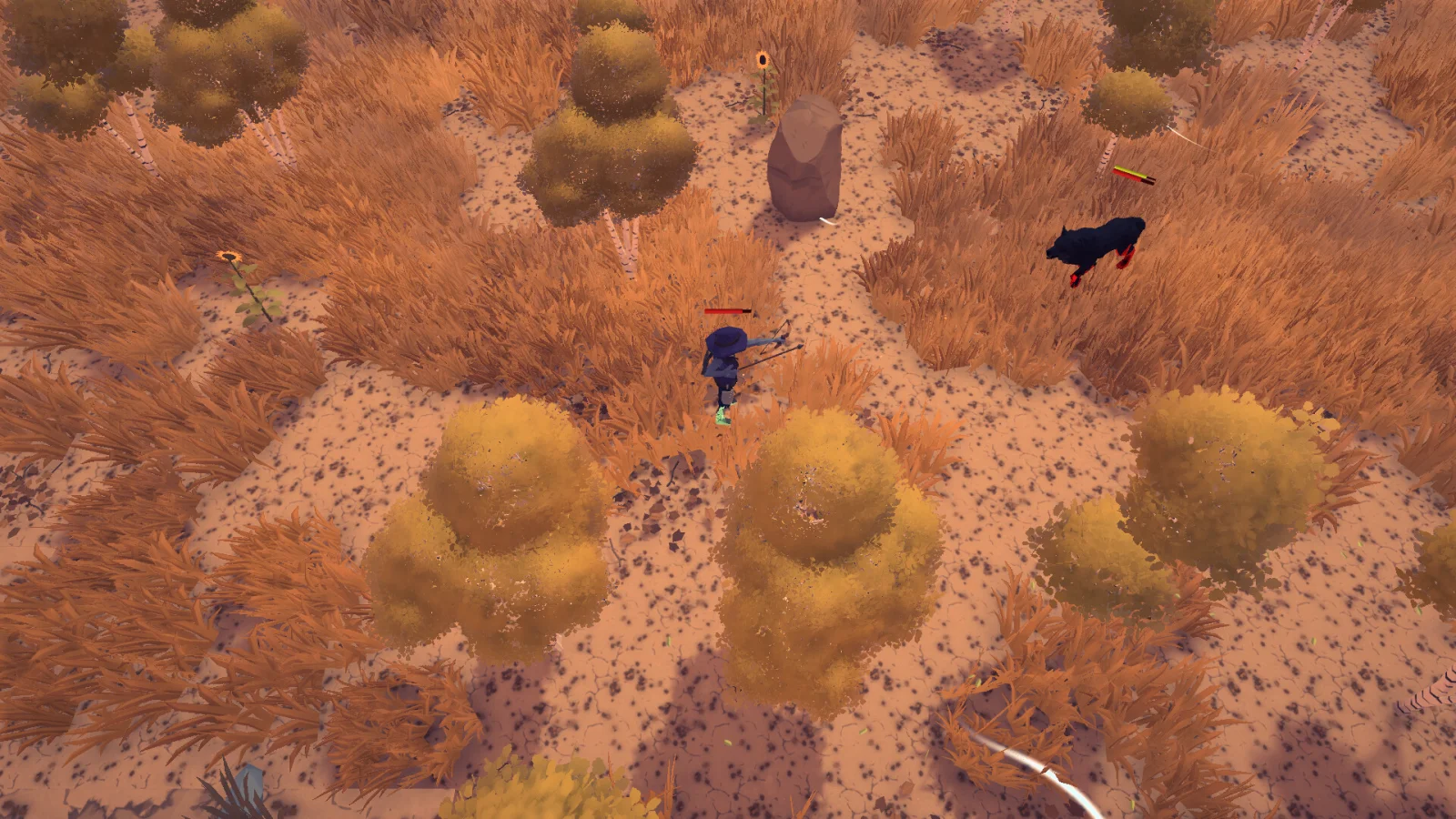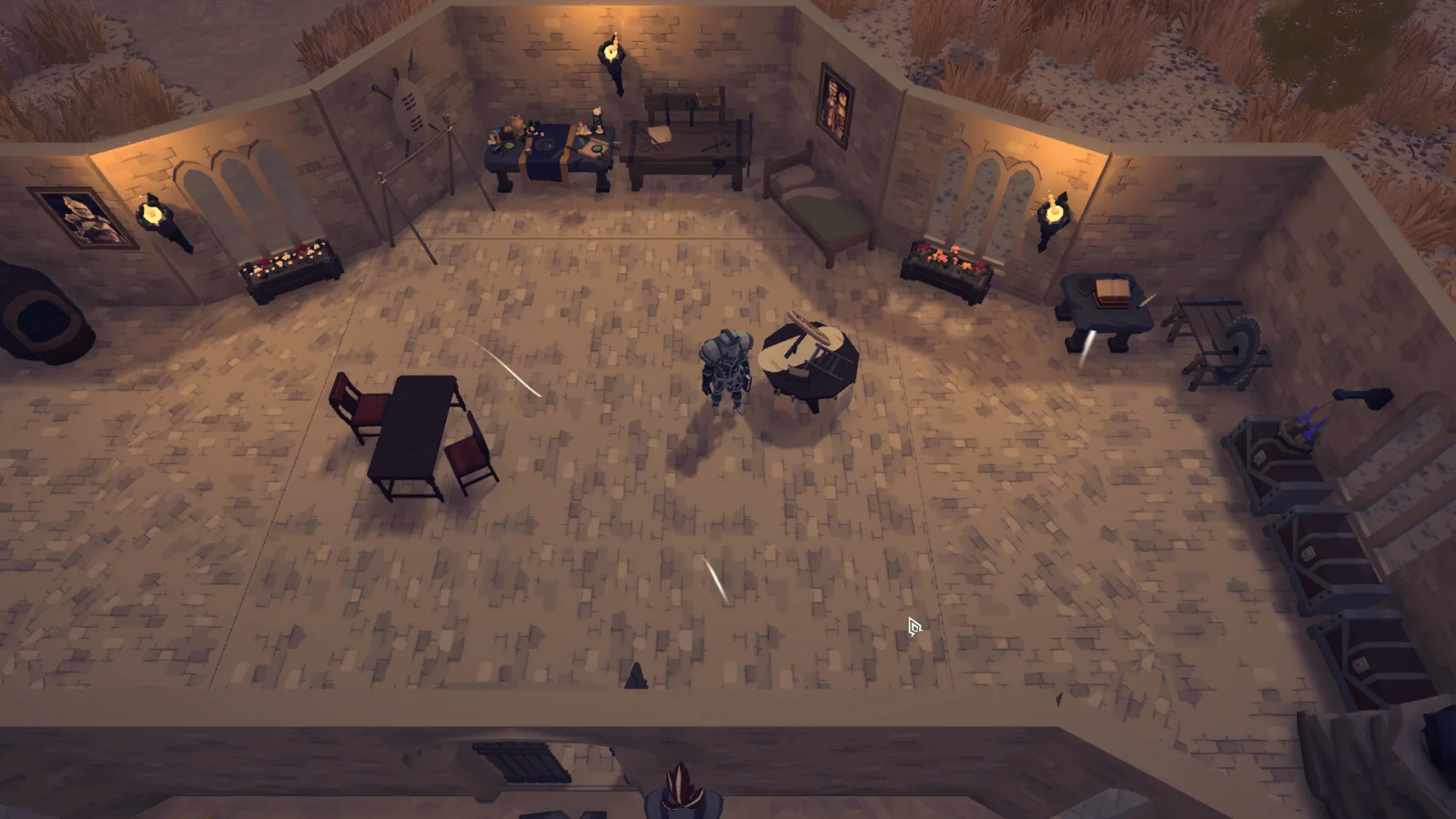
Until North Ends is an Early Access survival-crafting game for Windows PC, not a finished 1.0 release. That distinction matters more than any individual feature on its extensive current list. Unknown Hex has already put a sizable set of connected activities into the Steam version: procedurally generated Nordic-styled worlds; travel between islands by sail; caves and dungeons; melee and ranged combat; base building; farming; cooking; brewing; smelting; alchemy; leather work; and character progression. It supports solo play and online co-op.
On paper, that is a broad survival-game proposition. In practice, the useful question for a prospective buyer is whether the present build offers a satisfying relationship between its systems, while accepting that its range and refinement remain subject to change. The available evidence points to a game with an appealing low-poly Nordic atmosphere and a relaxing farming, building and exploration rhythm, alongside reported shortcomings in explanations, combat depth and content variety. That makes Until North Ends easier to recommend to Early Access regulars who value a promising craft-and-shelter loop than to players who need a fully developed survival adventure immediately.
A world built around leaving shelter and returning to it
Survival-crafting games frequently live or die on the connection between an outward journey and the work done at home. Until North Ends has the ingredients for that relationship. A player can build a base, develop practical crafts, grow plants, make food and drink, and produce equipment. Beyond the shelter lie procedurally generated worlds, islands, caves and dungeons, with sailing and combat establishing travel and exploration as meaningful parts of the advertised package.
The interesting tension is between comfort and exposure. Farming, cooking, brewing and decoration can make a settlement feel like a personal project rather than a disposable workbench. Meanwhile, sailing to islands and entering caves or dungeons suggests a reason to leave the safety and familiarity of that space. If exploration supplies materials, opportunities or goals that feed back into construction and crafting, the loop can give even modest discoveries lasting value. A newly made piece of gear or a better prepared food supply then becomes more than a menu result: it becomes preparation for another trip outward.
That relationship is especially important in a game with a Nordic-styled presentation. The setting alone does not create a sense of place, but a shelter can become a strong anchor when the surrounding terrain is a place to navigate, gather from and revisit. Procedural generation may help each world begin with different spatial arrangements, but it does not automatically ensure memorable destinations. The lasting appeal will depend on whether islands, caves and dungeons provide purposes that continue to matter once the initial urge to look around has passed. The current materials establish their presence, not the depth or repeatability of every location type.
A published solo hands-on account found the combined farming, building and exploration rhythm relaxing. That is a useful signal for players seeking a less relentlessly punitive mood than the genre can sometimes offer. It should not be mistaken for proof that every player will find the same pace calming, especially because survival expectations differ sharply from one audience to another. Still, it identifies a potentially valuable identity for Until North Ends: a game where domestic projects and travel sit alongside each other rather than competing for attention.
Crafting is the likely spine of progression
Crafting is not presented as one isolated discipline. Until North Ends lists equipment crafting, smelting, alchemy and leather work, while farming, cooking and brewing expand the set of things a player can create or cultivate. Character progression is also confirmed. Together, these systems position making and improving things as a central route through the game rather than a brief opening chore.
That breadth can support several player motivations. Someone interested in building may care most about creating and decorating a shelter. A more expedition-minded player may look to equipment and preparation before travelling. Farming can potentially turn a fixed home area into an ongoing responsibility, while cooking and brewing may give gathered or grown resources a further purpose. Alchemy and leather work expand the fantasy of a settlement functioning as a workshop, not merely a storage location. None of that guarantees equal depth across every discipline, but the range makes the game’s intended direction clear.
The strongest version of this design would make the crafts feel mutually reinforcing. Materials found while exploring could make workshop tasks worthwhile; workshop output could make the next journey feel more deliberate; a base could organize those activities into a place worth maintaining. Character progression may provide another layer of long-term direction, although the available information does not specify its form or how it interacts with equipment. It would be premature to fill in those details.
The solo hands-on reporting describes progression through crafting as motivating. That is encouraging because progression is where an expansive feature list either becomes a coherent game or remains a catalogue. A craft system is compelling when players can understand why a new goal matters and see how their efforts move them toward it. The same reporting says explanations can be thin, however, which directly complicates that promise. If a game relies on interlocking production paths, clarity is not cosmetic. Players need enough guidance to recognize useful options and form their own plans, particularly early in an Early Access lifecycle.
Thin explanations do not necessarily mean the systems lack substance. They can instead mean that experimentation and outside discovery carry too much of the teaching burden. Some survival-crafting fans enjoy untangling recipes and finding their own priorities. Others want the game to communicate its basic possibilities more cleanly before asking them to choose a direction. Until North Ends appears better suited, at present, to buyers comfortable with learning through discovery and adjustment than to those who require consistently explicit onboarding.
Combat and travel broaden the fantasy, but reported limits matter
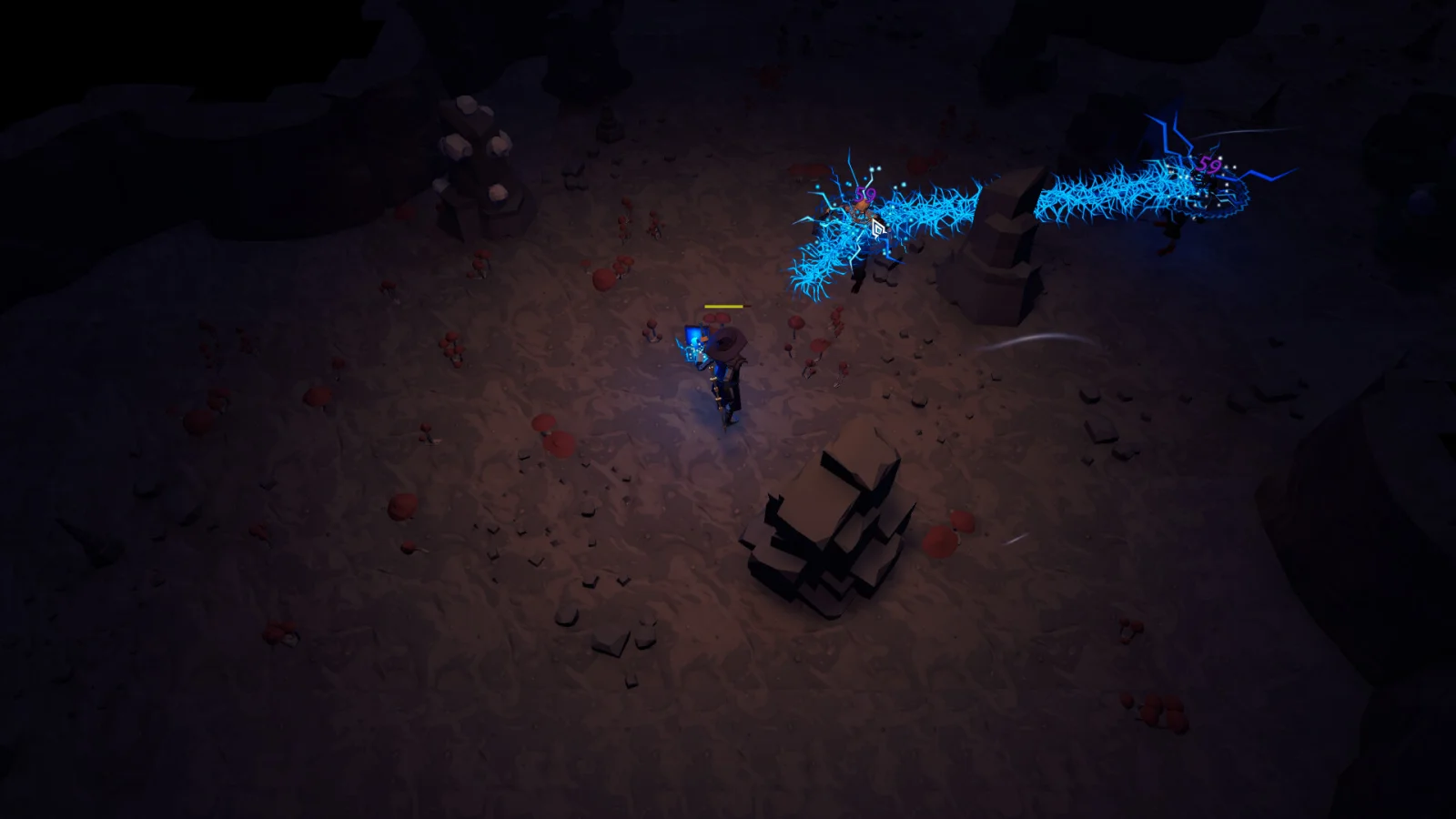
Combat is a confirmed part of Until North Ends, including melee and ranged options. Official promotional material also highlights bows and a chain-lightning approach. Those details establish that the game is not solely about peaceful settlement management. They do not establish the full set of combat options, enemy behaviours, challenge curve or the precise role fighting plays in exploration, so those questions should remain open for prospective buyers.
The available hands-on critique says combat is not yet especially deep. For an Early Access game, that can be a manageable limitation if combat is an occasional complement to gathering, travel and crafting. It becomes more consequential if a buyer expects a combat-led adventure where mechanical variety and tactical decision-making carry the experience. The distinction is worth making before purchase. The advertised ingredients allow encounters to give expeditions stakes, but the present evidence does not support treating combat as the game’s defining strength.
Sailing is similarly important as a statement of scope. Moving among islands should give geography a role in the play loop beyond simply walking from one resource cluster to the next. It can make preparation, supplies and a return journey feel more tangible in principle. Yet the supplied information does not define how sailing handles navigation, hazards, customization or co-op responsibilities. Buyers should value it as a confirmed method of travel, not assume a particular nautical simulation or adventure structure.
This is where the relaxing-shelter promise and survival-expedition promise meet. A quiet base activity can make an uncertain trip feel like a change of tempo; a trip can make returning with resources feel rewarding. But neither half automatically strengthens the other. The game’s future updates will need to improve and expand the connective tissue as well as add more objects or areas. A larger list of items is valuable only if it creates clearer choices and more compelling reasons to engage with the world.
Procedural worlds promise variety, not a finished supply of it
Procedurally generated Nordic-styled worlds are a meaningful feature for a survival-crafting game because they can change the layout of a fresh world and support repeated starts. They should not be confused with proof of endless authored variety. Procedural generation can provide novelty in arrangement while still depending on the available biomes, points of interest, resources and activities for its long-term texture.
That qualification is particularly relevant here because the published hands-on critique identifies content variety as limited at this Early Access stage. This is not a contradiction with the game having procedural worlds, islands, caves and dungeons. It is a reminder that world generation and content breadth are separate questions. A buyer who mainly wants to establish a base, experiment with the current crafts and explore the existing framework may find enough to investigate. A buyer seeking an already expansive catalogue of environments and discoveries should treat the present version more cautiously.
The developer hopes to remain in Early Access for about two years and says it plans to add biomes, items and customization with community feedback. Those are stated development intentions, not promises or completed features. They make the direction understandable: broaden the world, expand what players can make or use, and provide additional ways to personalize the experience. They cannot tell a buyer exactly when those additions will arrive, in what form, or whether the overall timeline will hold.
That uncertainty is not an unusual warning for Early Access; it is the central purchasing condition. Buying now means evaluating the current game first, then deciding whether its existing loop is attractive enough to justify interest in possible growth. It is not sensible to purchase solely for future biomes, future items or future customization. The best-case roadmap may make the game more varied, but a buyer should be satisfied with the systems already confirmed in the released build.
Solo now, co-op as an available option
Until North Ends supports both solo play and online co-op. The available hands-on account concerns solo PC play with mouse and keyboard, so it offers a narrower indication of the current experience than a full evaluation across modes would. It does confirm that the game is not dependent on finding companions before a player can engage with its core mix of gathering, making, building and exploring.
Co-op naturally fits the stated set of systems in a broad sense: different players may be drawn to building, farming, crafting, travel or combat. However, the available evidence does not establish how duties are shared, how progression works in a group, or how the game handles practical co-op considerations. Those details should not be assumed. Players primarily interested in a coordinated group survival game would be wise to assess the current Steam build and its latest official information for the specifics that matter to them.
For readers considering other unfinished PC projects with prominent design questions, this PC assessment of an ambitious hybrid offers a related perspective on why clarity matters while a game is still developing.
Early Access verdict
Until North Ends already has a credible framework for a Nordic survival-crafting game: build a home, work through several crafting disciplines, grow and prepare resources, make equipment, travel among islands and take on caves or dungeons. The appeal is not simply the number of activities. It is the prospect that a calm, customizable home can give exploratory journeys purpose, and that those journeys can bring materials and momentum back to the home.
At the same time, the current caveats are substantial and specific. Guidance can be thin, combat has been characterized as comparatively shallow, and content variety is reportedly limited at this stage. The game’s future additions are aspirations, not guarantees. Steam’s current 30 user reviews, 86 percent of them positive, are a favorable but very small snapshot; they are not enough to establish a broad consensus.
For patient Early Access players who enjoy the idea of a low-poly Nordic world where settlement work and expeditions can support one another, Until North Ends has a promising present-day foundation. For players who want deep combat, a richly varied finished world or firm certainty around future content, waiting for further development is the more measured choice. Its potential is evident in the way its systems could connect; its unanswered question is how thoroughly that connection will be developed over time.