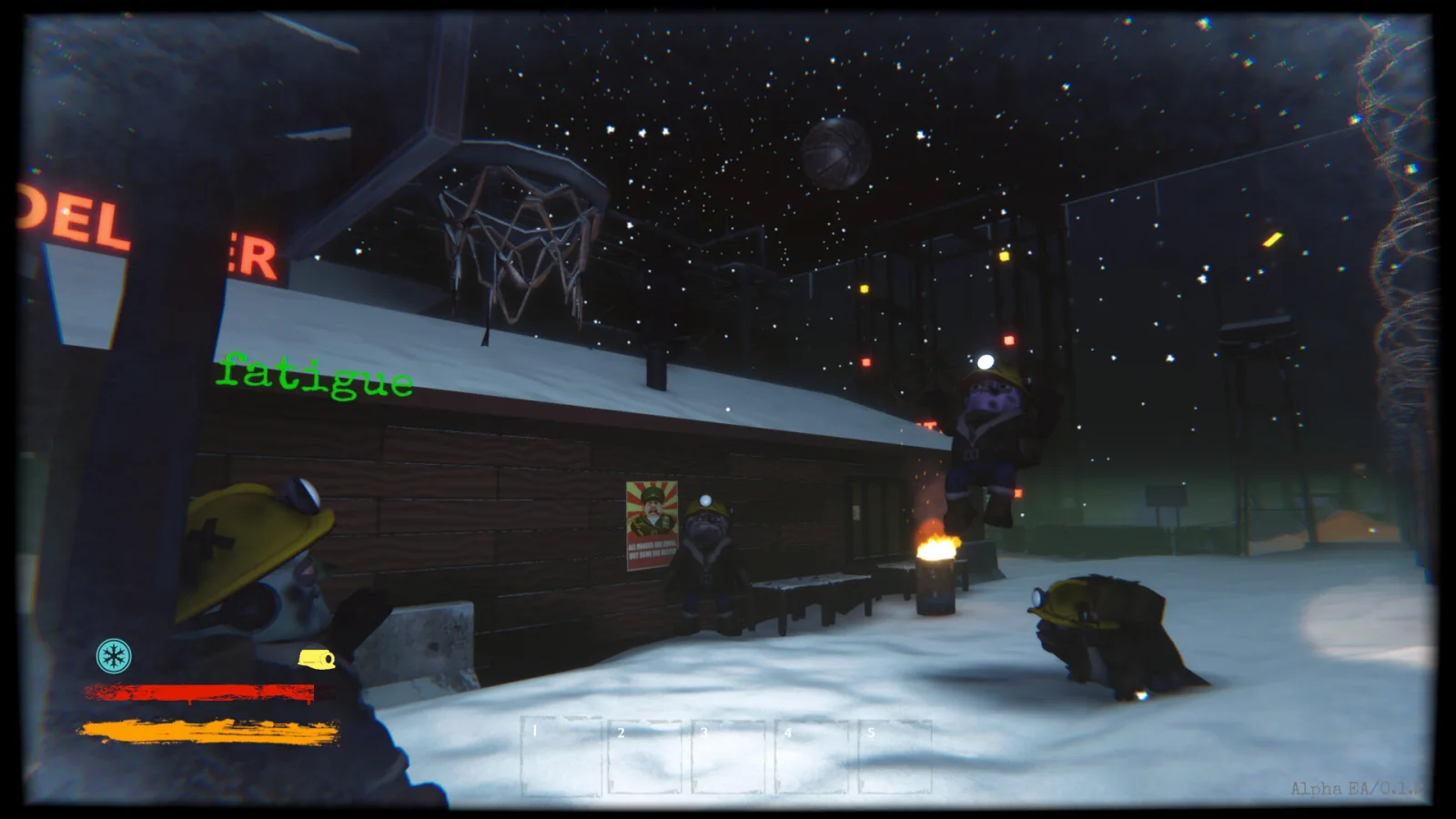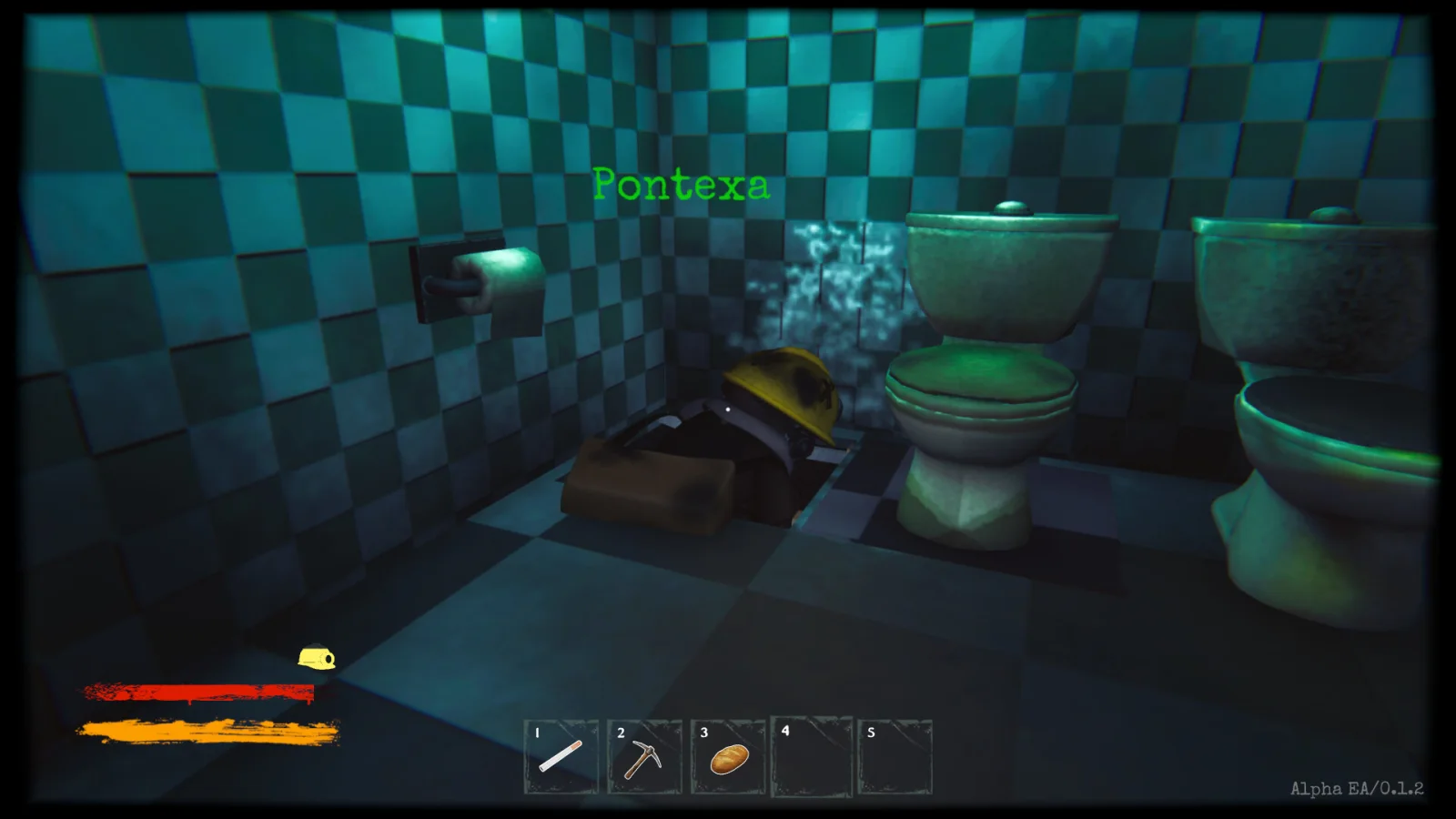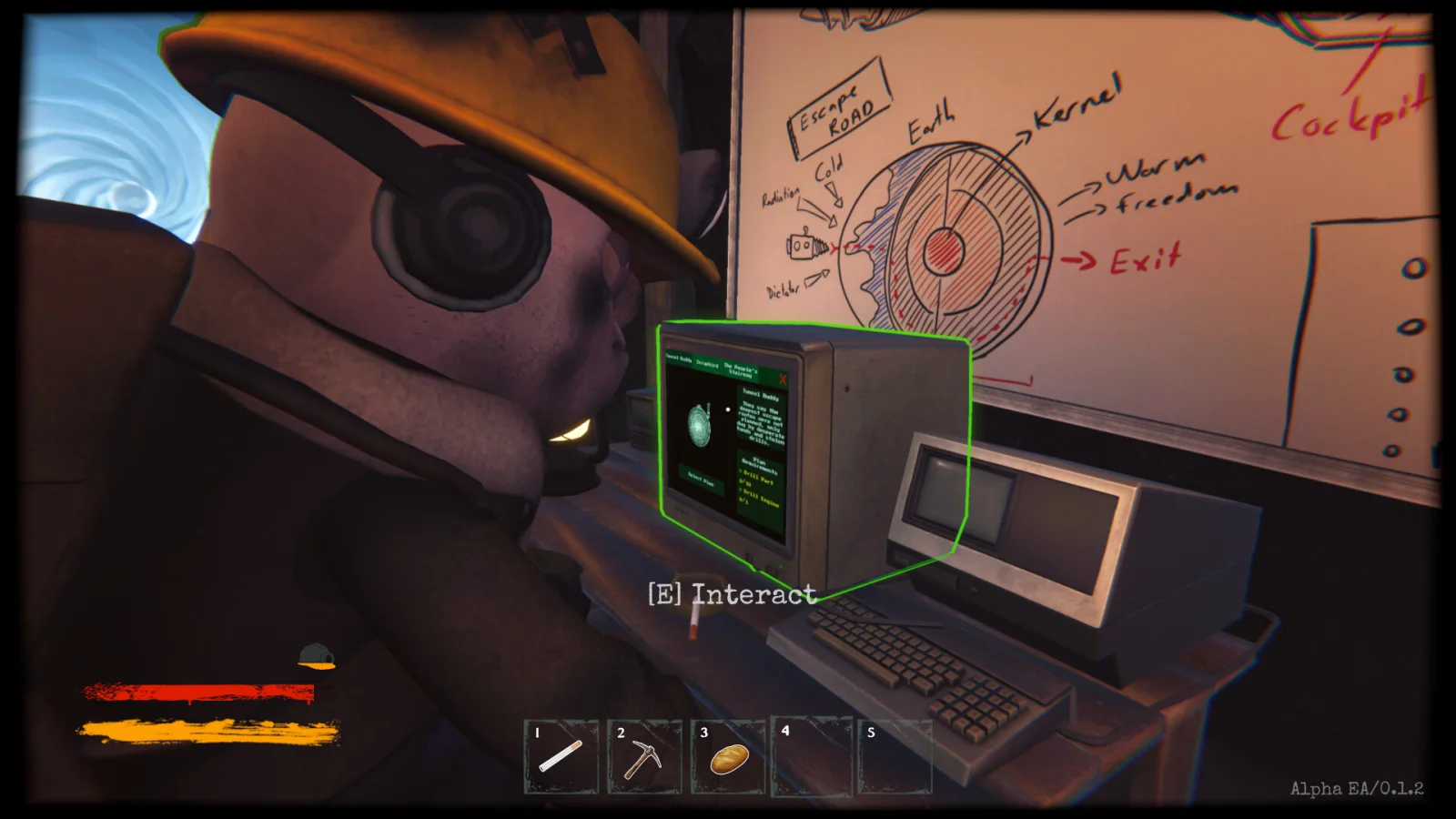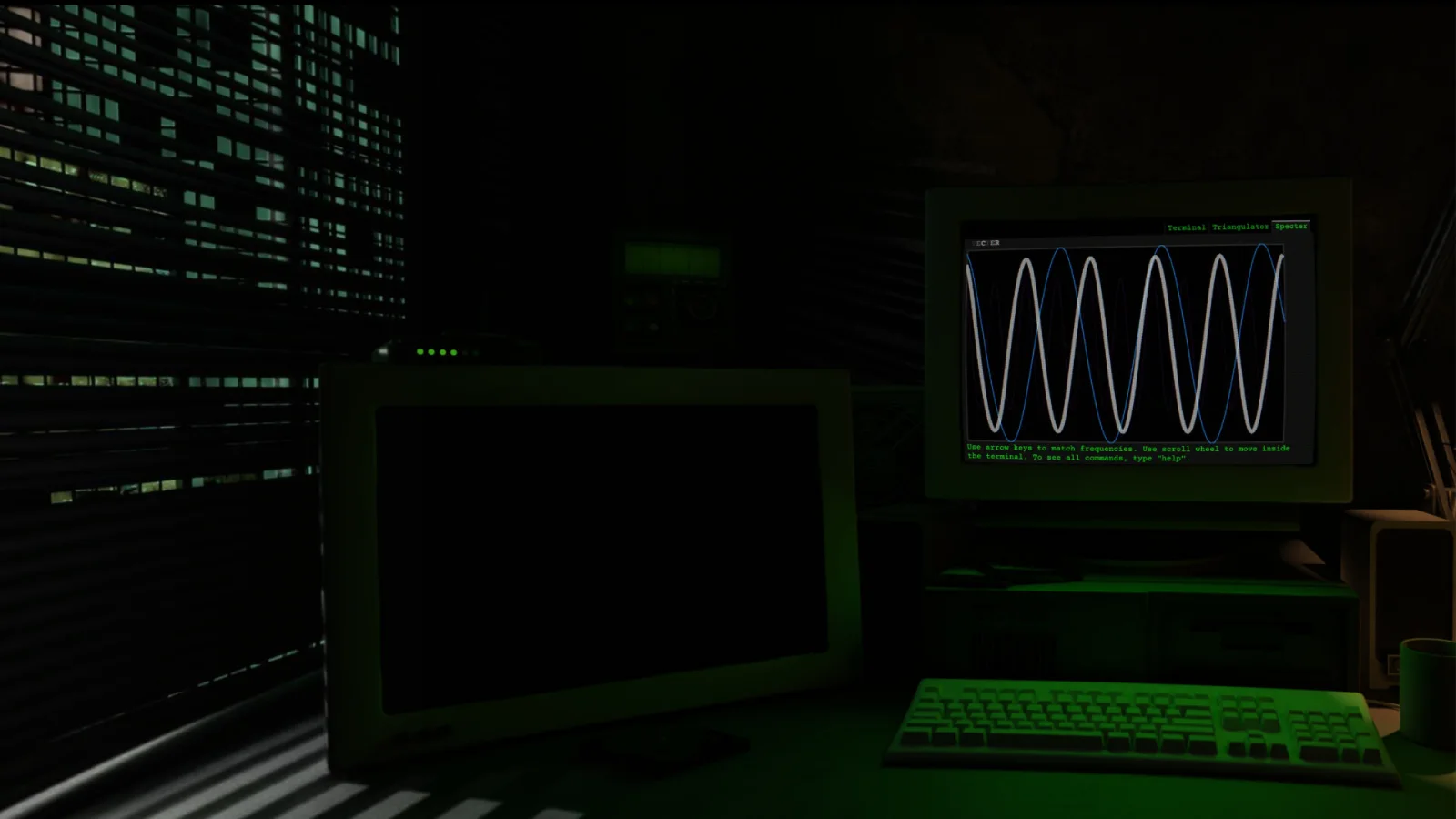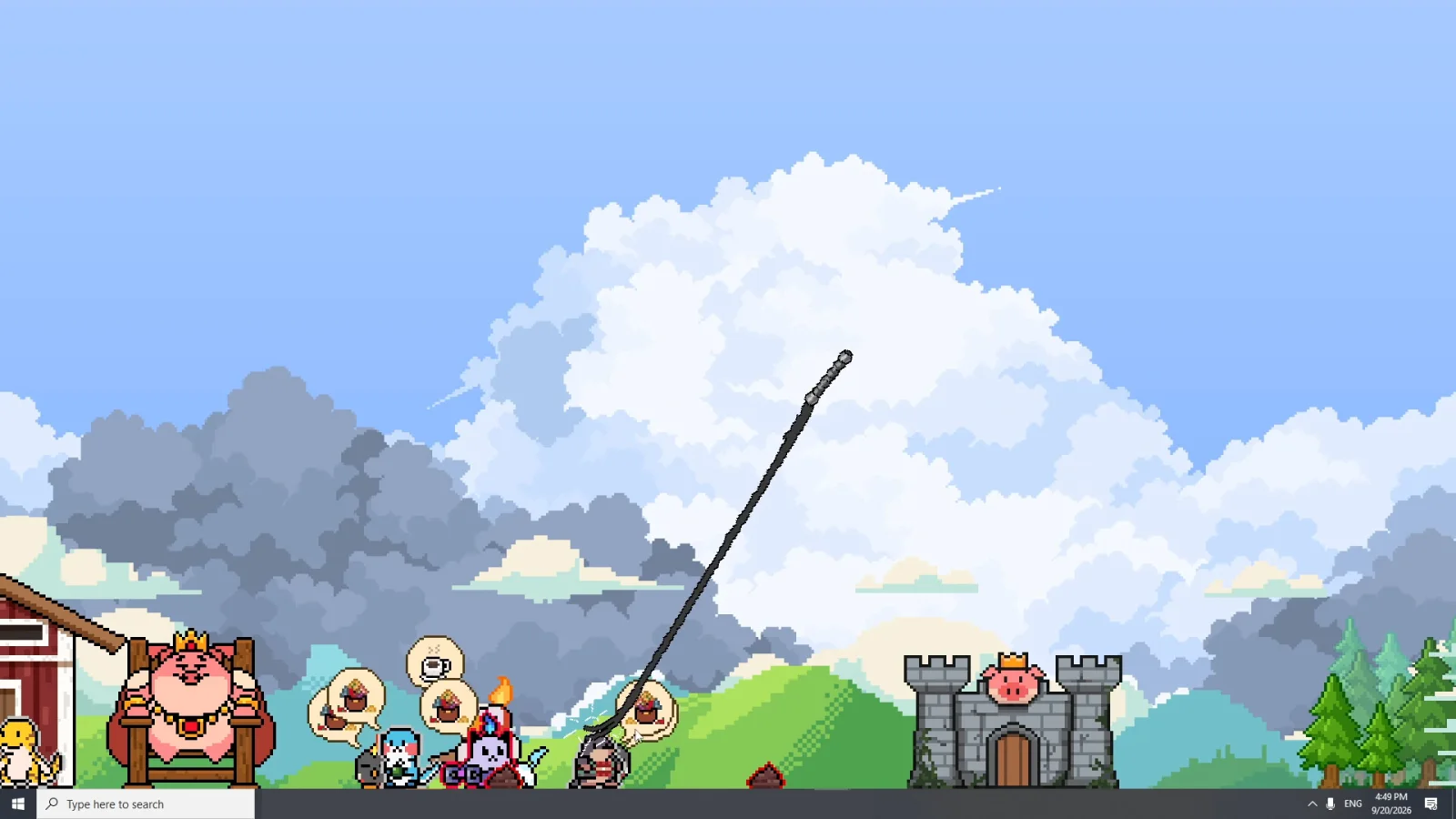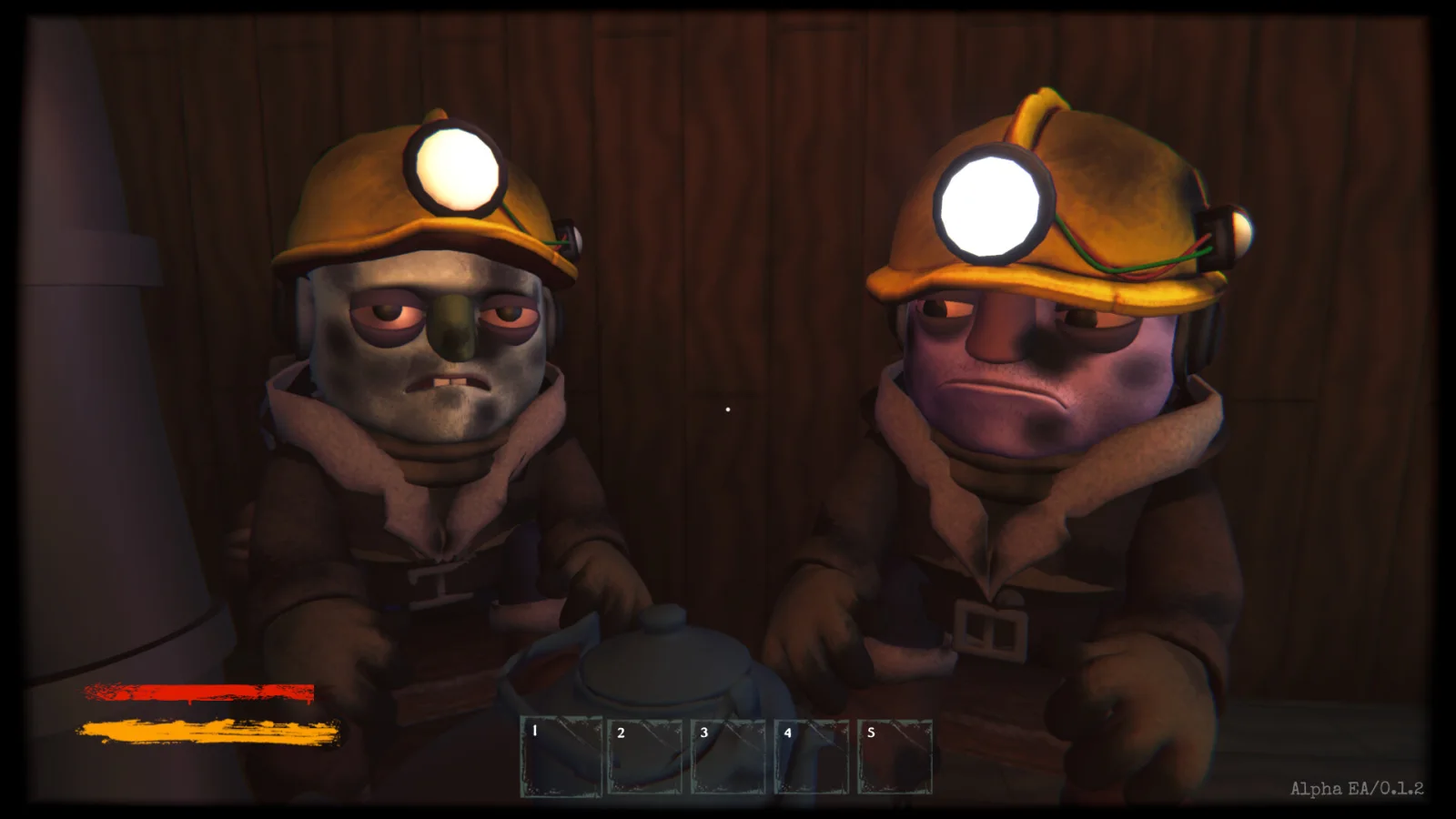
Coal Duty is announced as a one-to-five-player cooperative extraction horror-comedy for PC, built around procedural mines, a state coal quota, tickets, proximity voice chat, and multiple escape routes. Its stated ingredients point toward a deliberately unruly kind of group survival game: the team is not simply trying to reach a finish line, but is expected to gather enough coal while also finding a way out. That basic arrangement matters because it gives every expedition two potentially competing measures of success. Collection is the job; escape is the condition for getting away with it.
As of October 1, 2026, Coal Duty and its public demo are not available. Early Access is planned for October 2026, while the public demo is planned for October 8, 2026. Those are separate plans, and neither date should be read as a guarantee. The announced design already poses a clear question: can the quota, communication rules and escape routes reinforce one another? The forthcoming demo should make those interactions easier to judge.
A quota changes the meaning of leaving
Extraction games often derive their strongest decisions from a simple uncomfortable fact: the safest moment to leave may arrive before the most profitable one. Coal Duty’s announced state coal quota could give that familiar tension a clear, legible target. A team that has not met quota has an obvious reason to continue digging or searching. A team that has reached it may still have to decide whether the sensible move is immediate departure, further collection, or a detour toward a different route out. The quota can turn “one more room” from a reflex into a collective calculation.
The word state also gives the goal a potentially comic bureaucratic edge. Horror-comedy works especially well when something alarming is placed beside an obligation that is absurdly ordinary, petty, or impersonal. Being underground in danger is one thing; being underground because an authority demands a coal number is another. That contrast could support Coal Duty’s announced tone without requiring the game to dilute its tension. The comedy need not make danger harmless. Instead, the quota could make the pressure feel more ridiculous precisely because it remains consequential.
Whether this premise works will depend on information and pacing that are not yet public. Players should watch how plainly the quota is communicated during an expedition. Is a team able to understand its current position and make a meaningful call, or does the target become background text that is easy to forget? Do tickets create a clear additional constraint, and can players tell how tickets relate to their options? Those are not requests for a simplified game. In a co-op extraction structure, readable information is what makes disagreement productive. A group can only debate risk if its members understand what is being risked.
The best version of this setup would leave room for different attitudes within the same group. One player may argue that meeting the quota is enough. Another may regard a nearby opportunity as worth the delay. A third may be focused on the available exits rather than the coal total. Coal Duty does not need to manufacture a dramatic script if its stated objectives already encourage competing priorities. The crucial open question is whether its systems offer sufficiently understandable trade-offs for those priorities to be more than noise.
Proximity voice chat could make distance a decision
Coal Duty’s announced proximity voice chat is more than a social checkbox in a game about procedural mines. In principle, it can make physical separation affect communication itself. A group that stays together may retain the easiest coordination, while people who split up could gain coverage or speed at the cost of less dependable conversation. The mine would then shape not only where players go, but what they can tell one another while going there.
That possibility is a particularly natural fit for horror-comedy. Close-range chatter can carry reassurance, bad advice, accidental interruption, and panic in the same breath. Farther away, reduced communication can transform a minor uncertainty into an anecdote waiting to happen: someone may have found coal, an exit, or simply a reason for everyone else to stop treating the silence as a joke. None of that establishes how Coal Duty will feel in play. It identifies why proximity chat belongs to this premise when it is implemented with clear audio behavior and an understandable relationship to distance.
It also raises accessibility and group-comfort questions the demo may illuminate. Voice-centered co-op needs players to be able to follow important information in a chaotic environment, and teams do not all communicate alike. Some groups arrive with friends and a shared shorthand; others may be smaller, quieter, or less inclined to split up. The announced one-to-five-player range makes the latter point especially relevant. A full five-person team could distribute attention across several tasks, but fewer players may approach the same mine with different priorities. The demo should show whether the basic expedition remains coherent at less than maximum capacity, rather than assuming five voices will always fill every gap.
That does not mean every team size needs to create identical tactics. Variation is part of the appeal of co-op. A smaller group could potentially feel more intimate or more exposed, while a larger one could face coordination problems of its own. The standard worth watching is simpler: does the announced range appear to support viable group play across its span, with choices that follow from the number of people present? Until the demo is playable, that remains an important unanswered question rather than a conclusion.
Procedural mines and multiple exits point toward replayable judgment
Procedural mines and multiple escape routes are two announced features that could complement one another. Procedural spaces may prevent players from relying entirely on a fixed memorized path. Multiple exits, meanwhile, could give a team alternatives once it has decided that leaving is the priority. Together, they suggest a game interested in navigation as judgment: not just finding a way forward, but assessing which available way is appropriate for the current coal total, ticket situation, group location, and level of confidence.
The important word here is could. Procedural generation is not automatically variety in the meaningful sense. It may create different layouts while still producing the same answer to every run. Likewise, several exits only become strategically interesting if they are legible enough to compare and distinct enough to alter a decision. The future demo is the first useful opportunity to examine whether locations are readable under pressure, whether the team can communicate a plan around the mine, and whether an escape route feels like a considered choice rather than a symbol encountered at random.
Risk communication will be especially important. If exits are meant to present different implications, Coal Duty will need some way for groups to understand those implications before they commit. Too much certainty could flatten tension; too little could make failure feel detached from judgment. The promising middle ground is information that is incomplete but actionable. A team should have grounds for a debate even if it cannot guarantee a clean result. That is where the game’s quota and voice-chat ideas could meet most effectively: players compare partial knowledge aloud, then decide who is taking responsibility for the call.
For a related examination of how a deadline can turn simple space-reading into a larger design question, see this feature on mine-based pressure and decision-making. Coal Duty’s announced setup is different, particularly because it is cooperative and extraction-focused, but the broader question remains useful: can a game make its pressure understandable enough that players feel challenged by the decision, rather than merely surprised by the result?
A hub can make repeated runs feel connected
Between expeditions, Coal Duty is announced to have a persistent hub with barracks, a workshop, a tavern, and a smuggler. This is a strong thematic counterweight to the procedural mine. The mines may change from run to run, but the hub can offer a consistent place for the group to regroup. Its named locations suggest a space that can combine practical preparation with social texture: barracks imply an area tied to the crew, a workshop implies making or maintaining something, a tavern implies downtime, and a smuggler implies dealings outside official channels. Those are implications of the names, not confirmation of particular interactions or mechanics.
The key test is whether persistence produces meaningful continuity. A hub is most useful when it helps players understand what has carried over from an expedition and when it gives them choices that matter to the next one. The announced workshop and smuggler may be central here, but their specific functions have not been established. Players should therefore look for the nature of any upgrades or preparations, not presume they exist in a particular form. If the hub does affect future choices, the next question is whether those choices invite contrasting group plans instead of functioning as automatic chores between mine runs.
The tavern is also worth watching as a tonal signal. Horror-comedy needs places where the game can breathe without abandoning its identity. A persistent social space could let Coal Duty make the mine’s institutional premise feel lived-in, giving groups time to discuss the previous outing before the next quota summons them underground. But the eventual result will depend on how much purpose and personality the hub has in the playable build. Its presence alone establishes continuity as an ambition, not its success.
Who should keep an eye on the demo?
Coal Duty looks most immediately suited to players who enjoy cooperative extraction structures because they value the conversation around a run as much as its outcome. The announced quota, tickets, and several exits suggest a format in which groups may have to negotiate when enough is enough. Fans of horror-comedy may also find the bureaucratic coal premise appealing, particularly if they want tension framed by an intentionally ridiculous workplace-like mandate rather than a wholly solemn horror setup.
Players interested in procedural replayability should temper expectations until the demo demonstrates what procedural mines mean in practice. Likewise, people primarily seeking a solo game should note the announced format begins at one player, but there is no basis yet to state how a solo run compares with a cooperative one. The one-to-five-player listing establishes availability as an intended range; it does not establish equal pacing, challenge, or appeal at every team size.
The planned October 8 demo is the appropriate point to move from design possibility to concrete evaluation. Watch the first expedition’s pacing, the clarity of the quota and ticket systems, the viability of teams below five players, and the way exits communicate their risks. Watch whether proximity chat makes separation and reunion matter to a group plan, rather than merely supplying atmosphere. Finally, watch the hub: not simply for its four announced locations, but for whether any persistent preparation or upgrade choices create real continuity between expeditions. Coal Duty’s pitch already has a coherent pressure loop on paper. The demo’s job is to show whether its coal quota, changing mines, social communication, and escape choices all pull in the same direction.