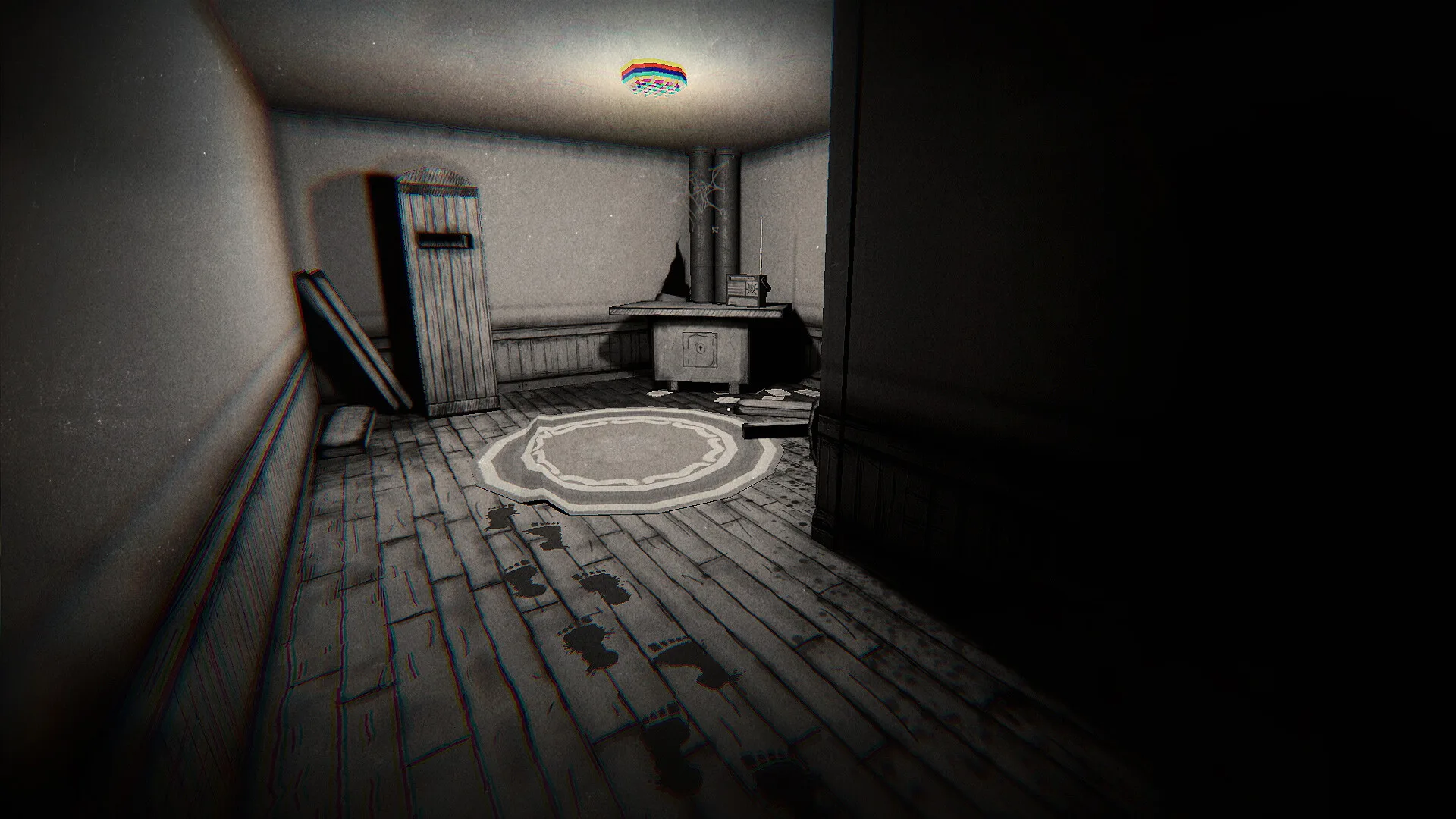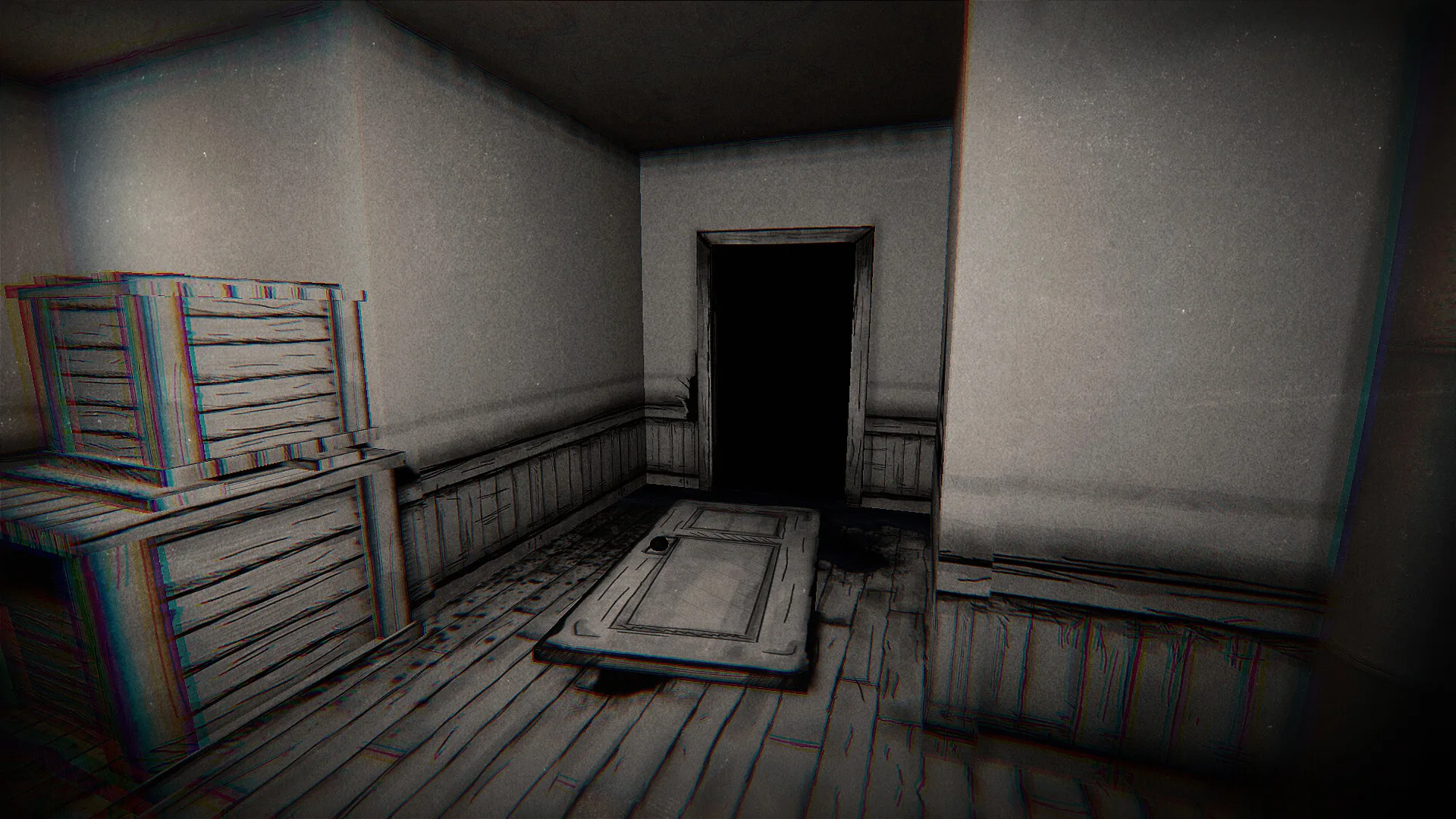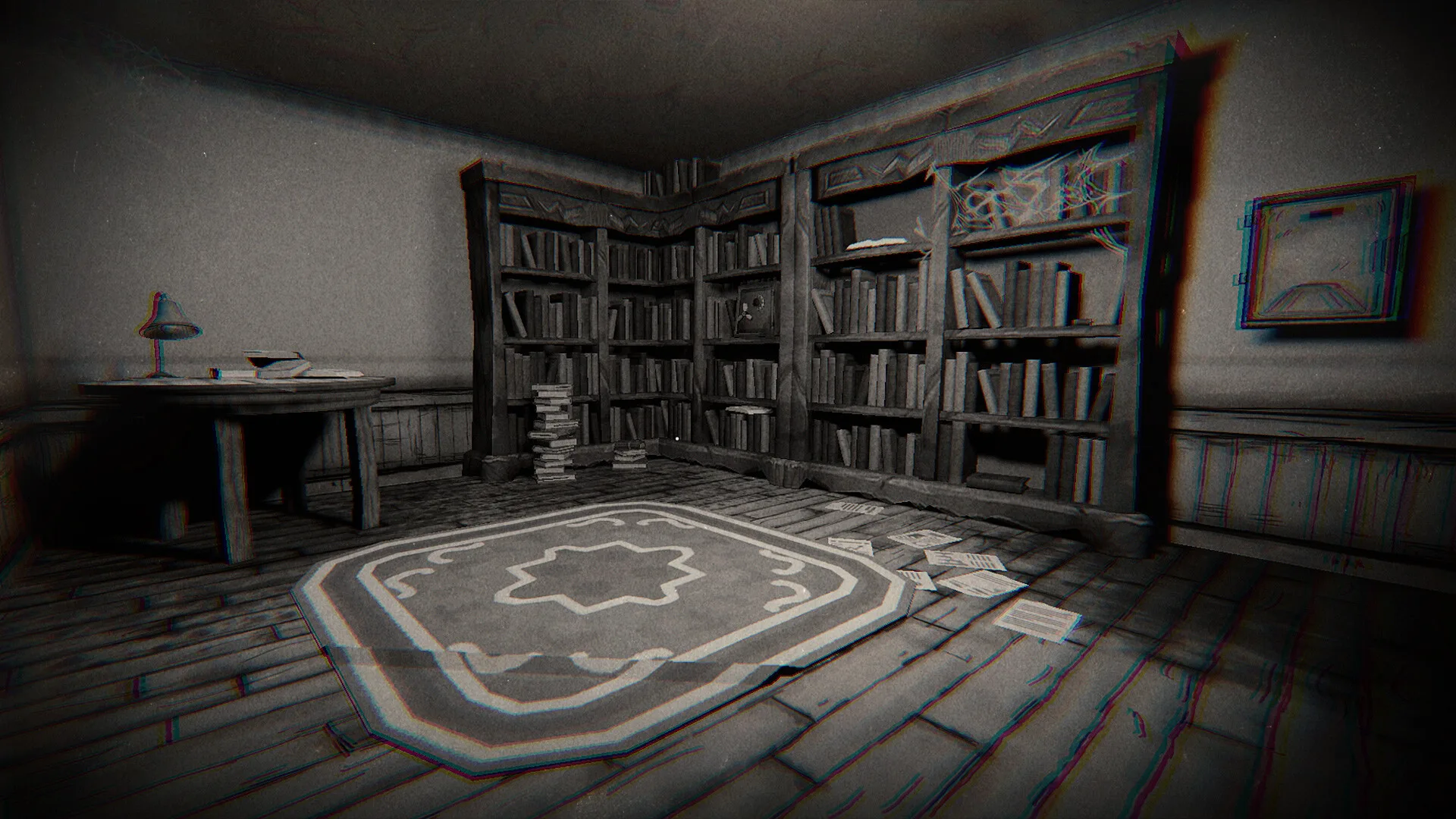
A Hole In My Room Chapter 1 is a free, roughly 45-minute PC prologue, not a verdict on the complete planned game. Lexip Games released this opening chapter on Steam for Windows PC on August 12, 2026, positioning it as the beginning of a progressively released DLC structure. Later chapters are planned, but no verified timetable or pricing has been announced. That framing matters: this is a compact introduction asked to sell an ongoing psychological-horror proposition before the larger story, and perhaps its fuller mechanical vocabulary, exists.
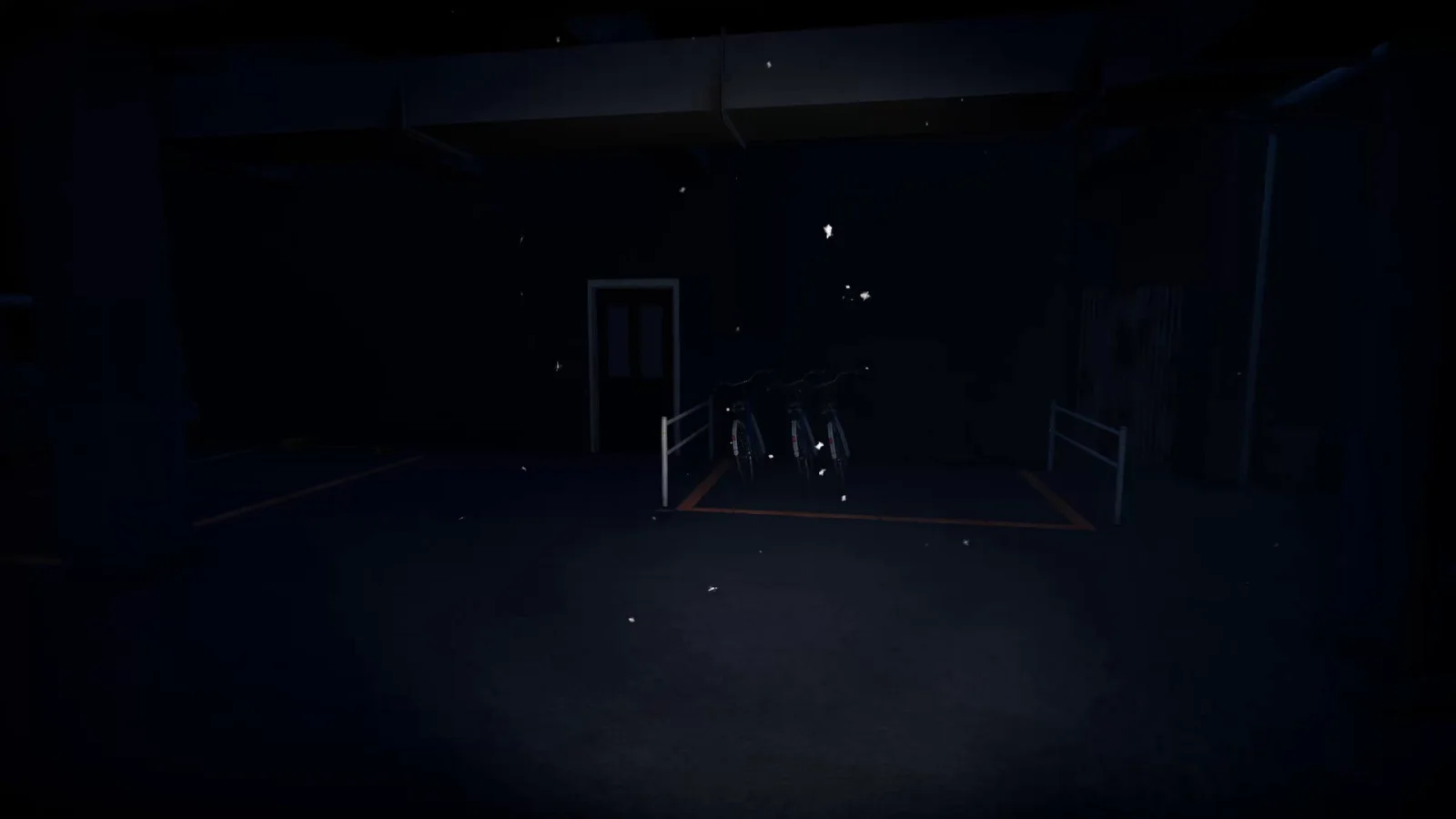
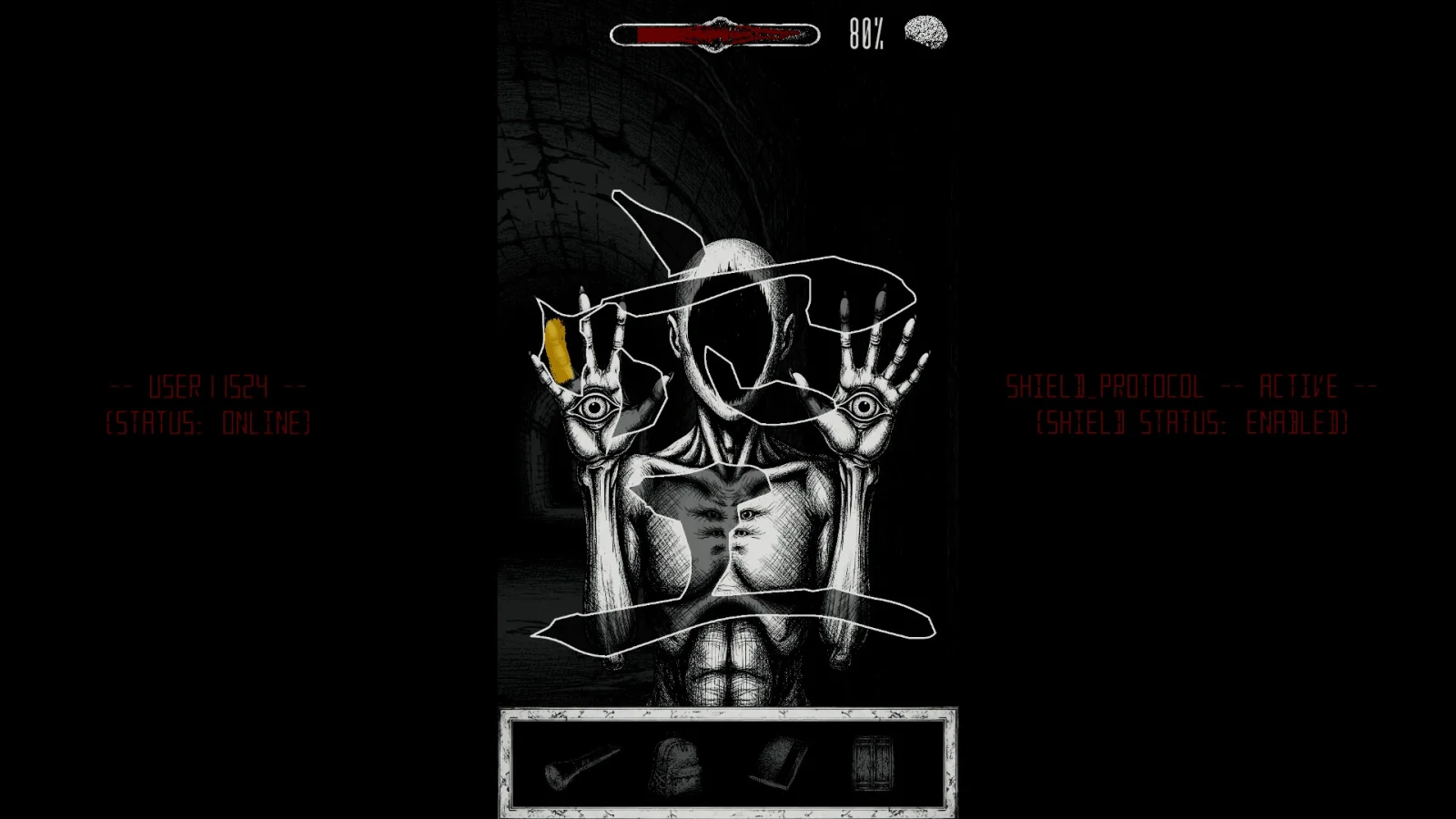
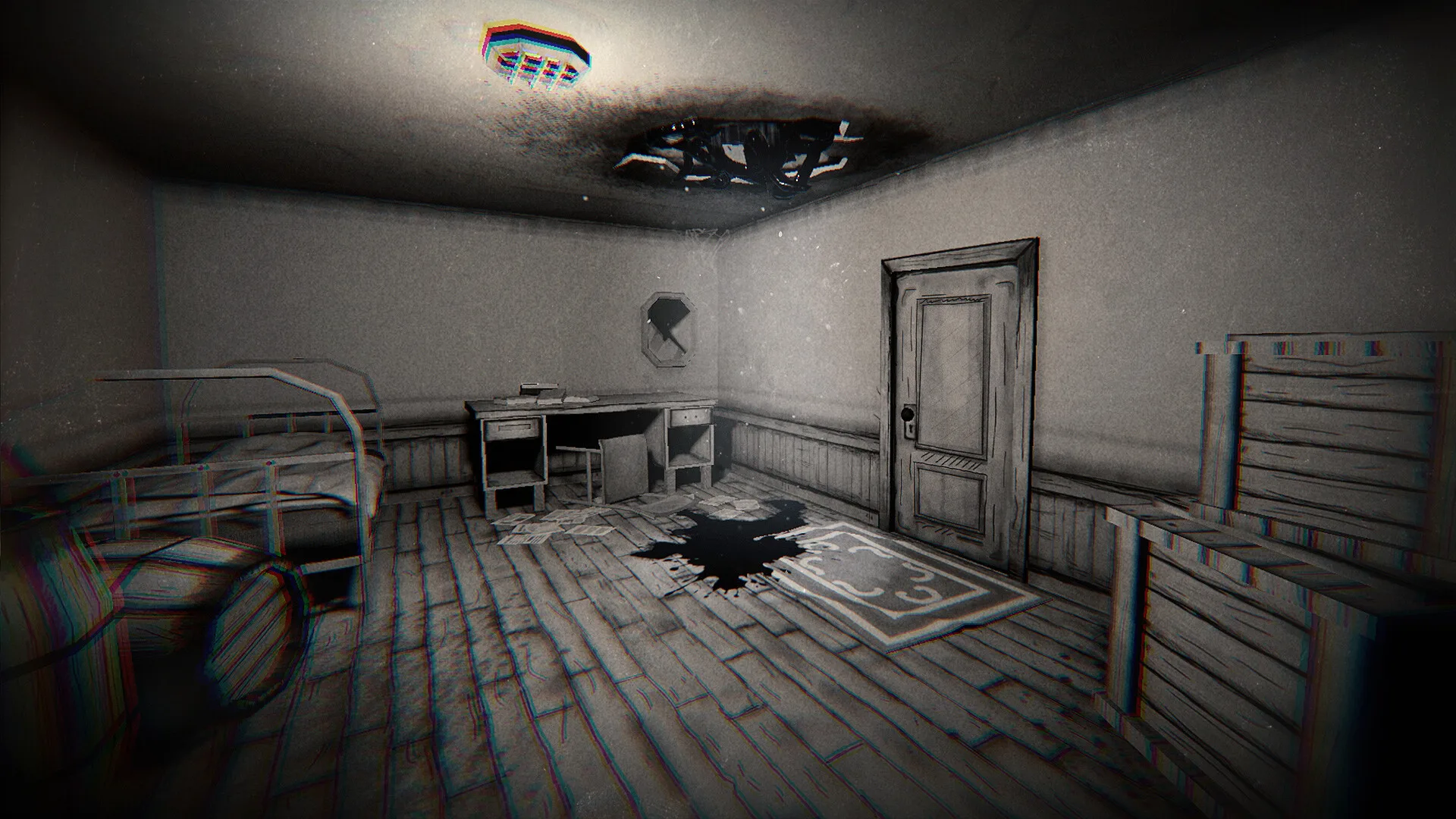
The setup is deliberately spare. James wakes in a colorless room beneath a mysterious hole in the ceiling, unable to explain where he is or how he arrived. The stated goal is to uncover a route out while avoiding a lurking dark creature. Its ingredients are first-person exploration, hidden objects, puzzles, locked doors, and hiding from enemies, presented through stylized graphics. That is a familiar survival-horror vocabulary, but the unusual pressure comes from its scale. A longer horror game can spend hours building a place, teaching rules, and recovering from a weak encounter. A chapter advertised at about 45 minutes has no such luxury.
For this particular opening, the central design question is not whether every mystery can be answered. It should not be. The question is whether the chapter can make three promises feel credible: that its item-and-puzzle logic can be understood, that hiding carries meaningful dramatic weight, and that James’s predicament creates enough narrative pull to warrant a return when another chapter arrives. Those jobs overlap, yet each can undermine the others. A riddle that needs uninterrupted concentration can collide with an enemy who demands immediate caution. An intentionally withheld explanation can produce unease, but it can also leave the player without a reason to care about escape beyond the basic instruction to do so.
A prologue needs a legible language
Exploration horror often begins by turning rooms into sentences. A locked door establishes a question. An object may supply an answer, or may simply clarify what kind of answer the game expects. A code, symbol, note, or environmental detail can teach a player how to read the space. In a short chapter, this language needs to arrive quickly enough that progress feels like interpretation rather than arbitrary scavenging. The confirmed combination of hidden objects, puzzles, and locked doors gives A Hole In My Room a clear opportunity to create that rhythm.
There is also an unavoidable trade-off between linearity and agency. A mostly linear chain of keys and objects can be an advantage in a 45-minute prologue. It limits aimless searching, gives the developer control over pacing, and makes it easier to place a threat at consequential moments. It can make a confined setting feel like an authored nightmare rather than a broad but thin map.
Yet a linear path does not automatically feel deliberate. The distinction rests on whether each solution changes the player’s understanding of the environment. If an object merely opens the next obstruction, the structure may become a sequence of permissions. If it reveals why a room matters, reframes an earlier detail, or creates a choice about when to take a risk, linearity can instead support momentum. The strongest version of this design would let the colorless setting and the hole itself do more than supply a visual hook: they would become part of the logic through which the player learns what is safe, significant, or unstable.
A compact chapter could also benefit from allowing small amounts of optional observation around the mandatory route. That is not a claim that A Hole In My Room does so; it is a design possibility especially suited to hidden-object exploration. Optional details can give players a feeling of authorship without requiring a branching plot or a huge environment. They can make the final required solution feel discovered rather than delivered. The constraint is that optionality must not obscure the route in a game whose stated duration is less than an hour. A prologue needs curiosity, but it also needs forward motion.
Hiding has to be more than an interruption
The dark creature is where the chapter’s puzzle-box design meets its horror identity. Hiding from enemies is part of the premise, making the balance between readable danger and genuine surprise a key design question. An enemy can give puzzle-solving a cost in time and attention, but only if its warning signs are clear enough for the player to respond.
Telegraphed danger is a powerful horror tool because it turns anticipation into play. A sound cue can ask the player to stop treating a room as a puzzle and start treating it as a refuge. It can make previously harmless furniture, corners, and routes newly relevant. The player’s fear comes not only from an attack but from the transformation of familiar space into a temporary hazard. This is particularly valuable in a short game, where an enemy cannot depend on long-term escalation alone. Recognition must do much of the work.
The danger is that legibility and punishment can pull in opposite directions. If warning cues are too generous, hiding may become a routine pause that repeatedly drains the puzzle’s momentum. If they are too opaque, an encounter can feel like a test of information the player was never given. A penalty for being caught can make narrative sense and increase dread, but it can also make later attempts less readable precisely when the player needs a clear way to adapt. Whether that trade-off feels tense or frustrating depends on how the encounter is built.
For the creature to be meaningful, hiding ideally needs to generate decisions rather than simply delay them. Can the player safely investigate now, or should they retreat? Is a clue worth checking if it exposes them? Does knowing the space make future escapes more intelligible? These are conceptual questions, not confirmed mechanics in A Hole In My Room, but they describe why a chase threat can elevate an item-puzzle structure. It supplies a cost to attention. In a well-integrated chapter, the monster should not feel as though it belongs to a separate game that periodically interrupts the riddles; its presence should alter the meaning of exploration itself.
Mystery requires stakes as well as secrecy
The ceiling hole, the colorless room, and James’s missing explanation give the first chapter an immediate surreal image. Psychological horror often benefits from refusing quick answers. An unexplained place invites the player to project possibilities onto it, and a prologue should preserve material for later chapters. The problem is not ambiguity. The problem is ambiguity without shape. If every question is deferred, then escape risks becoming only a mechanical objective: locate objects, open doors, avoid danger, leave.
A strong first chapter does not need to reveal the source of the room, the creature, or the hole. It does need to establish what is emotionally or dramatically at stake in seeking an answer. That can be as modest as giving James a distinctive response to his situation, suggesting a contradiction in the environment, or making the act of escape feel likely to lead somewhere more troubling. None of those possibilities should be mistaken for a confirmed feature here. They are the narrative standard against which an episodic opening is likely to be tested.
The chapter’s visual premise may be well suited to that task. A colorless room can imply deprivation, unreality, confinement, or a world stripped of certainty. But stylization gains force when it has consequences beyond appearance. It might guide attention, distinguish important objects, or make the intrusion of a new element matter. If the aesthetic only decorates standard progression, it risks becoming a memorable image without an equally memorable function. If it informs puzzle reading and threat recognition, it can bind the game’s separate advertised components into a coherent identity.
What free Chapter 1 can reasonably promise
The free release is not a trivial detail. It makes Chapter 1 a comparatively low-cost way to determine whether this blend of first-person exploration, locked-door puzzles, hidden objects, and creature avoidance appeals. It also puts greater pressure on the chapter to end with a sense of direction. A paid opening may ask for patience on the strength of investment; a free prologue asks for a return visit later, potentially after a gap and without a verified schedule for the next installment.
That situation makes closure important. Closure does not mean resolving the mystery. It means finishing the chapter with an earned change in understanding: a new question, a shifted objective, a discovery that recasts the opening, or simply a clear sense of why the next step matters. Without that, an episode can feel like an isolated demo rather than the first movement of a serialized story. With it, brevity can become an asset, concentrating the experience around one memorable proposition.
Players interested in another contained, systems-led PC design assessment may also find our Chesscape Room Early Access assessment relevant. The connection is not a claim that the games are alike; it is simply another consideration of how a focused premise communicates its rules and purpose.
The first chapter lists nine achievements and broad language support: English has full audio, interface, and subtitles; Persian has audio and subtitles; and French, German, Spanish-Spain, Brazilian Portuguese, Russian, Turkish, and Ukrainian are listed for subtitles. Those options improve the chapter’s stated accessibility to different language audiences, though they do not by themselves answer questions about localization quality.
The measured case for A Hole In My Room Chapter 1 is therefore a case for its premise rather than a declaration of success. It has a legible set of ingredients and a sensible free-entry structure: solve, search, hide, and pursue the explanation behind an impossible room. The critical tension lies in integration. If its clues establish trust, its creature turns that trust into pressure, and its mystery gives the escape a personal charge, this short opener could make a compelling argument for future chapters. If those elements remain disconnected, the same brevity may make their rough edges harder to overlook. Chapter 1 is best approached as an invitation to test that proposition, not as a complete account of the story Lexip Games intends to tell.