1666: Amsterdam is an explicitly unfinished Early Access project, not a finished release awaiting a conventional verdict. Developed and published by Panache Digital Games for Windows PC, it entered Steam Early Access on August 25, 2026. Its official pitch is immediately distinctive: a third-person, dark, story-led action adventure set in Amsterdam in 1666, where supernatural threats sit inside a historical setting rather than beside it as simple background decoration.
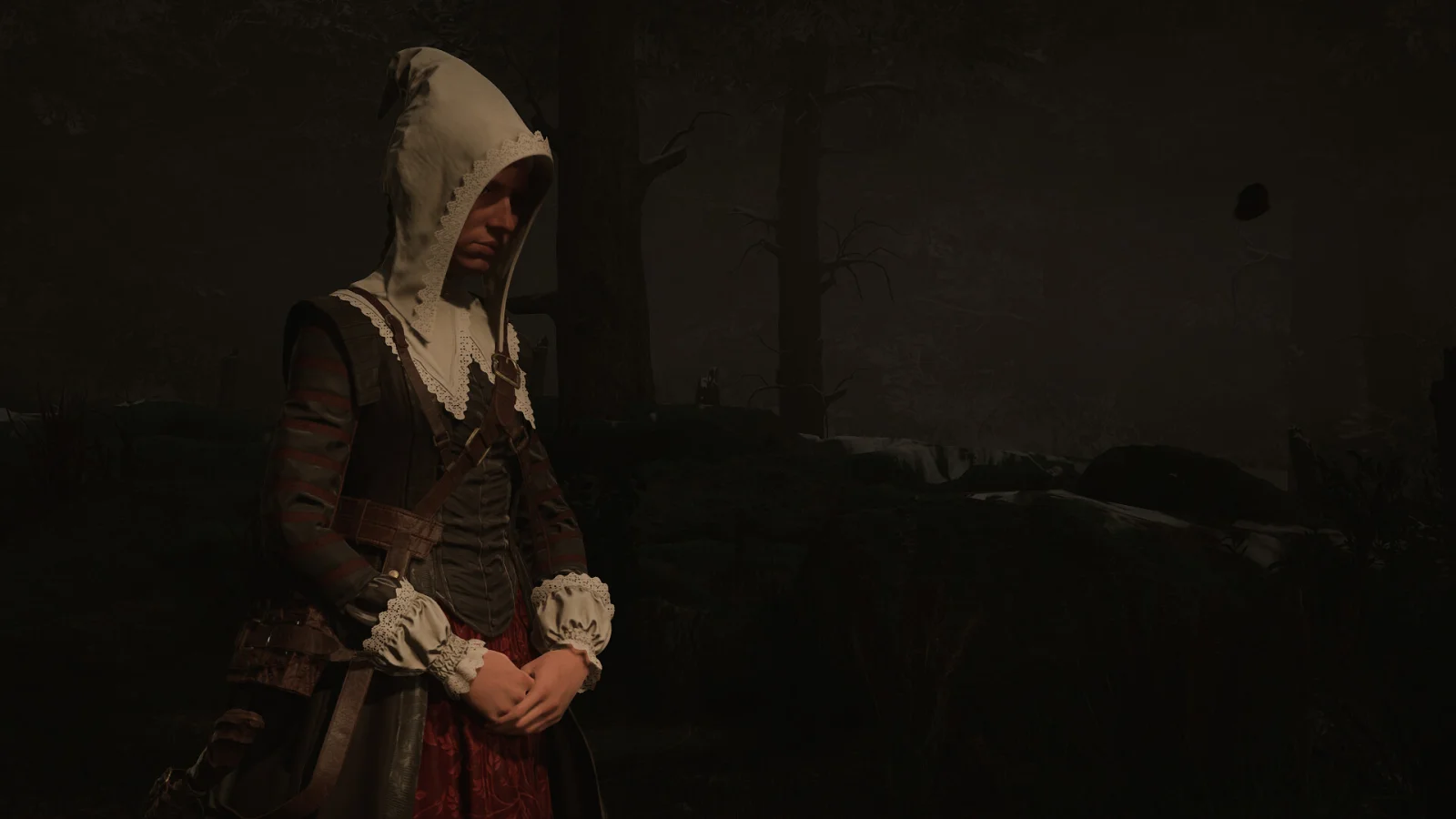
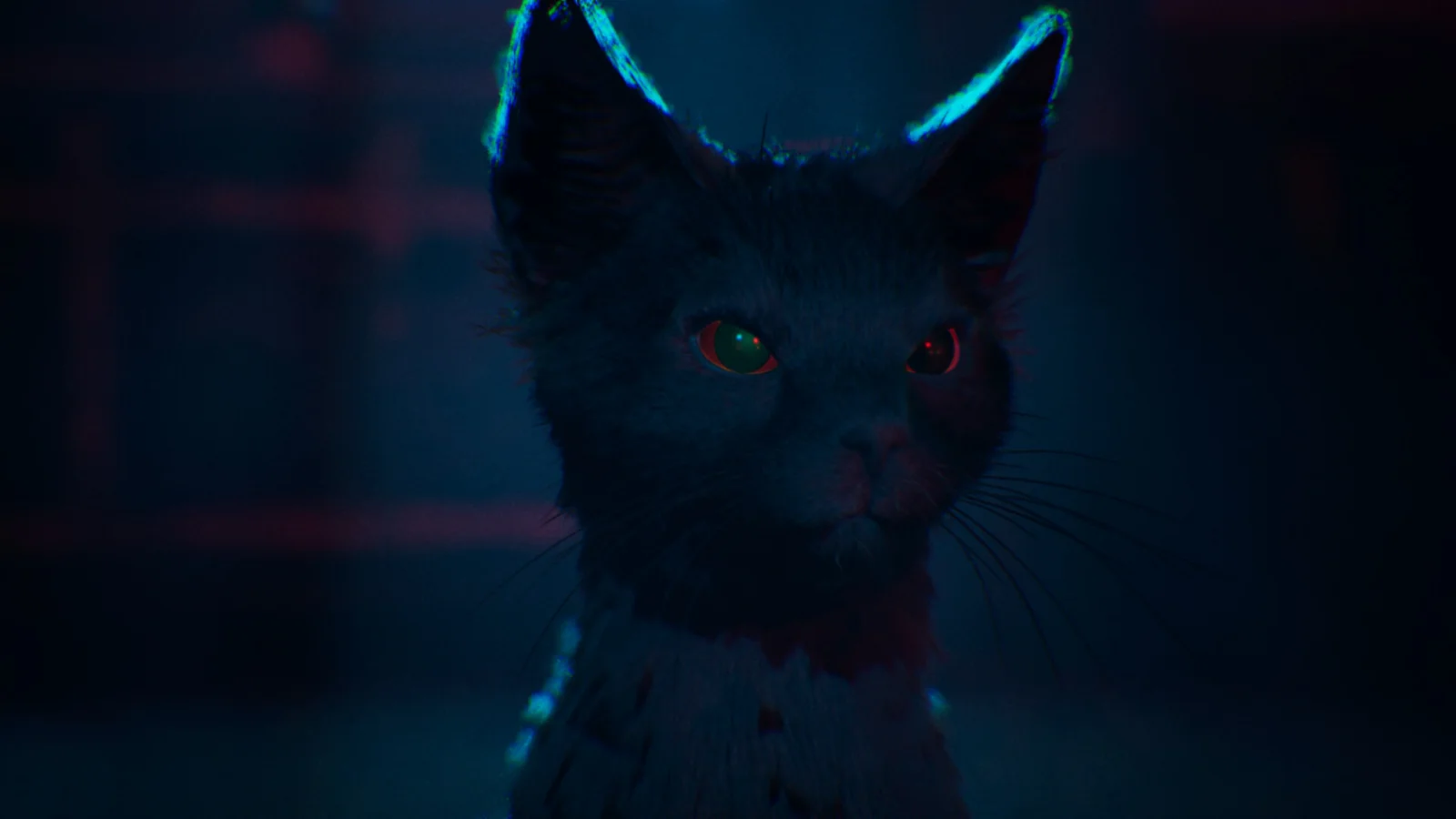
The premise puts Noa Brooklyn, a witch known as the Collector, on the trail of hidden demonic Originals. The stated structure asks players to investigate during daylight and confront these targets after dark. Alongside Noa is Aaron, a figure summoned from 1999 who can be played while inhabiting the body of a black cat. Official descriptions also identify witchcraft, spellcasting, and multiple approaches to targets as central components.
That is an evocative foundation, but it is important to keep the categories of information separate. The setting, characters, stated systems, single-player support, Steam Cloud support, and Early Access status are established store and developer facts. The developer’s expectation of a roughly 15-hour initial campaign and about a year of staged updates are plans, not guarantees. Published hands-on accounts offer useful but limited observations about particular builds; they cannot establish how every player will respond, nor prove that reported roughness or strengths remain identical following later patches.
This preview therefore assesses the announced design and the buyer questions raised by available reports. It is not a hands-on review, and it does not treat the project’s intended destination as a substitute for the build available now.
A setting designed to carry more than atmosphere
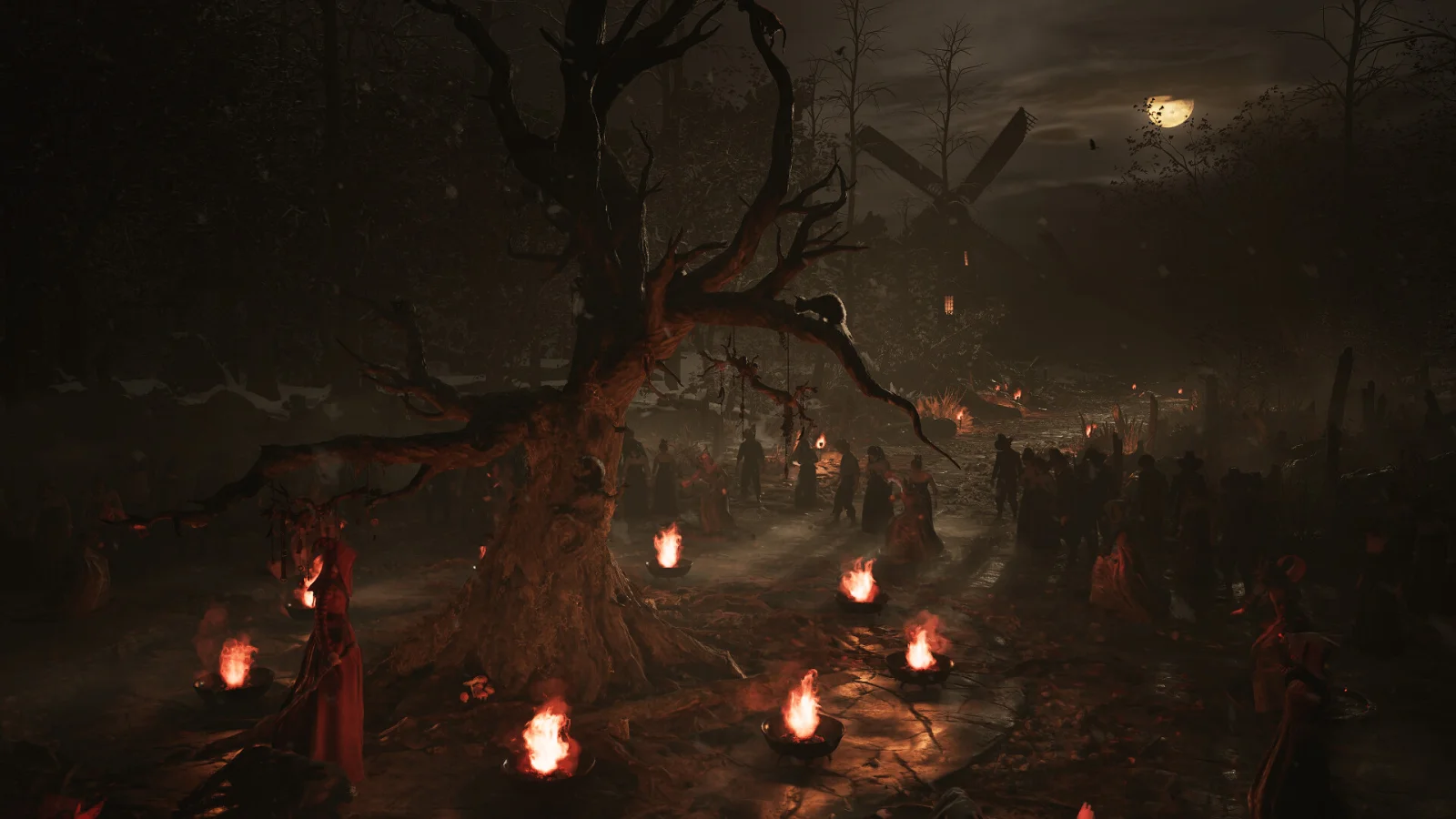
Historical Amsterdam is not merely a familiar location with dark-fantasy imagery placed over it. The official setup makes the city and its period inseparable from the game’s identity: 1666 is the frame for Noa’s hunt, while Aaron’s arrival from 1999 creates an explicit collision between eras. That combination gives the game an immediate advantage over a more generic supernatural adventure. A city with a specific historical identity can give investigation, travel, and target pursuit a stronger sense of place than a sequence of interchangeable haunted districts.
Published hands-on reporting has responded positively to the painted city presentation, setting, and character art. Those are meaningful observations because visual direction may be one of the clearest ways a story-led game communicates its world before dialogue or combat has time to establish context. Still, the reports are not a final assessment of visual performance, environmental breadth, or the completeness of the city as an explorable space. They indicate that the premise has translated into a memorable surface impression in the observed versions, not that every part of the experience has achieved the same standard.
The larger opportunity is thematic coherence. Daytime investigation and nighttime confrontation could give the Amsterdam setting two different dramatic functions: one for reading a situation and locating danger, another for facing the consequence. That possibility should not be mistaken for confirmation of a deep simulation or an elaborate time-management system; official material establishes the day-and-night investigative framing, not every rule behind it. Even so, the stated contrast is promising because it can make preparation matter emotionally as well as mechanically. If the search for a target provides clues, tension, and context before a confrontation, the supernatural encounters may feel tied to the world rather than simply placed at its edges.
Two perspectives need to be more than a novelty
Noa and Aaron provide the game’s clearest structural hook. Noa is the Collector and the primary witch-hunting figure in the official premise. Aaron, in contrast, is a person from another time inhabiting a black cat’s body, offering what the developer describes as a different approach to exploration. This is an arresting idea because it changes more than a costume or a combat loadout. A cat-sized viewpoint can potentially alter how players read spaces, routes, and threats, while Aaron’s temporal displacement gives the second perspective narrative friction as well.
A post-launch hands-on account specifically praised cat exploration, while another found the character contrast compelling before release. These are encouraging, build-specific impressions rather than a guarantee that the switch between perspectives is equally satisfying throughout the campaign. The decisive design question is whether each character has a distinct reason to exist in the investigation-and-confrontation loop. If Aaron’s perspective changes how places are understood or approached, the dual-character concept could turn into a genuine source of variety. If the difference is mostly presentational, the novelty may fade faster than the premise deserves.
There is also an interesting relationship between the two stated viewpoints and the game’s promise of multiple approaches to targets. “Multiple approaches” is broad language and should be read as such. It confirms an intention toward alternatives, not a documented guarantee of systemic freedom, extensive consequence, or a particular style of mission design. Yet pairing alternate target approaches with radically different playable embodiments creates a reasonable design expectation: buyers may look for choices that feel legible and for character perspectives that support distinct ways of engaging with the world.
One published preview saw promise in stealth opportunities and wanted more meaningful choices. That is not proof that the current game lacks choice across the board, nor a statement that any later update has or has not addressed the concern. It does, however, identify a practical issue worth considering before purchase. An adventure that foregrounds investigation, spells, stealth possibilities, and alternate approaches benefits when players can understand why an approach was available and what it changed. Meaningful choice does not necessarily require a branching epic; it can also mean that preparation, positioning, spell use, or character selection produces consequences that are clear enough to value.
Combat and witchcraft are the key practical unknowns
The official description confirms witchcraft, spellcasting, and confrontations with demonic Originals, but does not provide a complete public accounting of combat cadence, enemy variety, progression, or the exact role spells play in every encounter. It would be inappropriate to fill in those gaps with assumptions. The available accounts nonetheless point toward a consistent area of buyer caution: separate post-launch reports criticized repetitive combat or asked for greater combat variety, while also noting uneven systems and a need for substantial Early Access improvement.
Those observations should be taken seriously without being inflated into a universal verdict. They come from individual experiences with specific builds. They do not establish that every encounter repeats in the same way, that all systems are uneven, or that development has stood still. What they do establish is that prospective buyers have reason to inspect the current build, recent update notes, and recent player feedback rather than purchasing solely for the concept of a witch-led supernatural hunt.
That distinction matters especially in Early Access. Spellcasting can add a great deal to an action adventure when it creates readable decisions: a player understands what a spell is for, when to use it, and how it changes the immediate problem. But the official facts alone do not tell us whether 1666: Amsterdam consistently reaches that clarity. Likewise, a game can offer several ways to approach a target while still making its direct confrontations feel too familiar for some players. The reported tension between compelling worldbuilding and concerns around combat variety is therefore not a contradiction. It is a sign that the game’s strongest idea may be asking its supporting systems to catch up.
Early Access changes the purchase question
Panache Digital Games says it expects staged updates over roughly a year. That timeframe gives the project a stated direction, but it should not be read as a delivery date or a binding promise of particular improvements. Early Access works best for buyers who are comfortable evaluating a work in progress as it exists today, including the possibility that its priorities, polish, and balance may develop over time. It is less suitable for someone who wants the certainty of a settled campaign, fully proven systems, and a final critical consensus.
The developer estimates the initial Early Access campaign at approximately 15 hours. That is useful as a statement of intended scope, but not as a verified completion time. Individual duration can vary, and an estimate does not answer the more important qualitative question: whether the available content delivers satisfying variety and momentum in its current state. The reported interest in the story and worldbuilding suggests the game has material worth watching. The reported concerns around polish, repetitive combat, uneven systems, and the weight of future improvements suggest that patience may be a sensible part of the buying decision.
Steam’s review snapshot on September 24, 2026 showed a Mixed aggregate, with 63% positive from 809 user reviews. That is a changing user-review snapshot, not an editorial score and not a diagnosis of the game’s exact strengths or problems. It does reinforce the need to avoid treating the project as a settled proposition. Potential buyers should look at the current version, the developer’s most recent communication, and feedback that reflects the build they would actually receive.
For another example of how an ambitious hybrid benefits from clear communication about what is present versus what is still developing, see our assessment of an ambitious RTS-action hybrid. The comparison here is not between the games’ mechanics or quality; it is simply a reminder that scope becomes easier to judge when a developing game’s current boundaries are understood.
Who should watch, and who should wait?
1666: Amsterdam is most appealing on the strength of its identity. A dark, supernatural Amsterdam; a witch protagonist; a time-displaced consciousness in a black cat; investigation by day; and confrontations after dark are not interchangeable ingredients. They establish a mood and a potential structure that feel intentionally authored. Buyers chiefly drawn to setting, art direction, character contrast, and the prospect of a story-led occult adventure may find enough here to follow closely, especially if they are comfortable with Early Access volatility.
Buyers who prioritize highly polished combat, reliably even systems, or confirmed depth in player choice should apply a stricter standard to the current version. The limited hands-on evidence does not justify declaring those areas resolved, and the developer’s future plans cannot answer for the state of the game today. Waiting is not a rejection of the concept; it is a reasonable response to an unfinished release whose most discussed concerns relate to the connective tissue between its imaginative ideas.
Unscored Early Access assessment: 1666: Amsterdam has a striking official premise and published indications that its city, art direction, story-world, and cat-based exploration can leave an impression. At the same time, reports from particular builds raise credible questions about combat repetition, polish, system consistency, and how fully its choices register. The right judgment is conditional: assess the present build, not the most attractive version of the roadmap. The concept is distinctive enough to merit attention, but the unfinished state remains central to any decision to buy now rather than revisit later.