Most gaming hardware spends its retirement on a shelf, in a drawer, or in the perilous “I’ll fix it someday” section of the loft. Wallet Boy has a more ambulatory plan for Game Boy Advance SP nostalgia: turn the clamshell console’s instantly recognisable shape into something that can leave the house without needing a link cable.
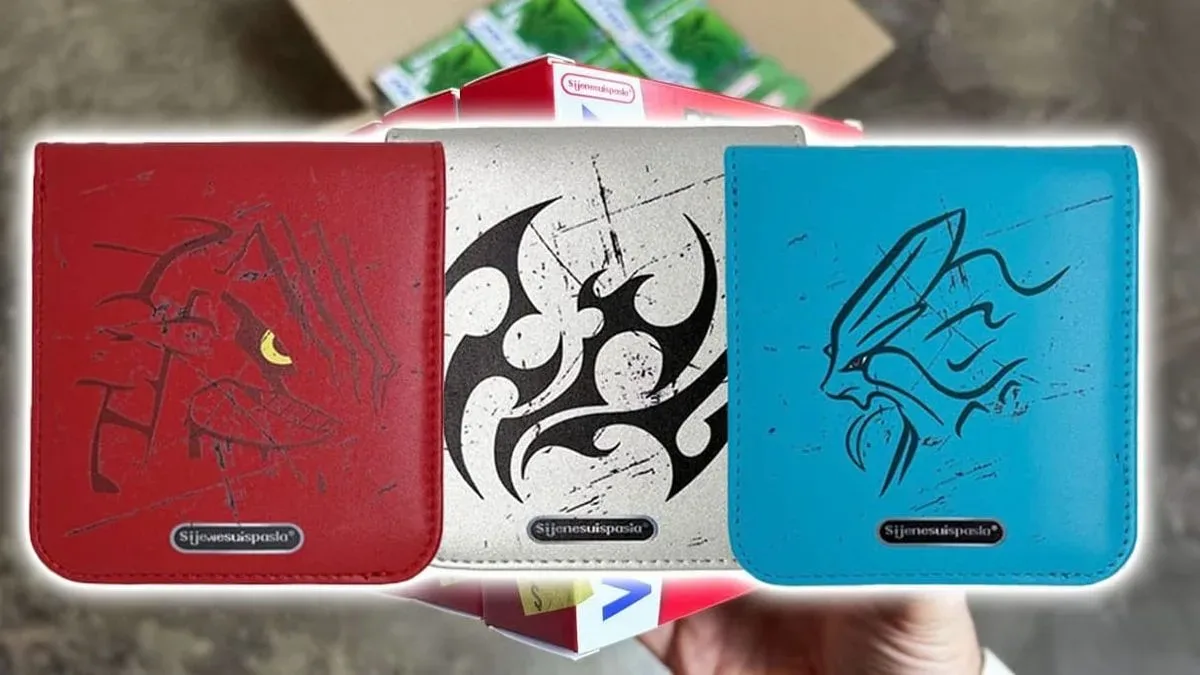
The new Wallet Boy range from sijenesuispasla consists of five compact wallets styled after Game Boy Advance SP-era designs. The products are referred to as “Cameboy SP Wallets” on the maker’s site, a deliberately altered name that signals the inspiration while stopping short of presenting the wallets as Nintendo hardware. That distinction matters: these are fan-styled accessories, not consoles, cartridges or games.
Each wallet is priced at €45, stated as roughly £38/$50, and each individual design is limited to 50 units. The small run makes this more than an ordinary novelty accessory: it is a niche physical collectible intended to be used, displayed, or—if one has nerves of steel—both.
Five designs built around a familiar handheld silhouette
The Wallet Boy collection has five announced designs:
- Pokémon Ruby
- GBA SP Tribal
- Pokémon Crystal
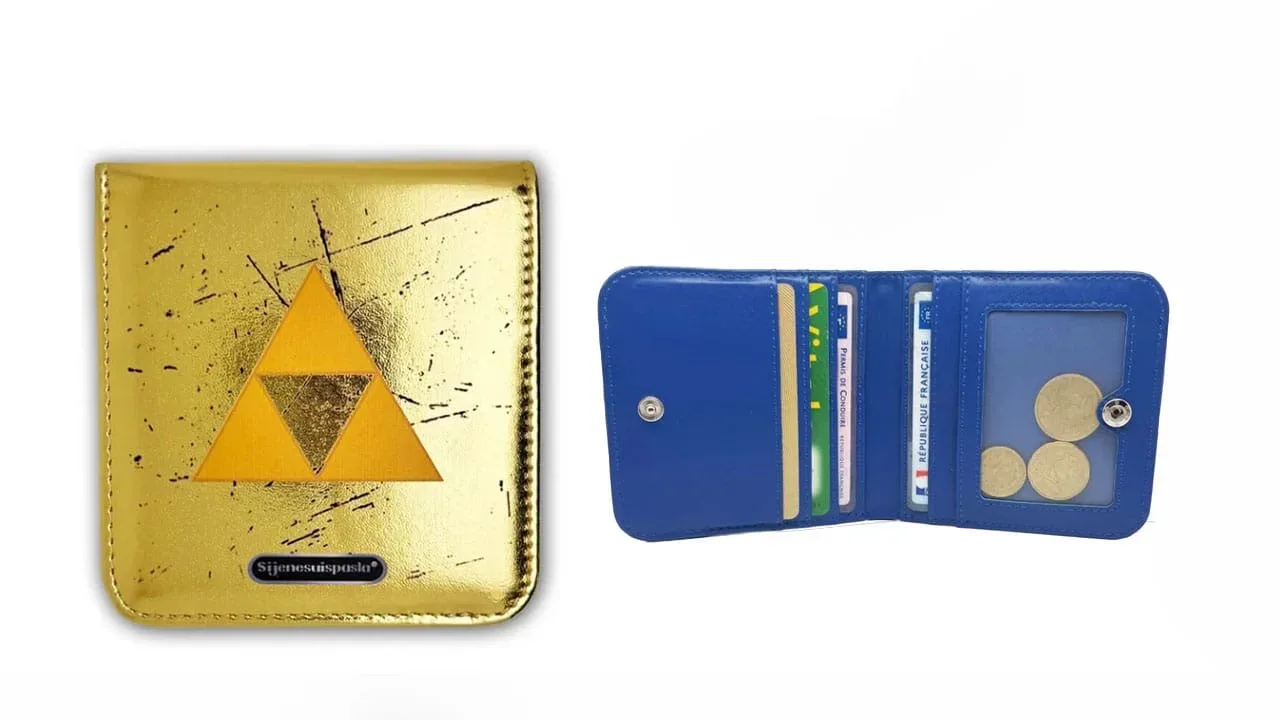
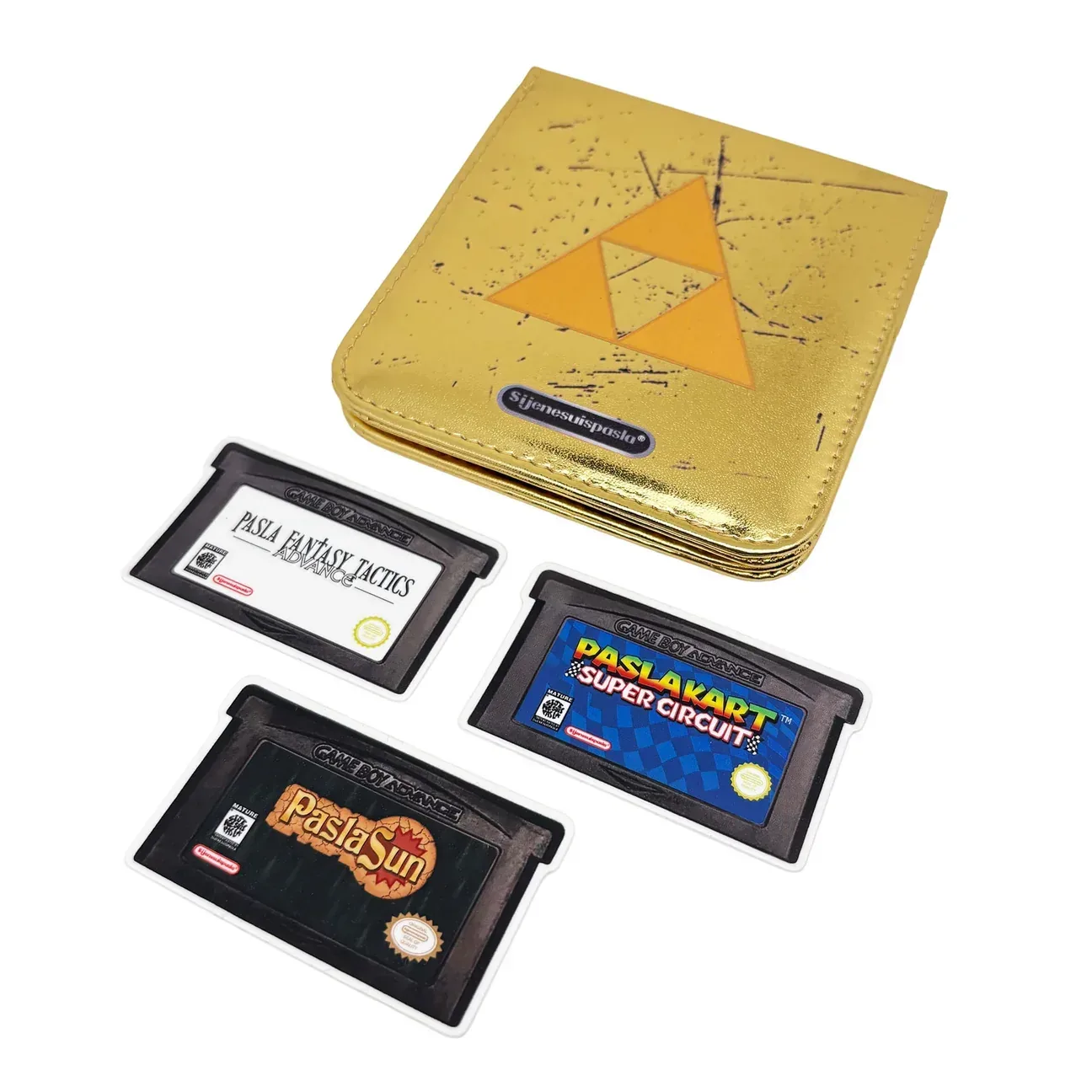
- Zelda Triforce
- Pokémon Sapphire
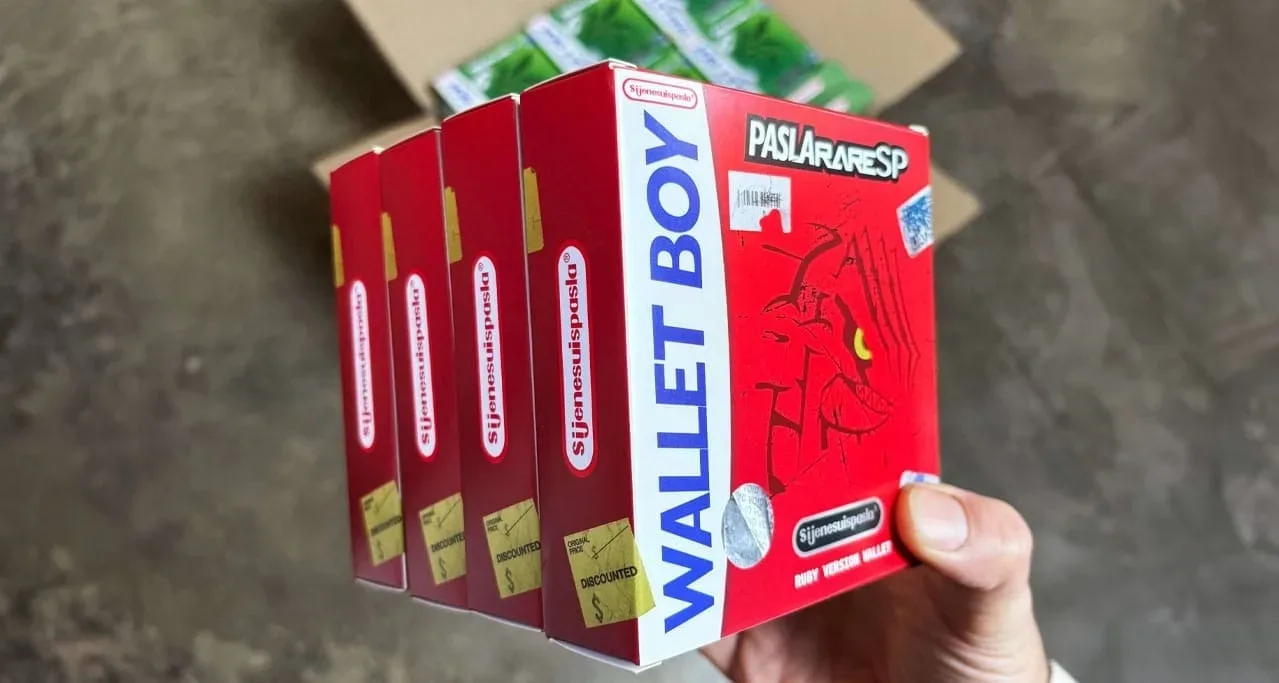
The common visual idea is the Game Boy Advance SP, Nintendo’s folding handheld. Rather than merely putting a character print on a conventional billfold, the Wallet Boy design carries the console reference across the object itself. The rear is designed to resemble the back of a GBA SP, while the product packaging is styled to evoke the presentation of a Game Boy Advance game. The box uses Wallet Boy branding and the fictional-looking “PASLARARESP” label, helping the unboxing land as part of the retro-game pastiche rather than as standard accessory packaging.
That packaging choice is not a trivial detail for collectors. A themed wallet is inherently an object that will pick up wear if it becomes someone’s everyday carry. A carefully styled box gives owners the option of retaining a display component even if the wallet itself enters active service. It also makes the release feel more like a small-edition game-related artefact than a generic piece of merch.
A wallet first, a console reference second
For all the handheld cosplay, the practical specification is straightforward. Wallet Boy models have room for cards, coins and notes or bills, and they include game-themed stickers. There is no indication that the products contain electronics, playable software, screens, buttons, or any functionality associated with the actual Game Boy Advance SP. The appeal is visual and tactile: a familiar form translated into a daily-use storage item.
That makes the design more interesting than a straight replica, at least in principle. A full-size imitation console would be awkward as a wallet. The useful trick is to preserve the visual language of the original object while making space for the things modern wallets tend to hold. The result is designed around a clear collision of eras: the GBA SP aesthetic comes from a handheld gaming format, while the contents are the cards, coins and paper currency needed in ordinary life.
Related coverage includes Wallet Boy Turns Game Boy Advance SP Nostalgia Into a Wearable Gaming Accessory.
What “daily carry” means here: collectors use the term for items regularly kept on their person—often wallets, keyrings, pens, pocket tools, handhelds and accessories. For a limited wallet, daily carry creates an immediate trade-off. Using it fulfils its core purpose and lets the owner enjoy the design; storing it carefully may better preserve its condition, packaging and scarcity appeal. Wallet Boy is firmly on that line between practical accessory and displayable fandom object.
Why the Game Boy Advance SP is such a strong template
The Game Boy Advance SP is especially suited to this kind of design translation because it already has a compact folding profile. Its form is visibly different from a standard rectangular wallet and easy to identify at a glance. The Wallet Boy range leans into that recognition through the rear-console styling and designs tied to Pokémon, Zelda and the tribal-pattern look associated with GBA SP hardware.
The Pokémon Ruby and Pokémon Sapphire editions establish a paired visual theme, fitting the two game names. Pokémon Crystal brings another Pokémon-associated option, while Zelda Triforce draws on the series’ iconic emblem. The GBA SP Tribal version shifts the focus from a game property to a console styling reference. Together, the five variants give the lineup both game-specific and hardware-specific choices without changing the underlying wallet concept.
It is a useful reminder that hardware nostalgia does not always depend on emulation, replacement screens or repair parts. Sometimes the appeal is simply a shape, colour treatment or bit of packaging grammar that instantly identifies a particular gaming era. Other hardware stories—including recent interest in new gaming hardware availability—show how closely physical products can remain tied to the rituals around play. Wallet Boy takes that relationship in a much smaller, deliberately impractical direction: it borrows the feeling of a handheld without attempting to replace one.
Limited to 50 of each design
The stated limit of 50 units per design is the key collecting detail. If every announced version reaches that quantity, the five-design launch would amount to 250 wallets in total. That is a production constraint, not a promise of future value. Limited numbers can make an item harder to replace, but scarcity alone does not establish resale demand, condition, long-term desirability, or authenticity in the secondary market.
For buyers interested in the physical-collecting side rather than only the novelty, the sensible details to keep are the original box, included stickers and clear records of which specific design was purchased. Those components are part of the product as described, and keeping them together makes the item easier to identify later. Since a wallet is made to be handled, anyone choosing to carry one should also expect ordinary contact, friction and bending to affect condition over time.
Limited edition is not the same thing as investment grade. It means the maker has placed a cap on the number offered. Whether that makes a particular Wallet Boy more sought-after later will depend on factors not established here, including the survival of complete examples, collector interest in the chosen design and the broader appeal of the creator’s work. The immediate certainty is simpler: there are only 50 slated for each style, so a preferred edition may not remain available indefinitely.
Branding, inspiration and buyer expectations
The “Cameboy SP” wording and Wallet Boy branding are worth reading carefully. The range draws heavily on Nintendo-adjacent imagery and GBA SP design cues, but the products are described under their own altered name. Buyers should treat that as a signal to check the product listing closely and understand exactly what they are buying: a third-party themed wallet, rather than officially presented Nintendo hardware or game merchandise.
This is less about dampening the fun than about setting proper expectations. A fan-made object can be compelling precisely because it goes somewhere conventional licensed merchandise may not. The Game Boy Advance SP-shaped wallet idea is playful because it applies a console silhouette to an everyday object that normally receives no design affection whatsoever. At the same time, the item’s value proposition rests on the maker’s execution, materials, capacity and finish—not on any claim that it is a genuine handheld product.
A Rayquaza hint may point to another variant
The shown Wallet Boy packaging appears to hint at a Rayquaza-themed design that could arrive later. That should be treated as a tease rather than a confirmed release, because no specifications, price, quantity or release timing have been established for it. Still, the possibility fits the collection’s Pokémon-led visual direction and suggests the five currently named wallets may not be the entire concept.
For now, the confirmed proposition is neatly contained: five Game Boy Advance SP-inspired wallet designs, space for cards, coins and notes, accompanying stickers, themed packaging, a €45 price, and a 50-unit limit per variant. It is a very specific sort of retro gaming accessory—one that turns the familiar “what’s in your wallet?” question into an invitation to explain why your wallet looks ready to boot Pokémon Sapphire.