

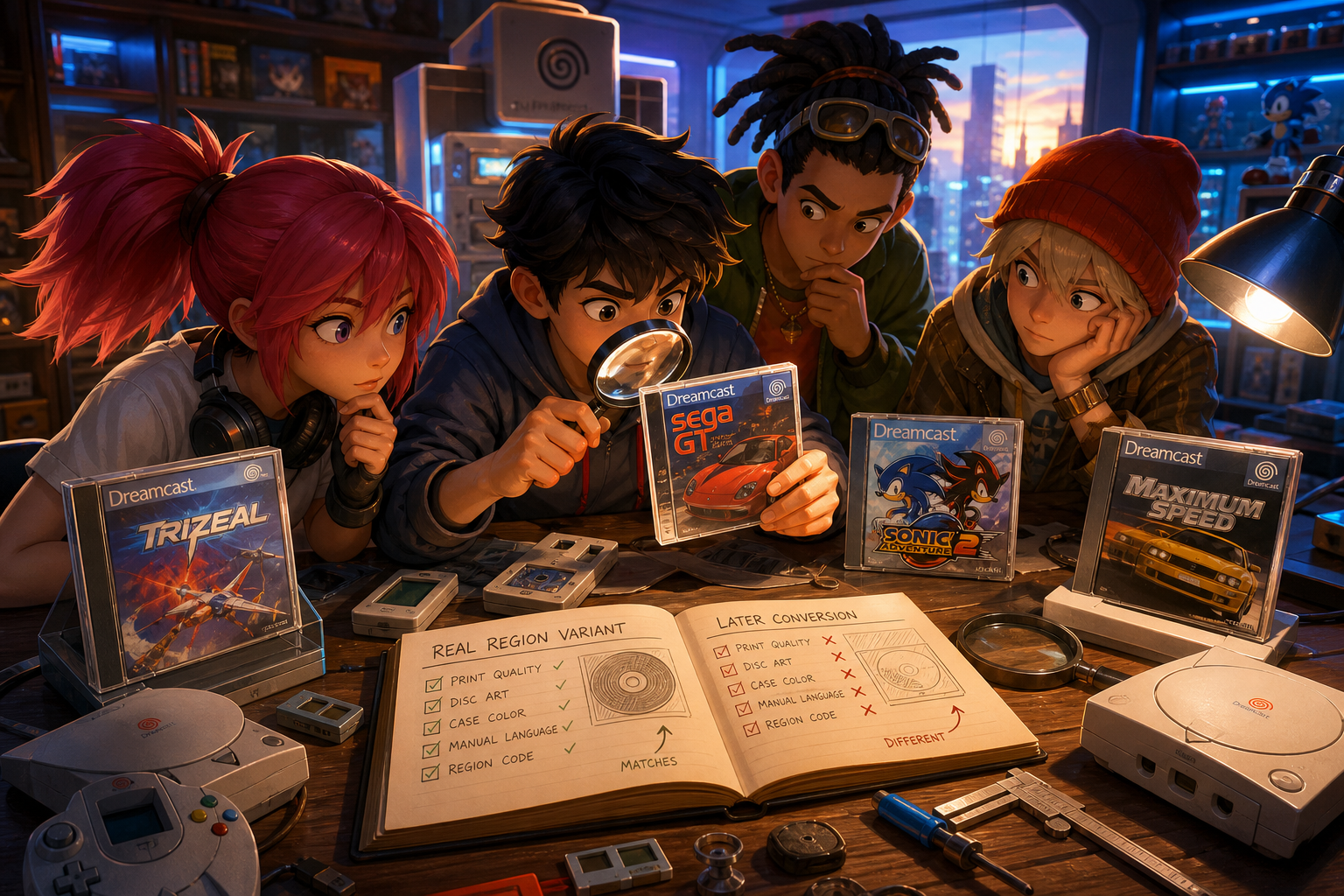
A Dreamcast listing can look convincing while answering the wrong collecting question. A familiar title may have Japanese, North American and European editions, a promotional disc may sit beside the full game, or a later conversion may run on Dreamcast hardware without ever being sold as a Sega-issued Dreamcast product.
That distinction matters when you are cataloging a collection, checking a marketplace photograph, documenting an insurance item or deciding whether two entries deserve separate records. The safest approach is to identify what the object is before recording where it came from. Sega GT, Sonic Adventure 2, Trizeal and Maximum Speed cover four different cases: ordinary regional editions, special-product complications, a legitimate Japan-only release and a conversion that should not be mistaken for an original retail disc.
Why “Dreamcast version” is not a complete identification
The phrase Dreamcast version describes a platform, not necessarily a release category. It can refer to an officially licensed GD-ROM sold for the console, a regional edition of that product, a trial or promotional disc, a special package, an arcade-derived home release or a later community conversion. Those objects may appear beside one another in databases even though they should not occupy the same catalog field.
Region is only one part of the identification. A collector also needs to know whether the item was an original retail release, whether the publisher and format match the platform, and whether the case and disc belong together. A Japanese retail game and a later conversion can both be described casually as “the Dreamcast version,” but that shorthand hides the distinction most useful to a collection record.
This is especially important with uncommon Japanese software. The absence of a North American or European release does not make a Japanese copy unofficial. Conversely, a Dreamcast-compatible image or reproduction cover does not establish that Sega, the original developer or an authorized publisher sold it as a Dreamcast product.
- Treat platform, territory and release status as separate fields.
- Do not use a database’s platform label as proof of original retail status.
- Record uncertainty rather than forcing an item into a standard regional category.
Create a five-field record before comparing copies
Start every identification with five fields: title, product code, territory, release status and physical format. The title tells you what the software is called in a particular market, but titles can be translated, shortened or changed for a special product. The product code is usually more useful for distinguishing regional packages and related editions, although it is not an absolute master key.
Territory should describe the packaging and release market you are documenting, such as Japan, North America or Europe. It should not be inferred only from the language visible on the front cover. Release status should say official licensed retail release, special retail edition, promotional or trial disc, arcade conversion, or later community conversion. Physical format should describe what is actually present: original GD-ROM, replacement disc, reproduction case, loose disc or incomplete package.
This structure prevents a common mistake: putting every disc with the same game name into a single “version” count. If a title has a standard retail release and a trial product, those can be related records without being interchangeable copies. If a playable conversion exists, it belongs in a separate status category even when the hardware and software menu make it appear authentic.
- Title: transcribe the title from the package and disc, noting alternate names.
- Product code: photograph or transcribe the code rather than relying on a seller’s description.
- Territory: identify the packaging market from the complete evidence.
- Release status: state whether it is retail, special, promotional, trial or converted.
- Physical format: distinguish original media from reproduction or replacement media.
Sega GT: the straightforward three-region example
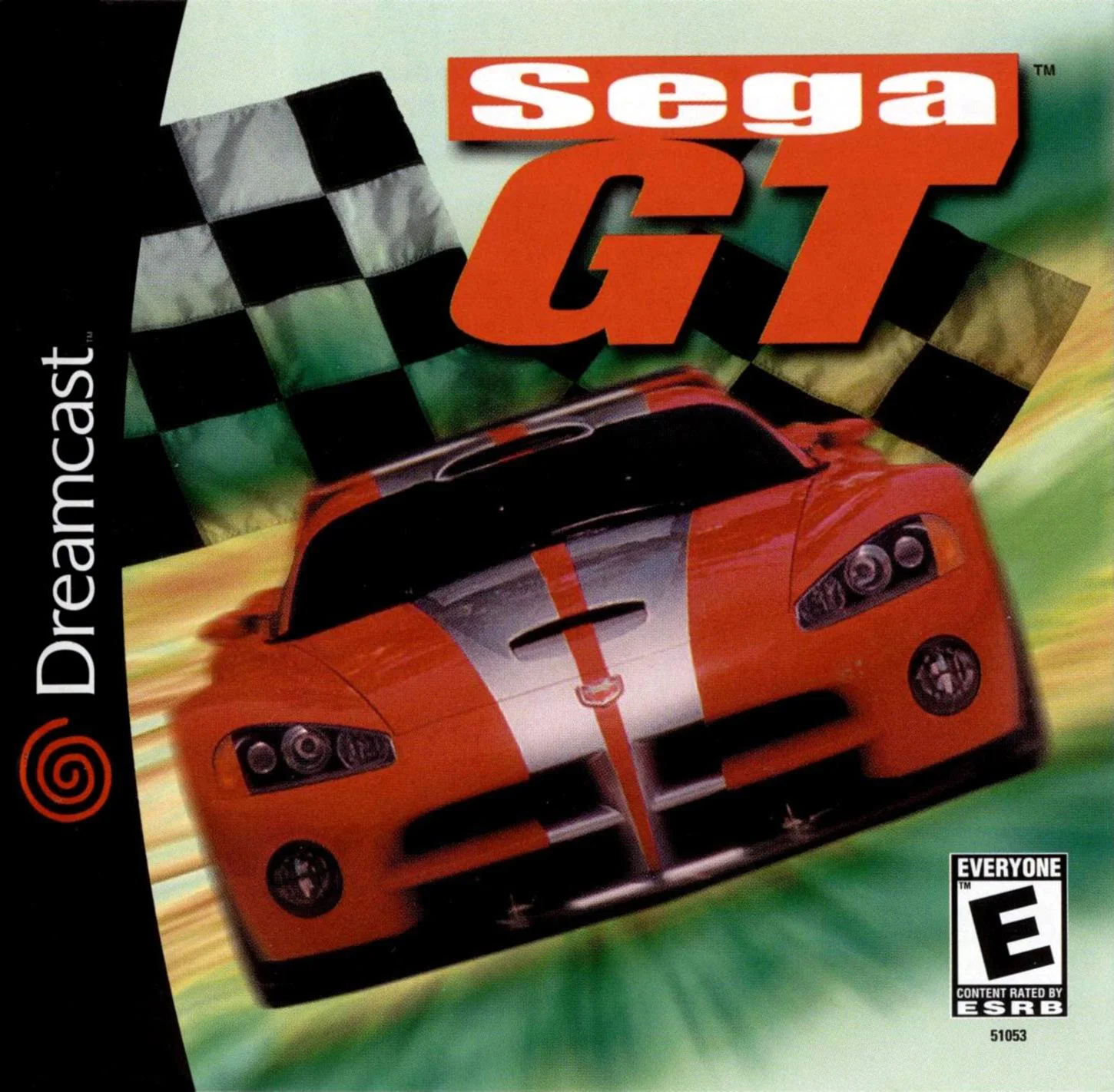
Sega GT is a useful starting point because it has documented Dreamcast releases in Japan, North America and Europe. The Japanese title is Sega GT Homologation Special, while the western editions use Sega GT. That naming difference is a clue, but it does not identify the entire product by itself. A translated or shortened title in a database can conceal which edition the record describes.
The product identifiers provide a stronger basis for cataloging. The Japanese release is associated with HDR-0054, the North American release with 51053, and the European release with MK-51053-50. These codes are more useful than a front-cover color, a seller’s region label or the language used in an online listing title. The Japanese Sega catalog also identifies SegaGT Homologation Special with HDR-0054 and notes that its listed product numbers are representative rather than exhaustive.
Do not treat the Japanese title as proof of a different game build. It identifies the market-facing product name, not necessarily a wholly separate game. The correct procedure is to combine the title with the code, disc markings, package design and territory. A record that says only “Sega GT Dreamcast” loses the distinction between a western release and the Japanese Homologation Special product.
If a seller shows only the front cover, record the result as provisional. A Japanese-looking cover may be paired with a western disc, a replacement case or a reproduction insert. The code printed on the disc, spine or back cover is the evidence that can turn a likely match into a documented one.
- Use HDR-0054, 51053 and MK-51053-50 as identification leads, not as substitutes for inspecting the item.
- Record Sega GT Homologation Special separately when the package and code support that designation.
- Check whether the case, manual and disc all point to the same territory.
- Avoid treating the title translation as proof of a different game build.
- Mark a front-cover-only identification as provisional.
Sonic Adventure 2: standard release, special material and platform confusion
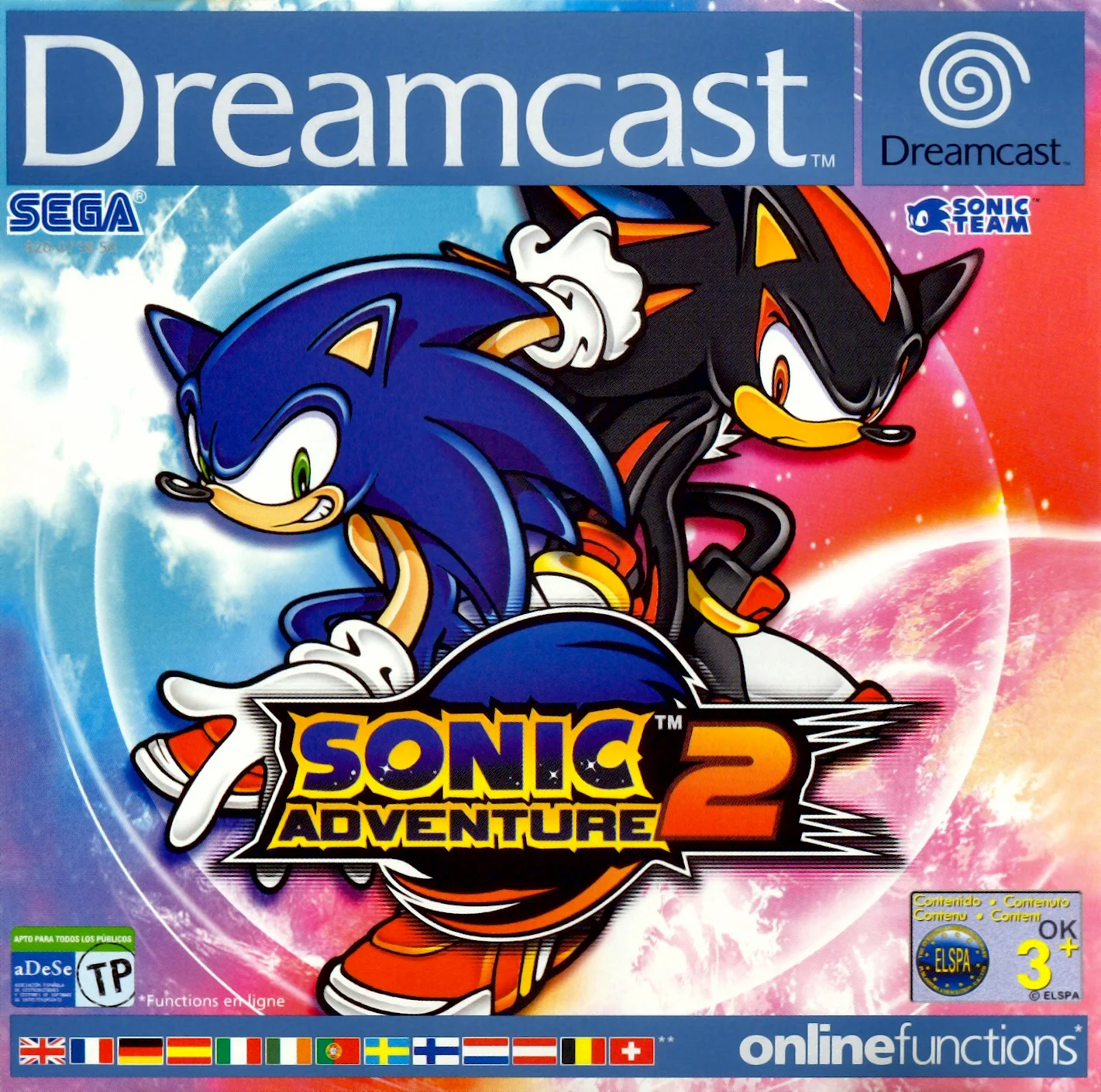
Sonic Adventure 2 demonstrates why a famous title can still produce difficult catalog entries. The standard Dreamcast game was released in Japan, North America and Europe. The Japanese product is associated with HDR-0165, while western release records commonly identify 51117 for North America and MK-51117-50 for Europe. These codes are useful when several similar-looking cases are listed together or when a cover scan has become detached from the rest of the package.
The title also appears in promotional and special-product contexts, which should make a collector slow down before treating every Sonic Adventure 2 disc as an ordinary retail copy. A trial disc, demonstration disc or bundle component may contain related software without being the standard full retail product. A package described as a deluxe or anniversary item may also include the ordinary game alongside additional materials. The catalog entry should preserve the special-product designation when the physical evidence supports it rather than silently converting the item into a standard copy.
The key question is not whether the disc displays Sonic Adventure 2 branding. It is whether the disc, case, manual and product code identify the standard retail Dreamcast release. If a seller supplies only artwork, do not use the image as proof of territory or release status. A European cover is useful for illustrating a European example, but it cannot establish that an individual listing is PAL.
Do not confuse the original Dreamcast Sonic Adventure 2 with Sonic Adventure 2 Battle. Battle is a separate conversion associated with Nintendo GameCube, and later versions also appeared on other platforms. It is not a Dreamcast regional variant. A catalog that places Battle beside the original Dreamcast game without a platform field is already mixing different products.
- Separate standard Sonic Adventure 2 from trial, promotional, bundle and anniversary products.
- Do not file Sonic Adventure 2 Battle as a Dreamcast regional variant.
- Use cover artwork as an illustration, not as proof of a listing’s territory.
- Check whether a special package contains the standard retail disc before describing it as a normal copy.
- Record the platform and product code before comparing regional packaging.
Trizeal: a legitimate Japan-only Dreamcast release
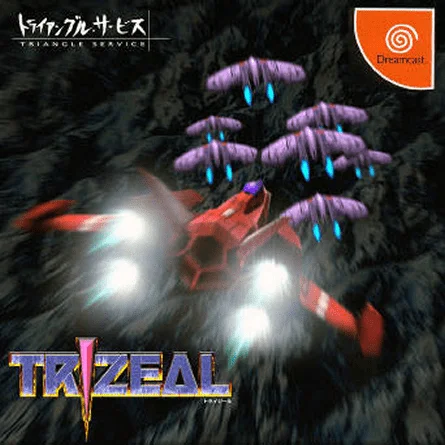
Trizeal illustrates the opposite problem from Sega GT. It is not an incomplete western release waiting for a North American or European label. The Dreamcast version was released in Japan in 2005, developed by Triangle Service and published for Dreamcast by Sega. It is a vertical scrolling shooter that began as an arcade title and later received a PlayStation 2 version.
That release history matters because a listing that says simply “Trizeal” may refer to more than one platform edition. Before counting it in a Dreamcast library, confirm that the package, disc and catalog record identify the Dreamcast product rather than the PlayStation 2 release or an arcade-related item. A Japanese Dreamcast case is not suspicious merely because it lacks western packaging.
Japanese catalog information is particularly important here because English-language entries can omit the original publisher fields, Japanese title treatment or format details. A genuine Japan-only game does not need a western product code to be legitimate. Its evidence may instead be the Japanese package, the Dreamcast GD-ROM format, matching publisher information and a consistent release record.
Trizeal also shows why platform history should be written into the catalog rather than left to memory. The arcade version and home versions are related, but they are not interchangeable physical products. A collector interested in original Dreamcast software should record the Dreamcast release as an official Japan-only retail entry and keep the arcade and PlayStation 2 versions in separate records.
- Classify Trizeal as a Japan-only licensed Dreamcast release when the physical evidence matches.
- Distinguish the Dreamcast product from the arcade and PlayStation 2 versions.
- Do not downgrade a Japanese release merely because no western edition is listed.
- Record Japanese title and publisher information as printed rather than inventing a western equivalent.
- Use the disc and format to confirm that the item is not the PlayStation 2 version.
Maximum Speed: when playable does not mean original retail
Maximum Speed requires the most cautious wording in this comparison. The title is associated with Sega’s Atomiswave arcade hardware, while the Dreamcast version encountered by collectors is a later community conversion. That places it in a fundamentally different category from the official Dreamcast retail releases of Sega GT, Sonic Adventure 2 and Trizeal.
The distinction should appear directly in the catalog. A conversion may run on Dreamcast hardware and may be represented by a disc, cover scan or database entry, but those facts do not prove that Sega issued it as a Dreamcast GD-ROM. “Playable on Dreamcast” describes compatibility or adaptation; it does not establish original platform publication.
This is where product-code logic can fail. A reproduction package may imitate the design language of a retail Dreamcast game, but it will not necessarily have an official Sega product identifier, original manufacturing information or period-correct packaging. Even a professionally printed case should not be counted as evidence of an original retail release.
The safest record for an uncertain Maximum Speed item is descriptive rather than definitive. Note the source platform association, the apparent conversion status, the physical media type and the evidence available. If the disc is a later reproduction or community-produced conversion, do not place it beside original retail GD-ROMs without a status label. This is not a judgment on whether the software is worth owning. It is a distinction between collecting original platform releases and collecting playable adaptations.
- Do not label Maximum Speed an original Dreamcast retail release without supporting evidence.
- Record Atomiswave association separately from Dreamcast compatibility.
- Describe later conversions as conversions, not as regional variants.
- Photograph the disc and packaging so future catalogers can revise the status if better documentation appears.
- Do not invent a Dreamcast product code for a conversion.
A decision tree for listings and incomplete cases
When a listing provides only a front cover, begin with the title and visible territory clues, but mark the result provisional. Next ask whether the product appears in an official or specialist release reference as an authorized Dreamcast item. Then compare the product code, publisher information, disc label and package design. If these agree, the item can usually be cataloged with a defined territory and release category.
If the title appears in several formats, stop and identify the platform before comparing regions. This is essential for Trizeal and Sonic Adventure 2 Battle. If the title is associated with arcade hardware or a conversion scene, as with Maximum Speed, make original retail status the question rather than assuming it.
An incomplete case should remain incomplete. “Japanese package, disc not inspected” is more useful than an invented region. “Dreamcast-compatible conversion, original retail status unverified” is more accurate than a confident but unsupported platform entry. The aim is not to make every record look finished; it is to make every record traceable.
When photographs are available, inspect them in this order: front cover, spine, back cover, disc label, manual, product code and case style. The disc is often the most valuable photograph because it can expose a mismatched package. A replacement case may look correct while the disc belongs to another territory or platform.
- Front cover only: mark territory and release status as provisional.
- Multiple platforms: confirm the disc and format before counting the item.
- Conflicting evidence: preserve the conflict in notes instead of choosing the most familiar label.
- No product code visible: request disc, spine, back-cover or manual photographs.
- Conversion indicators: separate compatibility from original publication.
- Mismatched components: catalog the package as incomplete or mixed.
Write the final catalog entry for future clarity
A strong entry can be short while still preserving the important distinctions. For Sega GT, identify the territory, product code and whether the title is the standard western release or the Japanese Homologation Special product. For Sonic Adventure 2, include the standard or special designation and make clear whether the item is the Dreamcast original rather than Battle. For Trizeal, state Japan-only Dreamcast release and distinguish it from the PlayStation 2 edition. For Maximum Speed, use a conversion or unverified status unless original retail documentation supports something stronger.
Keep evidence notes beside the identification, not in a separate place that future owners will lose. Photograph the front, spine, back, disc label and code where available. Note missing manuals, replacement cases and reproduction artwork. These details help distinguish a legitimate regional variant from a mixed package without requiring a future owner to repeat the entire investigation.
A practical entry might read: “Sega GT Homologation Special, Dreamcast, Japan, HDR-0054, official retail GD-ROM, complete case and disc.” Another might read: “Maximum Speed, Dreamcast-compatible Atomiswave conversion, later community release, reproduction case, original retail status not applicable.” The second entry is not inferior; it is simply describing a different kind of object.
Finally, remember that official catalogs may describe product numbers as representative rather than exhaustive. A known code is valuable evidence, but it should not be treated as proof that no other catalog variation exists. Good collecting records leave room for correction while making the present evidence easy to audit.
- Use a status label such as official retail, special product, trial, Japan-only or conversion.
- Store product code and territory with photographs when possible.
- Record missing or replaced physical components.
- Keep uncertain claims explicitly provisional.
- Do not use price or scarcity as evidence of authenticity.
- Separate playable compatibility from original platform publication.
The quickest way to misclassify a Dreamcast item is to let its title answer every question. Sega GT needs regional code checks, Sonic Adventure 2 needs separation of standard and special products, Trizeal needs recognition as a legitimate Japan-only release, and Maximum Speed needs a firm boundary between Dreamcast compatibility and original retail publication.
Catalog the object you can document: title, code, territory, release status and physical format. That method produces cleaner collection counts, more honest listing notes and records that remain useful when a cover scan or database entry tells only part of the story.


